
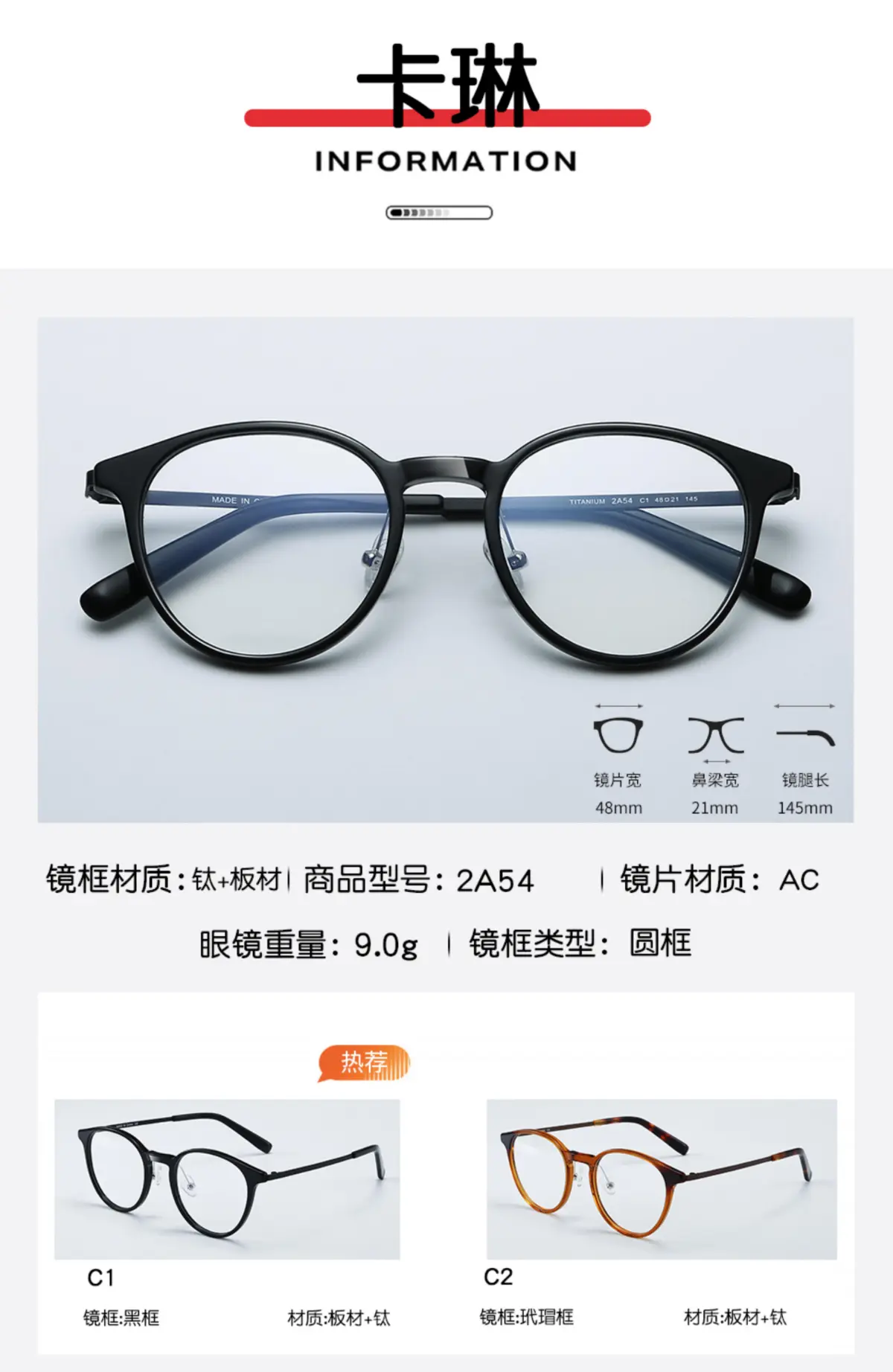
Oversized frames sell. The problem is they also hurt. A 54mm acetate frame weighs 28-35g — double the weight of a standard frame — and within two hours of wear, the nose bridge pain begins. Consumers love the look and hate the experience, which creates a return and exchange problem that erodes your margin.
The solution is not smaller frames. The solution is lighter construction. This guide covers the engineering approaches that make oversized frames wearable, the material choices that determine weight, and the manufacturing specifications that separate a comfortable oversized frame from one that sits in a drawer.
The Weight Problem: Numbers That Matter
Consumer research consistently shows that 25g is the comfort threshold for all-day wear. Above 25g, complaints increase. Above 30g, returns increase. Here is how oversized frame weights break down by material:
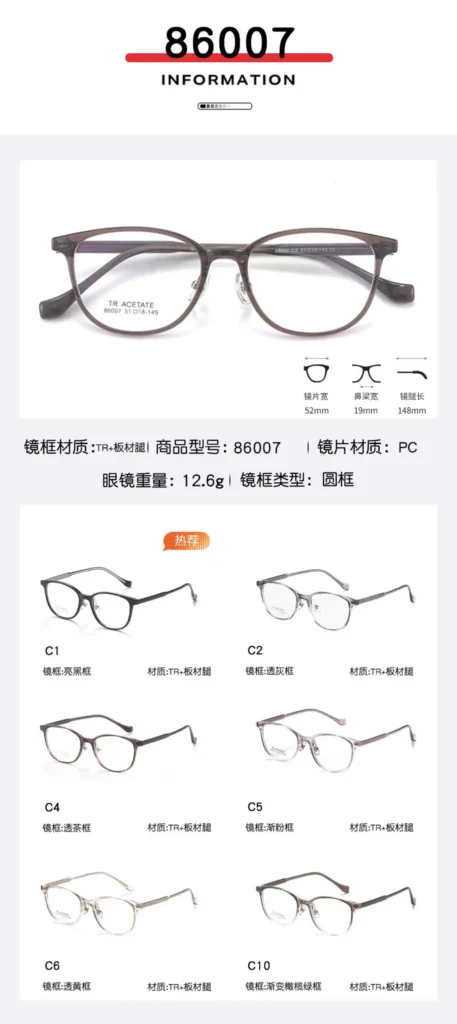
- TR90 (Grilamid LX): 15-20g at 54mm — the lightest option for oversized frames
- ULTEM/PEI: 12-16g at 54mm — ultralight, popular in Asian markets
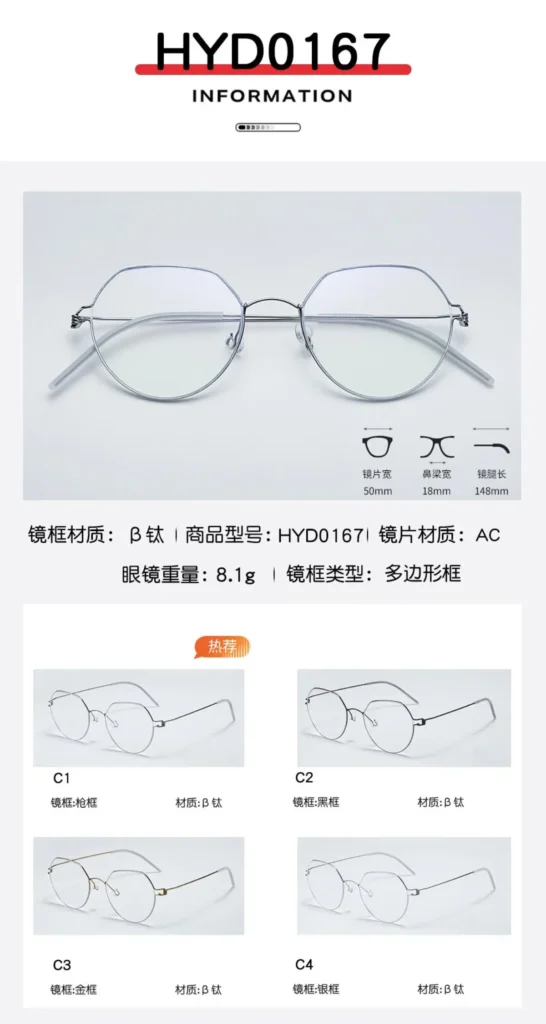
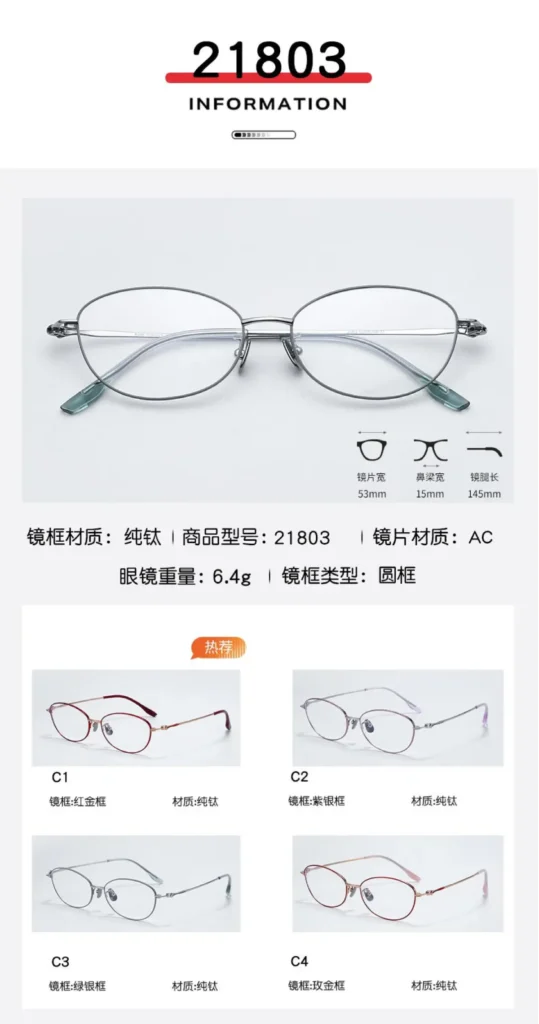
- Pure titanium wire: 10-15g — the luxury option, expensive but unmatched for lightness
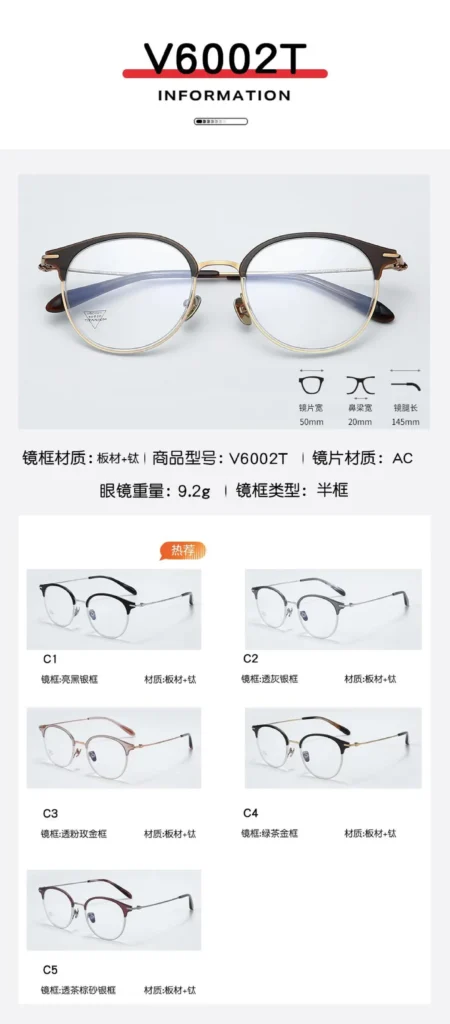
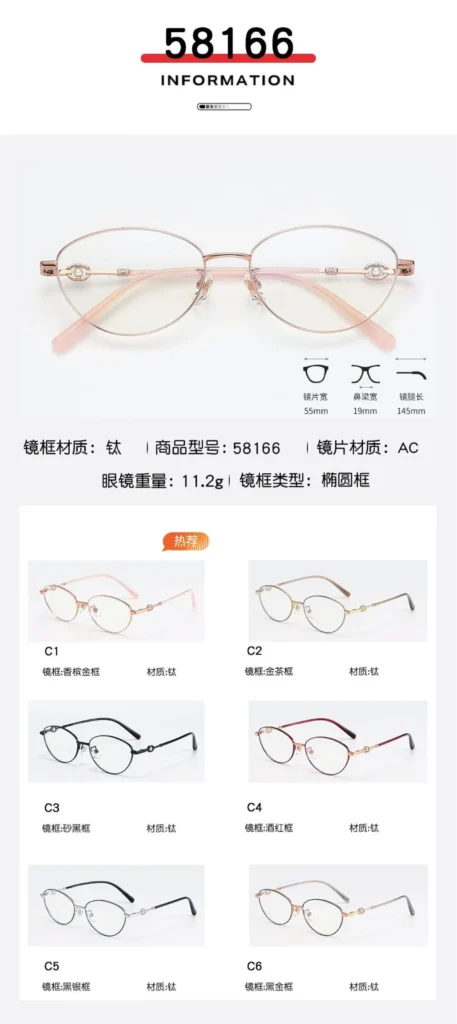
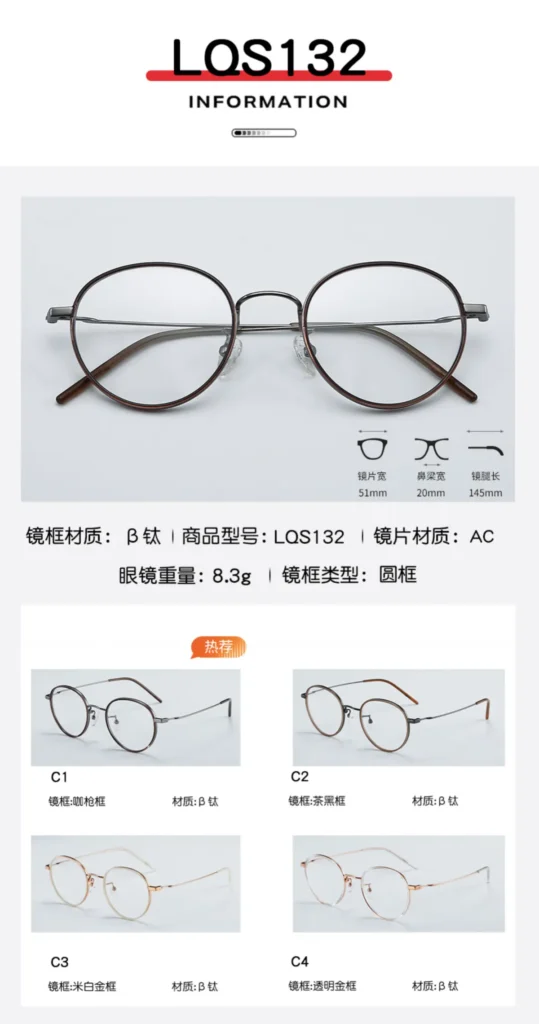
- Beta-titanium: 12-18g — good balance of weight and flexibility
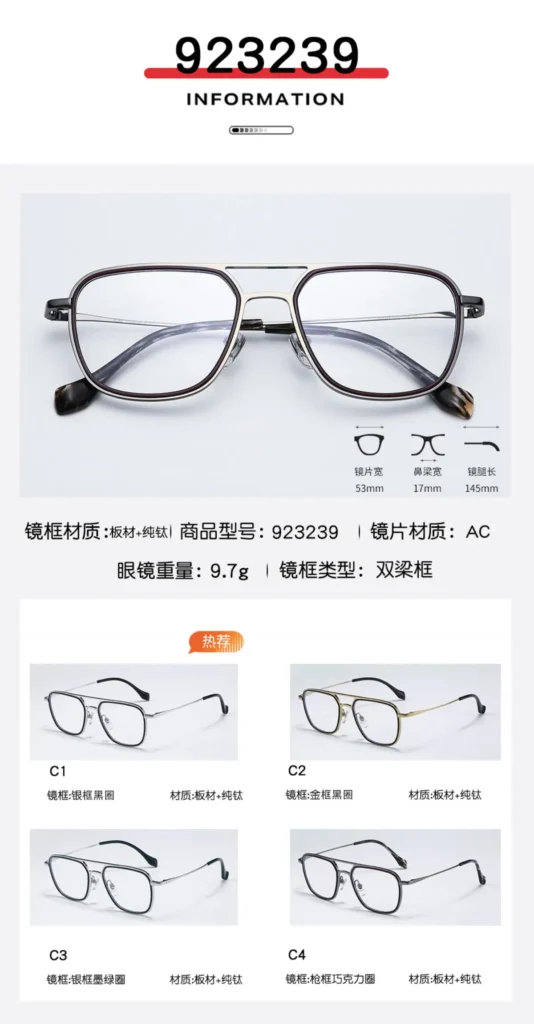
- Thin acetate (1.8-2.0mm): 18-25g — requires careful wall thickness management
- Standard acetate (2.5-3.0mm): 28-35g — too heavy for all-day oversized wear
Weight Distribution: More Important Than Total Weight
A 22g frame with balanced weight distribution is more comfortable than an 18g frame that is front-heavy. The engineering goal is to shift weight from the front to the temples:
Front Weight Reduction
- Thin acetate walls: Reduce front wall thickness from 2.8mm to 1.8-2.0mm. This saves 4-6g on the front. Requires higher-grade acetate (Mazzucchelli or JH800) because thin walls in economy acetate will crack.
- Internal routing: CNC-carved channels inside the temple for the wire core. Removes material without reducing external dimensions. Saves 1-2g per temple.
- Ultralight lenses: 1.67 or 1.74 high-index lenses are 25-35% lighter than standard CR-39 at the same prescription. If you sell complete glasses, this is a 3-5g saving on the front.
Temple Weight for Balance
- Temple length and curvature: Temples that curve around the ear (skull temples) grip better and feel more secure, which reduces the perceived weight on the nose. Straight temples let the frame slide forward.
- Temple tip weight: Adding a small metal weight or thicker acetate tip at the temple end shifts the balance point backward. A 1g weight at the tip has a disproportionate effect on balance due to leverage.
Brand Benchmarks in Lightweight Oversized
The Engineering Leaders
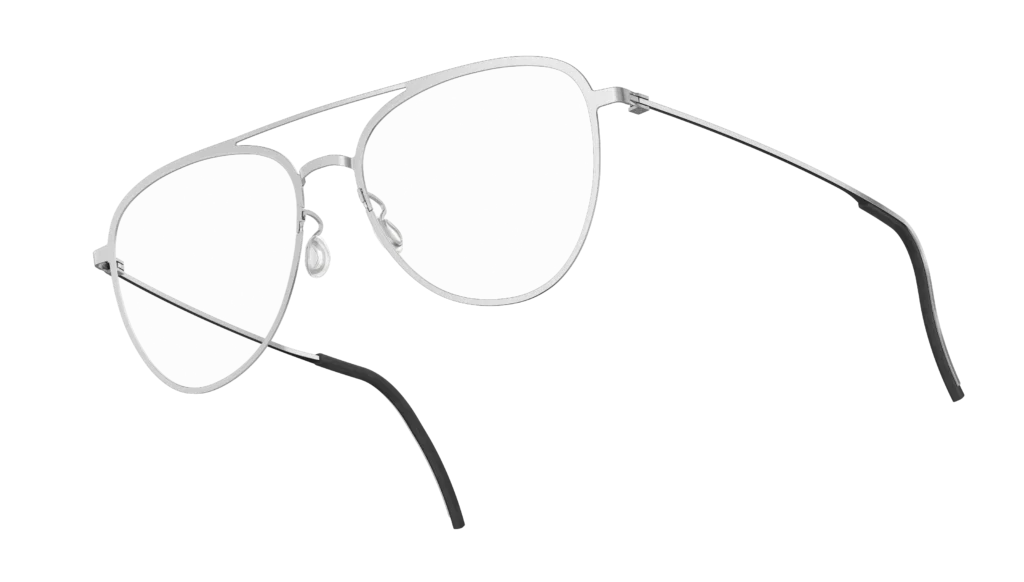
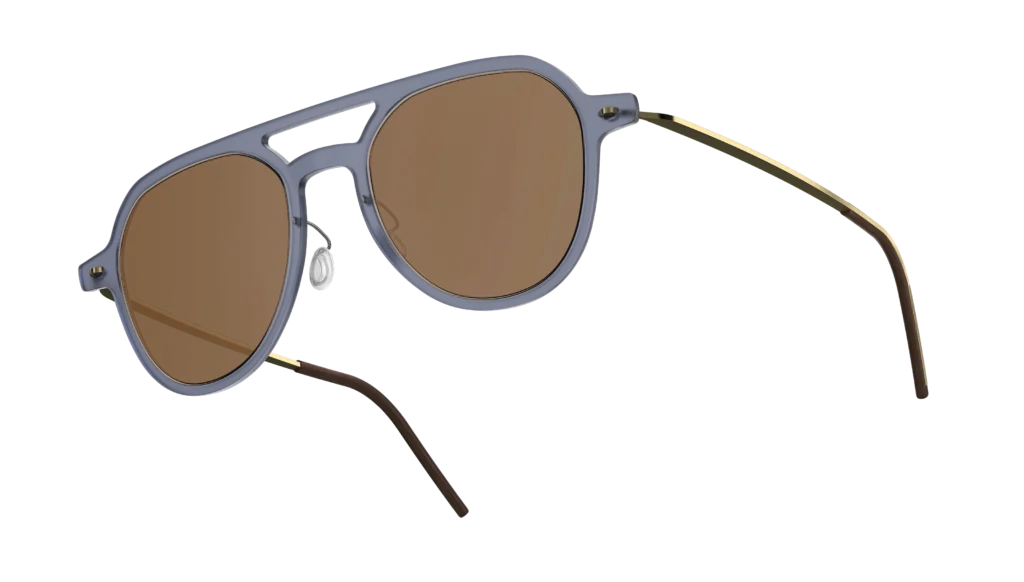
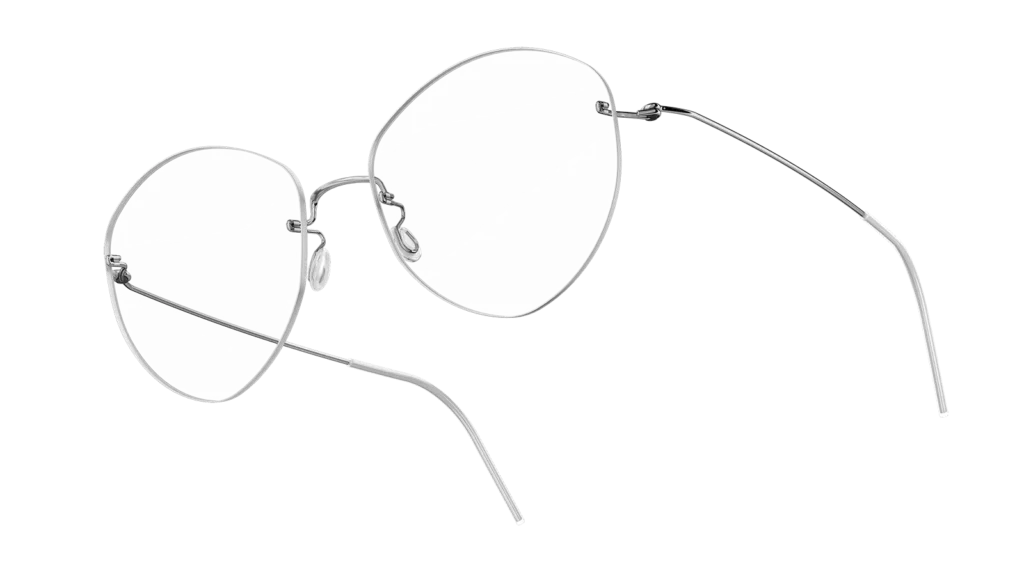
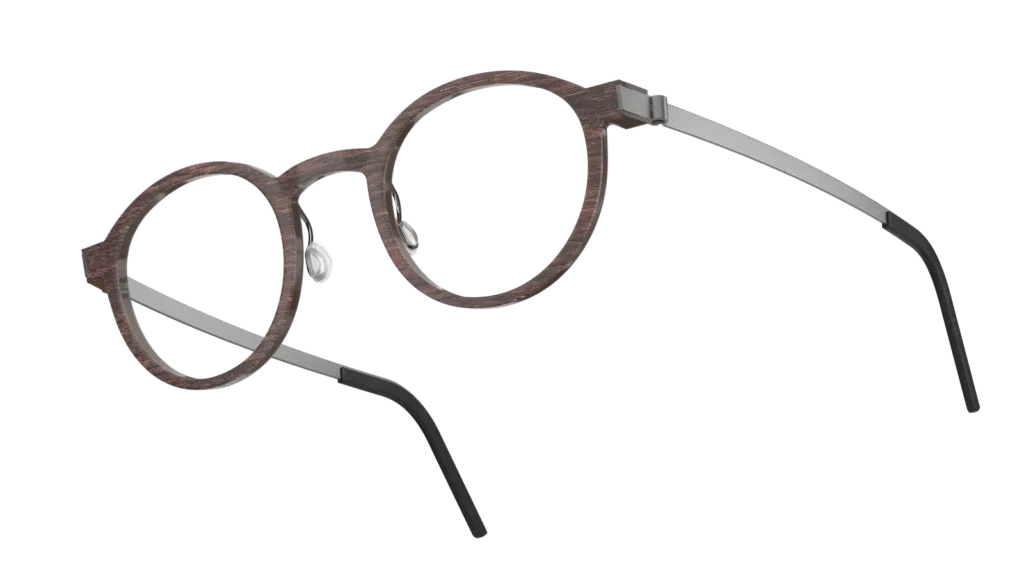
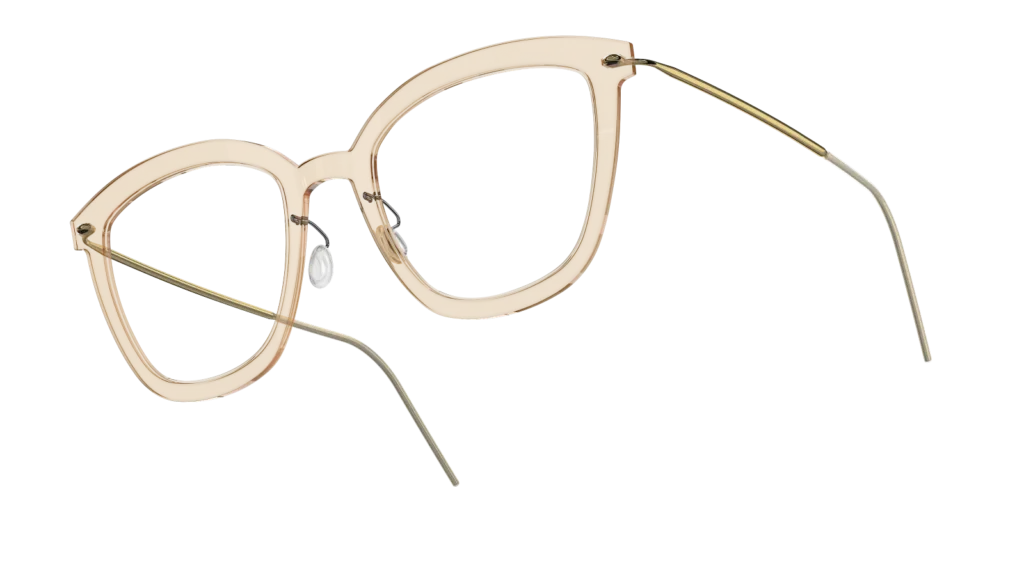
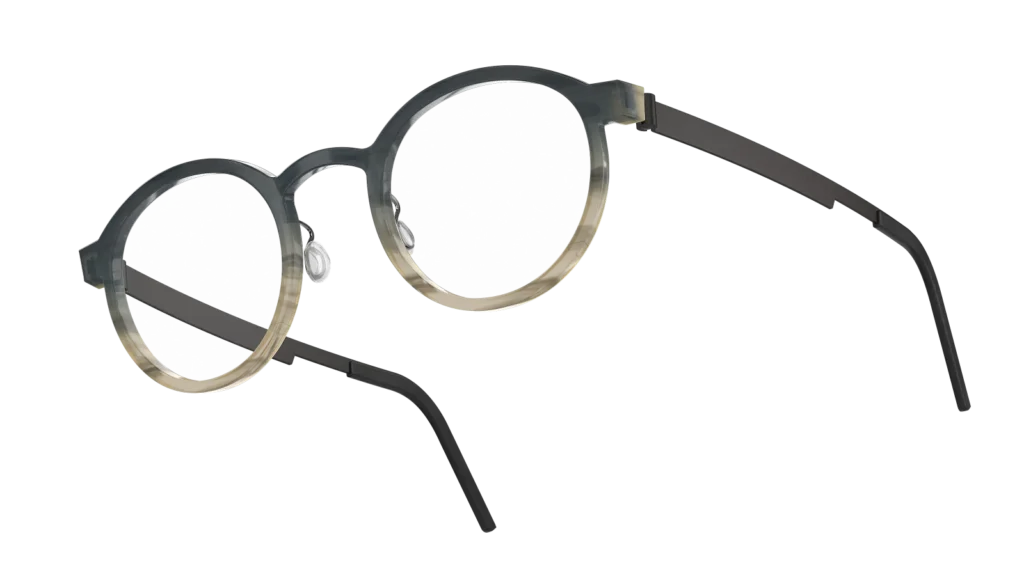
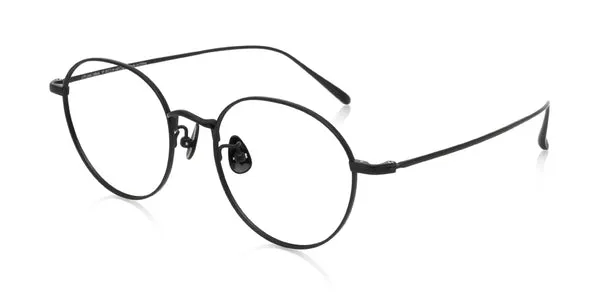
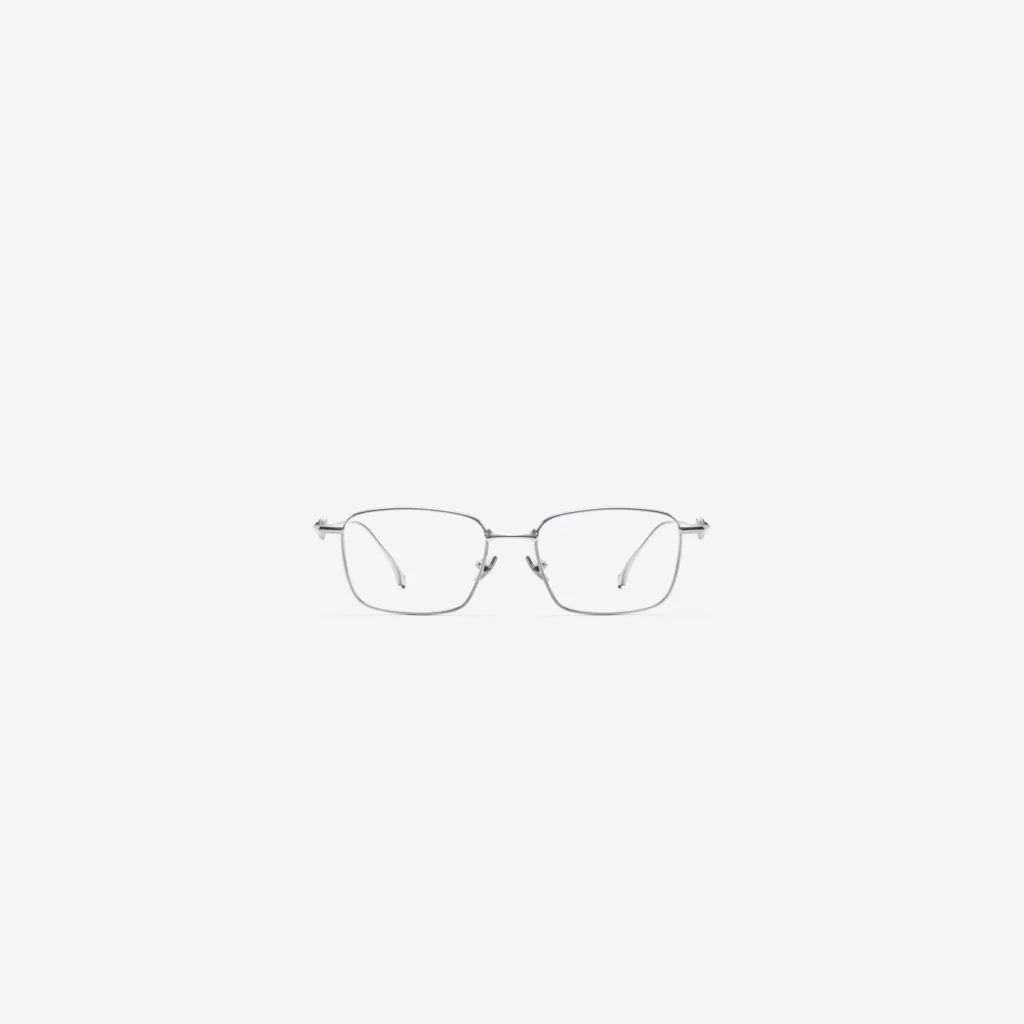
LINDBERG (€300–€800+) builds oversized frames in air titanium — wire-thin titanium that is lighter than most standard-size frames. Their oversized round frames at 54mm weigh under 15g. The lesson: titanium enables oversized proportions that acetate cannot match in comfort.
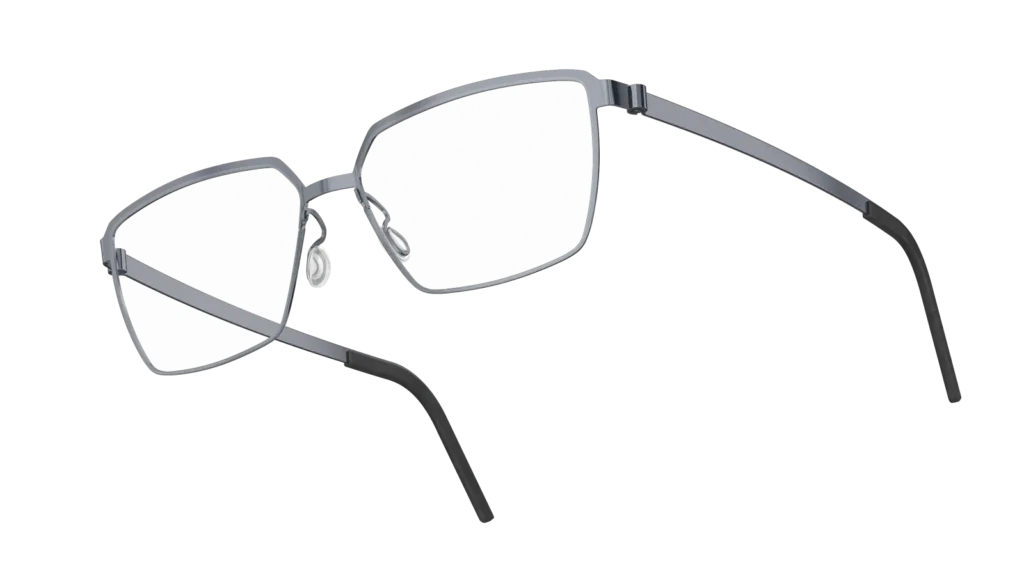
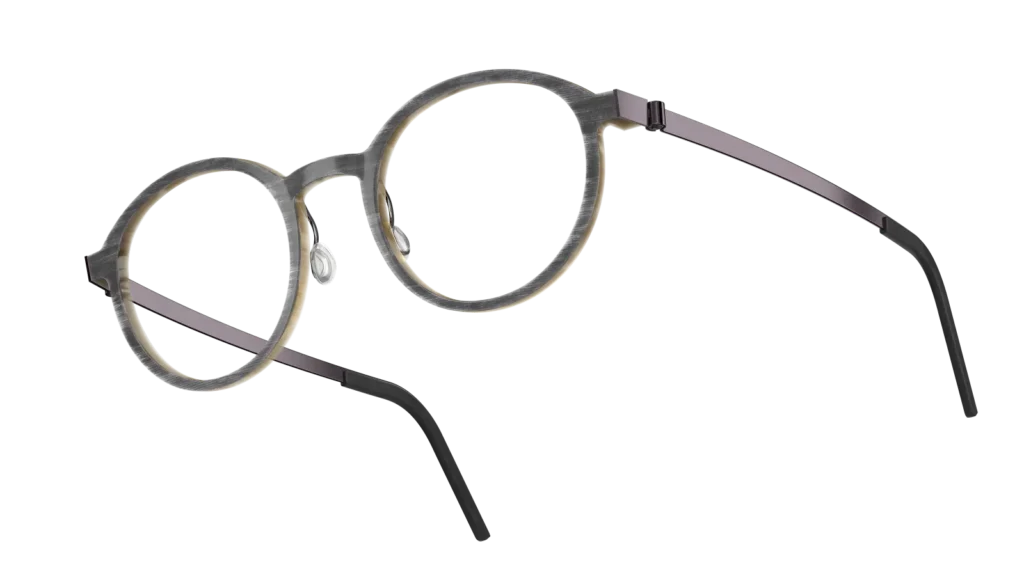
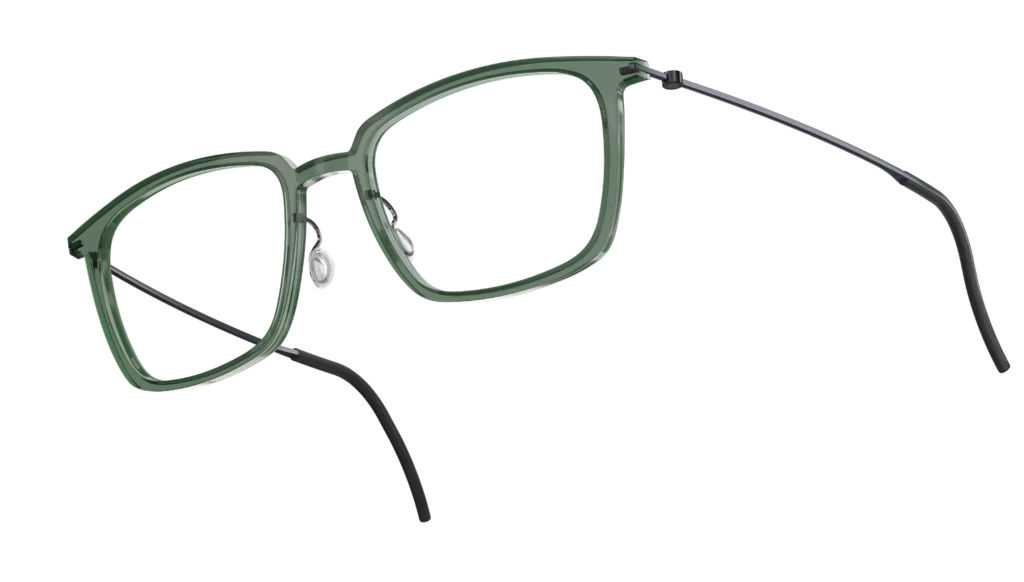
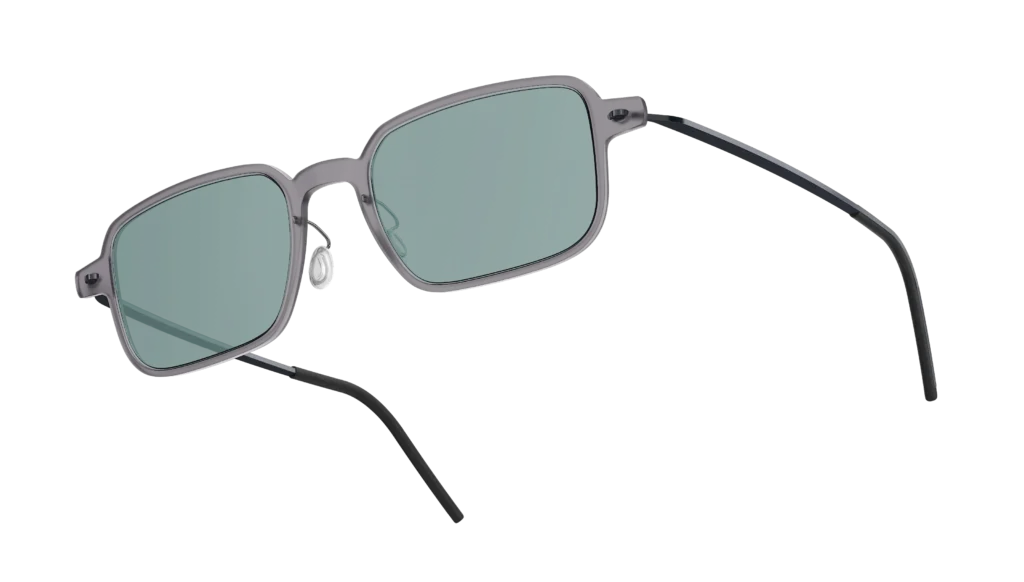
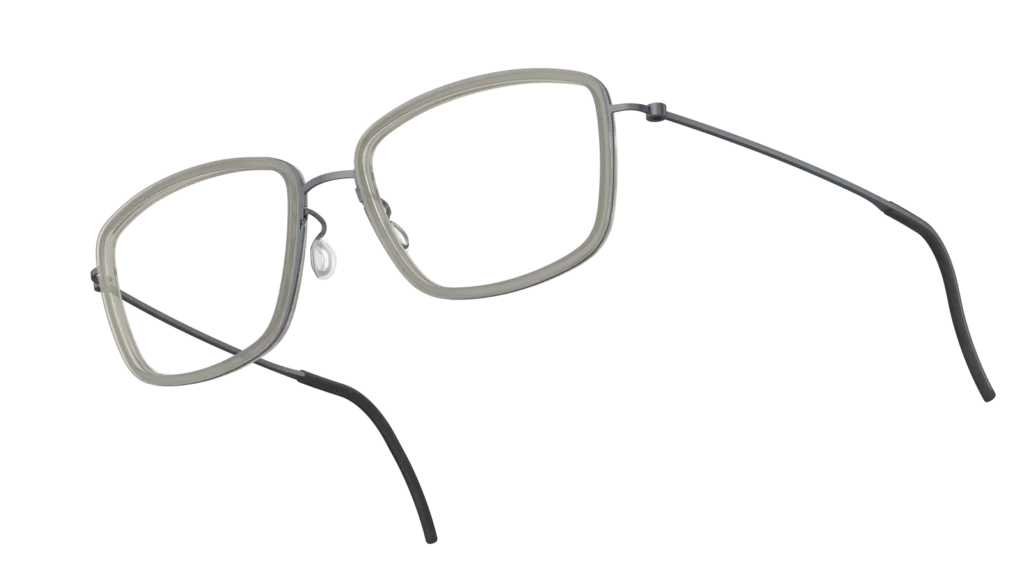
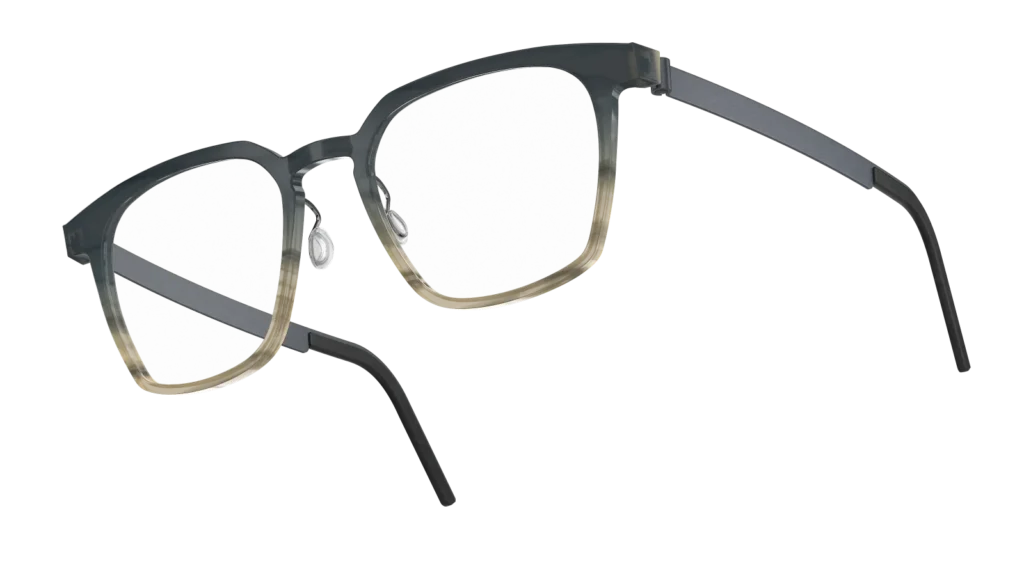
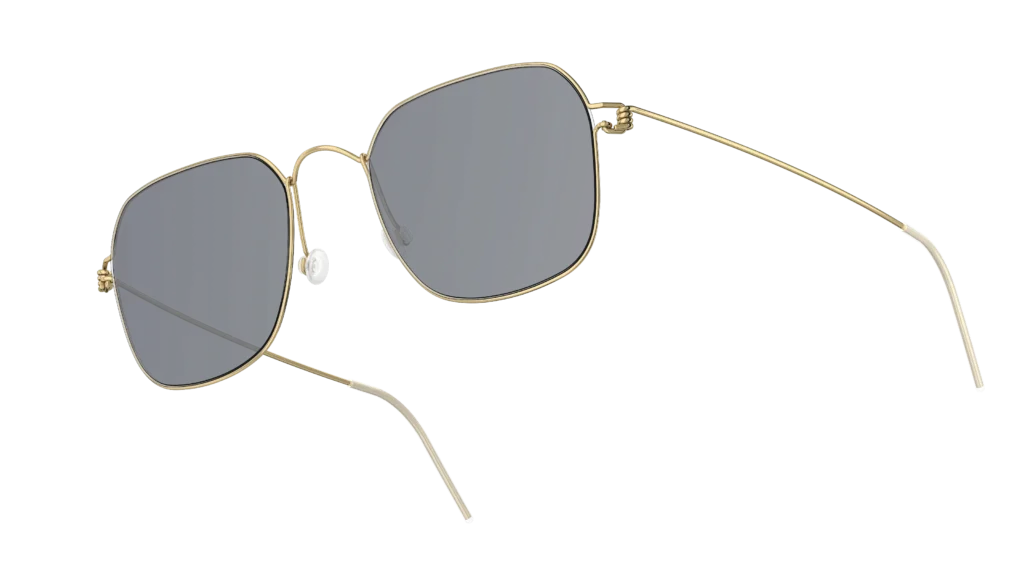
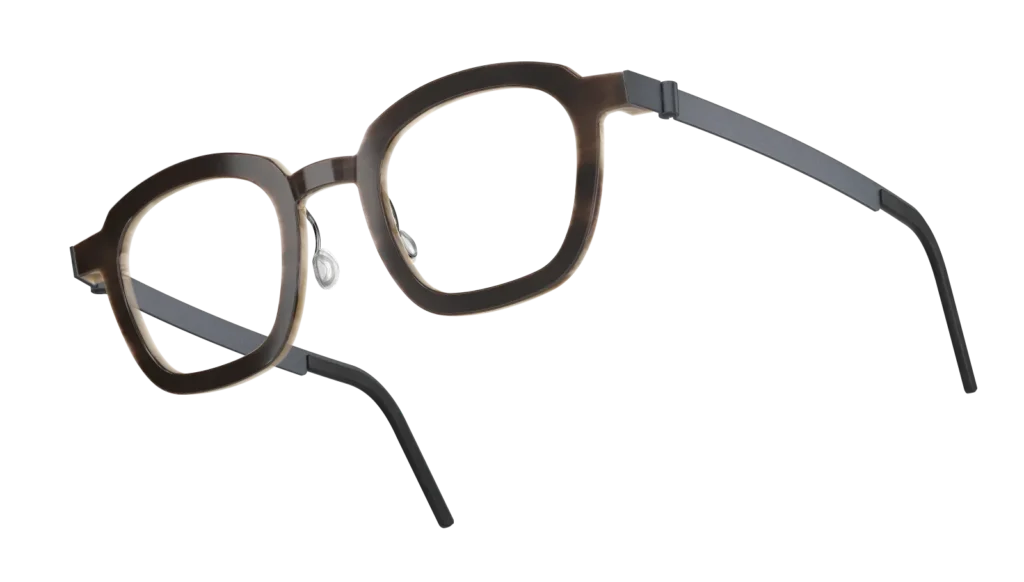
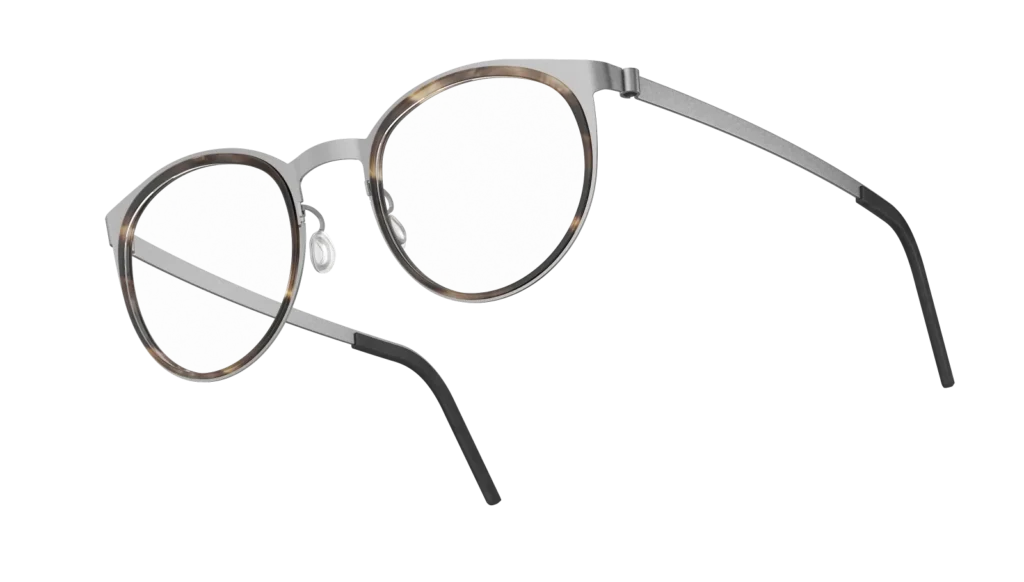
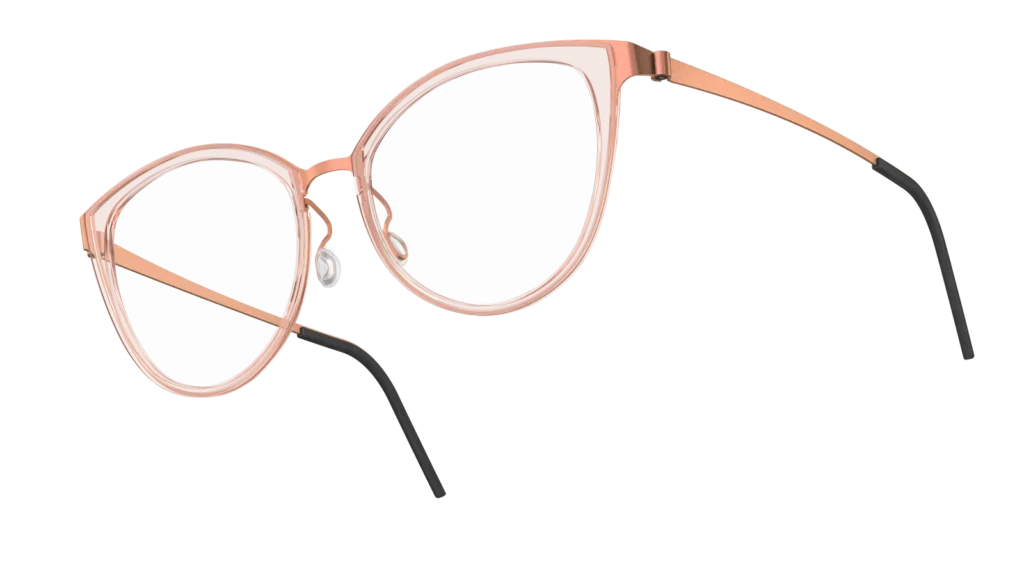
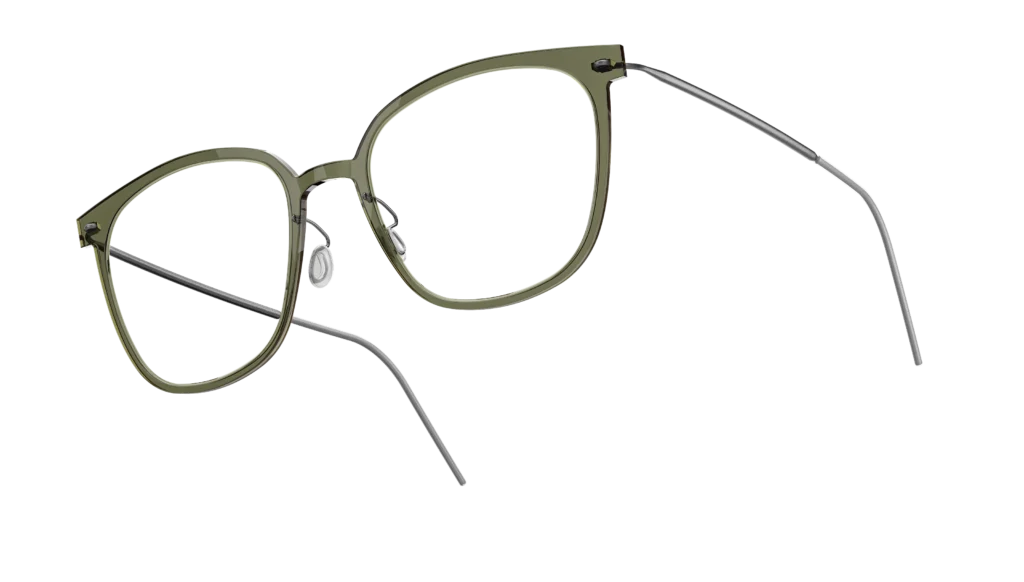
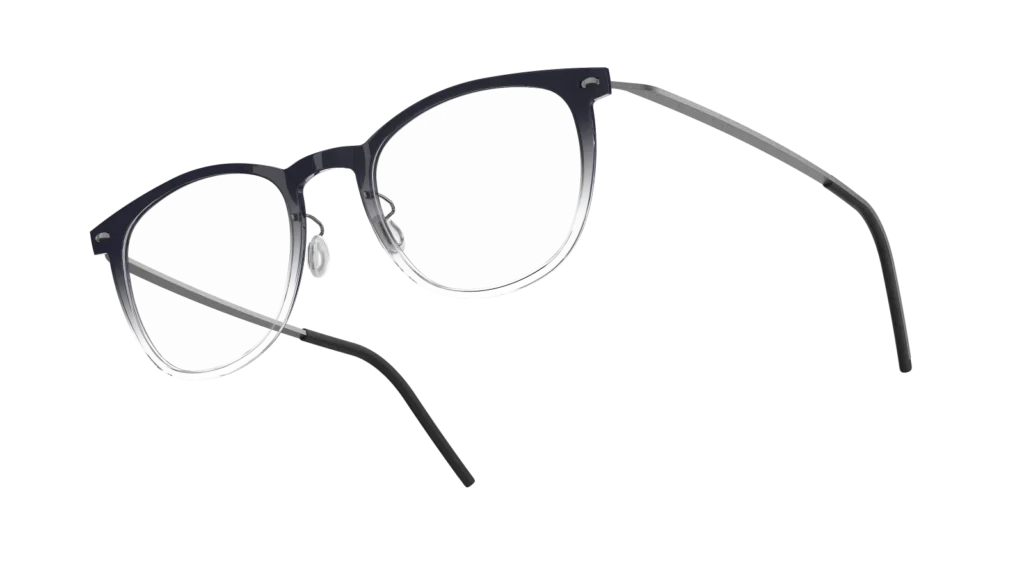
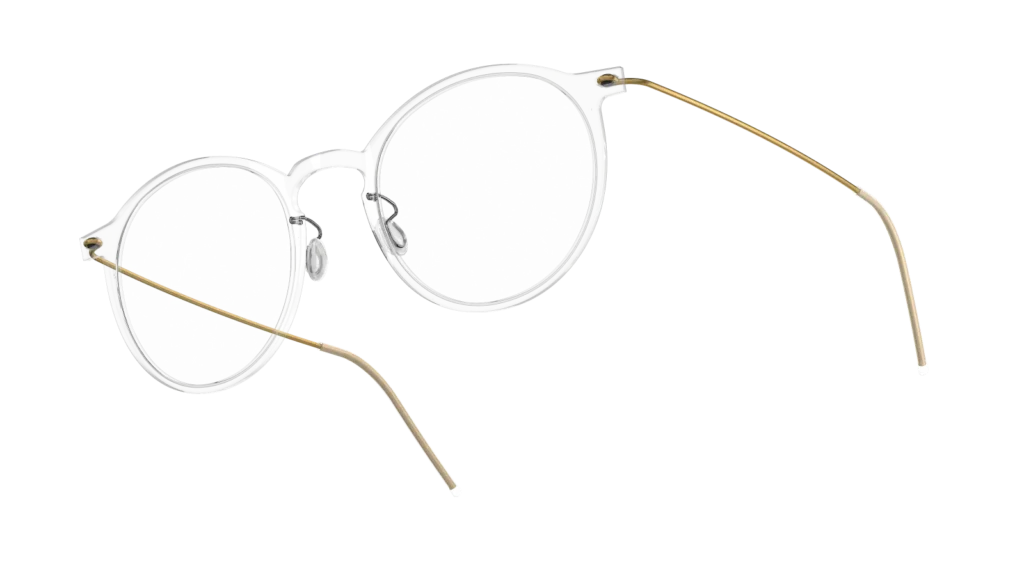
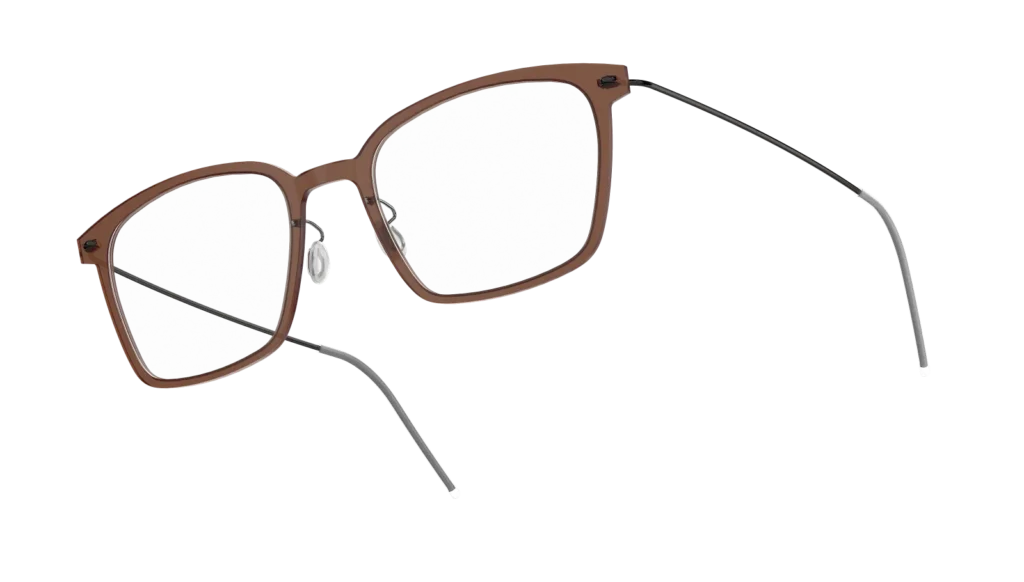
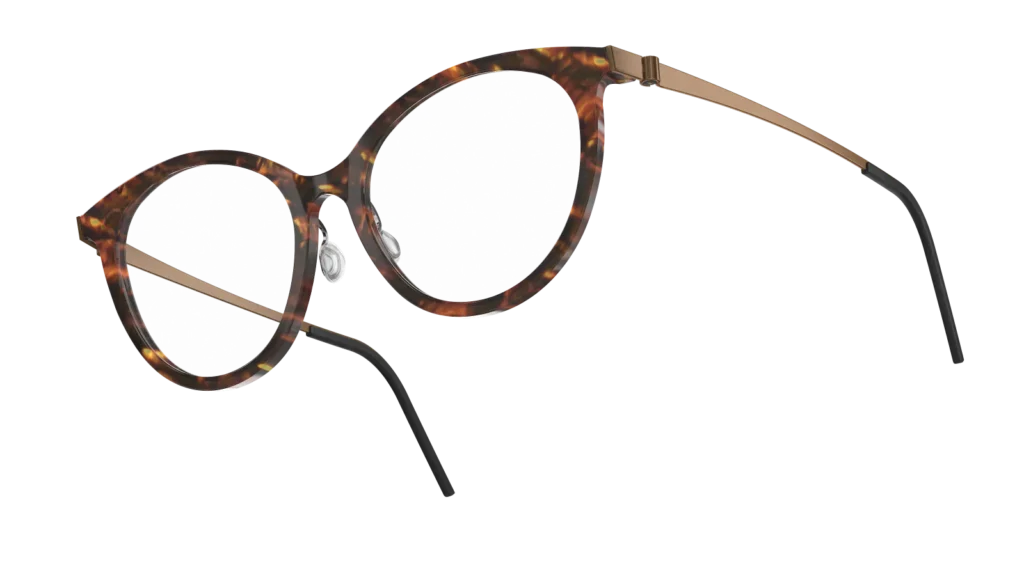
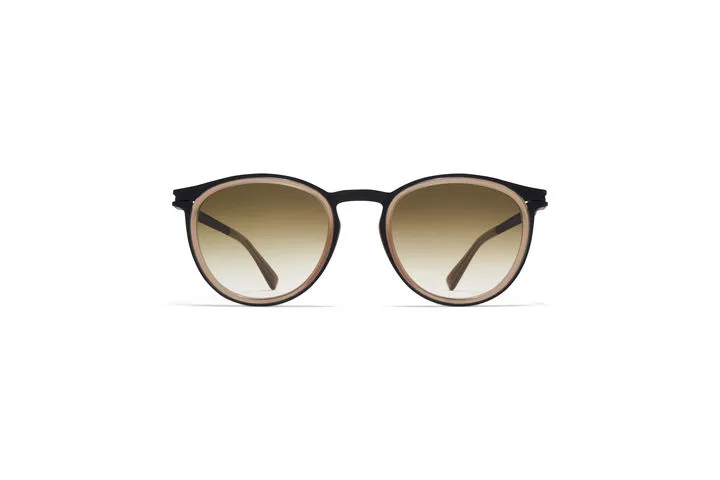
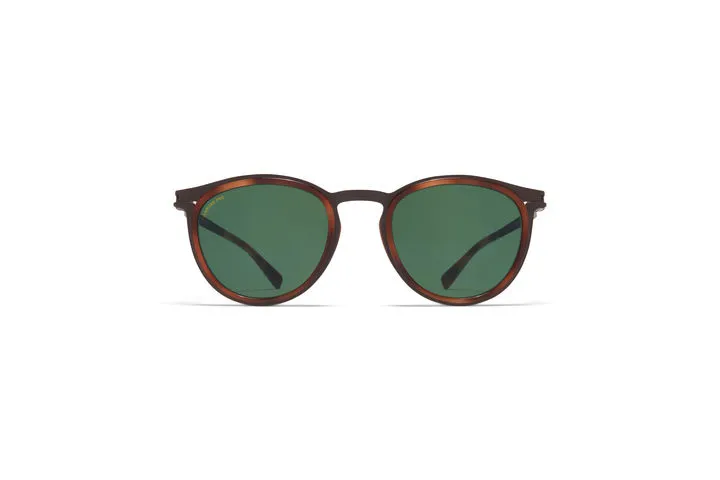
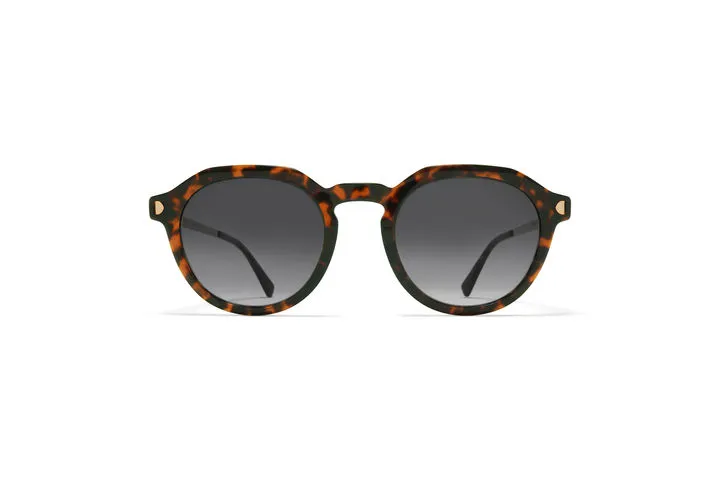
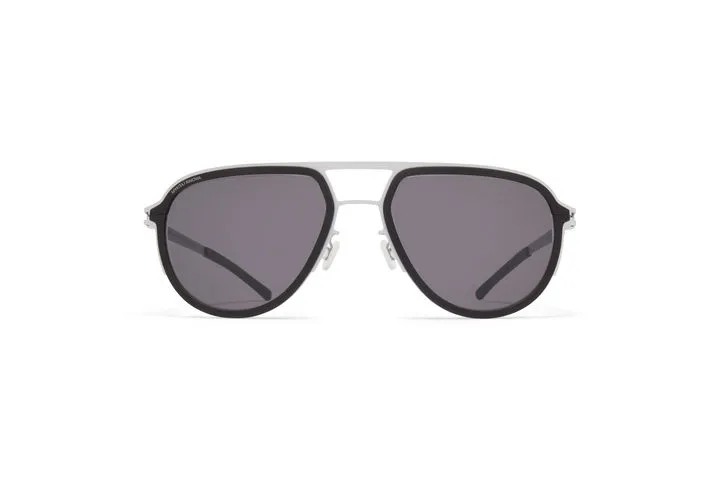
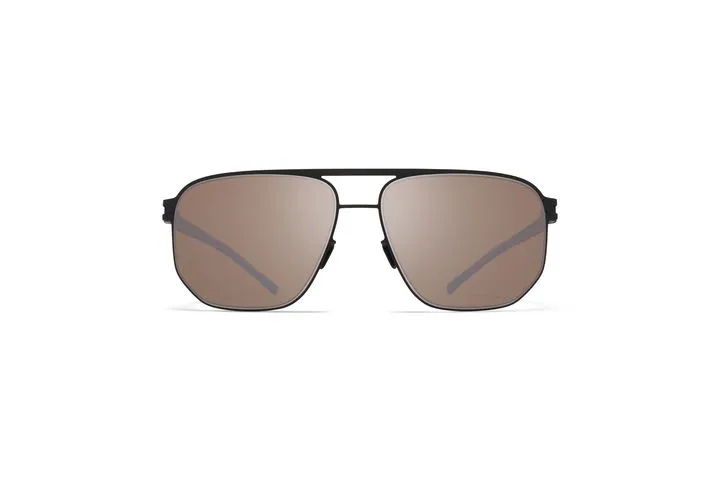
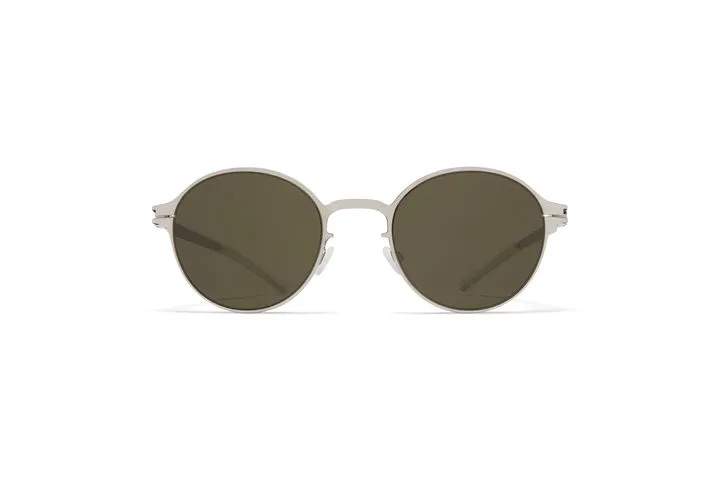
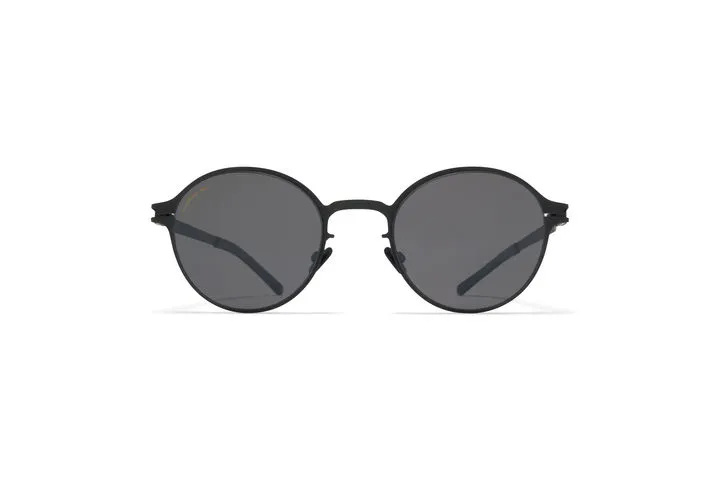
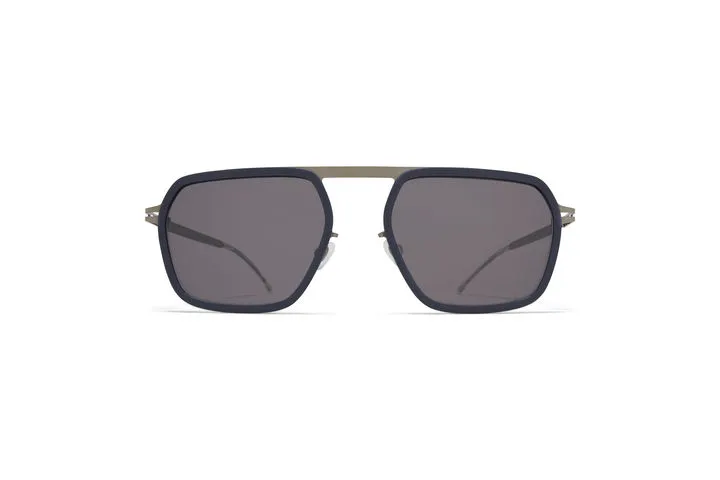
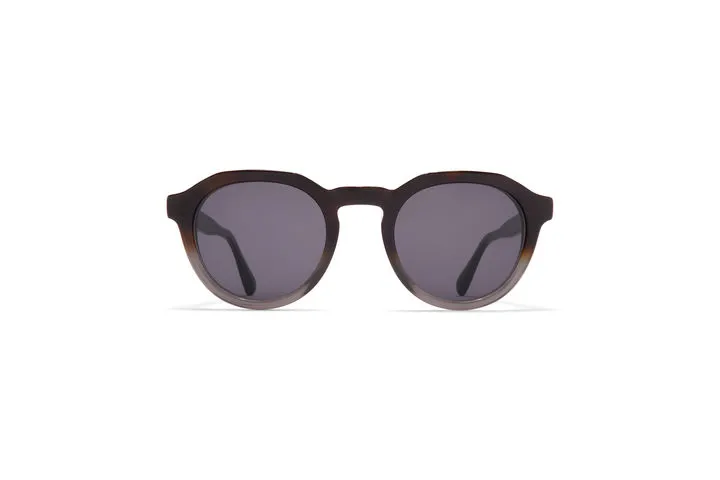
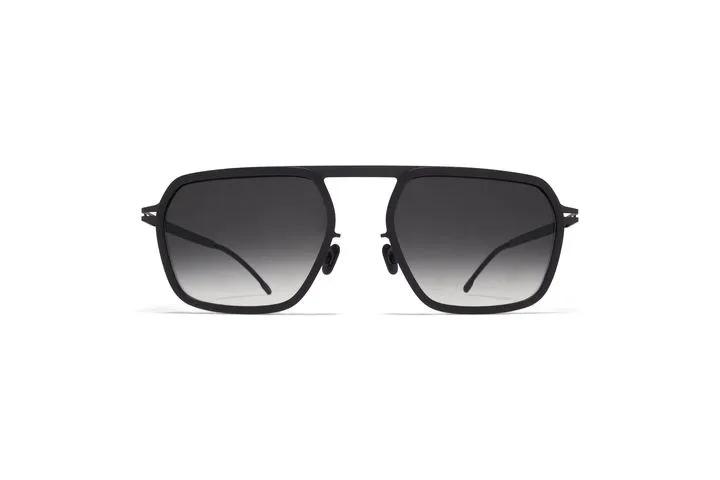
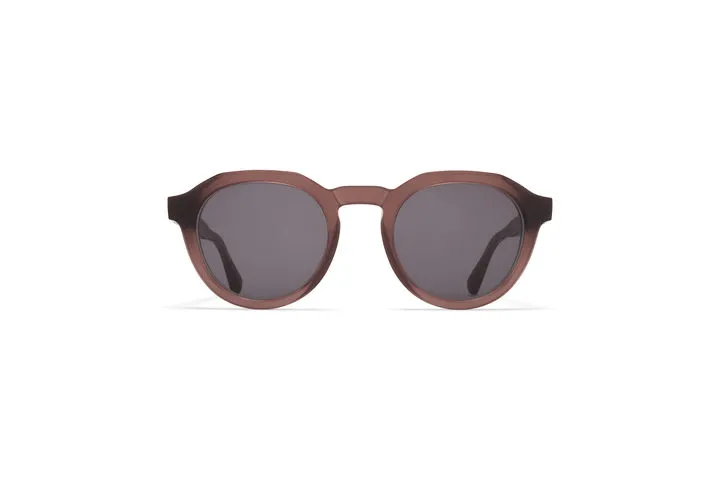
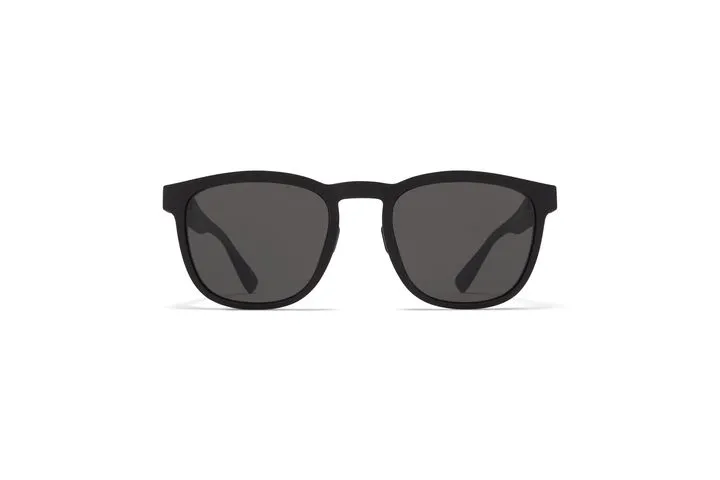
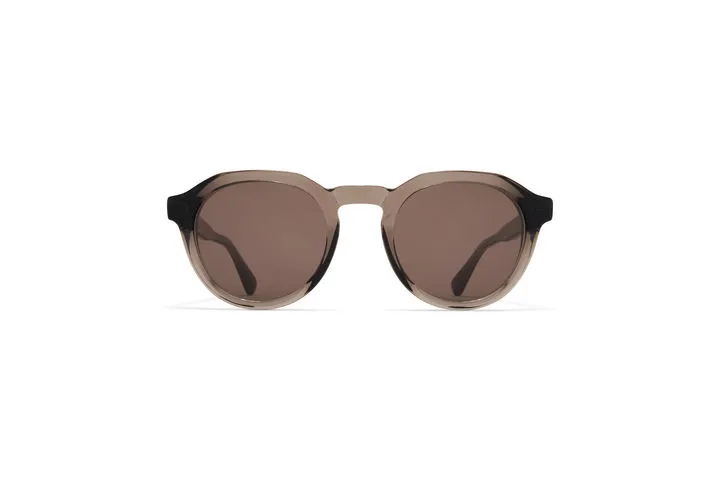
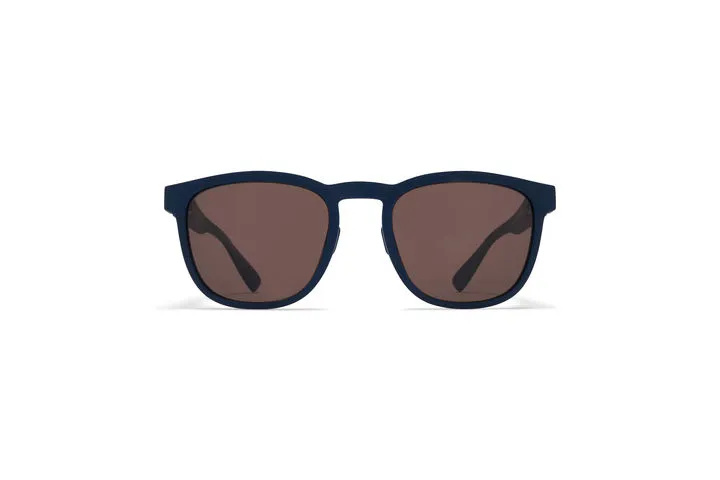
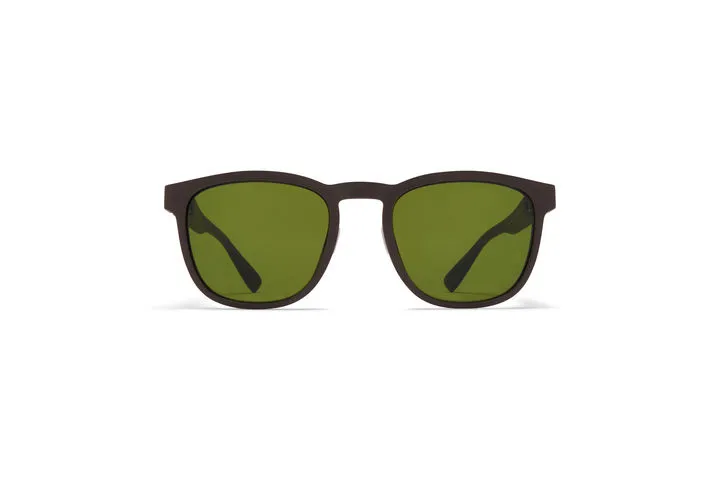
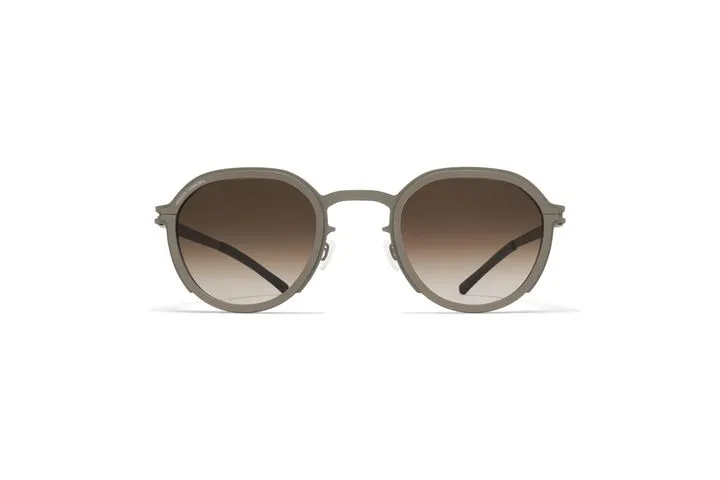
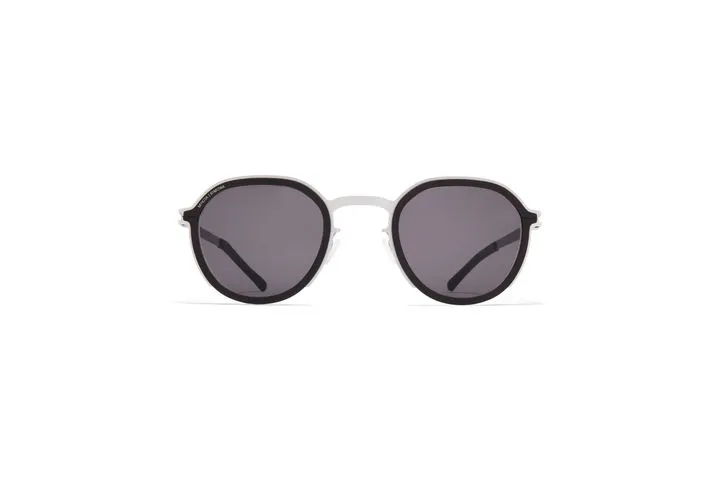
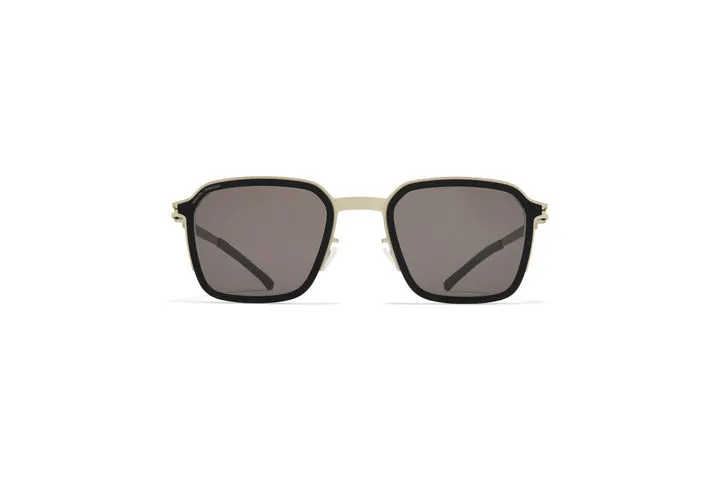
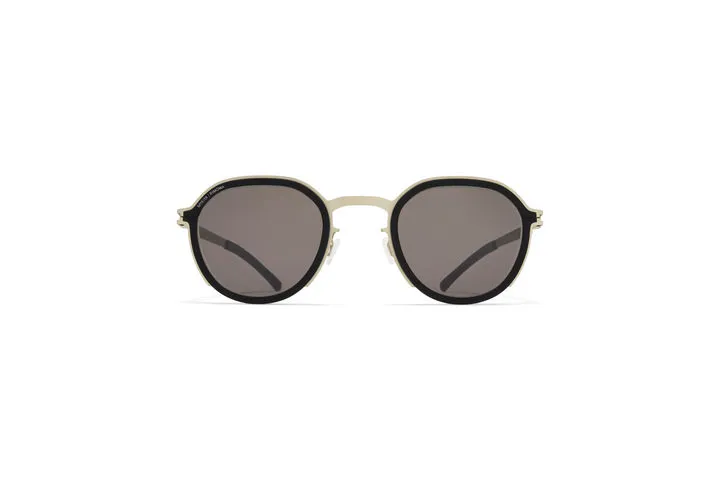
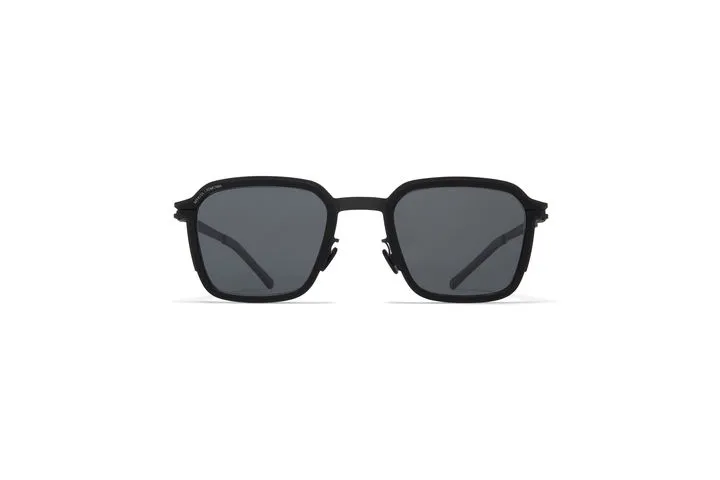
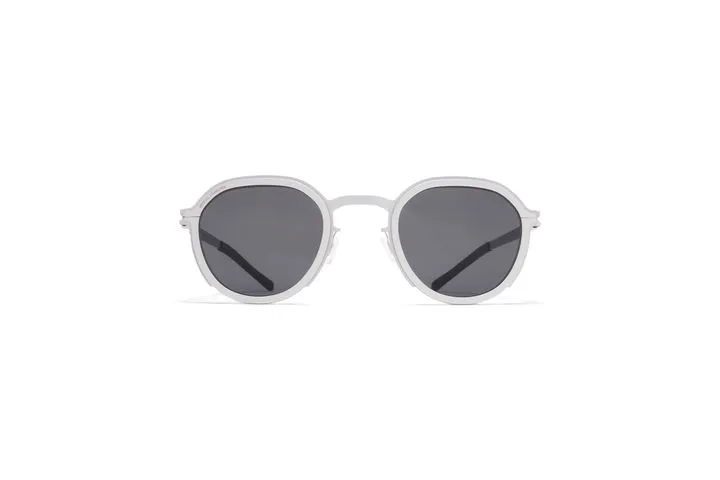
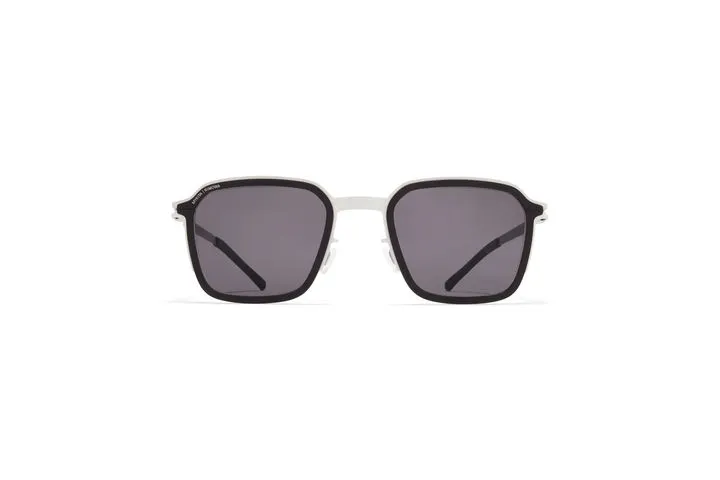
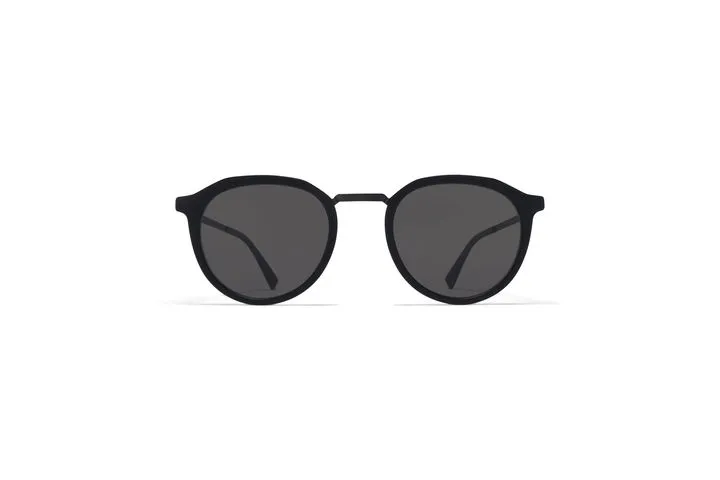
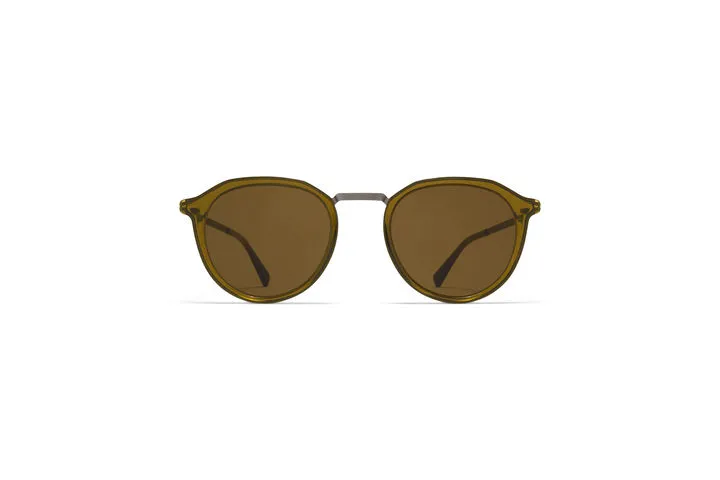
MYKITA (€350–€600) uses their patented interlocking stainless steel hinge (no screws, no solder) to reduce weight at the hinge point — traditionally the heaviest part of any frame. Their oversized Decades collection achieves large proportions without the weight penalty.
Volume Market Solutions
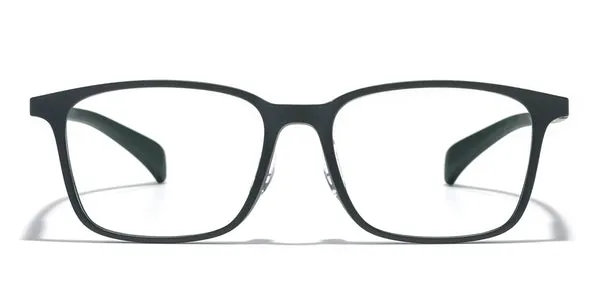
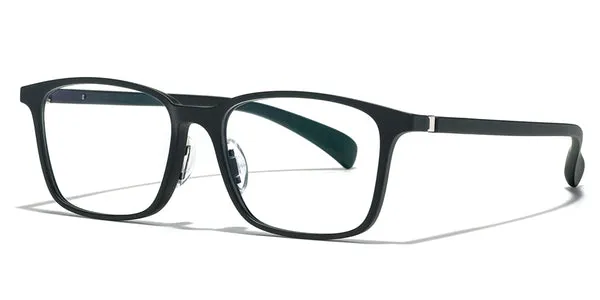
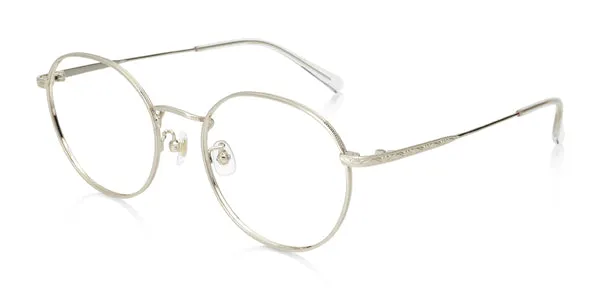
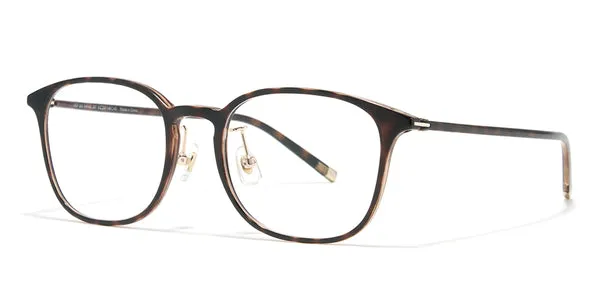
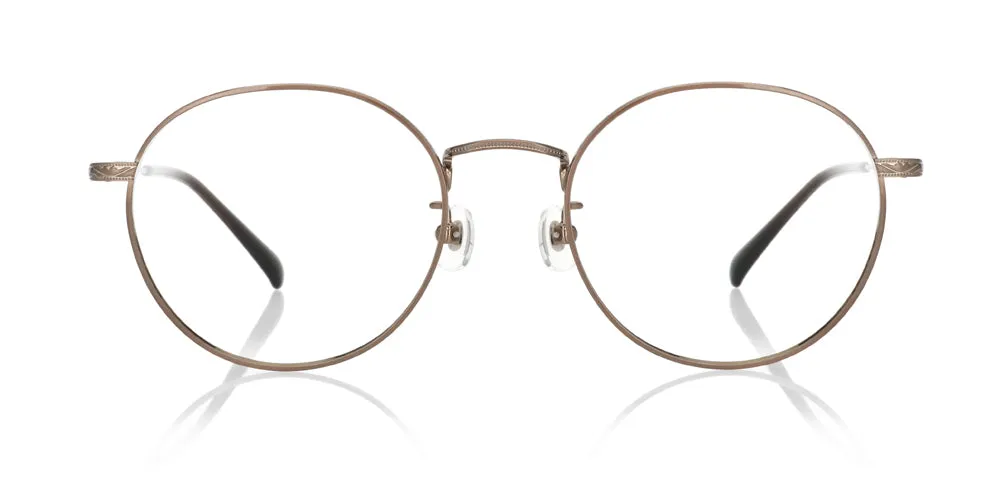
JINS ($40–$100) is the volume leader in lightweight oversized. Their “Airframe” series uses ULTEM (PEI) to achieve sub-20g oversized frames at volume pricing. JINS sells over 5 million frames annually in Japan, with oversized lightweight being their top category. The lesson: ultralight oversized is not a luxury concept — it is a mass-market opportunity.
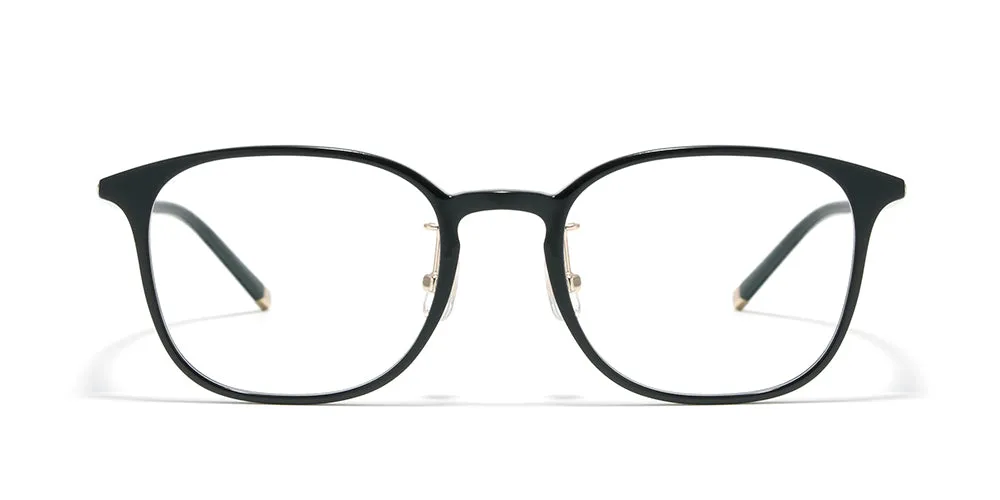
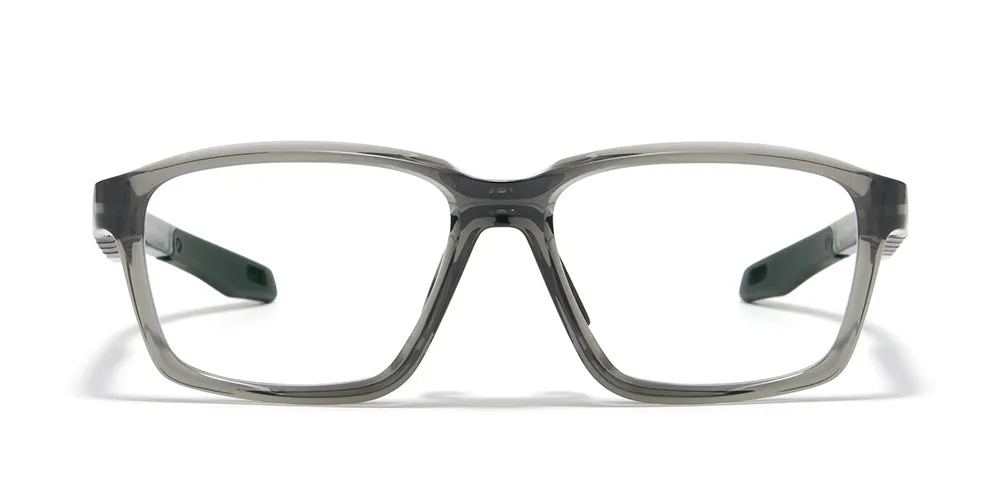
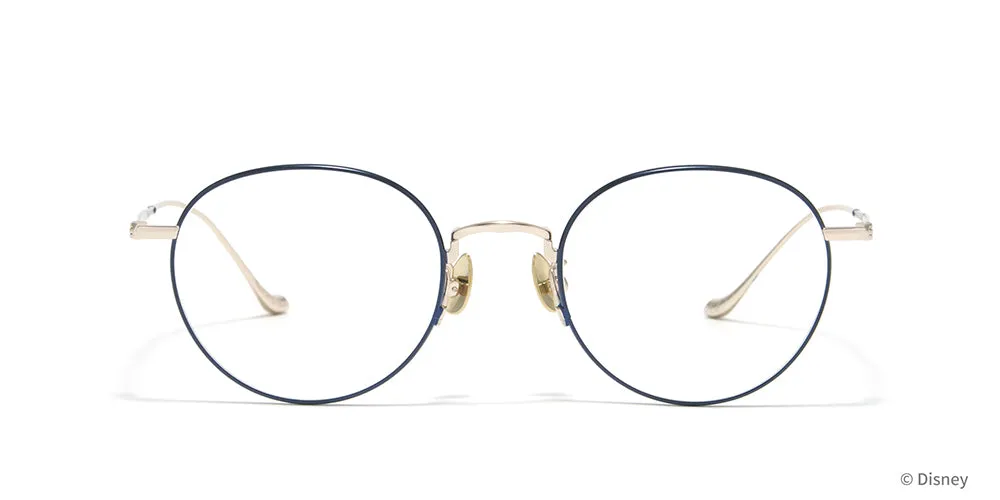
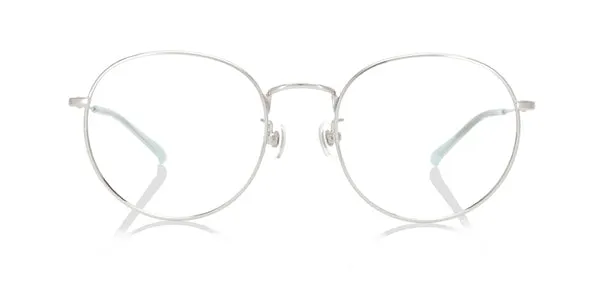
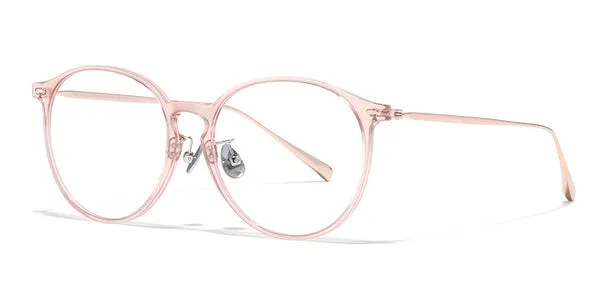
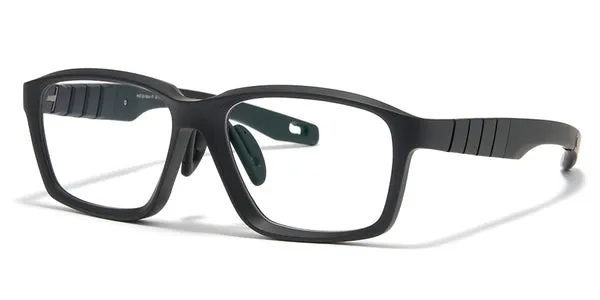
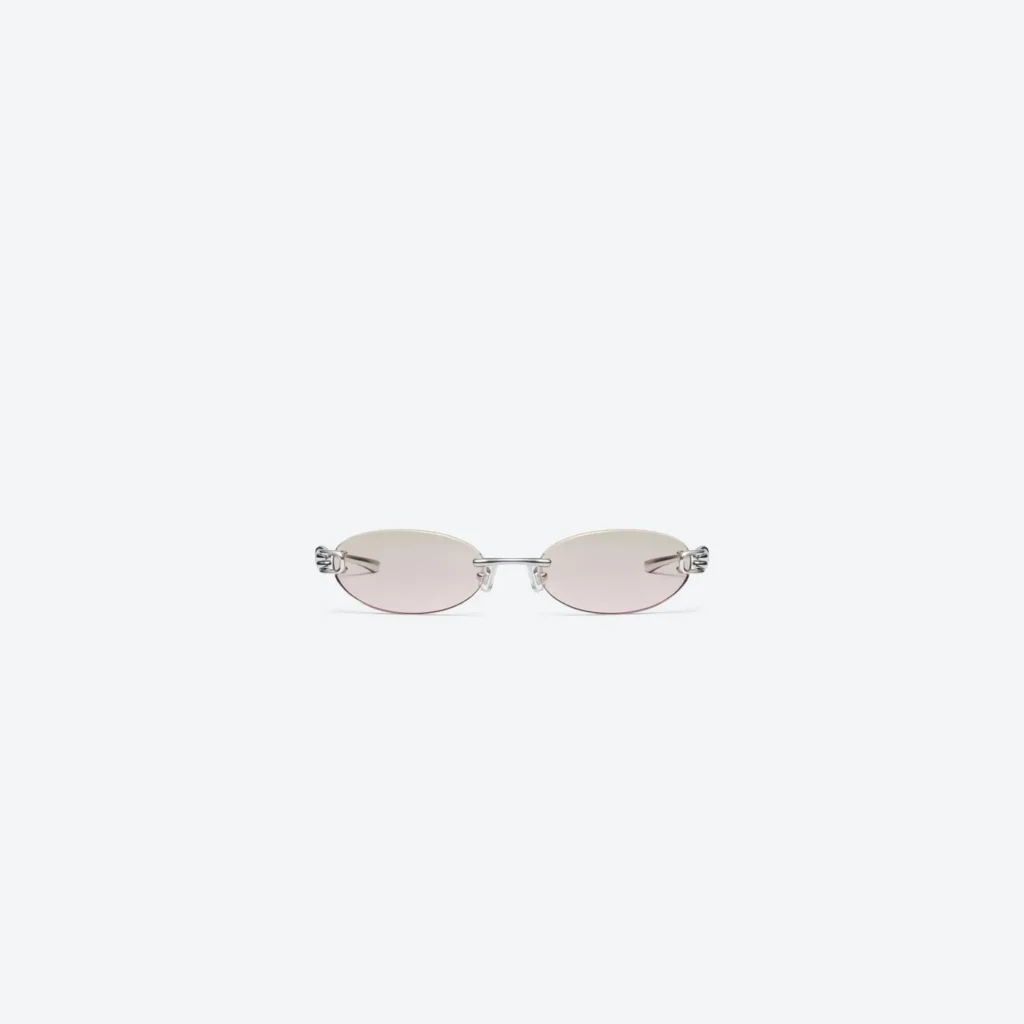
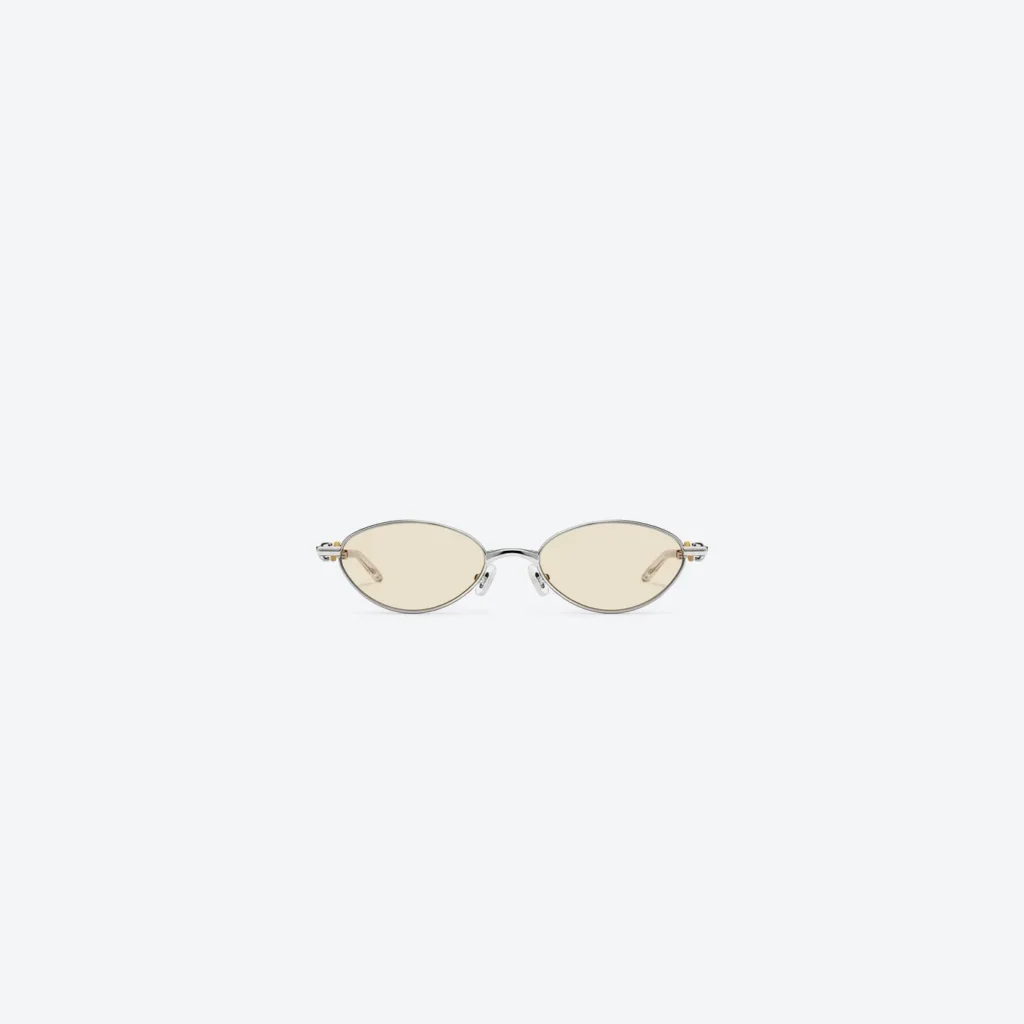
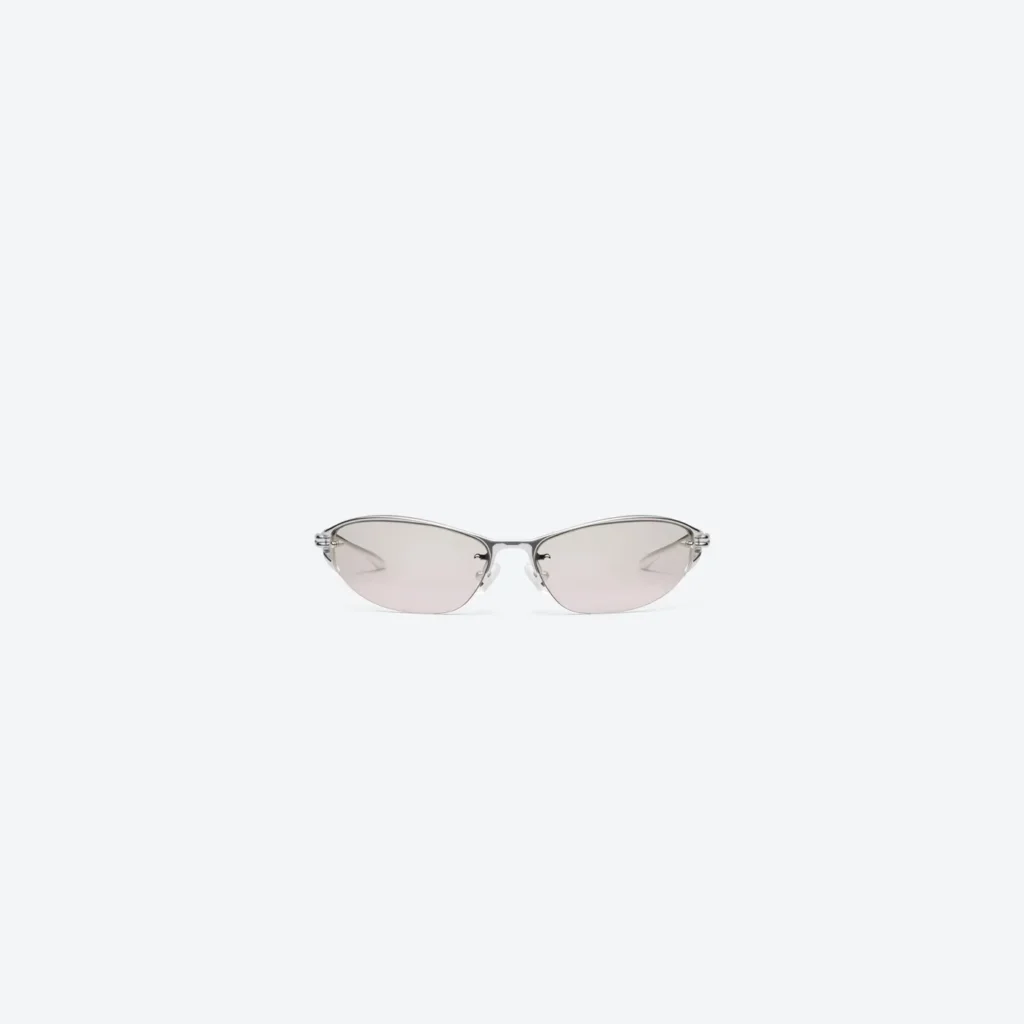
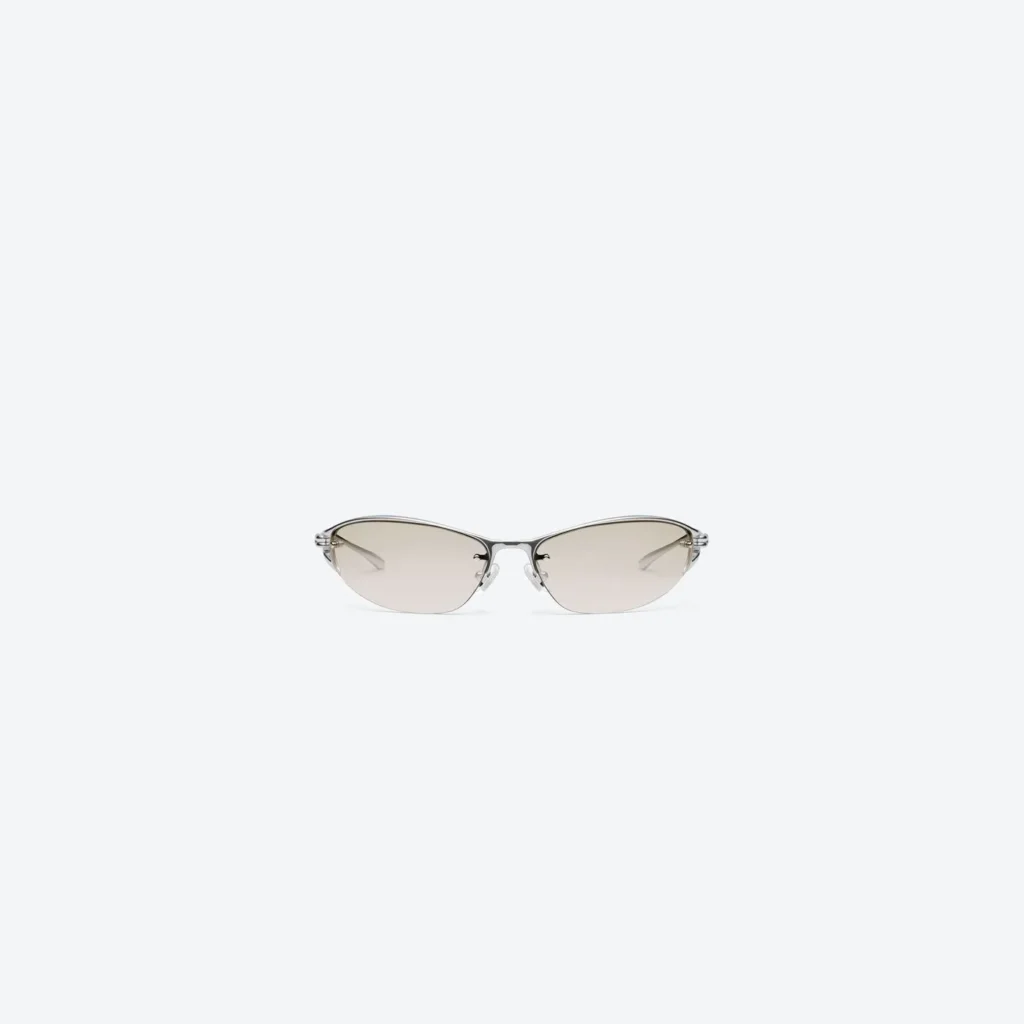
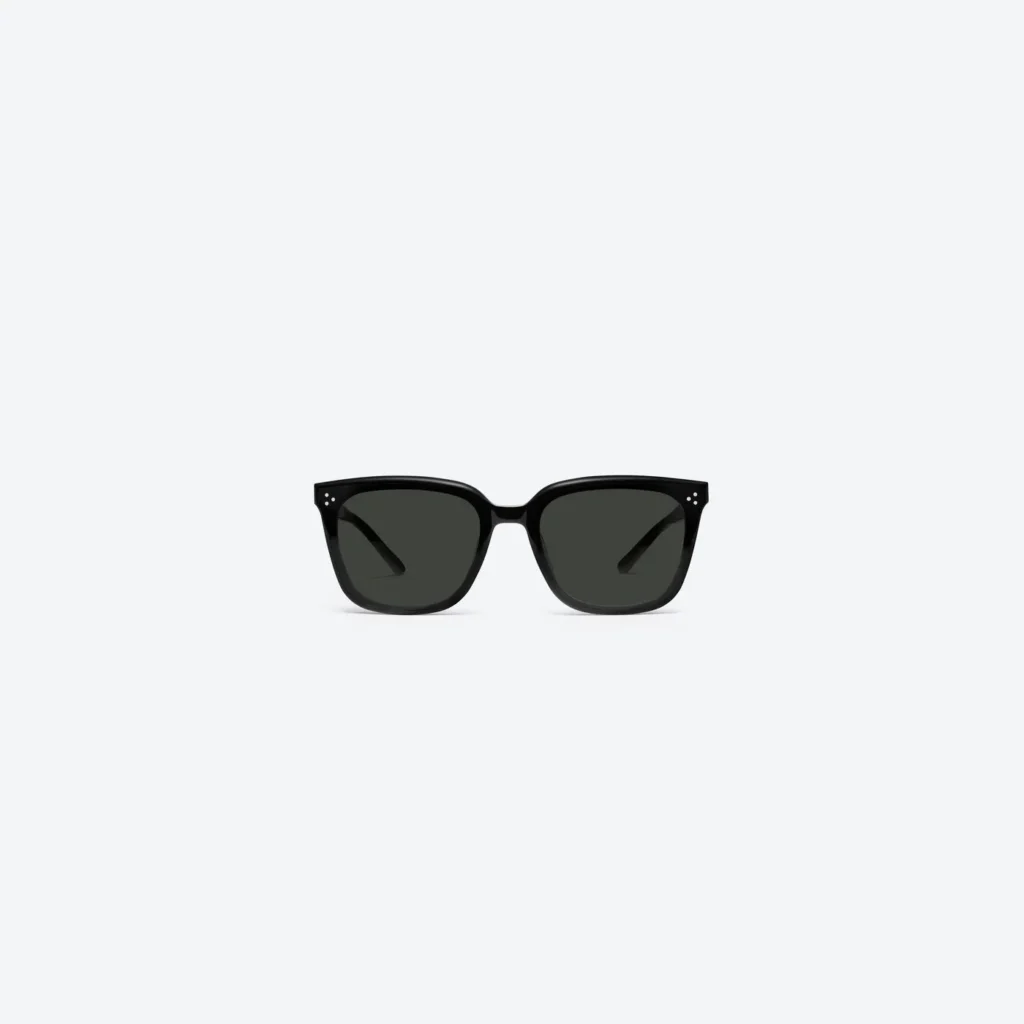
Gentle Monster ($200–$350) achieves oversized at reasonable weight through TR90 construction for their larger frames. Acetate is reserved for their smaller styles. The lesson: material selection should match frame size — TR90 for oversized, acetate for standard.








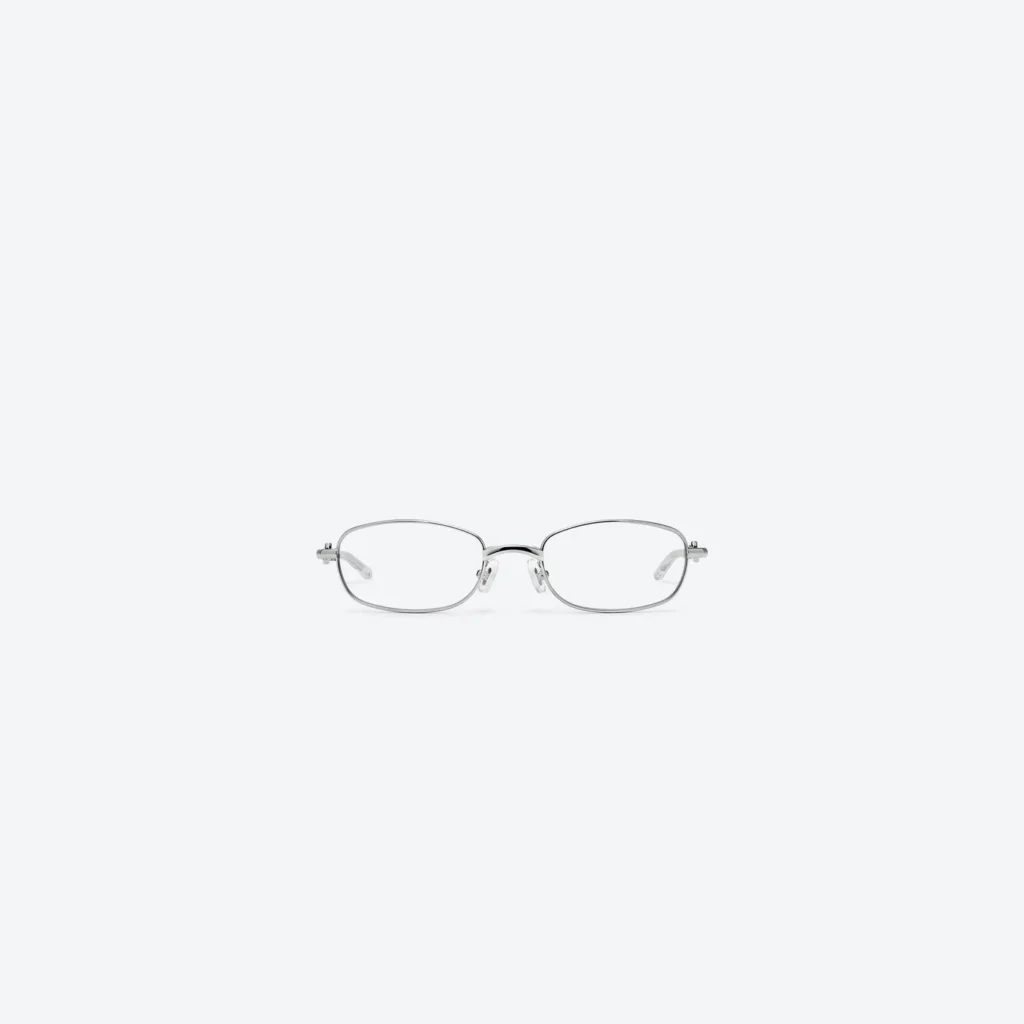


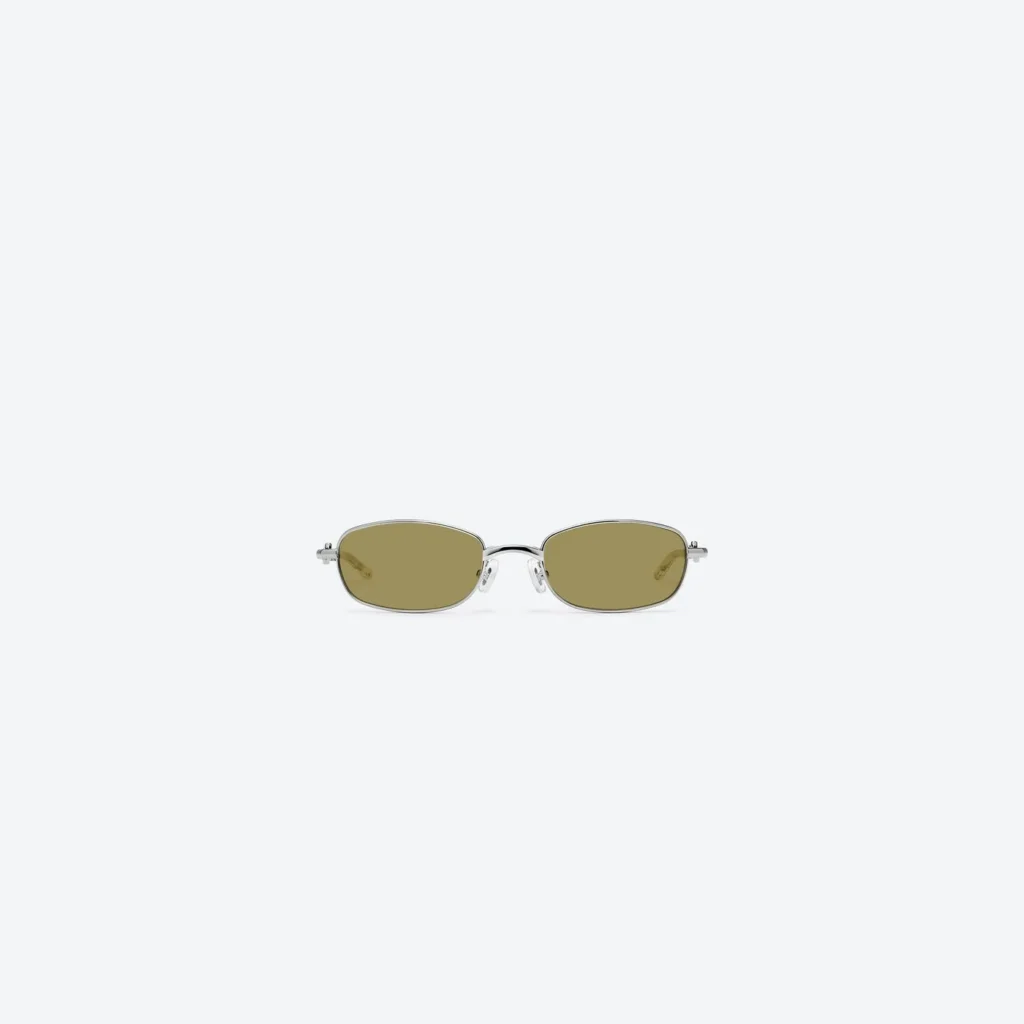
Engineering the Nose Bridge for Oversized Comfort
The nose bridge carries the entire front weight of the frame. On oversized frames, this load is significantly higher. Three solutions, in order of effectiveness:
1. Adjustable Nose Pads on Metal Arms
The gold standard. Metal pad arms with silicone nose pads that can be adjusted to distribute weight across a wider area. Reduces pressure per square millimeter by 40-60% compared to fixed acetate nose pads. Required for any oversized frame targeting more than 2 hours of continuous wear.
2. Silicone Nose Pad Overlays
Silicone pads bonded to the existing acetate bridge. Adds 1-2mm of cushioning and increases the contact area. Lower cost than metal pad arms, less adjustable. Good enough for mid-range collections.
3. Wide Bridge Design
Increasing the bridge contact area in the acetate design itself. Spreads the load over a wider surface. Cheapest solution, least effective. Suitable only for lightweight TR90 oversized where the total front weight is under 12g.



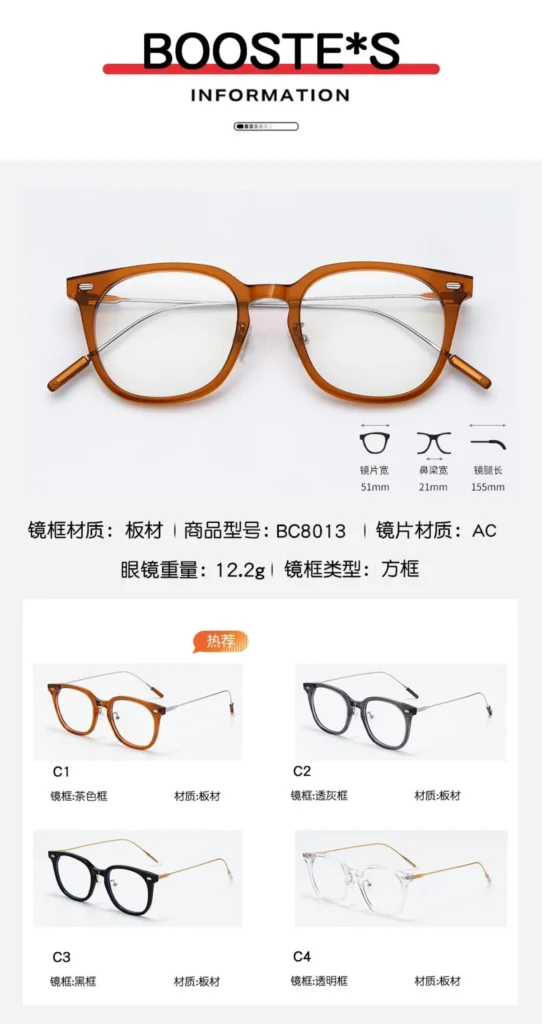
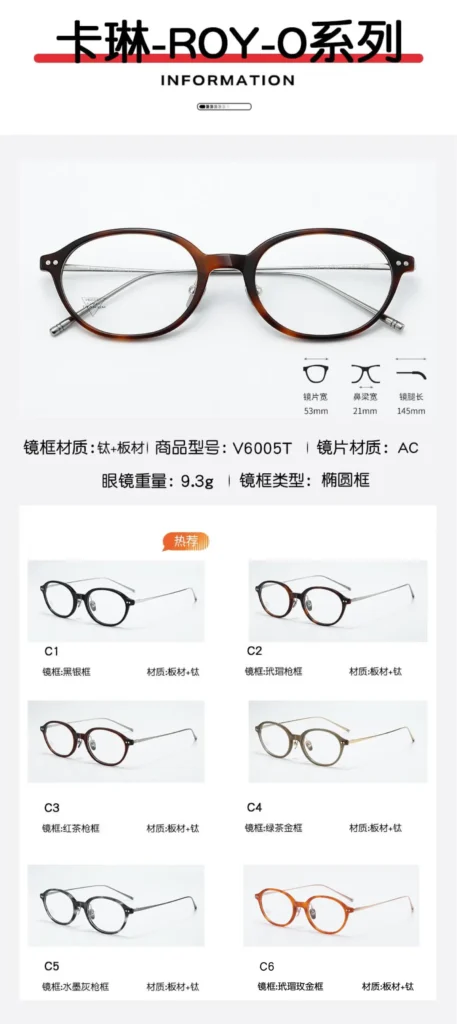




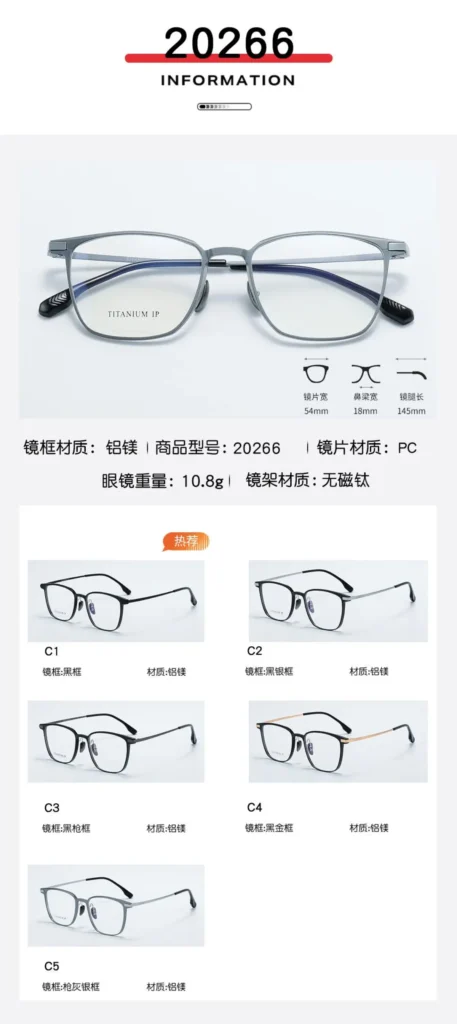
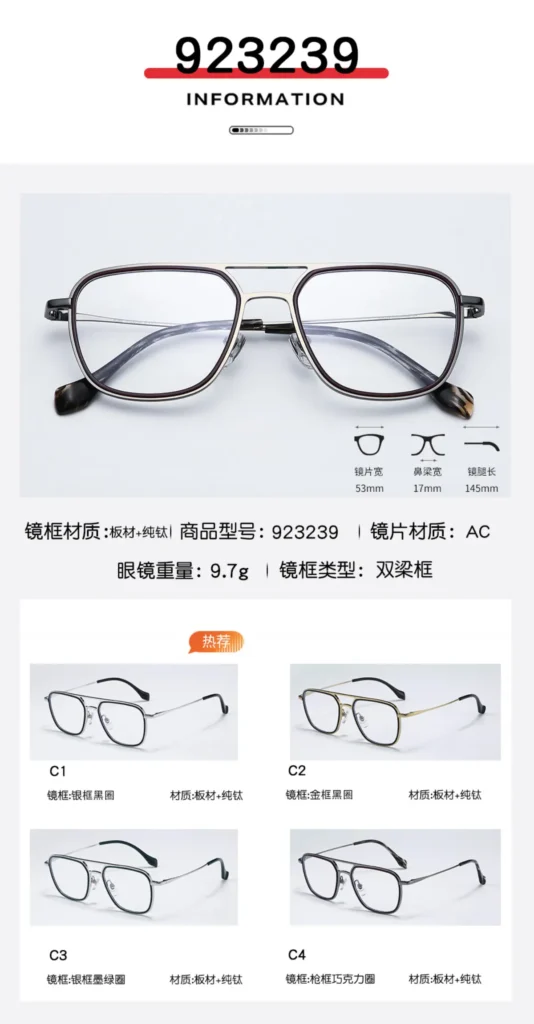
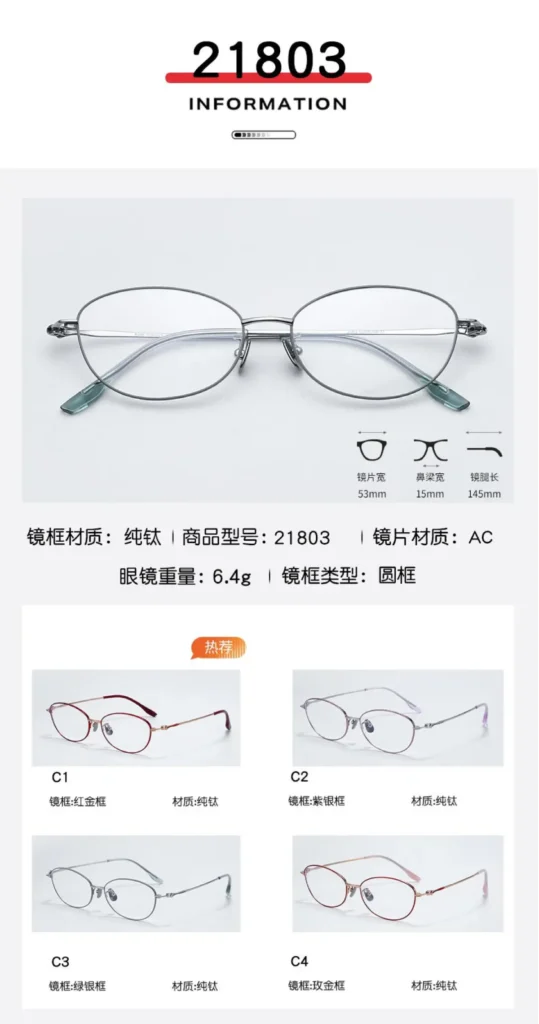
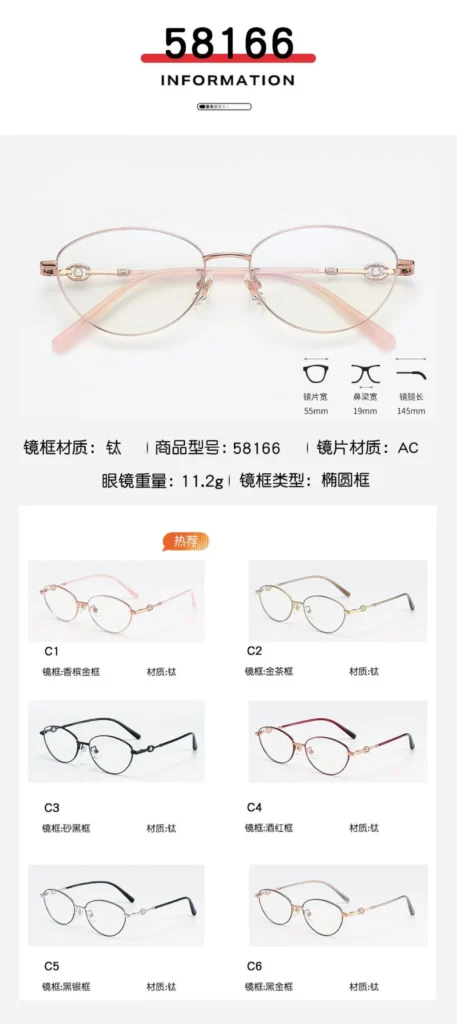
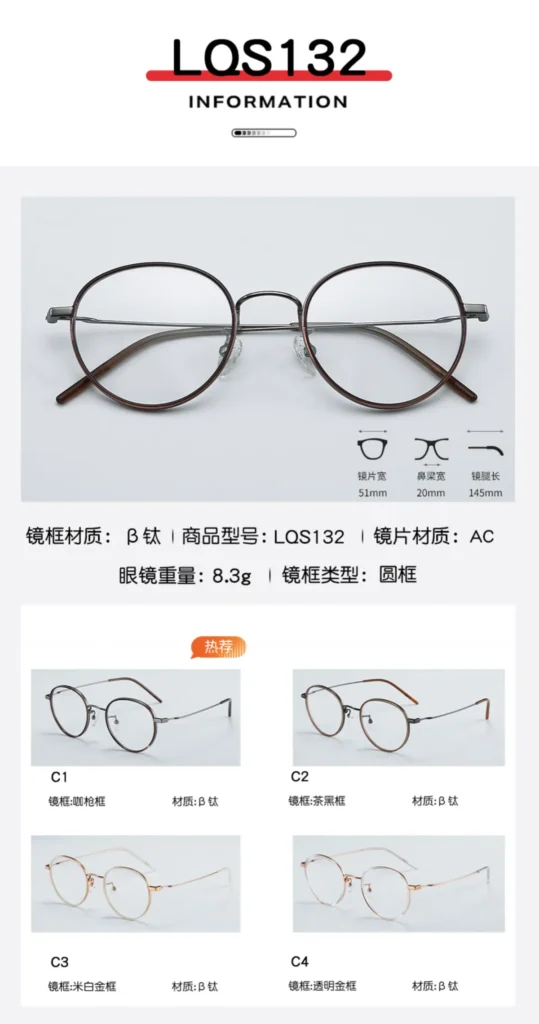
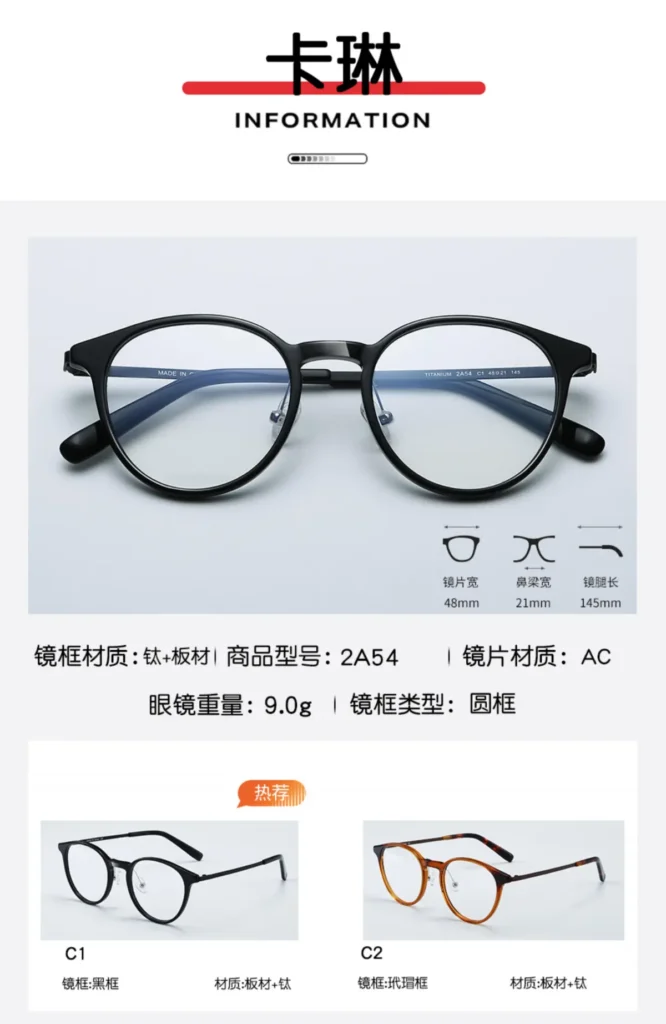
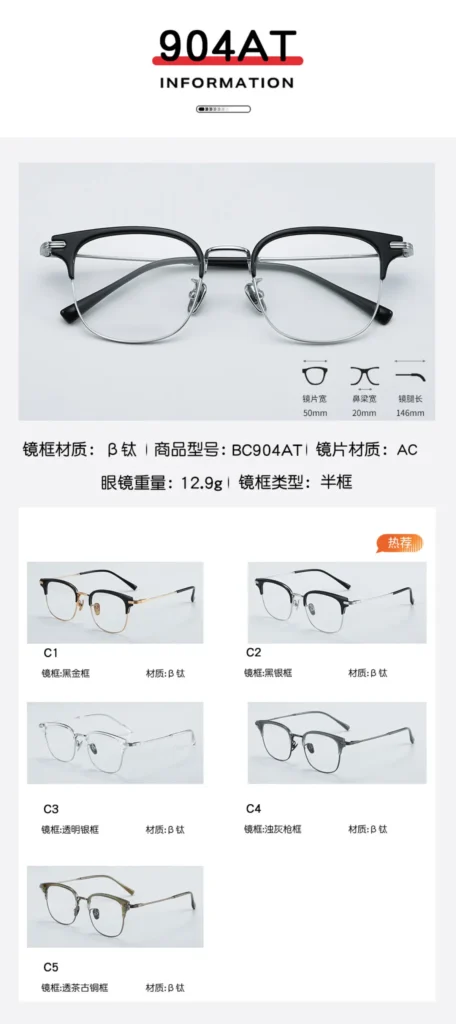
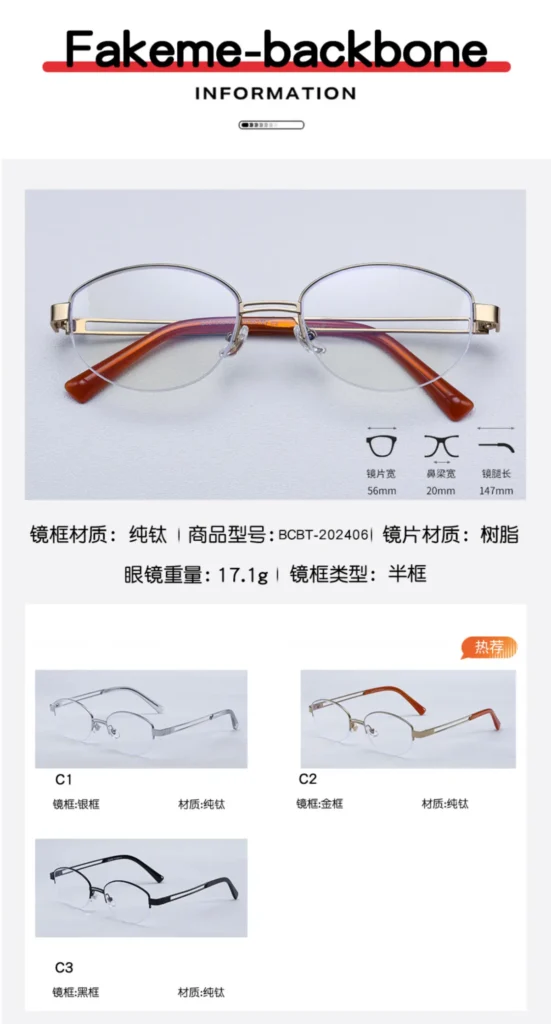





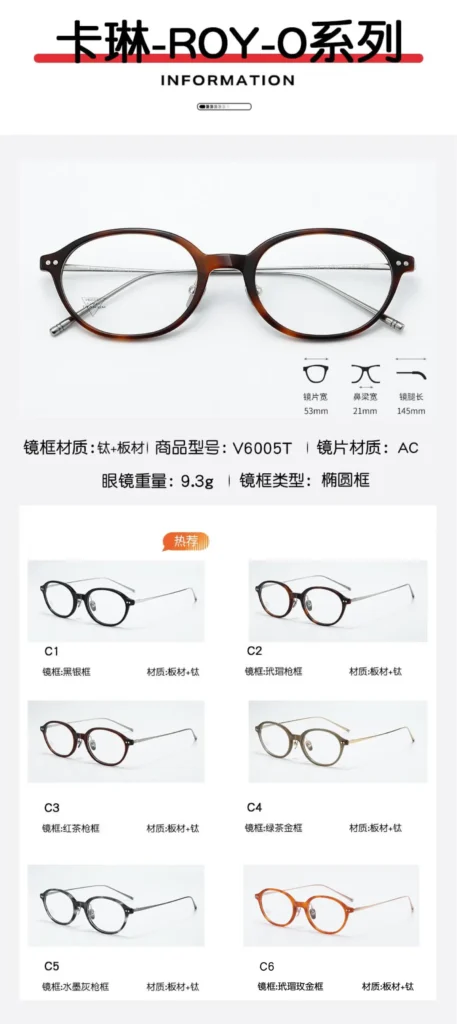
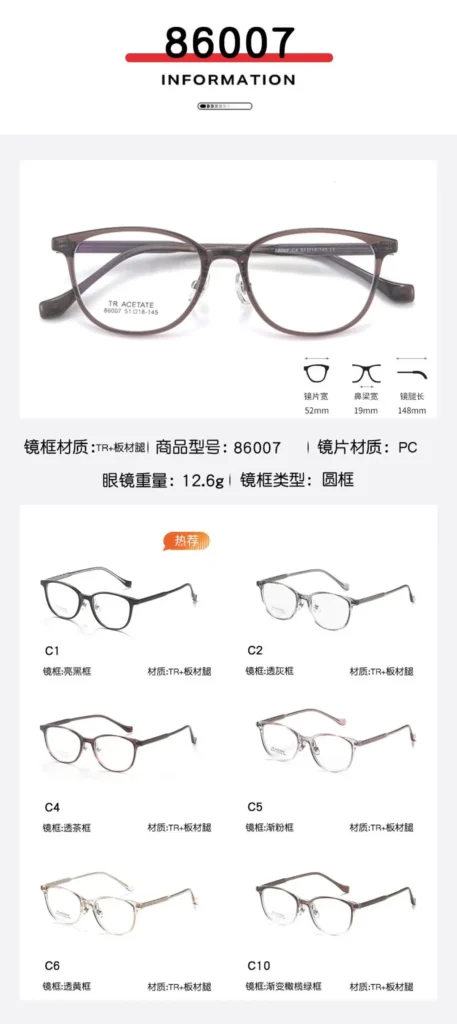


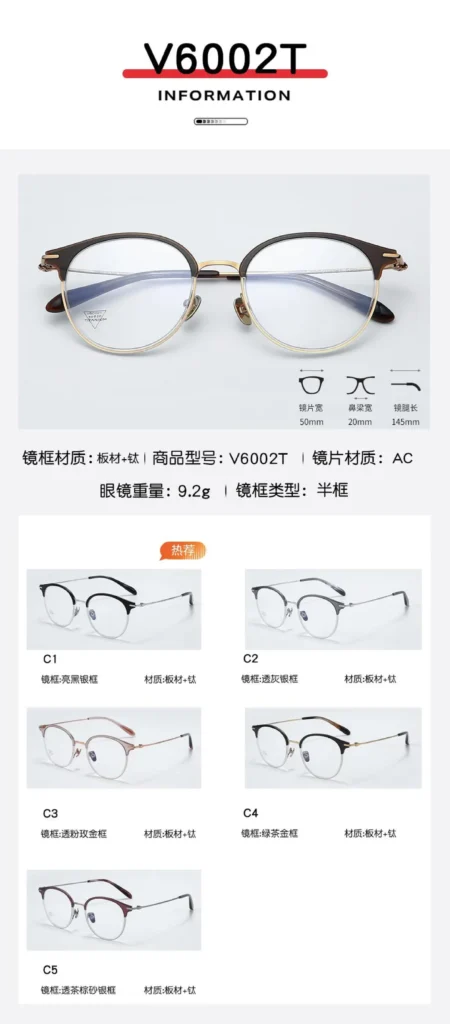

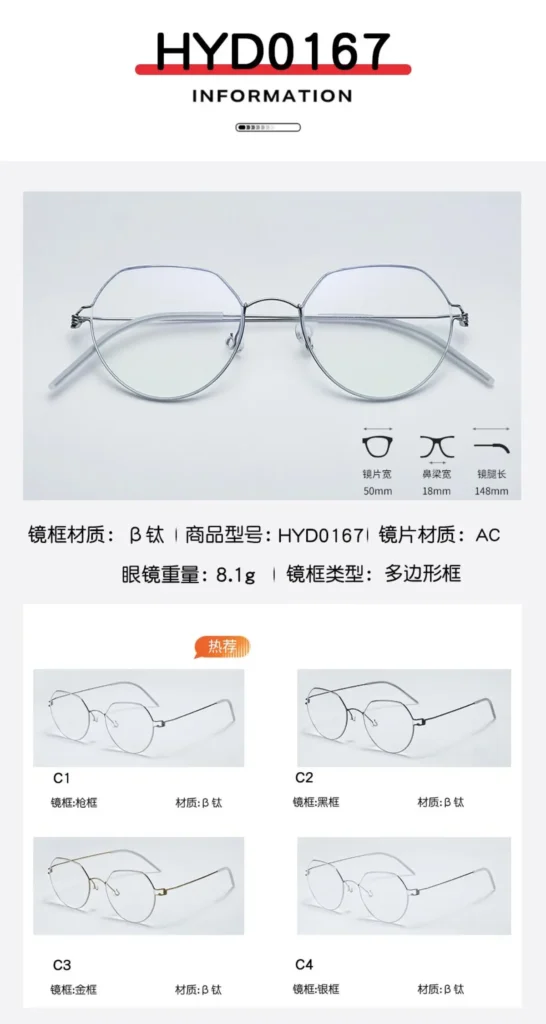
Wenzhouframe Lightweight Oversized Capabilities
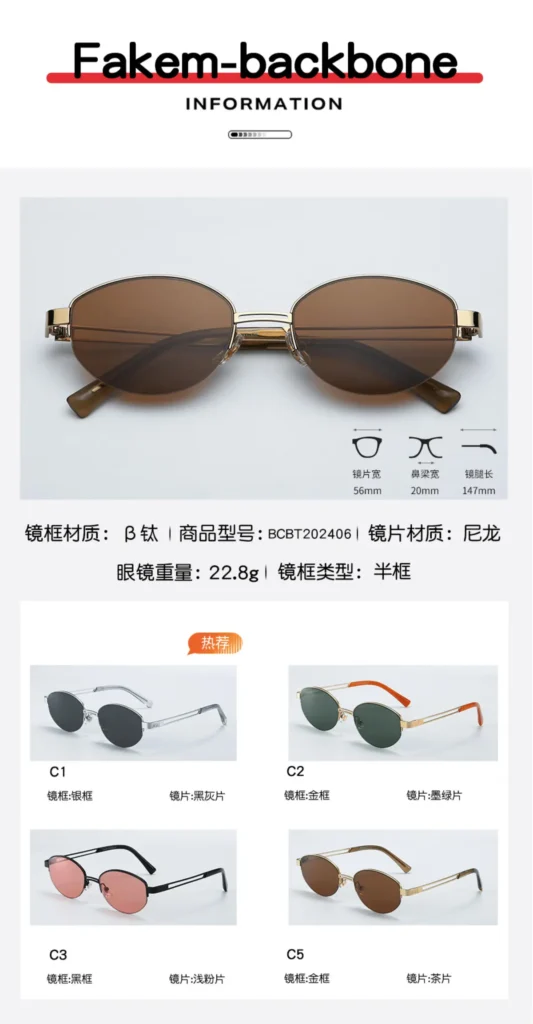
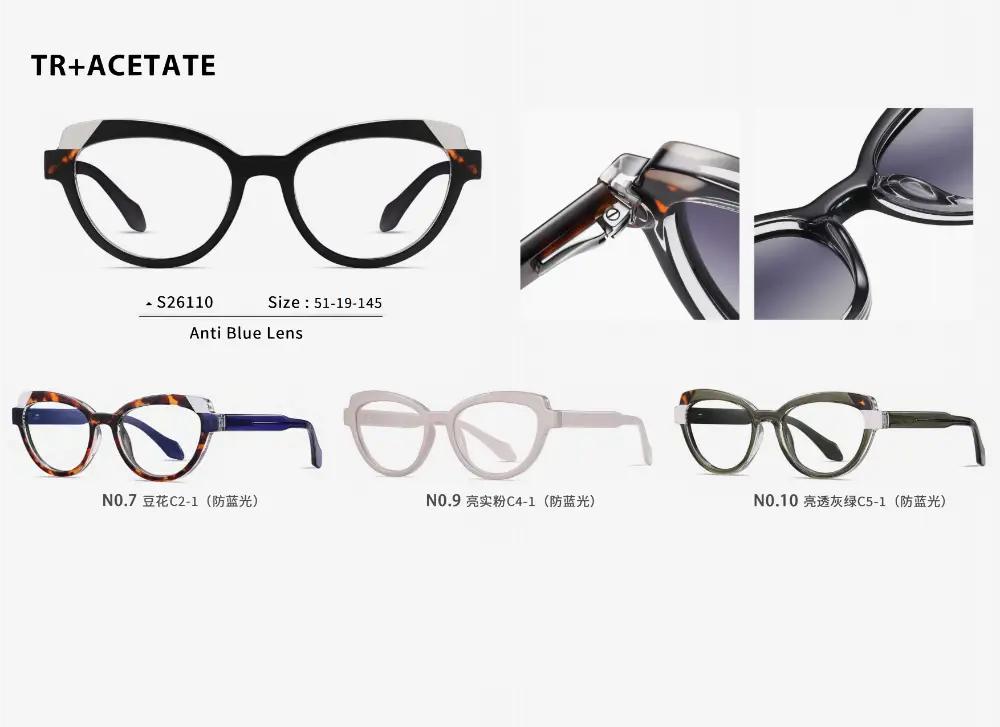
- TR90 oversized: Certified TR90 with S136 molds. Sub-20g frames at 54mm. Dual-color injection for transparent-outer / solid-core oversized frames.
- ULTEM/PEI oversized: Ultralight construction, 12-16g at 54mm. Popular for Asian-market collections.
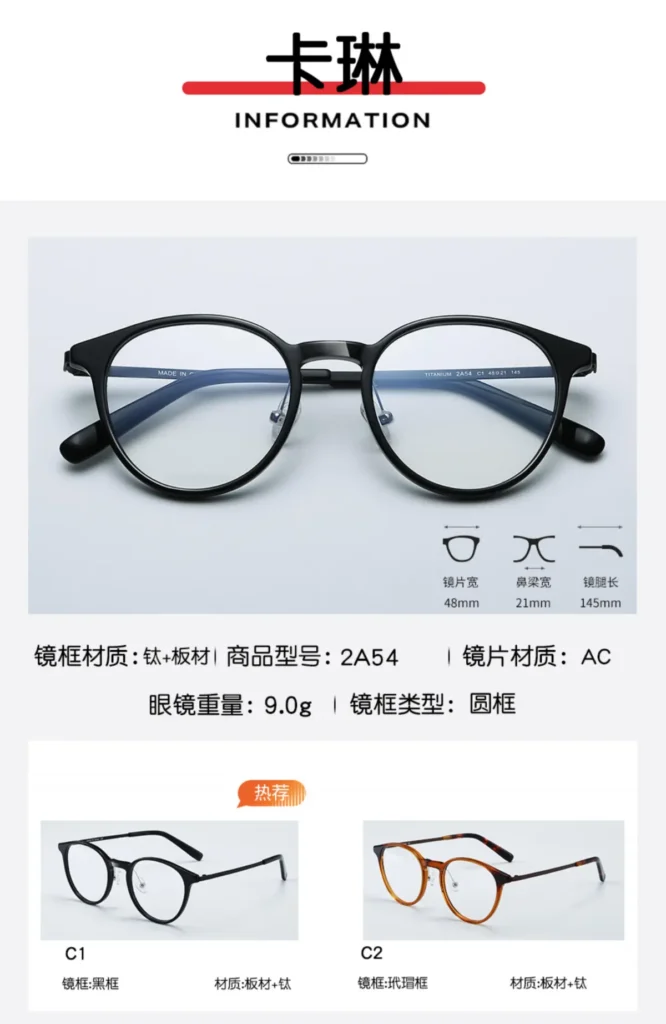
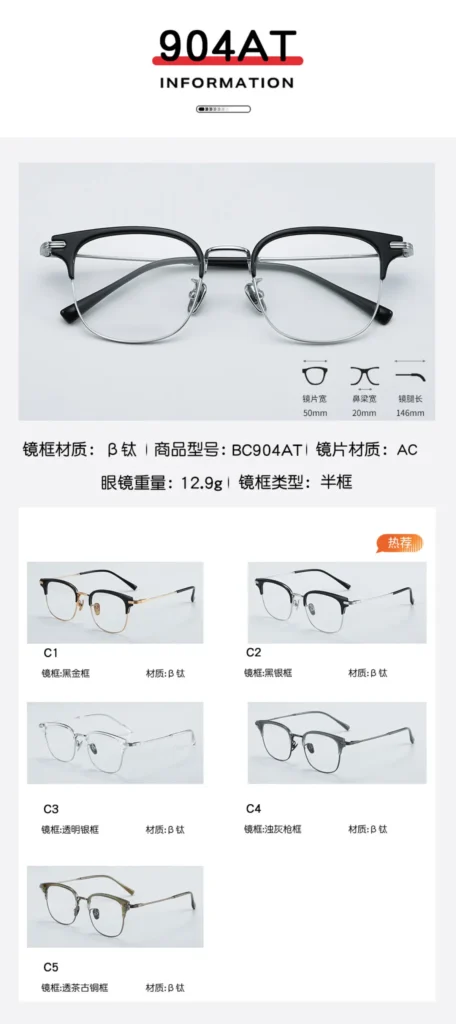
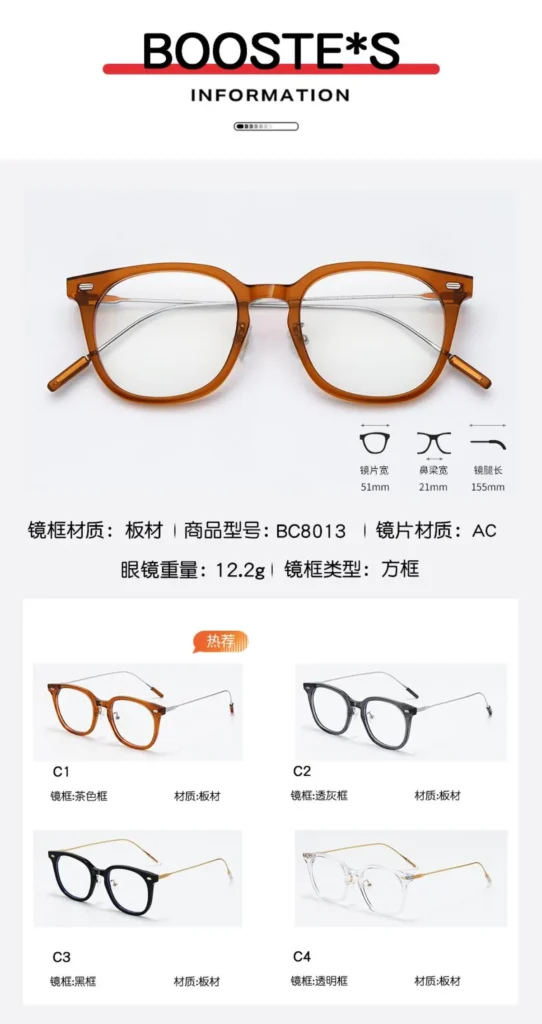
- Thin-wall acetate oversized: 1.8-2.0mm wall thickness using JH800-grade or Mazzucchelli acetate. Internal routing for wire core channels. 18-25g range.
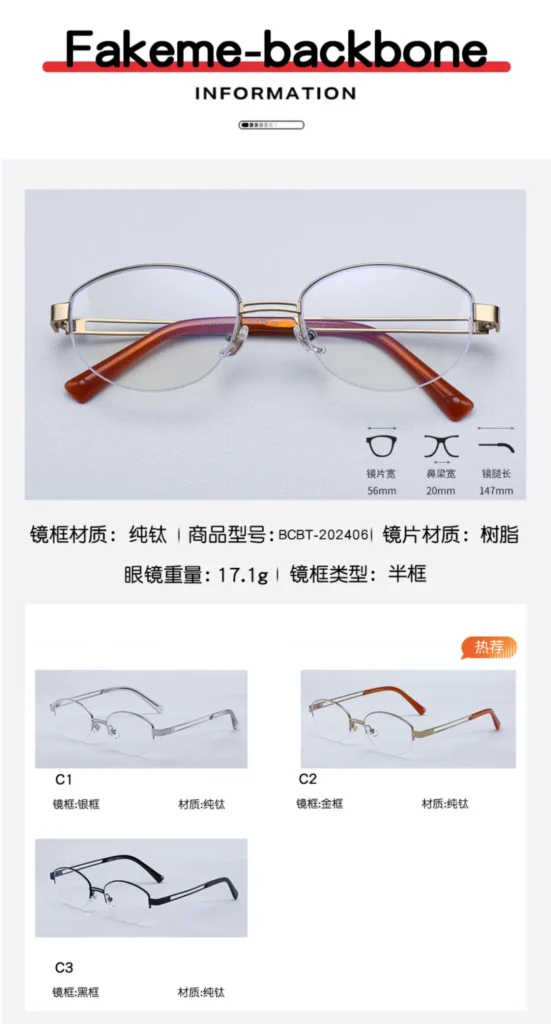
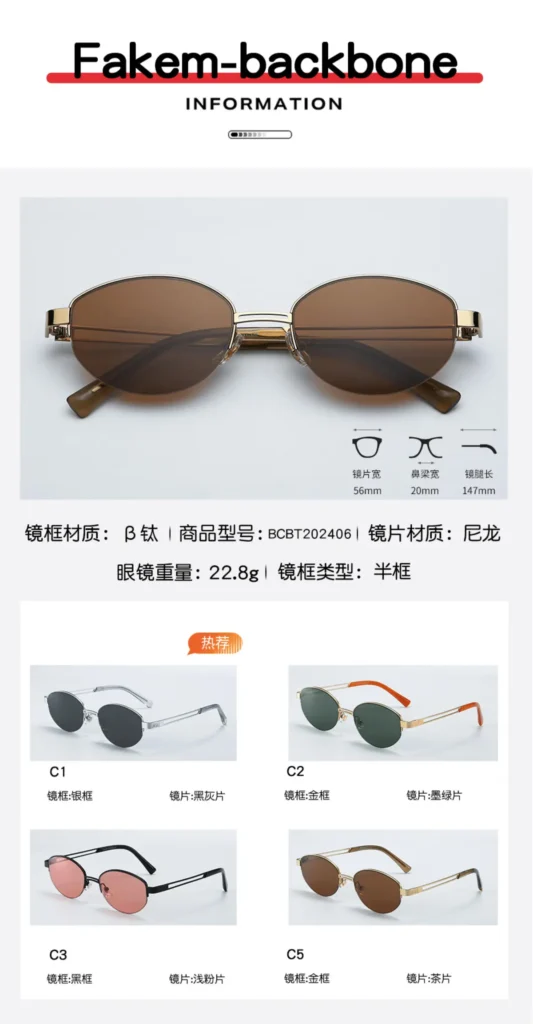
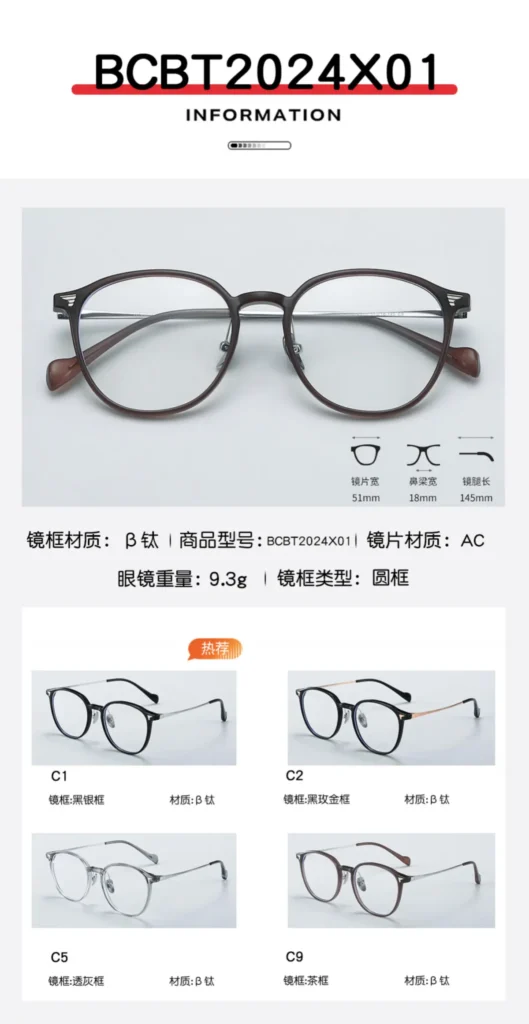
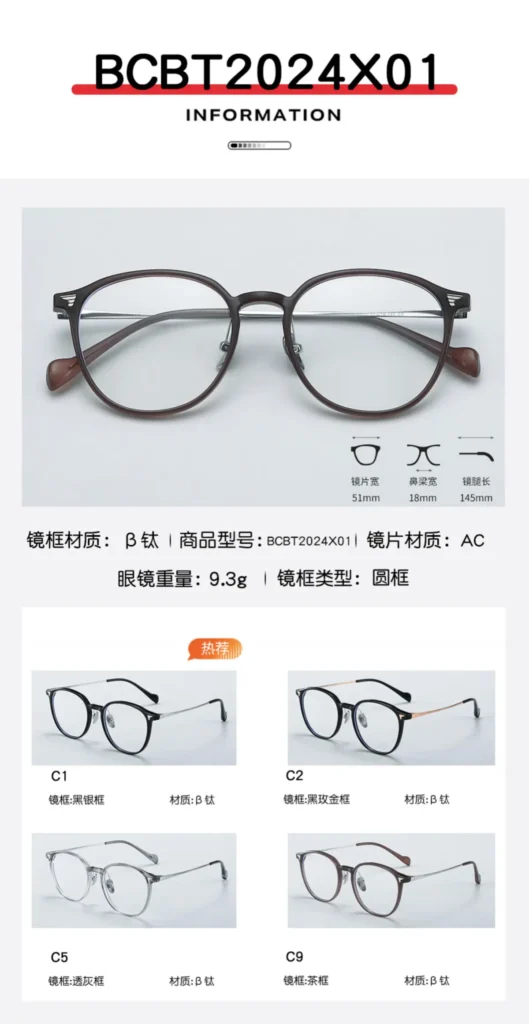
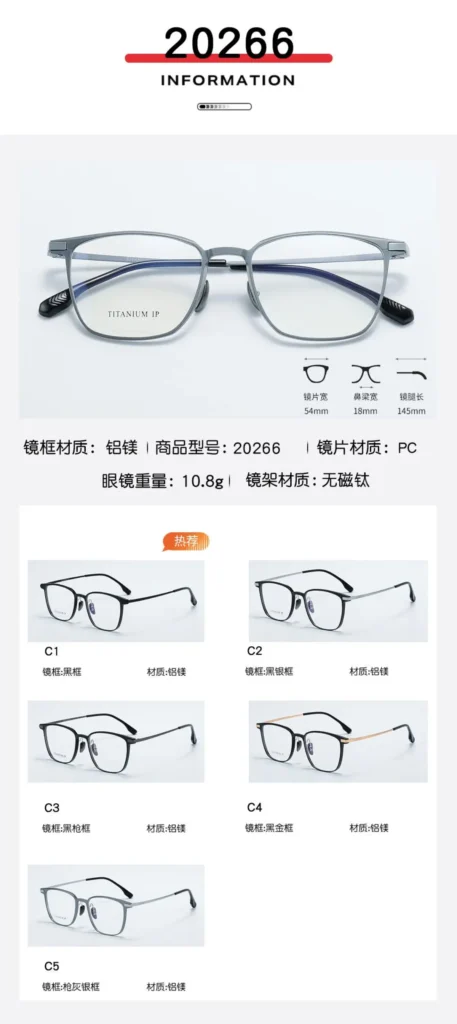
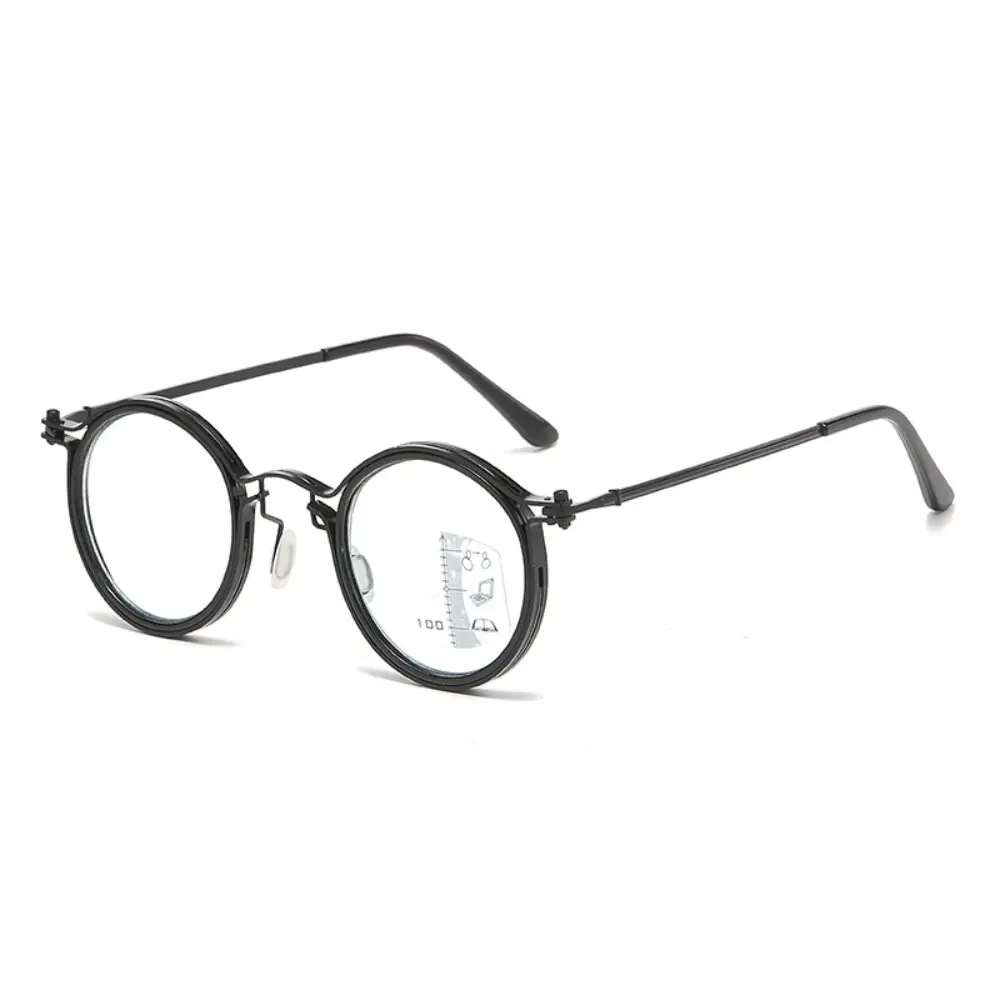
- Titanium oversized: Pure titanium and beta-titanium wire construction. 10-18g range. The premium option.
- Nose bridge solutions: All three levels available — adjustable metal pad arms, silicone overlays, and wide bridge designs. We recommend based on your target weight and price tier.
- Weight balancing: Every oversized frame is weighed and balanced during QC. Target: front-to-temple weight ratio under 65:35.
Want to develop a lightweight oversized collection? Tell us your target weight, frame size, and price point — we will recommend the right material and engineering approach.

6.17_11.webp)