The reading glasses market is worth over $5 billion globally and growing. The rise of DTC (Direct-to-Consumer) brands has shown that consumers are willing to pay for a well-branded reading glasses experience — and that incumbent retailers are vulnerable to newcomers with better products and stories.
Here’s how to build an online reading glasses brand from scratch.
Step 1: Define Your Brand Position and Target Customer
Before sourcing a single frame, define:
- Niche focus: Fashion-forward readers for 35–50? Durable everyday readers for active seniors? Blue-light filtering readers for digital workers? Each niche has different product, pricing, and marketing requirements.
- Price tier: Budget ($8–$20 retail), mid-market ($20–$50), or premium ($50+)
- Brand identity: Color palette, typography, tone of voice, origin story — consistency across every touchpoint matters
Step 2: Source Your Products
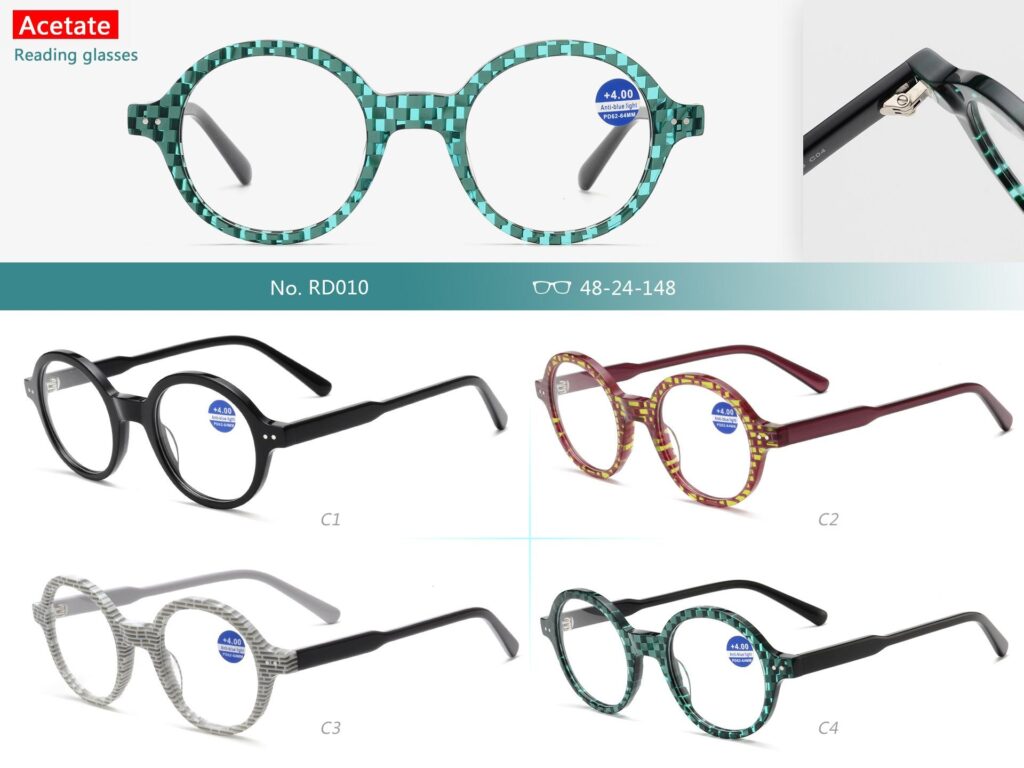
Option A: Private Label (Recommended for Most Startups)
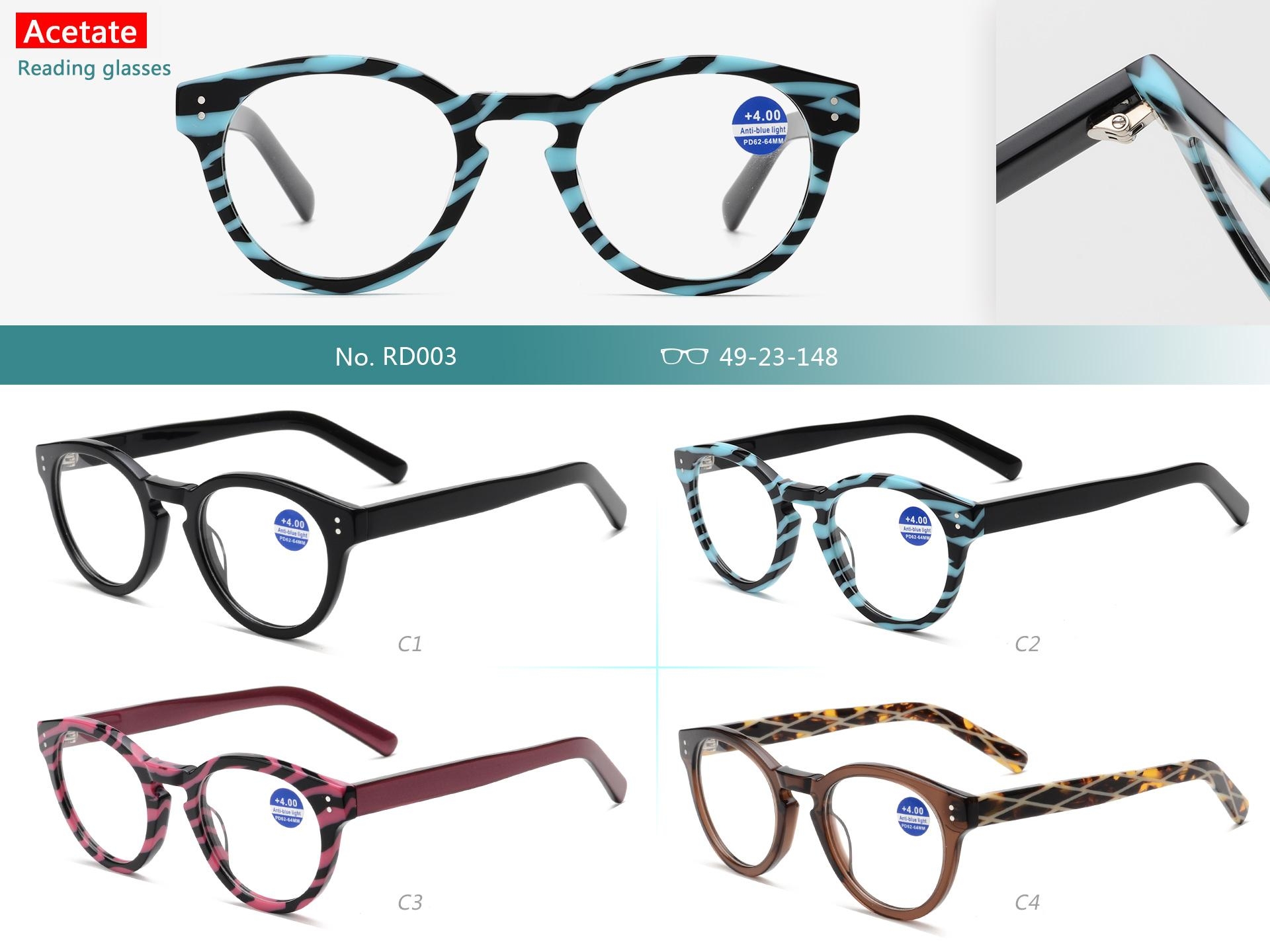
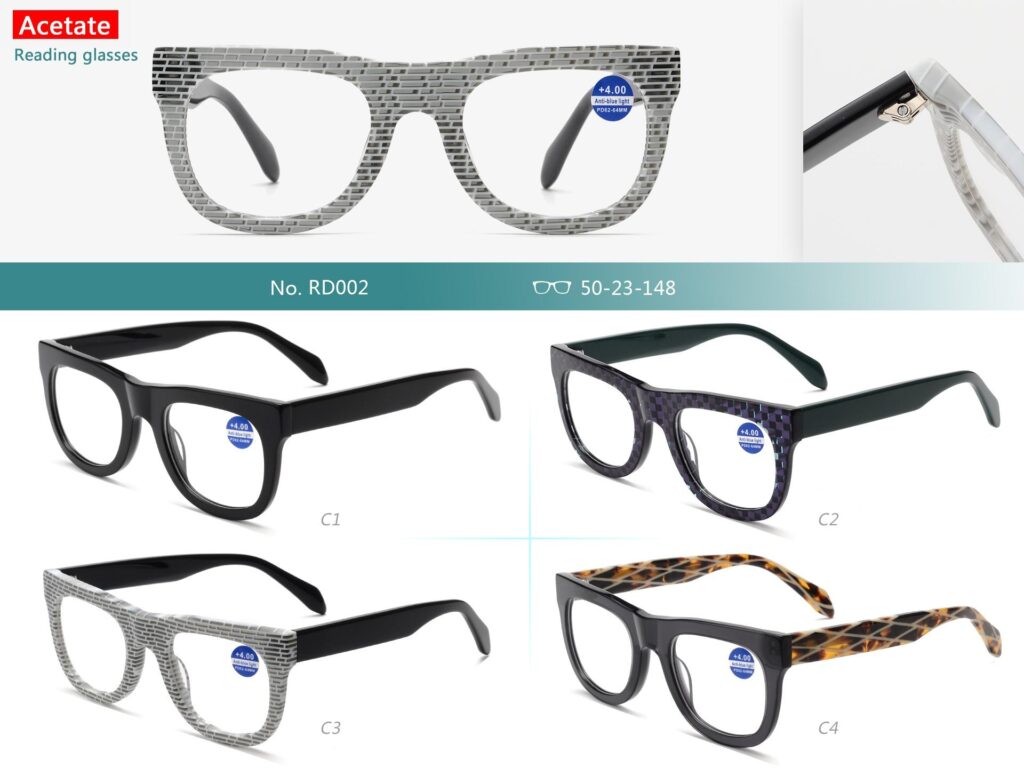
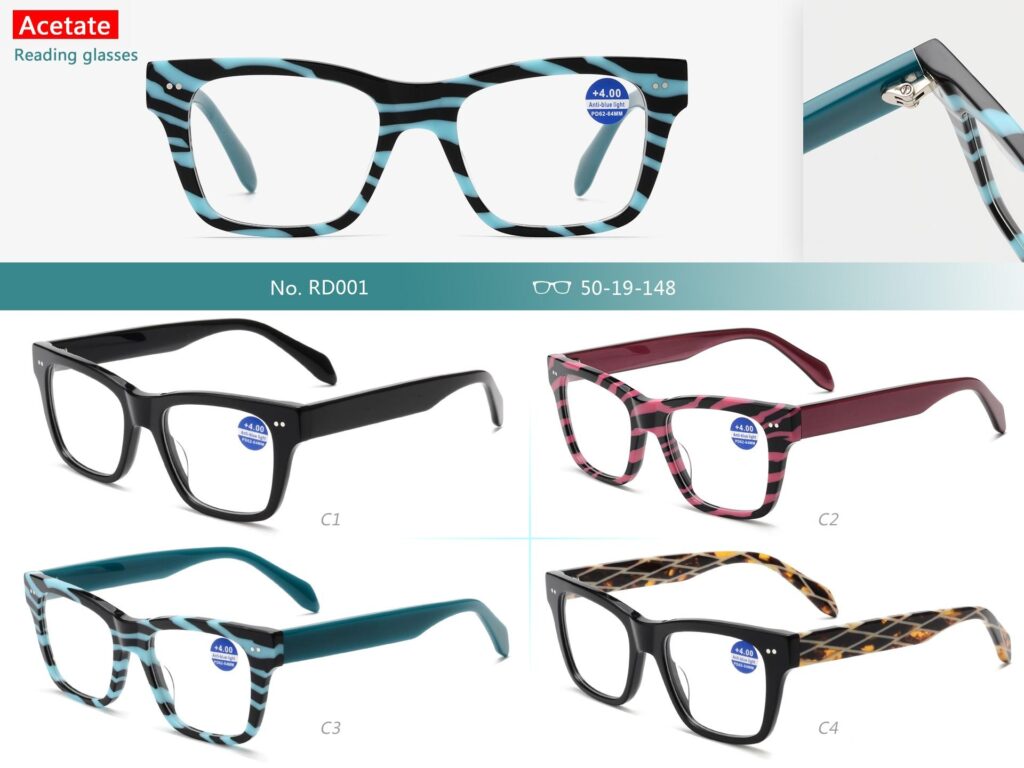
Work with a factory to produce reading glasses under your brand name. This gives you:
- Control over materials, design, and packaging
- Full brand ownership — no third-party branding
- Better unit economics than white-label resale
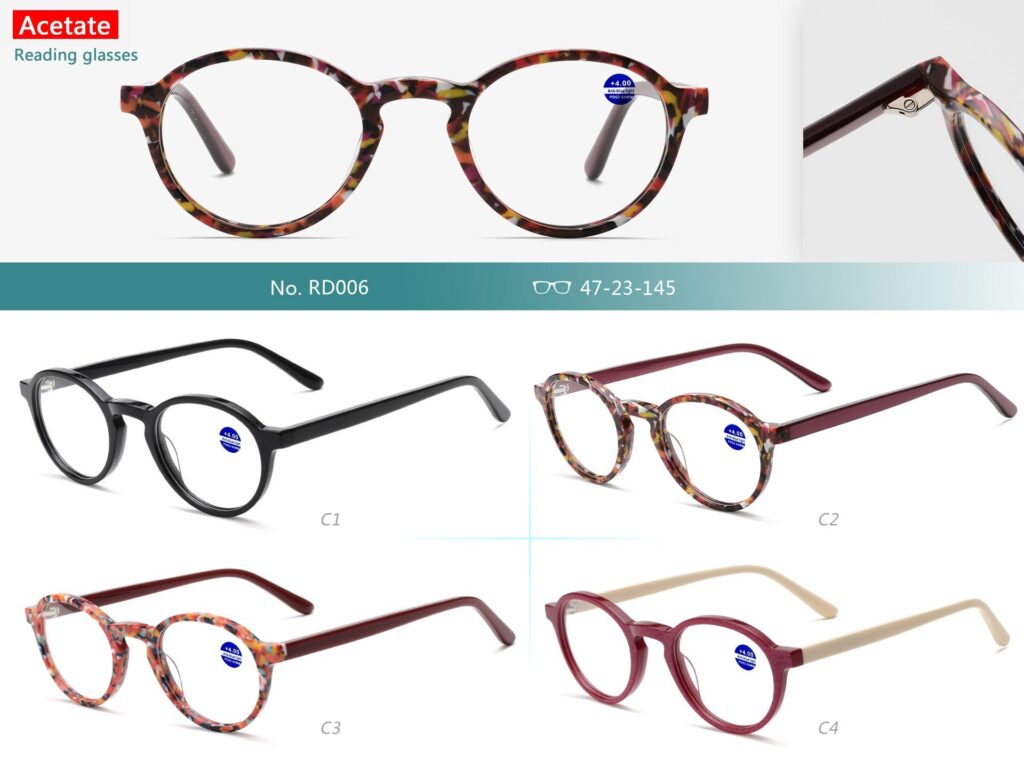
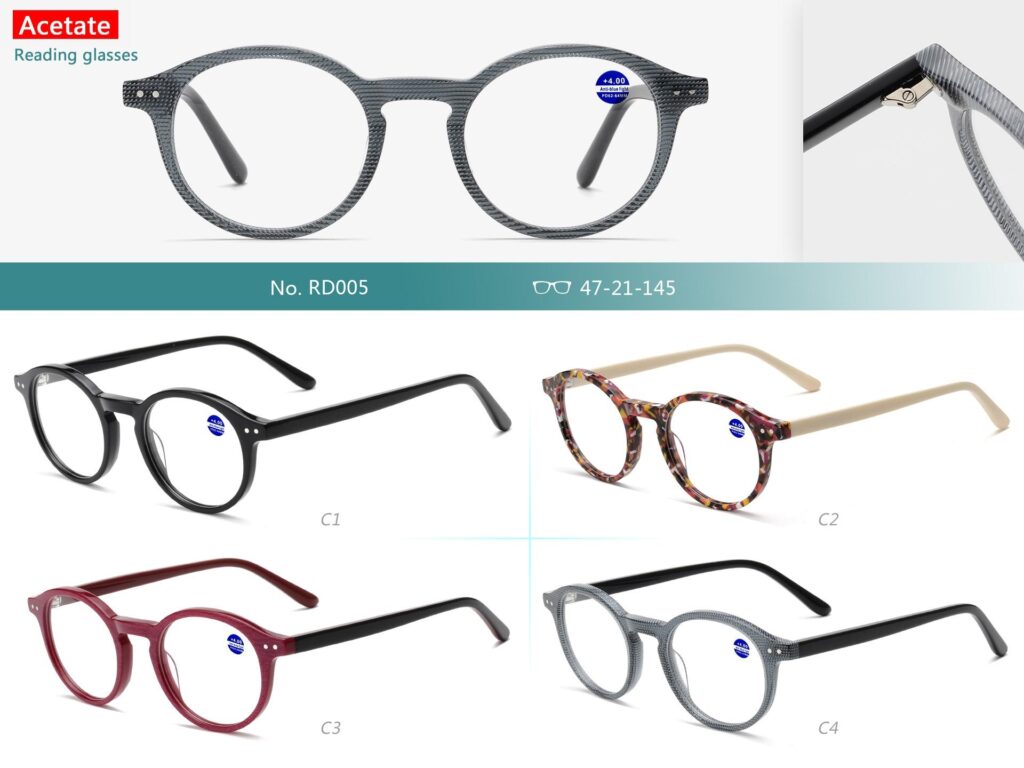
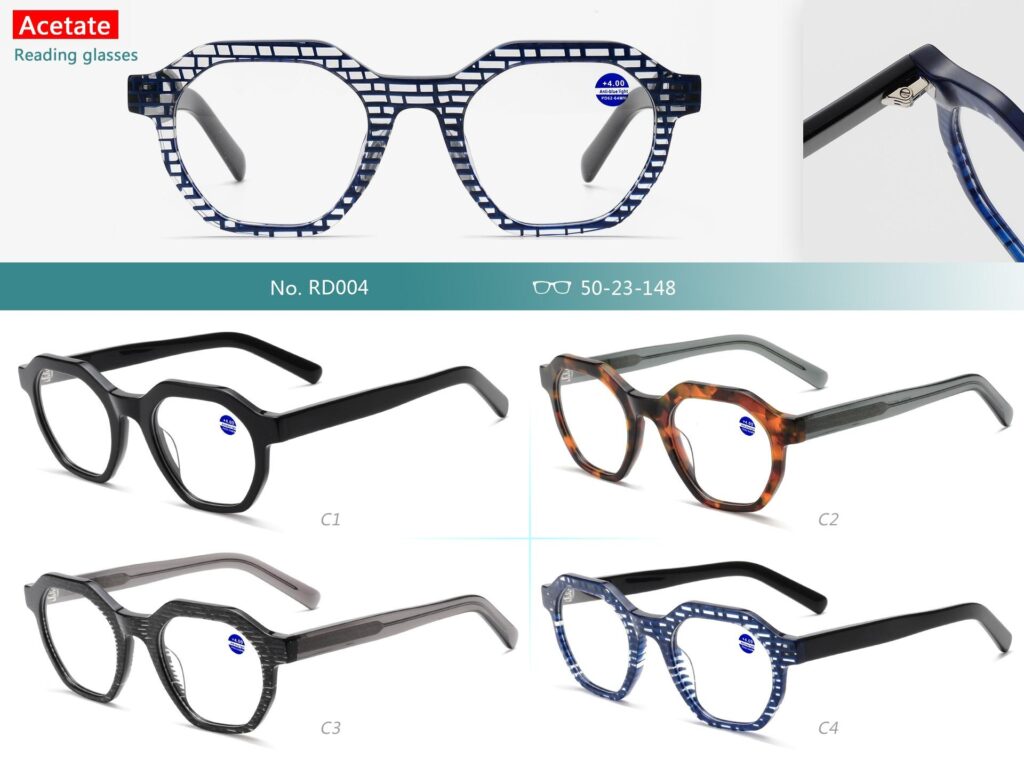
MOQ considerations: Most factories require 200–300 units per model. For an initial launch, we recommend 2–3 core models in 2–3 colors each (1,200–1,800 units total).
Option B: White Label / Stock Products
Purchase existing factory frames and add your own packaging and labeling. Faster to launch but:
- Lower margins (factories add less value for customization)
- Risk of the same frames being sold by other brands
- Less brand differentiation
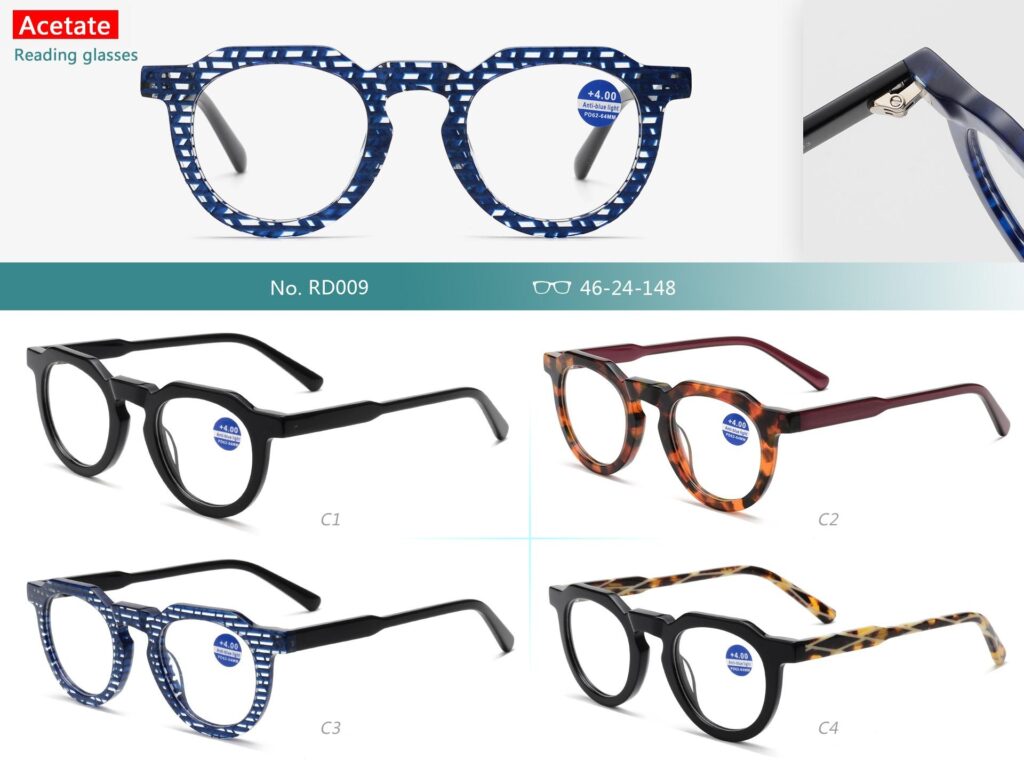
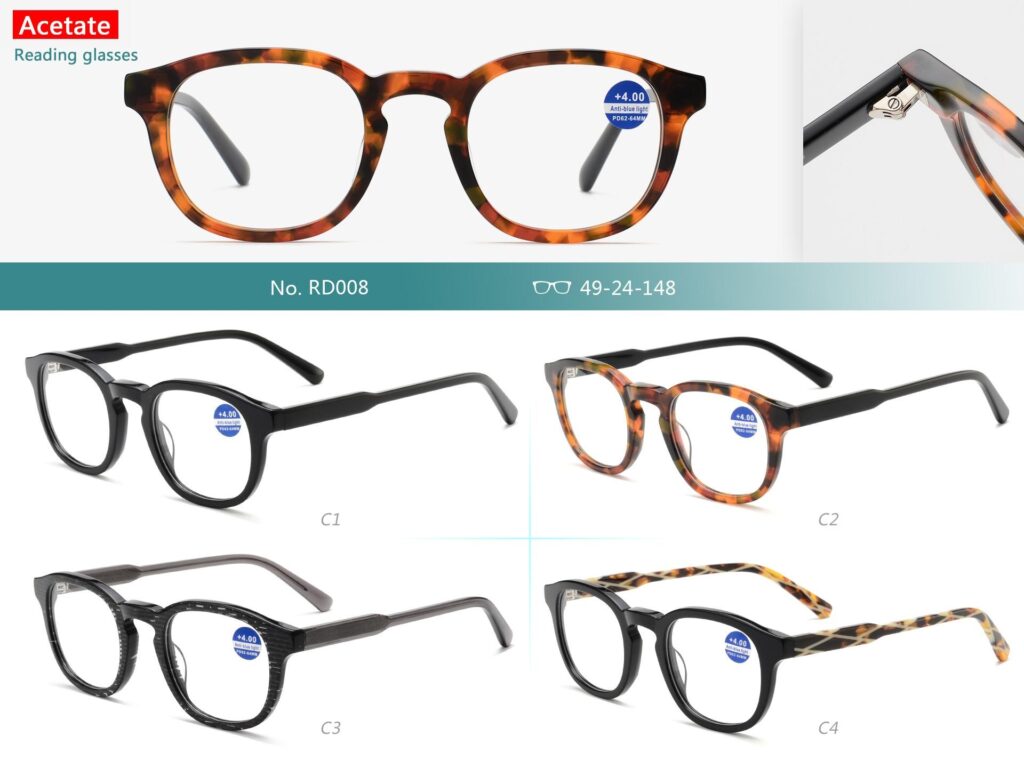
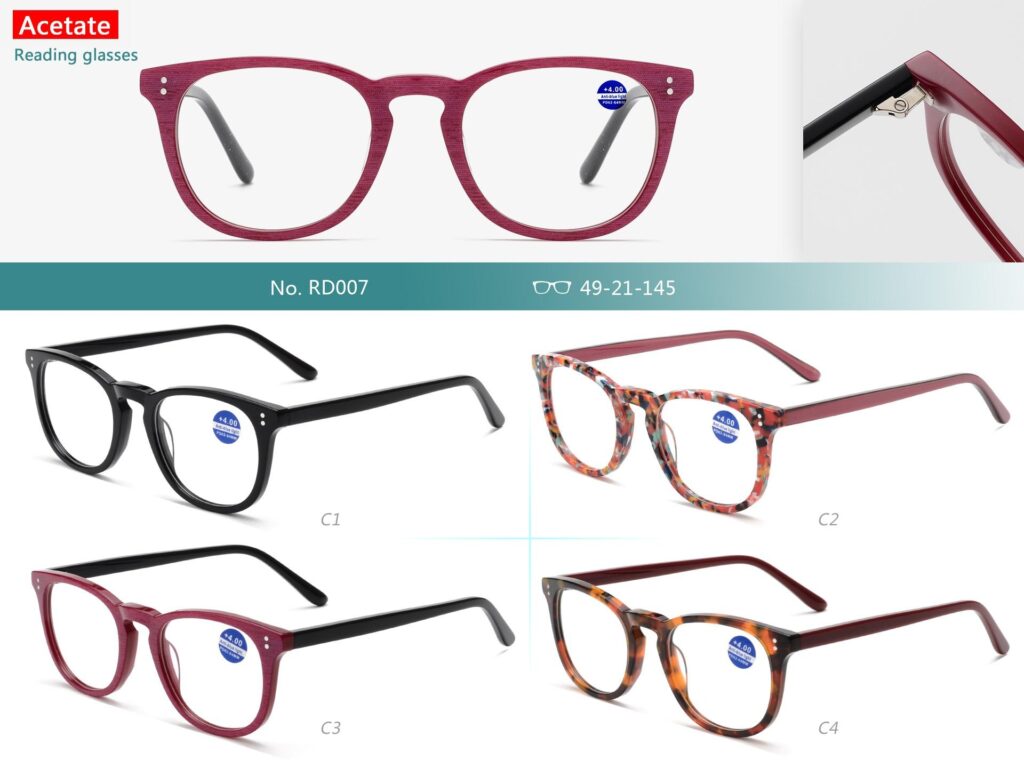
Option C: Hybrid Approach
Start with white-label products to validate market demand quickly and cheaply, then invest in custom private label production for your best-selling models.
Step 3: Navigate Regulatory Compliance
US Market
- FDA establishment registration: Required before importing non-prescription reading glasses
- FDA product listing: Each SKU must be listed with the FDA
- No 510(k) needed: Non-prescription reading glasses are exempt from premarket approval
- State-specific rules: Some states have additional labeling requirements — a compliance lawyer can advise
EU Market
- CE marking: Required for all eyewear sold in the EU
- UKCA marking: Required for Great Britain post-Brexit
- EU Responsible Person: Non-EU brands need an EU-based Authorized Representative
General Recommendations
- Get product liability insurance ($1M–$2M coverage typical for eyewear startups)
- Include appropriate disclaimers on your website (“For non-prescription use only,” “Not a substitute for prescription eyewear”)
- Retain test reports from your factory (nickel release, optical quality) as part of your technical file
Step 4: Build Your E-Commerce Store
Platform Recommendations
- Shopify: Best for most startups — easy setup, extensive app ecosystem, good for DTC
- WordPress + WooCommerce: More control, better SEO customization, lower monthly cost
- Amazon: High volume potential but thin margins and brand dilution risk
Critical Pages for an Eyewear Brand
- Product pages: Frame measurements, lens width/bridge/temple measurements, material info, diopter range, care instructions
- Size guide: Help customers choose the right frame size — use lens width + bridge width as the key metrics
- Diopter guide: Explain reading distance and power correlation so customers choose correctly
- About/Origin story: Brand differentiation — where are your glasses made and why does that matter?
- FAQ: Shipping, returns, warranty, care, and compliance disclaimers
Step 5: Launch and Acquire Customers
Content Marketing (SEO)
Write guides that your target customer searches for:
- “Best reading glasses for seniors 2026”
- “How to choose the right reading glasses power”
- “Blue light vs. reading glasses — what’s the difference?”
This builds organic traffic and positions you as an authority — both critical for a health-adjacent product category.
Social Proof
- Customer reviews on product pages (invest in early review generation — offer free products in exchange for honest reviews)
- User-generated content on Instagram: ask customers to tag your brand
- Before/after framing reviews
Paid Acquisition
Facebook/Instagram ads work well for reading glasses due to the visual nature of the product. Test:
- Single-product ads with lifestyle imagery
- Multi-pair value bundles
- Reading distance quiz as a lead magnet (collect emails before purchase)
Financial Model for a Reading Glasses Startup
Typical launch budget:
- Initial inventory (1,200 units): $3,000–$8,000
- Custom packaging: $1,000–$3,000
- Brand website: $500–$2,000
- Legal/compliance: $500–$2,000
- Initial marketing: $1,000–$3,000
- Total launch budget: $6,000–$18,000
Target retail margin: 60–70% for DTC reading glasses brands.
Wenzhouframe Can Help You Launch
We support reading glasses brand launches with flexible MOQ starting at 200 units per model, full private label customization (brand application, custom packaging), and complete export documentation packages for FDA and CE compliance. Contact us to discuss your brand launch plan.