
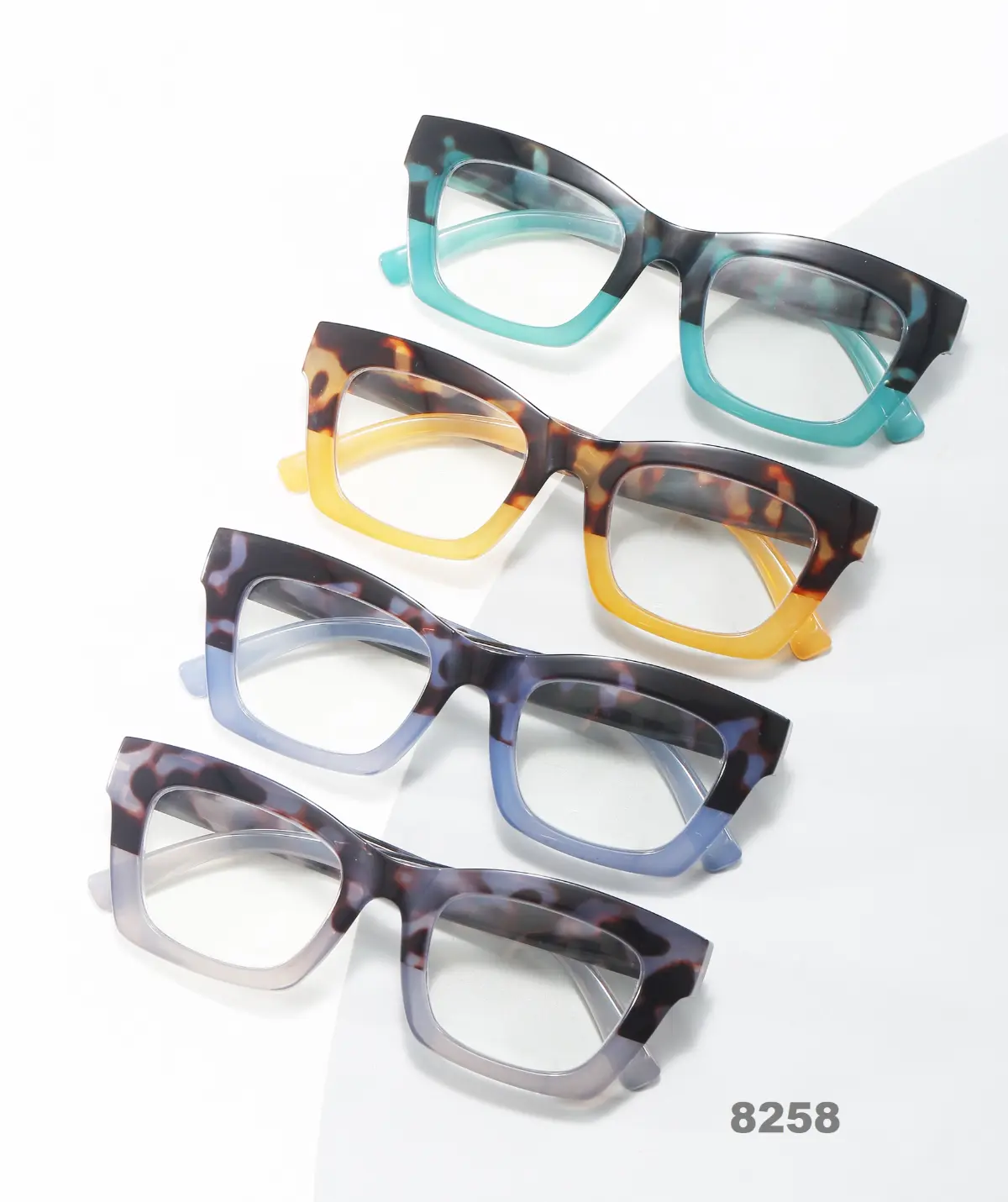
Globally, the population aged 50 and above is the fastest-growing demographic for reading glasses. By 2030, over 1.4 billion people worldwide will be over 60. For B2B buyers and retailers, this isn’t just a trend — it’s a structural market shift that demands specific product strategies.
Why the Senior Market Is Different
Reading glasses for seniors aren’t just “glasses with higher powers.” Seniors have distinct physiological and behavioral needs that affect product design, packaging, retail positioning, and marketing.
Vision Changes with Age
- Presbyopia onset: Most people need reading glasses by age 40–45; by 60, nearly 100% have some degree of presbyopia
- Reduced pupil size: Seniors need more light to see clearly — larger lens areas and light tint help
- Decreased contrast sensitivity: Higher contrast between text and page improves readability
- Increased light sensitivity: Many seniors prefer light amber or yellow-tinted lenses for indoor reading
Physical Considerations
- Reduced dexterity: Difficulties with small temples, narrow frames, and stiff hinges
- Reduced grip strength: Lightweight frames are significantly easier to put on and remove
- Reduced tactile sensitivity: Larger nosepads and temple tips improve comfort and reduce pressure points
- Arthritis and hand tremors: Folding glasses may be difficult; one-piece or semi-rimless designs work better
Product Design Features That Sell to Seniors
Frame Size: Bigger Is Better
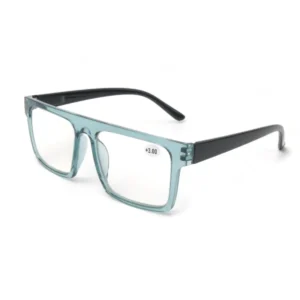
Large frames with oversized lenses are the single most popular style for senior reading glasses. Benefits:
- Wider field of vision through the lens
- Easier alignment with eyes — less precision required
- Better peripheral coverage for general visibility
- Modern styling that doesn’t feel “medical”
Weight: Under 15g is the Sweet Spot
Beta titanium and TR90 frames are ideal for senior markets. Frames over 25g create pressure on the nose and ears during extended wear — seniors who read for hours need ultralight frames.
Spring Hinges: Non-Optional for This Segment
Spring hinges (also called flex hinges) allow temples to open beyond 90 degrees without breaking. For seniors who may have reduced spatial awareness when putting glasses on, spring hinges prevent frame damage and improve usability.
Wide Bridge Fit
Many seniors have wider nose bridges. Standard bridge widths (14–18mm) may be too narrow — consider frames with 20–24mm bridges for comfort.
Reading Light Integration
An emerging category: reading glasses with built-in LED lights. Growing in popularity in North America and Europe for seniors who read in low-light environments (bedside, cars, theaters). Premium pricing point ($30–$60 retail).
Diopter Demand Patterns
| Age Group | Most Common Powers | Demand Split |
|---|---|---|
| 40–50 | +1.00 to +2.00 | 70% low / 30% mid |
| 50–60 | +1.50 to +3.00 | 40% low / 50% mid / 10% high |
| 60–70 | +2.00 to +3.50 | 10% low / 60% mid / 30% high |
| 70+ | +2.50 to +4.00 | Predominantly +3.00 to +4.00 |
Key insight: Stock the mid-range (+2.00, +2.50) heaviest, but don’t neglect +3.50 and +4.00 for the 65+ demographic.
Retail Positioning and Channel Strategy
Pharmacy and Drugstore Chains
The dominant channel for senior reading glasses. Key requirements:
- Blister card or clamshell packaging for pegboard display
- Clear power range labeling (large, legible print)
- Retail price point: $8–$25
- Power range of at least +1.00 to +3.50 in each display
Optical Retail / Boutique
Seniors visiting optical stores expect:
- Premium materials (titanium, acetate)
- Personal fitting services
- Higher diopter options including +4.00, +4.50
- Premium packaging and presentation
- Retail price point: $40–$150
Online E-Commerce
Growing rapidly for the 55+ demographic (improving digital literacy). Best-sellers:
- Value multi-pack (2–4 pairs) at $15–$30
- “As seen on TV” novelty reading glasses
- Premium designer-style readers at $25–$60
Sourcing Recommendations for Senior Reading Glasses
- Prioritize beta titanium and TR90 materials for comfort and durability
- Source oversized frame styles (lens width 50–56mm) — consistently the best seller for 60+ buyers
- Ensure your supplier offers full diopter range: +1.00 to +4.00 at minimum, +4.50 preferred for optical channels
- Consider spring hinges as standard — not a premium add-on
- Source from a factory with FDA and CE compliance documentation for regulatory safety
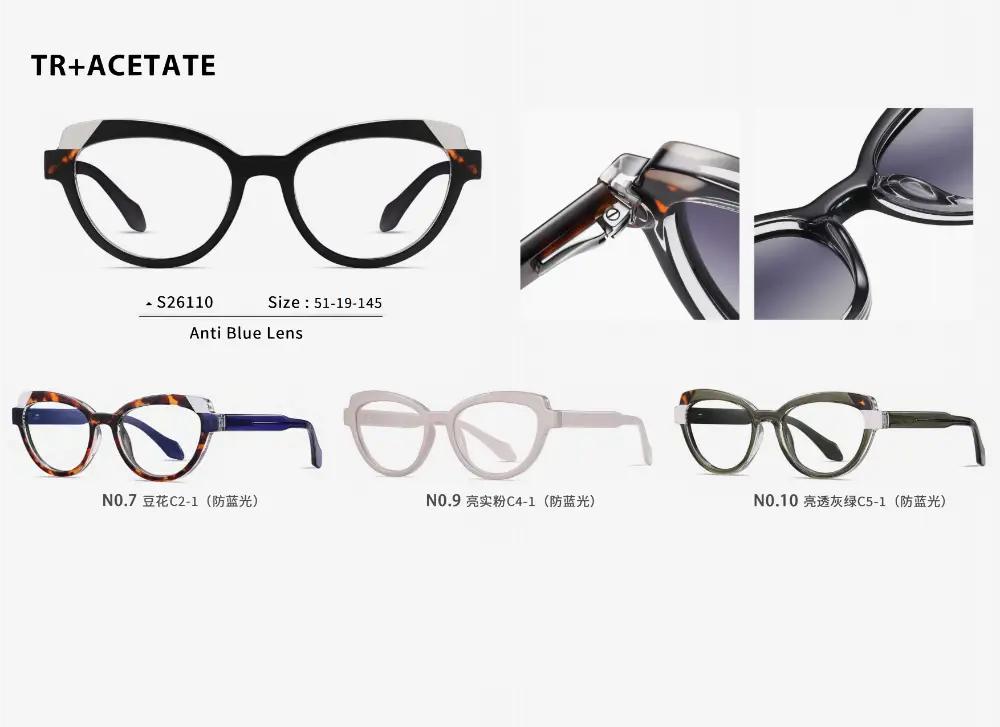
Wenzhouframe produces senior-optimized reading glasses in titanium, TR90, and acetate, with spring hinges and full diopter range coverage. Contact us for a sample set designed specifically for the 60+ demographic.

6.17_11.webp)