The eyewear industry in Wenzhou includes a wide range of business models, including genuine manufacturers, trading companies that aggregate multiple factories, and everything in between. However, the main challenge for international buyers is that all of them attend trade shows, provide glossy catalogs, and claim they make the products themselves.
Most of the time, this isn’t deliberate deception. In fact, trading companies are legitimate businesses that provide real value for certain buyers. But if you are looking for factory-direct pricing, custom OEM capability, and direct quality control, you definitely need to verify you are talking to a real manufacturer.
Therefore, you can use this 10-point factory verification checklist during your supplier evaluation process, whether at a trade show, over email, or during an actual factory visit.
Part 1: Official and Digital Verification
1. Check the Official Business License
First, you should ask for the business license. Every legitimate Chinese manufacturing company has a business license registered with the State Administration for Market Regulation. When you receive it, look specifically for the registered business scope. It should clearly list manufacturing activities, not just wholesale or trading. Consequently, a business license that shows only “wholesale” or “import/export” belongs to a trading company.
2. Request Live Video and Photos
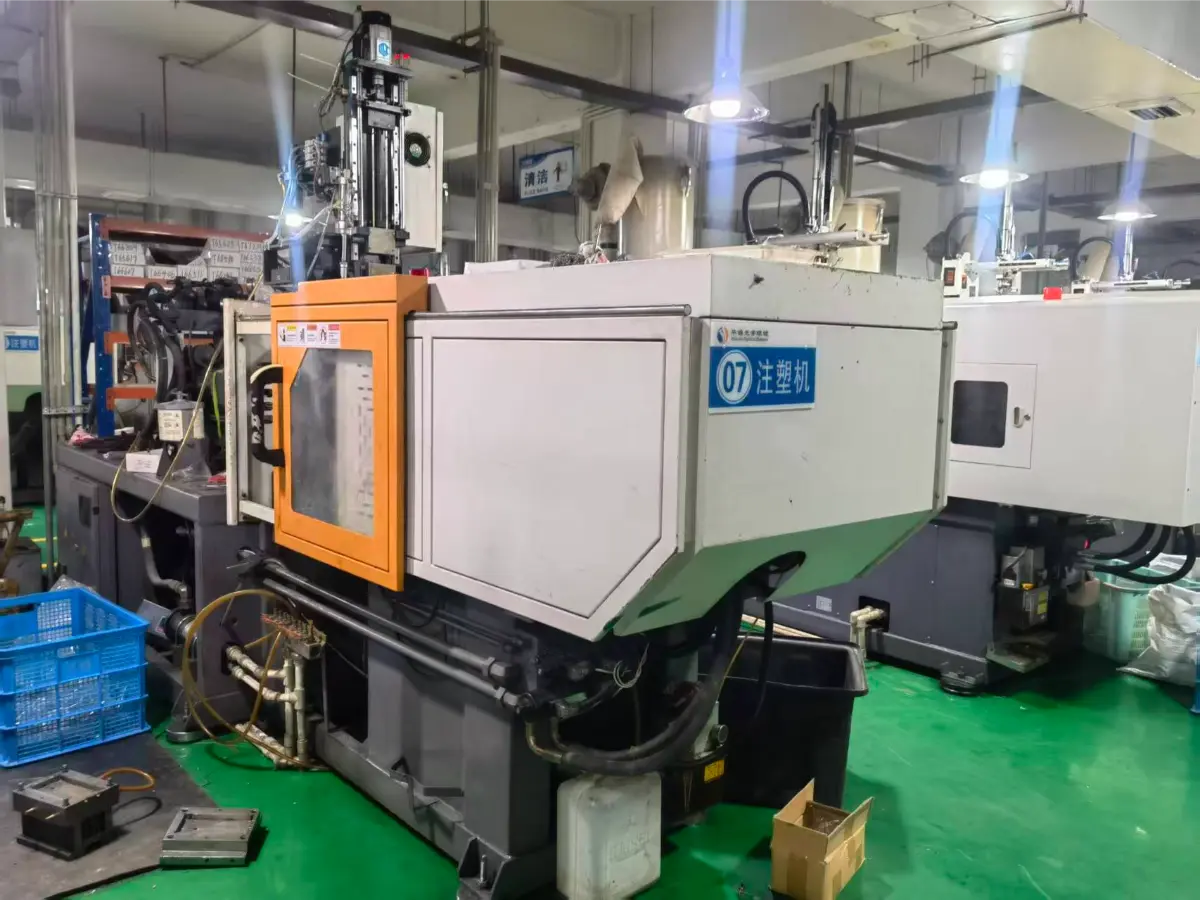
Next, ask for photos or video of the production floor. Make sure to look for specific photos, not generic stock images. You need to inspect the machines, the workers, and the physical facility closely. If the photos look like they came from a stock site or a different company’s catalog, you should ask for a live video walkthrough. Real factories will happily do this, while trading companies will usually find reasons to refuse.
3. Verify the Physical Address
Furthermore, you need to check their physical location. You can look up the address on Baidu Maps or Google Maps to see where they operate. As a rule, a real factory should be located in an industrial zone. On the other hand, a trading company address is often found in a commercial office building or a residential area. If the address does not match what you would expect for a manufacturing facility, you should ask them for an explanation.
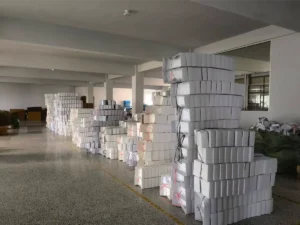
Part 2: Technical and Production Deep-Dive
4. Ask Specific Questions About Capacity
To test their knowledge, ask deep questions about production capacity. For instance, you can ask: “What is the daily output of your acetate production line?” or “What is your TR90 injection molding cycle time?” Additionally, you can inquire about the current utilization rate of their factory. These are specific questions that only a real factory can answer accurately, whereas trading companies typically deflect or give vague answers.
5. Evaluate the Quality Control Process
Similarly, you should ask about their QC process in detail. You can ask them to walk you through their incoming inspection for acetate sheets, or what happens when a batch fails QC. Furthermore, try to find out what percentage of their production runs have in-line rejections. Real factories always have documented QC processes. Therefore, the depth and specificity of their answers will tell you how seriously they take quality control.
6. Trace the Raw Material Supply Chain
Another great step is to inspect their material supply chain. You can ask where they source their acetate or who supplies their titanium alloy. Moreover, you can ask if they can show you their ISCC certification for eco-friendly materials like Eastman Renew. These are questions about the upstream supply chain that only a true manufacturer needs to answer. In contrast, trading companies often do not have visibility into this level of detail.
Part 3: OEM Capabilities and Physical Visits
7. Test Their Technical Responsiveness
After that, you should test their responsiveness to technical questions. Try sending a detailed technical inquiry with specific material requirements, tolerance specifications, and compliance standards for your target market. A factory with genuine technical capability will engage with these questions substantively. Alternatively, a trading company will either forward them to their actual supplier—which delays the response—or just give you general answers.
8. Understand Their Custom OEM Process
When discussing custom designs, ask deeply about their OEM process. Find out how they handle a new mold, what their 3D prototyping capability is, and how they move from a CAD file to a finished sample. Ultimately, a trading company cannot give you a real, practical answer to these questions because they do not control the actual manufacturing machinery.
9. Check Client References and Cases
In addition to technical tests, ask for references from their existing OEM clients. Legitimate manufacturers with rich OEM experience will often provide references or case studies. You should be highly skeptical of suppliers who are reluctant to share any client information. While they may have NDA obligations, manufacturers with strong OEM track records usually have ways to demonstrate their experience without breaching confidentiality.
10. Visit the Factory in Person
Finally, visiting the factory in person is the definitive verification. If a supplier is reluctant to invite you to their facility, that itself is a significant warning sign. Once you are at the factory, you can easily verify the physical production lines, meet the actual production team, and have the deep conversations that are simply impossible to fake.
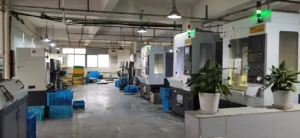
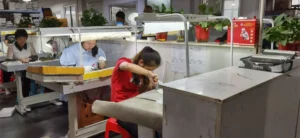
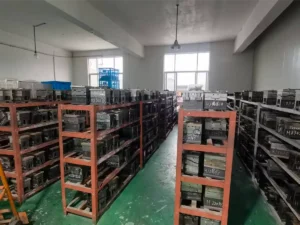
Part 4: What to Look For During a Factory Visit
Observing the Real Operations
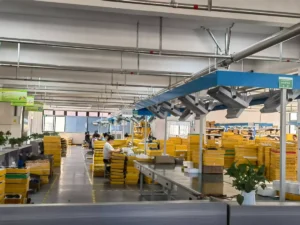
When you perform a factory visit, you must pay close attention to specific indicators. First, check if the production floor is operational when you visit, rather than shut down for a special occasion. Running production lines are a meaningful signal, because factories that are closed during a business day may just be a trading front. Second, ensure the people on the floor are real workers, not actors. Look for workers who are deeply engaged in actual production activities, since a factory that brings you through a pristine, empty floor is not running a genuine operation.
Meeting the Right Team and Records
In addition, see if they introduce you to the production manager and QC lead, rather than just the sales team. If only the sales department speaks to you, you are likely dealing with a trading company. Moreover, you should check if they can show you actual production records instead of just finished samples. Documents like recent production schedules, QC reports, and material inspection logs are clear proof that a functioning manufacturing operation exists.
Part 5: Common Misleading Practices to Avoid
The Illusion of Manufacturing
Many buyers fall into common traps in Wenzhou. For example, there is the “factory showroom” trick. Trading companies sometimes maintain a warehouse or showroom that looks exactly like a factory floor, complete with displayed production equipment. However, the giveaway is that the equipment is never running, and the people showing you around are purely sales staff.
Supply Chain Middlemen
Another trick is the factory proxy, where a trading company acts as an unmentioned intermediary between you and a real factory. You think you are negotiating with the manufacturer, but the trading company is marking up the price behind your back. You can often detect this by asking the same technical question in writing and in person. If the answers do not align, it suggests a long communication chain rather than a direct manufacturer.
Finally, watch out for catalog inflation. This happens when a supplier claims to make products that they actually source from other factories. If a supplier’s catalog includes high-end capabilities—like ultralight titanium or complex acetate handwork—that seem inconsistent with the scale of their physical shop, you must verify them with highly specific questions.
Our Position: Wenzhouframe
We are a genuine manufacturer. Specifically, we operate a 8,000 square meter production facility with three active production lines and 1,000 production workers. We possess complete in-house capability across acetate, metal, titanium, TR90, ULTEM, and specialty alloys. Therefore, we warmly welcome factory visits, can show you the active production floor, and are completely transparent about our capacity, QC process, and material sourcing.
Please note that we are not exhibiting at trade shows this year, which means the suppliers you meet at the expo are not us. If you are evaluating multiple sources, we highly recommend using the checklist above. Then, come visit us when you are ready to talk to a real factory.
-
WhatsApp: +86 152 5809 0639 (Mimi)
-
Email: mimi@wenzhouframe.com
-
Wenzhouframe — Established 2015. 8,000 m² facility. 10 production lines. 1,000 craftspeople. Wenzhou, China. Real factory. Real manufacturing. OEM/ODM with NDA.
Frequently Asked Questions (FAQ)
Can I arrange a video call to verify your facility before visiting? Yes, absolutely. We can easily arrange a live video walkthrough of the production floor for serious buyers before you commit to an international trip. Please contact us to schedule a time.
What documents can you provide to verify your manufacturing status? We can provide full business license documentation, a production capability overview, material sourcing records, and ISCC certification for our eco-acetate line. Additionally, we can provide references from existing OEM clients where confidentiality permits.
Are you a trading company? No, we are not. We are a pure manufacturing facility. All our production lines operate daily in our facility in Wenzhou.

6.17_11.webp)