Retail chains and pharmacies are among the highest-volume buyers of reading glasses — and among the most demanding in terms of logistics, compliance, and packaging. Understanding what these buyers need can open doors to significant recurring orders.
The Retail Landscape for Reading Glasses
Key Channels and Their Requirements
| Channel | Volume Range | Key Requirements | Price Point |
|---|---|---|---|
| National pharmacy chains | 50,000–500,000 units/year | FDA compliance, GS1 barcodes, EDI integration | $3–$12/unit |
| Regional pharmacy chains | 5,000–50,000 units/year | FBA compliance, retail-ready packaging | $4–$15/unit |
| Discount retailers (Dollar stores) | 10,000–100,000 units/year | Budget pricing, high durability, basic packaging | $1.50–$5/unit |
| Optical chains | 2,000–20,000 units/year | Premium quality, full diopter range, custom branding | $8–$30/unit |
| Convenience stores | 500–5,000 units/year | Compact displays, impulse pricing | $5–$15/unit |
What Retail Chains Look For in a Reading Glasses Supplier
Regulatory Compliance
Large retail chains will not work with suppliers who can’t provide:
- FDA registration number (for US market)
- Current test reports: Nickel release (EN 1811), UV protection verification, optical quality
- Product liability insurance certificate: Typically $2M minimum
- Factory audit reports: Social compliance (BSCI, Sedex) increasingly required
Supply Chain Reliability
Retail buyers prioritize:
- Consistent lead times: 6–8 weeks from deposit to delivery, reliably
- Inventory buffer capacity: Ability to hold safety stock for rapid replenishment
- Communication responsiveness: Named account manager, not a rotating sales team
- Quality consistency: Zero trend-breaking quality incidents — one bad batch can lose a retail account permanently
Style Preferences by Channel
National Pharmacy Chains
- Dominant styles: Classic rectangular and round metal frames — familiar, versatile, perceived as “professional”
- Color preferences: Black, gunmetal, bronze — conservative palette
- Frame width: Medium-wide (48–52mm lens width); fits broadest face range
- Display format: Pegboard blister cards (6-pack or 12-pack per power range)
Discount Retailers
- Dominant styles: Basic metal and TR90; simple shapes; no-nonsense design
- Price drives everything: Frame must deliver perceived quality at $5–$10 retail
- Packaging: Simple polybag or minimal blister; UPC mandatory; no premium extras
Optical Chains and Boutiques
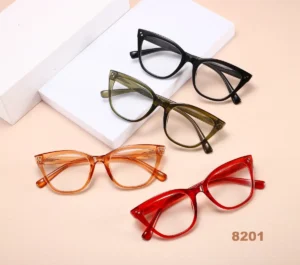
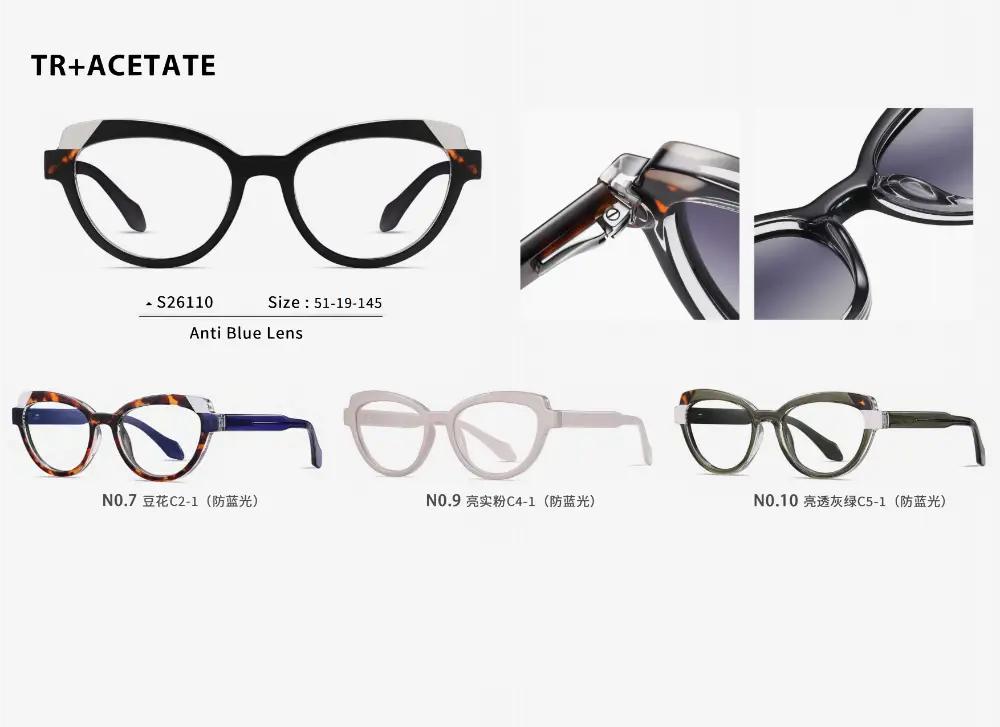
- Dominant styles: Premium acetate (Mazzucchelli), beta titanium, fashion-forward designs
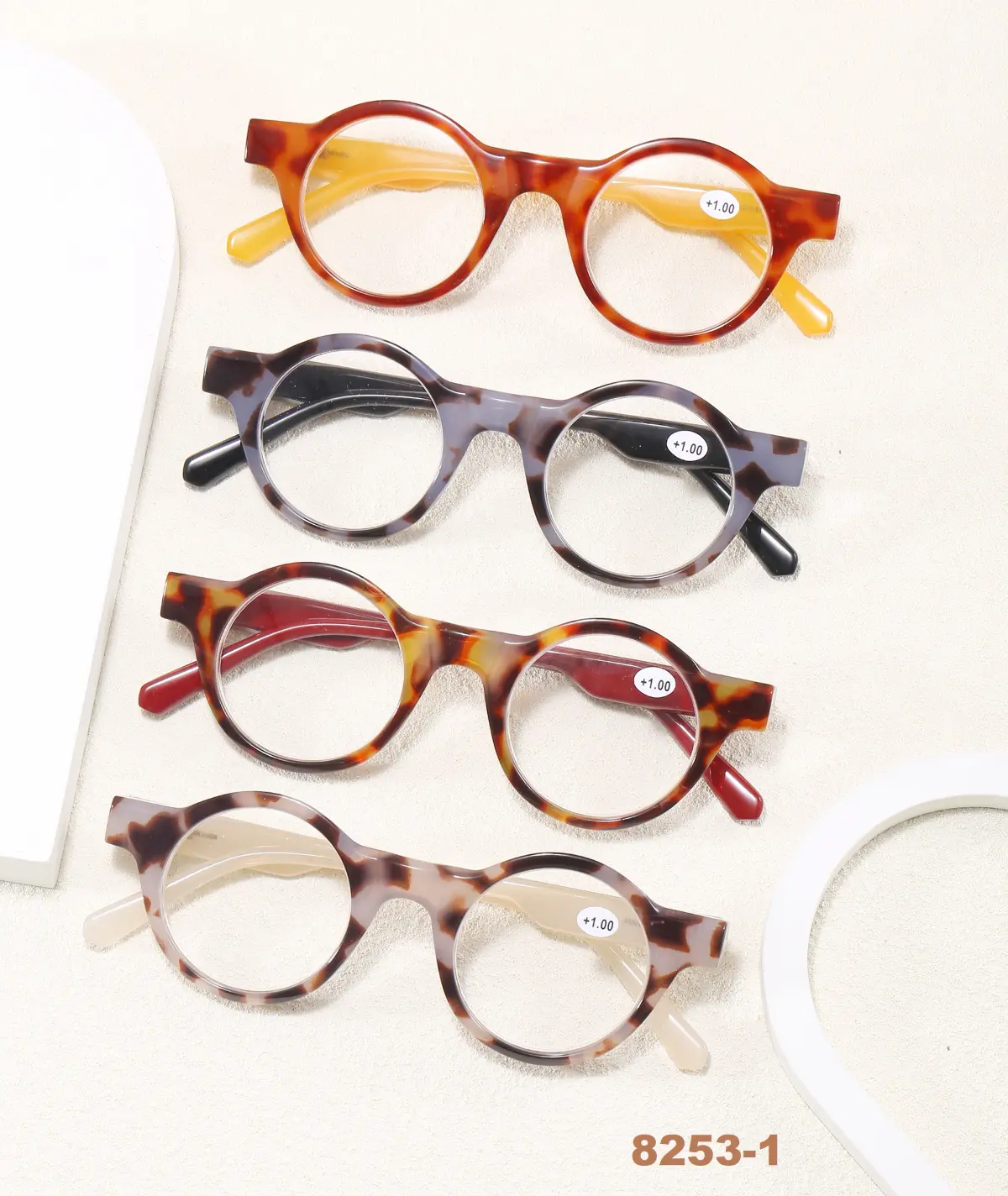
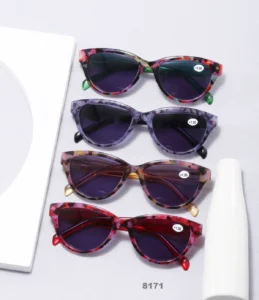
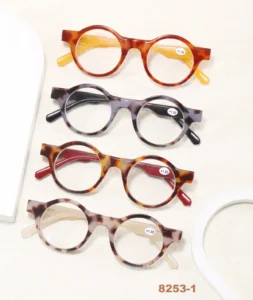
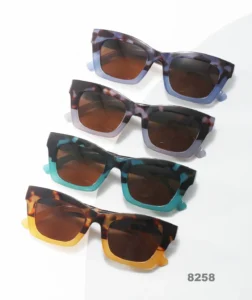
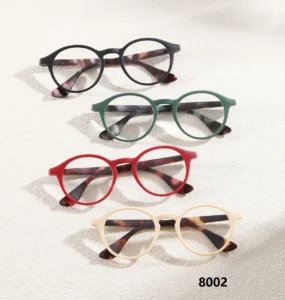
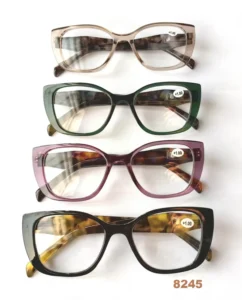
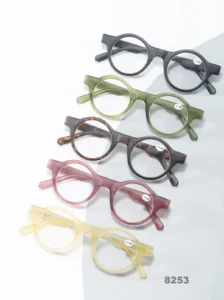
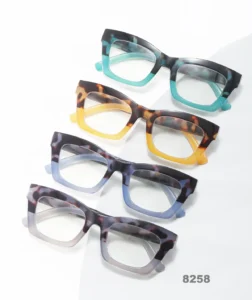
- Color preferences: Custom and seasonal palettes — tortoise, crystal, demi-gradient
- Frame width: Broader range including small/petite and oversized
- Display format: Counter-top displays with branded risers; frame boards
Convenience Stores
- Dominant styles: Compact, portable designs that fit limited shelf space
- Packaging: Individual rigid cases — doubles as storage for on-the-go use
- Display format: Counter-top revolving display (12–24 pair capacity)
Power Range Strategy for Retail
Retail chains typically require full diopter coverage per model:
- Full range: +1.00, +1.25, +1.50, +1.75, +2.00, +2.25, +2.50, +2.75, +3.00, +3.50, +4.00
- Economy range: +1.00, +1.50, +2.00, +2.50, +3.00, +3.50 (6 powers, more manageable inventory)
Key insight: +1.50 and +2.00 are consistently the best-selling powers across all channels. Stock heaviest on these two, but don’t run out of +3.00 and +3.50 — customers who need those powers are loyal and frustrated when they’re unavailable.
Display Solutions
Counter-Top Displays
- Revolving displays (12–48 pair capacity)
- Frameless acrylic stands with tiered power labeling
- Custom branded display units (requires larger orders — 2,000+ units)
Wall-Mount Displays
- Pegboard with labeled blister cards
- Gridwall panels for specialty stores
- Modular wall units for optical chains
Floor Stands
- Freestanding displays for endcap placement
- Spinning tower displays (48–100 pair capacity) for large-format pharmacies
How to Approach a Retail Chain Buyer
- Start with the buyer: Use LinkedIn or industry trade shows (Vision Expo, MIDO) to connect with category buyers
- Lead with compliance: Present your FDA registration, test reports, and insurance first — eliminates the first gate
- Bring samples: Physical samples are non-negotiable for retail buyers
- Propose a test order: Offer a limited launch (1–3 stores, 3–6 months) before full rollout commitment
- Have a replenishment plan: Buyers want to know you can scale — explain your production capacity and safety stock policy
Working with Wenzhouframe
Wenzhouframe has experience supplying reading glasses to retail chains, pharmacy distributors, and optical groups. We offer FDA-registered production, full regulatory documentation packages, GS1 barcodes, EDI-capable ordering systems, and flexible MOQ for initial test orders. Contact us to discuss your retail supply requirements.

6.17_11.webp)