Buying reading glasses from a middleman adds cost without adding value. Finding a reading glasses factory directly — one that can handle your volume, quality standards, and delivery timeline — is the single most impactful sourcing decision you’ll make as a B2B buyer.
This guide walks you through the process.
Why Source Directly from a Reading Glasses Factory?
When you work with a factory rather than a trading company or wholesaler, you eliminate the markup that typically gets added at each step of the supply chain. A reading glasses factory can offer:
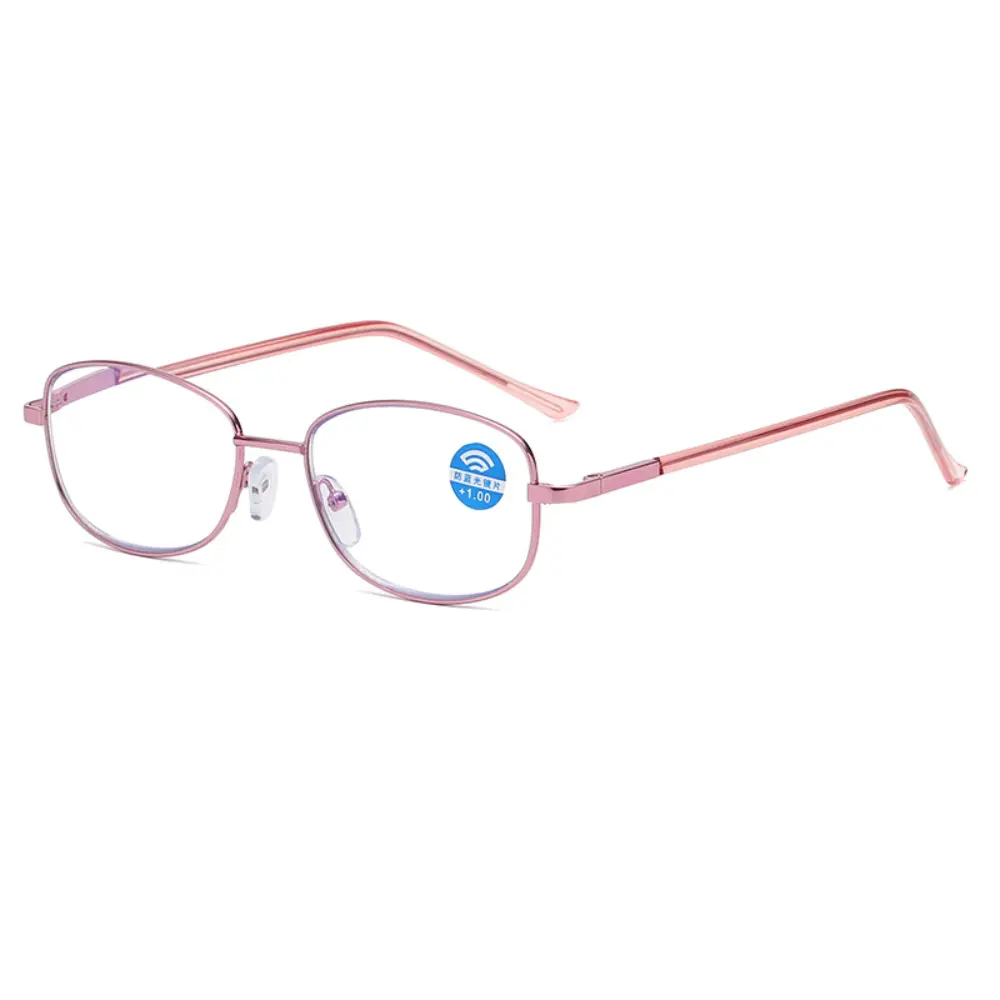
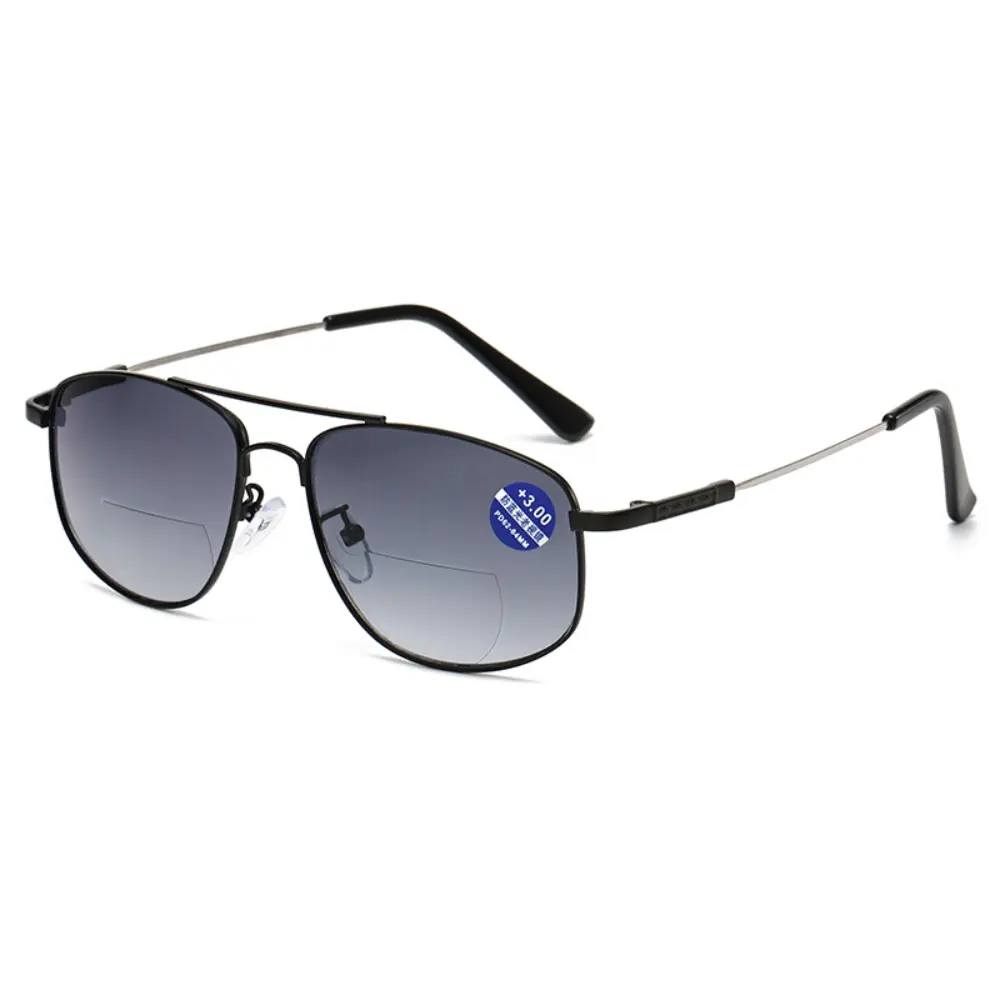
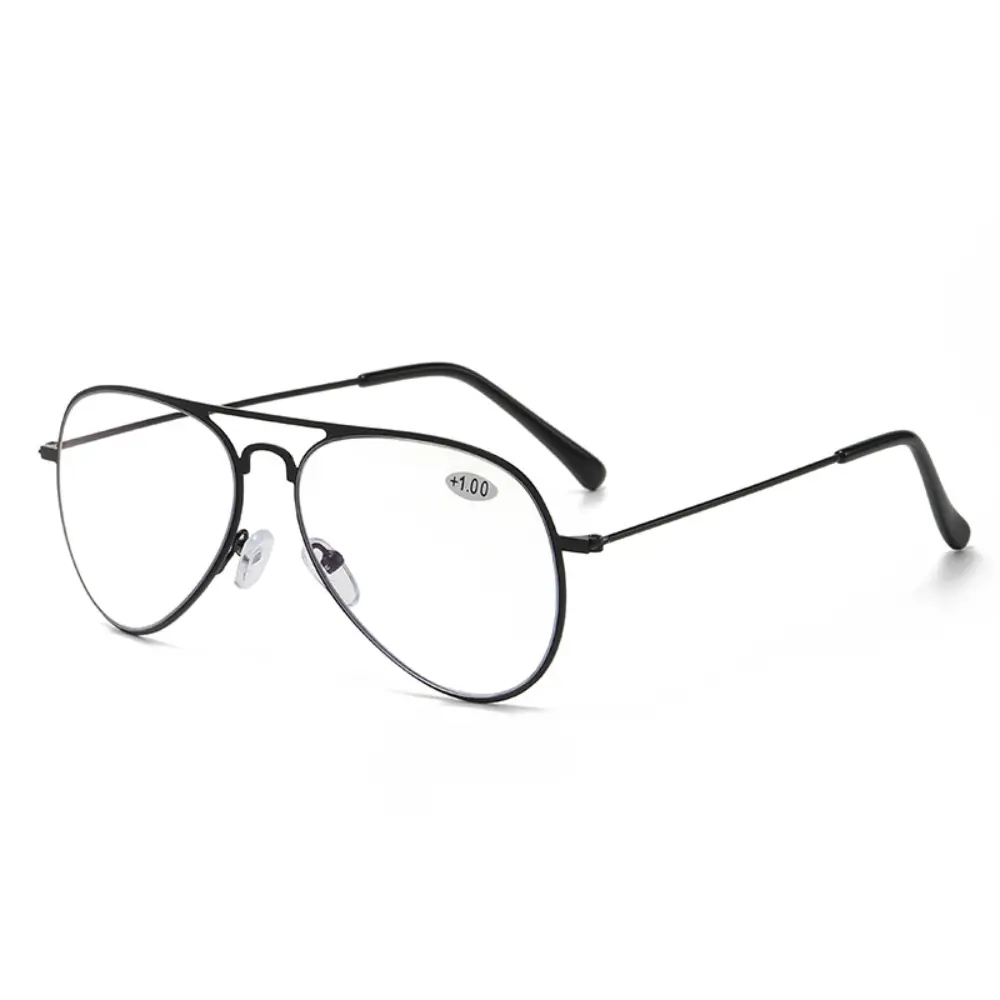
- Custom material selection — specify acetate, metal, TR90, or hybrid constructions
- OEM/ODM capabilities — add your brand logo, custom packaging, and retail hang tags
- Flexible MOQ — some factories start as low as 100–200 pieces per model for B2B buyers testing new markets
- Consistent quality control — you set the standard, not a broker guessing at what’s acceptable
Step 1: Define Your Product Requirements First
Before contacting any factory, get clear on:
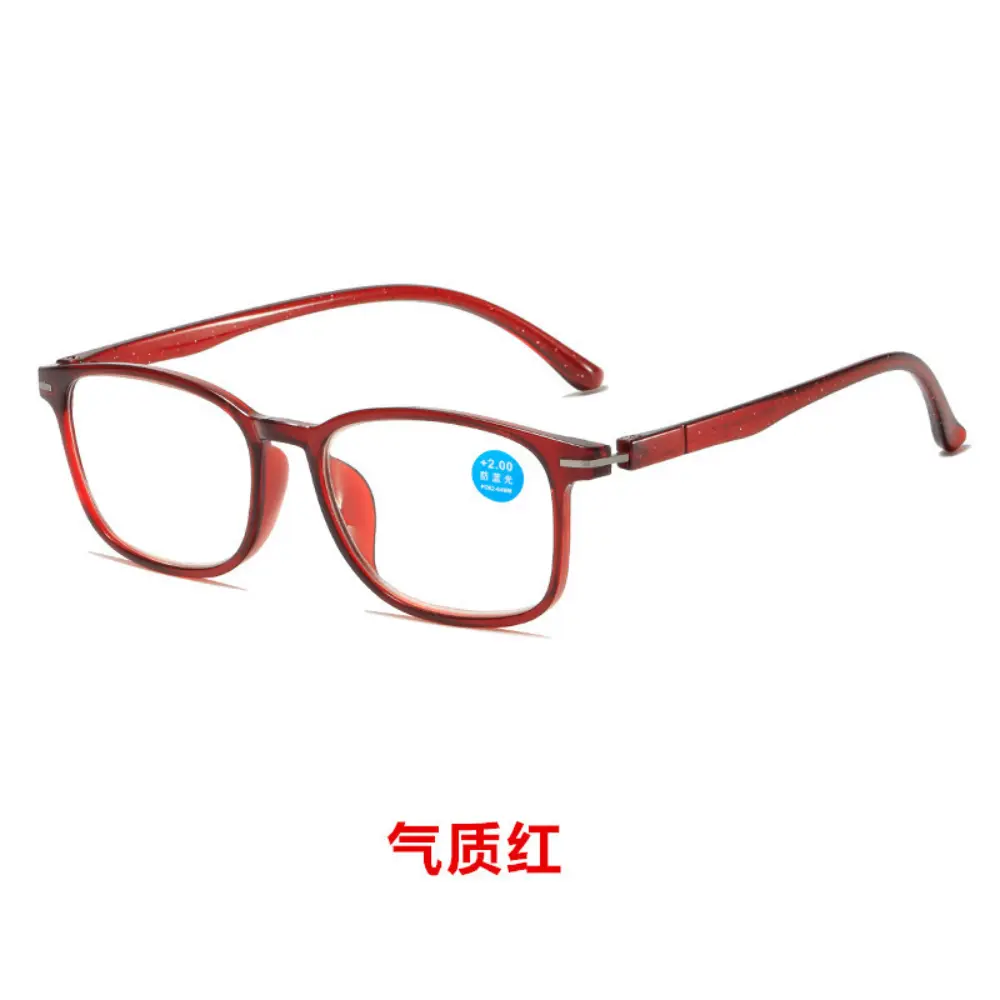
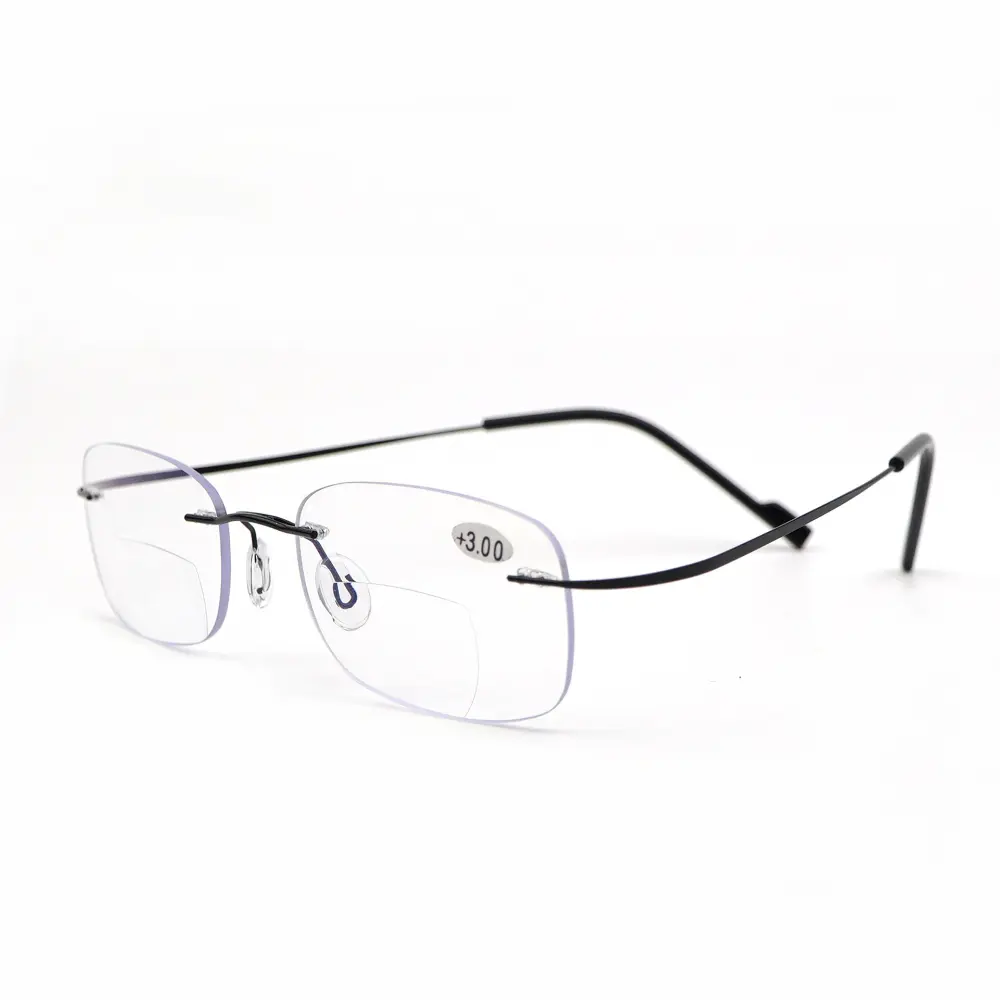
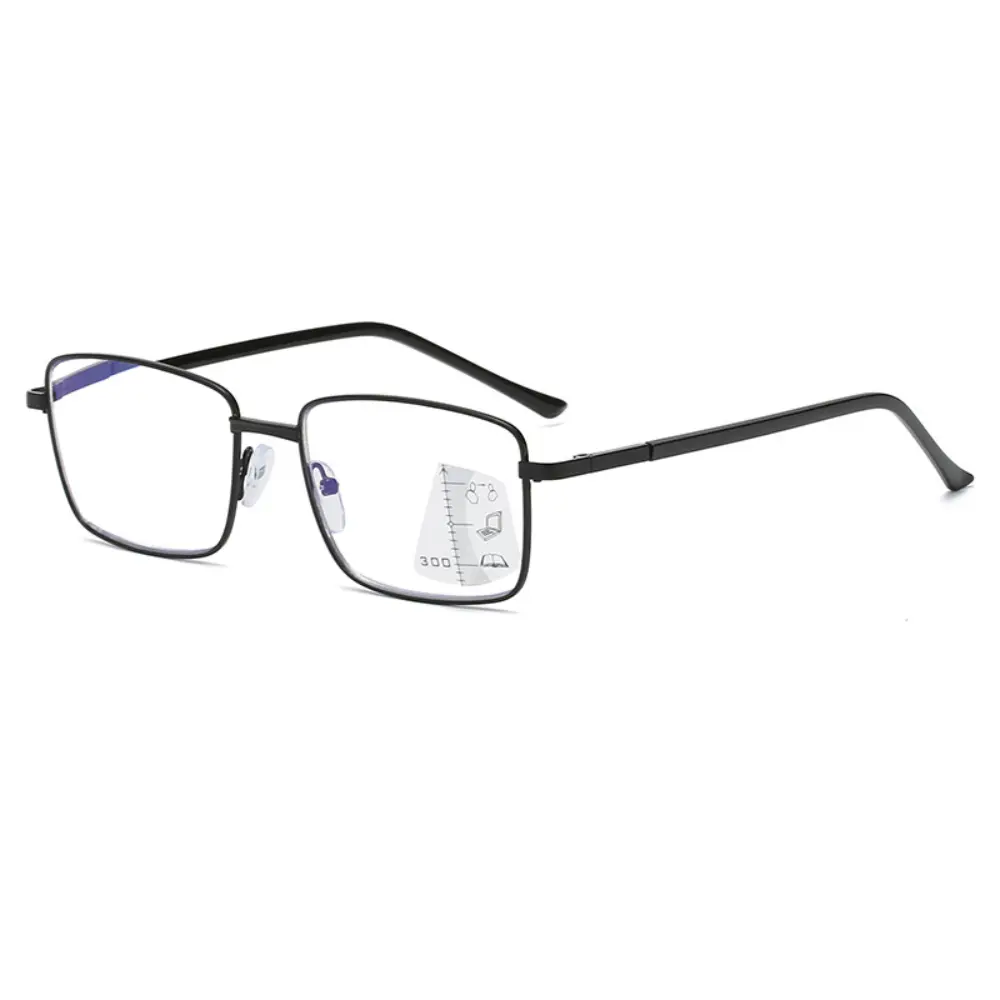
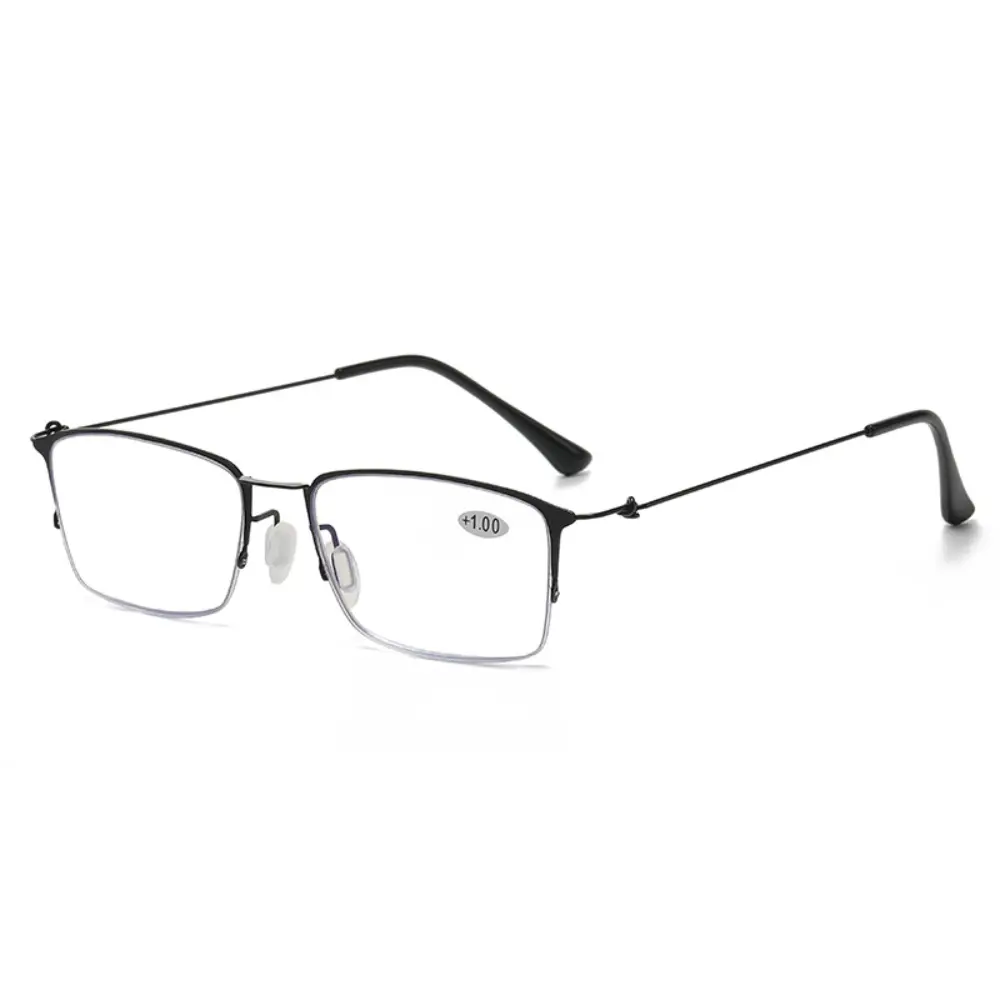
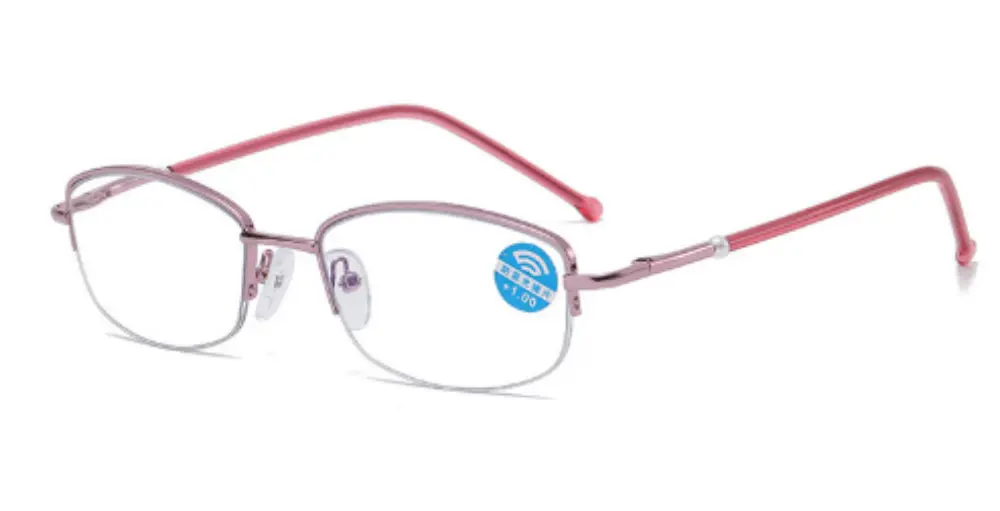
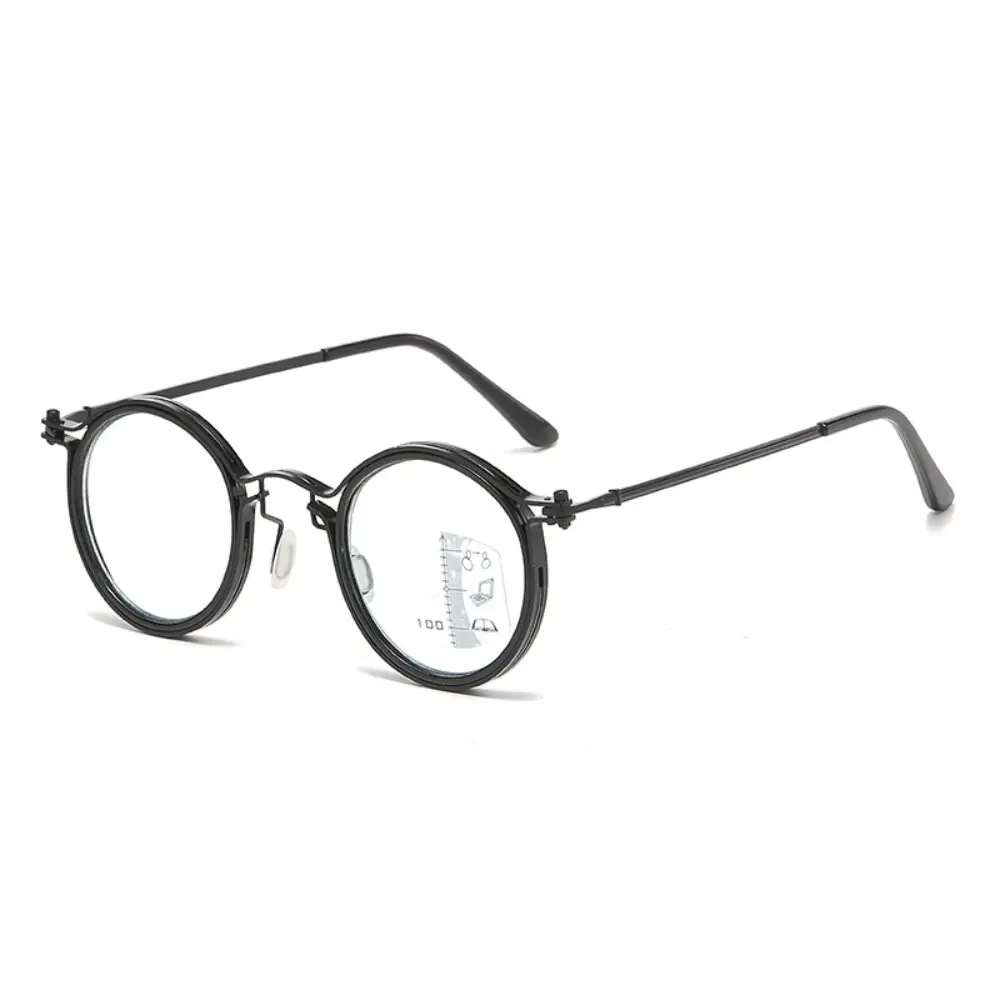
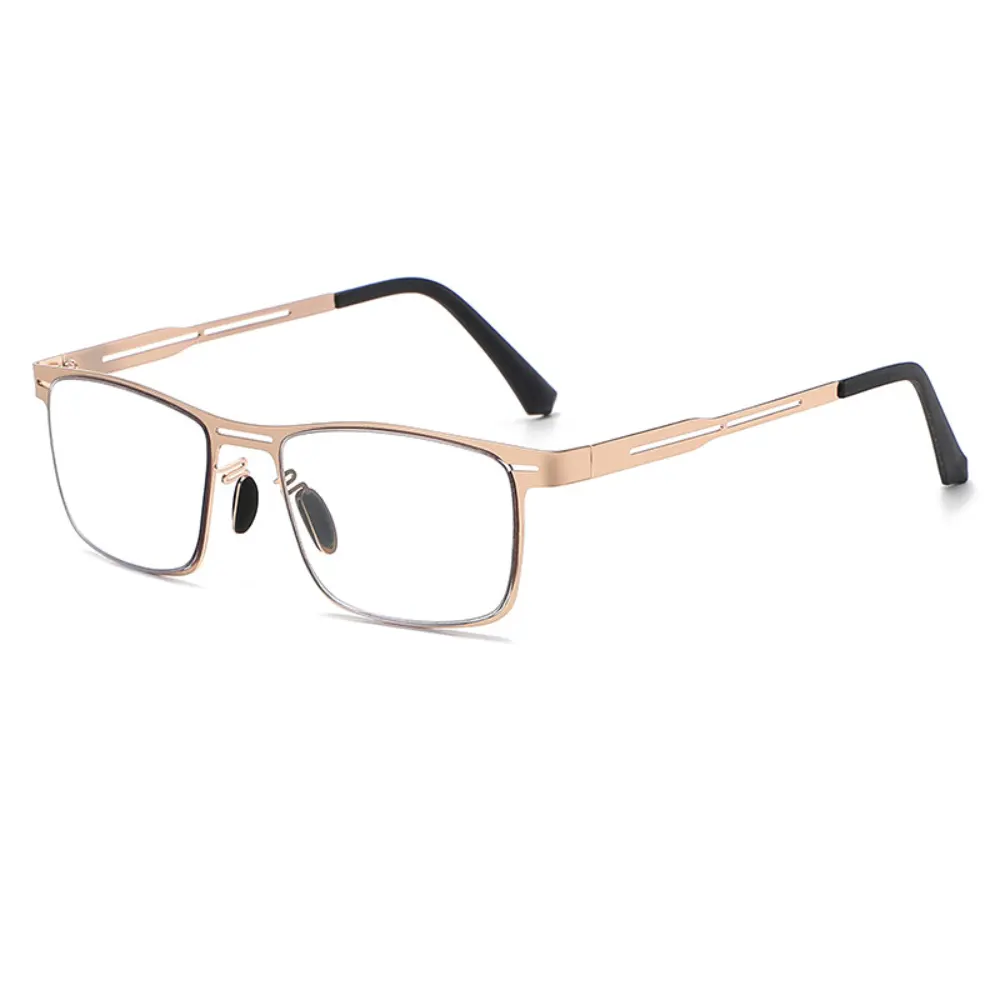
- Material: Metal frames tend to feel more premium; TR90 and polymer options are lighter and less expensive
- Power range: Most reading glasses run from +1.00 to +4.00 diopters — know your target market’s needs
- Frame style: Rectangular, round, cat-eye, or oversize — each requires different tooling
- Target price per unit: Having a budget helps factories propose the right material combination
- Packaging requirements: Do you need individual blister packs? UPC barcodes? Custom boxes?
Step 2: Search for Factories — and Verify They Are Actually Factories
The term “factory” is used loosely online. A real manufacturing facility will typically:
- Show you real production photos, not just stock images
- Have a verifiable business license and export experience
- Offer a factory tour (in-person or via video call)
- Provide references from other B2B buyers in your market
Be cautious of agents who claim to represent a factory but take a commission on every order. Ask directly: “Are you the actual manufacturer, or do you broker orders?”
Step 3: Request Samples Before Committing
No serious reading glasses factory will refuse to send samples. Budget $10–$30 per sample depending on material complexity. Most factories credit this cost back when you place a confirmed order.
Test samples for:
- Frame alignment and hinge tension
- Lens optical clarity (for pre-installed readers)
- Surface finish quality and durability
- Packaging presentation (if pre-packed for retail)
Step 4: Negotiate Terms That Protect You
Key B2B terms to nail down before your first order:
- Payment: Typically 30–50% deposit via T/T, balance before shipping
- Lead time: 20–35 days for production after sample approval
- Quality inspection: AQL 2.5 or 4.0 depending on your market’s standards
- Defect tolerance: Agree on a maximum acceptable defect rate (usually 1–2%)
- Replacement policy: Who pays for shipping on defective goods?
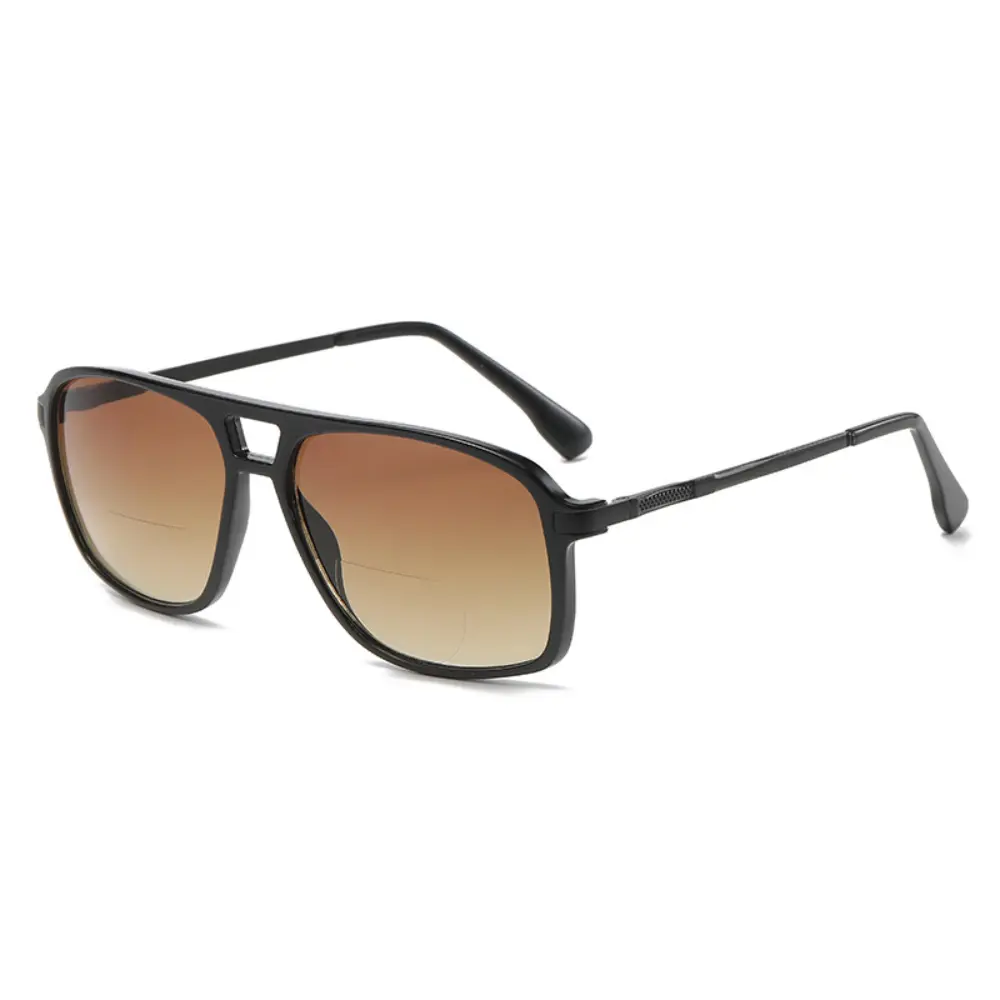
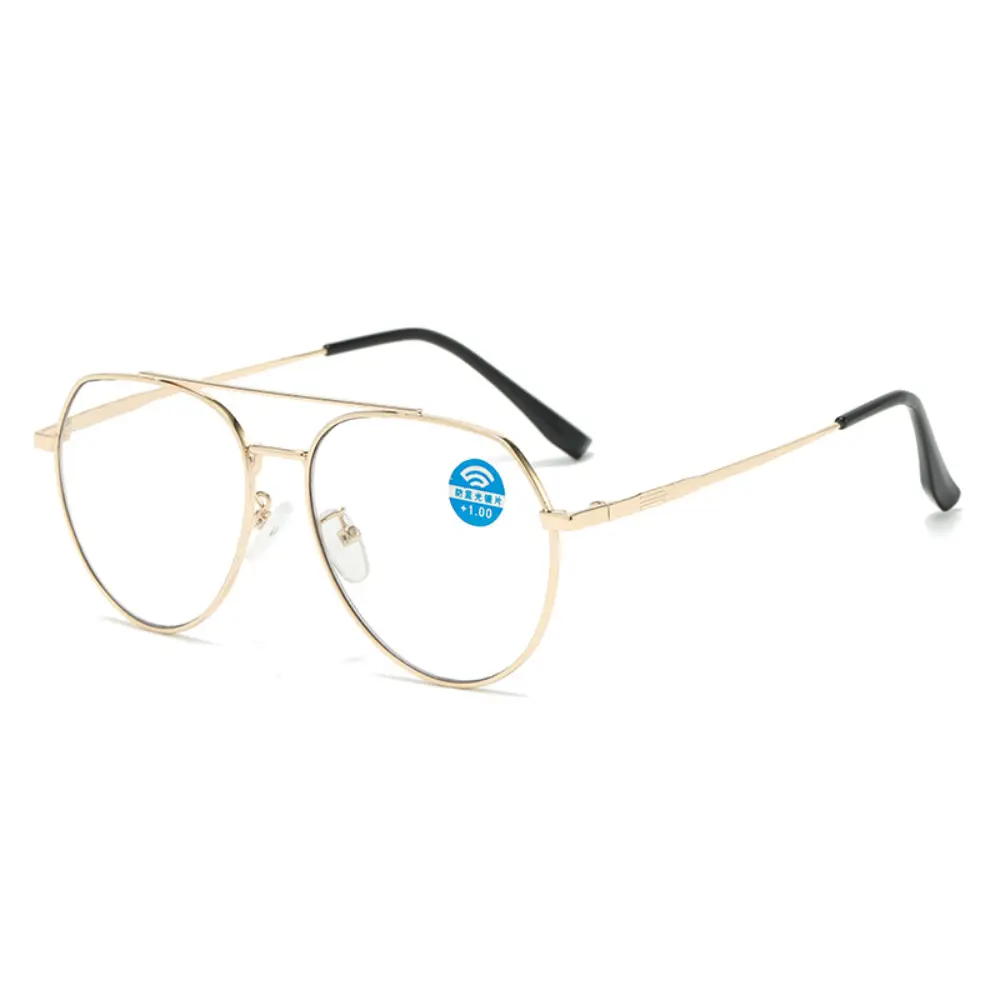
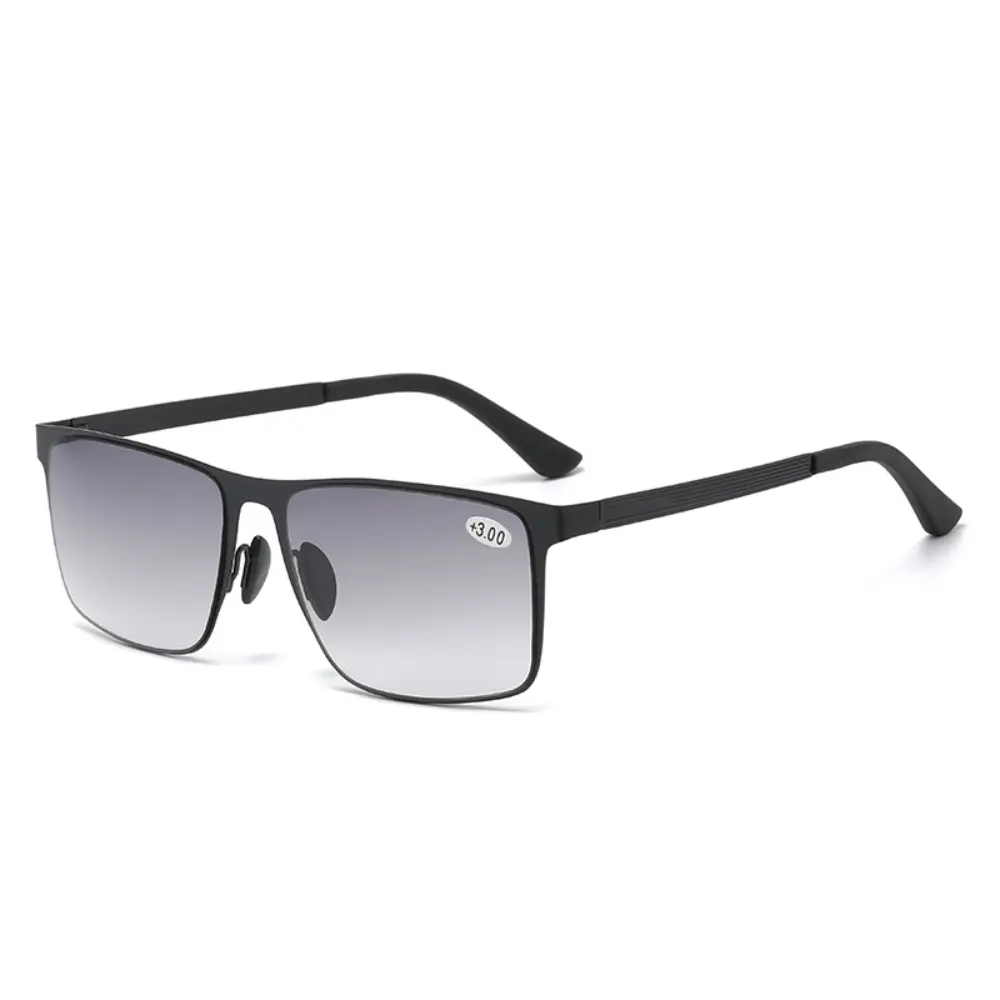
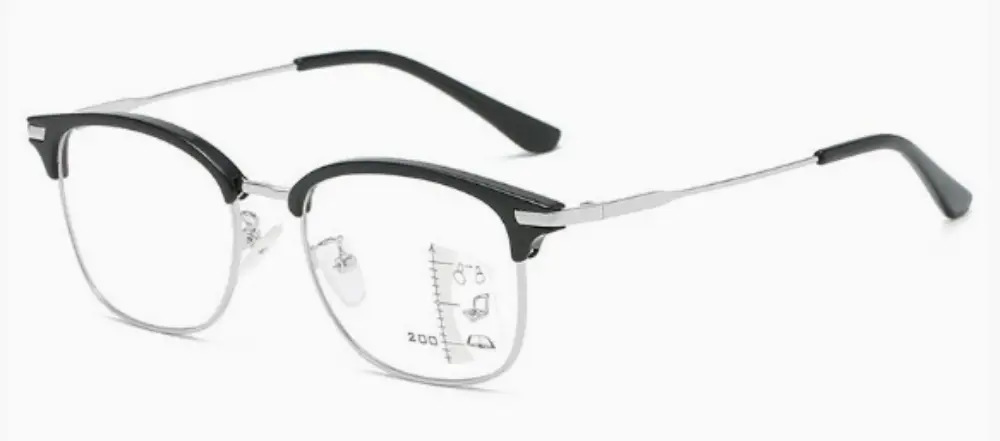
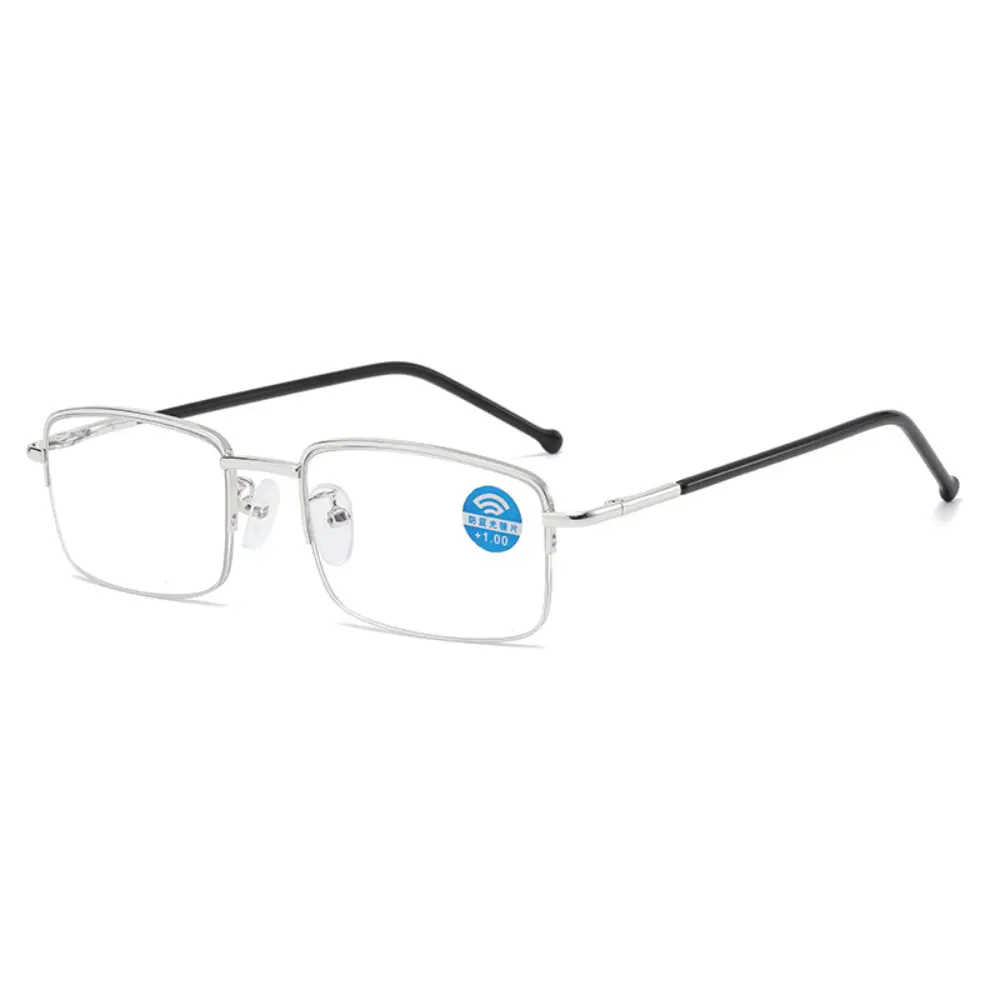
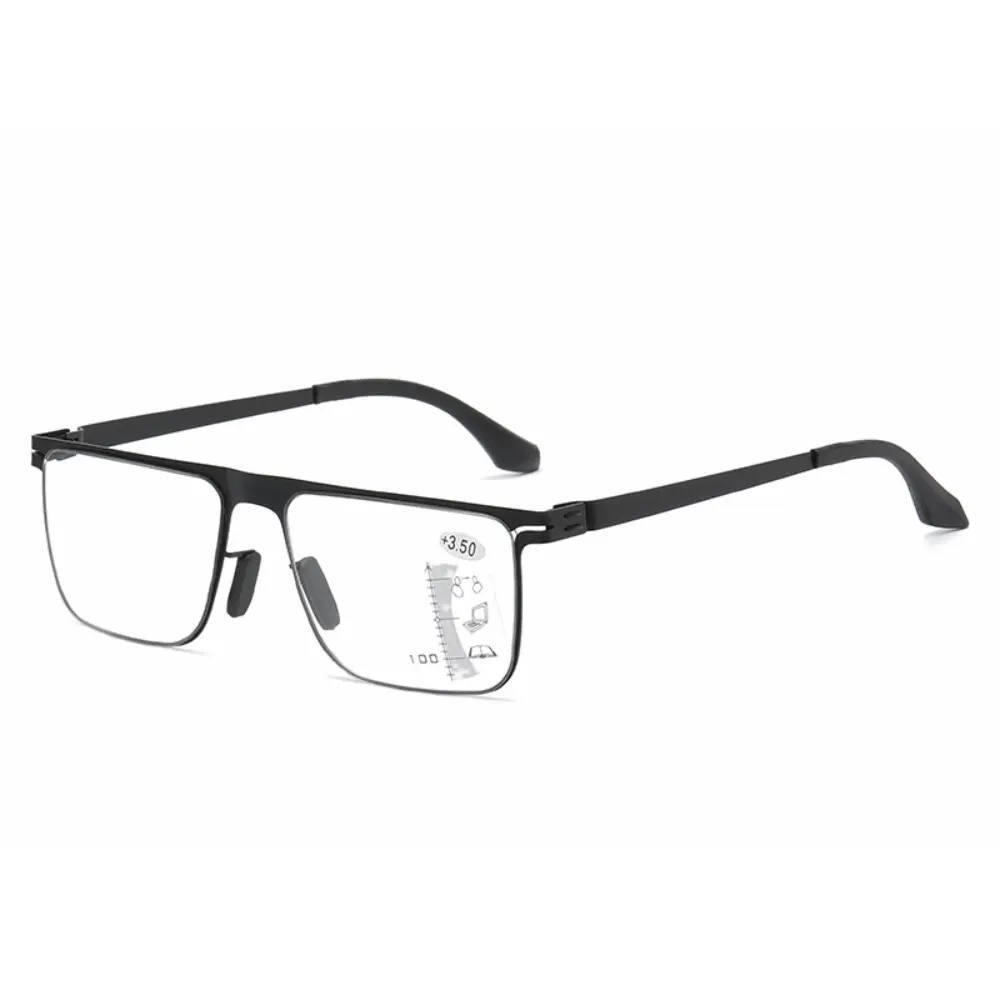
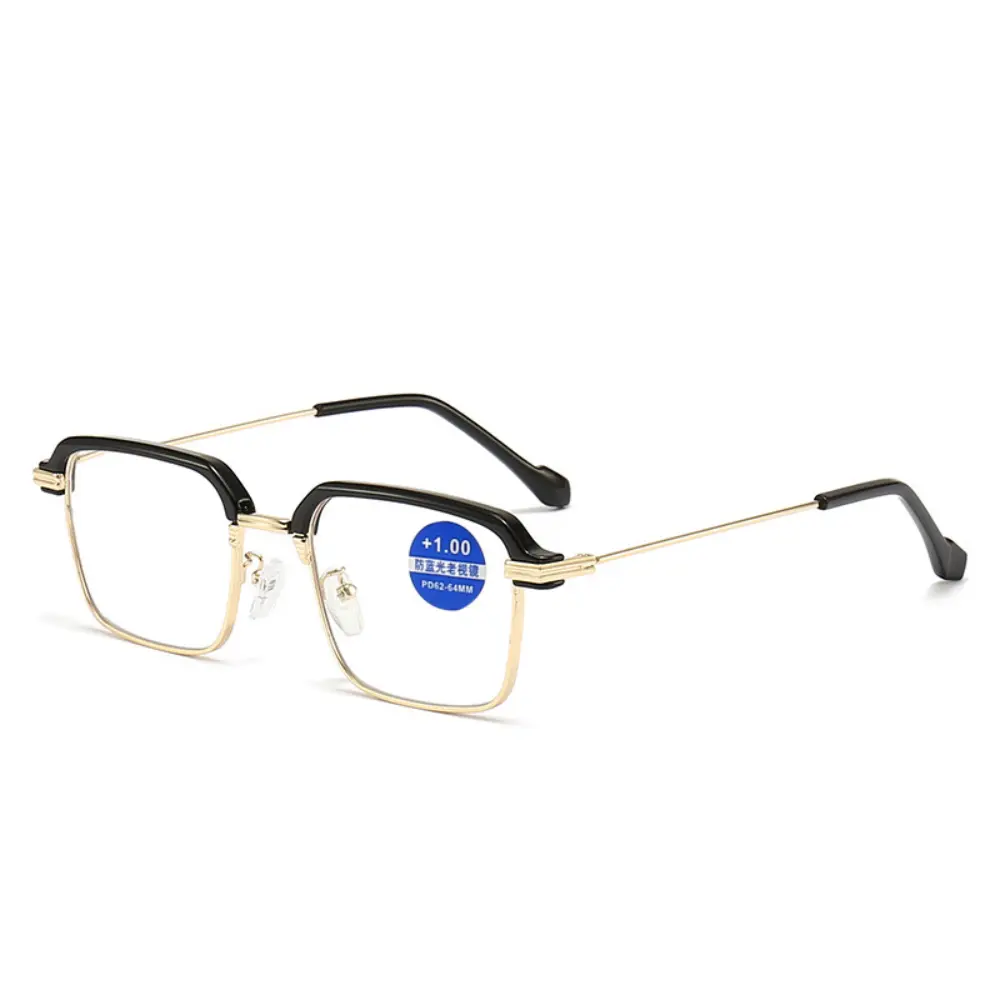
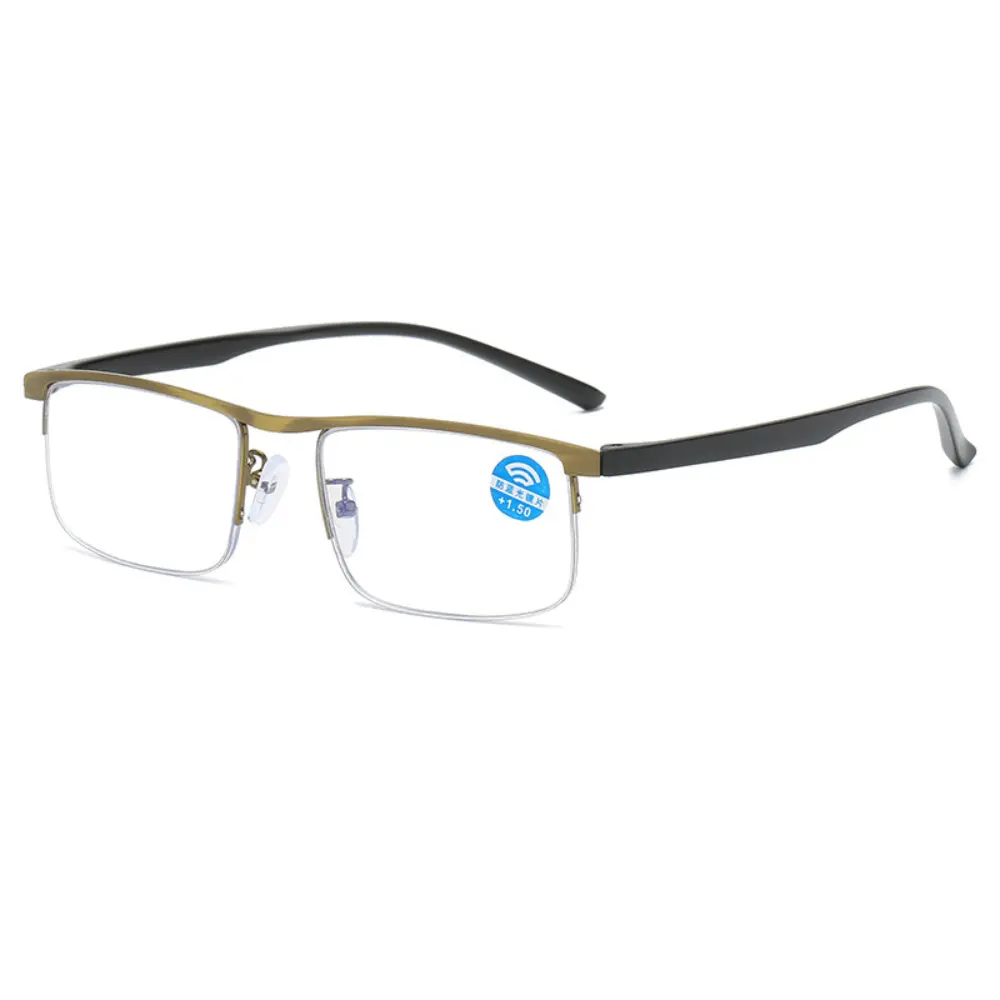
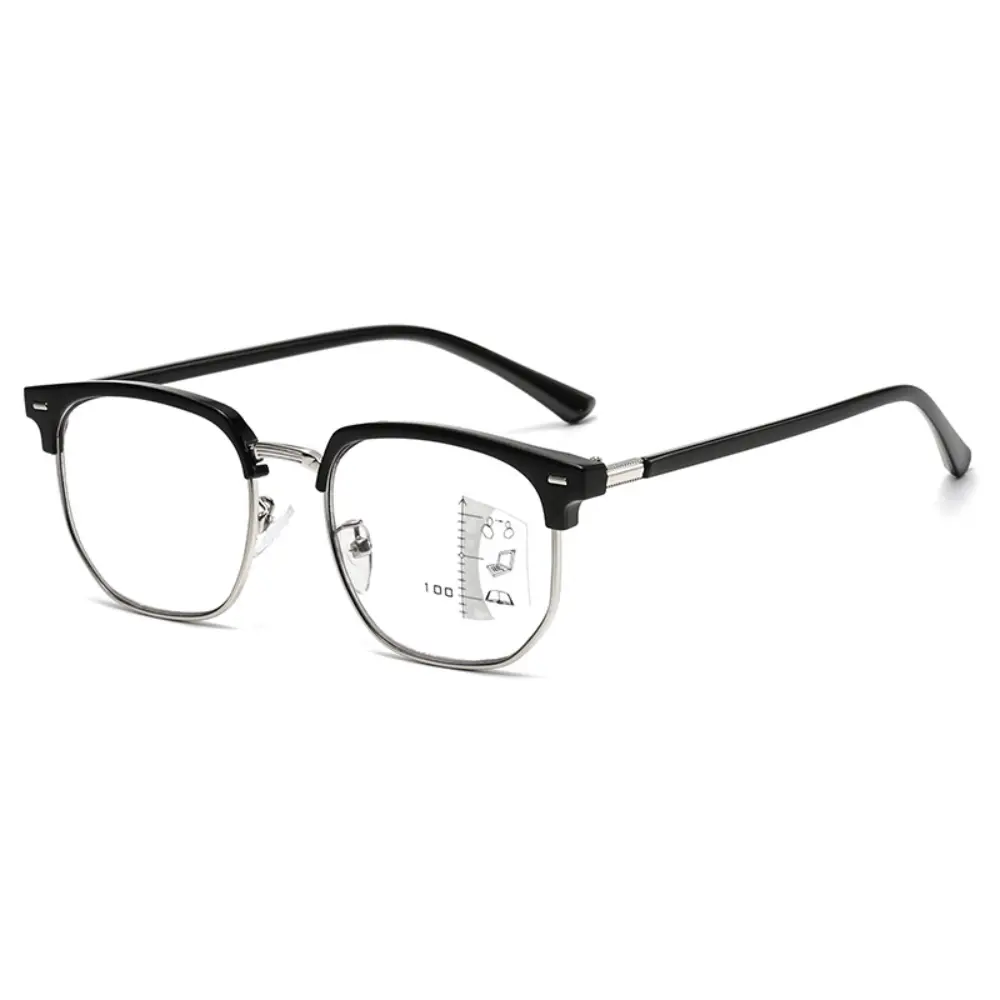
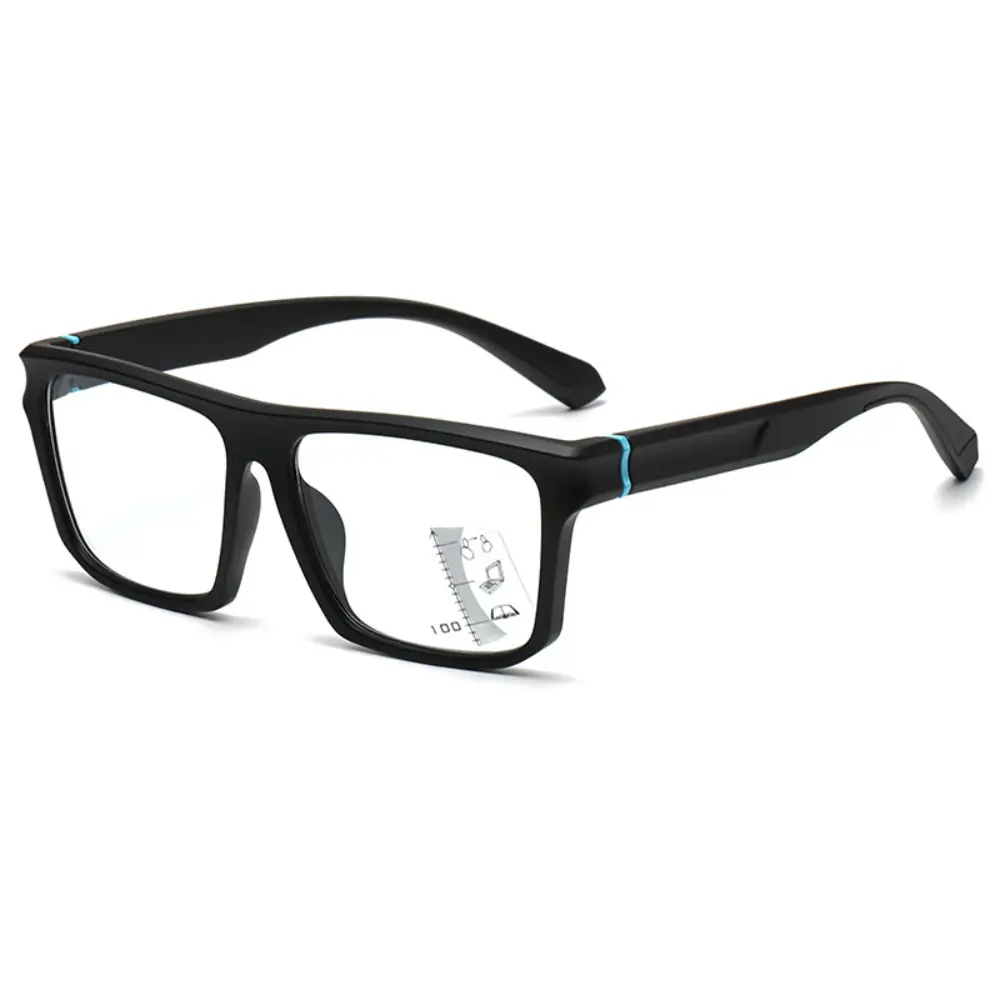
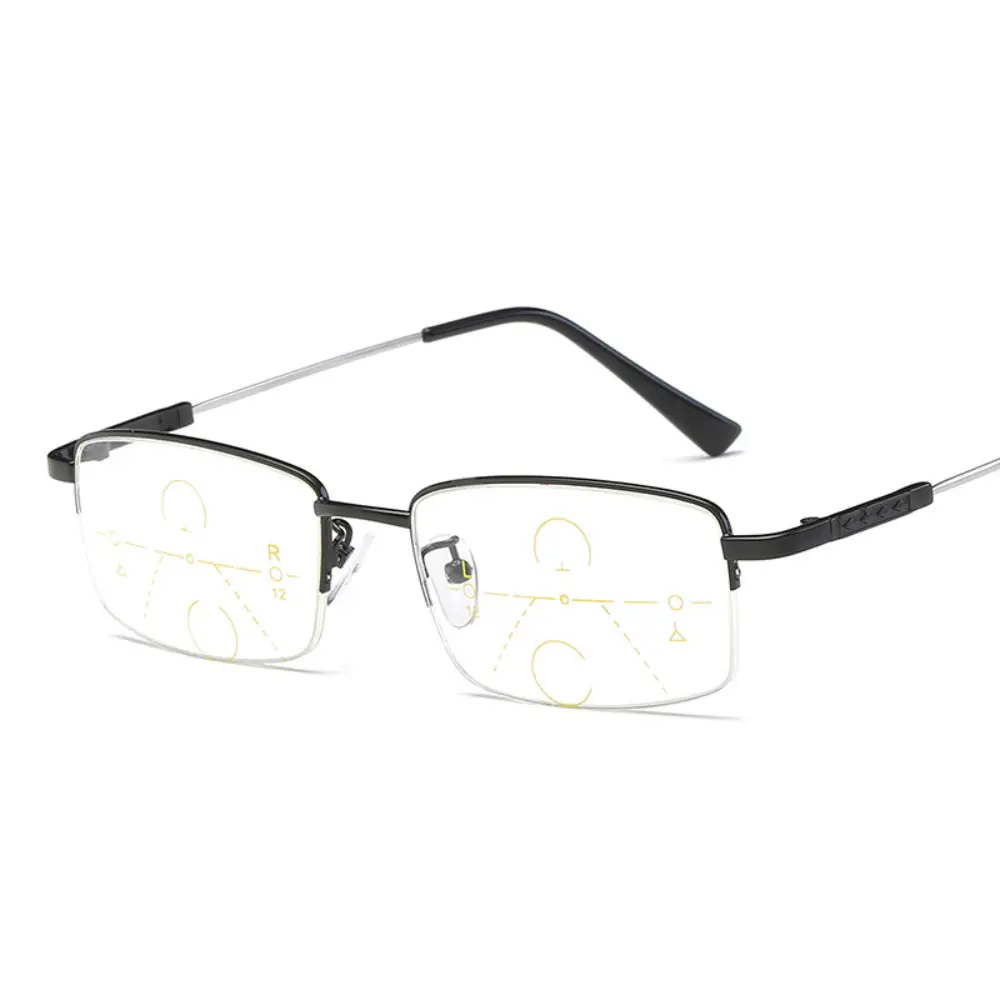
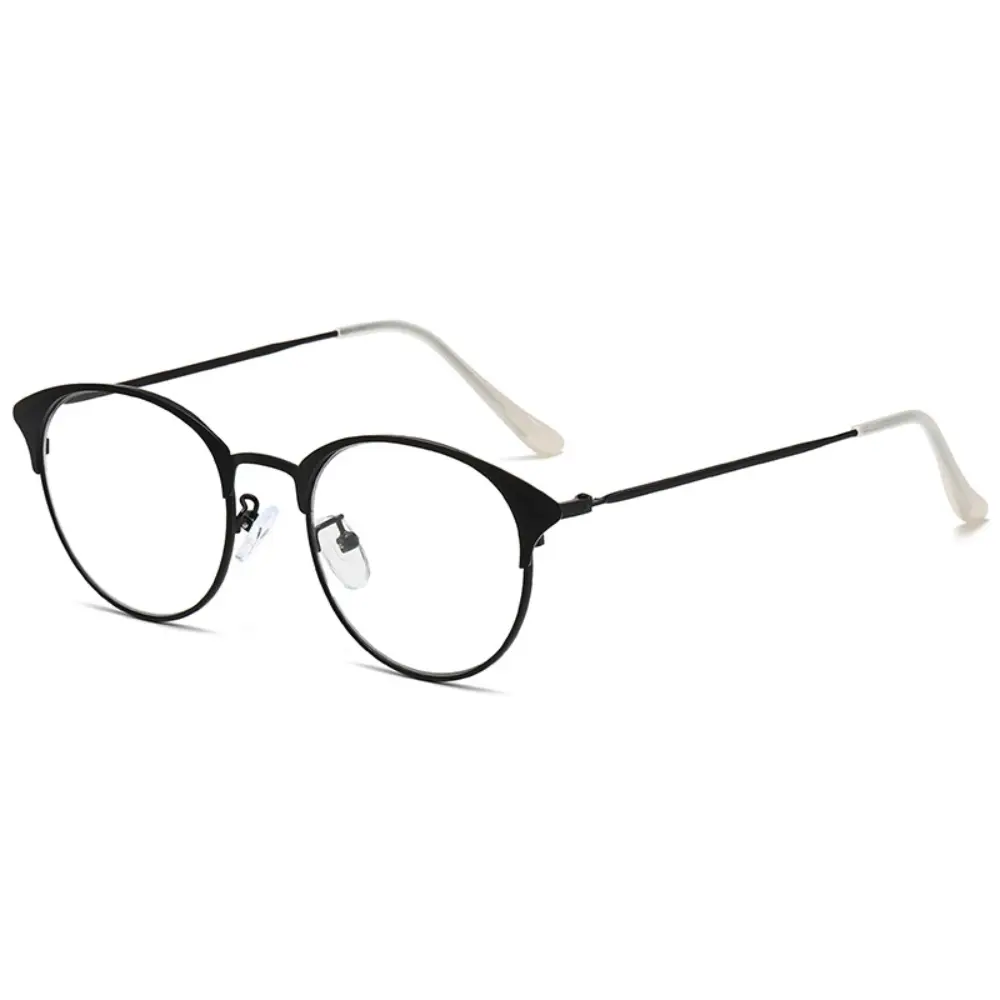
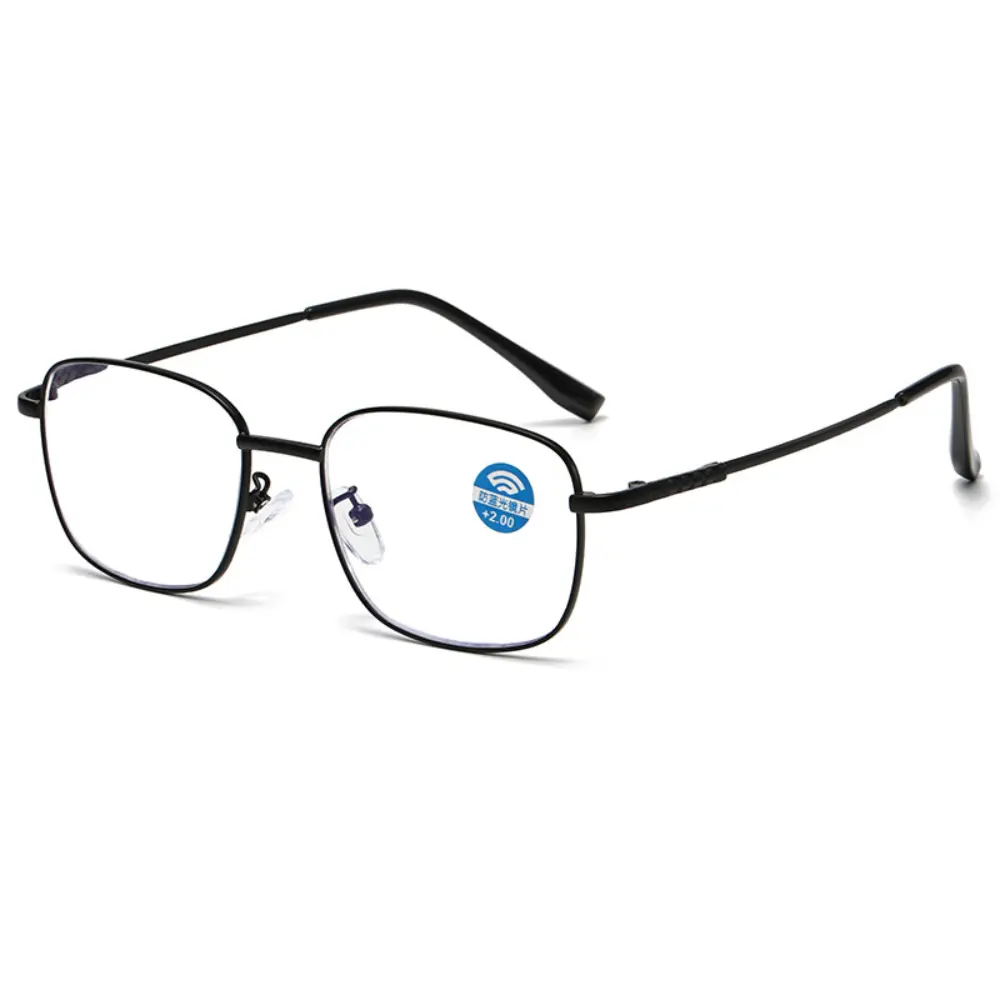
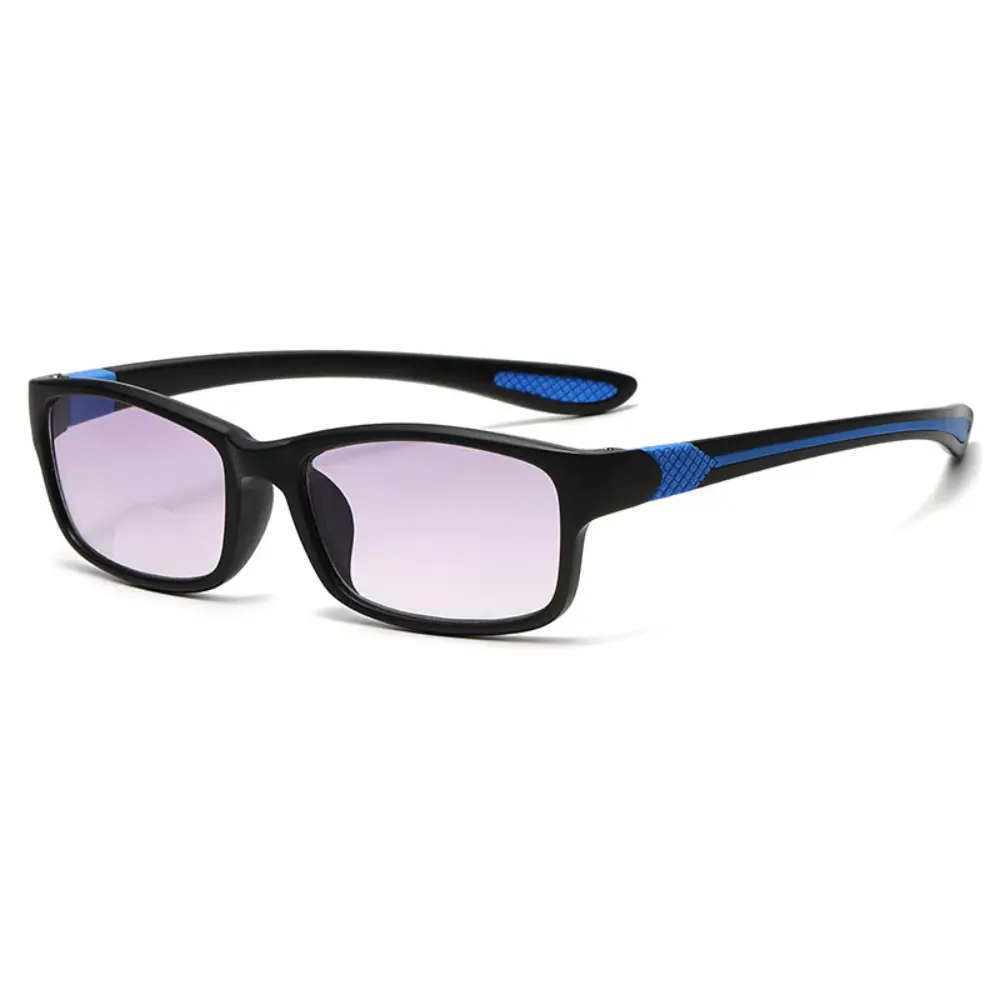
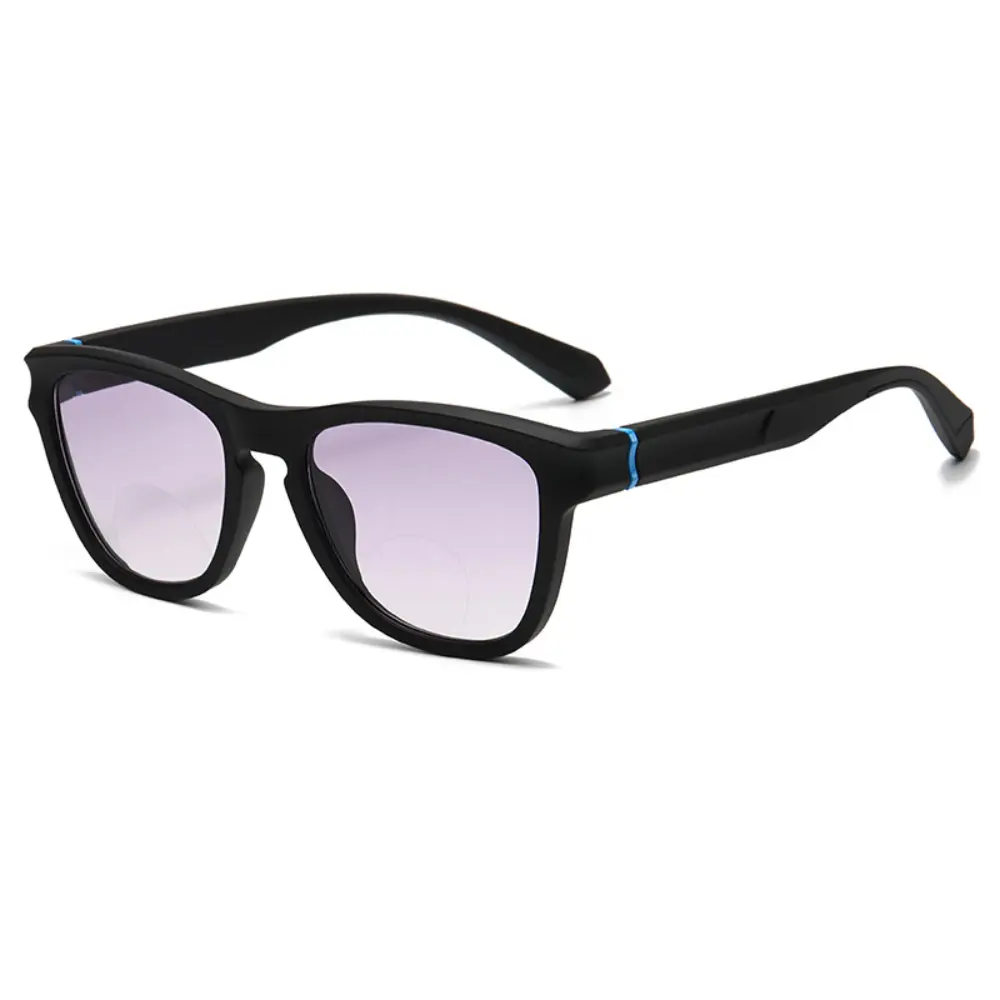
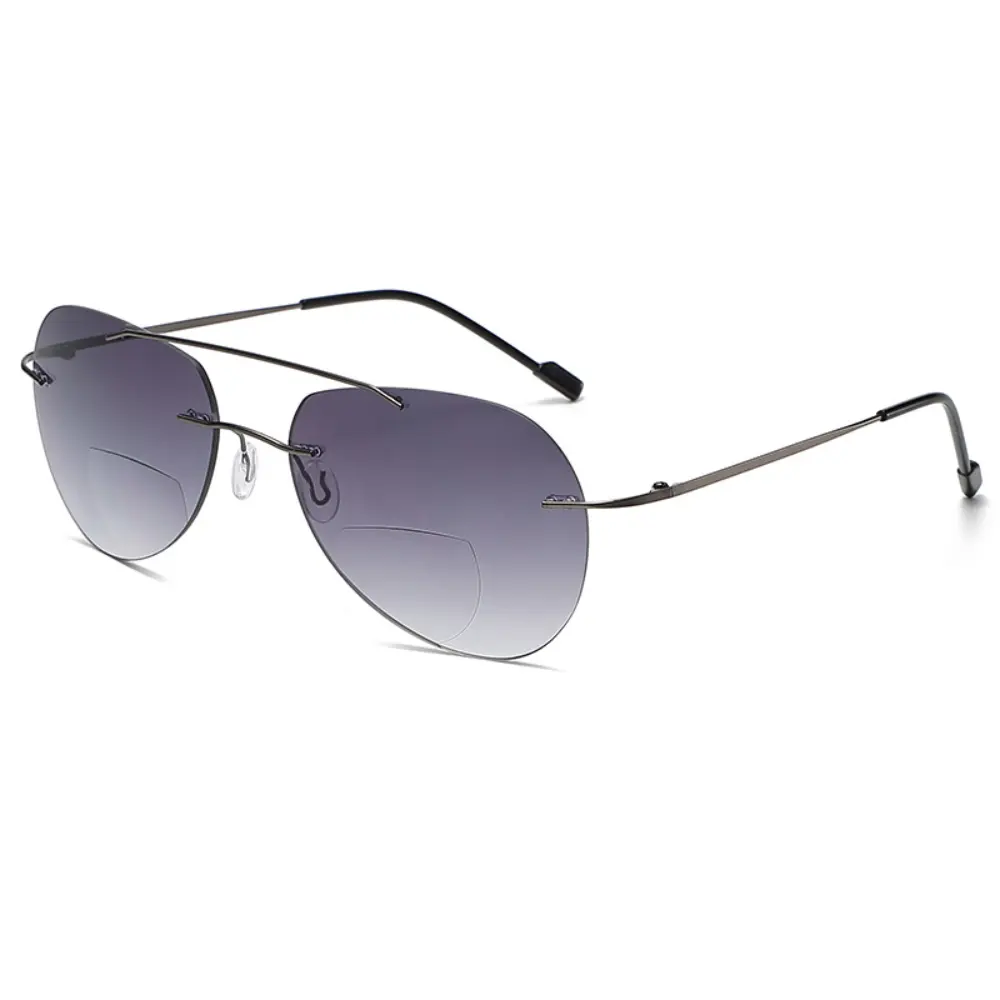
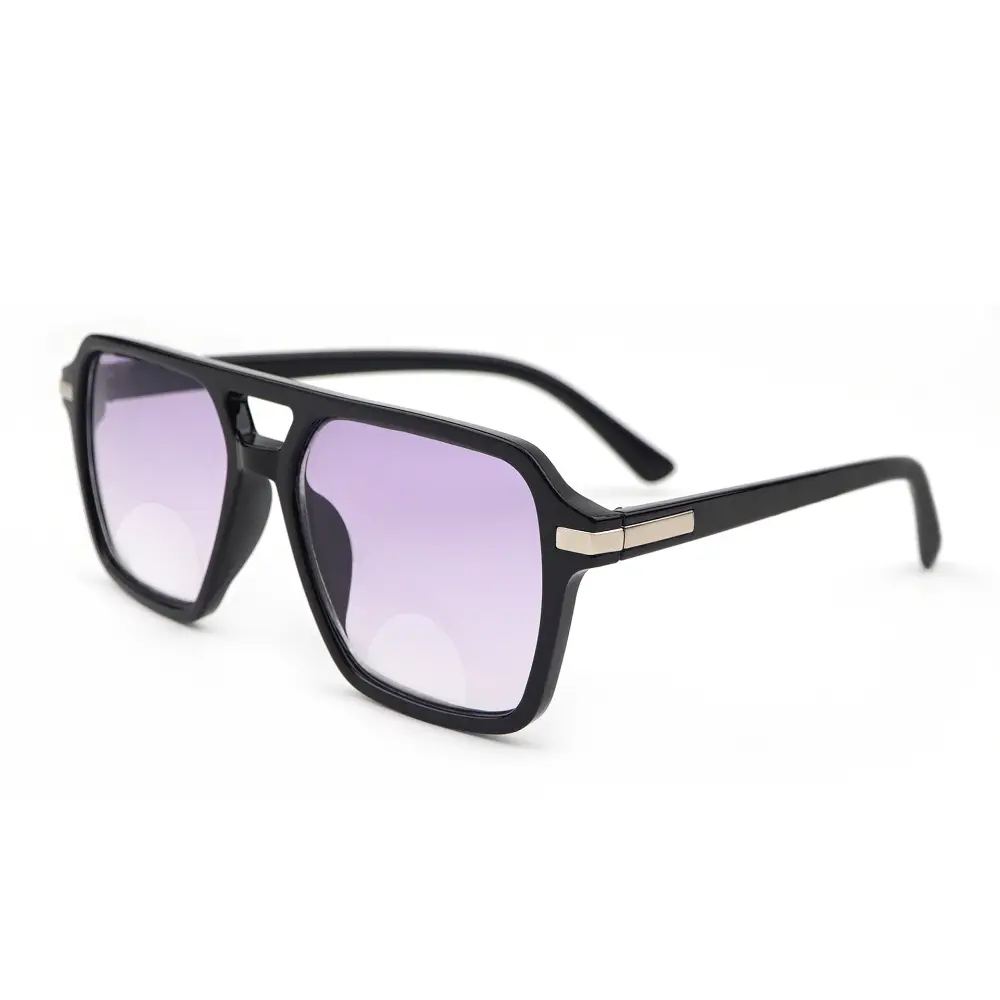
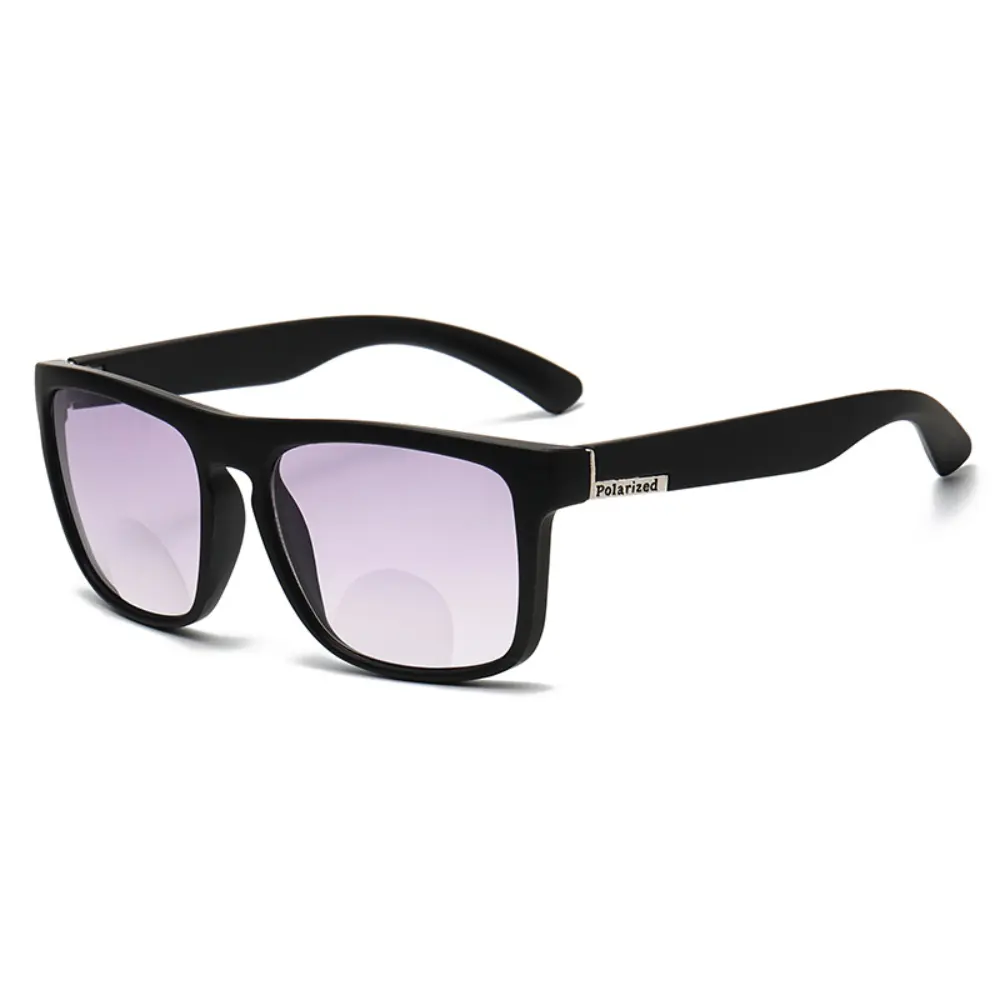
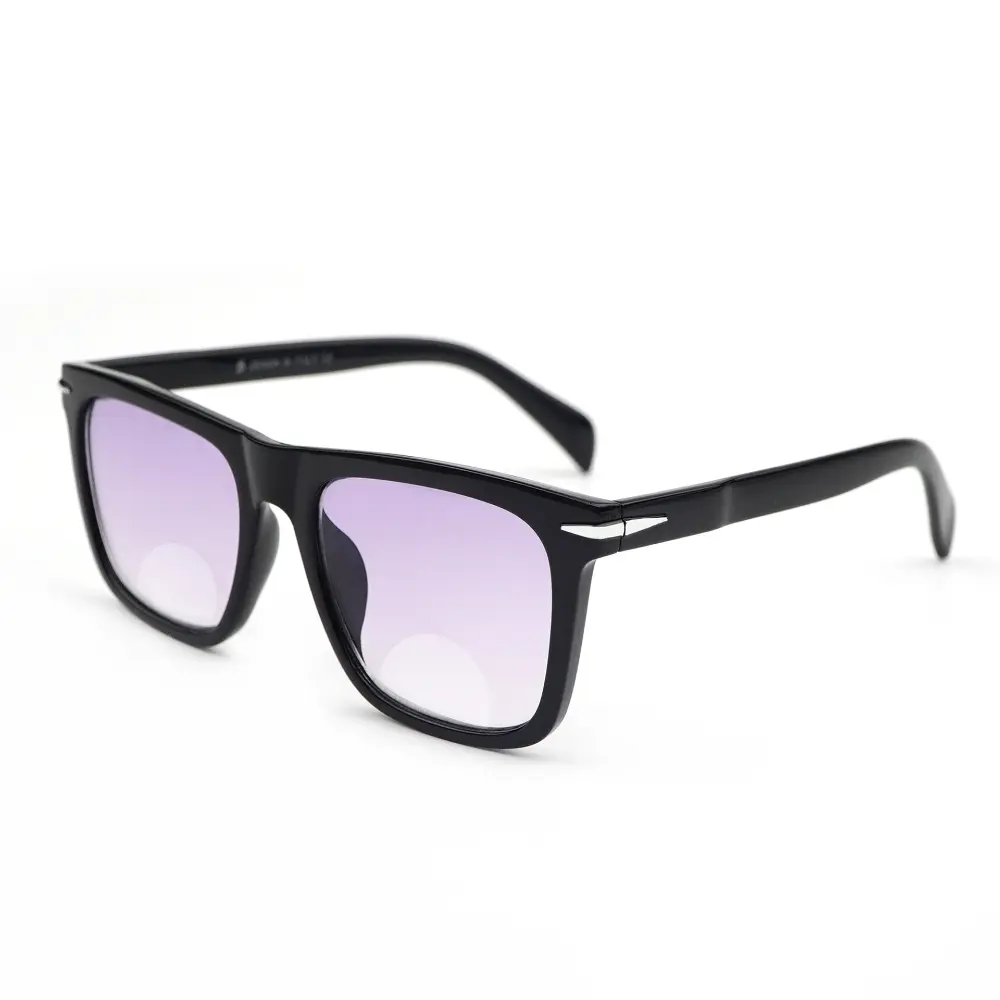
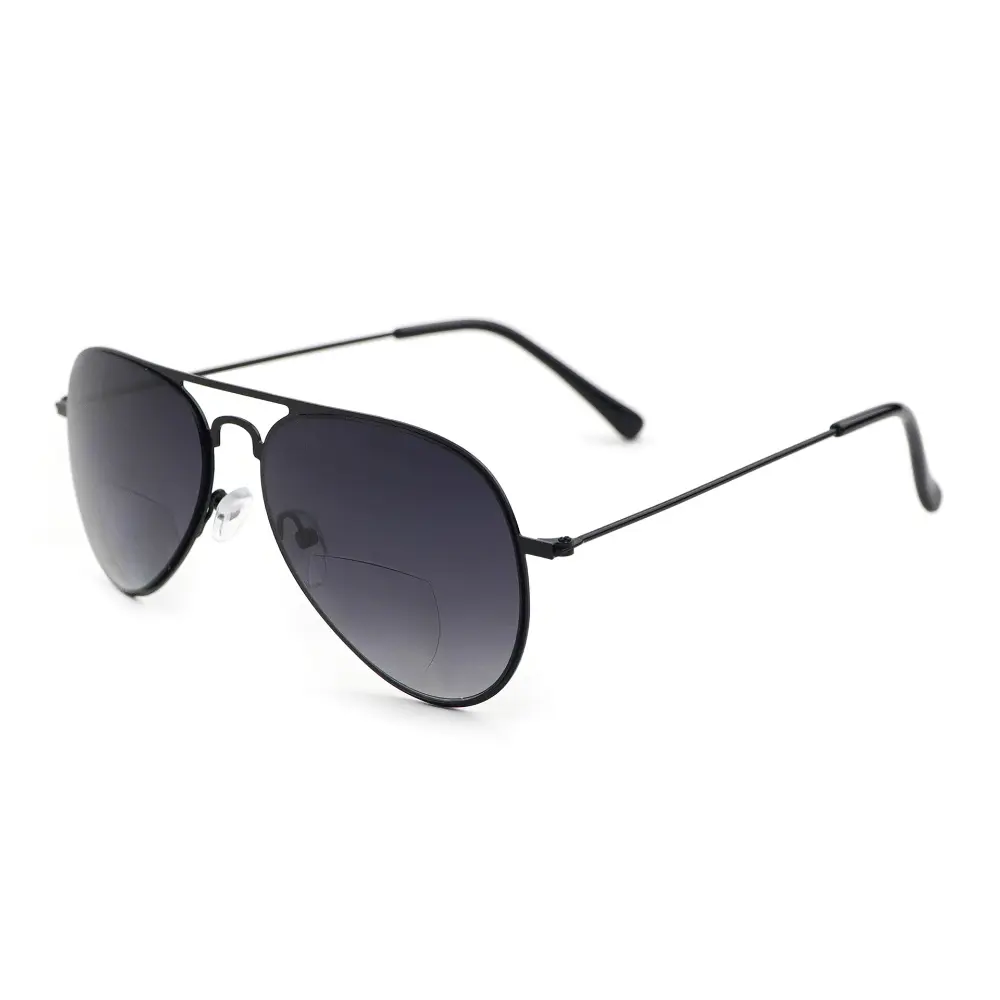
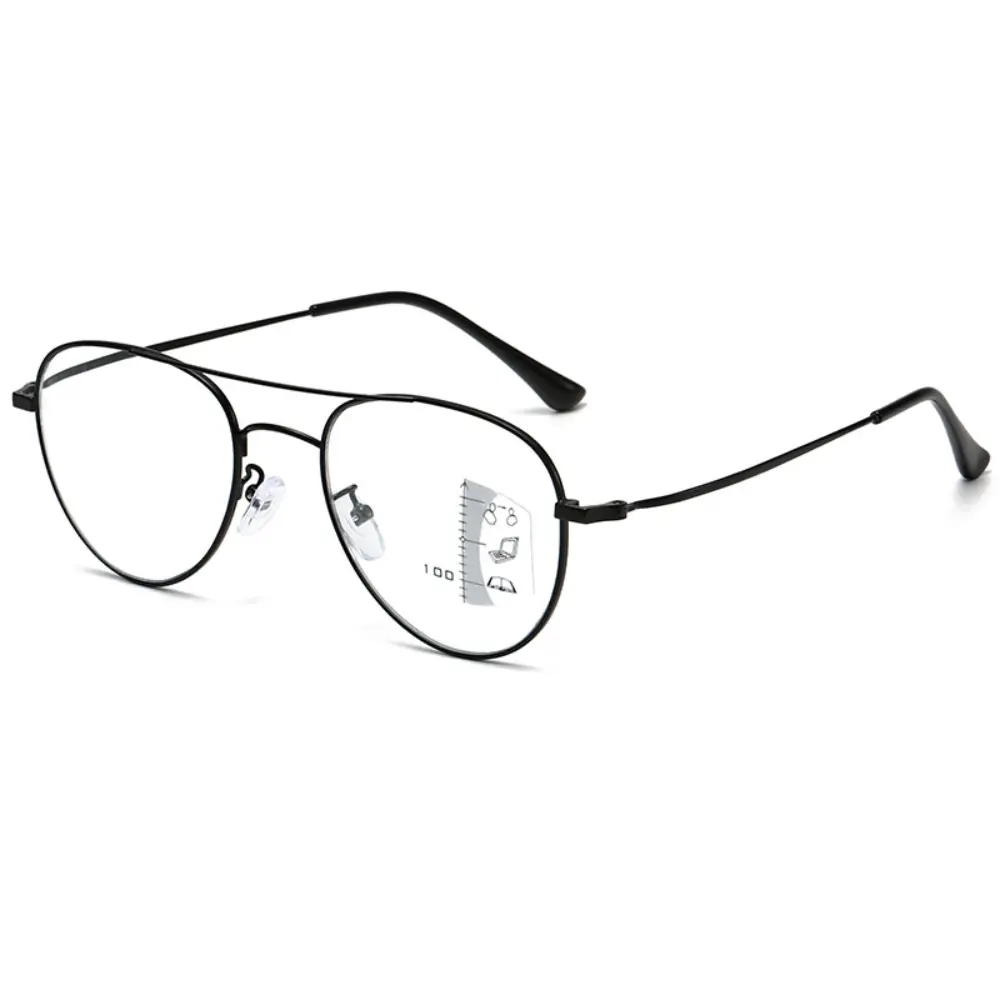
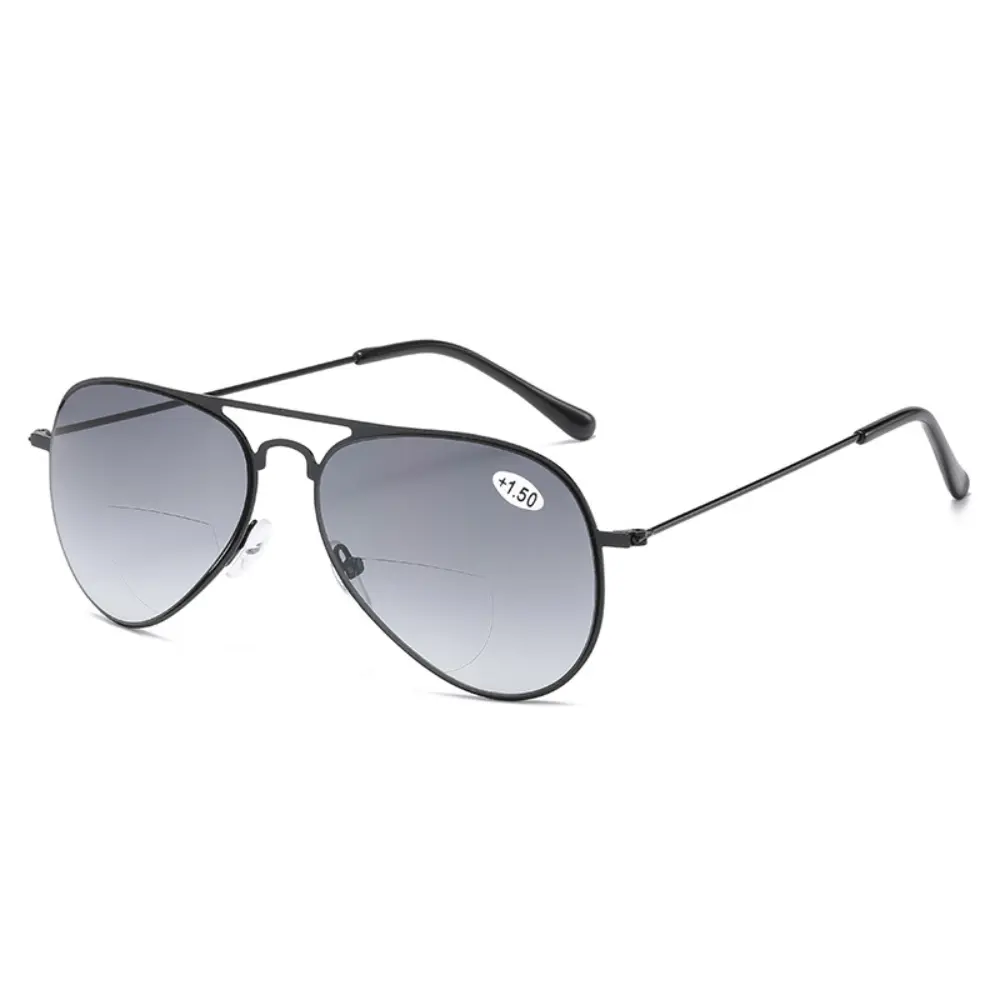
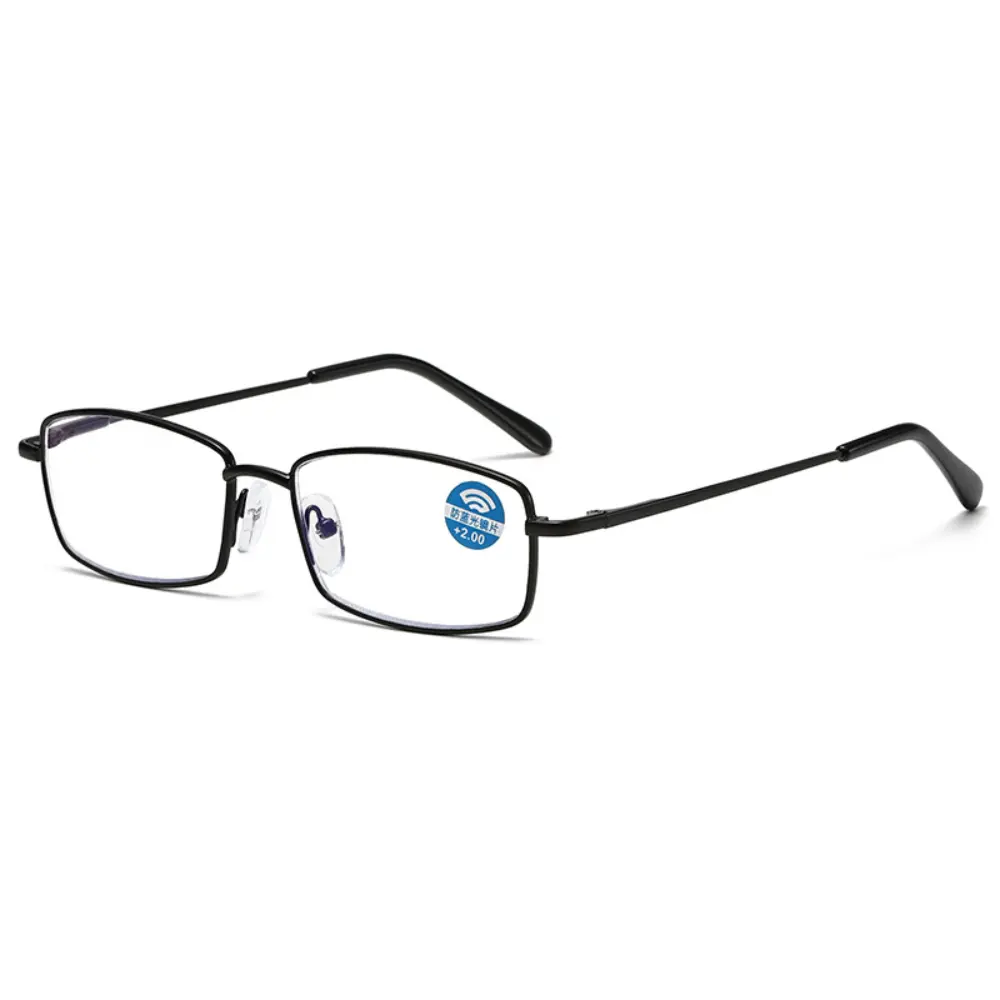
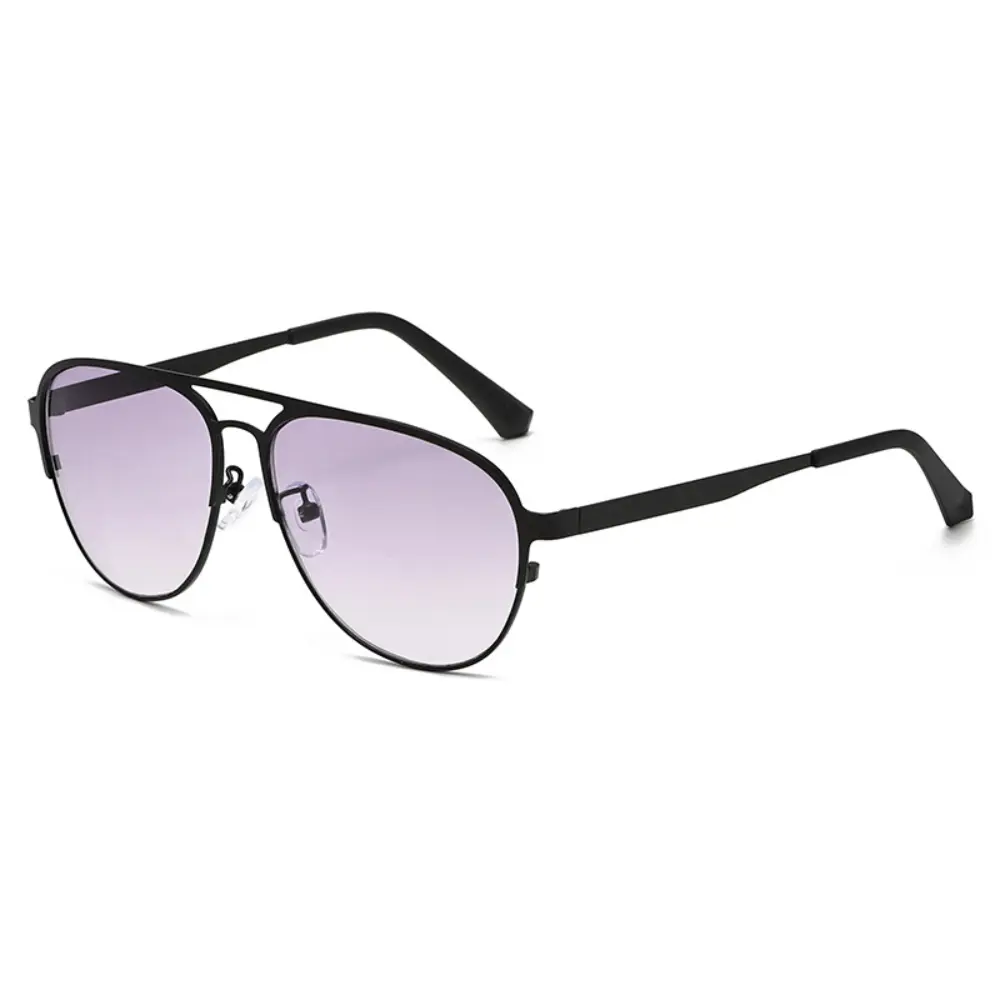
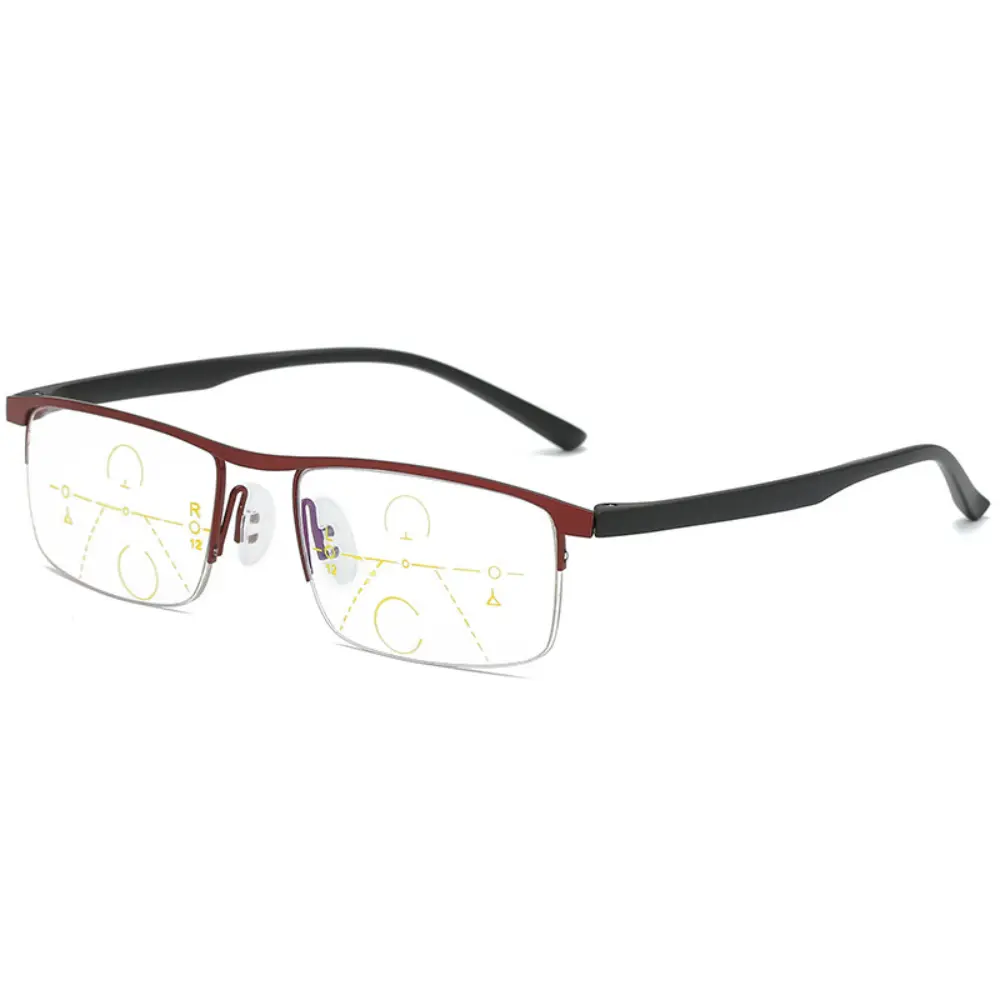
Why Wenzhouframe Is Worth a Conversation
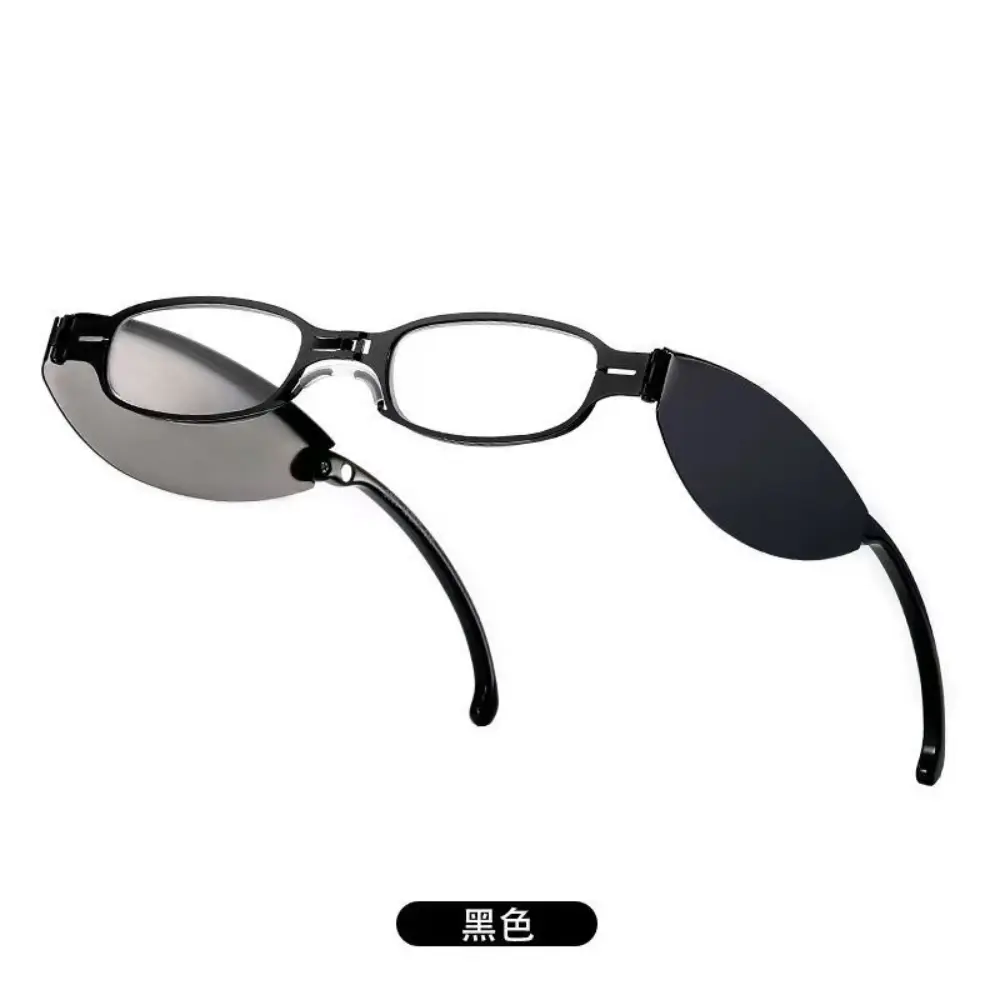
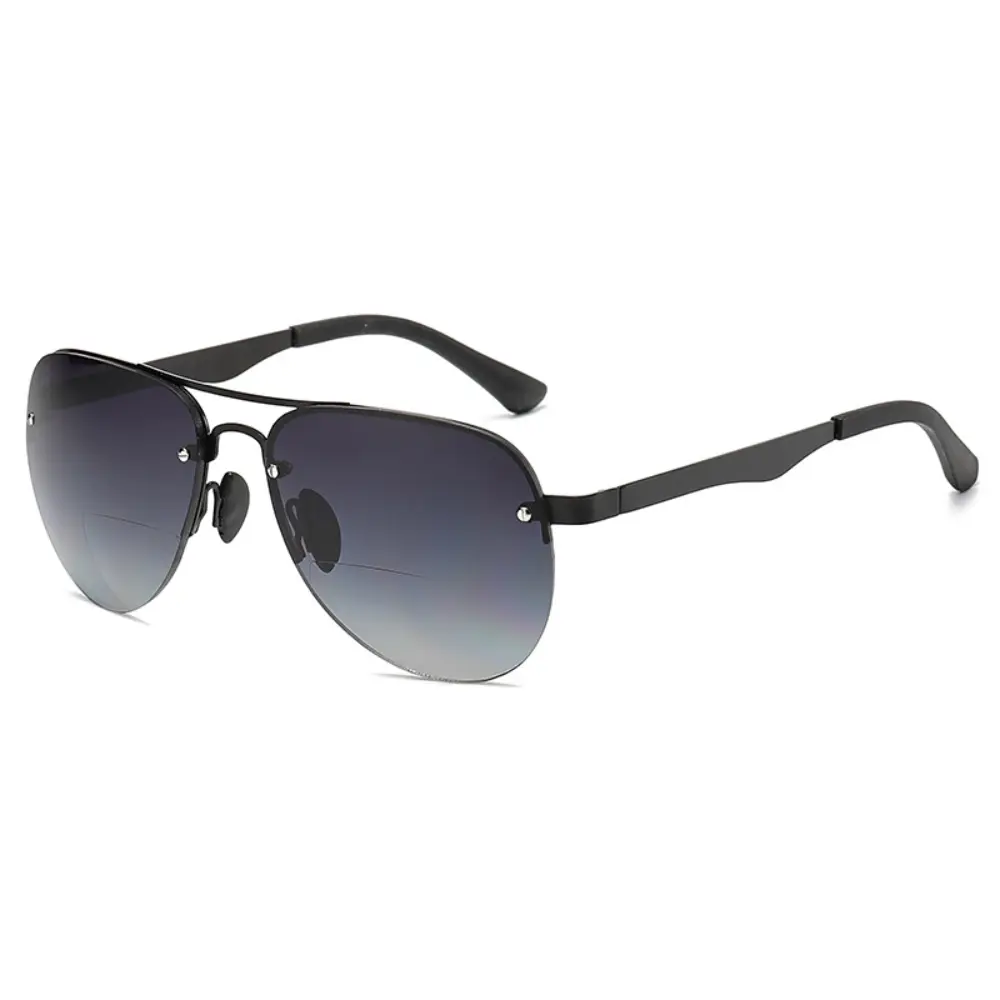
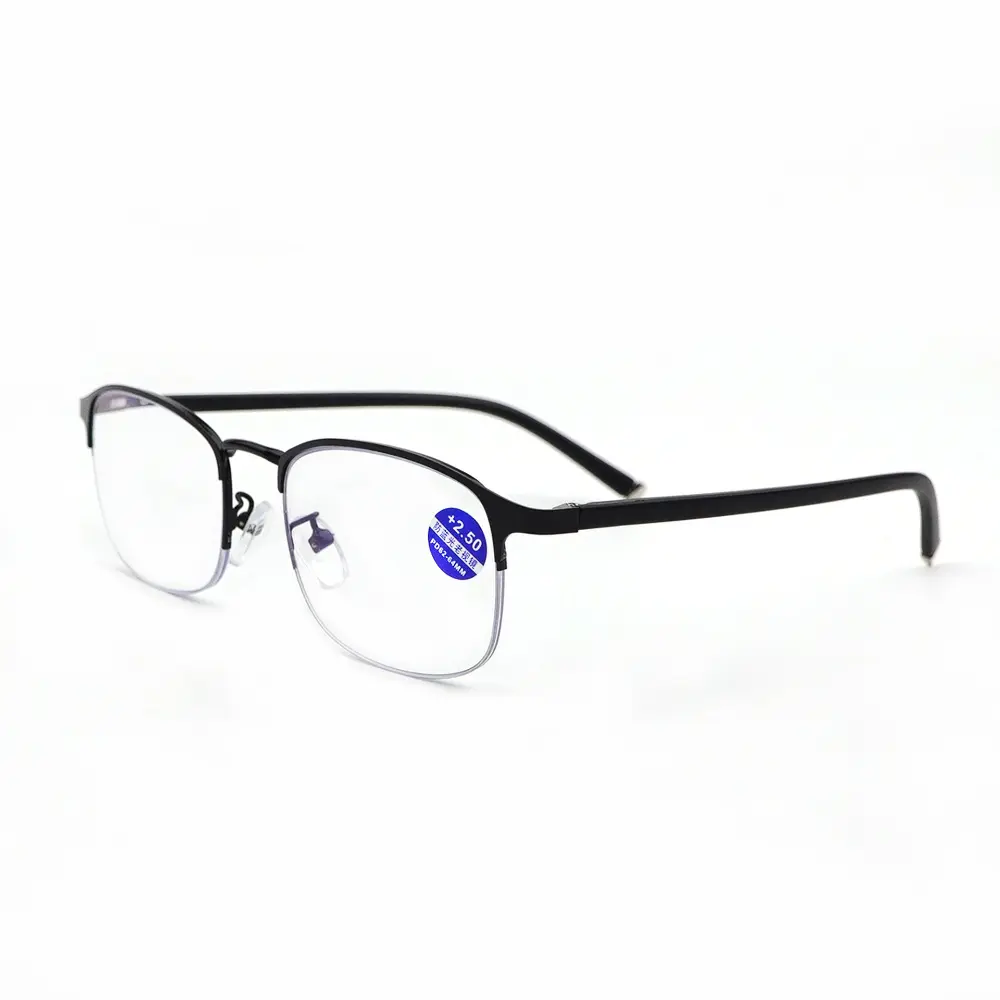
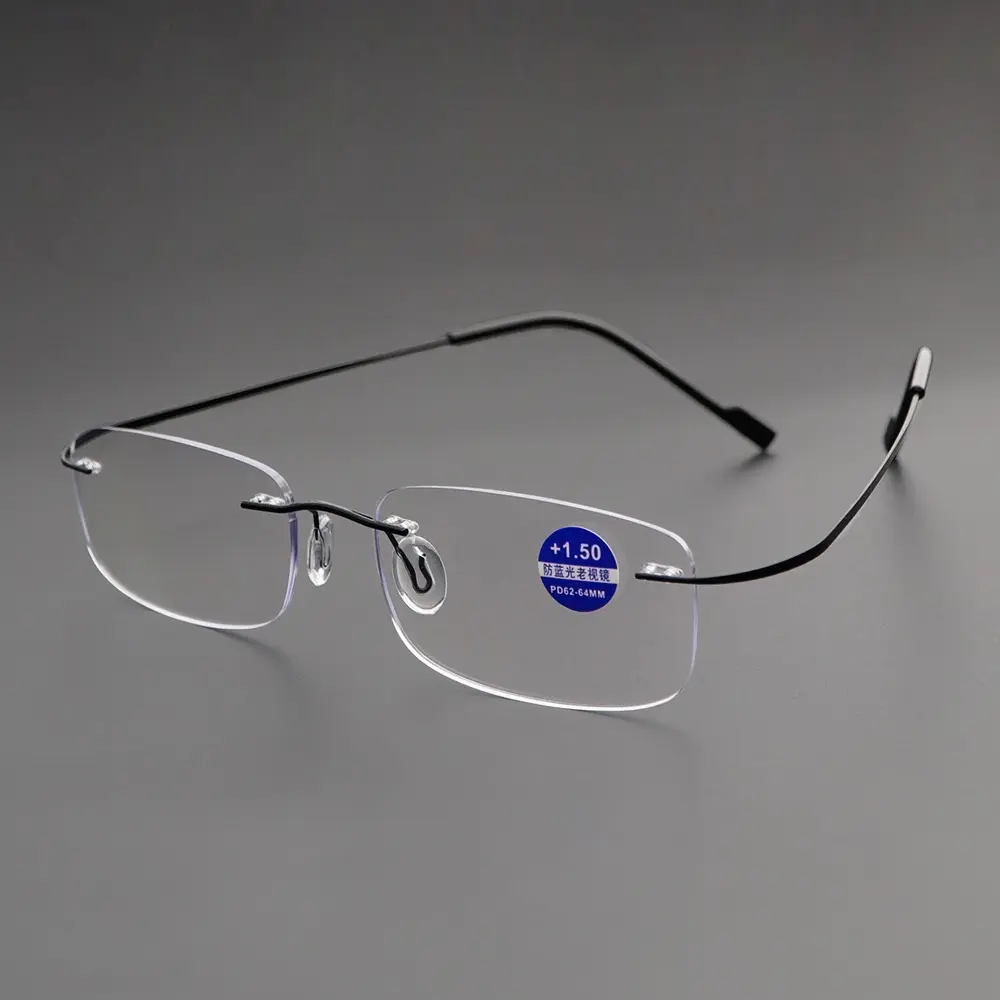
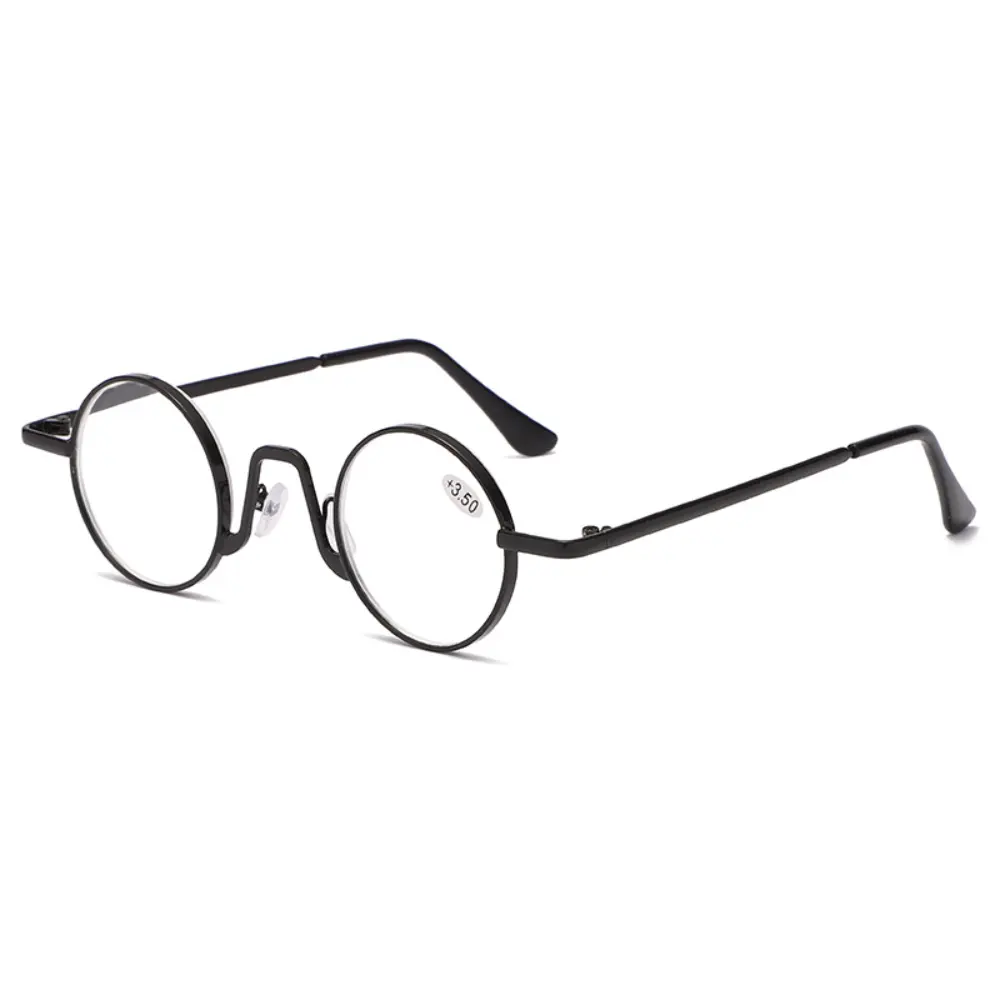
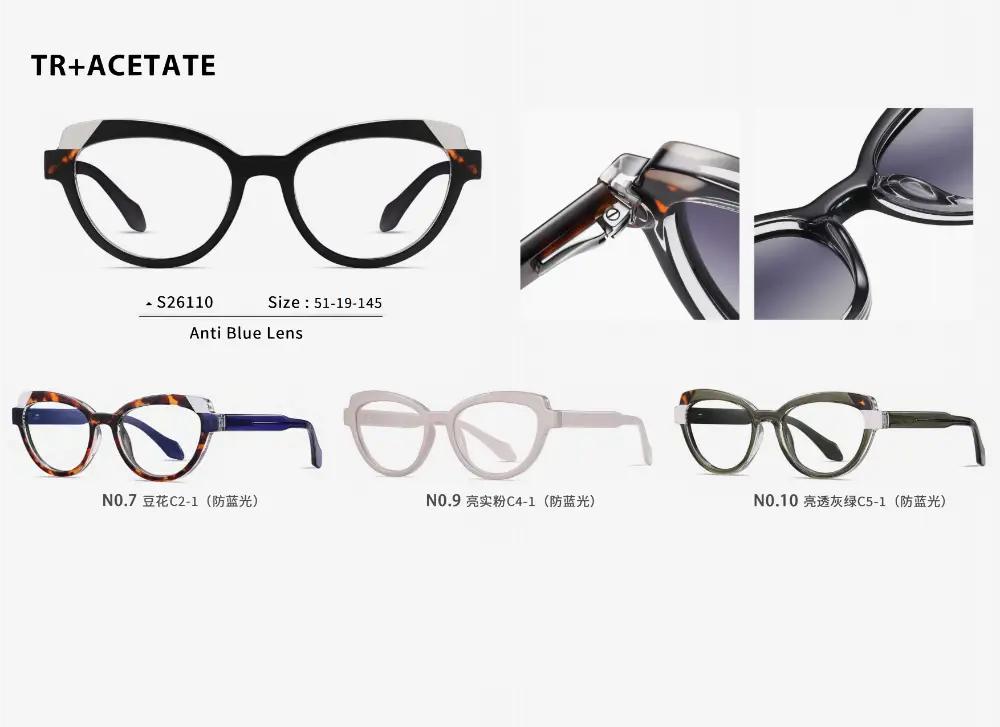
Wenzhouframe operates a dedicated production facility in Wenzhou, China’s eyewear manufacturing capital. With ten production lines and 1,000 skilled technicians, we produce reading glasses in metal, acetate, TR90, and composite materials. We support OEM/ODM orders with NDA confidentiality, offer flexible MOQs for growing brands, and have experience shipping to retailers and e-commerce platforms in North America and Europe.
If you’re evaluating a reading glasses factory for long-term partnership, request a sample set and a production quote today.

6.17_11.webp)