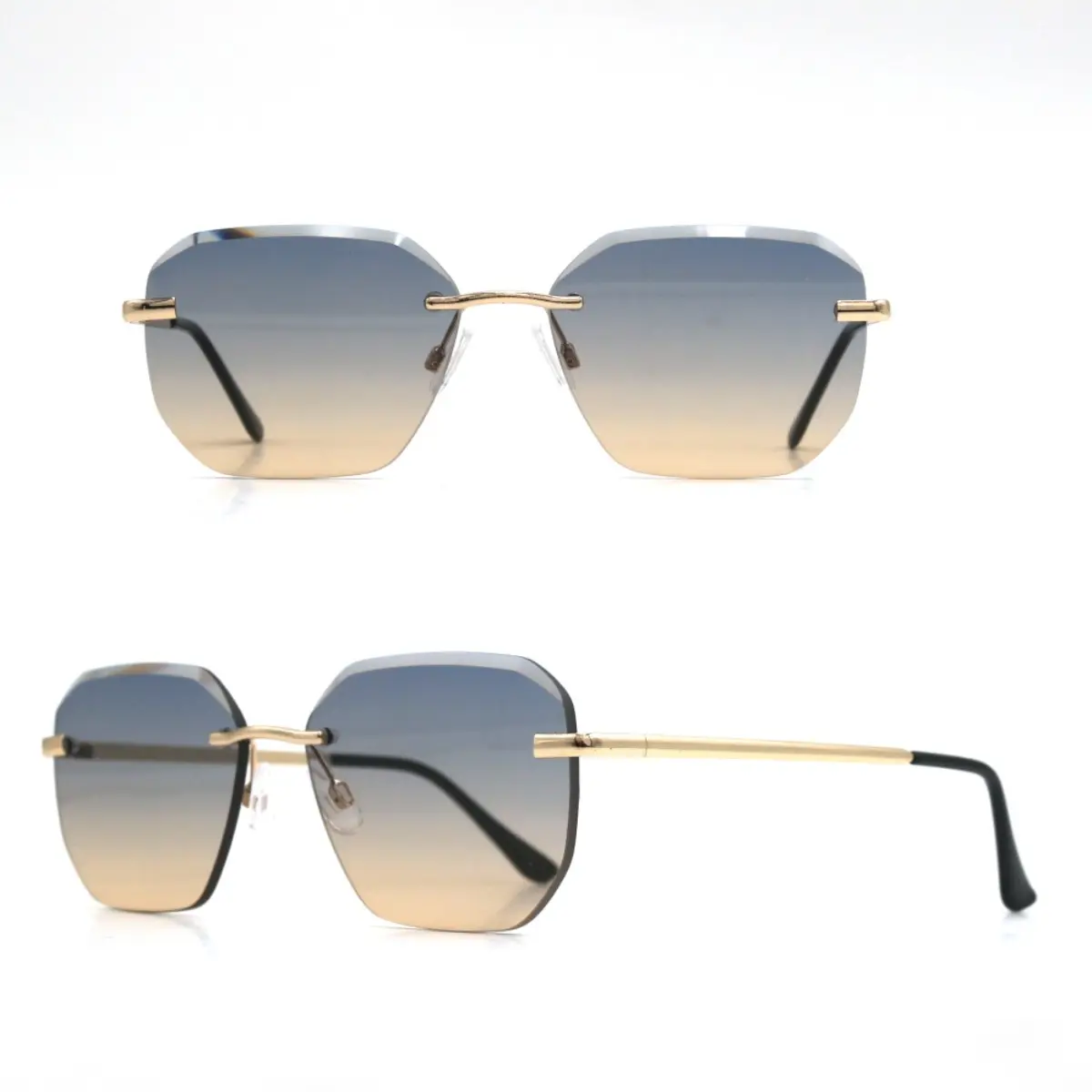
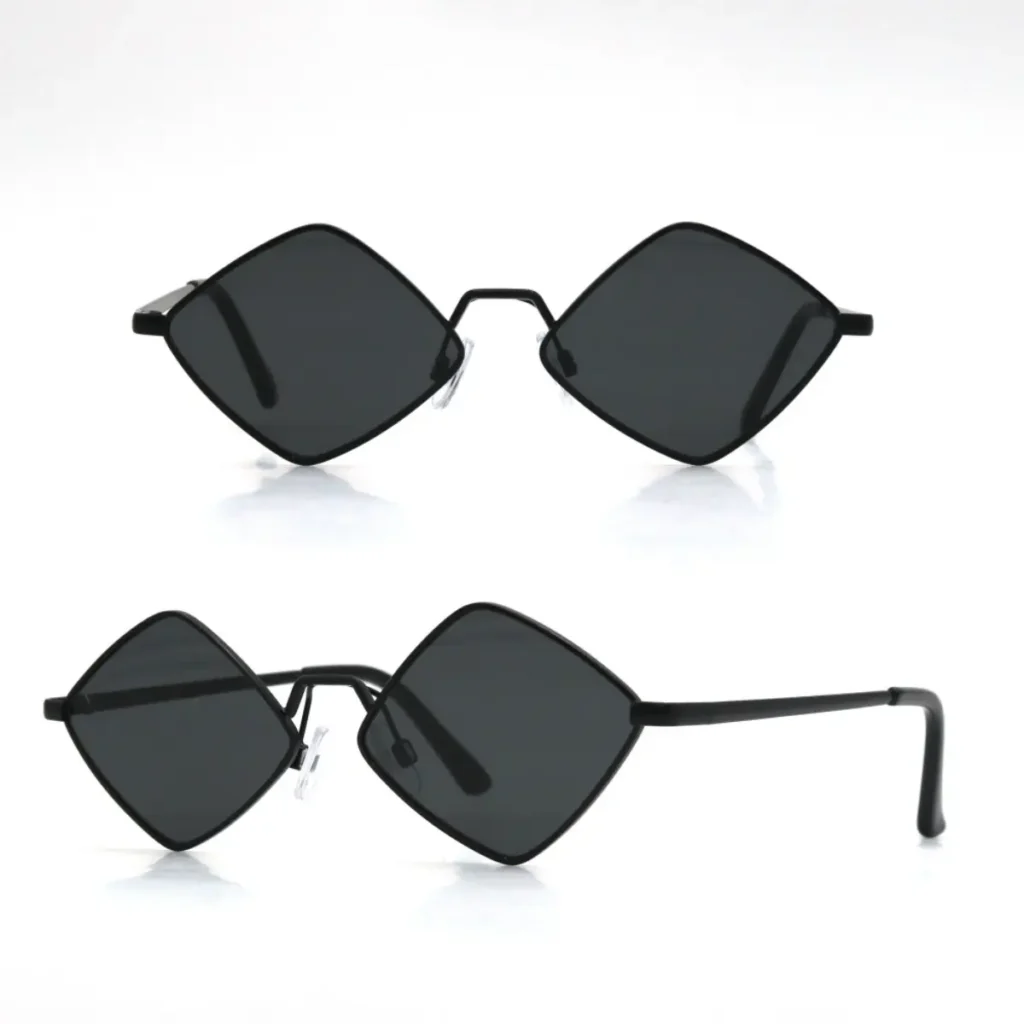
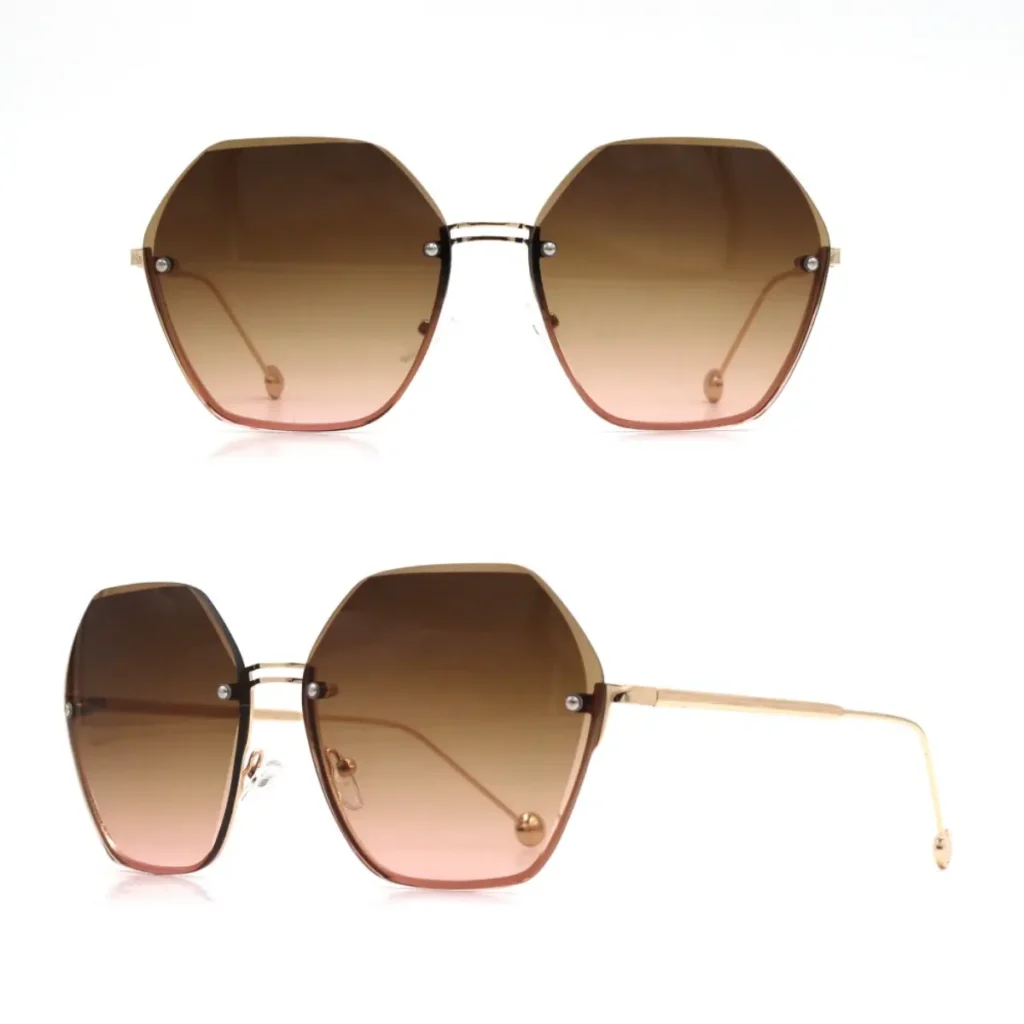
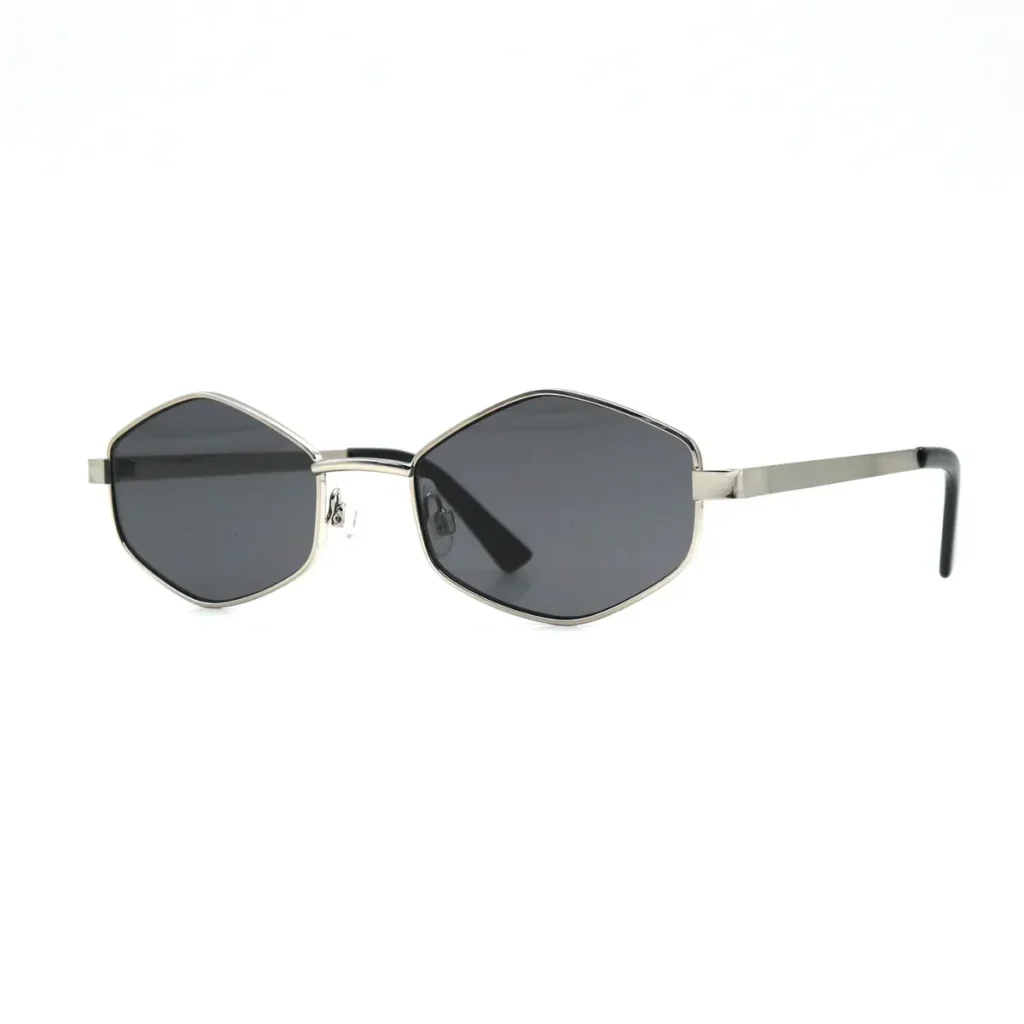
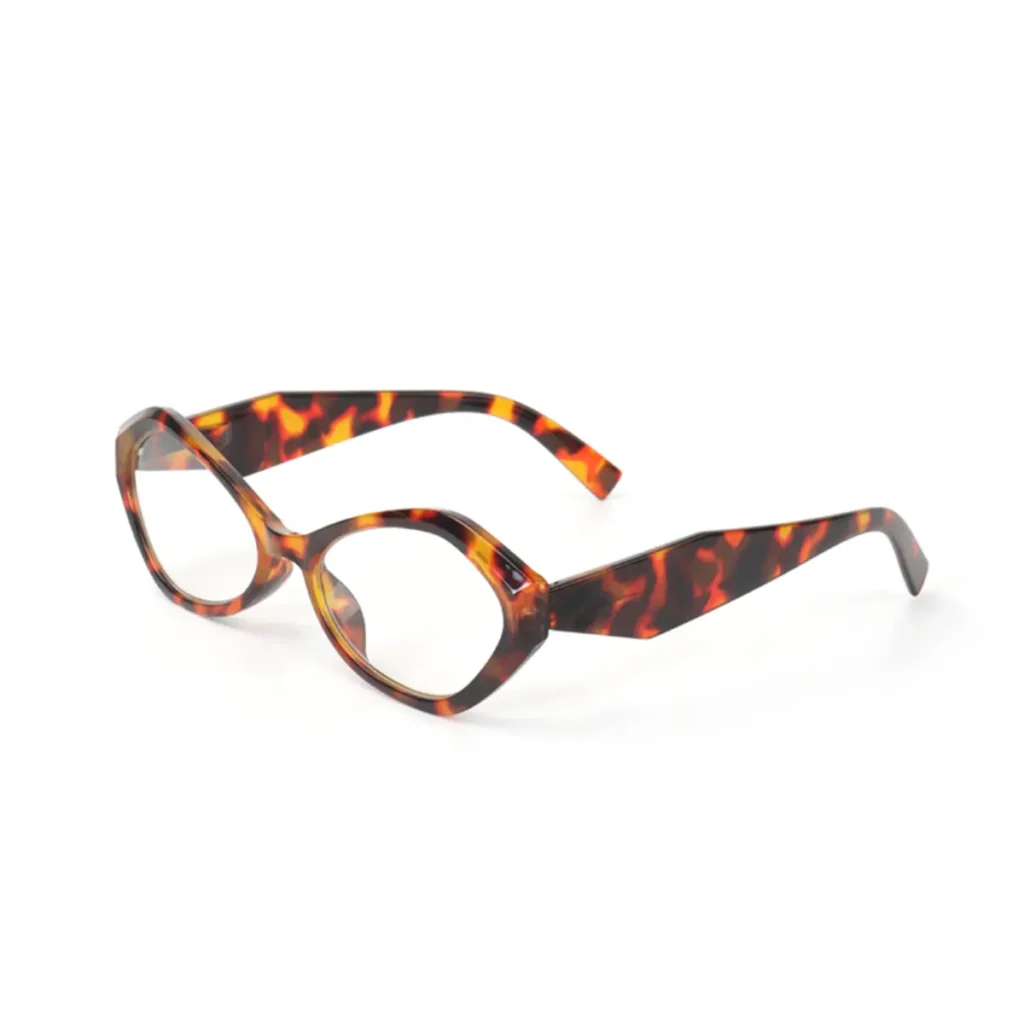
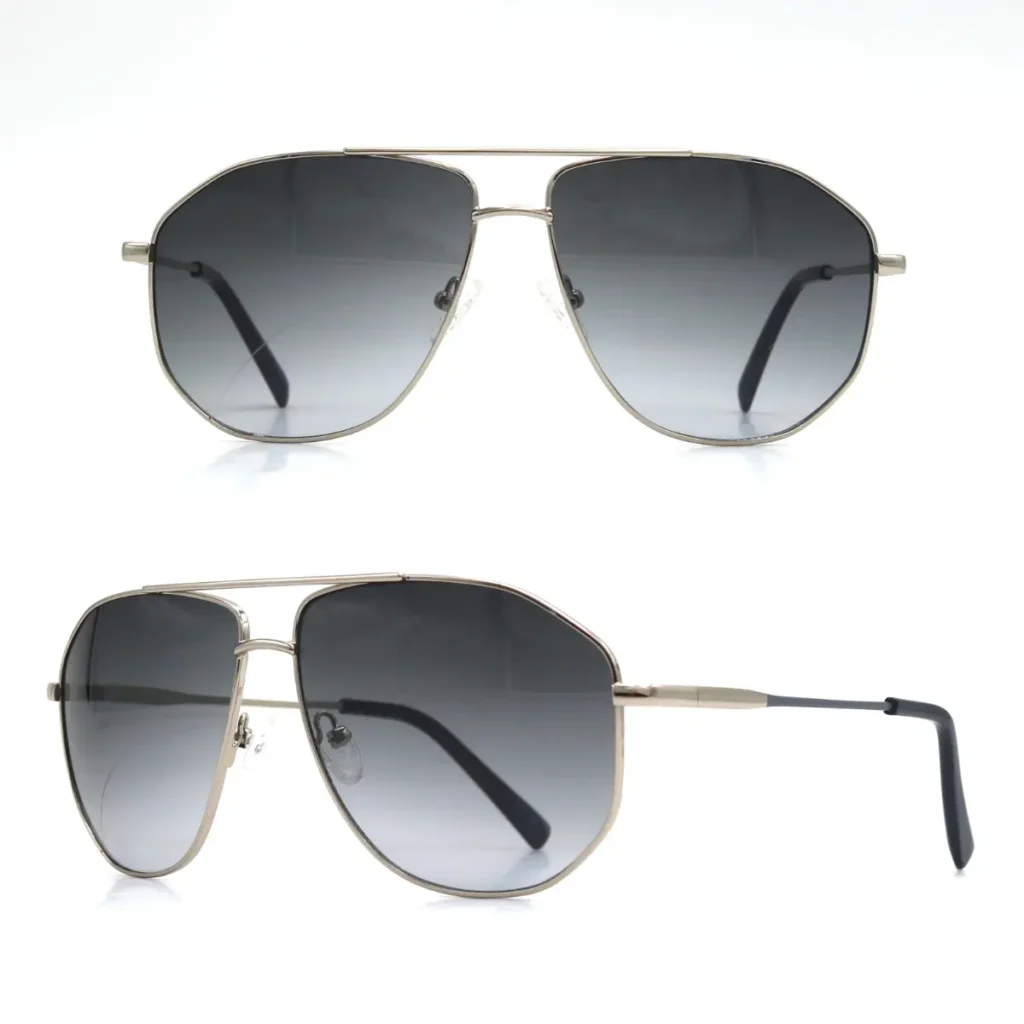
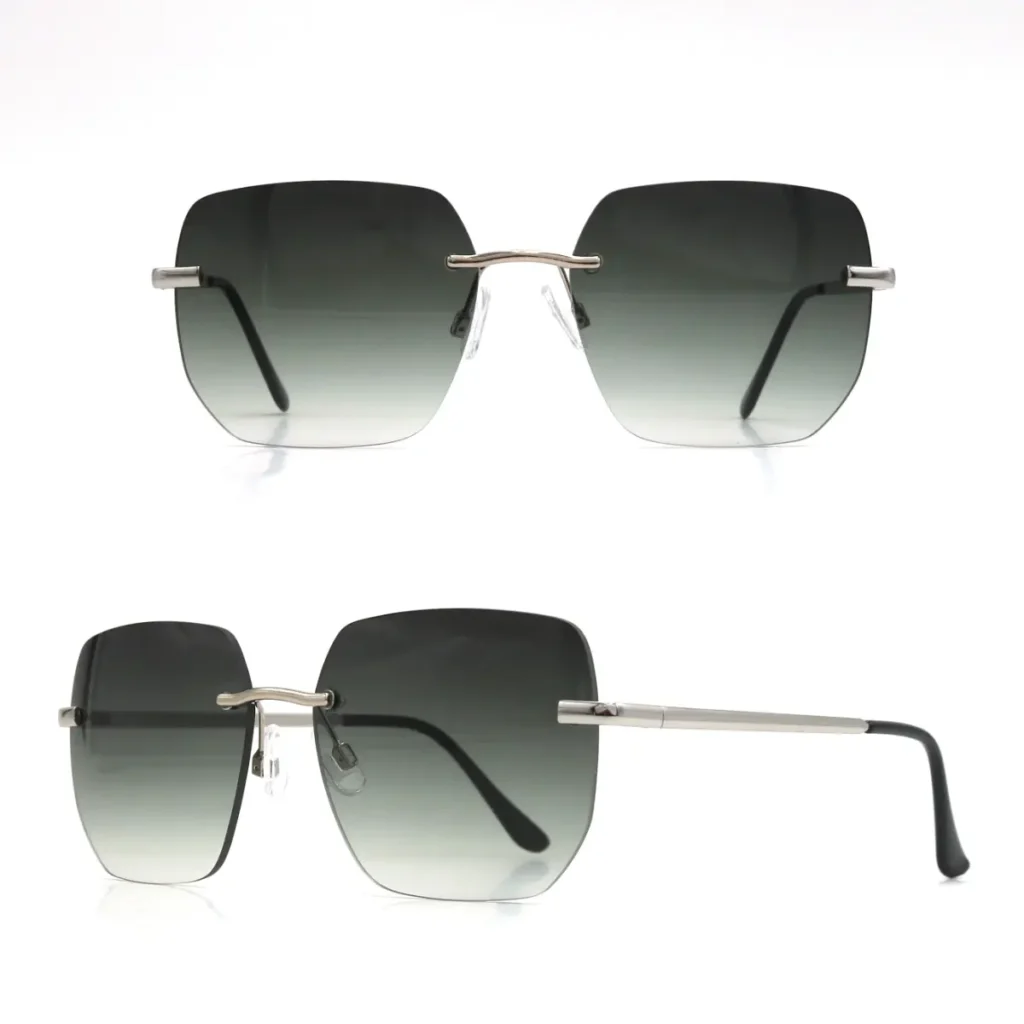
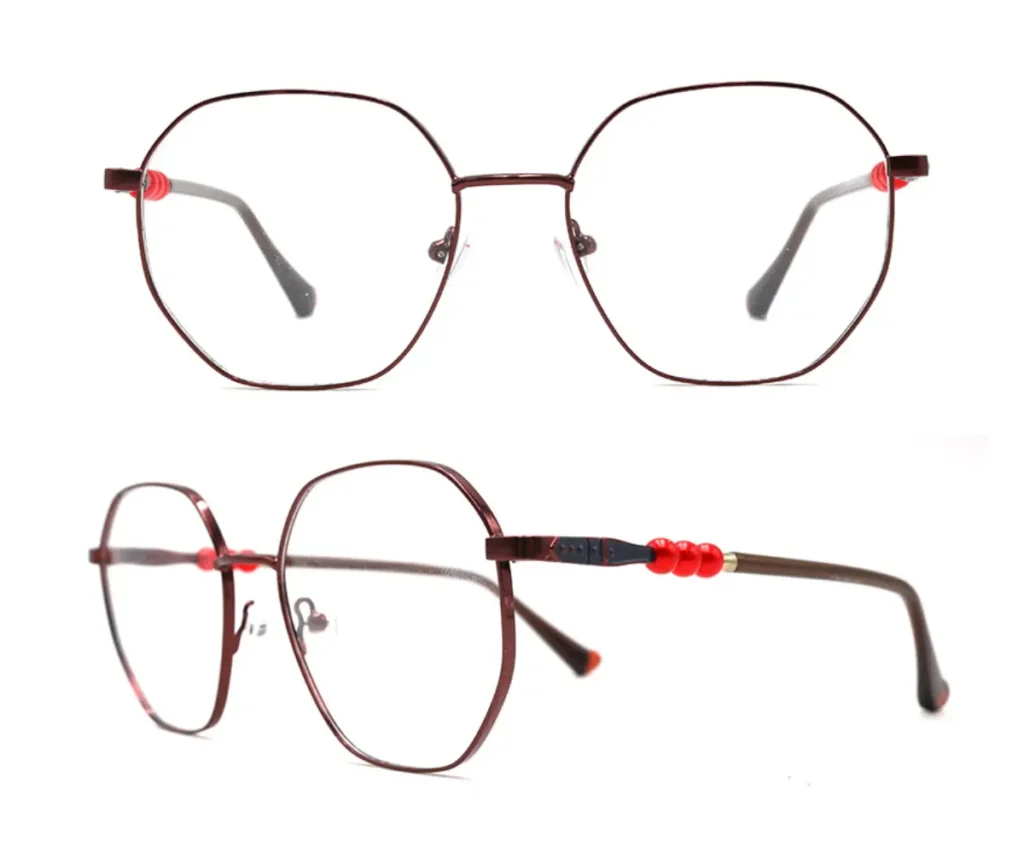
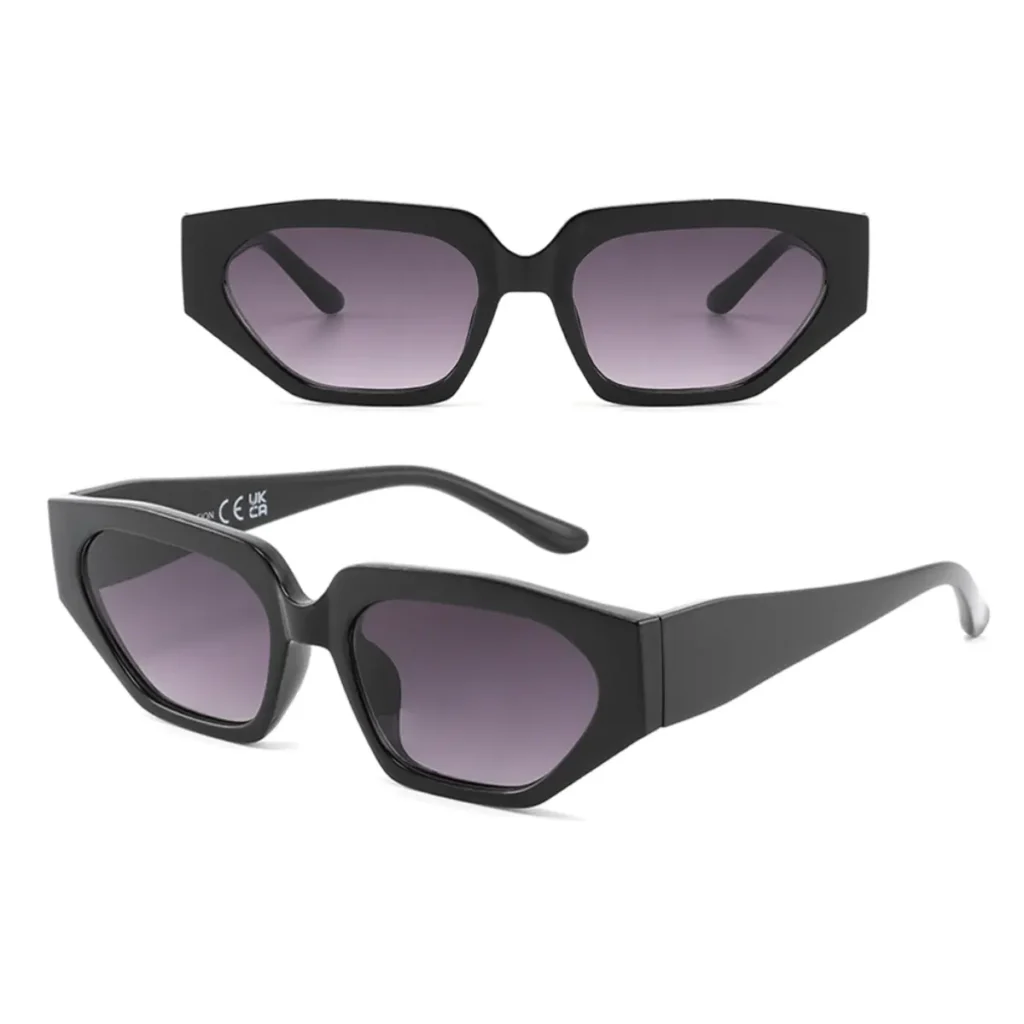
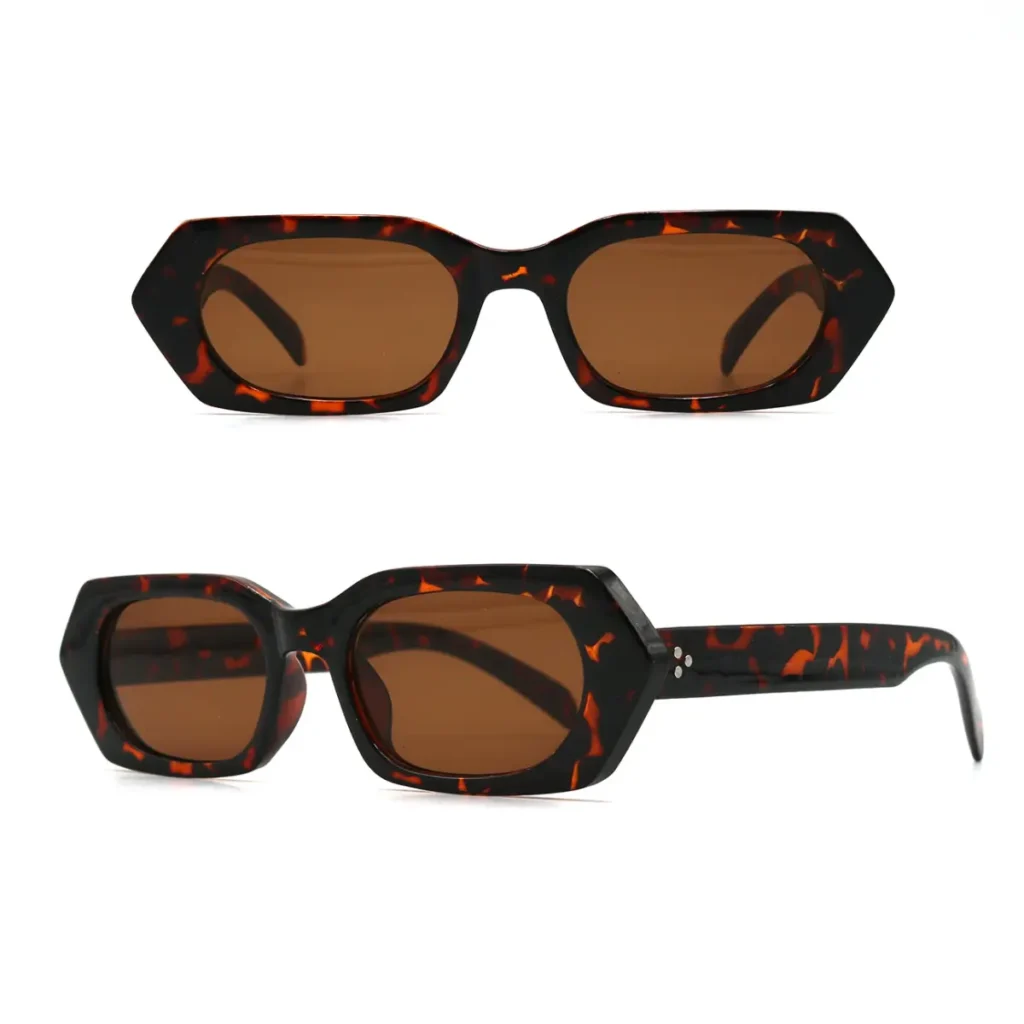
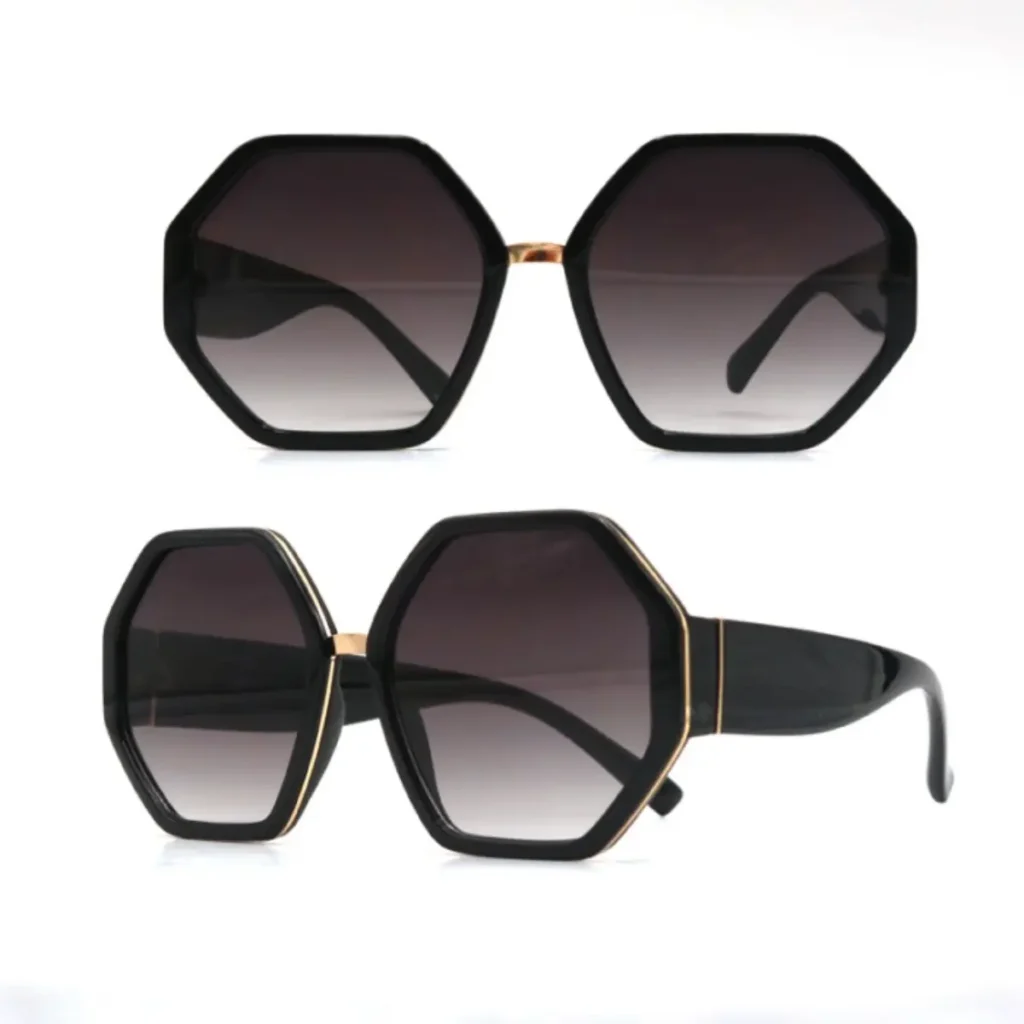
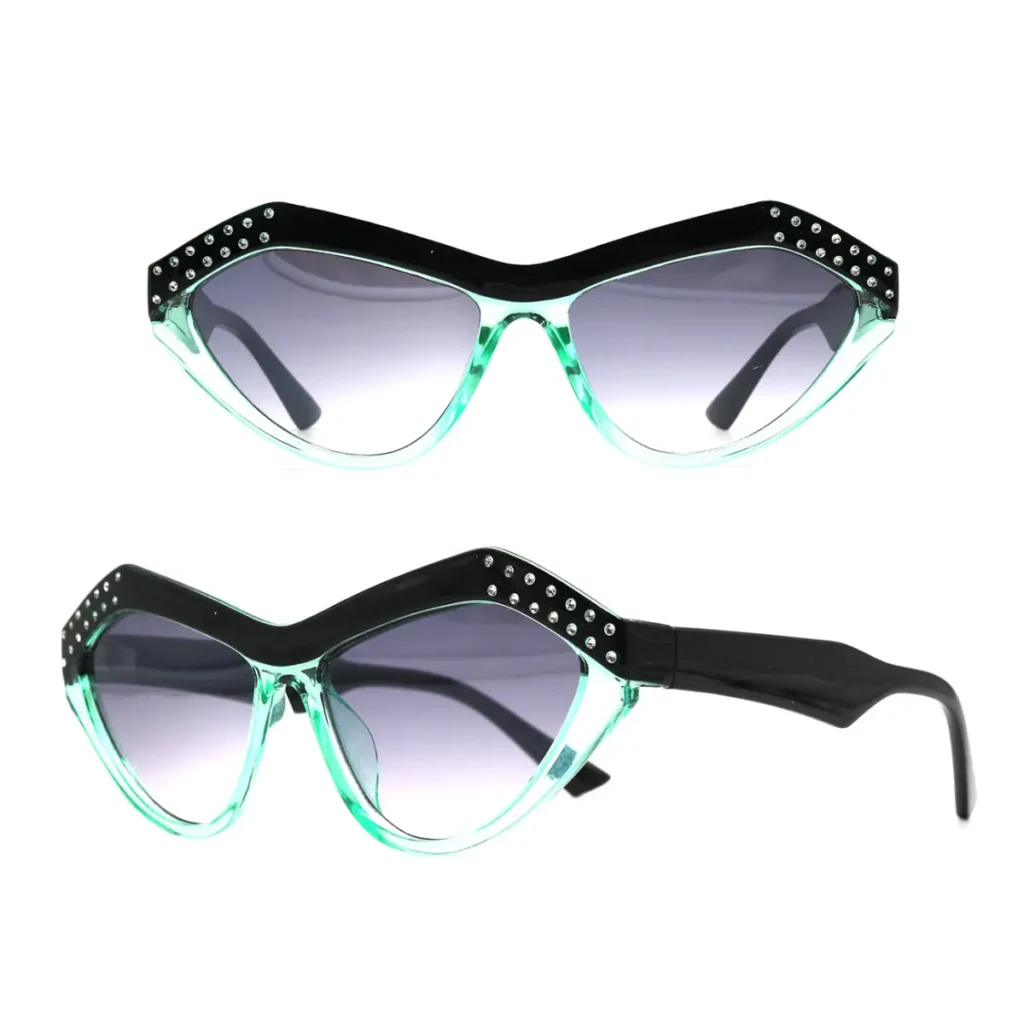
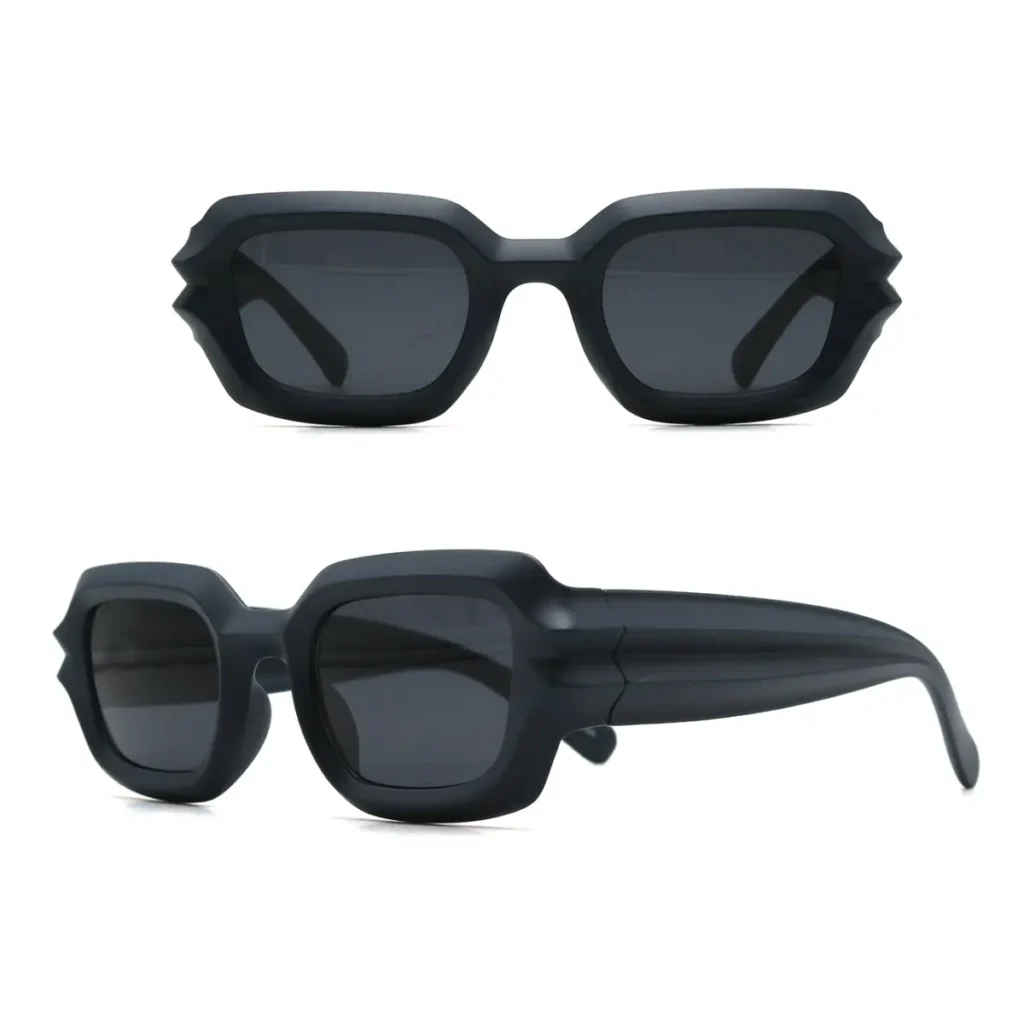
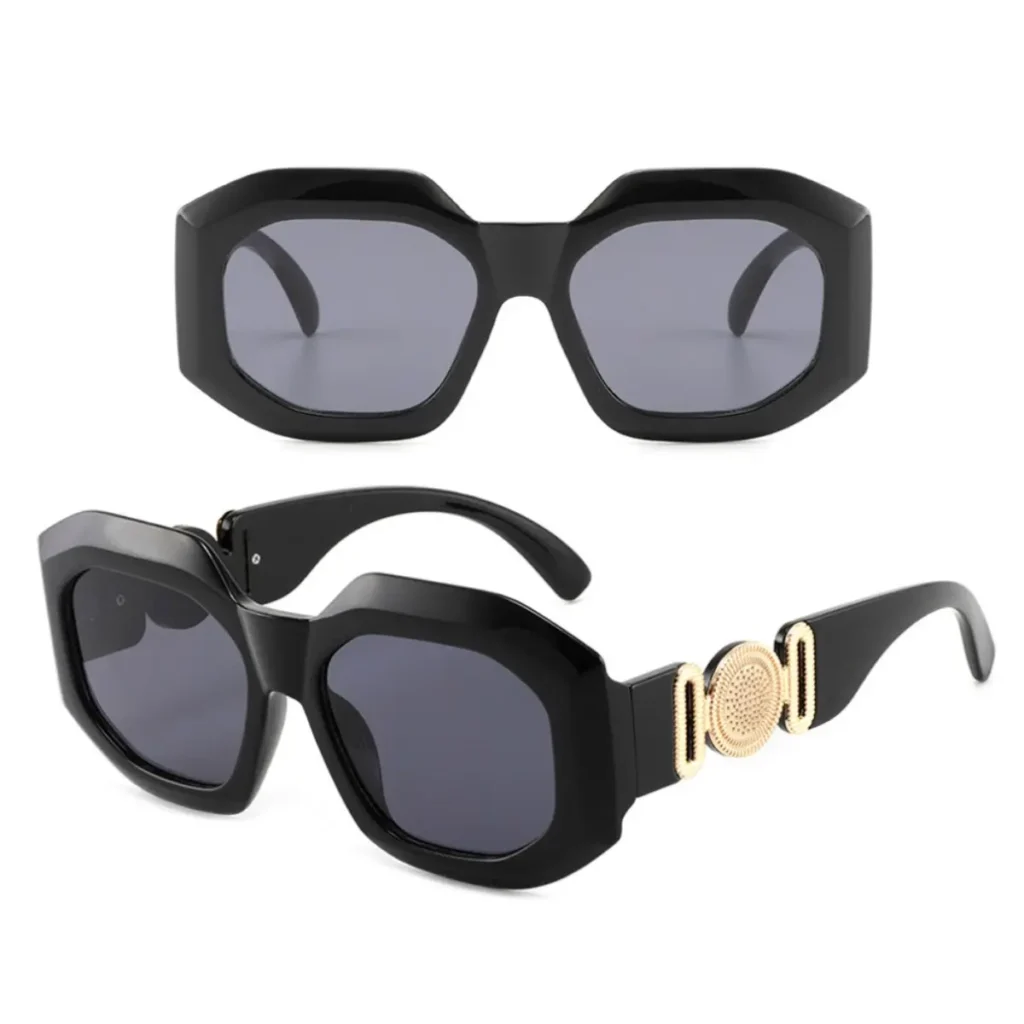
There is a difference between a geometric frame and a geometric silhouette. A hexagonal frame has six equal sides — it is a shape applied to eyewear. A geometric silhouette is architecture for the face. It uses geometric principles — angles, planes, negative space — to create a frame that could not exist in a traditional eyewear vocabulary. Think of it as the difference between a building with hexagonal windows and a building that IS a hexagon.
In 2026, geometric silhouette frames are the sharpest edge of the Expressive Futurism trend. They sell in lower volumes than mainstream geometric shapes, but at higher margins and with disproportionate cultural impact. One store-filling sculpture-frame generates more press coverage than a hundred conventional sales.
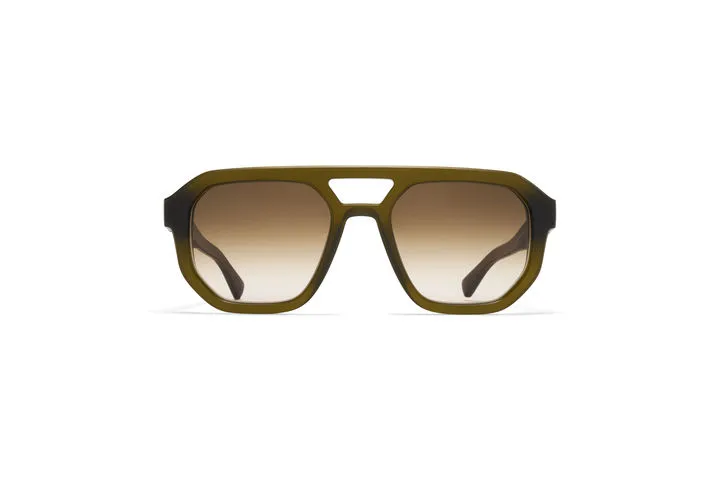
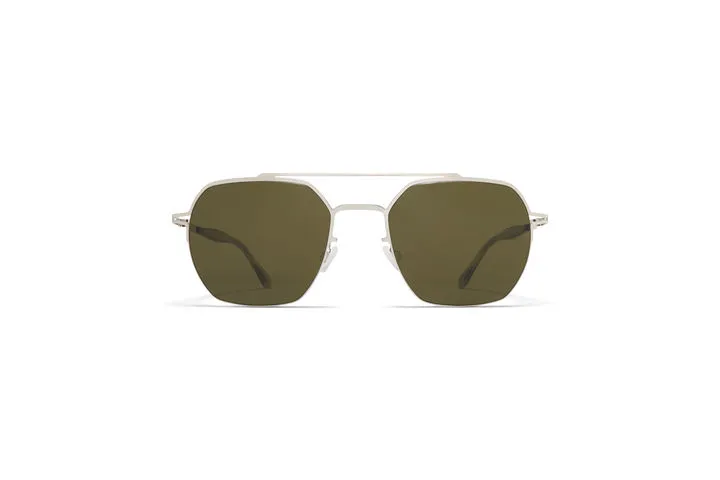
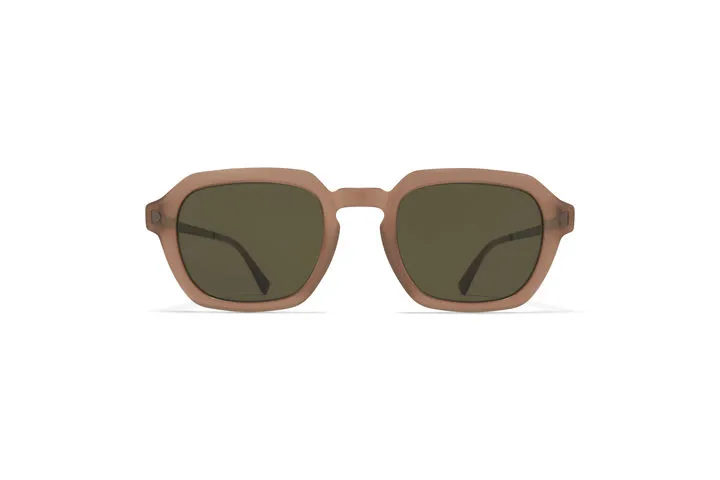
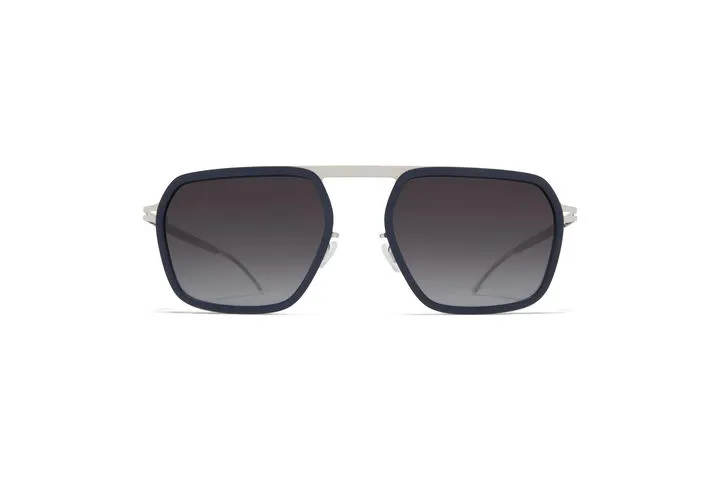
What Defines a Geometric Silhouette Frame
Three design principles separate geometric silhouettes from standard geometric frames:
1. Planar Thinking
Standard frames are designed as wire outlines — a line that follows the eye socket. Geometric silhouettes are designed as intersecting planes. The frame is not an outline; it is a series of surfaces that happen to enclose a lens. This is the approach used by Dita in their architectural collections and by ic! berlin across their entire line.
2. Negative Space as Design Element
Cut-outs, voids, and openings are deliberate design elements in geometric silhouettes. A temple might have a triangular void that light passes through. A bridge might be an open lattice rather than a solid bar. The space between the material is as designed as the material itself. This is LINDBERG‘s air titanium philosophy taken to its geometric conclusion.
3. Faceted Edges
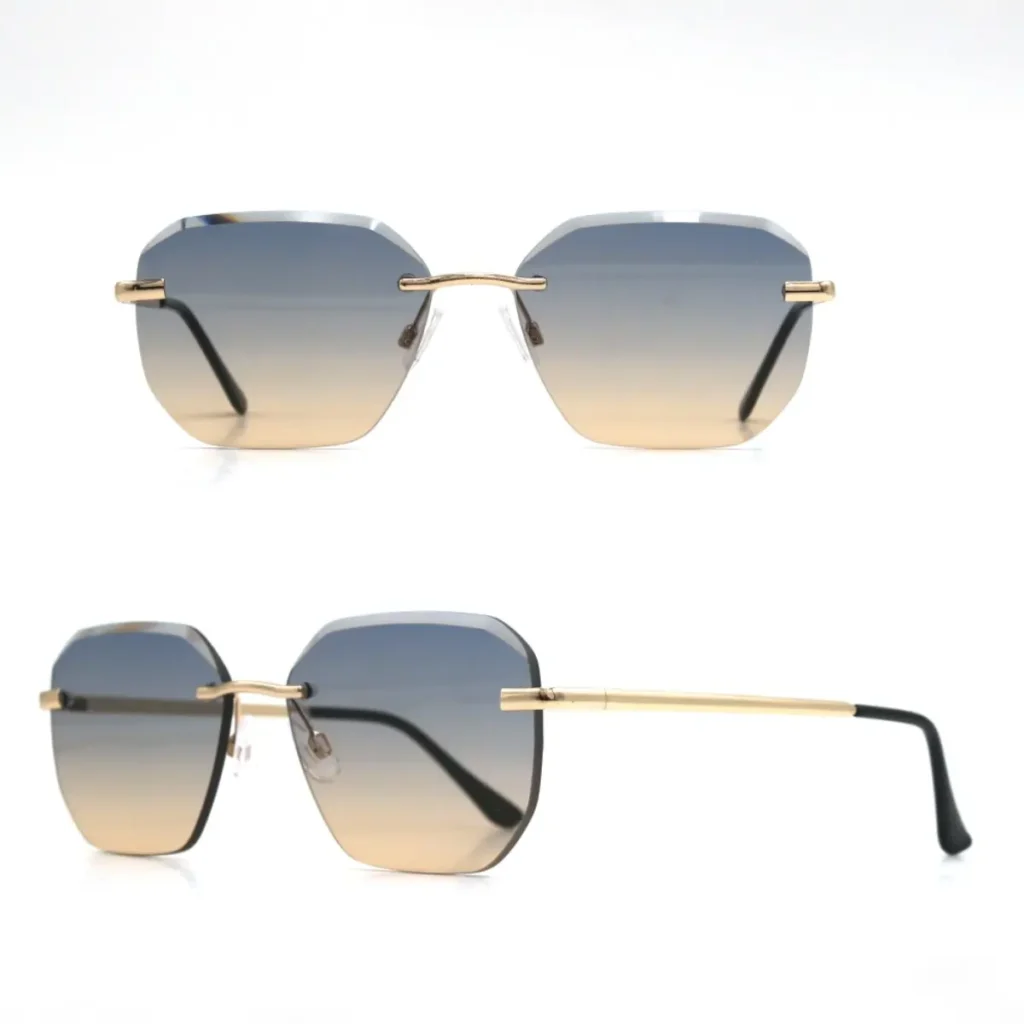
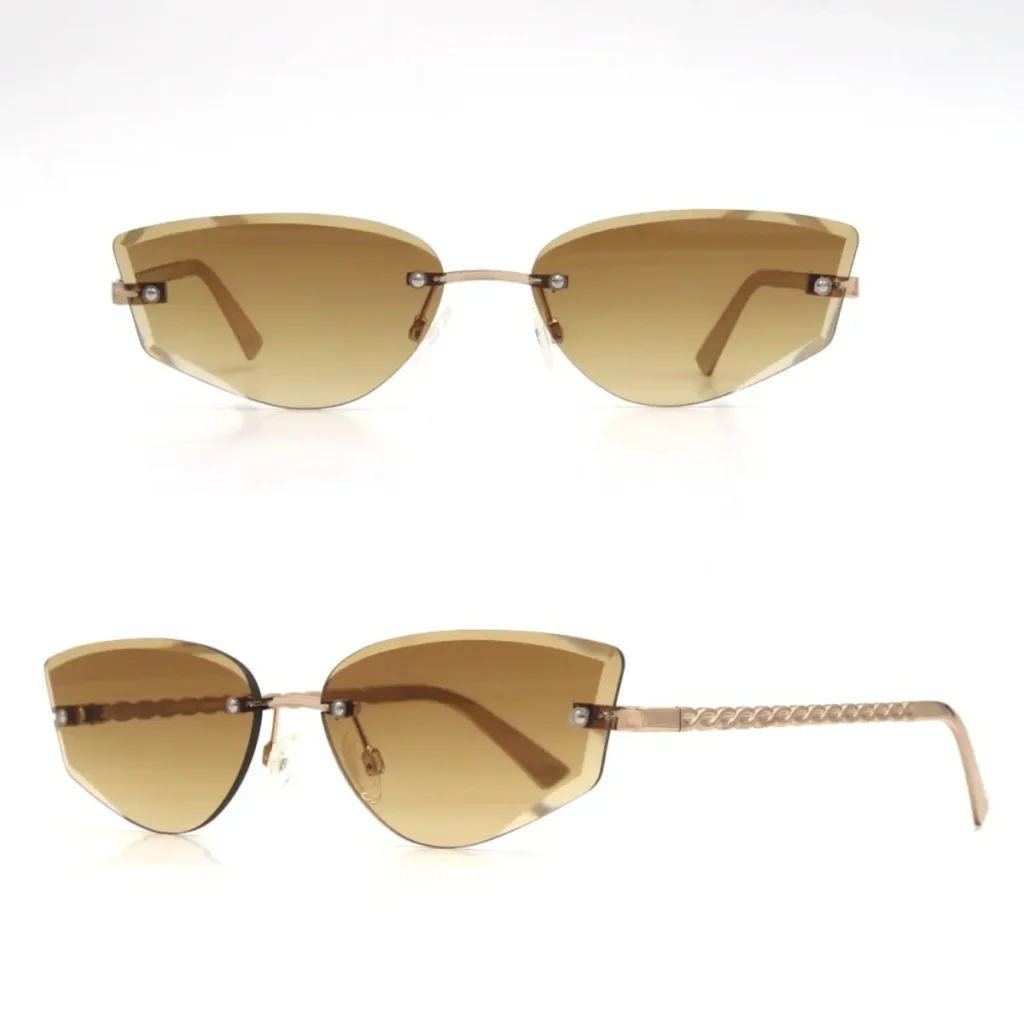
Instead of rounded or polished smooth edges, geometric silhouettes often feature faceted, chamfered, or beveled edges — deliberately angular surfaces that catch and direct light. This requires precision CNC work that most factories cannot or will not do because every facet needs to be hand-verified.
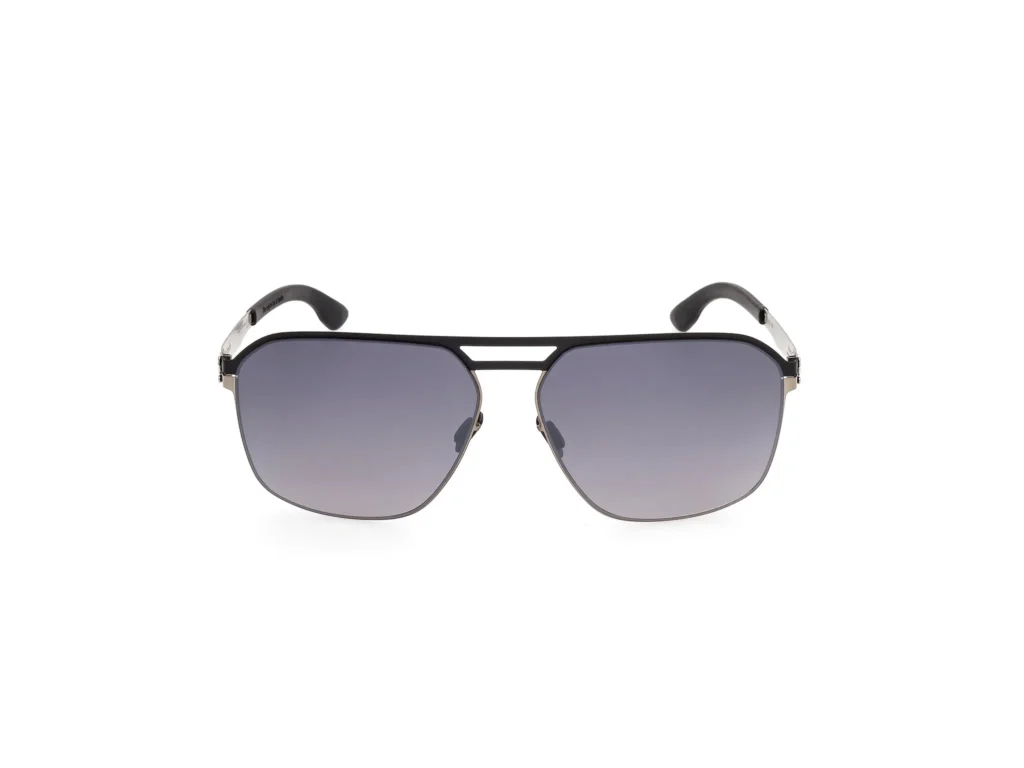
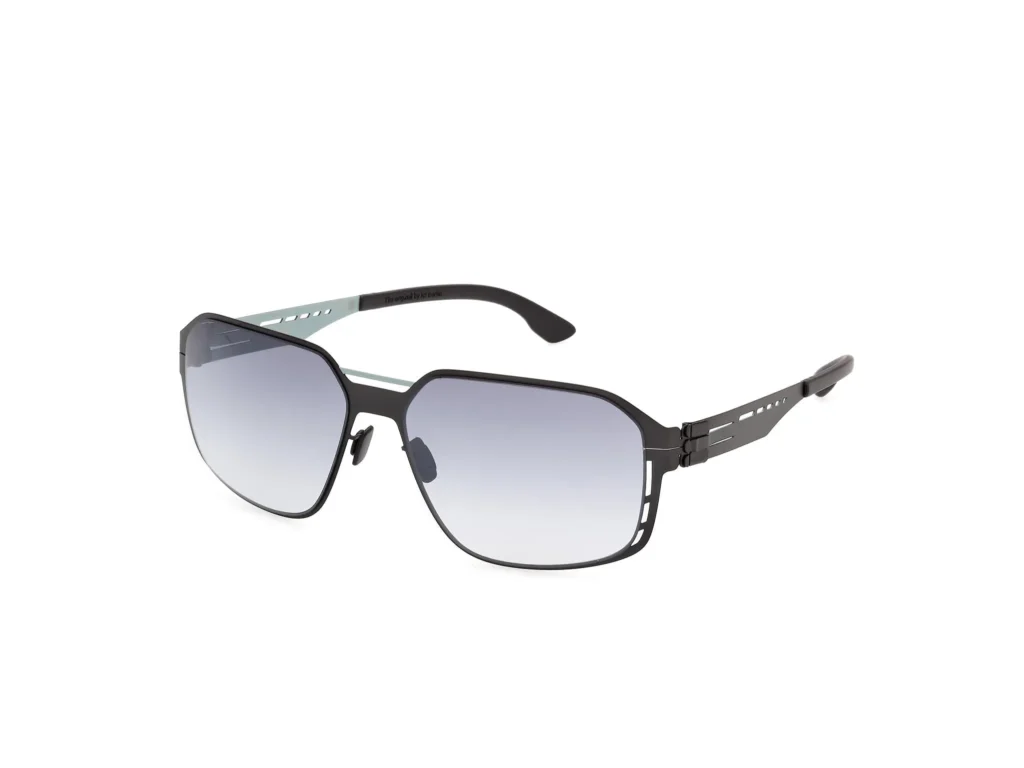
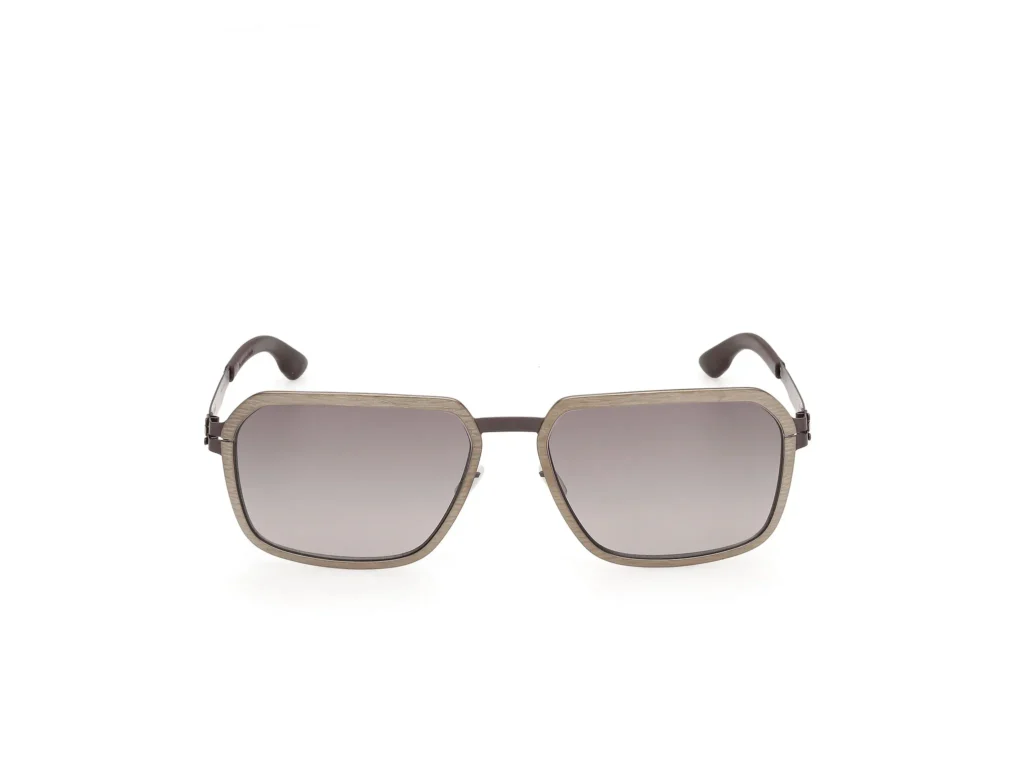
Brand Benchmarks in Geometric Silhouettes
The Architectural End
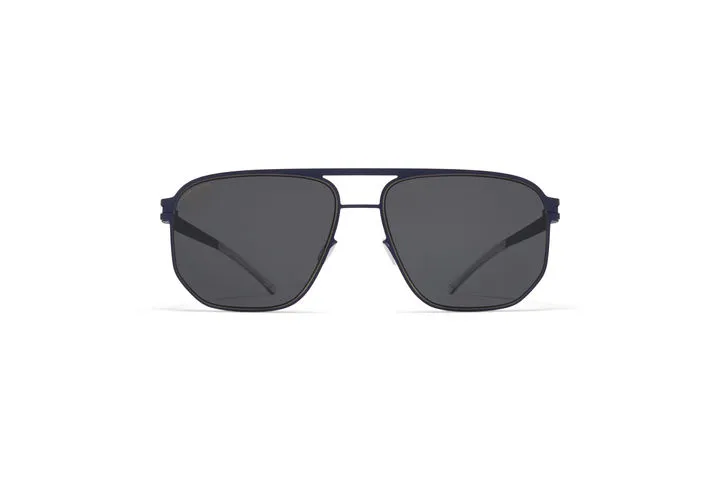
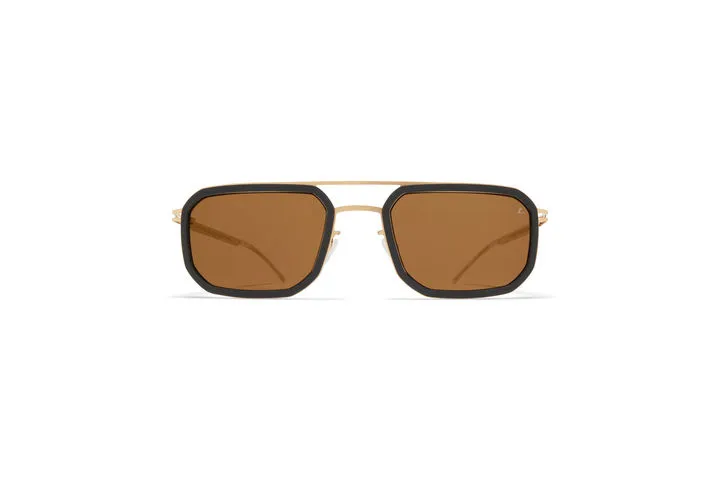
MYKITA (€350–€600) is the reference for geometric silhouette in premium eyewear. Their Decades collection features oversized frames with sculpted facets and architectural proportions. Every frame is laser-cut from a single sheet of stainless steel — no welding, no soldering. The result is a geometric silhouette with structural integrity that traditional frame construction cannot match.
ic! berlin (€200–€400) uses their patented interlocking hinge system to create geometric silhouettes without any screws or solder. Their frames are sheets of stainless steel bent into three-dimensional shapes. The lesson: geometric silhouettes are more achievable in sheet metal than in acetate because metal can be cut with precision that acetate cannot match after polishing.
The Sculptural End
Gentle Monster ($200–$350) pushes geometric silhouettes into sculptural territory. Their “Jentle Garden” and other collections feature frames with asymmetric volumes, unexpected protrusions, and deliberately distorted geometry. These frames are wearable art — they sell because they generate conversation, not because they flatter every face.
Thom Browne ($400–$700) takes geometric silhouette in a different direction — austere, precise, almost mathematical. Their wire frames are geometric lines reduced to their minimum. The lesson: geometric silhouette works at both maximum material (sculptural) and minimum material (architectural line).
The Avant-Garde
Kuboraum (€300–€600) creates masks rather than frames — geometric silhouettes that transform the face rather than complement it. Their carved acetate frames with geometric voids and asymmetric structures exist at the extreme end of the category. Very low volume, very high impact.
Manufacturing Geometric Silhouettes
Material Choices
Geometric silhouettes are achievable in three materials, each with distinct capabilities:
- Stainless steel (0.5-1.0mm sheet): The most precise geometric silhouette material. Laser-cut edges are perfectly clean. No polishing required. The material is rigid enough to hold sharp angles. This is MYKITA and ic! berlin’s material.
- Acetate (2.0-3.0mm): Capable of geometric silhouettes but with limits. Sharp internal corners and fine cut-outs are difficult because acetate can crack at stress points. Faceted edges are achievable with 5-axis CNC but require extensive hand-finishing. Best for larger-scale geometric silhouettes where precision is measured in millimeters, not tenths.
- 3D-printed (nylon, resin, or titanium): The future of geometric silhouettes. Any shape is possible. No mold constraints. Currently limited by surface finish quality and production speed. Best for limited editions and custom pieces.
CNC Requirements
Geometric silhouettes with faceted edges and cut-outs require:
- 5-axis CNC for acetate (3-axis cannot produce internal cut-outs or angled facets)
- Laser cutting for stainless steel sheet
- Tolerance: ±0.1mm for faceted edges, ±0.05mm for cut-out borders
Finishing
Faceted edges on geometric silhouettes need a different finishing approach than rounded frames:
- Facet polishing: Each facet is polished individually. A frame with 12 facets requires 12 separate polishing operations. This is labor-intensive and is the primary cost driver.
- Cut-out deburring: Internal cut-outs need edges deburred and polished by hand. No machine can reach inside a 3mm cut-out.
- Surface consistency: On a standard frame, slight polish variation between front and temple is invisible. On a geometric silhouette with large flat surfaces, any inconsistency is obvious. Requires skilled polishers and careful QC.
Wenzhouframe Geometric Silhouette Capabilities
- 5-axis CNC acetate: Faceted edges, internal cut-outs, and asymmetric designs at ±0.1mm tolerance.
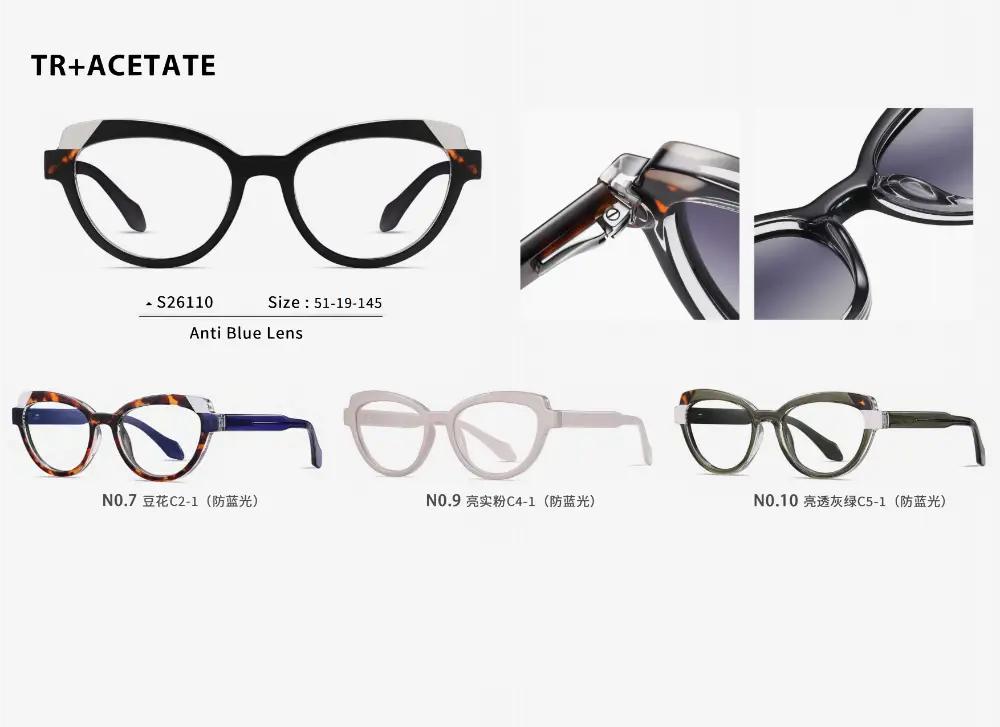
- Mixed-material construction: Acetate fronts with stainless steel or titanium temples. The metal enables thin, precise geometric lines that acetate cannot achieve alone.
- TR90 geometric silhouettes: Injection-molded geometric shapes with S136 mold precision. Our dual-color injection adds a color dimension to geometric silhouettes that single-material frames lack.
- Hand-finishing: Dedicated finishing team for geometric silhouette frames. Facet-by-facet polishing. Internal cut-out deburring by hand.
- 3D-printed prototyping: Full-size 3D-printed samples for geometric silhouette designs in 7-14 days, before committing to production tooling.
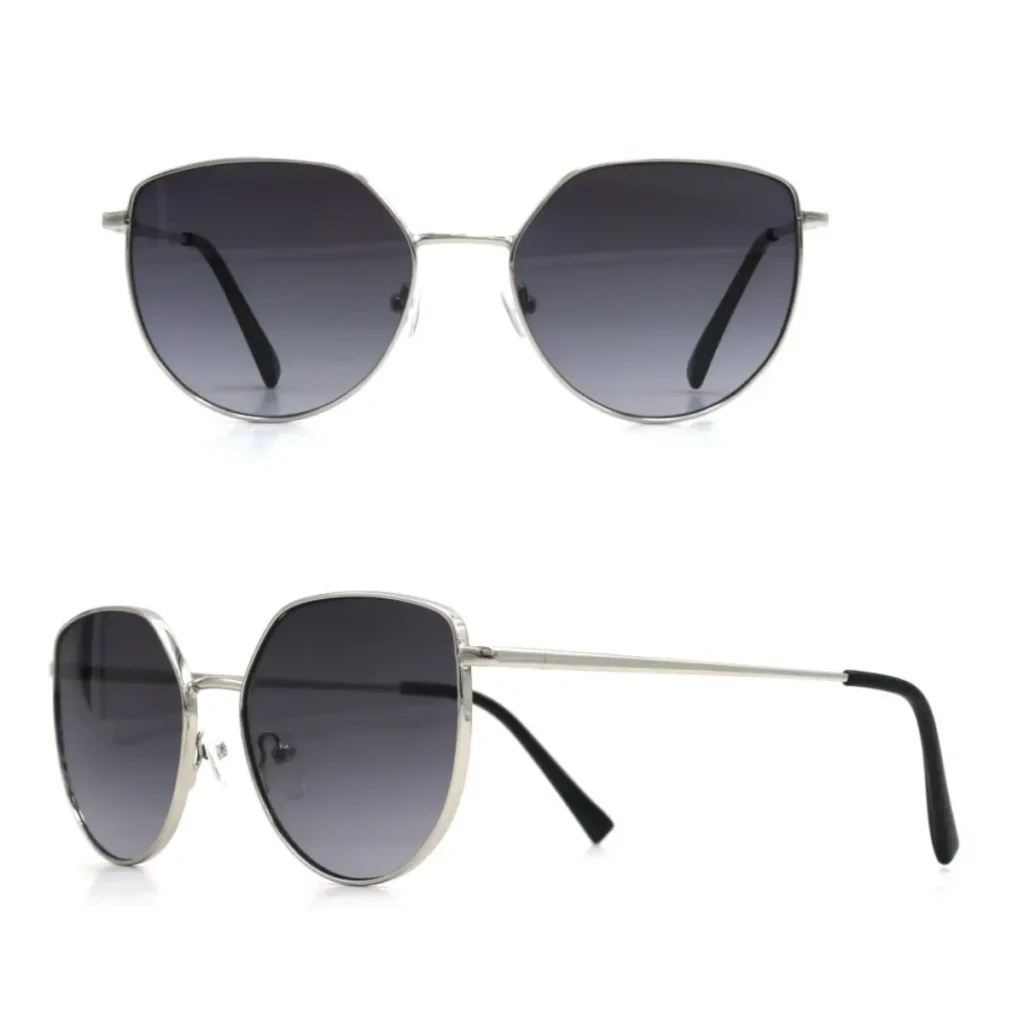
Developing a geometric silhouette collection? Share your design direction — we will assess what is achievable in each material and recommend the right approach for your price tier and volume.

6.17_11.webp)