A black frame is safe. A tortoiseshell frame is classic. But a frame that fades from amber to smoke? Or one with a midnight blue front and crystal-clear temples? That is a frame with a story — and stories sell. Unique color combinations are the highest-margin segment in eyewear right now because they cannot be price-compared against commodity black or tortoiseshell frames. There is no apples-to-apples comparison when the color is one-of-a-kind.
The 2026 market data tells the story: dual-tone and gradient frames command a 15-25% retail premium over single-color equivalents in the same shape and material. And they turn over faster because they generate social media attention that solid colors do not. But manufacturing color combinations correctly requires specific techniques that not every factory can execute.
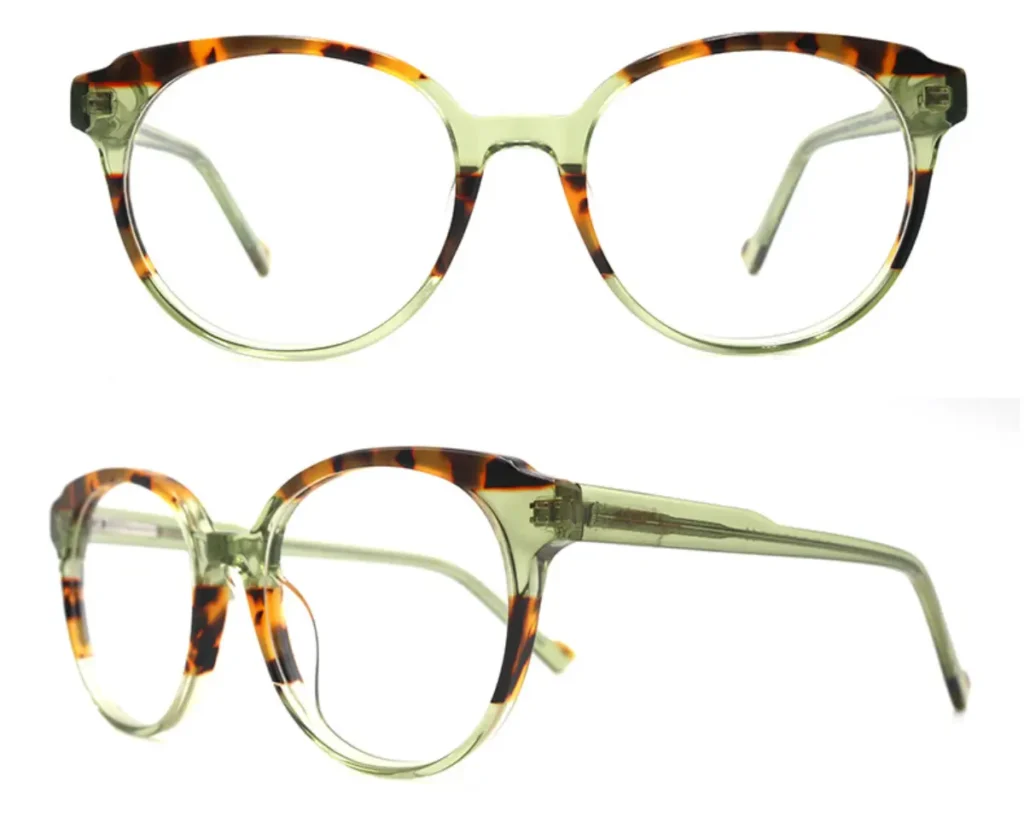
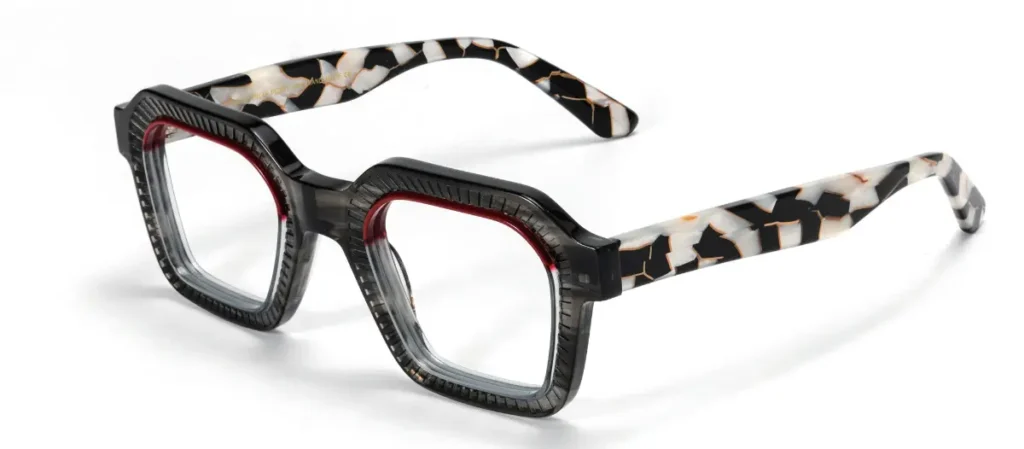
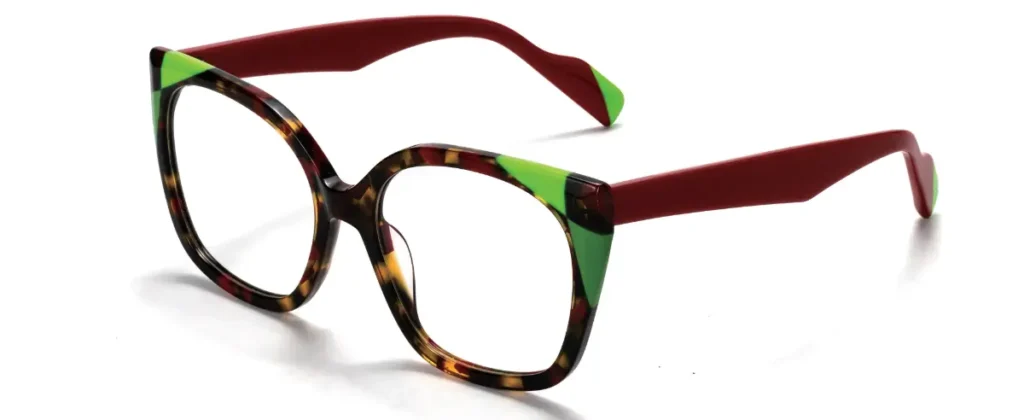
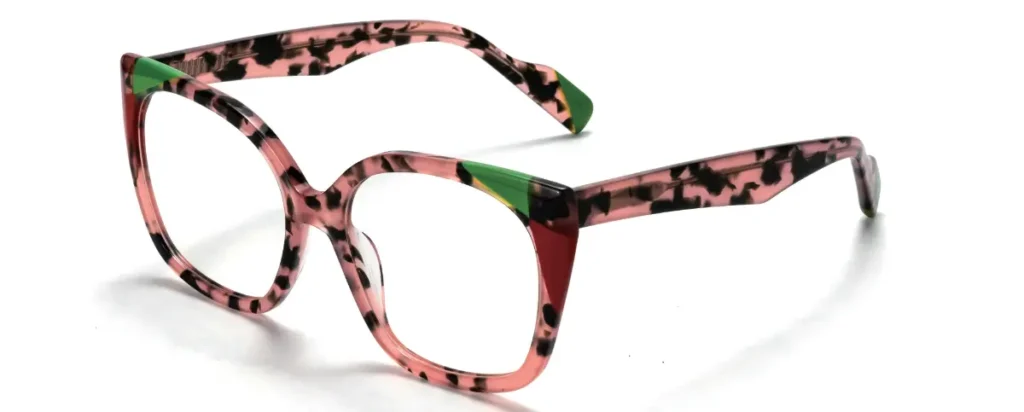
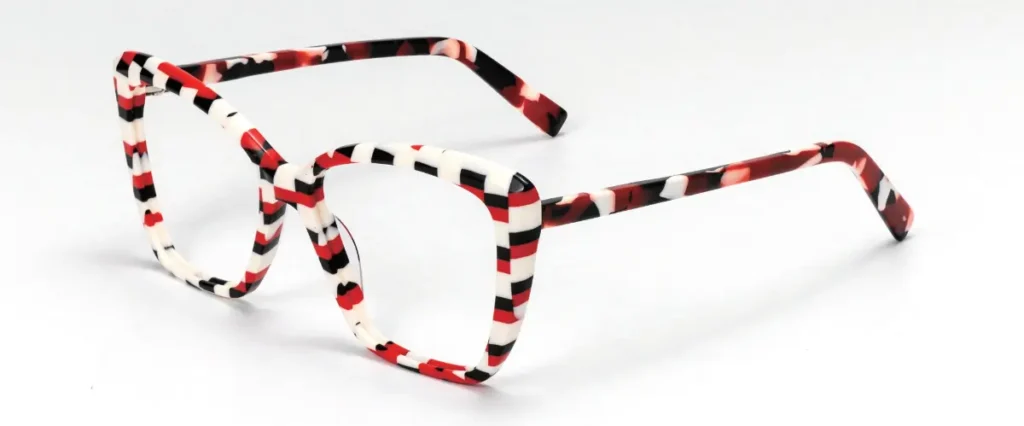
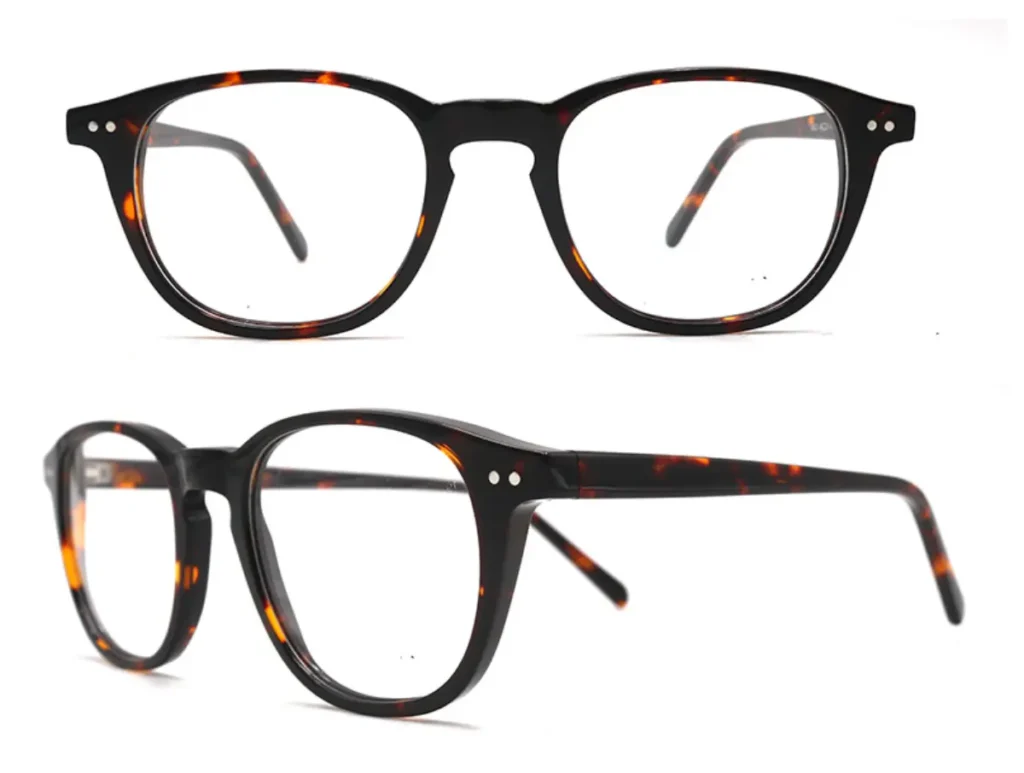
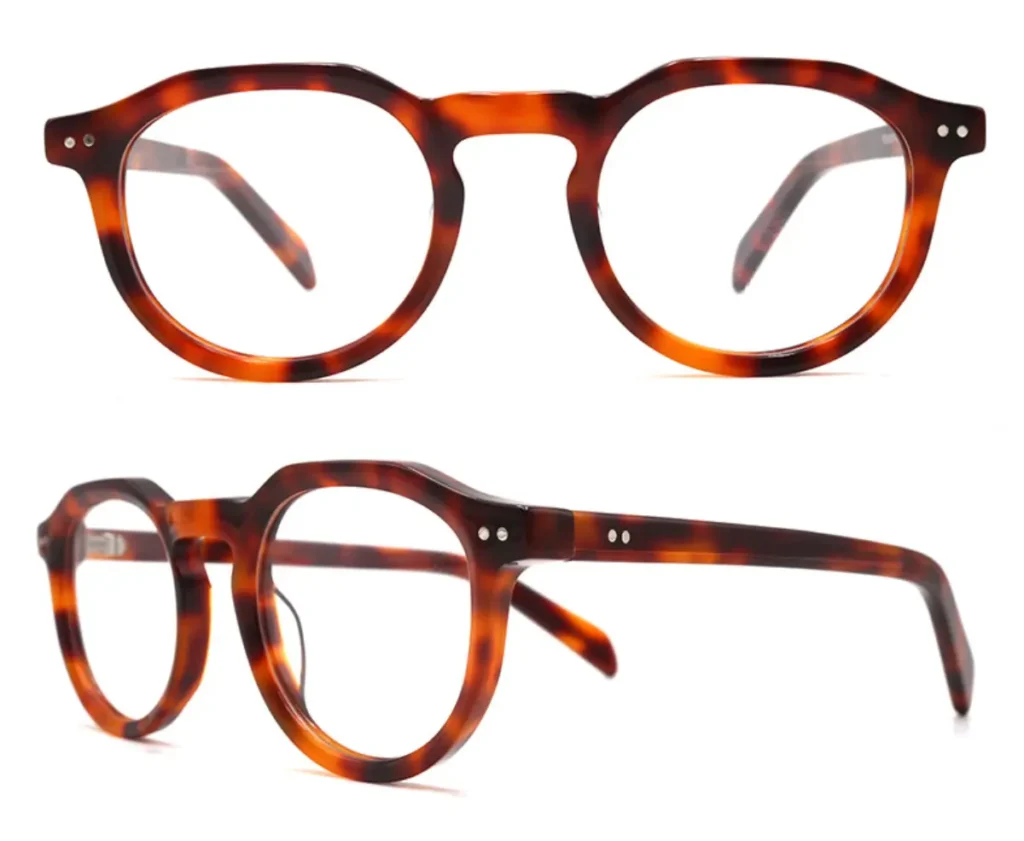
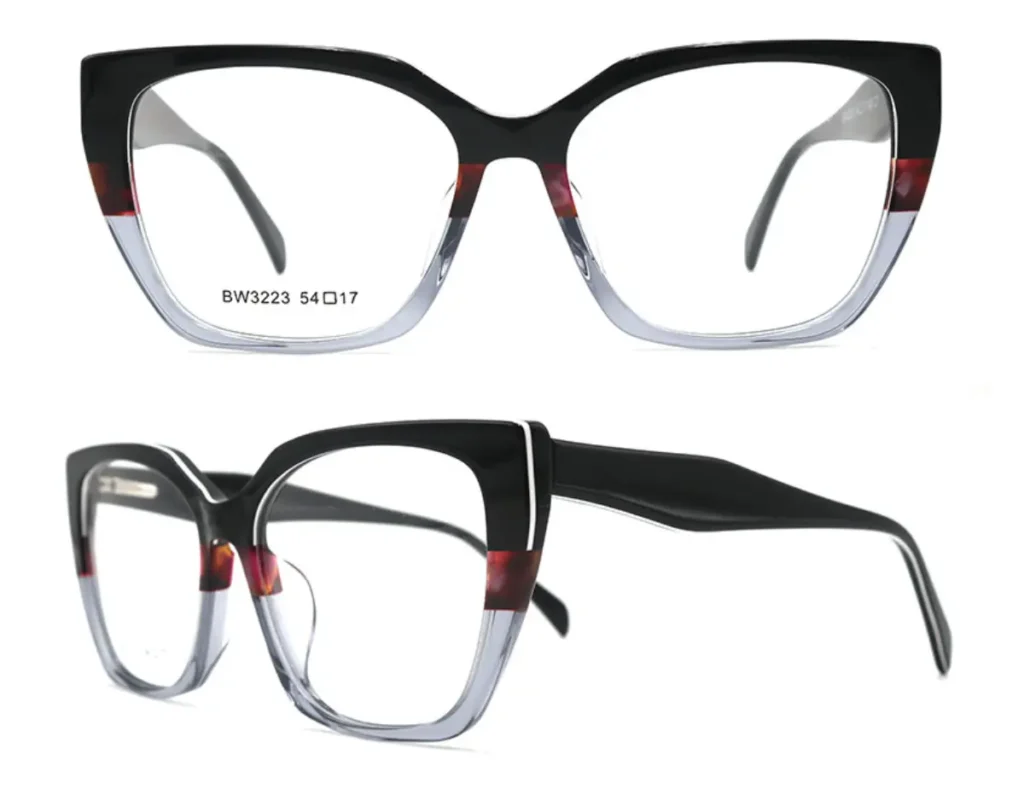
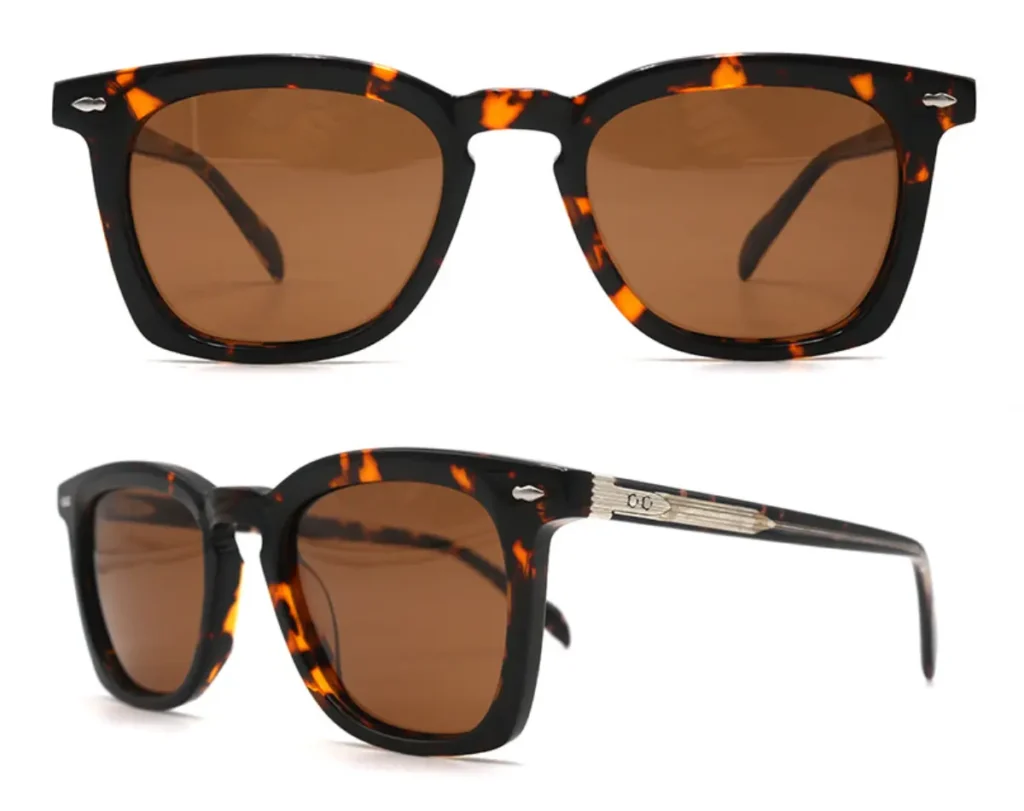
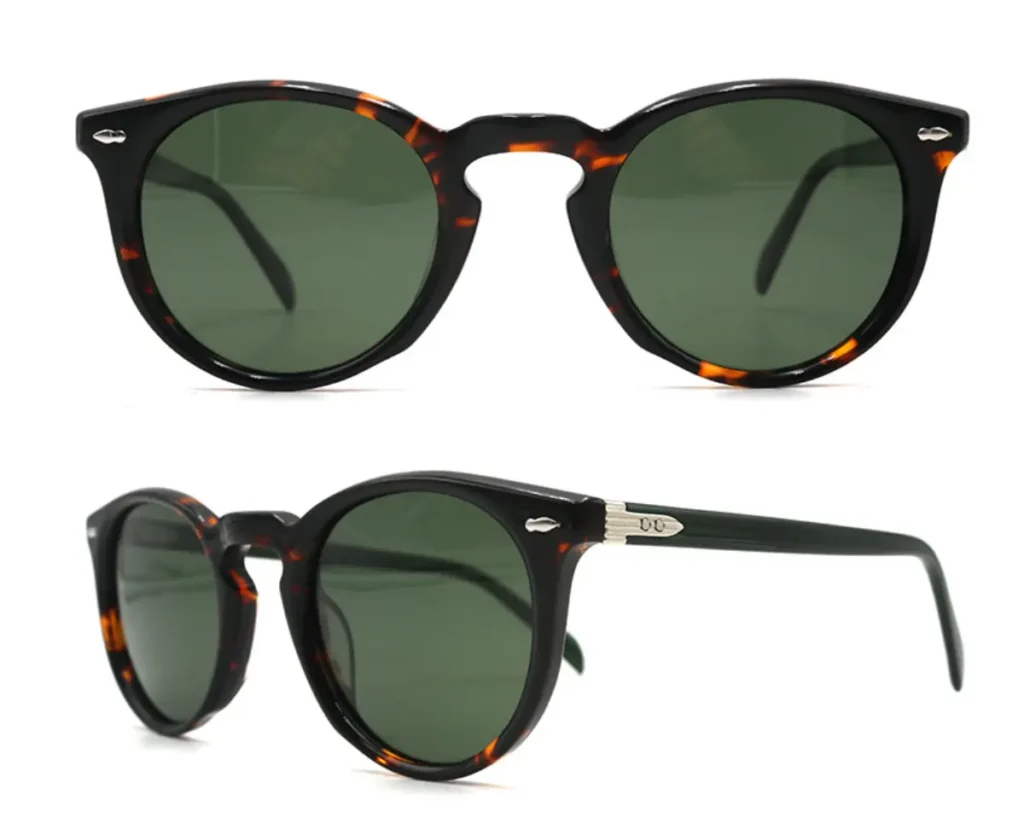
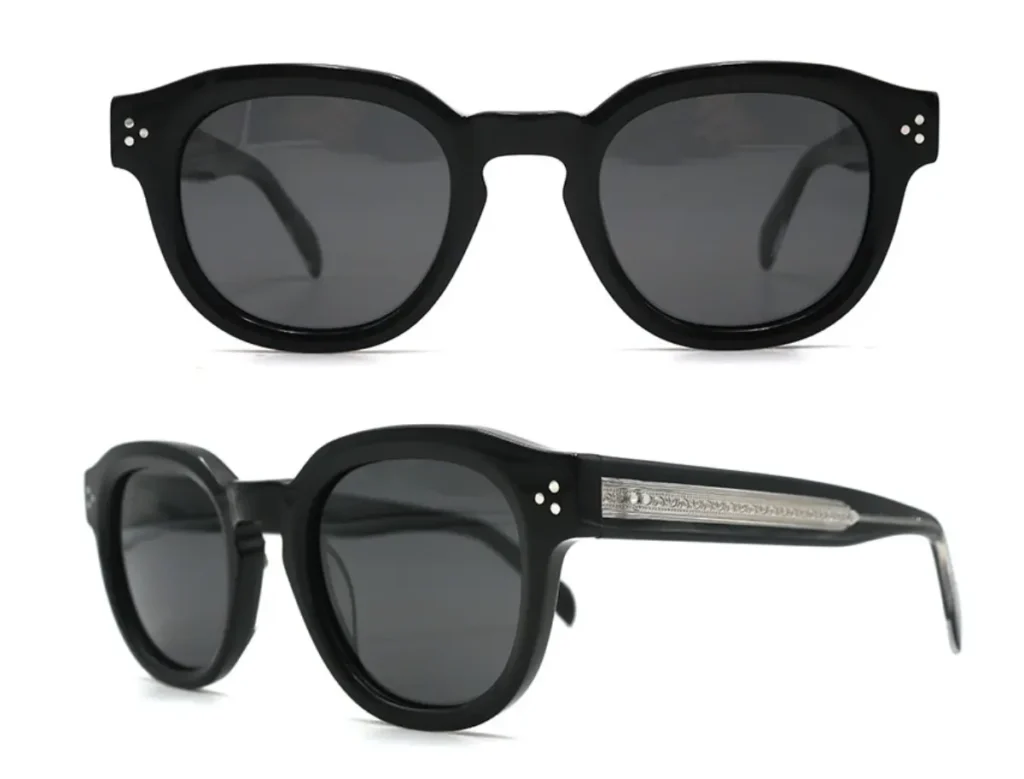
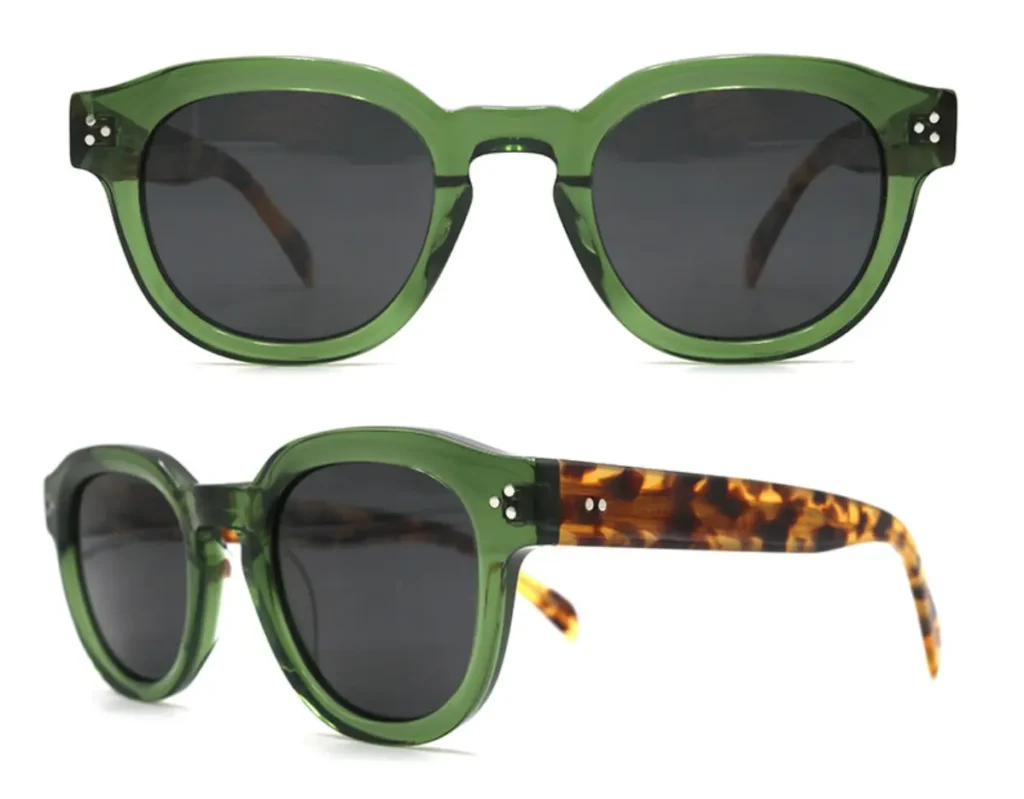
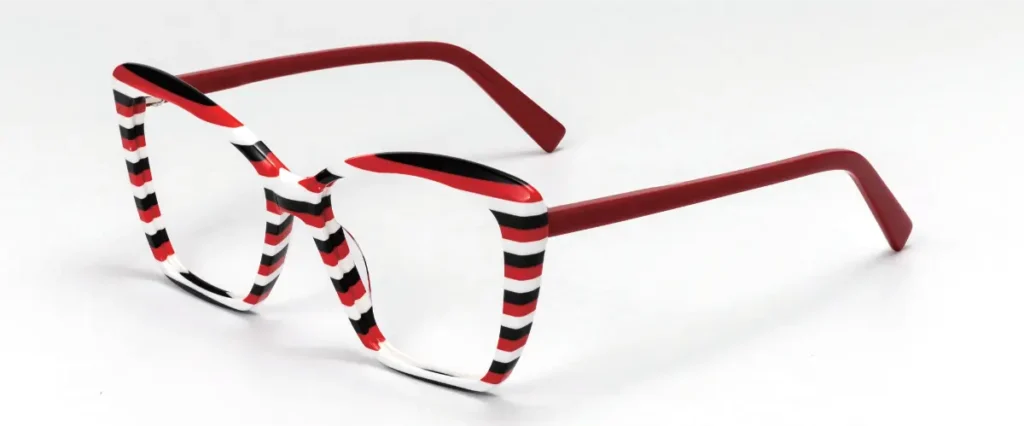
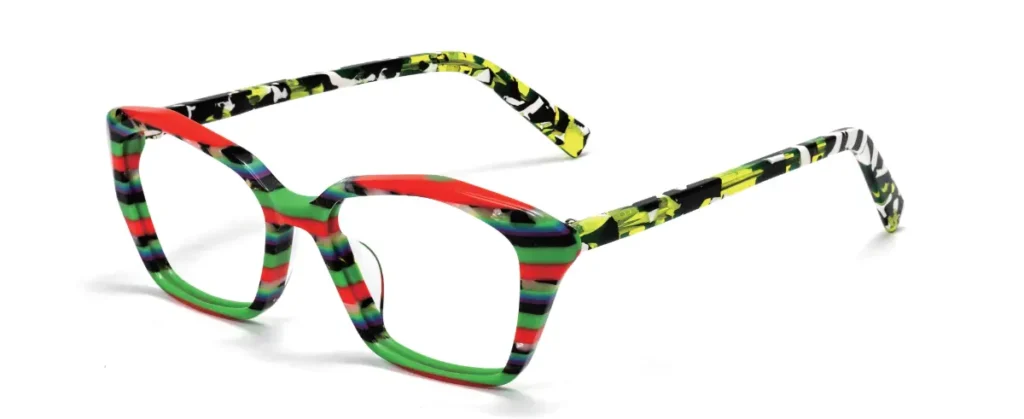
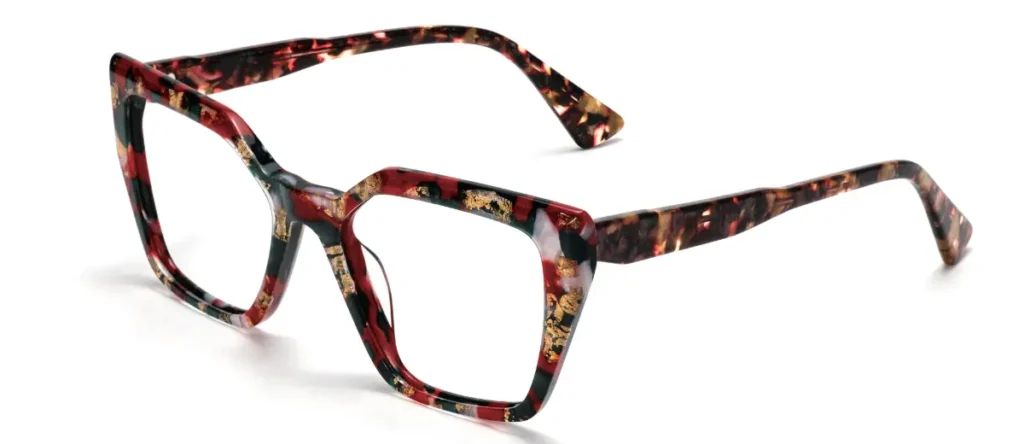
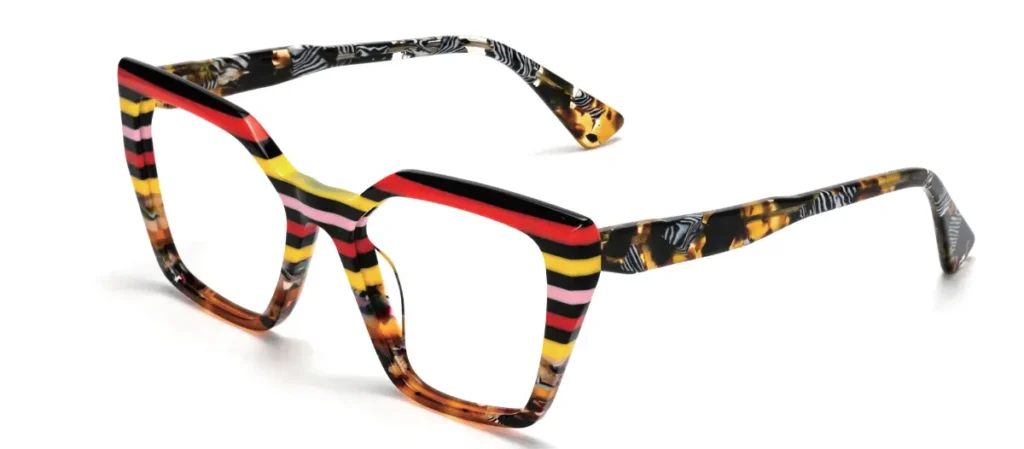
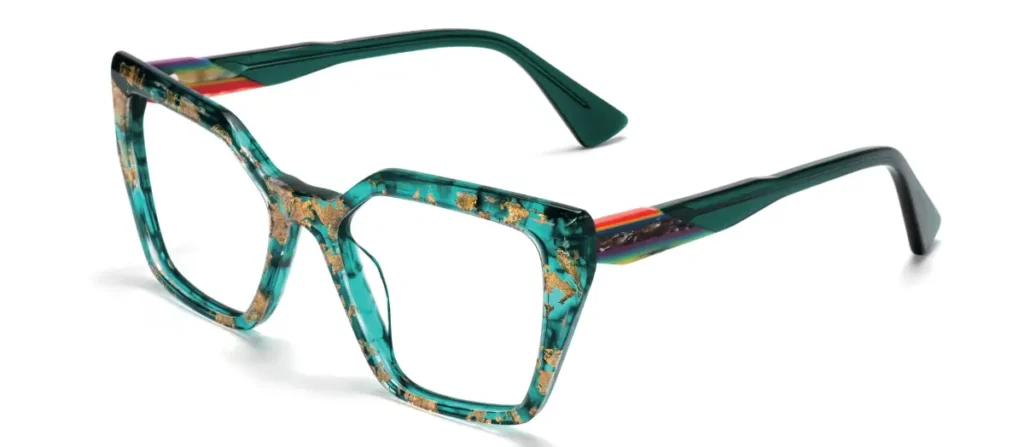
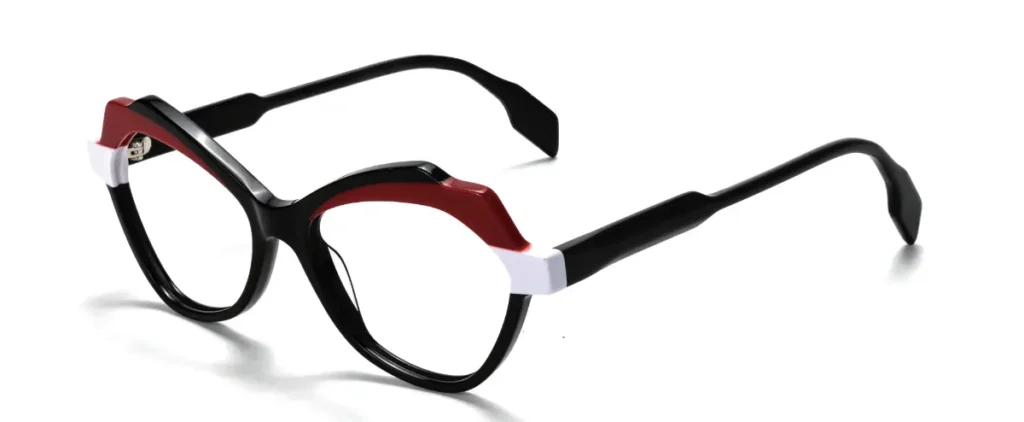
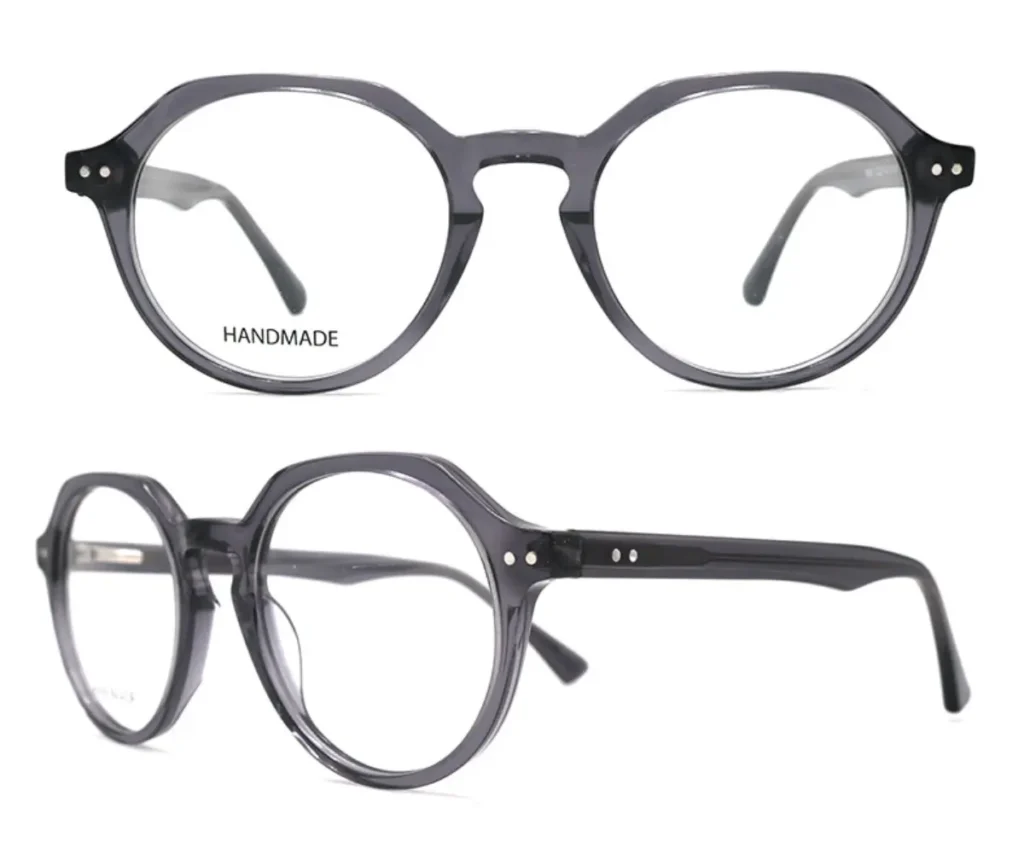
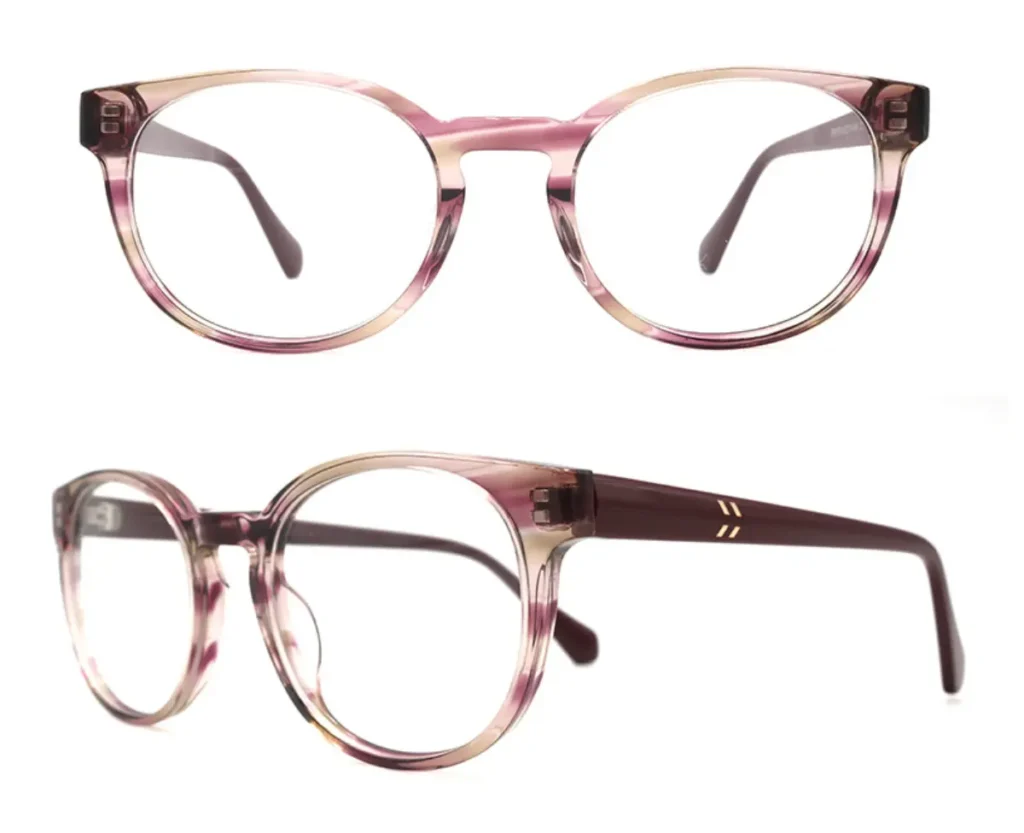
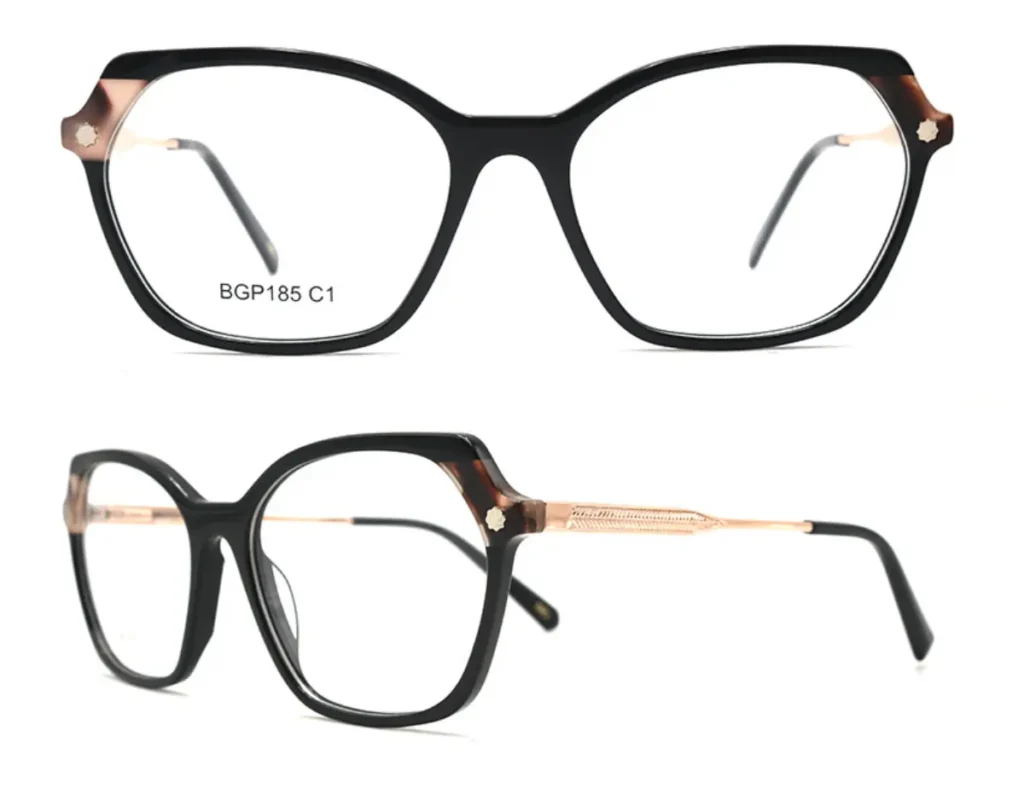
Three Color Combination Techniques in Eyewear
1. Dual-Tone / Two-Color Construction
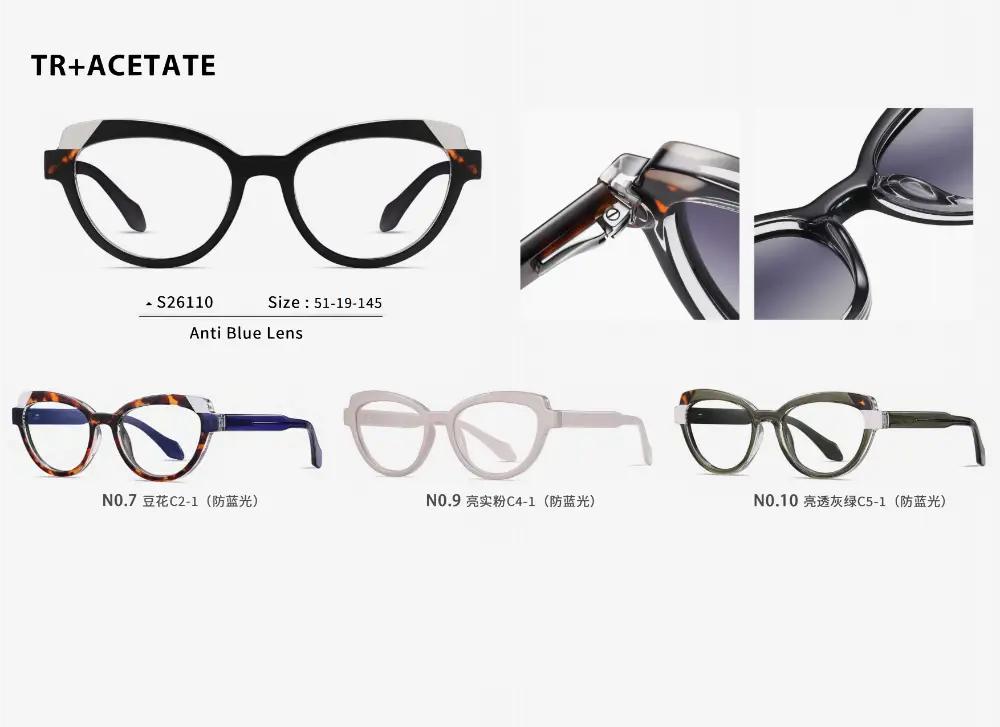
Two distinct colors in one frame. The most common application is contrasting front and temple colors — a dark front with light temples, or vice versa. In 2026, the strongest dual-tone combinations are:
- Black + Crystal Clear: The most commercial dual-tone. Dark authority in the front, visual lightness in the temples. Works across all markets.
- Tortoiseshell + Champagne: Warm and sophisticated. The champagne temples soften the tortoiseshell front. Strong in European and Asian markets.
- Dark Navy + Frosted Grey: Corporate-friendly dual-tone. More interesting than all-black but equally professional. Growing in male-targeted collections.
- Color + Transparent: Any bold color front (red, green, teal) with transparent temples. The transparent temple makes the bold front color wearable. This is our TR90 dual-color injection specialty — transparent outer layer with a solid-color core visible from the cross-section.
2. Gradient and Ombre Effects
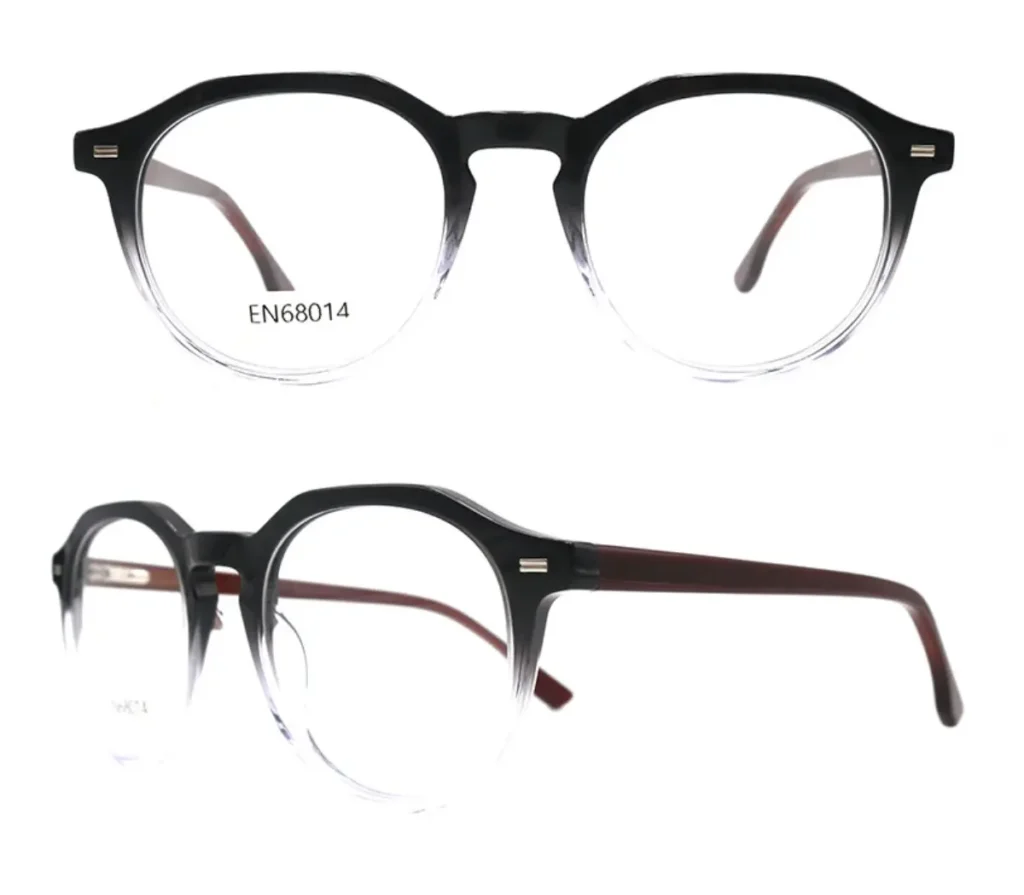
Colors that transition from one shade to another within the same piece of material. This requires acetate sheets that are specially manufactured with the gradient “baked in” during the sheet-making process, not painted on afterward. In 2026, the trending gradients are:
- Blue to Purple: Cool and modern. The most-requested gradient in 2026 European collections.
- Mint to Yellow: Fresh and optimistic. Gen Z-driven demand. Works best in transparent or semi-translucent.
- Sage to Clear: The “eco-aesthetic” gradient. Commands a premium when paired with bio-acetate.
- Whiskey Havana: Deep amber transitioning to warm honey. The most commercially successful gradient for adult optical frames.
3. Color-Blocked / Multi-Panel
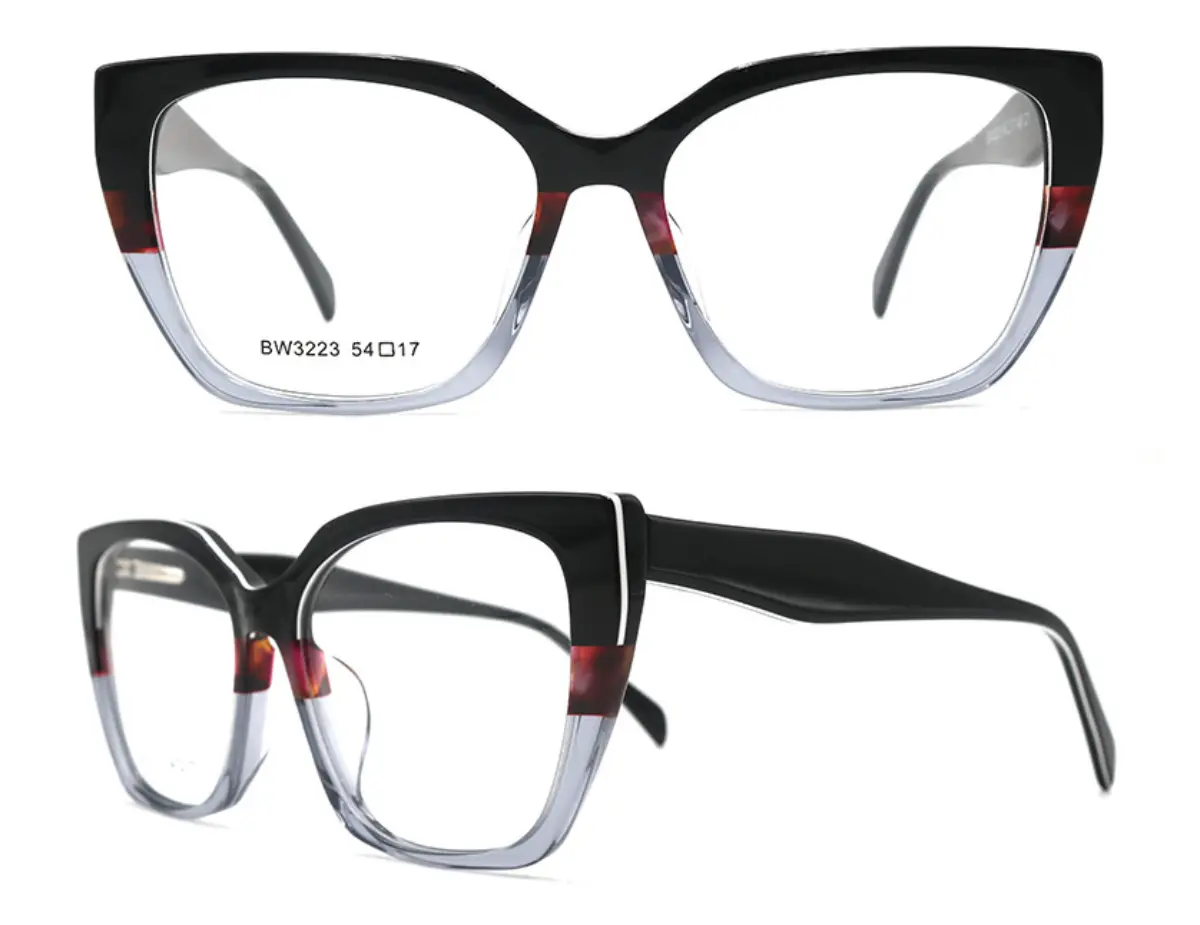
Different colors in different parts of the frame, created through lamination (pressing multiple acetate sheets together) or injection molding. This is the most technically demanding technique. 2026 color blocks include:
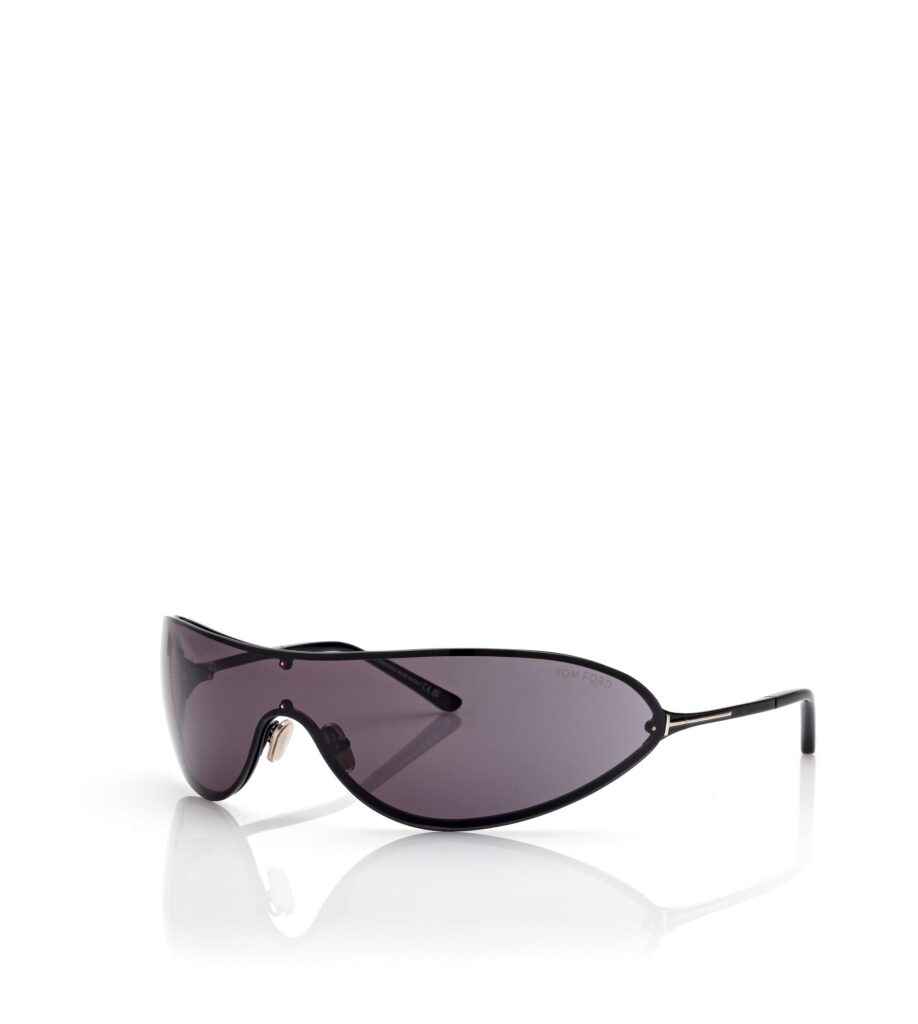
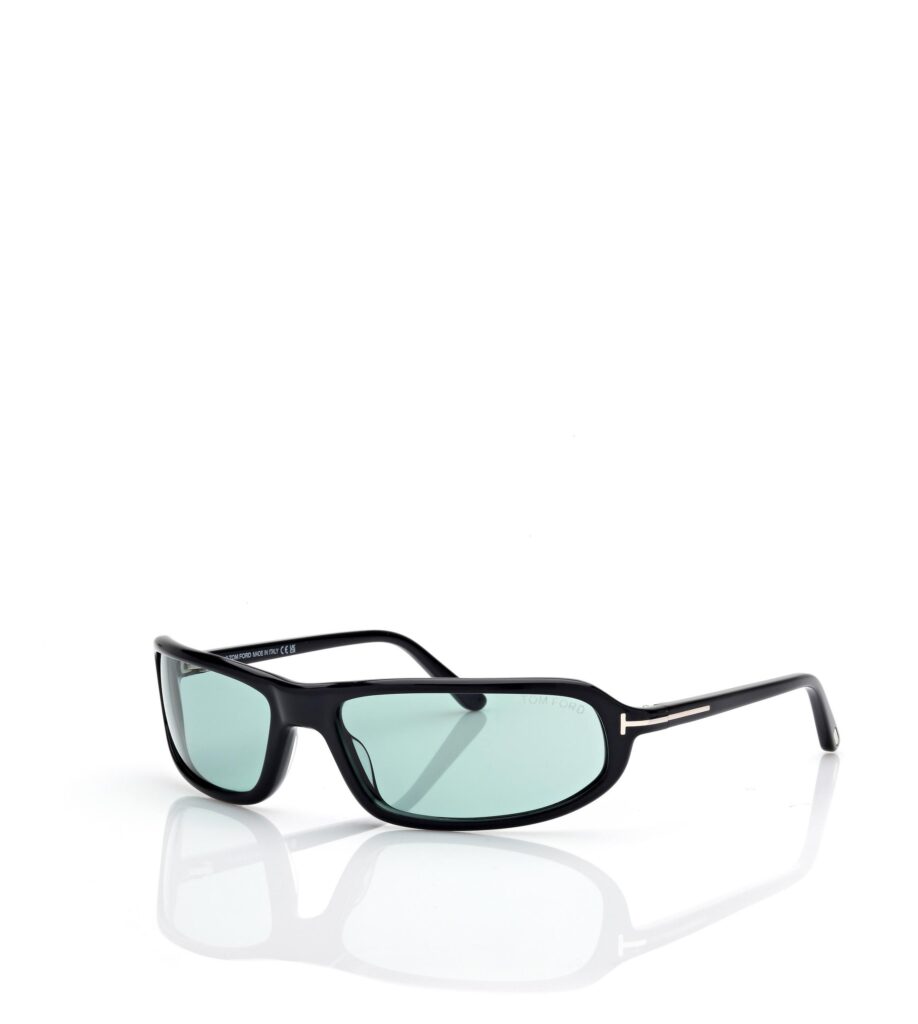
- Black brow bar + tortoiseshell lower rim: The updated Clubmaster. Ray-Ban does this. So does Tom Ford. It works because the dark top defines the brow line and the warm bottom softens the face.
- Solid front + patterned temples: A plain color front with tortoiseshell, marble, or textured temples. The texture adds interest without overwhelming the face.
- Three-color lamination: Top bar, mid-section, and lower rim in three complementary colors. The most “designed” color combination — and the hardest to manufacture well.
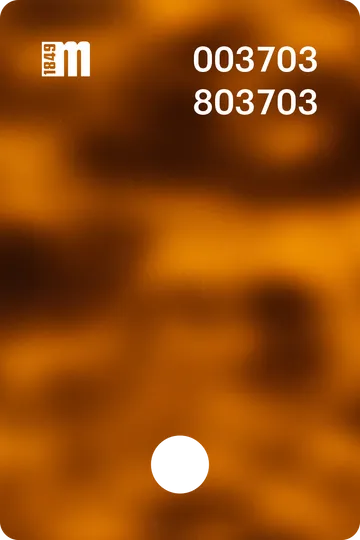
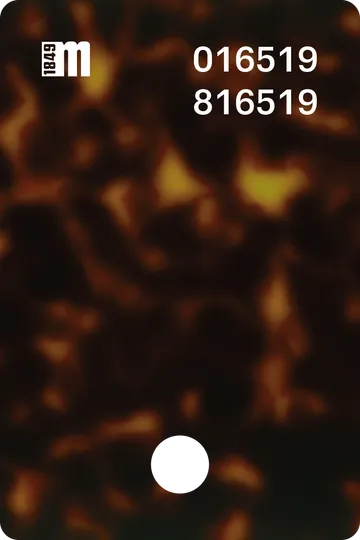
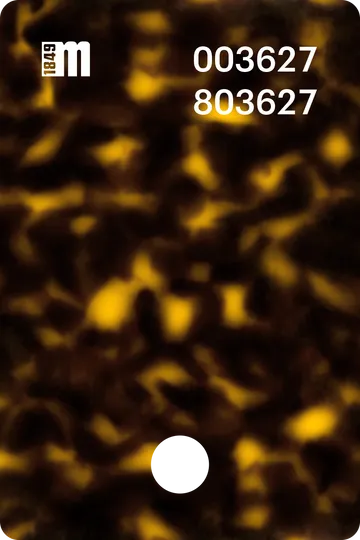
Brand Benchmarks: Who Does Color Combination Best
The Italian Masters
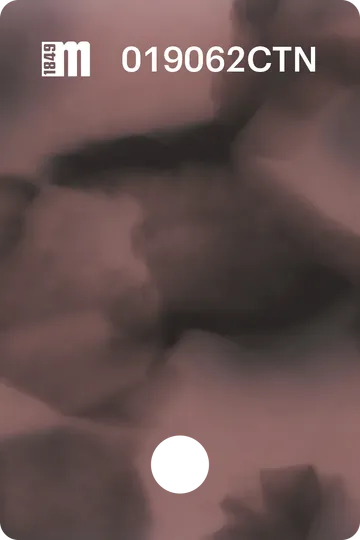
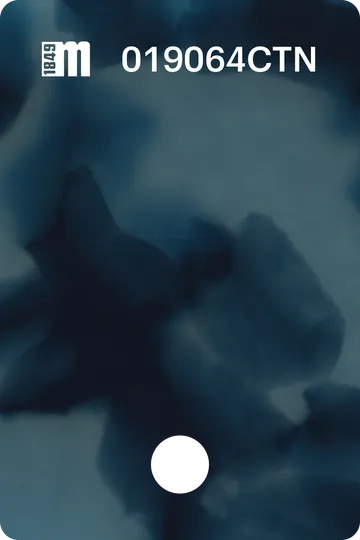
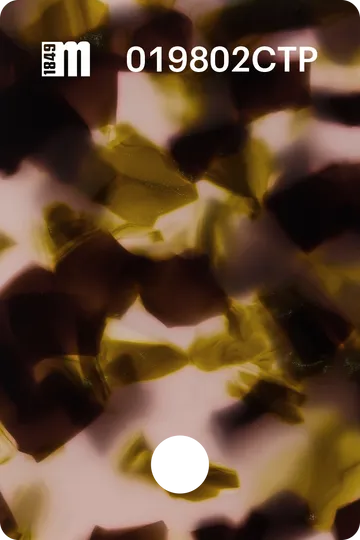
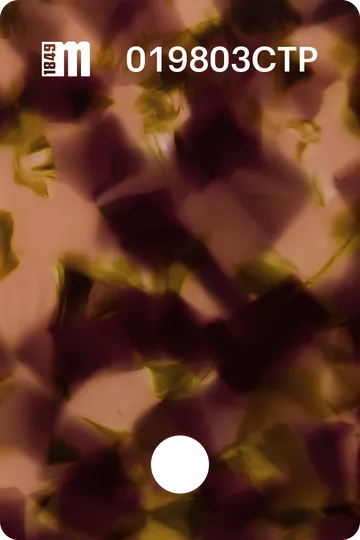
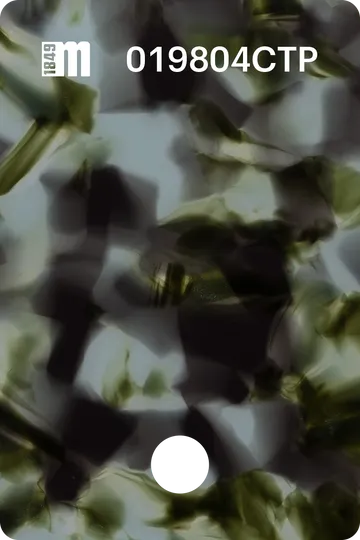
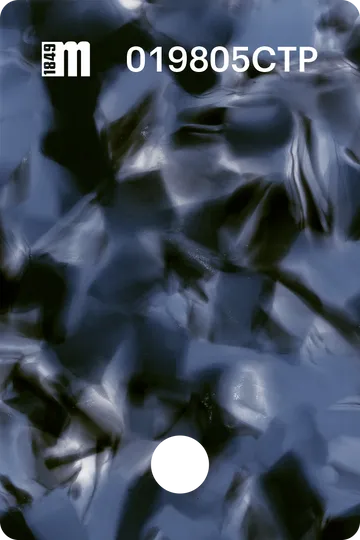
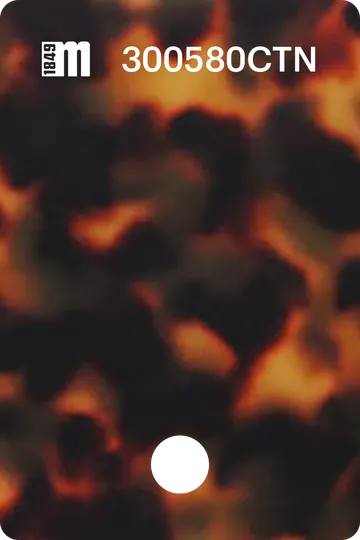
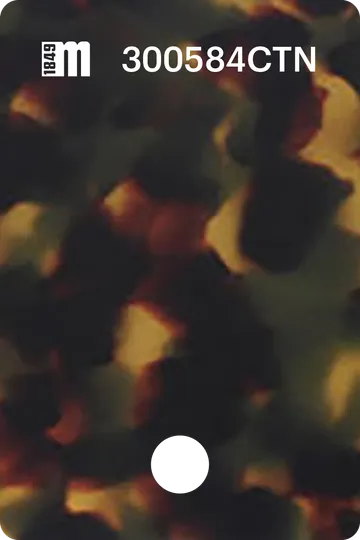
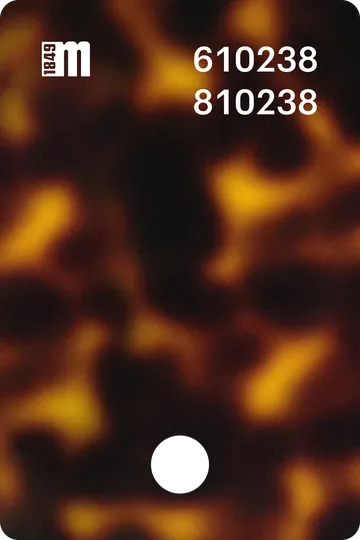
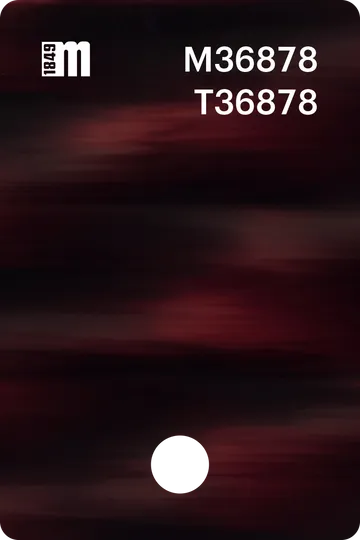
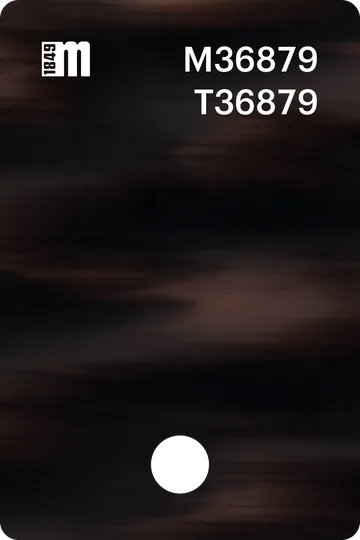
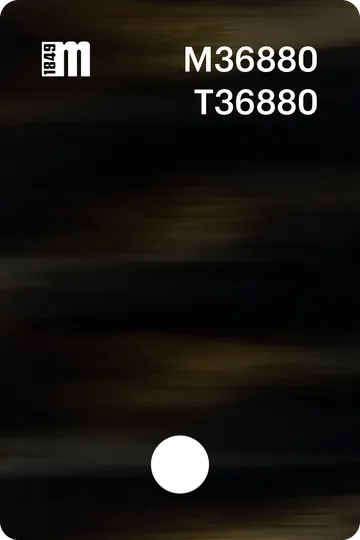
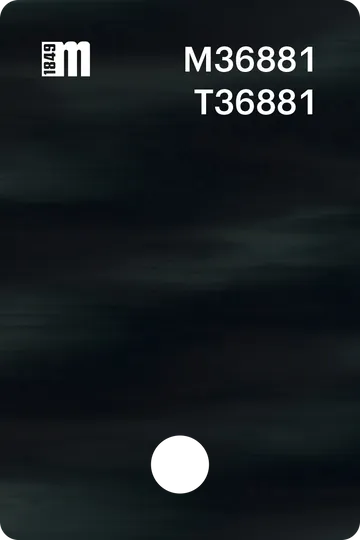
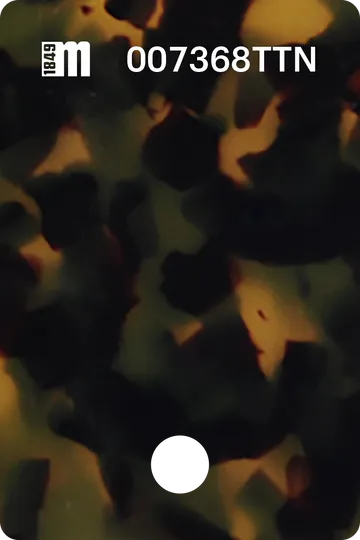
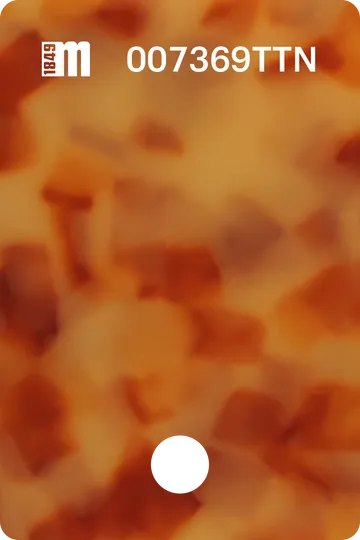
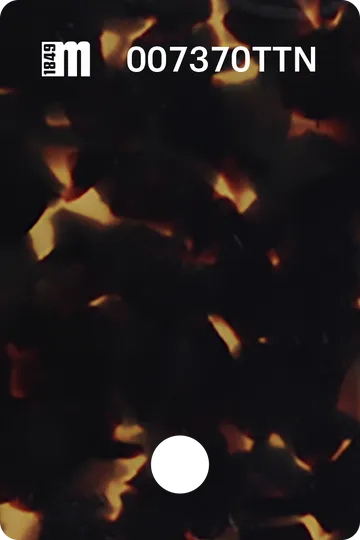
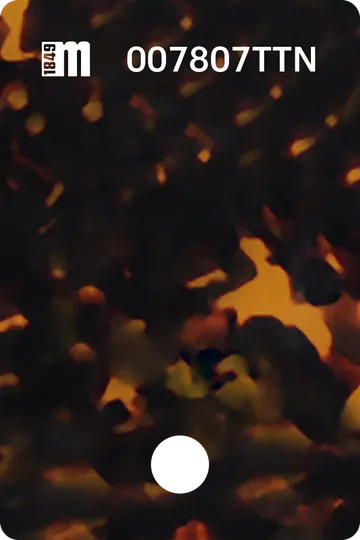
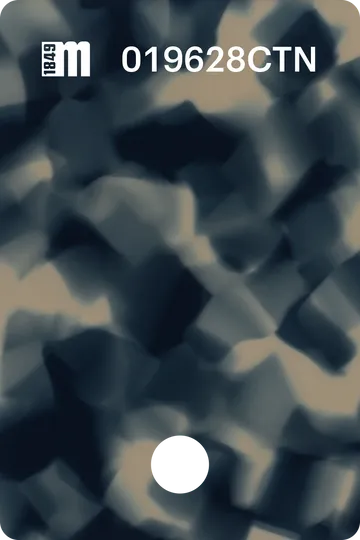
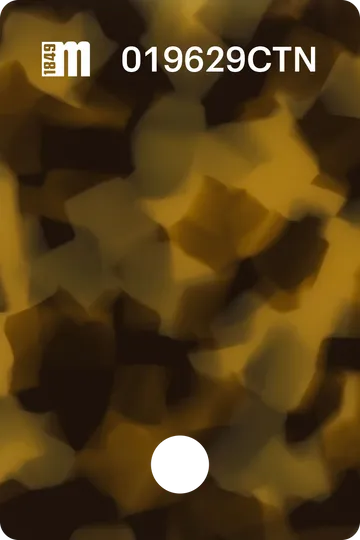
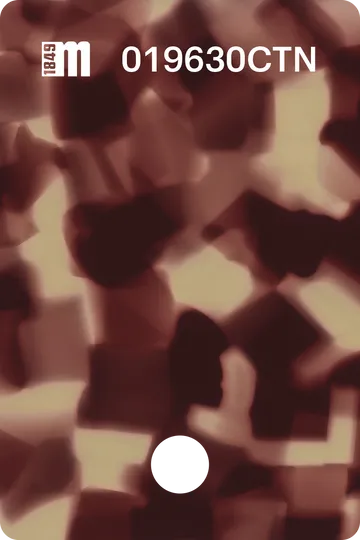
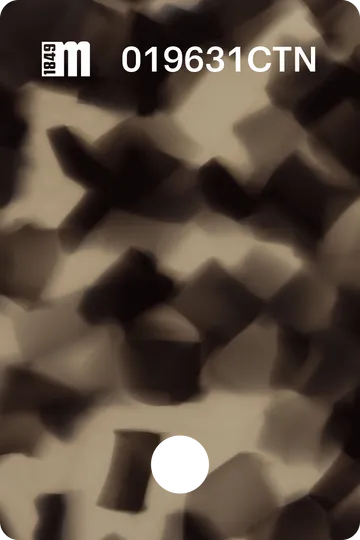
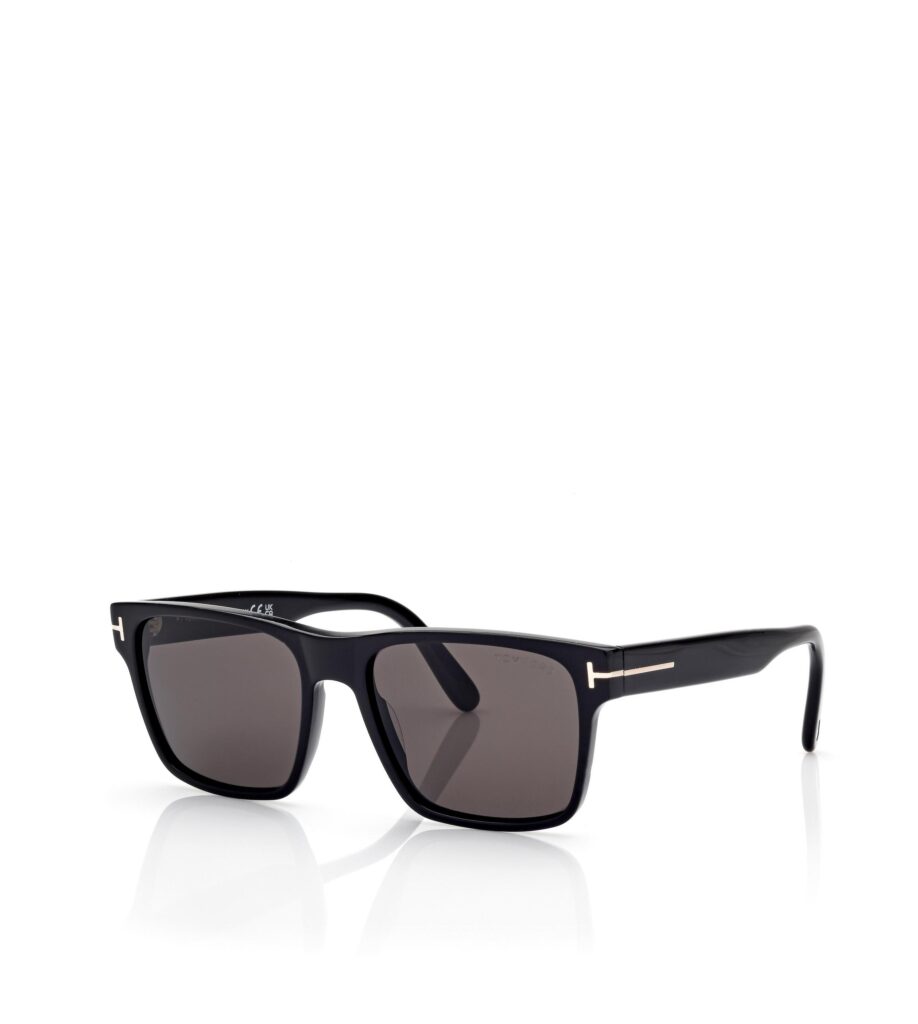
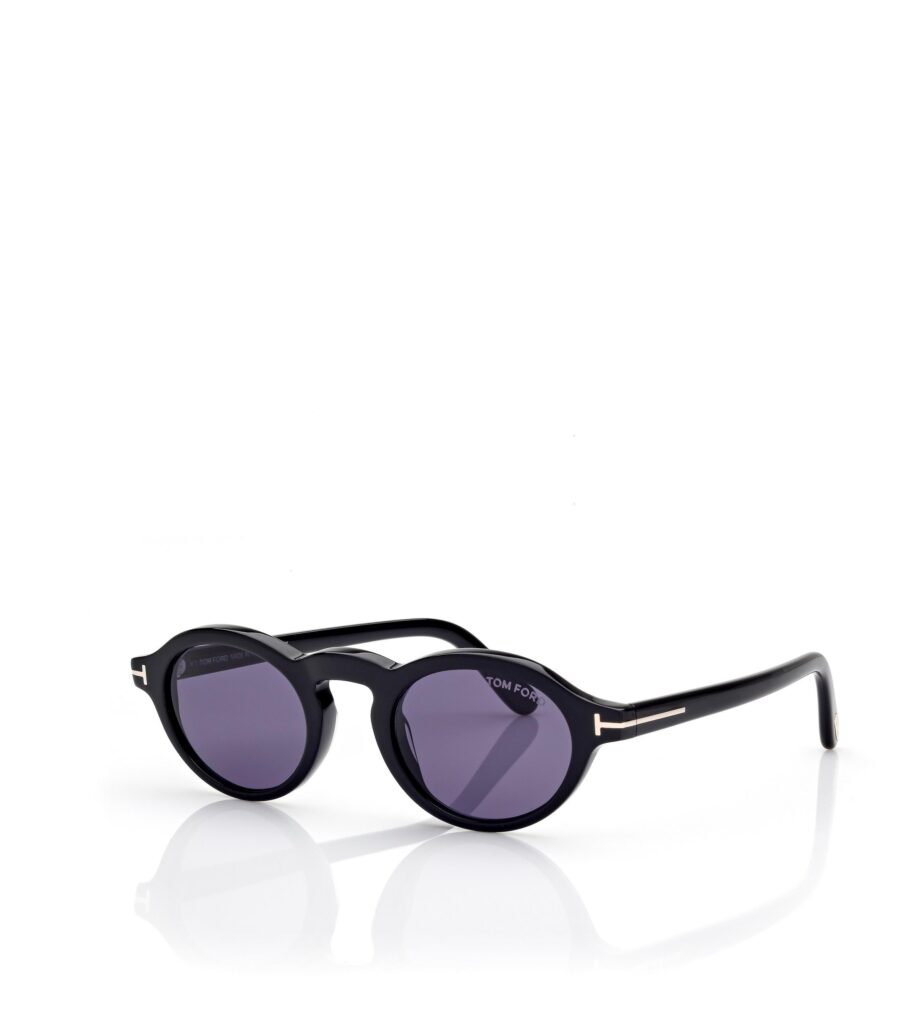
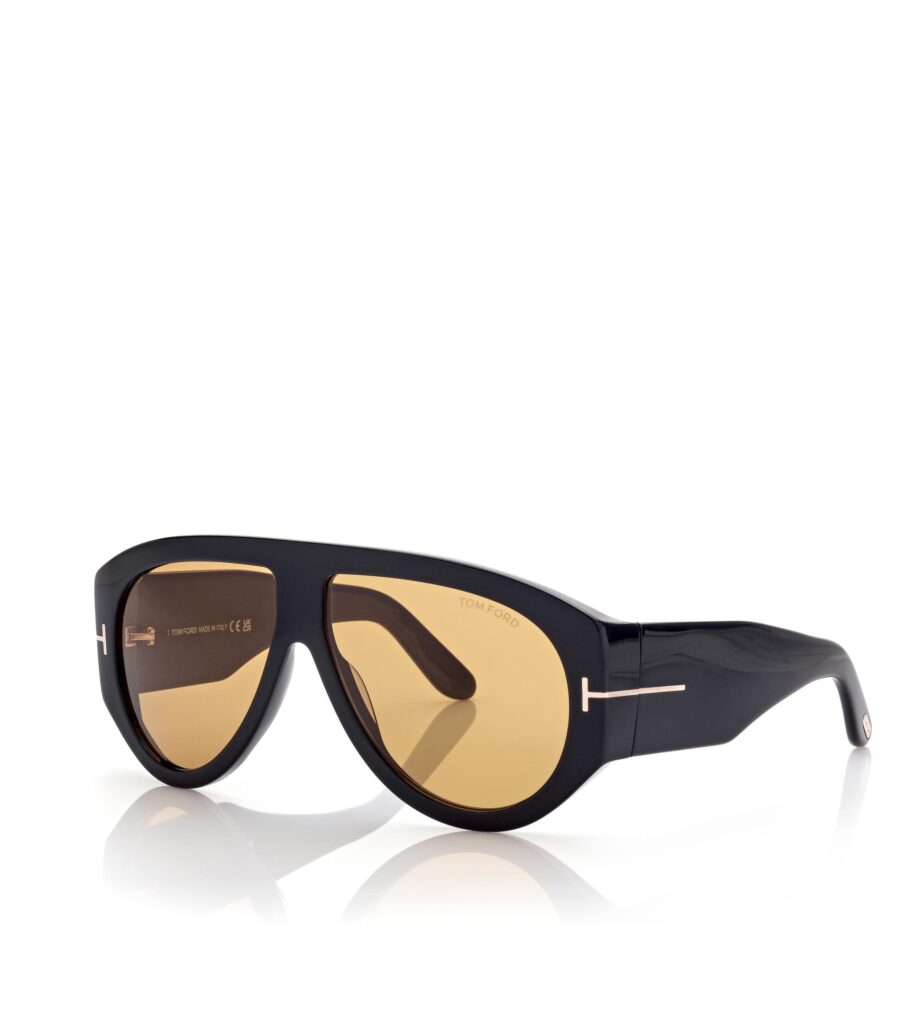
Mazzucchelli 1849 is the hidden player behind almost every premium color-combination frame. They do not sell frames — they sell the acetate sheets that frames are made from. Their custom lamination and gradient sheets are specified by Oliver Peoples, Tom Ford, and Persol. The lesson: in color-combination eyewear, your factory’s acetate supplier determines your ceiling.
The Korean Color Innovators
Gentle Monster ($200–$350) uses color combinations as a core brand differentiator. Their “clear + color” combinations and unexpected palette pairings (lavender + champagne, smoke + rose gold) set the tone for the entire K-fashion segment.
The Sustainability-Angled
Some Chinese manufacturers are pioneering multi-color layered bio-acetate. The environmental story adds a narrative layer to the color combination — the frame is not just visually distinctive, it is also “ethical luxury.” This positioning commands a 20-30% premium in European markets.
Manufacturing Techniques for Color Combinations
Acetate Lamination
Two or more acetate sheets are pressed together under heat and pressure to create a single block with visible color layers. This is how dual-tone and color-blocked acetate frames are made. Quality markers:
- Seamless bonding: The lamination line should be invisible or nearly so. Visible gaps or color bleeding at the seam indicate poor lamination.
- Edge consistency: The color layers should be visible and consistent at every cross-section. If the front is black-to-clear, the temple cross-section should show the same transition.
- Thermal stability: Poorly laminated acetate can delaminate under heat (e.g., left in a car). Require thermal cycling test data from your factory.
Gradient Acetate Sheets
Gradient effects are manufactured into the acetate sheet during production — the color transition is part of the material, not a surface treatment. This means gradient frames can be polished and refinished without losing the gradient effect. Quality markers:
- Smooth transition: The gradient should transition smoothly, not in visible “bands” or steps.
- Through-thickness consistency: The gradient should be visible from the edge and cross-section, not just the front surface.
- Batch matching: Gradient sheets from different production batches can have noticeably different transition points. Specify batch-matched sheets for reorders.
TR90 Dual-Color Injection
Our exclusive process: three sequential molds inject two different colors into a single TR90 frame. The result is a frame with genuine color depth — the inner and outer layers are different colors, visible at the cross-section and from the side. This is our competitive advantage over single-injection TR90, which can only produce single-color frames.
Wenzhouframe Color Combination Capabilities
- Acetate lamination: 2-3 color lamination using Mazzucchelli 1849 and JH800-grade sheets. Custom lamination designs from MOQ 200 pcs.
- Gradient acetate: Specially sourced gradient sheets from Italian and premium Chinese suppliers. Batch-matched for reorder consistency.
- TR90 dual-color injection: Our exclusive three-mold sequential process. Transparent outer + solid core, or any two-color combination. From MOQ 300 pcs.
- Bio-acetate color combinations: Eastman Acetate Renew and S70 biodegradable options with laminated and gradient effects. For the eco-luxury positioning.
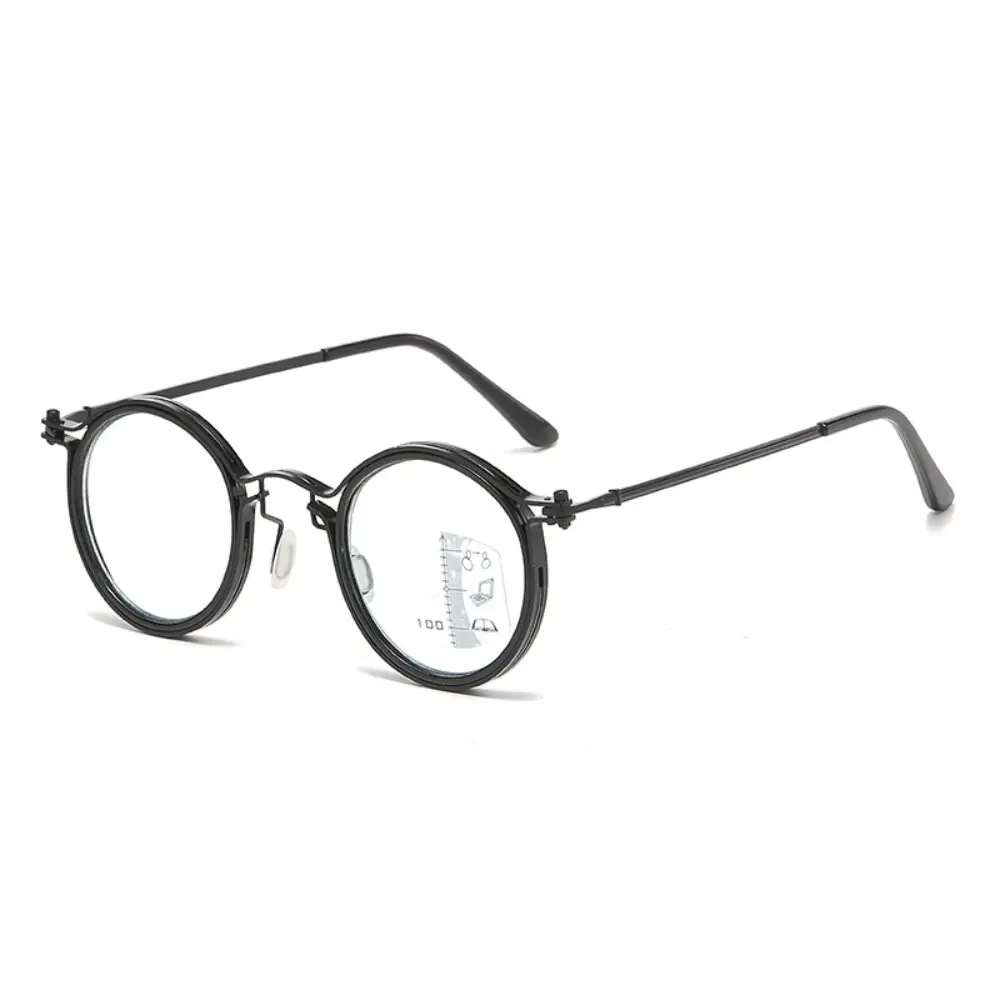
- Mixed-material color play: Acetate front + metal temple in contrasting colors. Rose gold, champagne gold, and black hardware options.
Have a color combination idea? Send us your concept — we will advise on manufacturability and the right technique (lamination, gradient, or injection) for your design and volume.

6.17_11.webp)