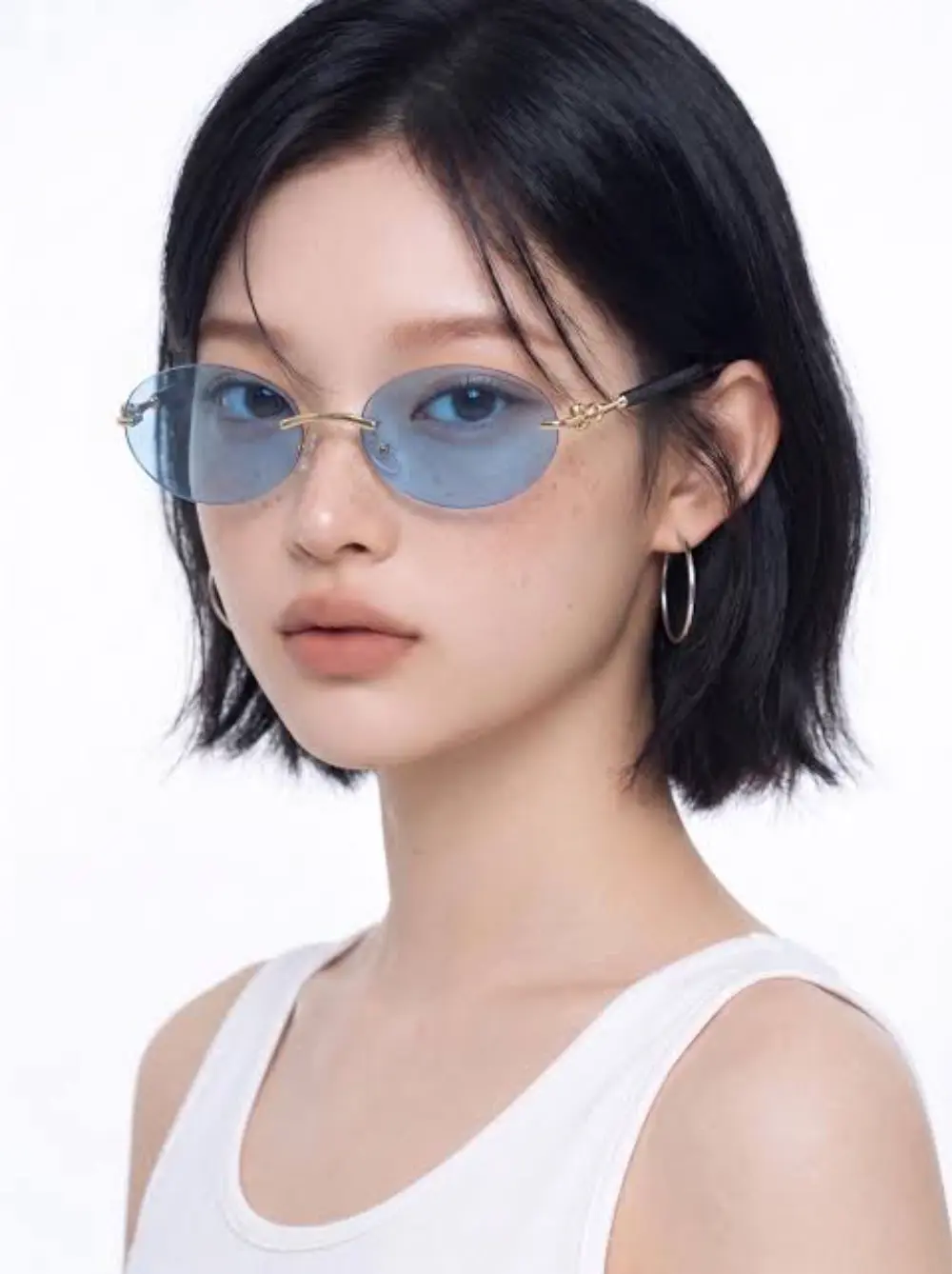

The North American eyewear market is in the middle of a structural shift. Warby Parker holds 7.2% market share and climbing. Zenni Optical ships millions of pairs at price points that would have been unthinkable a decade ago. Meanwhile, Ray-Ban and Oakley still anchor the premium tier — and Cartier, Chrome Hearts, and Tom Ford define the luxury ceiling.
For B2B buyers sourcing eyewear for the US or Canadian market, understanding which brands set the tone, what materials they use, who they target, and where the trends are heading is not optional — it directly determines what will sell and what will sit on shelves.
The Brand Landscape: Three Tiers That Matter
Tier 1 — DTC Disruptors (Local, Mid-Range)
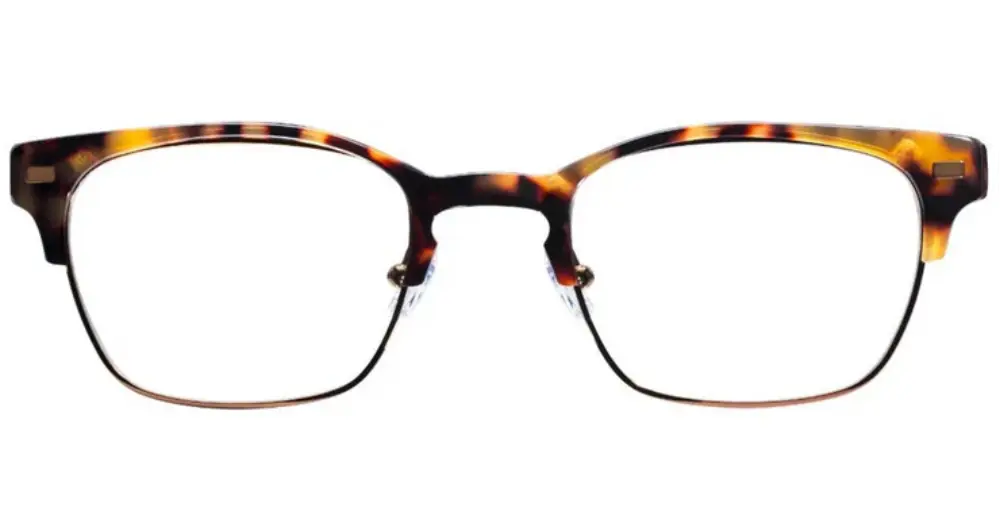
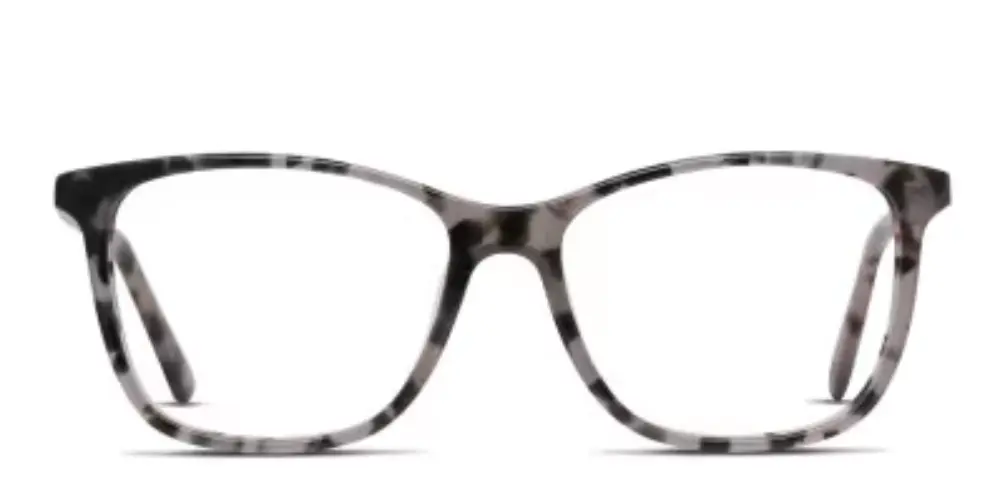
Warby Parker disrupted the industry in 2010 with a simple premise: designer-quality frames at $95, including prescription lenses. Their acetate-heavy collections draw from mid-century American design — think chunky rectangular shapes, classic tortoiseshell, and muted neutrals. In 2025, Warby Parker partnered with Target to open shop-in-shops, signaling a shift from pure DTC toward omnichannel.
Zenni Optical operates at an even lower price point (frames from $6.95). Materials skew heavily toward TR90 and basic metal alloys. Zenni captures the budget-conscious segment — first-time glasses buyers, families buying multiple pairs, and price-sensitive online shoppers. Their style library is massive but trend-following rather than trend-setting.
Fetch Eyewear and GlassesUSA fill similar niches with slight variations — Fetch with a philanthropy angle, GlassesUSA with a broader brand marketplace model.
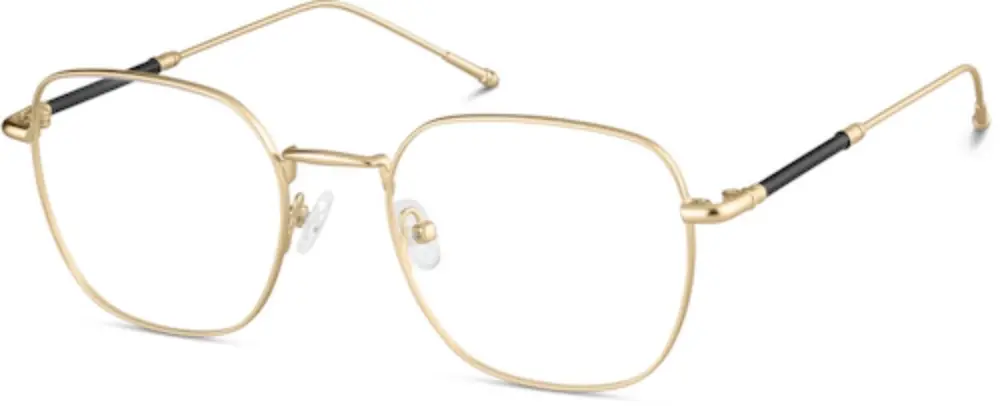
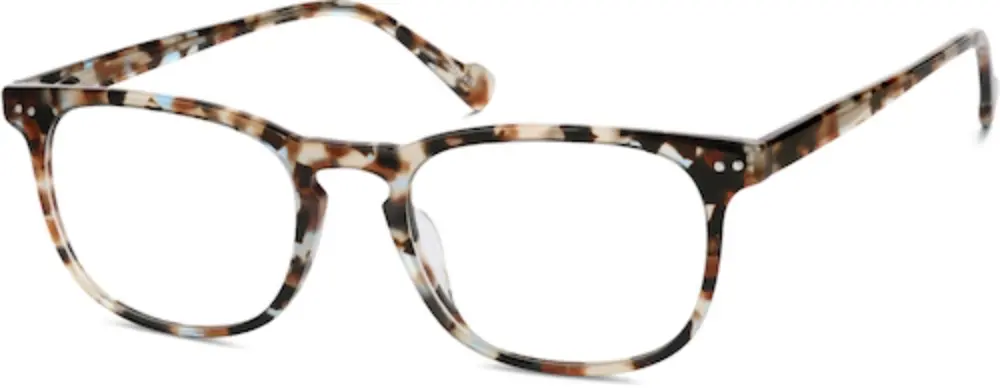
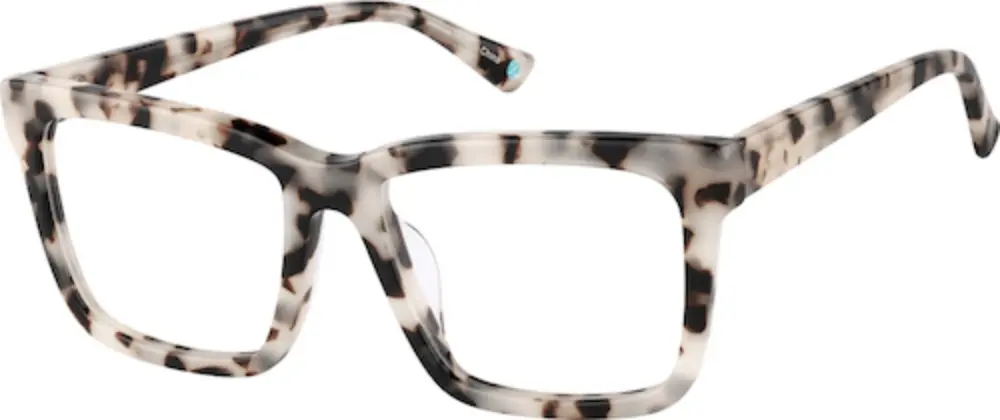
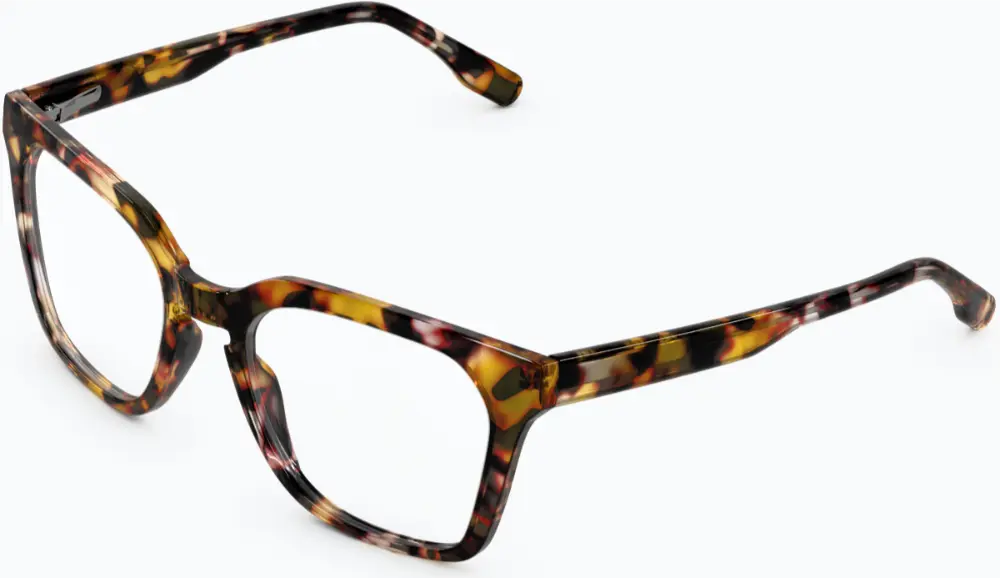
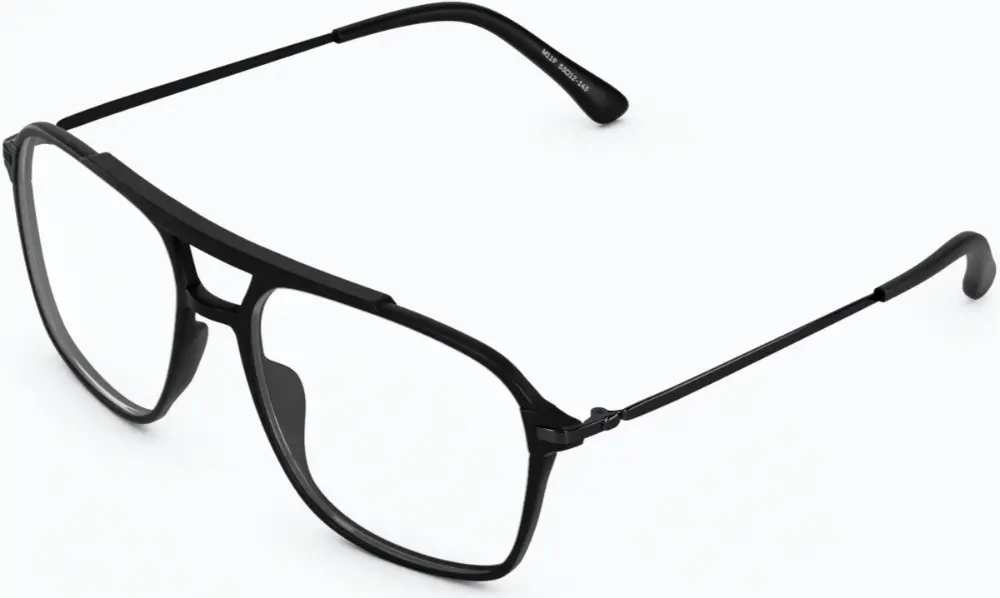
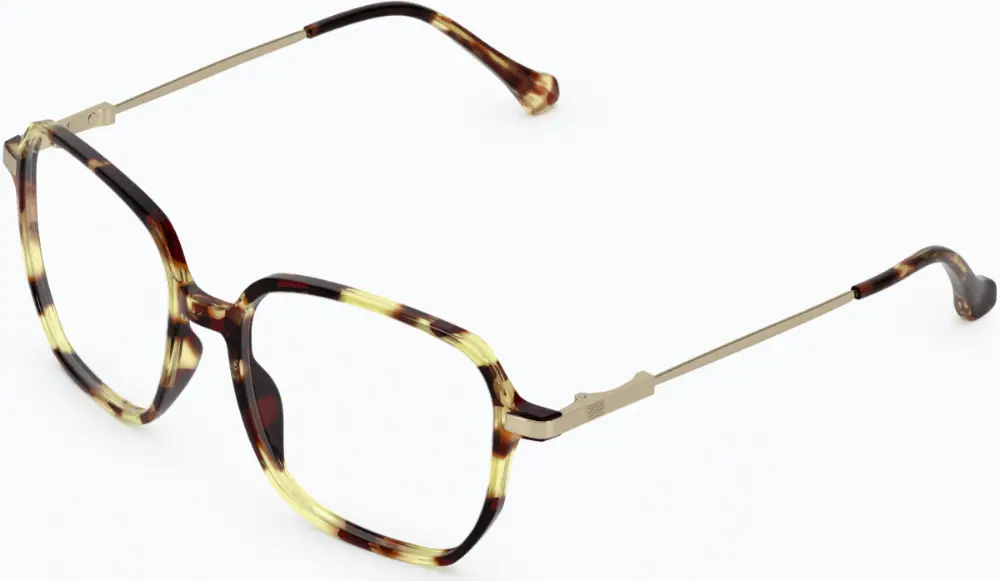
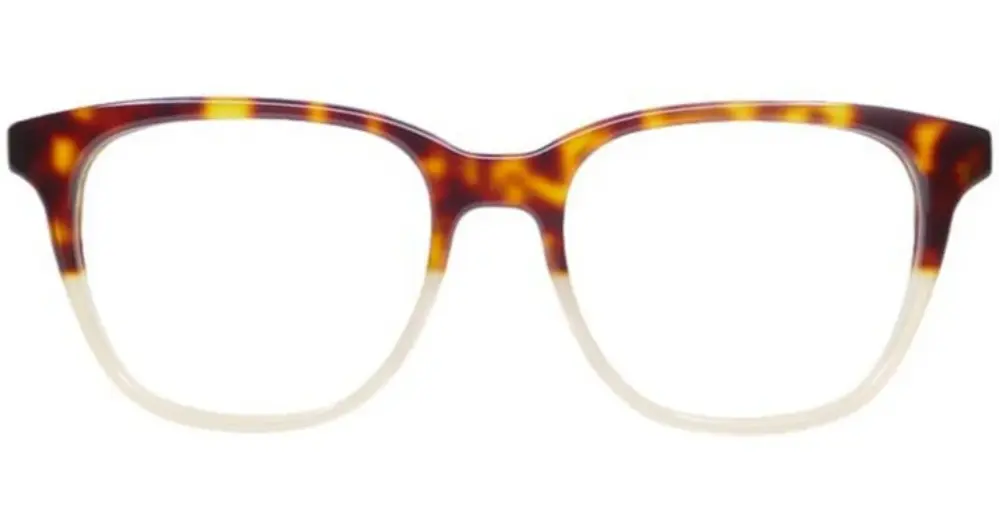
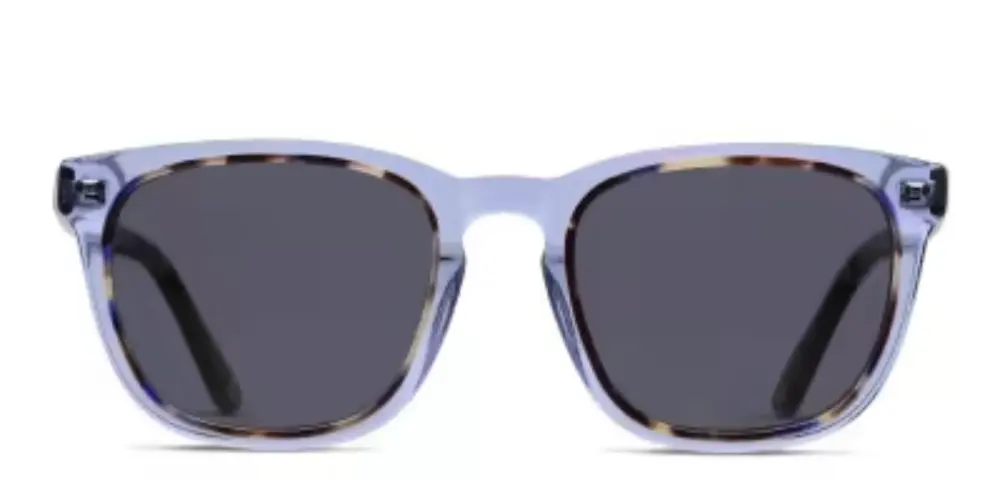
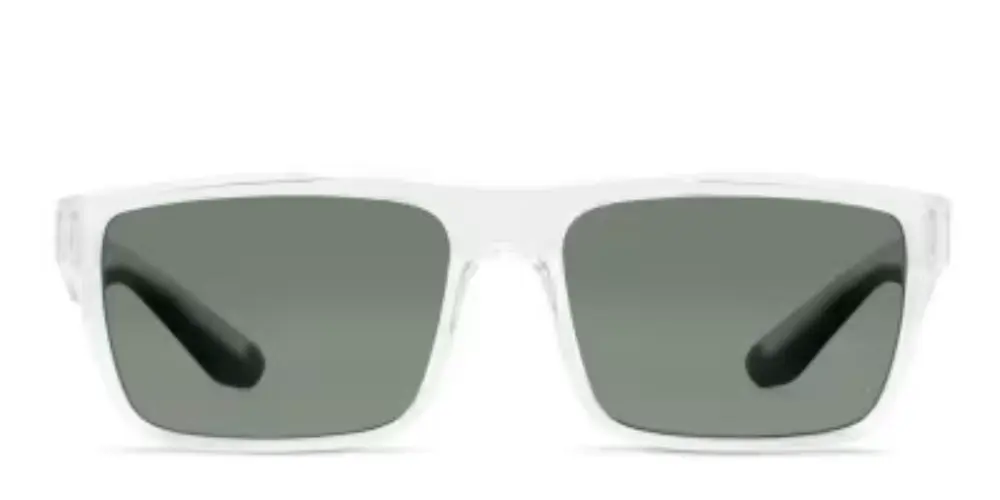
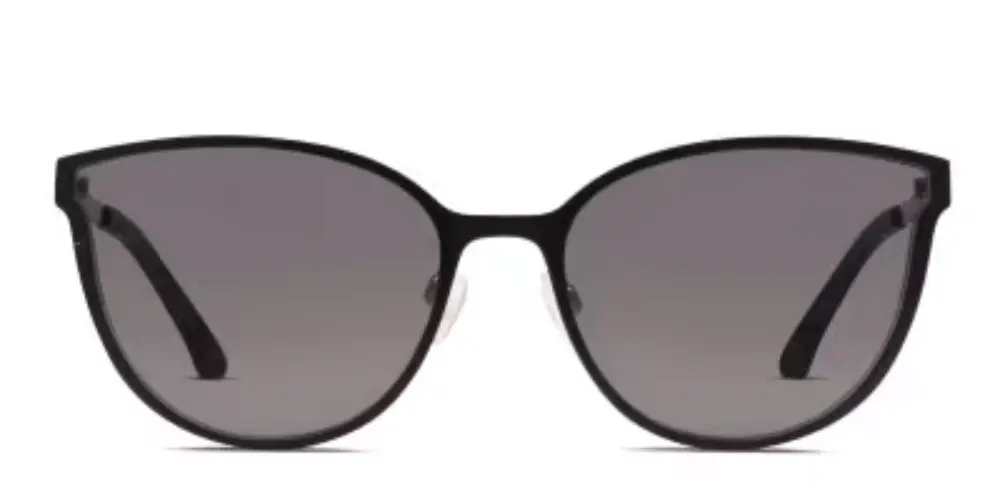

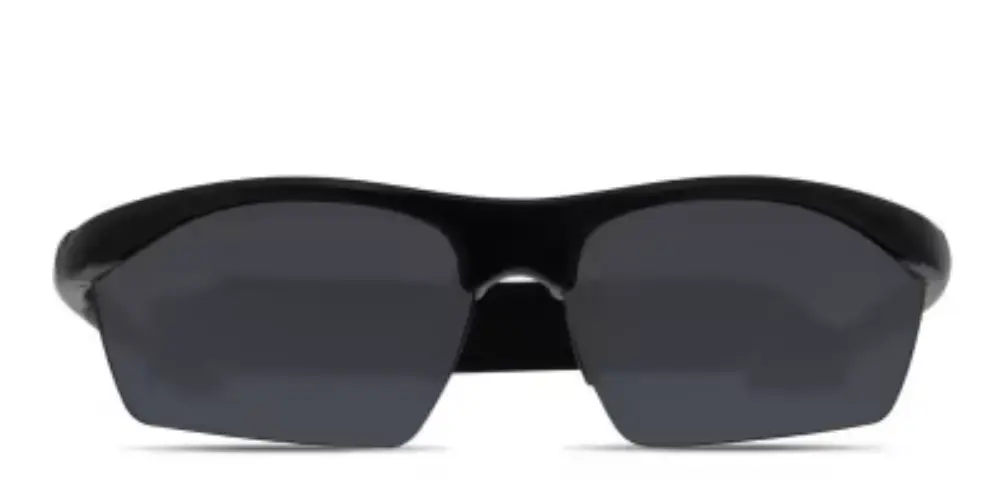
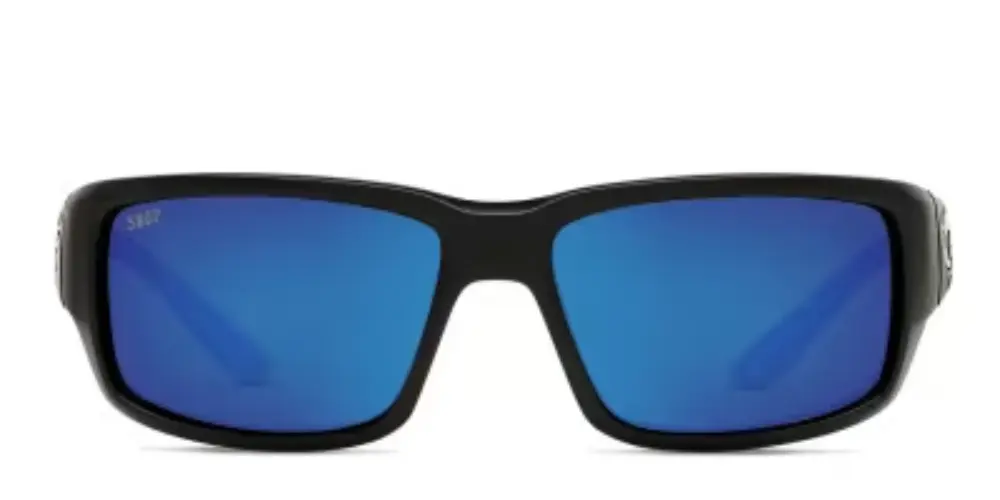
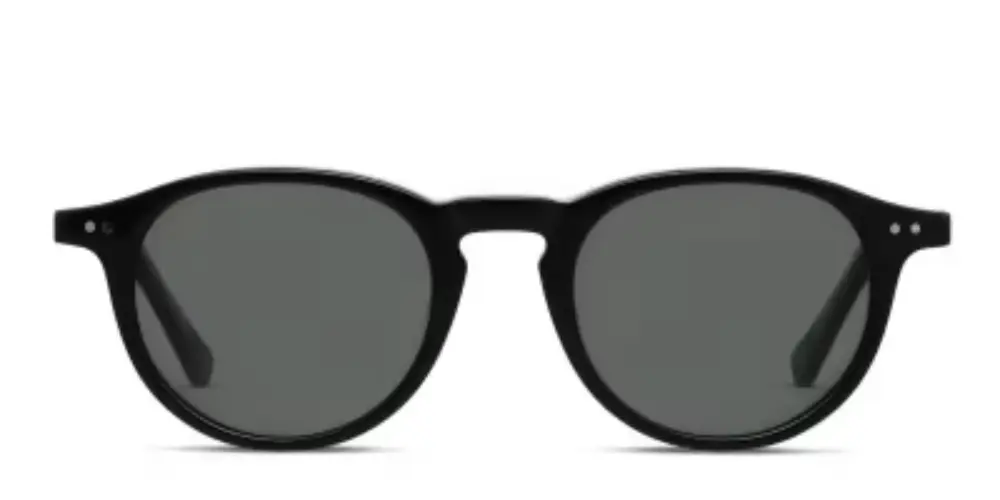
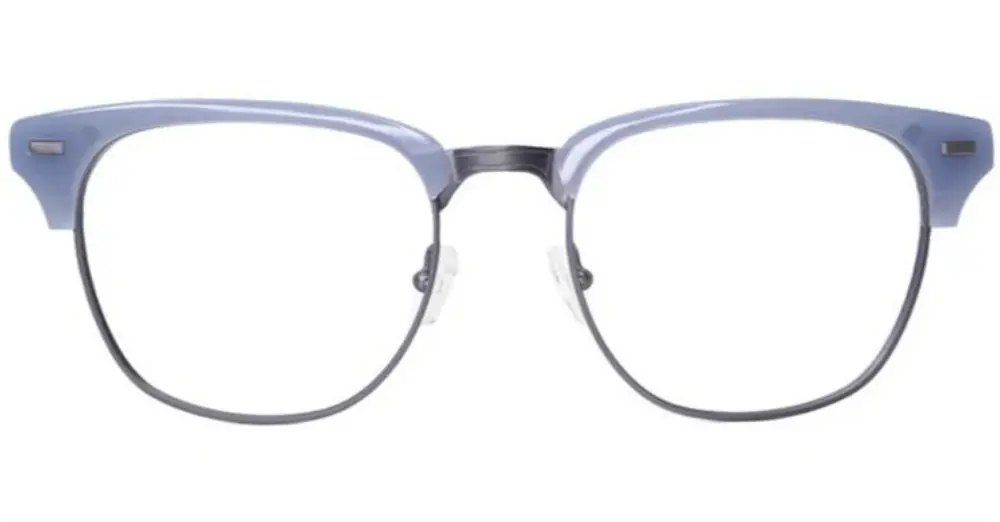
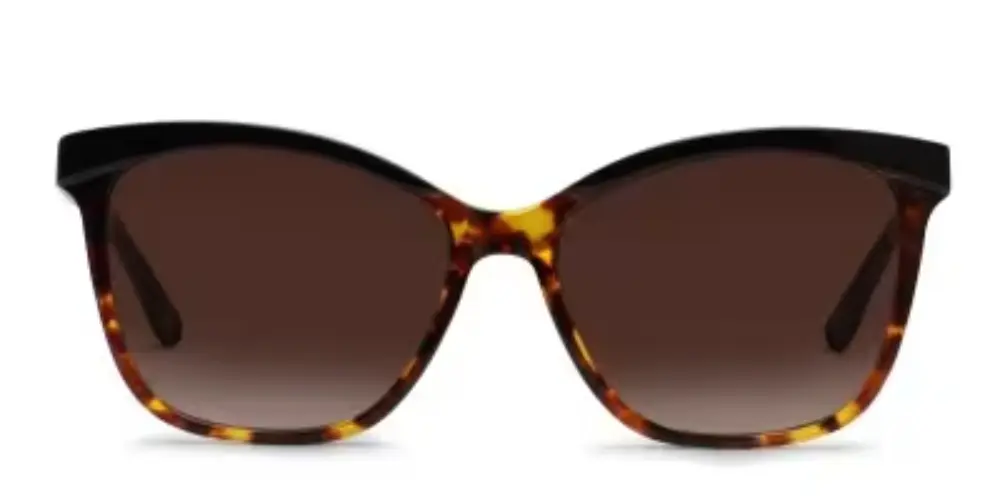
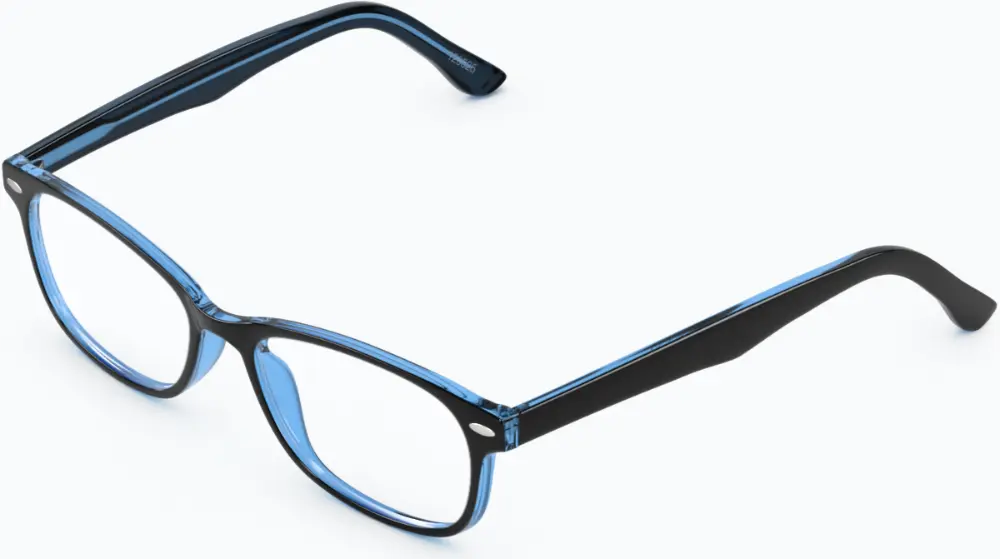
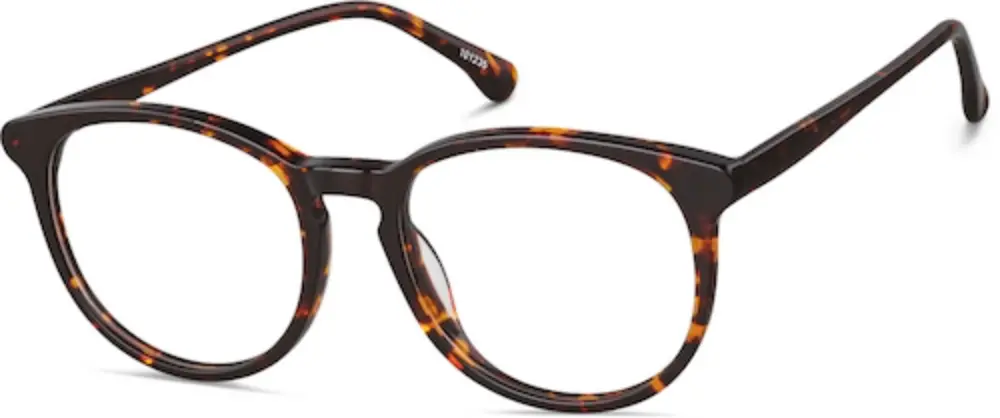
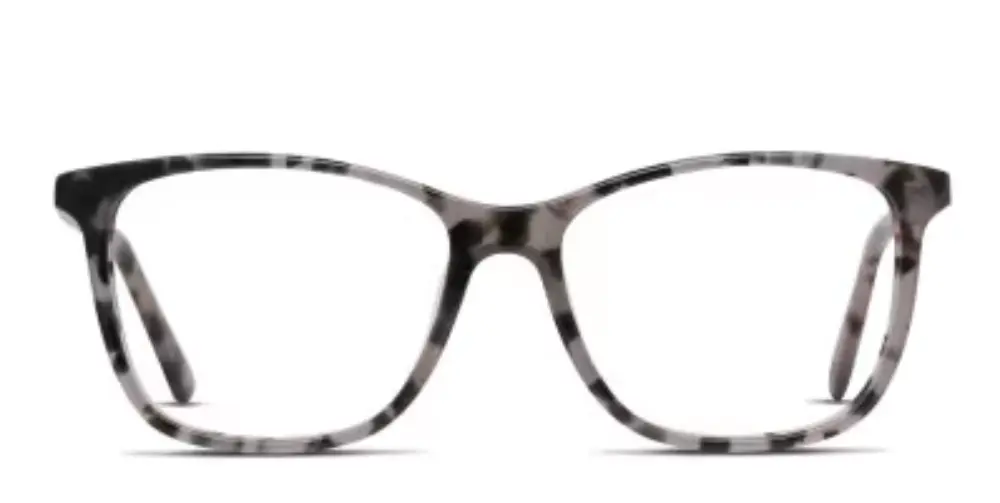
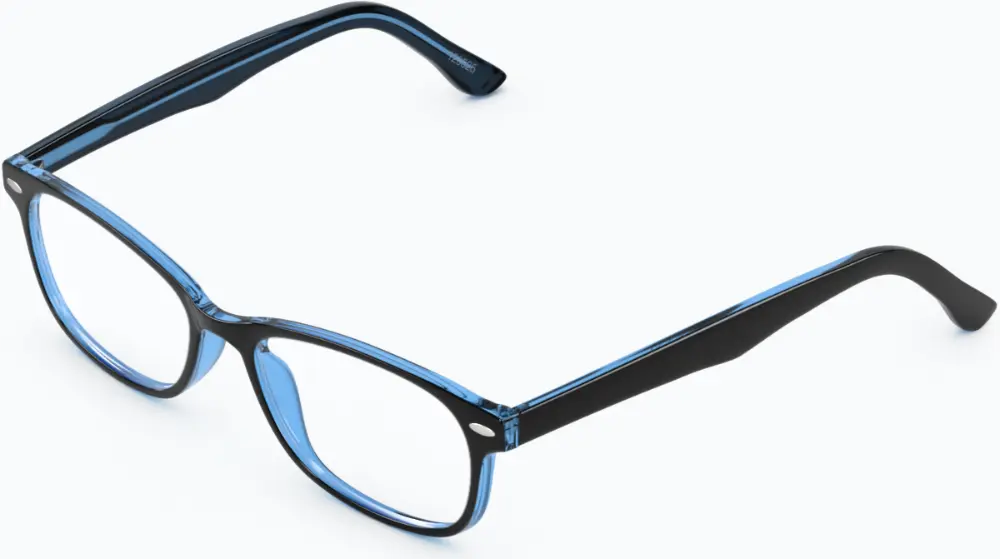
Tier 2 — Premium Heritage (International, Controlled by EssilorLuxottica)
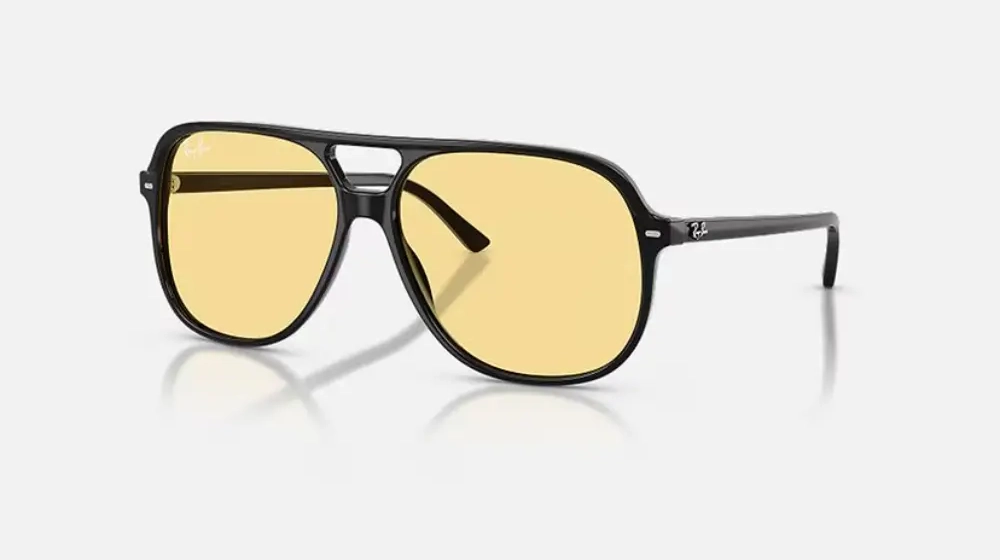
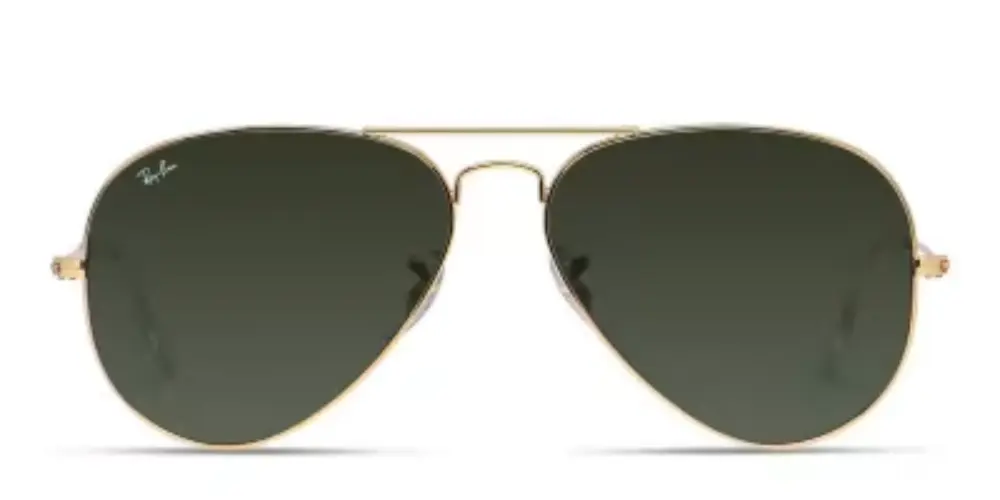
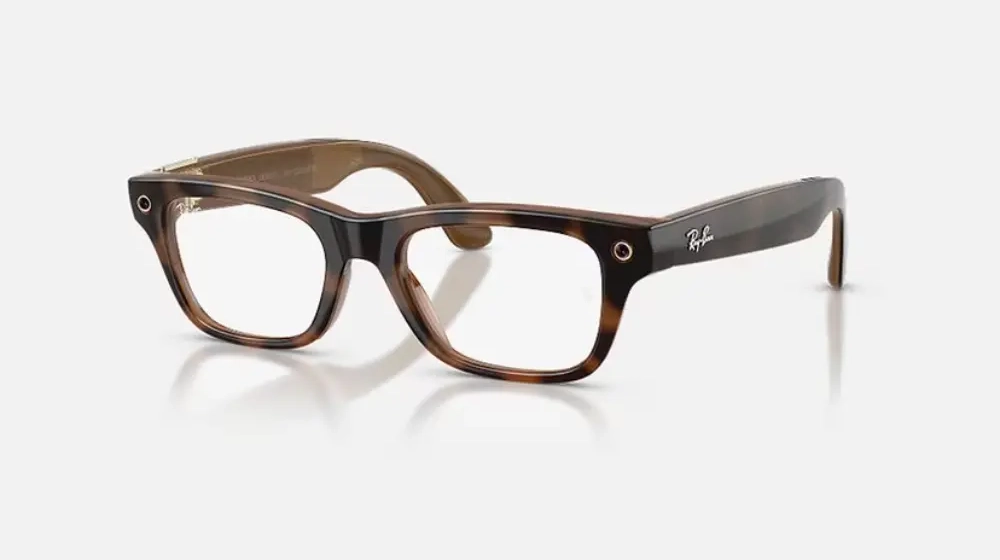
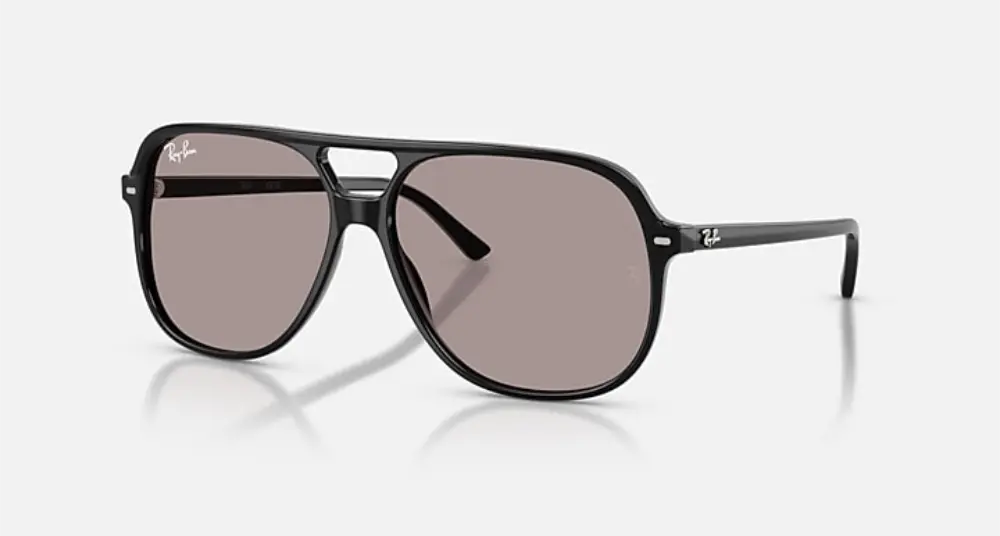
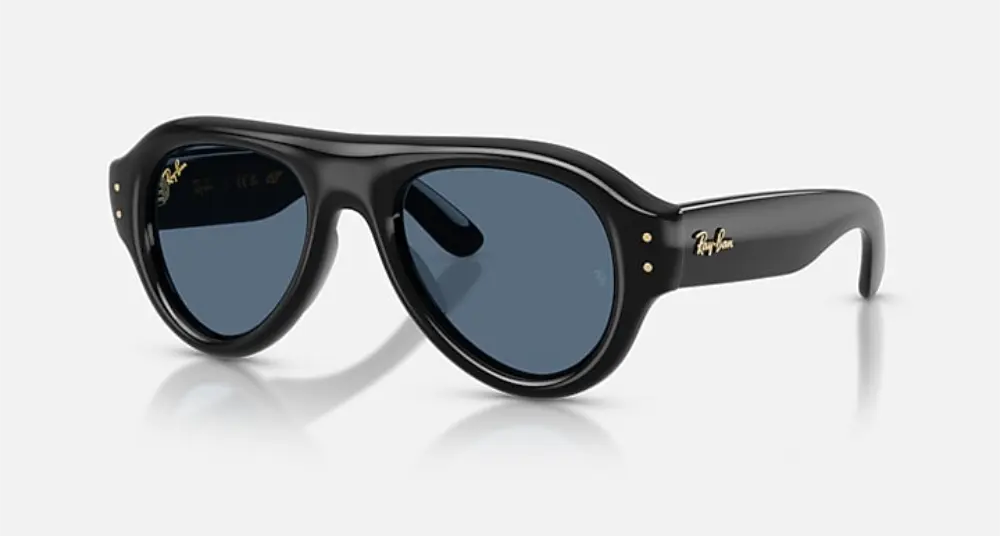
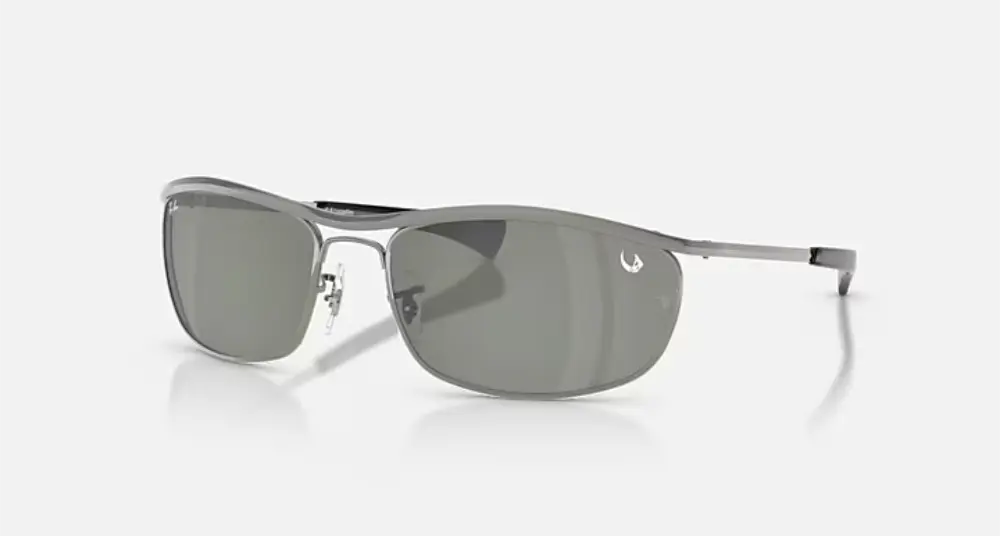
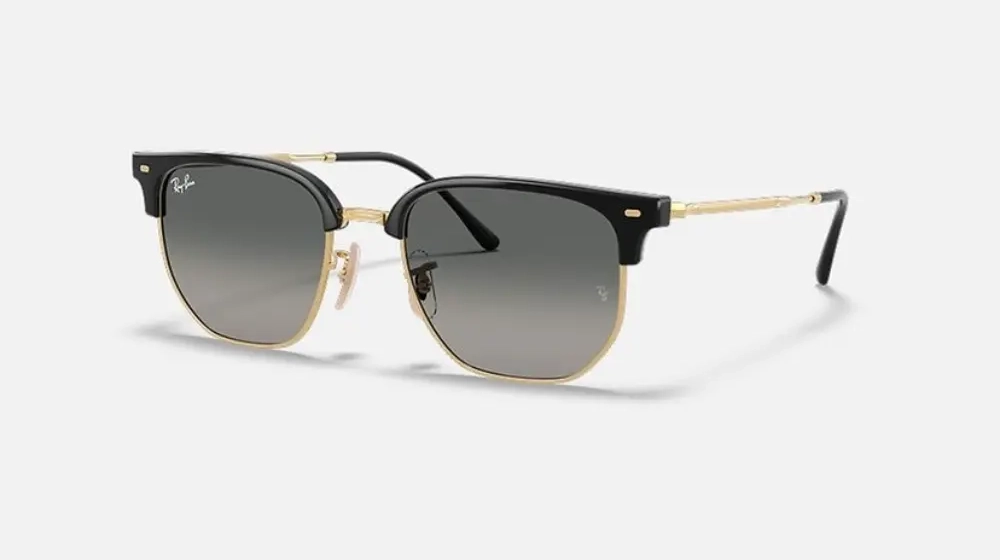
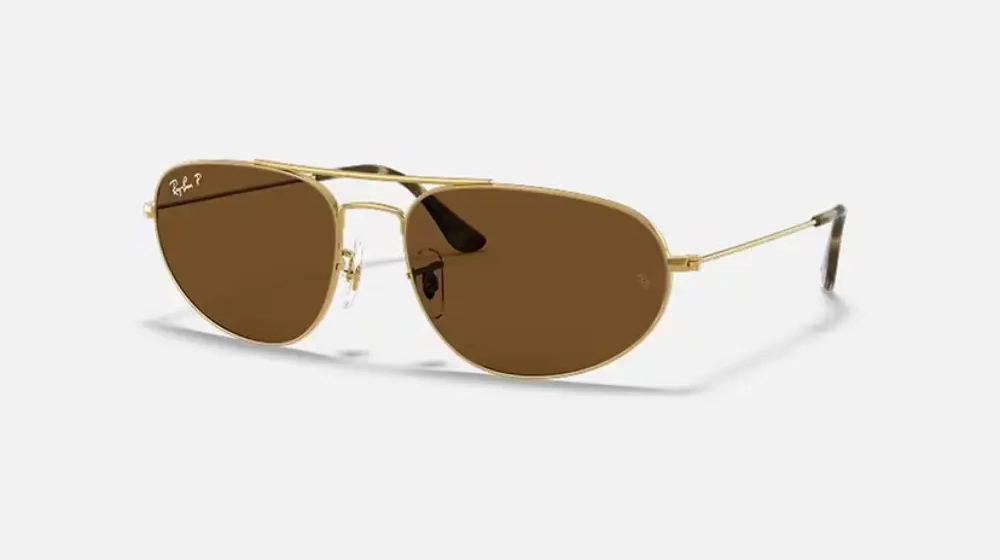
Ray-Ban remains the single most recognized eyewear brand in North America. The Aviator and Wayfarer are permanent fixtures. Materials are primarily high-quality acetate and metal alloys. The 2023 Ray-Ban Meta smart glasses launch added a tech dimension — built-in audio, camera, and AI assistant — that is redefining what “eyewear” means for a generation that grew up with screens.
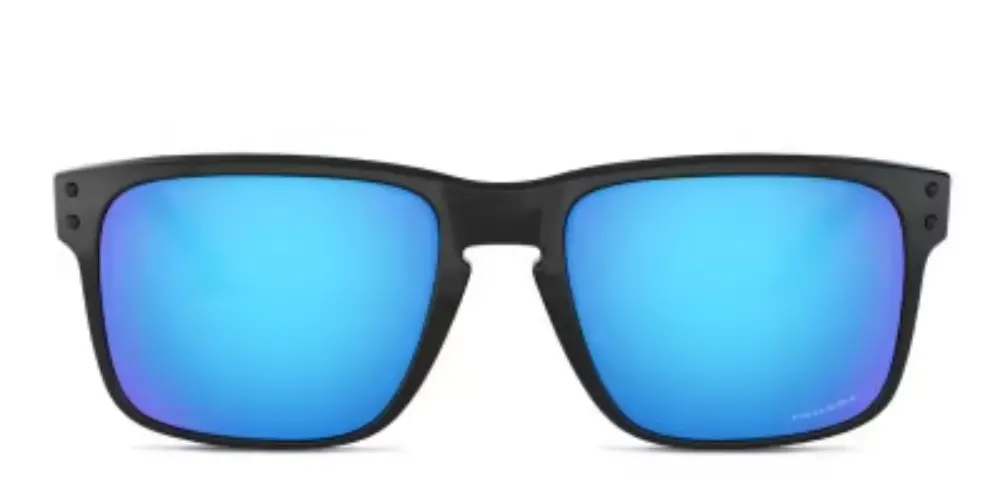
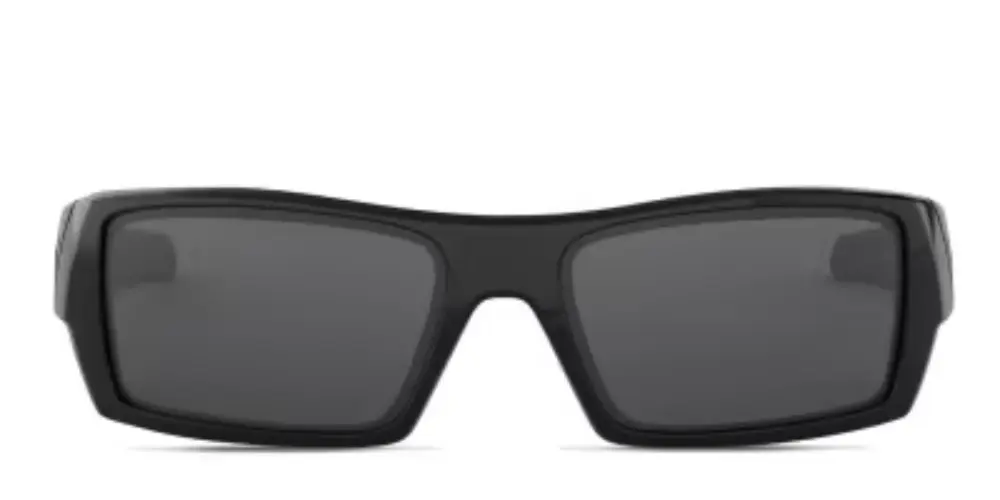
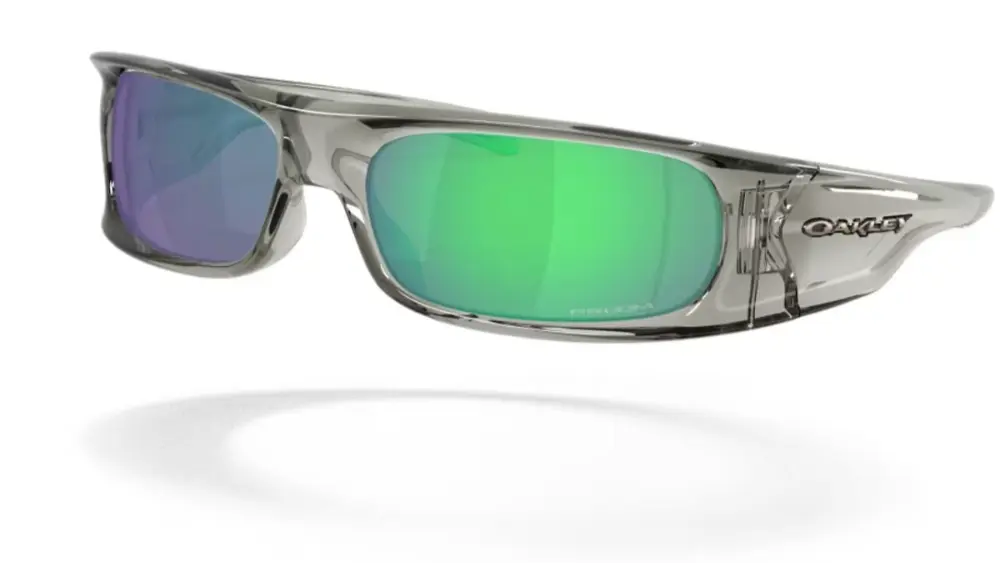
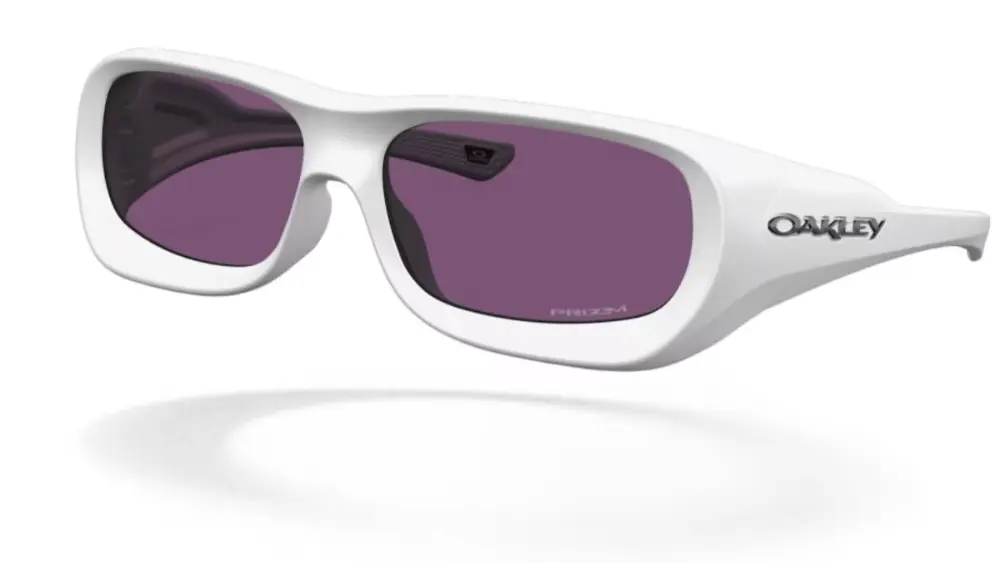
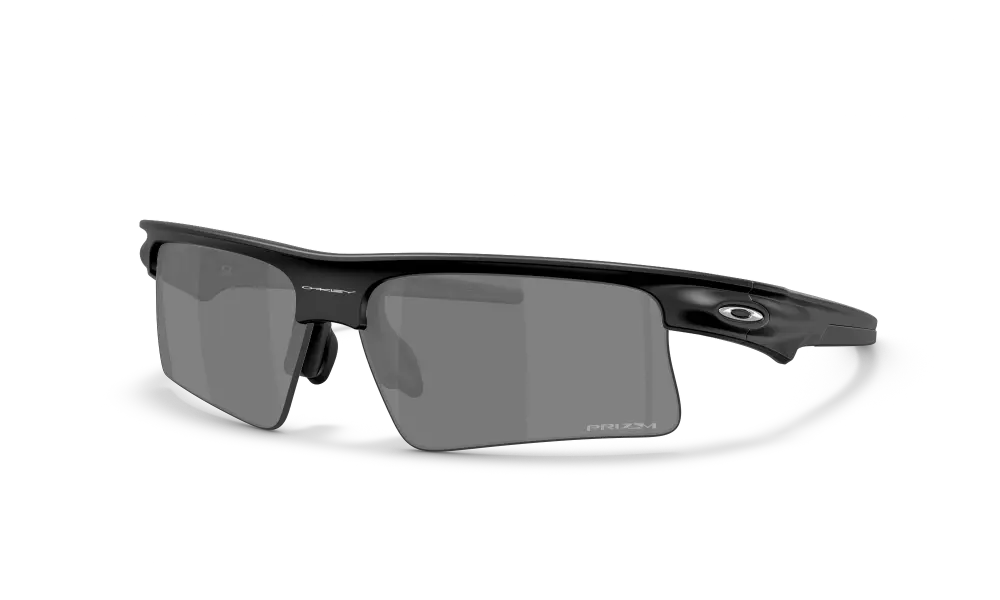
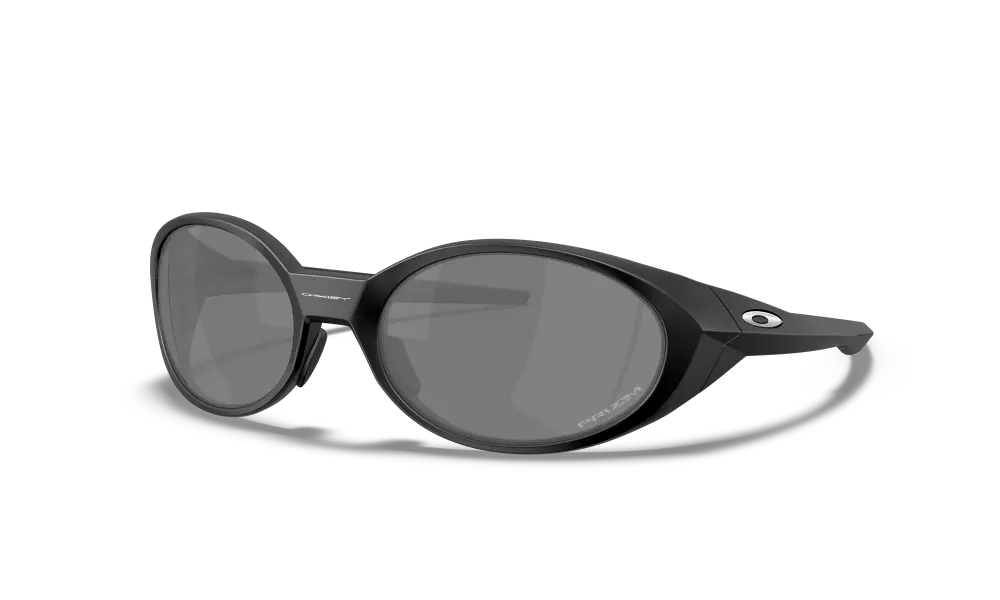
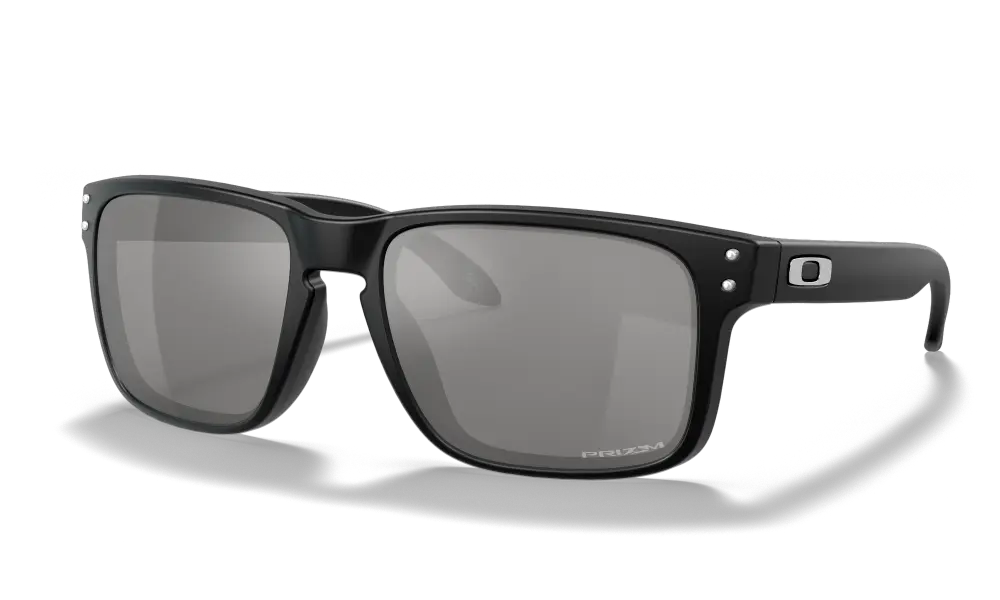
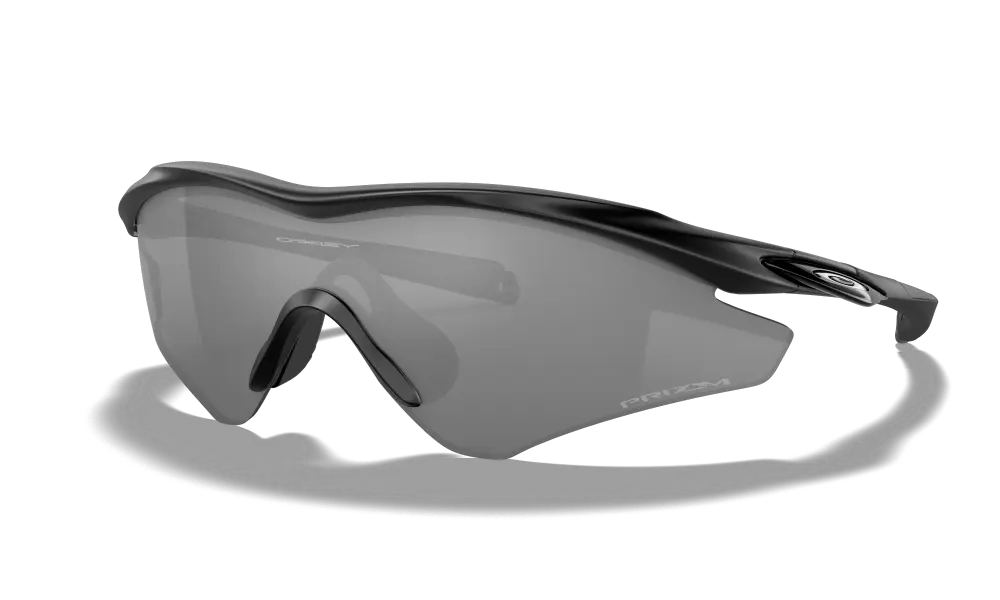
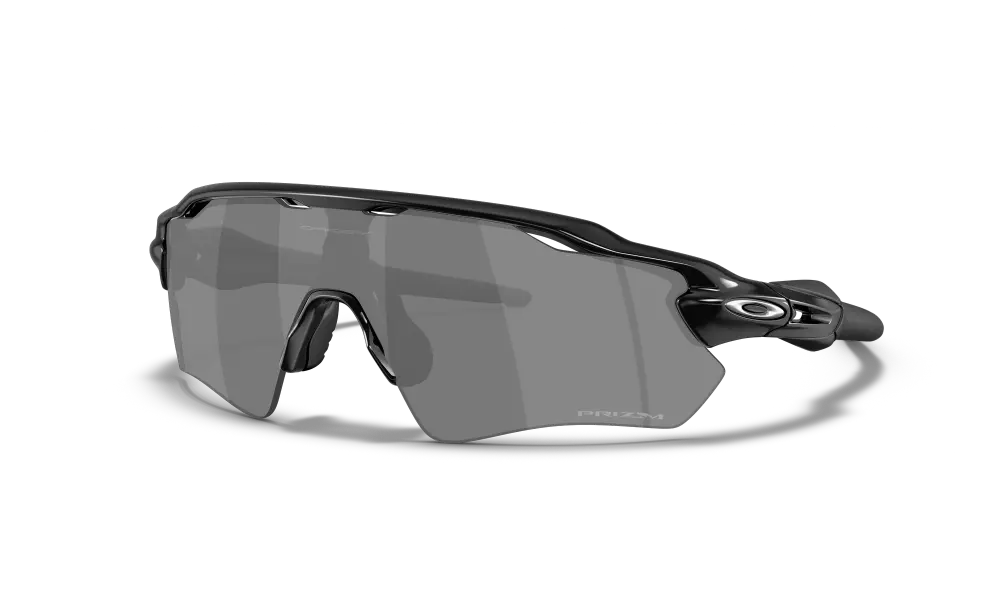
Oakley dominates the sport and active-lifestyle segment. Prizm lens technology (enhancing color and contrast for specific environments) and Unobtanium grip material are genuine functional differentiators, not marketing fluff. Frames are primarily O-Matter (a proprietary nylon blend) and lightweight metals.
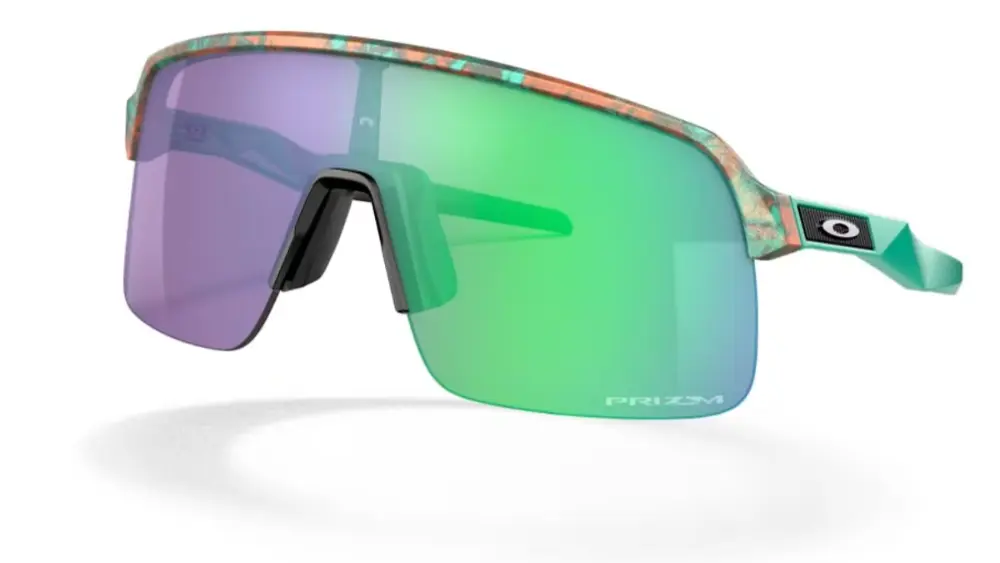
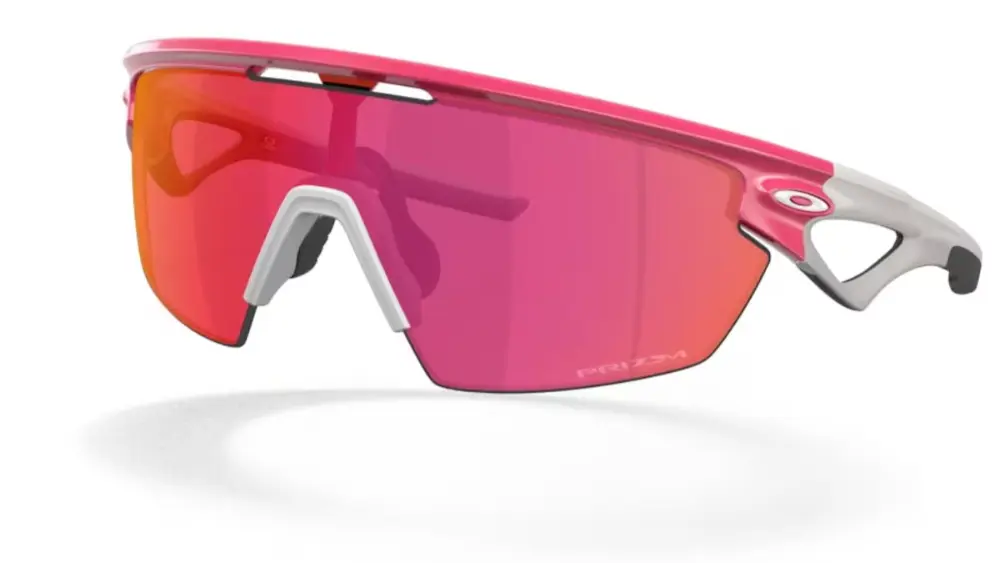
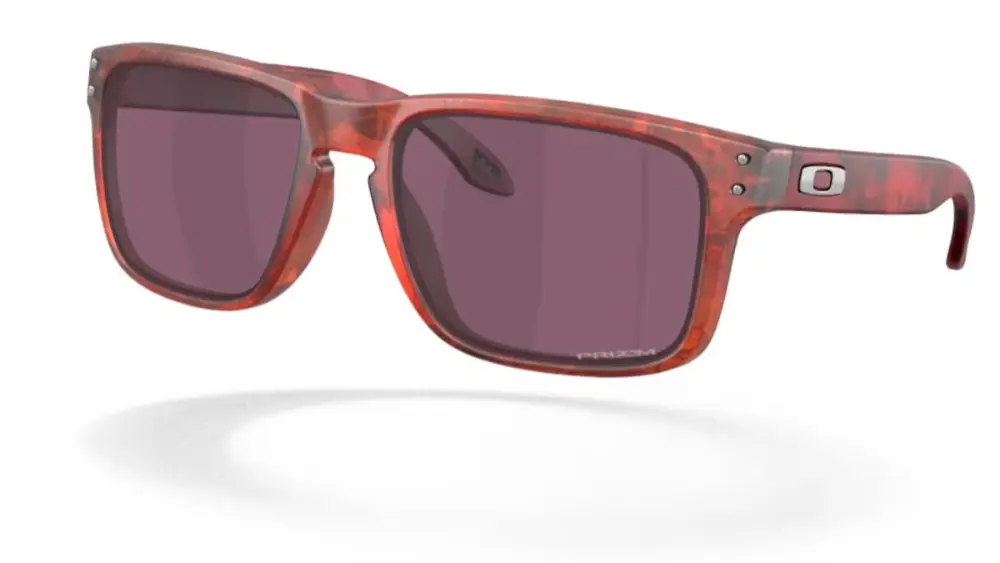
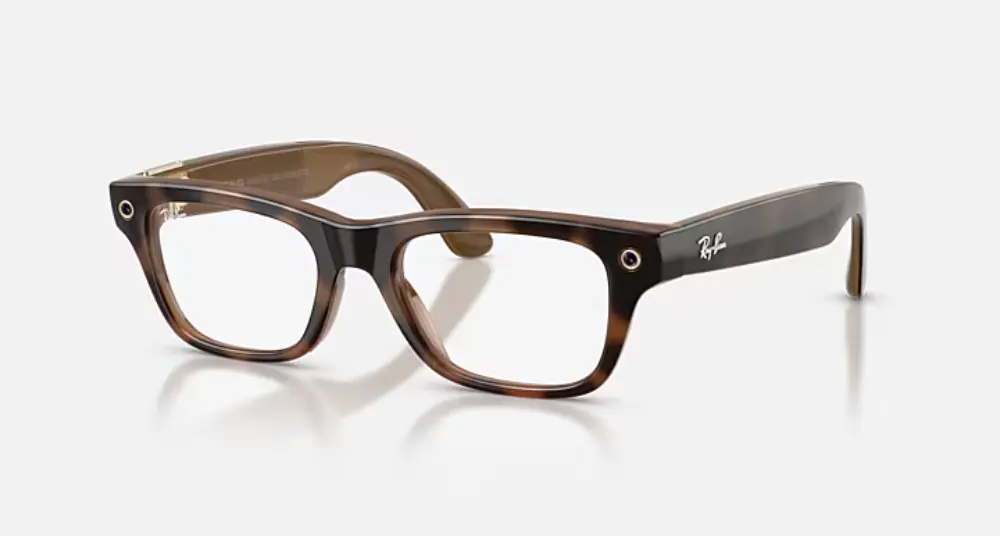
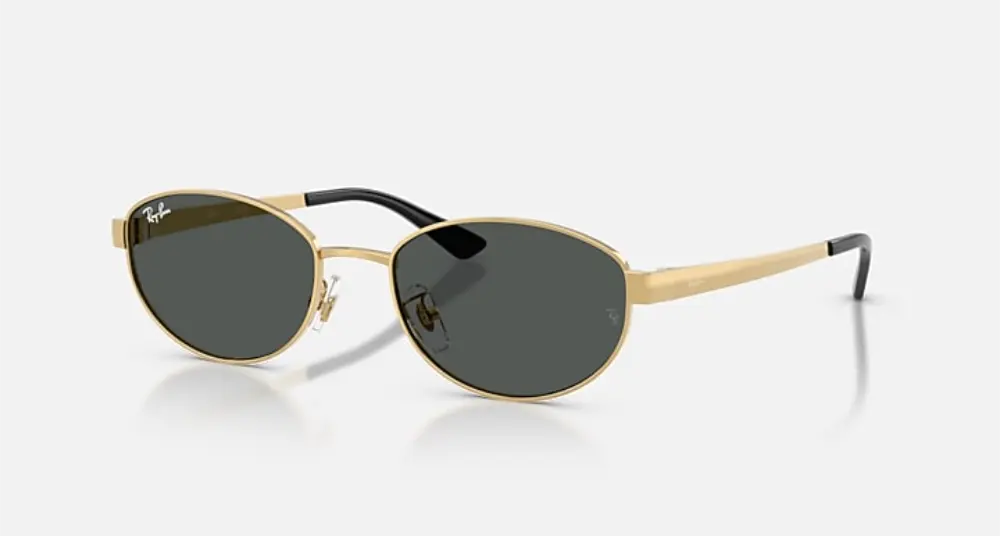
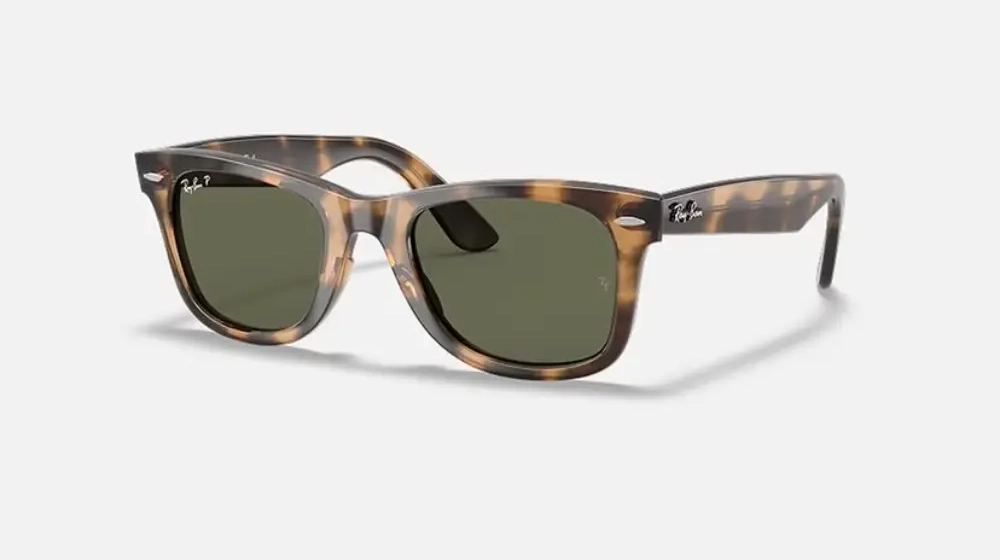
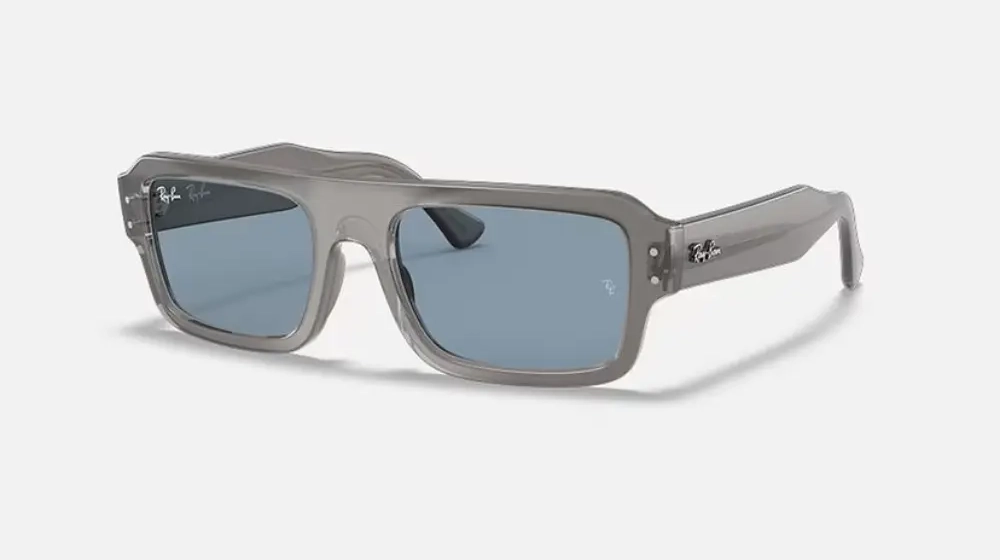
Tier 3 — Luxury Statement (International, European-Owned)
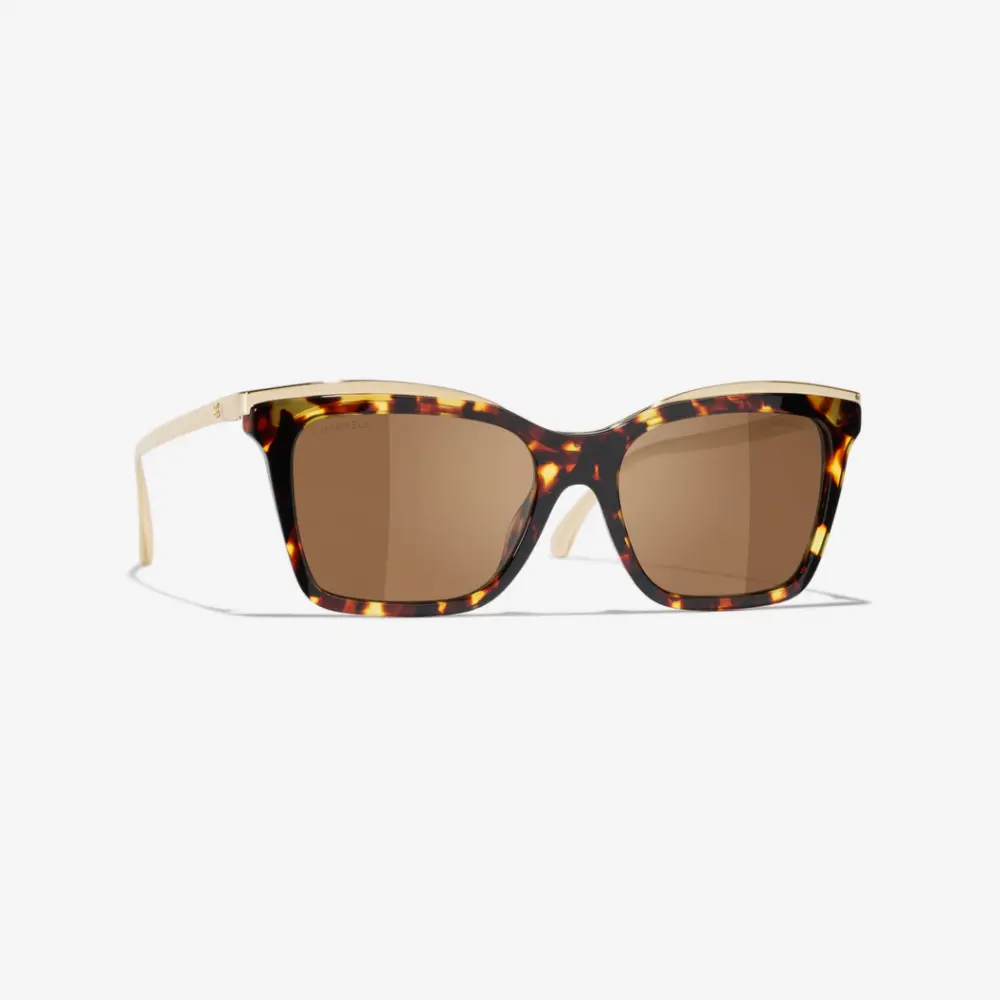
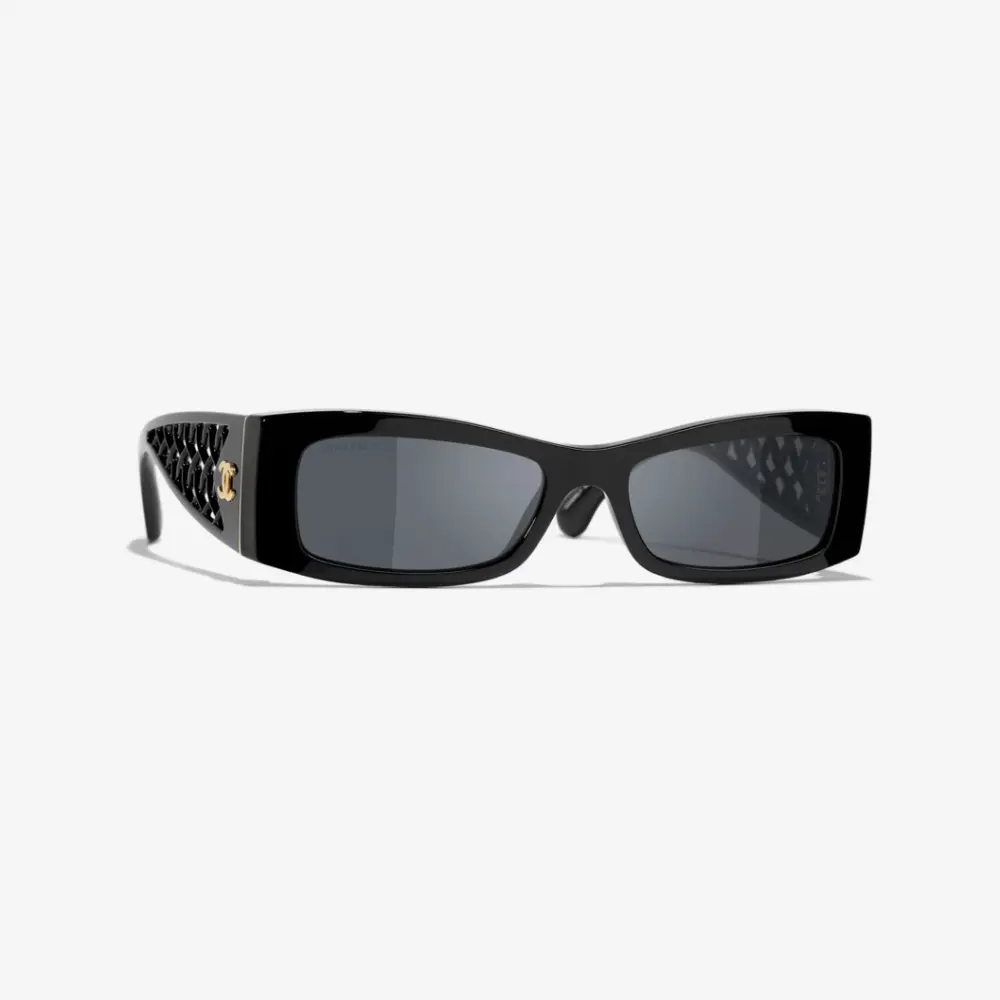
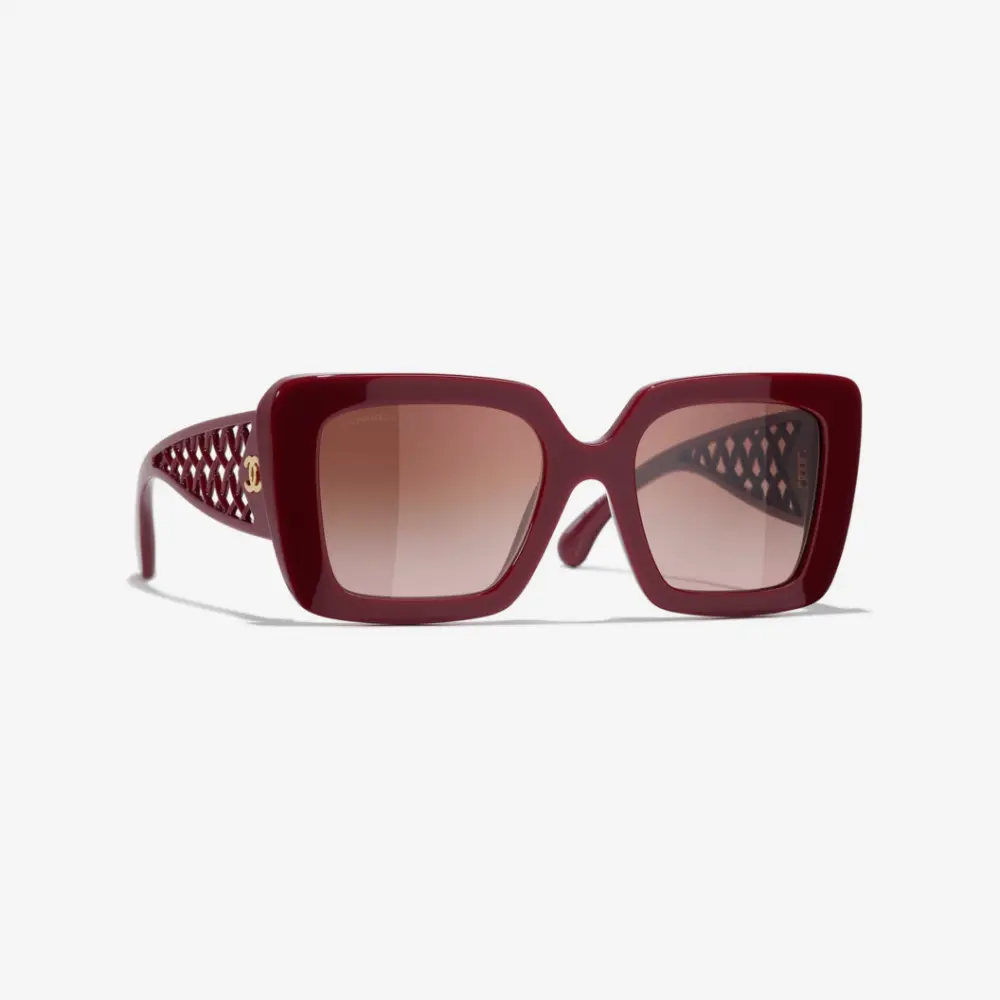
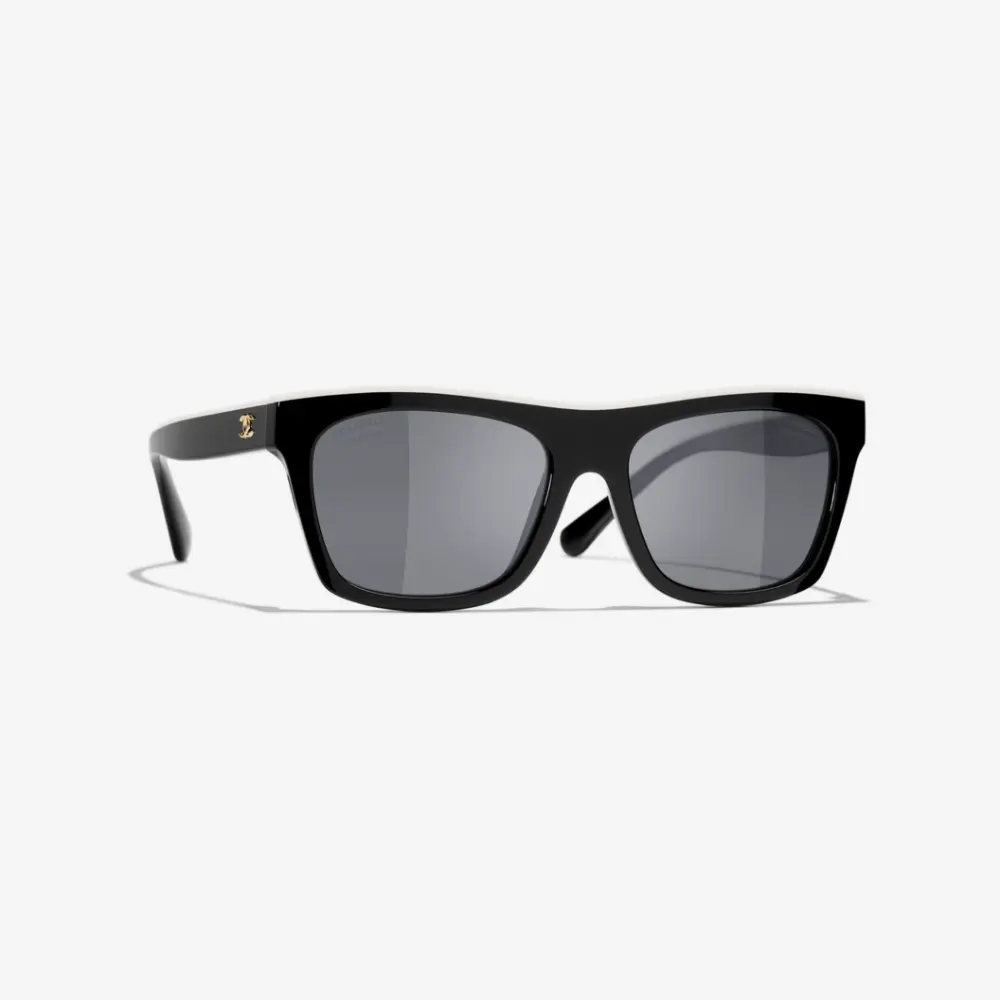
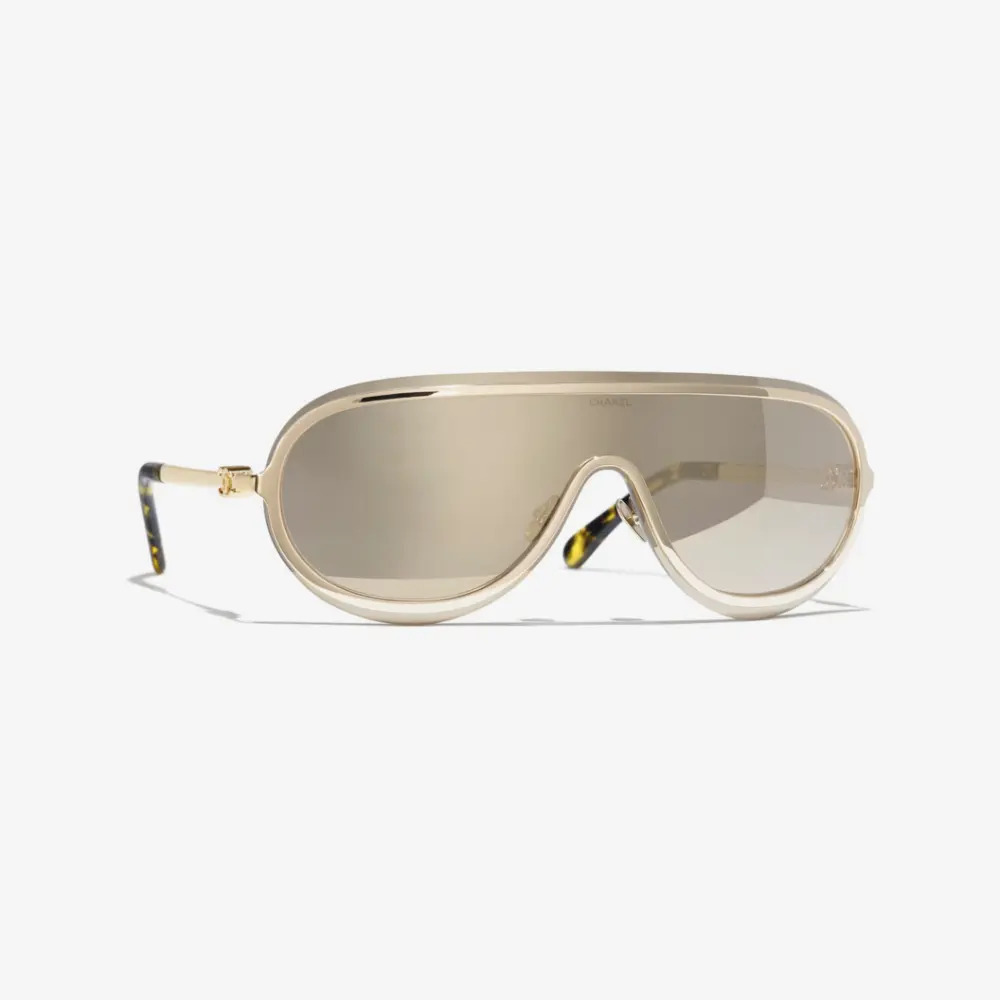
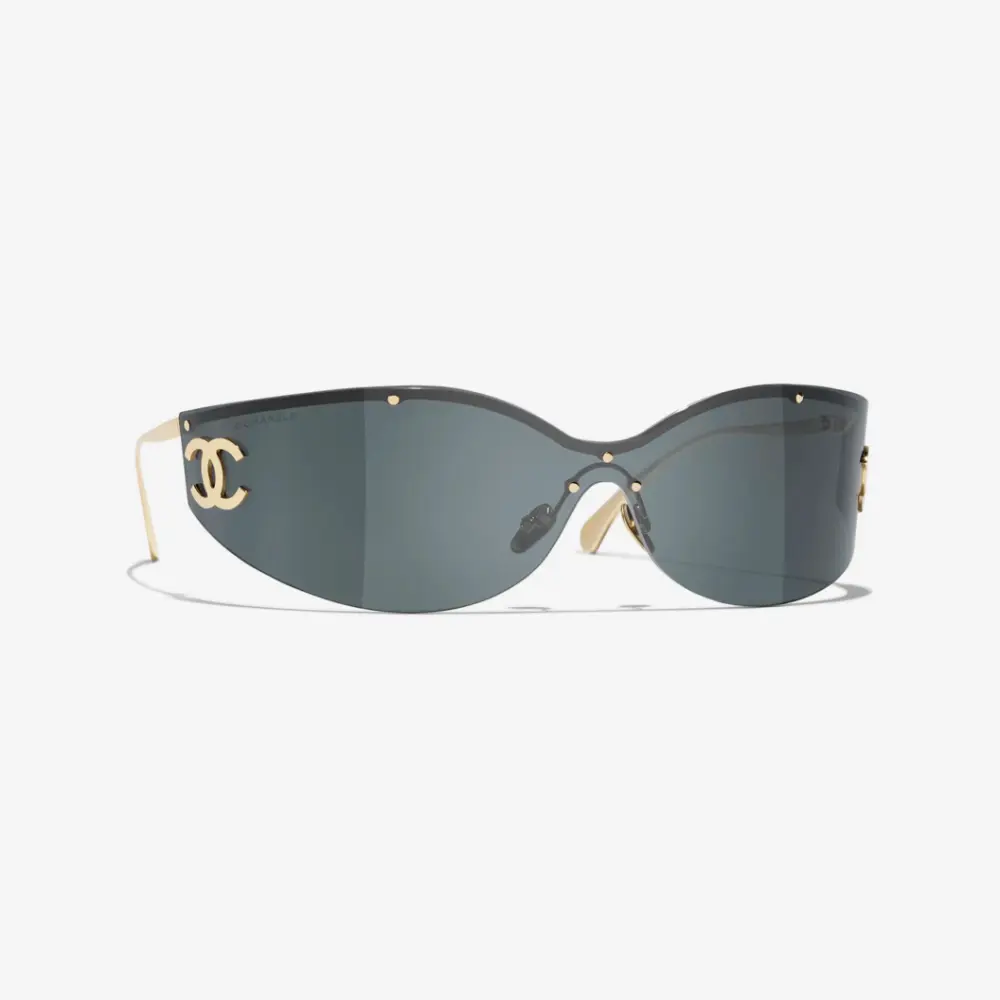
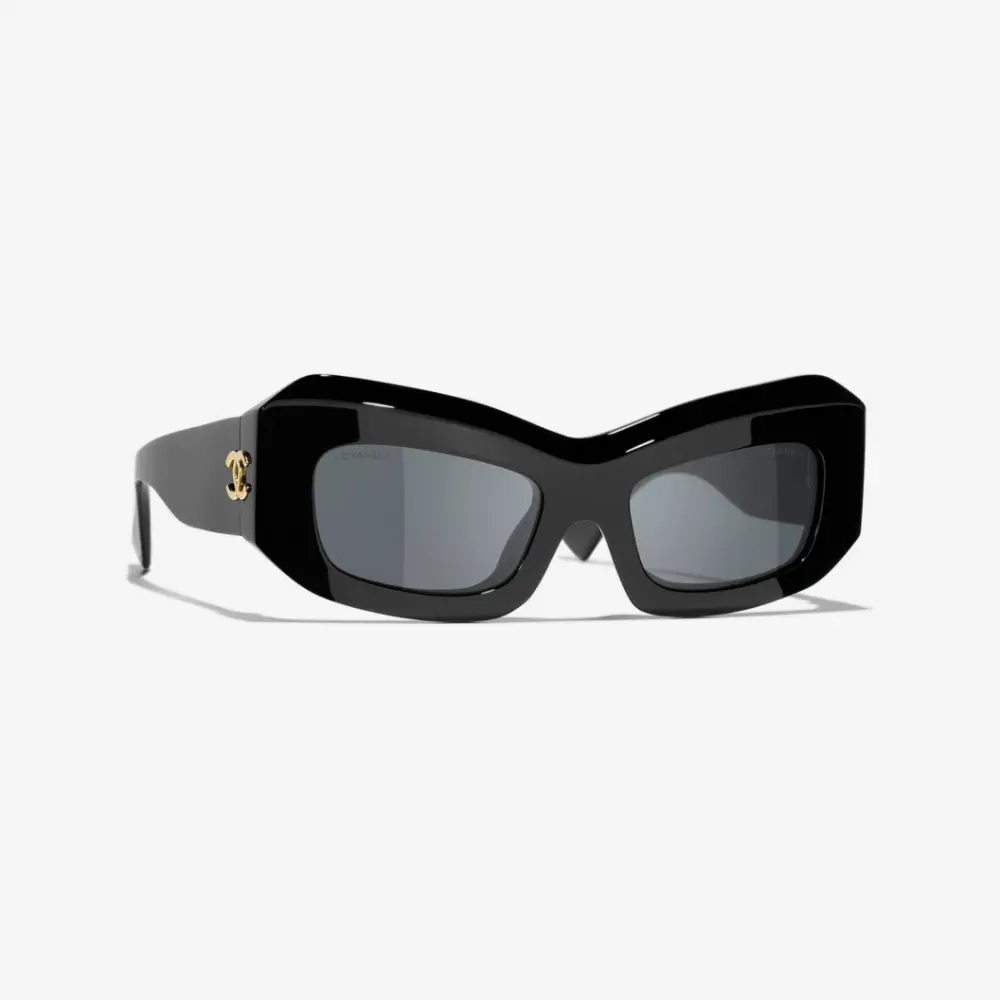
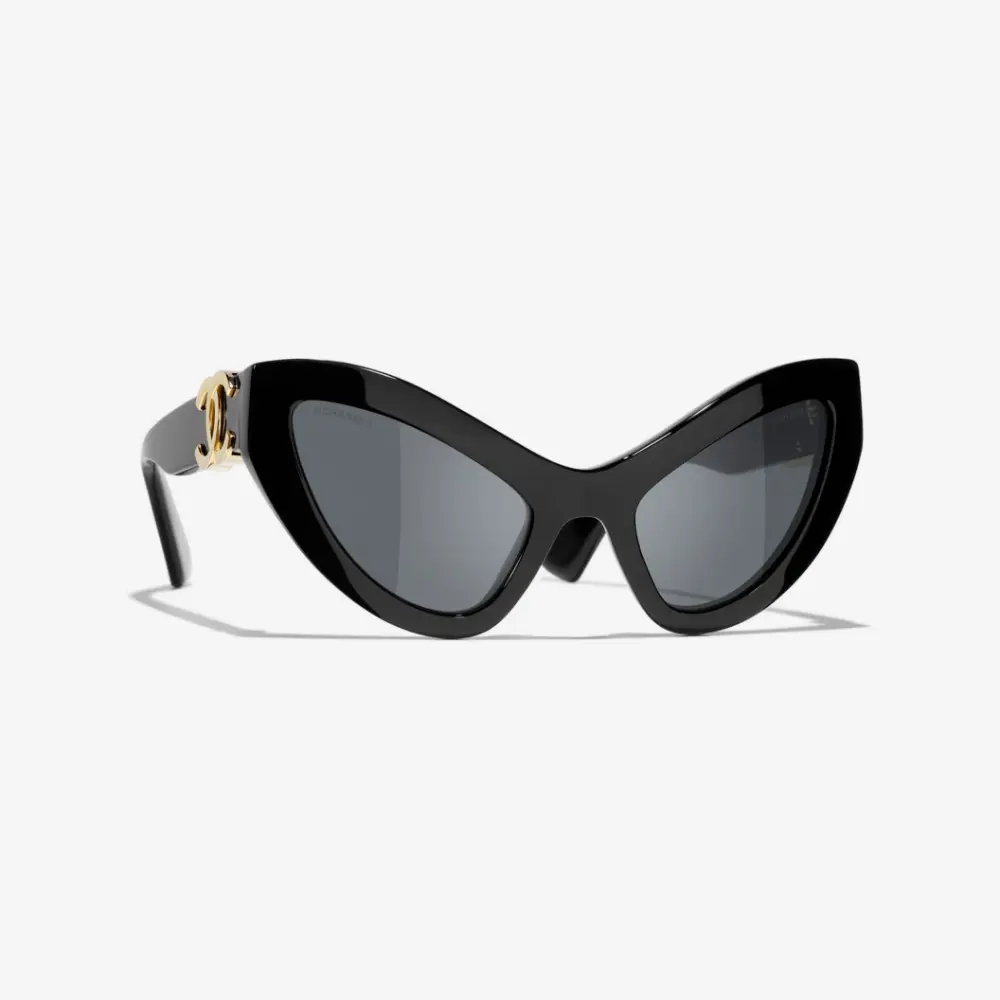
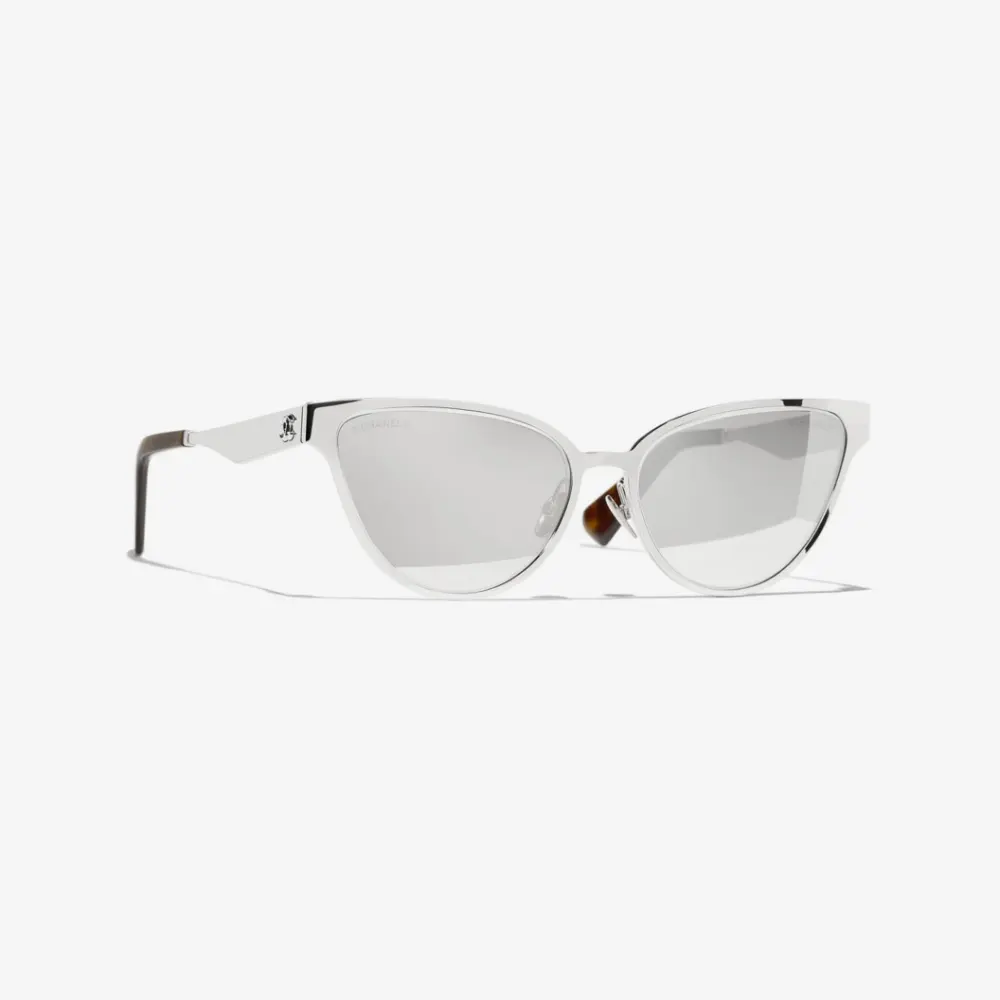
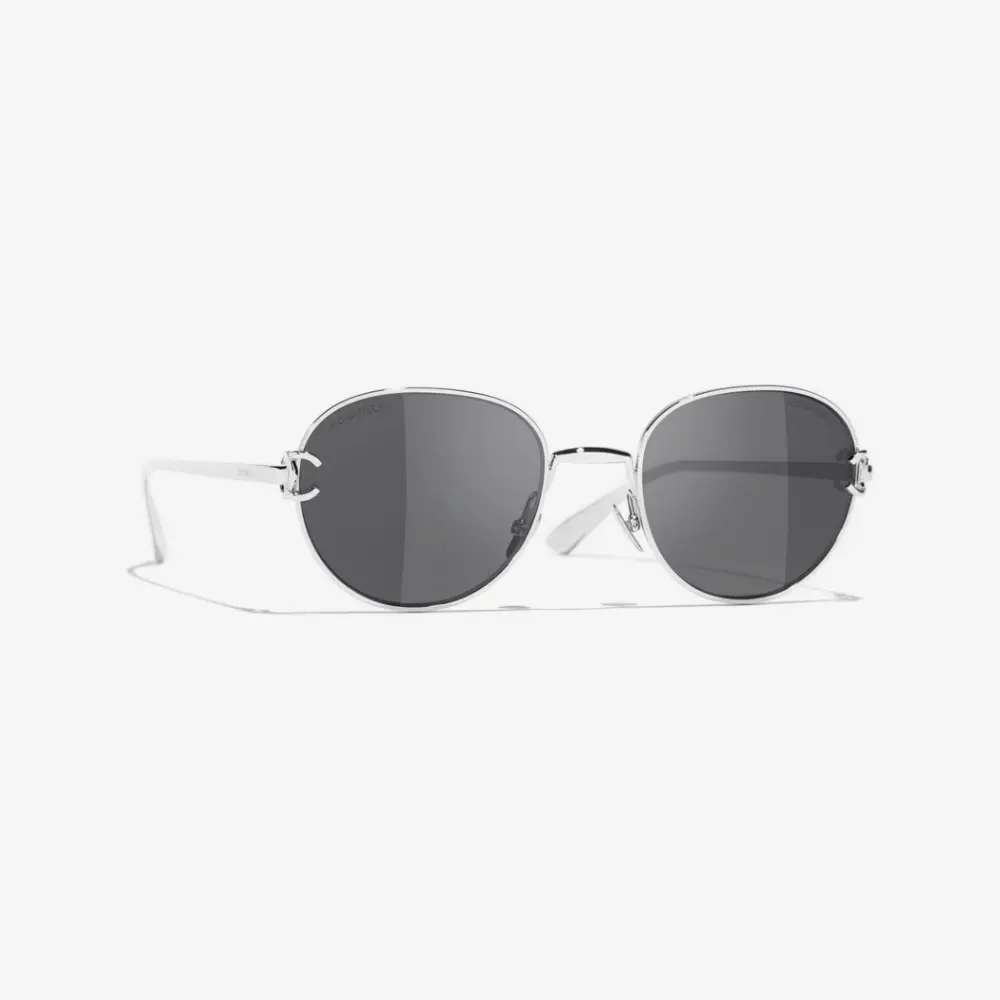
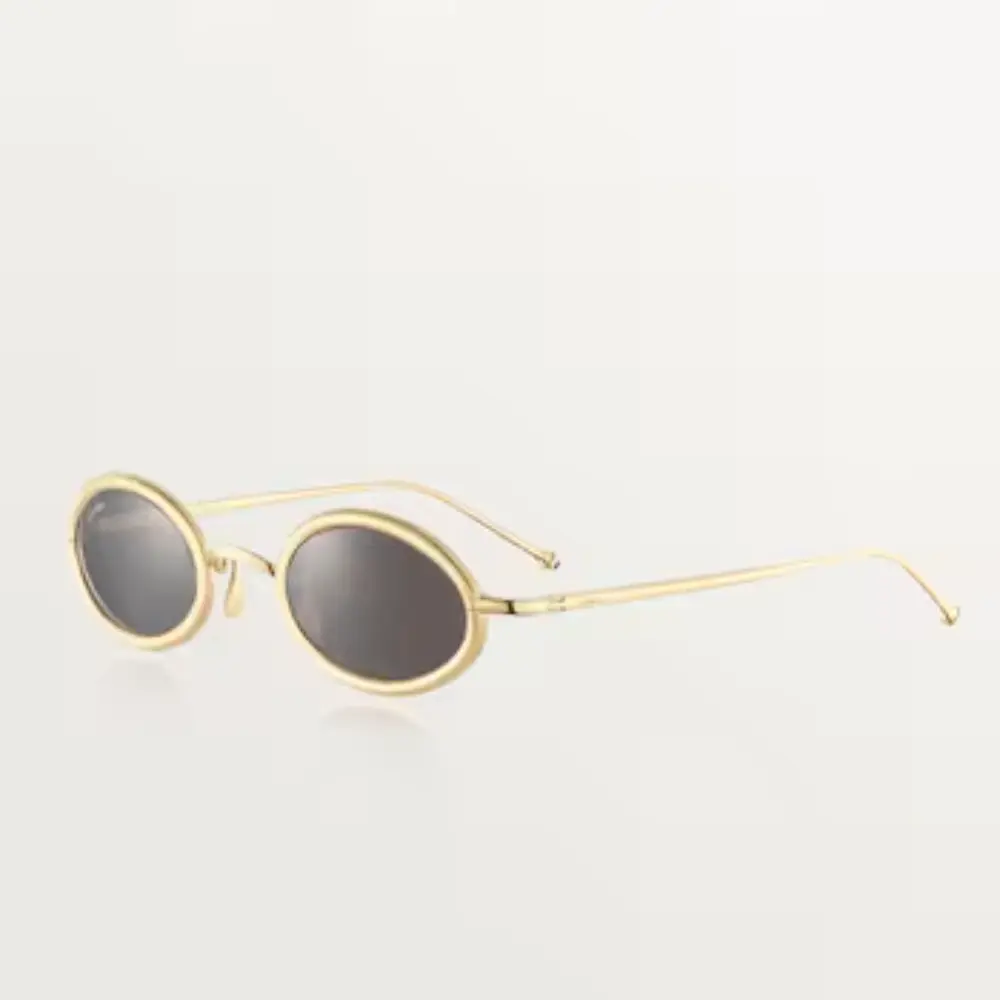
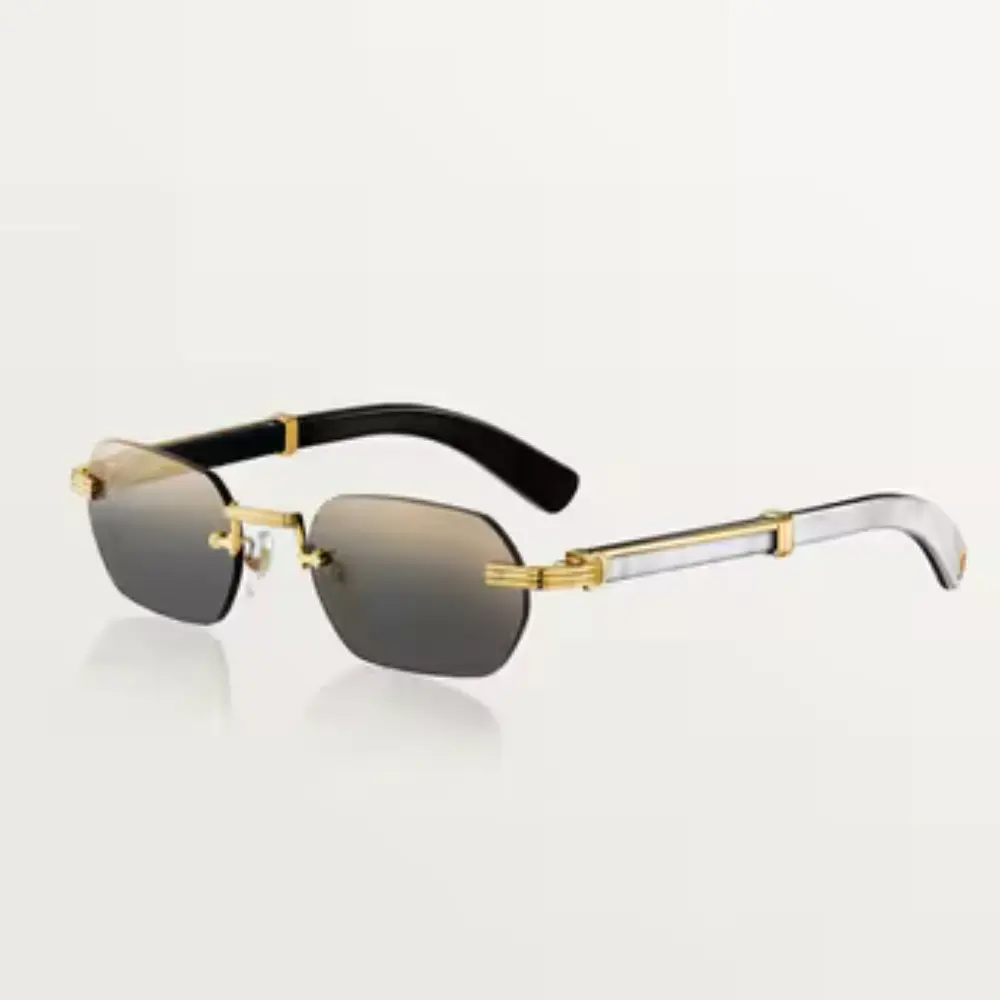
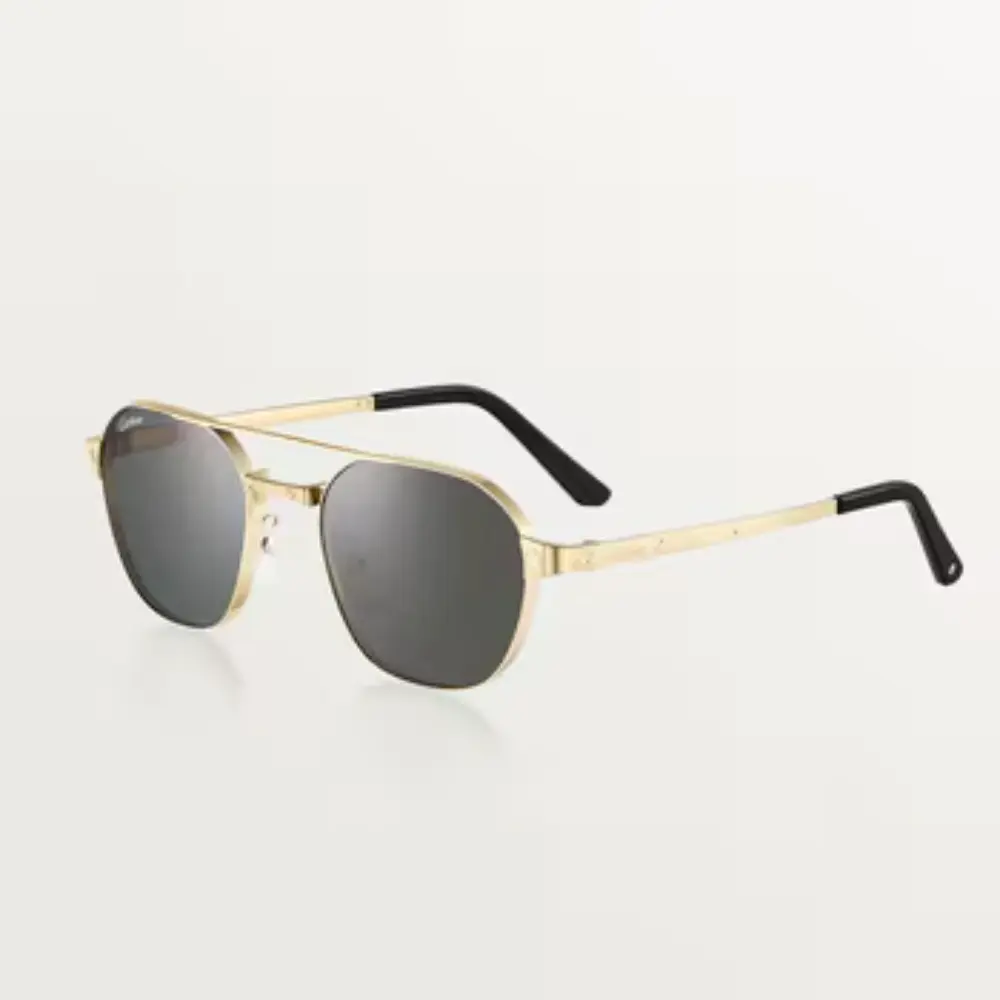
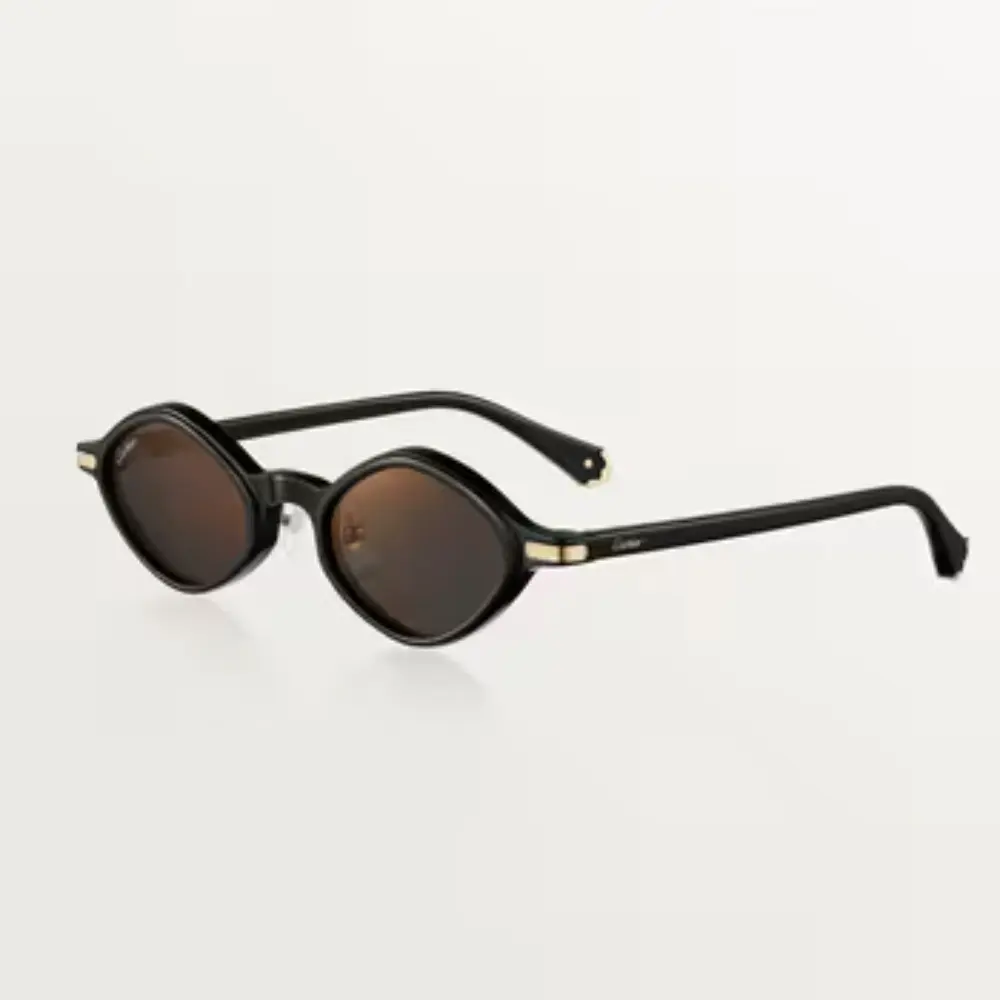
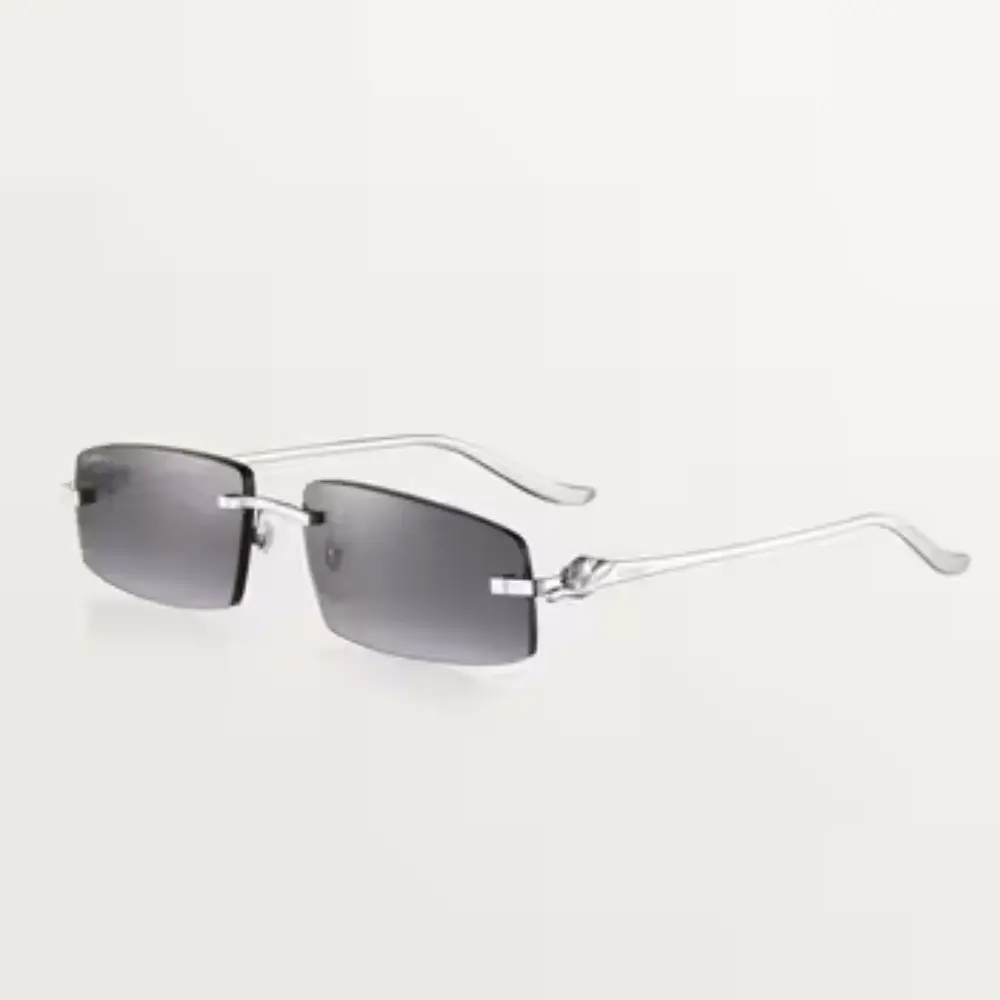
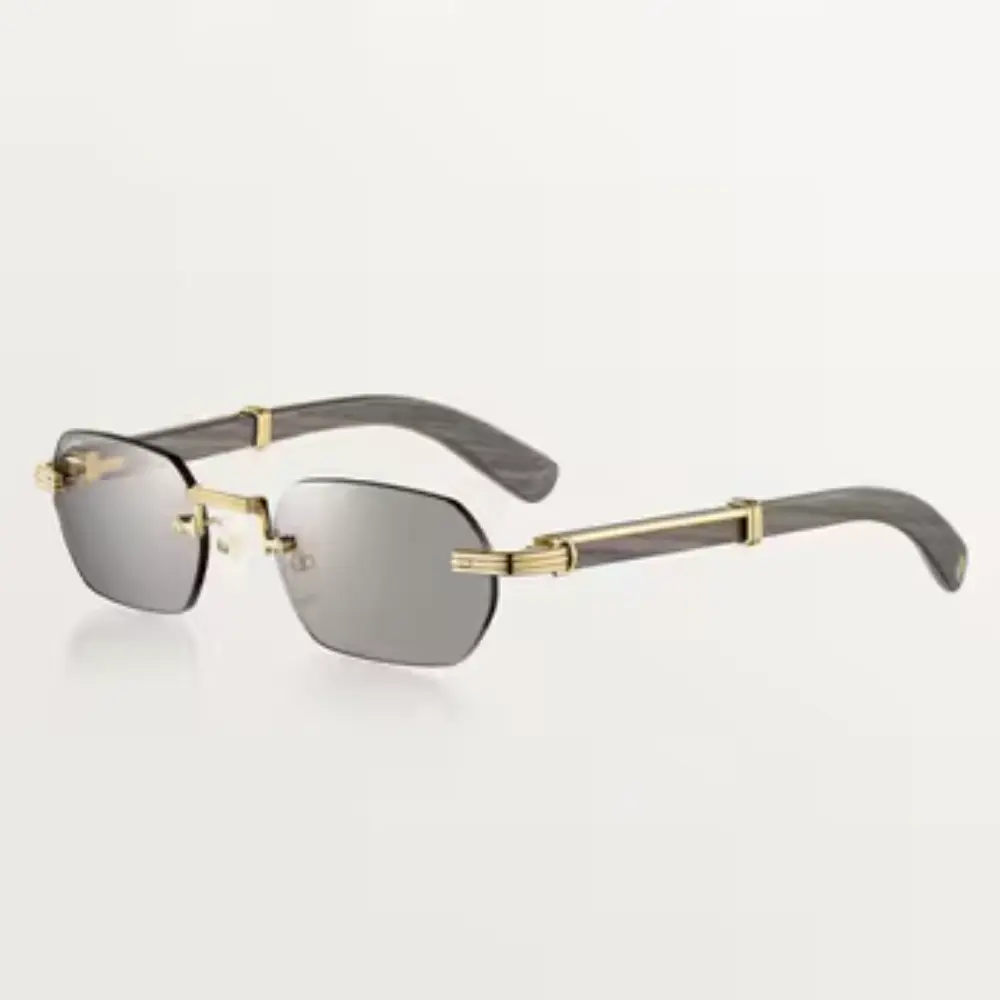
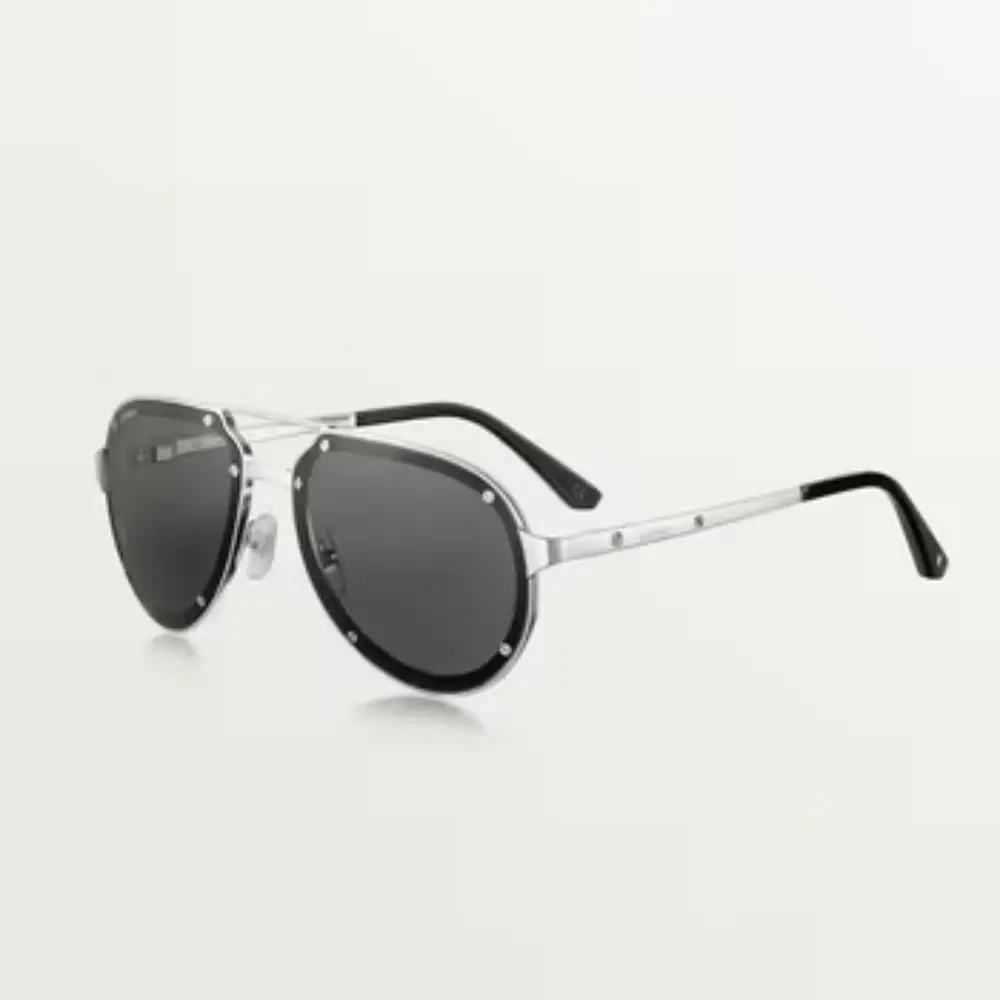
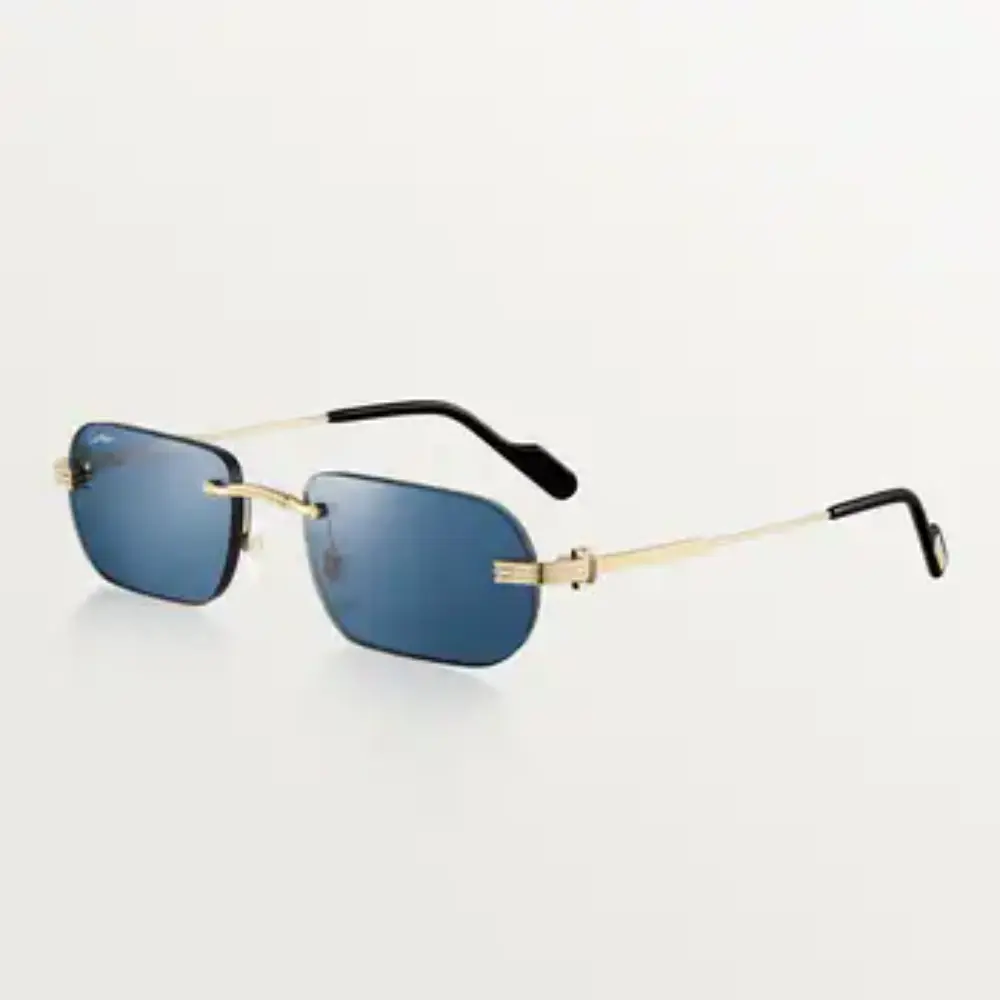
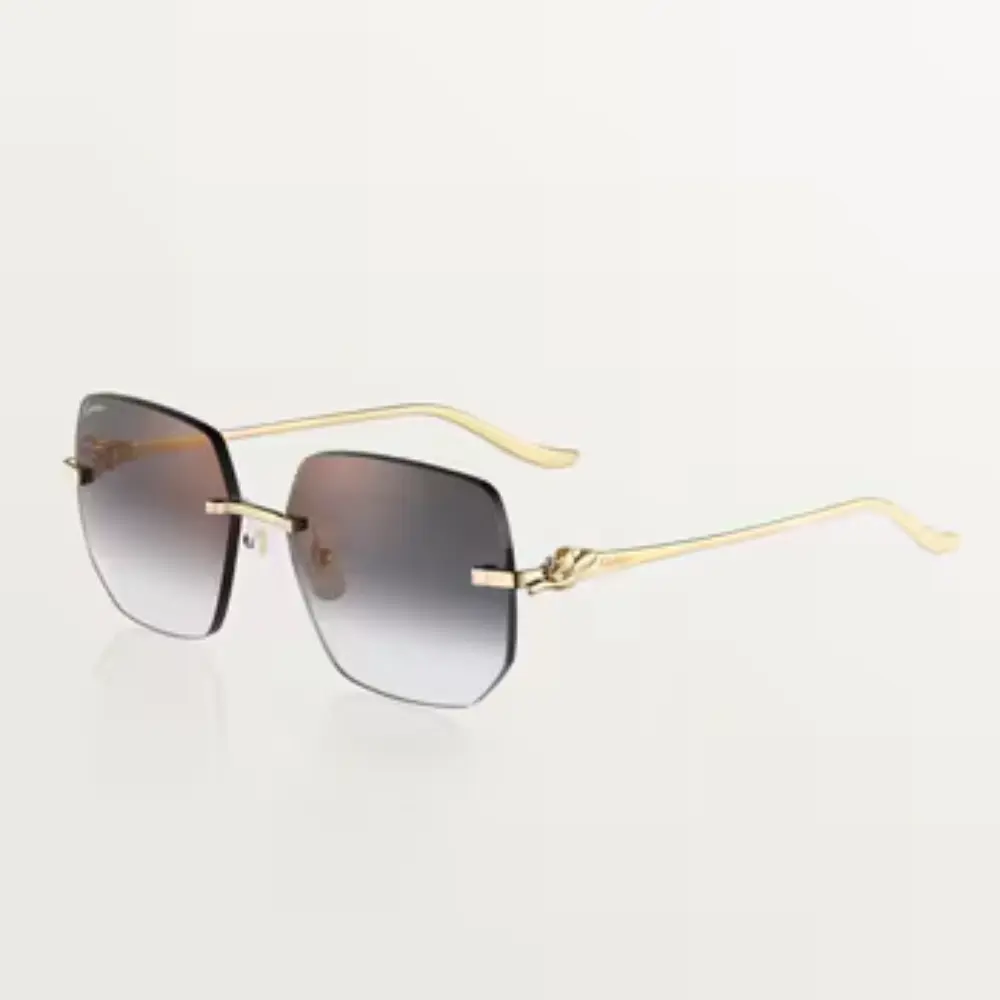
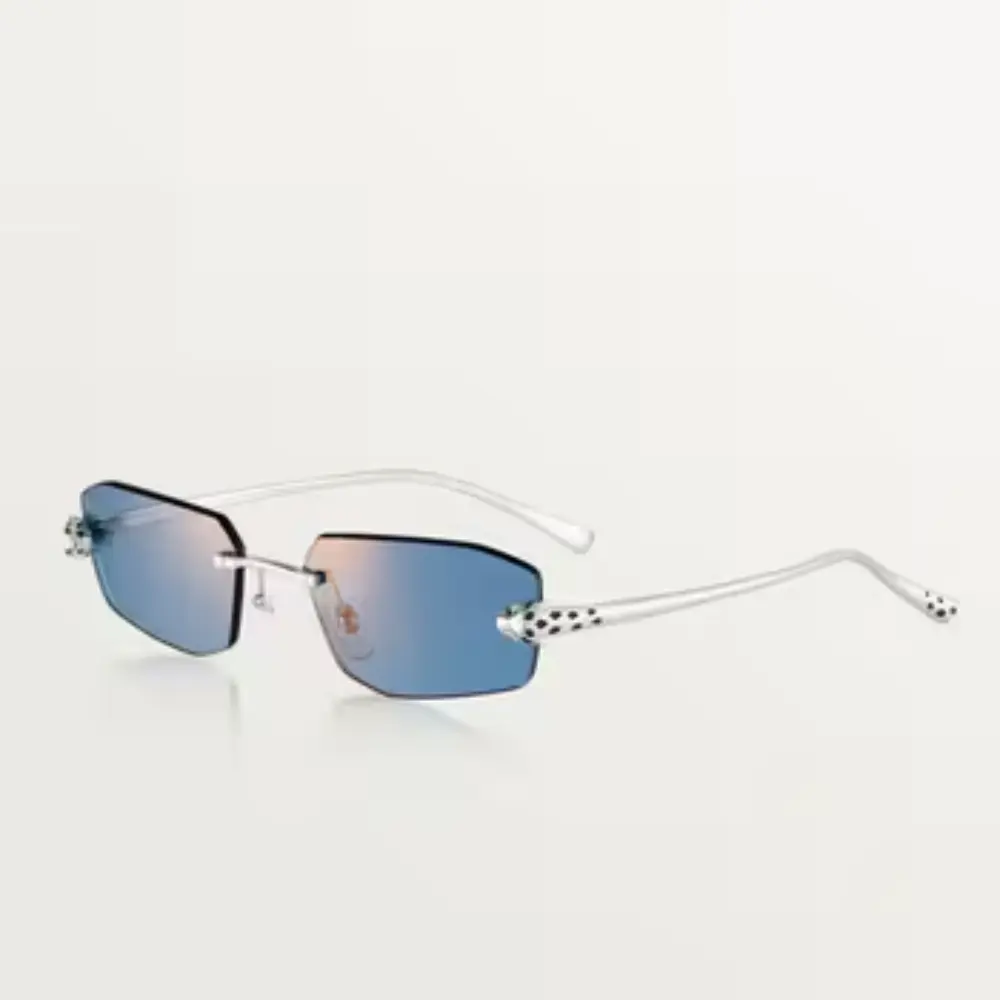
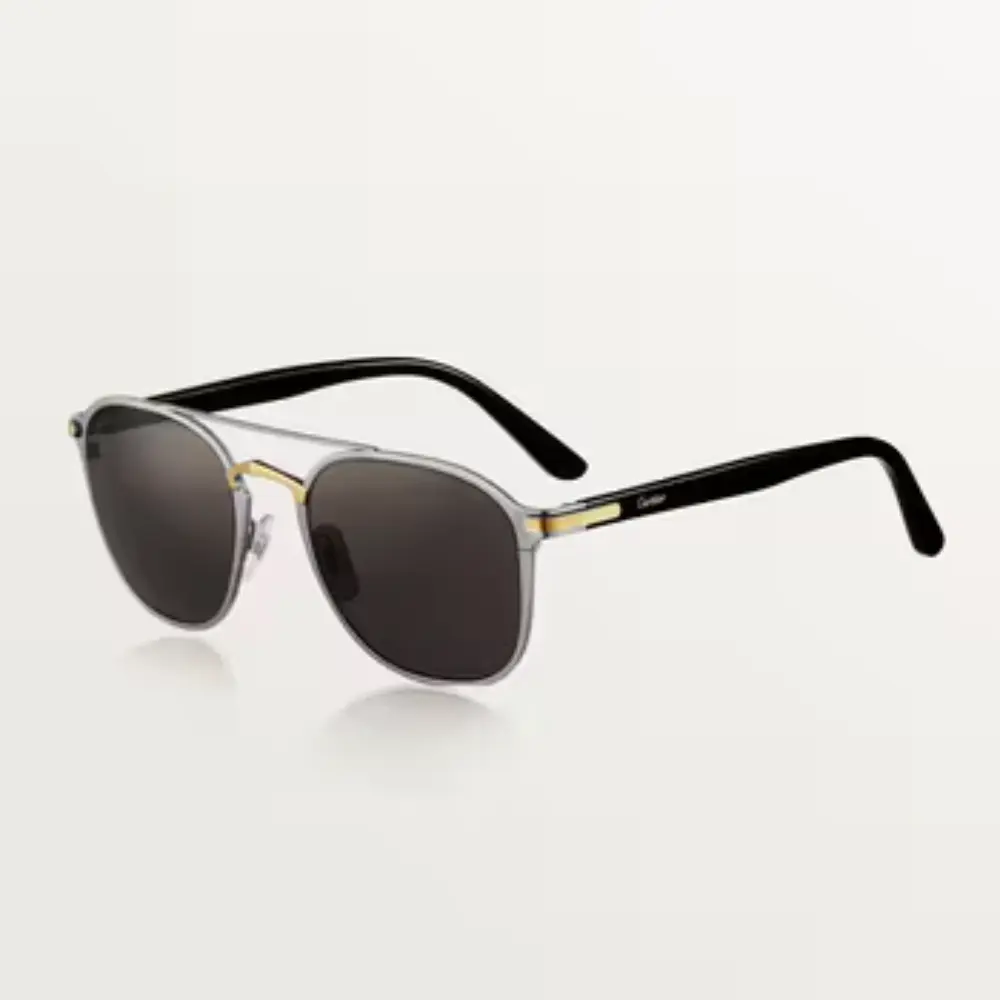
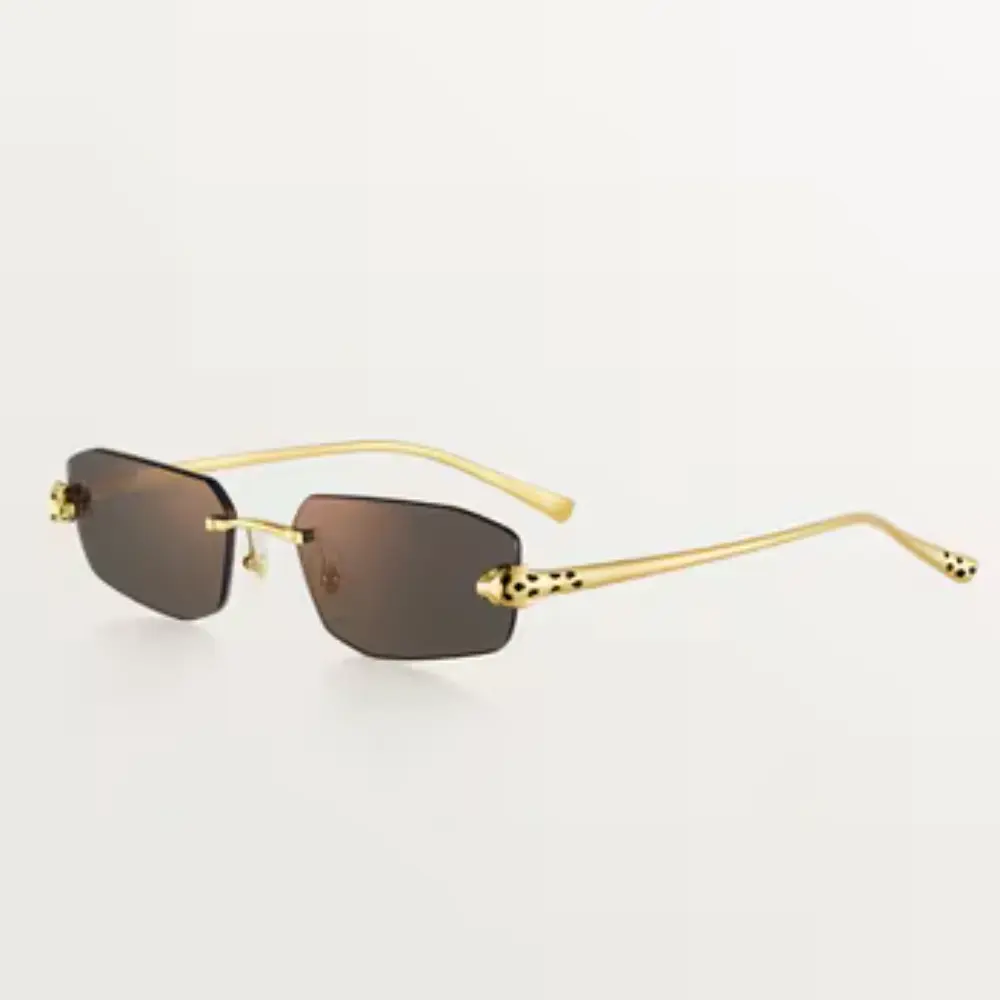
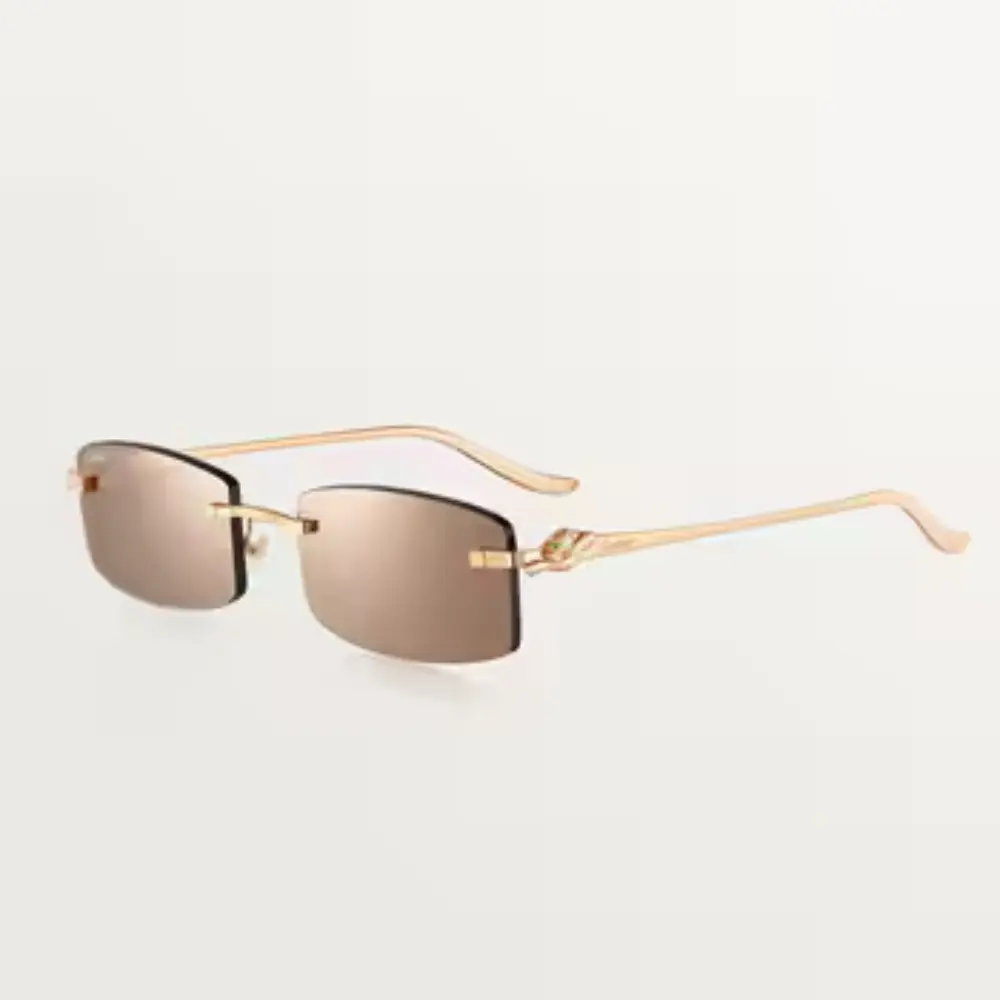
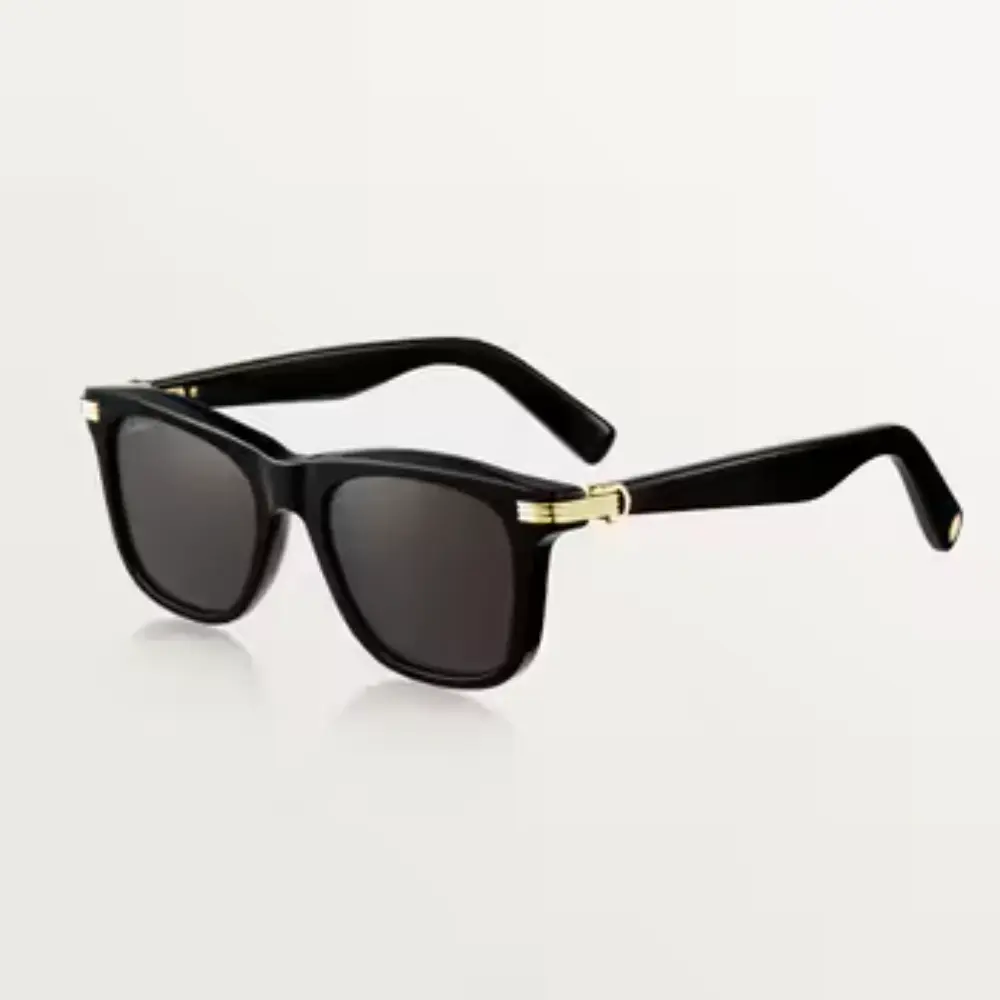
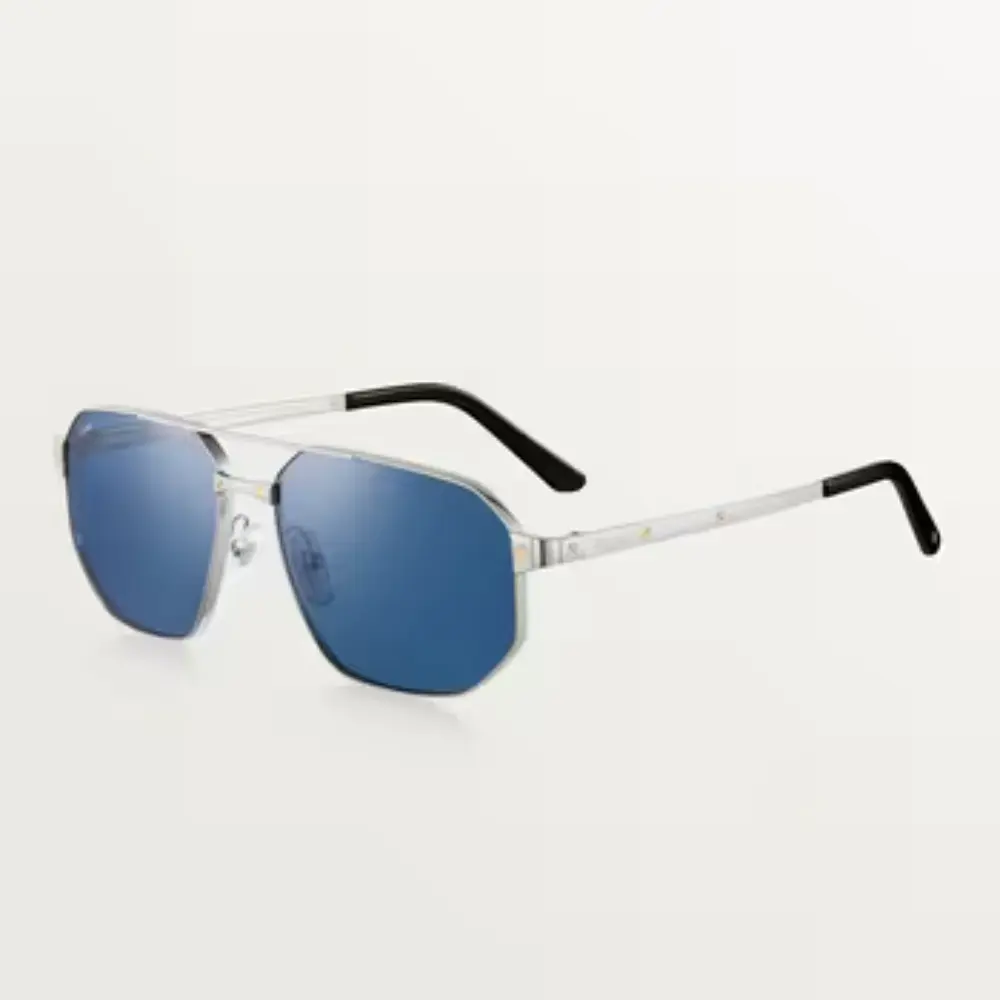
Tom Ford, Gucci, Chanel, Prada, Cartier, Chrome Hearts — these brands sell identity, not just eyewear. Materials are premium Italian acetate, surgical-grade metals, and in Cartier and Chrome Hearts’ case, precious metals and exotic materials. Price points range from $300 to $3,000+.
The critical insight for B2B buyers: most of these luxury frames are manufactured in the same Chinese production hubs (Shenzhen and Wenzhou) that produce mid-range frames. The “Made in Italy” label often reflects final assembly and quality control, not the full manufacturing chain. This means equivalent craftsmanship and materials are available at significantly lower cost — if you know where to source.
Material Trends in the North American Market (2025–2026)
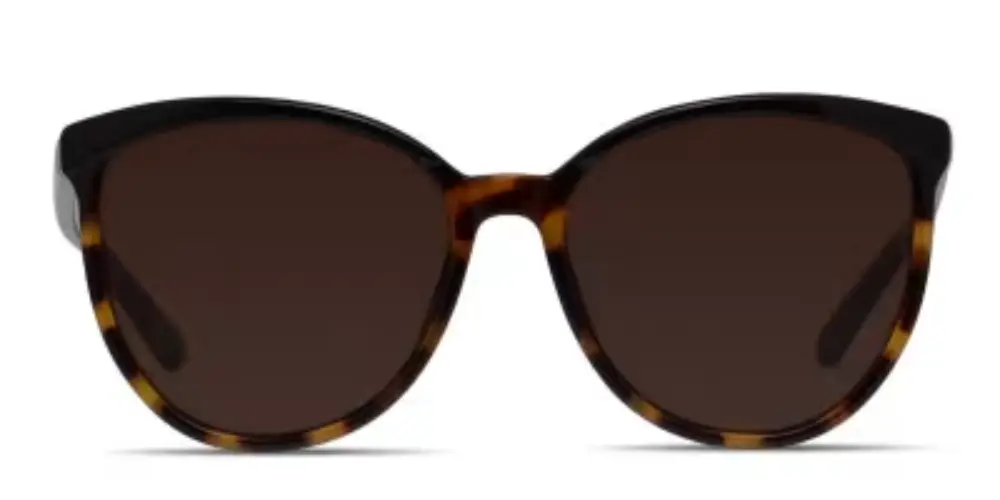
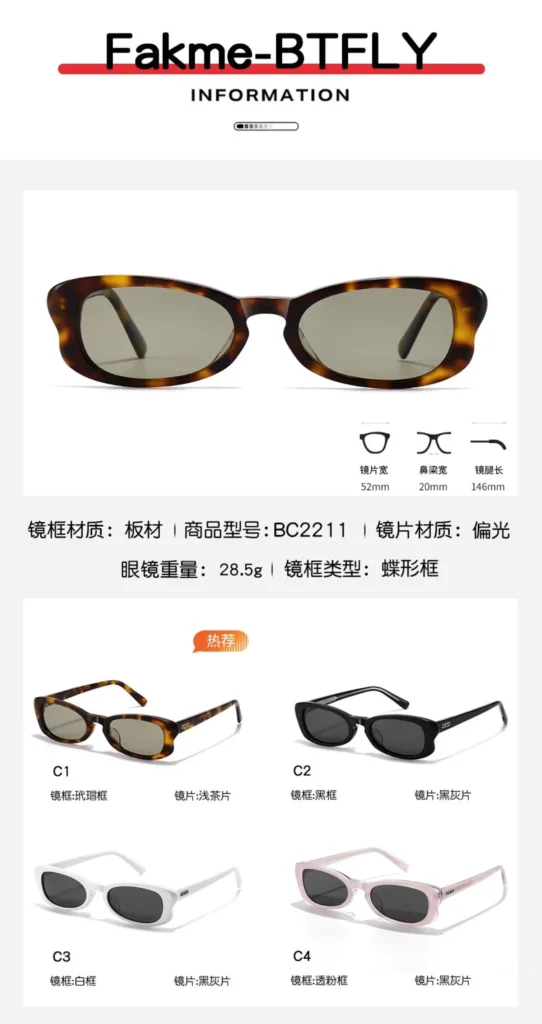
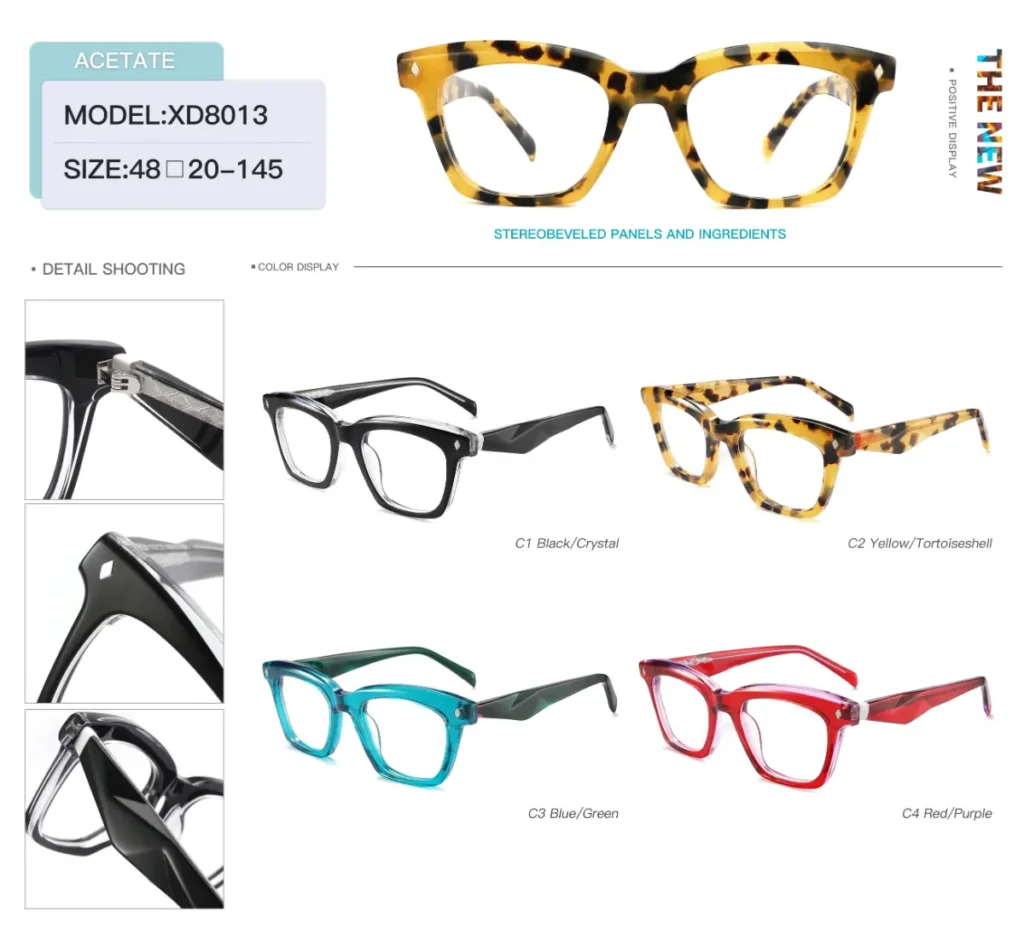
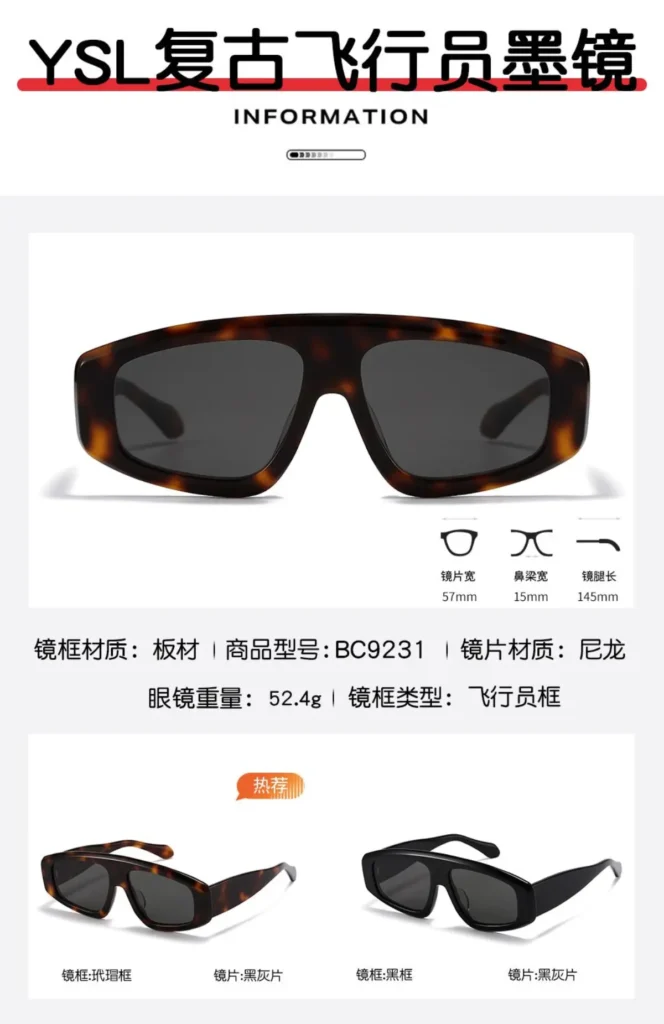
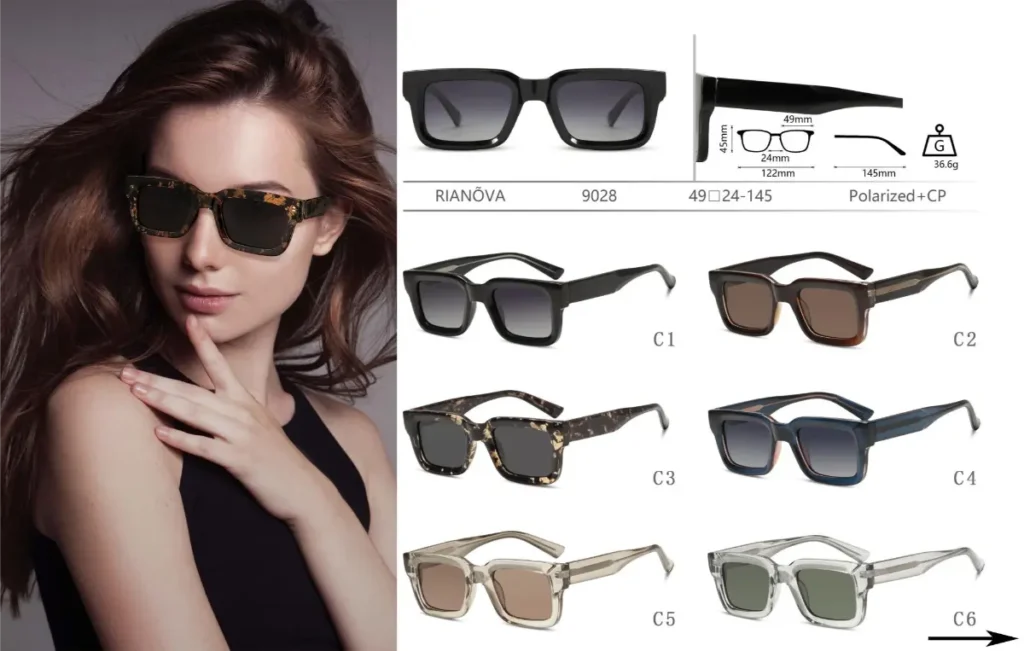
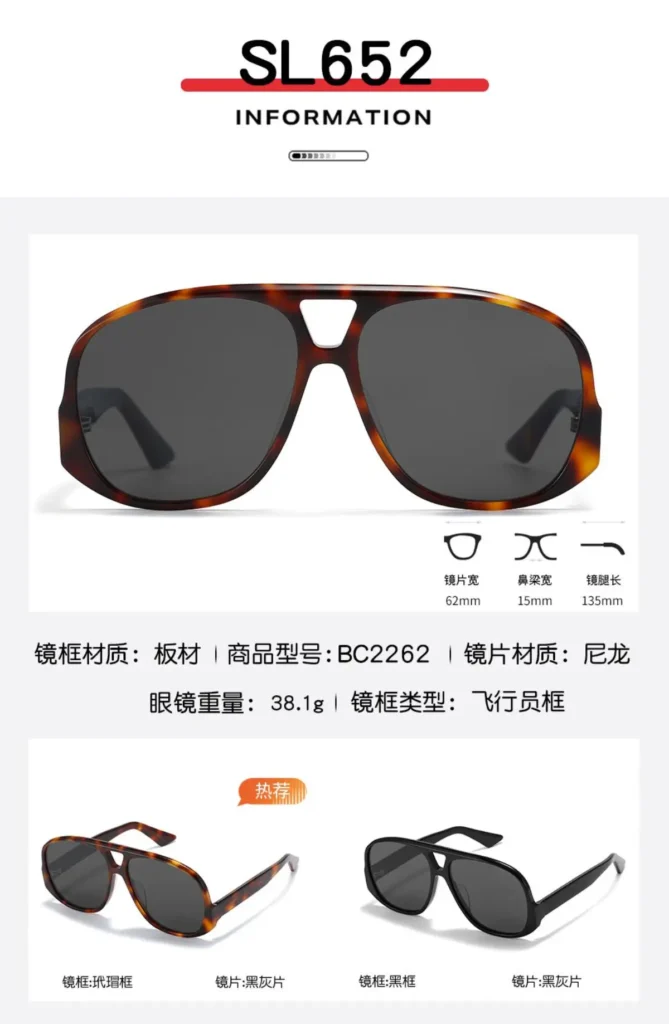
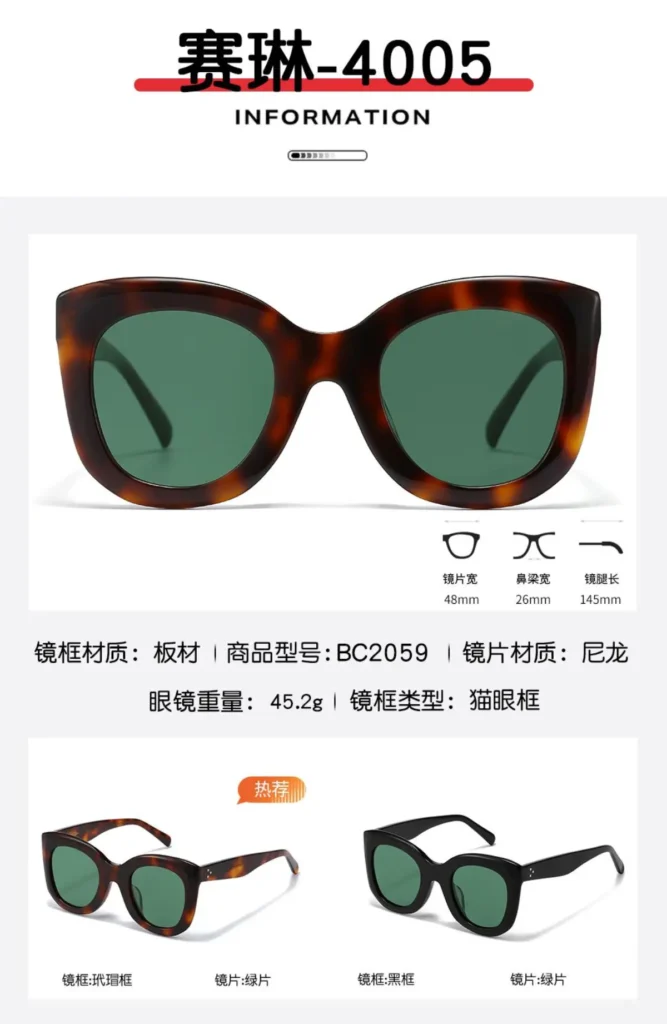
- Acetate — Still the dominant premium material. Chunky, sculptural shapes in tortoiseshell and translucent colors are the strongest sellers. Bio-acetate (plant-based, biodegradable) is emerging as a sustainability differentiator.
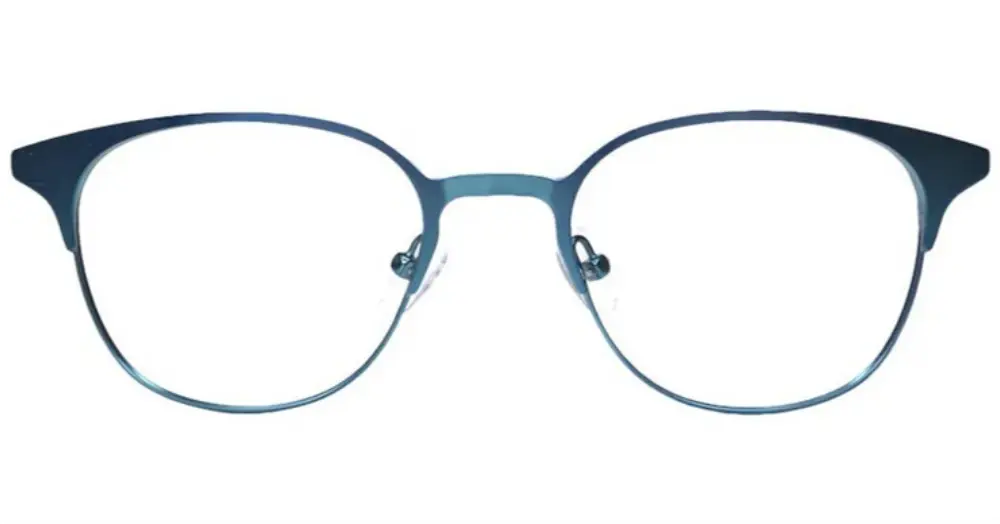
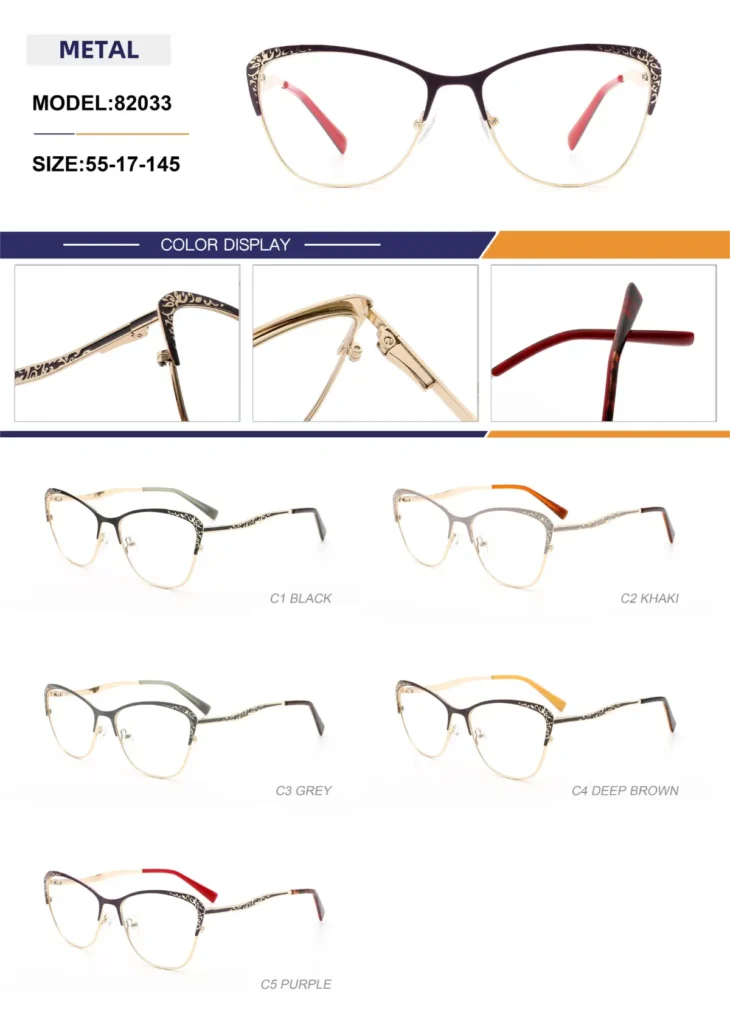
- Titanium — Growing rapidly in the “quiet luxury” segment. Ultra-thin wire frames in matte gold, gunmetal, and silver appeal to professionals who want quality without ostentation. Pure titanium and beta-titanium both have strong demand.
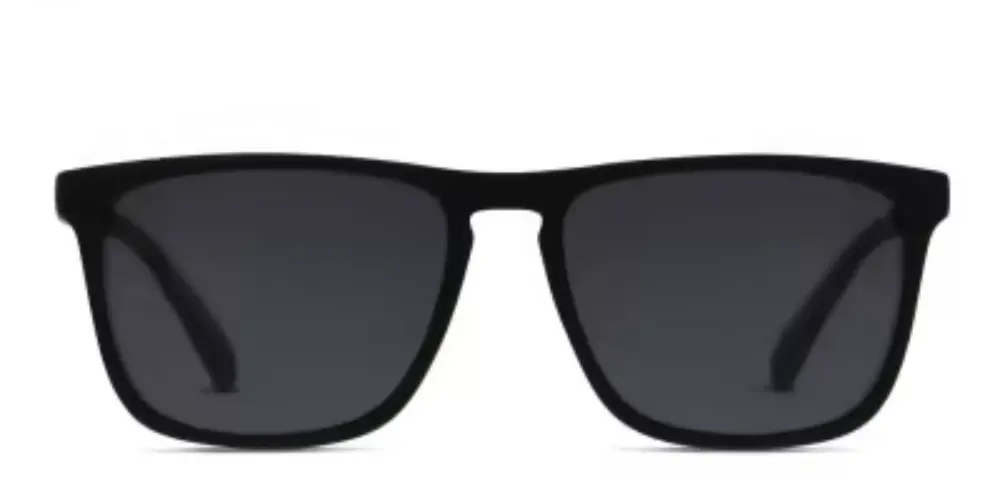
- TR90 / Nylon blends — The default for value and sport segments. Not premium positioning, but essential for volume. TR90’s flexibility makes it the go-to for kids’ eyewear and budget sunglasses.
- Stainless steel — Gaining share in the minimalist/geometric trend. ic! berlin’s screwless hinge design has influenced a wave of thin-metal-frame demand across all price tiers.
Seasonal Buying Patterns
North American eyewear buying follows a clear seasonal rhythm that smart B2B buyers plan around:
- Spring (Mar–May): Pastel acetate frames, crystal-clear finishes, thin metal geometric shapes. “Fresh start” buying triggers — tax refunds, new prescriptions. Jelly mint and soft blue frames spike.
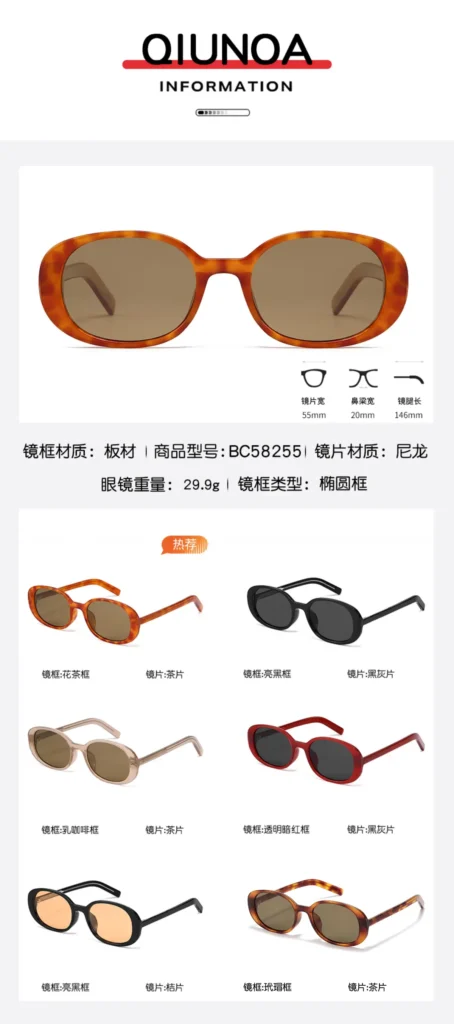
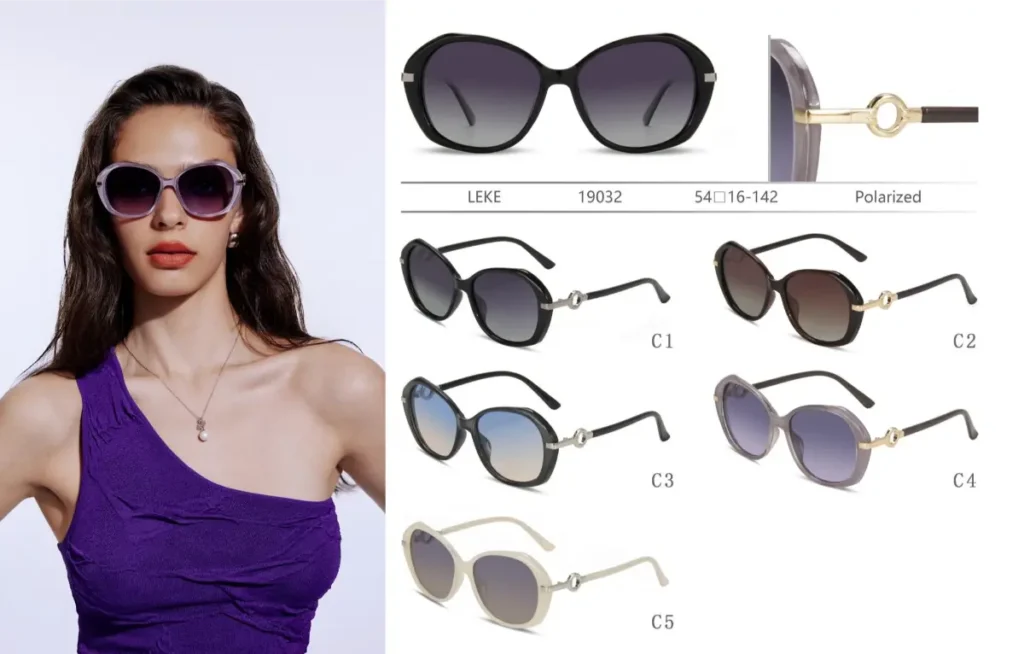
- Summer (Jun–Aug): Sunglasses peak. Oversized frames, bold colors (electric fuchsia, amber), polarized lenses. This is when TR90 and sport-frame volumes hit their annual high.
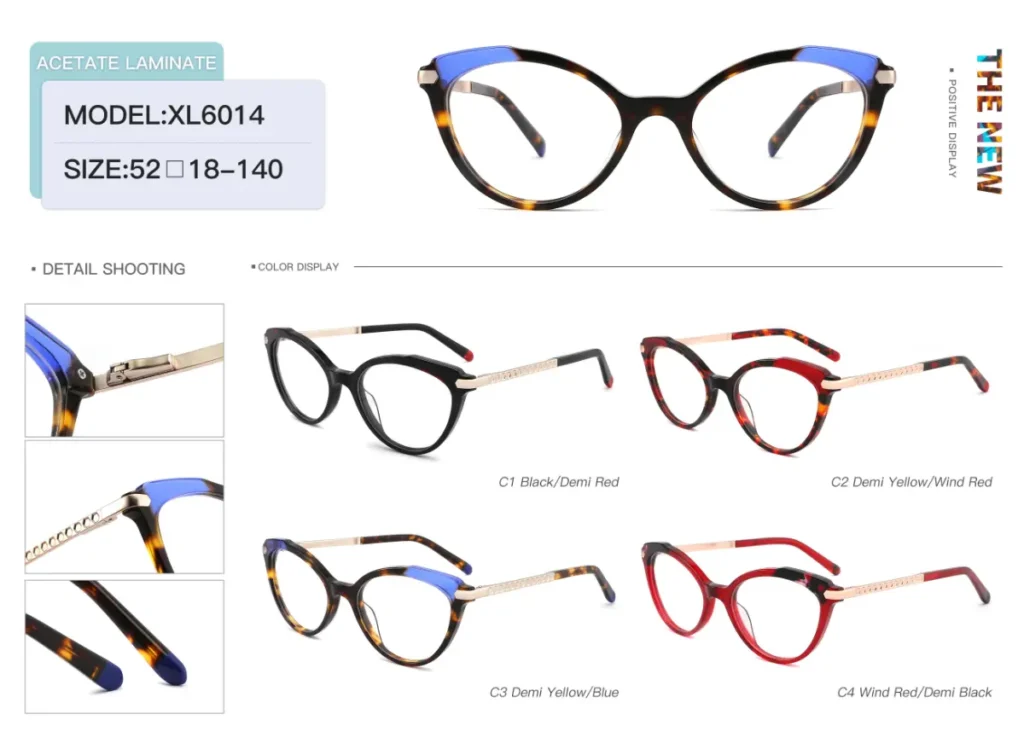
- Fall (Sep–Nov): Tortoiseshell acetate and warm-toned metal frames dominate. Cat-eye shapes return. Back-to-school drives kids’ frame demand. Blue-light-blocking glasses surge as screen time increases.
- Winter (Dec–Feb): Chunky acetate in dark tones, titanium for lightweight comfort under winter accessories. Gift buying drives luxury frame sales. Anti-fog coatings become a selling point.
Who Is Buying What: Demographic Breakdown
- Gen Z (18–27): Transparent frames, Y2K-inspired wraparounds, geometric shapes, tinted lenses. Price-sensitive but trend-driven. Influenced by TikTok and Instagram. Brands: Zenni, Quay, Gentle Monster.
- Millennials (28–43): Quiet luxury, sustainable materials, titanium wire frames, oversized acetate. Willing to pay for quality and ethics. Brands: Warby Parker, Ace & Tate, independent designers.
- Gen X (44–59): Classic shapes, titanium and stainless steel, progressive lenses. Function and reliability over fashion. Brands: Ray-Ban, Oakley, LINDBERG.
- Boomers (60+): Reading glasses, progressive-friendly frames, comfort-first designs. Growing demand for upscale reading glasses that don’t look “medical.” Brands: Chester Zeiss, independent optical shops.
The 2026 Trend Direction: Two Poles
The North American market in 2026 is defined by two opposing aesthetic forces:
- Quiet Luxury: Minimal frames, no visible logos, premium materials, neutral tones. Think LINDBERG, Zero G Titanium, or a matte titanium frame from a Japanese maker. The frame disappears into the face rather than announcing itself.
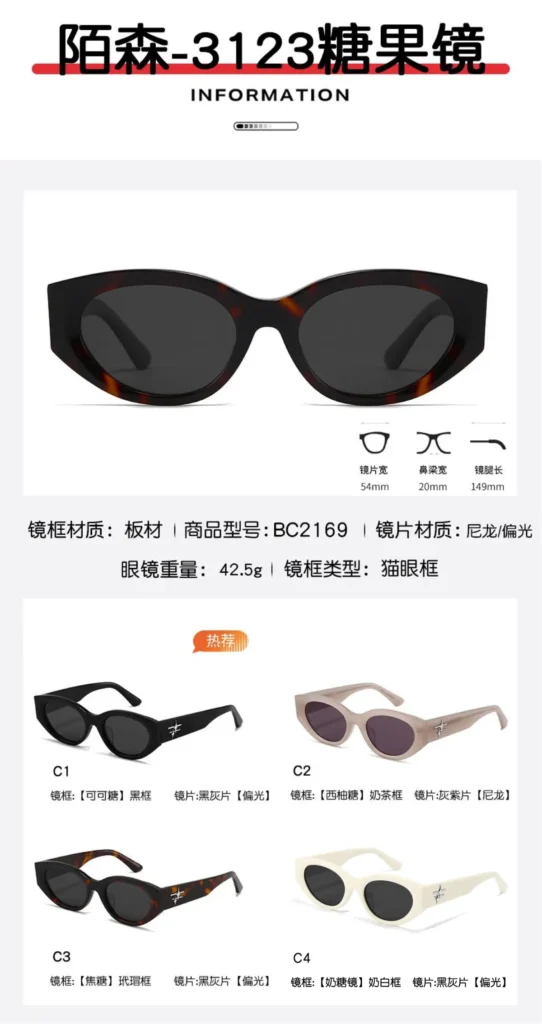
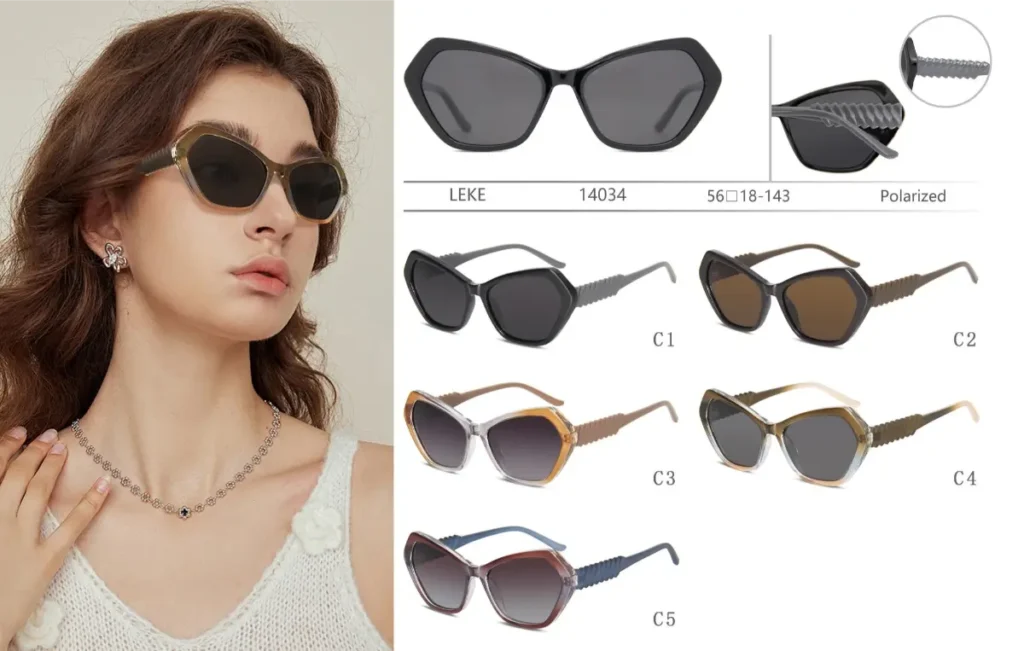
- Expressive Futurism: Bold sculptural acetate, chrome finishes, geometric shapes, and even stone-set frames. Think Gentle Monster’s avant-garde approach filtered through a North American lens. Statement eyewear as the centerpiece of an outfit.
For B2B buyers, the practical takeaway is this: a well-curated collection needs both. The quiet luxury pieces will anchor your everyday sales. The expressive pieces will drive social media engagement and foot traffic. Ignore either pole and you leave money on the table.
Sourcing Equivalent Quality: What the Brands Use vs What You Can Get
Here is what many B2B buyers do not realize: the Italian acetate used by $400+ designer frames is the same Mazzucchelli or Lafont material available to any factory that sources it. The difference is the logo on the temple and the retail markup.
If you are building a private-label collection or sourcing for wholesale, the material combinations to focus on are:
- Premium acetate + spring hinge core — The backbone of any serious optical collection. Chunky rectangular and round shapes in tortoiseshell and black.
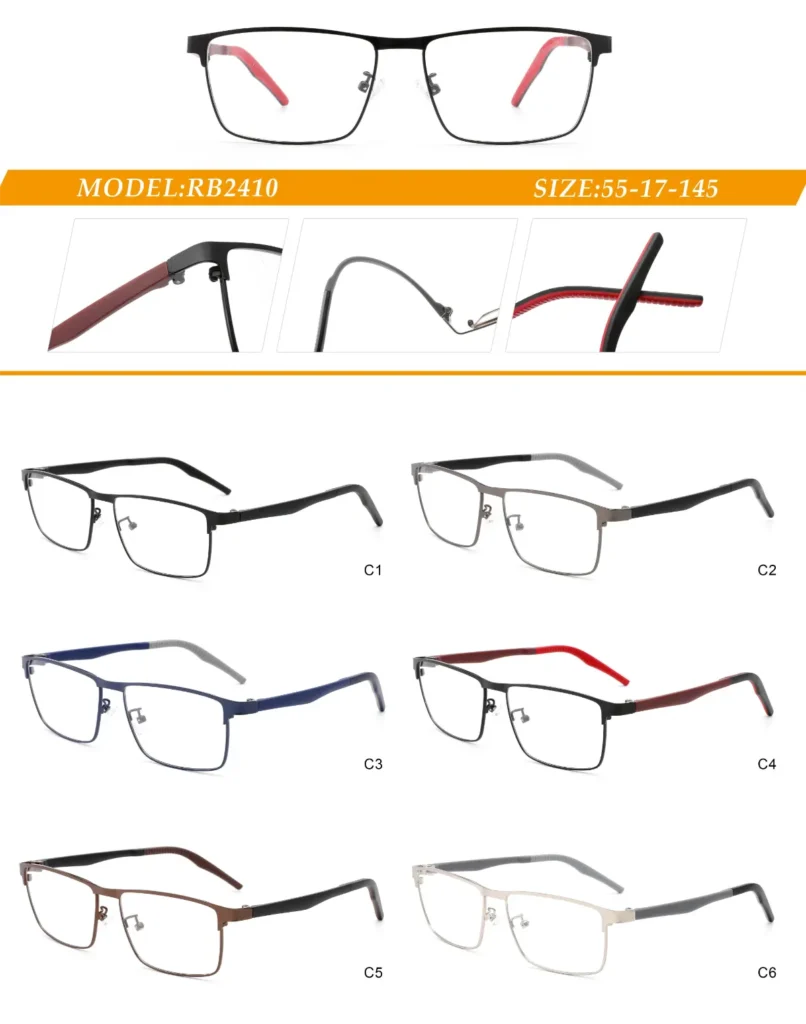
- Pure titanium or beta-titanium wire frames — For the quiet luxury segment. Ultra-light, hypoallergenic, and increasingly expected by discerning buyers.
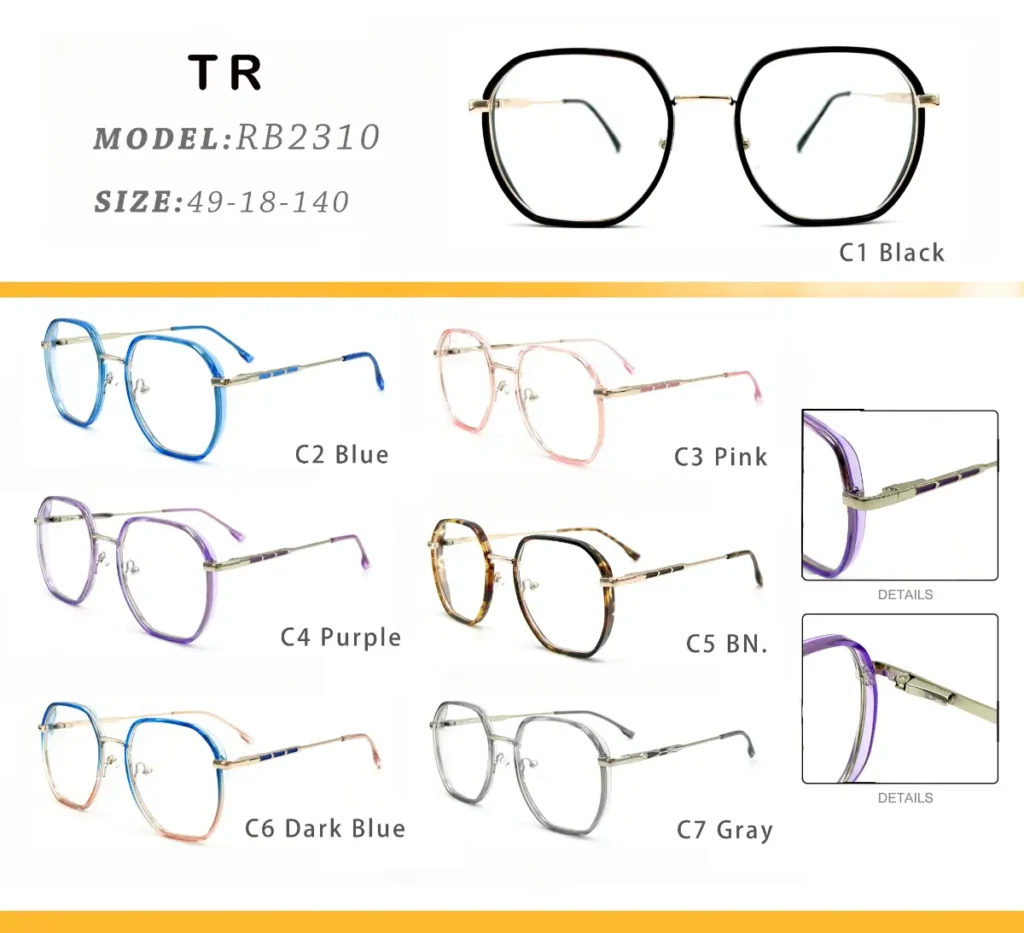
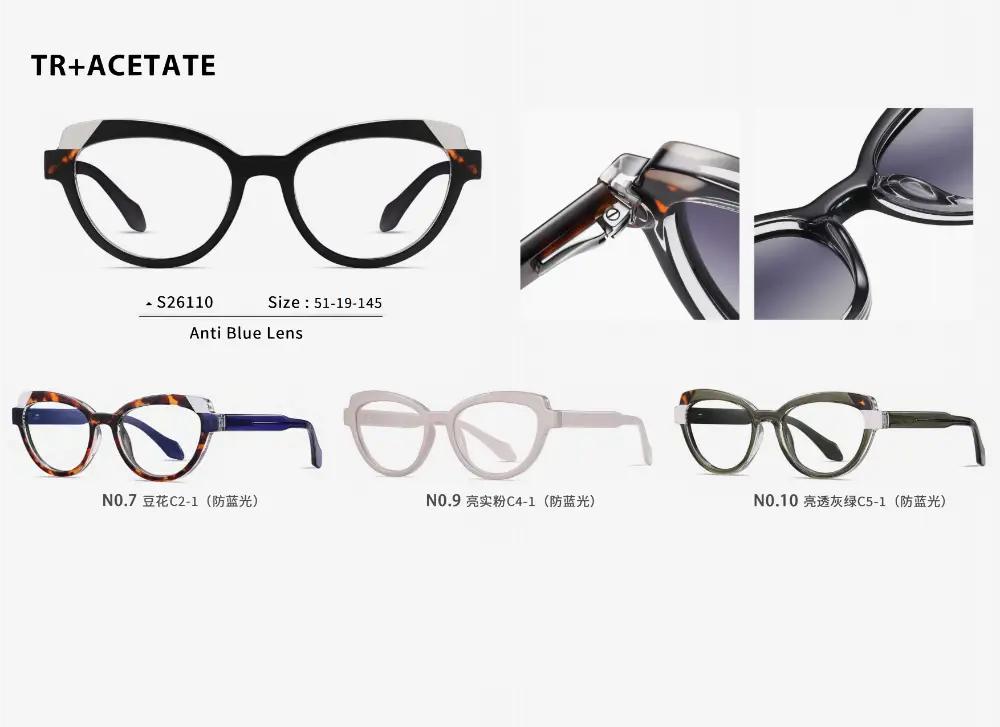
- TR90 with dual-color injection — For the value segment with visual punch. Dual-color TR90 frames that mimic the layered look of acetate at a fraction of the cost — a proven seller in the North American mid-market.
- Blue-light-blocking TR90 frames — Essential for the work-from-home and student segments. Simple shapes, affordable pricing, functional selling point.
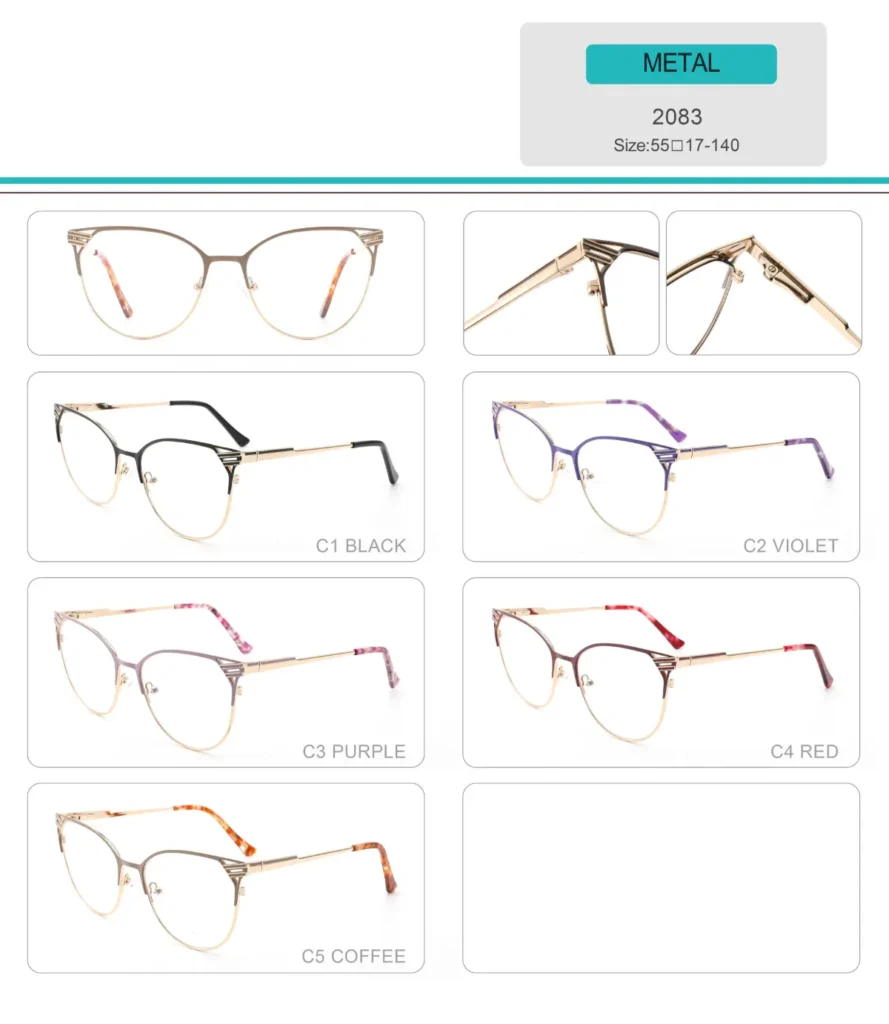
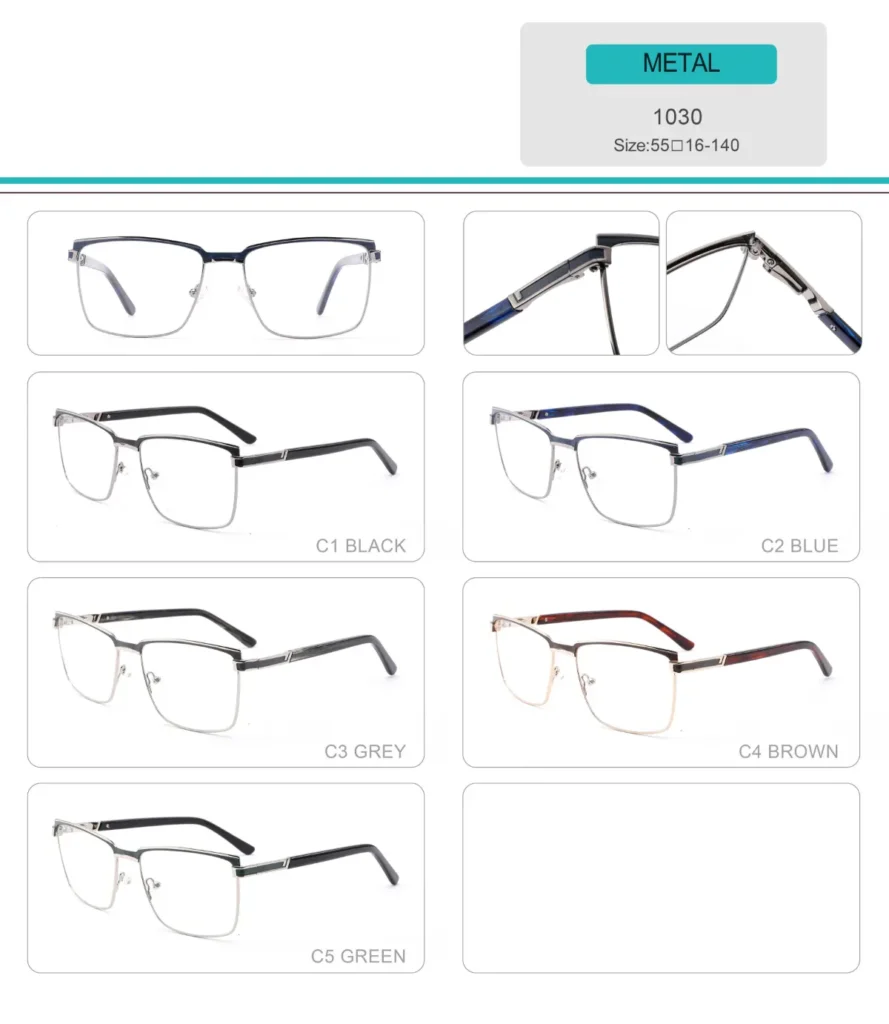
At Wenzhouframe, we manufacture across all of these material families. Our factory in Wenzhou produces acetate, titanium, TR90, and stainless steel frames with the same raw materials and production standards used by internationally recognized brands — because in many cases, we are part of the same supply chain.
Related Guides for B2B Eyewear Buyers
- TR90 vs Acetate vs Metal: Which Material Is Right for Your Collection?
- Pure Titanium vs Beta Titanium: What Wholesale Buyers Need to Know
- How to Source Eyewear from China: Complete B2B Guide
- OEM vs ODM Eyewear: Which Model Fits Your Business?
- Blue Light Blocking Glasses: Wholesale Sourcing Guide
- Where Eyeglass Frames Are Actually Made: Global Production Guide
If you are planning a collection for the North American market and want to see what equivalent quality looks like before committing to an order, reach out to our team. We can prepare a targeted selection based on your target price point, market segment, and style direction — no pressure, just samples and data so you can evaluate for yourself.

6.17_11.webp)