There is a well-known limitation in the eyewear industry that most buyers accept as a fixed rule: TR frames come in single, solid colors. You pick a resin, you pick a dye batch, you inject, and you get one color per frame. If you want layered color effects or striking multi-color patchworks — the kind of depth and dimension that makes acetate frames so desirable at retail — you have historically been limited to one material: cellulose acetate, cut from sheet stock and polished by hand.
We decided that limitation was worth challenging.
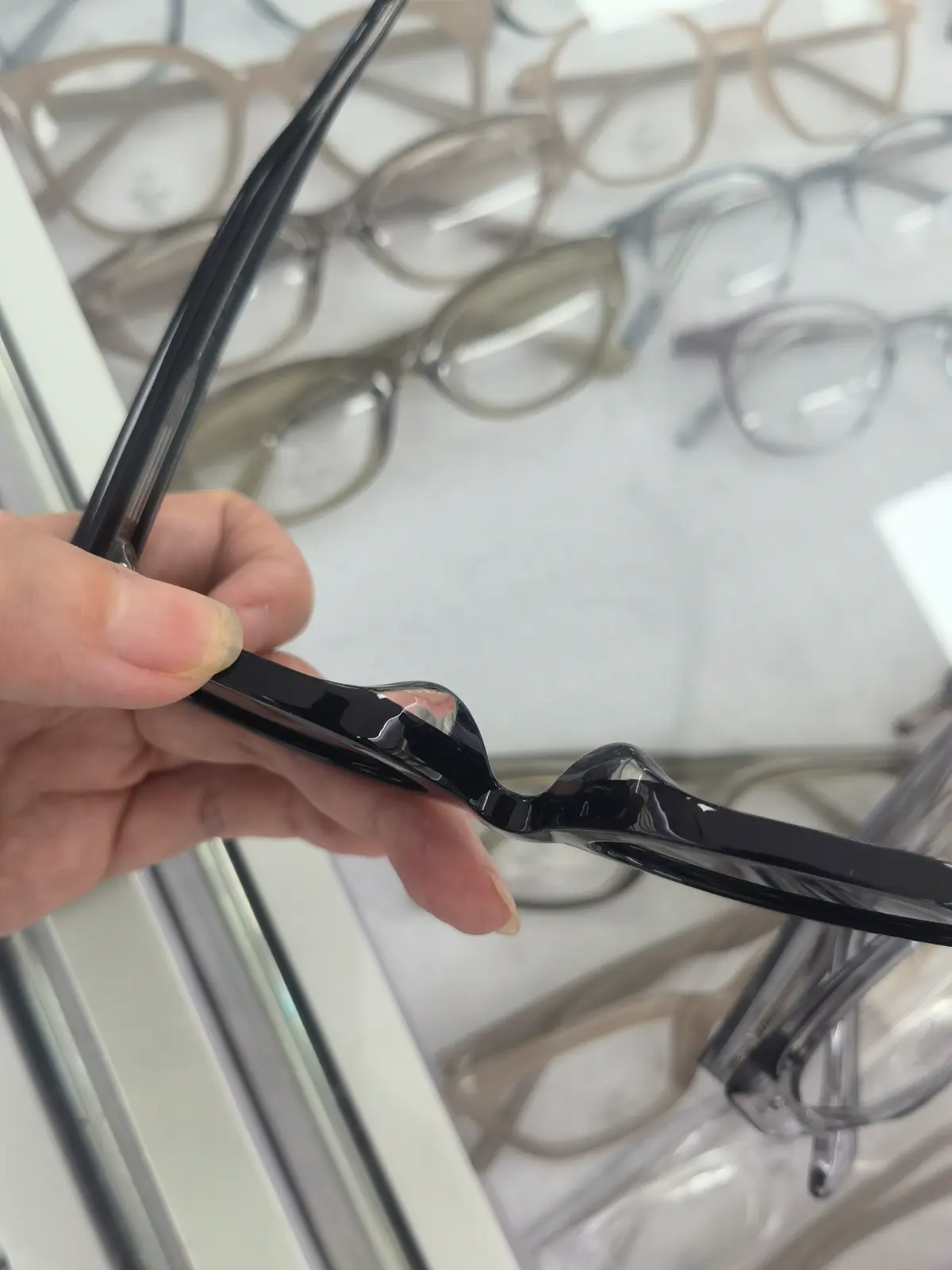
After an extended R&D period, our factory has developed a proprietary multi-step injection process that produces TR frames with genuine dual-color layering and patchwork effects. Not printed, not wrapped, not overmolded in the conventional sense — but structurally integrated to perfectly replicate the iconic “color-blocking” and “seamless splicing” (拼料) visual effects of premium acetate. The result is a frame that looks like high-end acetate at retail, handles with TR’s lightweight resilience, and costs significantly less to produce.
The Technical Problem
Standard TR injection molding works like this: raw TR resin pellets are melted at 260–300°C and forced under high pressure into a single steel mold cavity. One mold, one shot, one color. The mold geometry is fixed, and there is no mechanism in standard molding to introduce a second color or a contrasting structural element into the same frame body.
Acetate, by contrast, achieves its premium look through lamination and splicing. Different colored blocks or sheets of cellulose acetate are physically cut, aligned, and fused together under heat and pressure before being CNC-milled. This creates distinct, sharp color bands and contrasting nose bridges or upper rims (the classic “sandwich” or spliced look).
The challenge: Can you achieve this exact spliced, multi-colored premium visual in TR using high-efficiency injection molding?
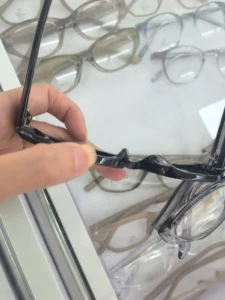
Our Approach: The Three-Mold Splicing & Integration System
Our solution does not try to reinvent the injection machine. Instead, it completely rethinks the mold engineering. By splitting the frame into independent structural components before final fusion, we achieve the precise color boundaries typical of handmade acetate.
Our process uses three separate molds working in a coordinated engineering sequence:
-
Mold 1 — The Frame Rim : The first mold produces the main frame rims in the primary color. This forms the optical chassis, defining the lens grooves and establishing the base style profile.
-
Mold 2 — The Nose Bridge & Accents : Simultaneously or sequentially, a second mold produces the nose bridge and surrounding structural accents in a contrasting second color (e.g., a crystal, Havana, or vivid solid tone).
-
Mold 3 — Overall Fusion & Finish : The pre-molded frame rims and the contrasting nose bridge component are transferred into a third, master integration mold. Here, a final high-pressure shot seamlessly fuses the components at the molecular level.
The Acetate Splicing Effect: This third step ensures that the joint lines between the frame rims and the nose bridge are perfectly flush, sharp, and free of flash or bleed. It replicates the exact look of acetate “patchwork splicing” (板材拼料), creating a clean, intentional, and high-contrast dual-color interface.
What the Result Looks Like
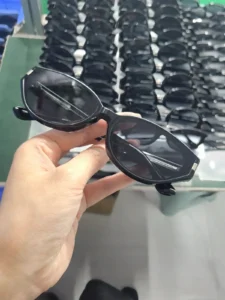
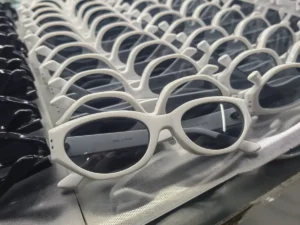
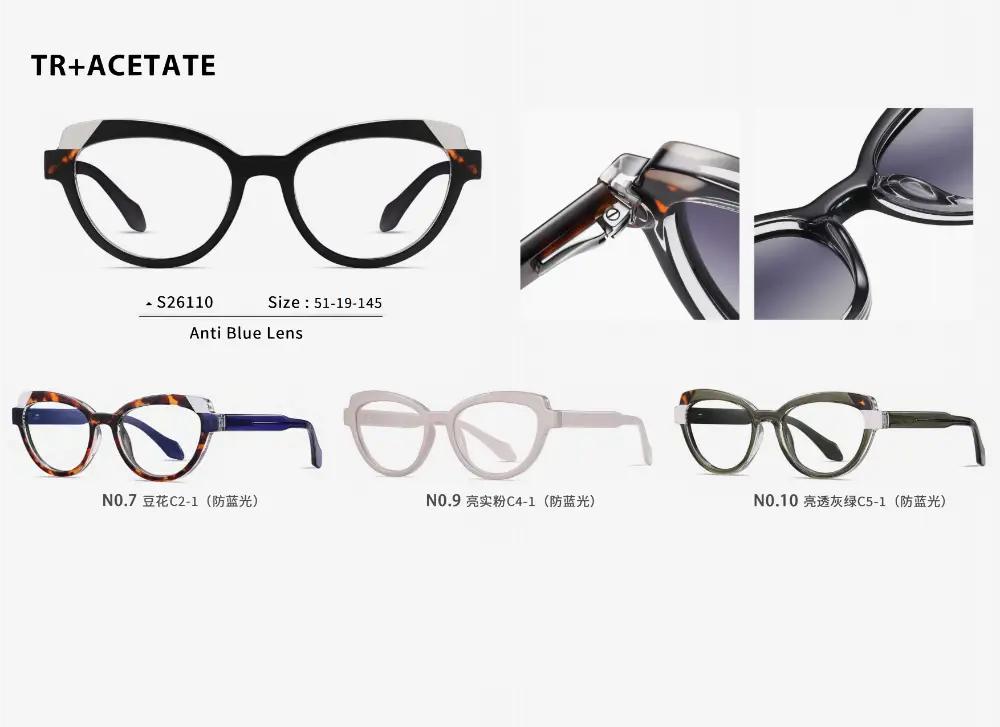
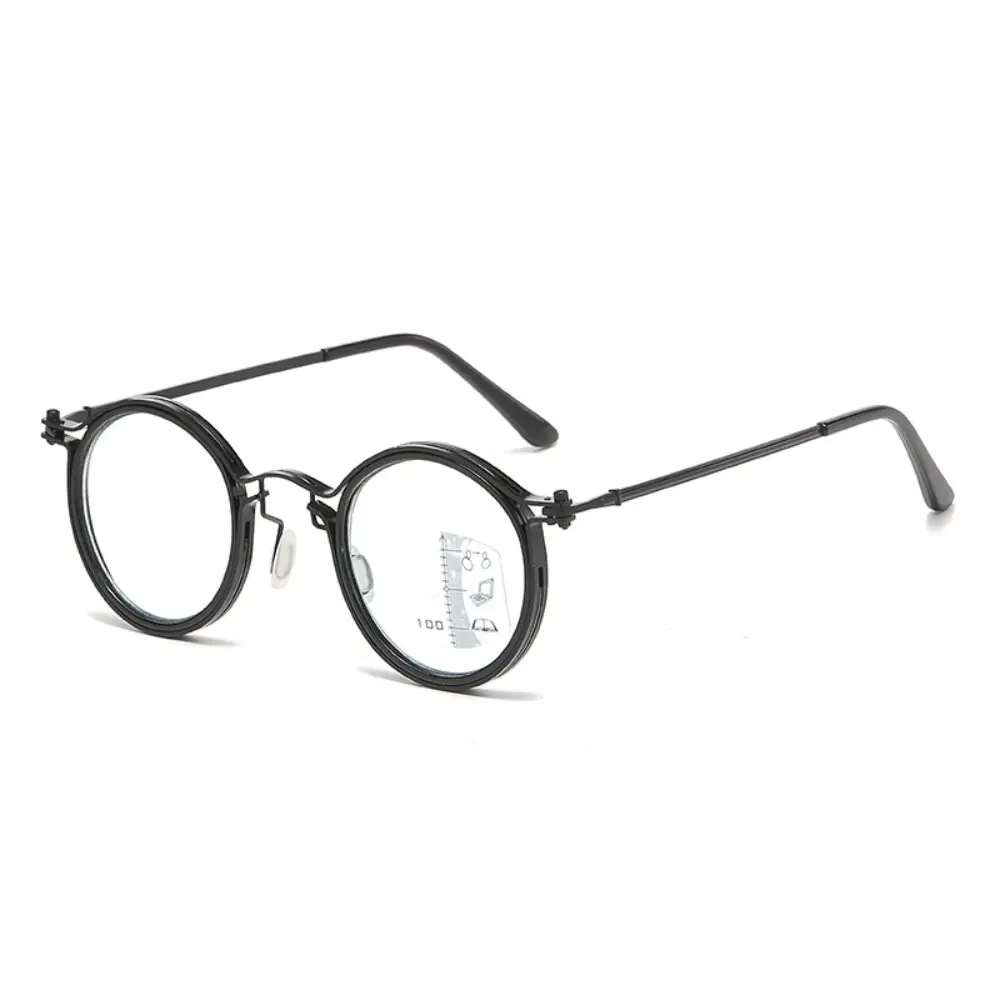
Frames produced through this process feature sharp, physical color boundaries that perfectly mimic high-end acetate sheet splicing. In side-by-side retail comparisons, the visual difference is virtually indistinguishable to the average consumer.
Popular Color-Blocking Combinations We Offer:
-
Classic Tortoise Splicing: Solid black outer frame rims seamlessly spliced with a crystal or Havana nose bridge/inner core.
-
Upper/Lower Two-Tone: Dark solid top rim fading into a translucent or contrasting lower frame and bridge.
-
Asymmetrical Accents: Translucent frame bodies with solid, high-contrast structural temple mounts and nose pads.
-
Custom colorway development is available for OEM/ODM orders with standard MOQ requirements.
Why This Matters for B2B Buyers
1. Perceived Value at Acetate Price Points, TR Production Costs
Acetate frames command a premium because consumers associate spliced color-blocking with “handmade luxury.” With our new process, you get that exact luxury visual signal—the sharp color-blocking and deep visual contrast—but with TR’s massive manufacturing advantages: faster cycle times, minimal material waste, and no need for labor-intensive CNC milling or multi-stage tumbling.
2. Major Margin Expansion
Our early-adopter clients are positioning these dual-color spliced TR frames directly alongside standard acetate lines at matching retail price points. Because TR manufacturing yields higher throughput and lower unit costs, that significant margin differential stays entirely with your brand.
3. The Weight & Comfort Advantage
Acetate is roughly 30–40% heavier than TR90 by volume. A spliced TR frame with the exact same bold, chunky dimensions as an acetate model weighs noticeably less. For brands competing on ergonomics, sports-lifestyle crossover, or all-day comfort, this is an incredible selling point.
4. Scale Without the Acetate Bottleneck
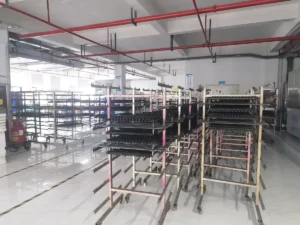
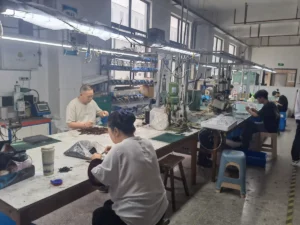
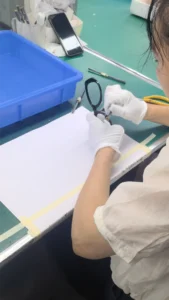
Hand-splicing and milling acetate is skilled-labor intensive and scales poorly. TR injection molding is a machine-driven, highly repeatable process. If you need a 10,000-piece production run with identical, flawless color boundaries across the entire batch, this process delivers it flawlessly and fast.
The Limitations (An Honest Assessment)
While revolutionary, this process has specific parameters:
-
Geometric Boundaries: The color transitions follow the structural lines engineered into our multi-mold system (such as the bridge-to-rim boundary). It cannot create the completely randomized, chaotic swirls found in poured tortoise acetate.
-
Tactile Density: TR is inherently lighter and smoother. While it perfectly matches the visual look of spliced acetate, a seasoned optician will still feel TR’s characteristic flexibility and lightness upon handling (which we view as a comfort benefit!).
Current Availability and Lead Times
This is a proprietary production capability. We are currently booking production slots and building out custom colorway libraries for the upcoming season.
| Item | Detail |
| Available Frame Styles | Most standard optical and sunglasses geometries; custom shapes negotiable |
| MOQ | Contact us — flexible options available for early adopters |
| Sample Lead Time | 10–14 days (standard colorways); 15–21 days (custom splicing development) |
| Production Lead Time | 25–35 days after sample approval |
| Custom Colorways | Fully supported; requires Pantone matching or physical color samples |
See It for Yourself
The true impact of this acetate-mimicking tech is best appreciated in hand. We highly recommend ordering physical samples so you can feel the weight advantage and inspect the precision of the spliced joint lines yourself.
Contact our project team with your design briefs or frame references to secure your first-mover window.
-
Email: mimi@wenzhouframe.com
-
WhatsApp: +86 152 5809 0639

6.17_11.webp)