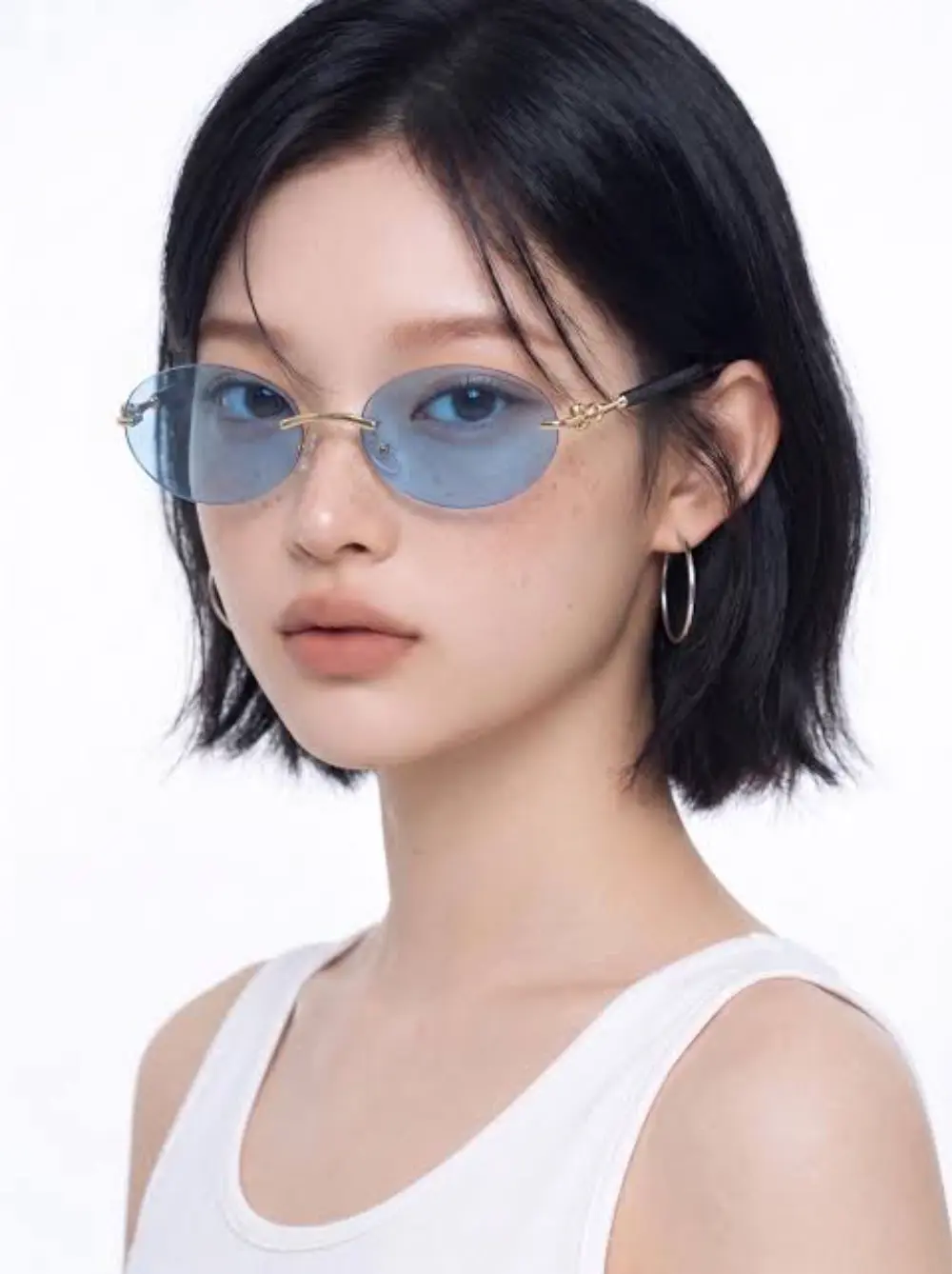
The blue light blocking glasses market has come a long way from the early days when “blocking blue light” meant applying a generic yellow tint and printing a marketing claim. In 2026, the market is differentiated, demanding, and still growing — with the buyers who understand the category well outperforming those who treat it as a commodity.
If you’re sourcing blue light glasses for wholesale, here’s what the current market landscape looks like and where the opportunities are.
Where the Market Is in 2026
The global blue light blocking glasses market was valued at approximately $2.8 billion in 2024 and is projected to grow at a compound annual rate of 8-10% through 2030, according to market research firms tracking the eyewear and vision care sectors. The growth is driven not by a single use case but by the convergence of several overlapping consumer behaviors: increased screen time, heightened awareness of digital eye strain, and the mainstreaming of gaming as a regular activity.
What’s changed from five years ago is the sophistication of the buyer. The customer who buys blue light glasses in 2026 has usually done some research. They know the difference between 380nm and 420nm blocking. They’ve seen claims and counter-claims and have formed their own view of what works. Selling them a product with vague claims and no documentation doesn’t work the way it used to.
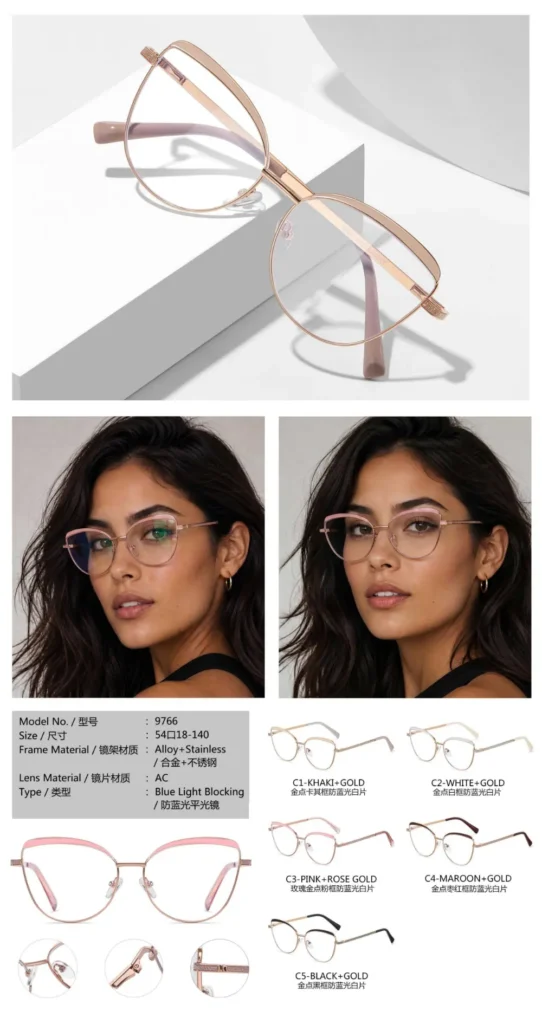
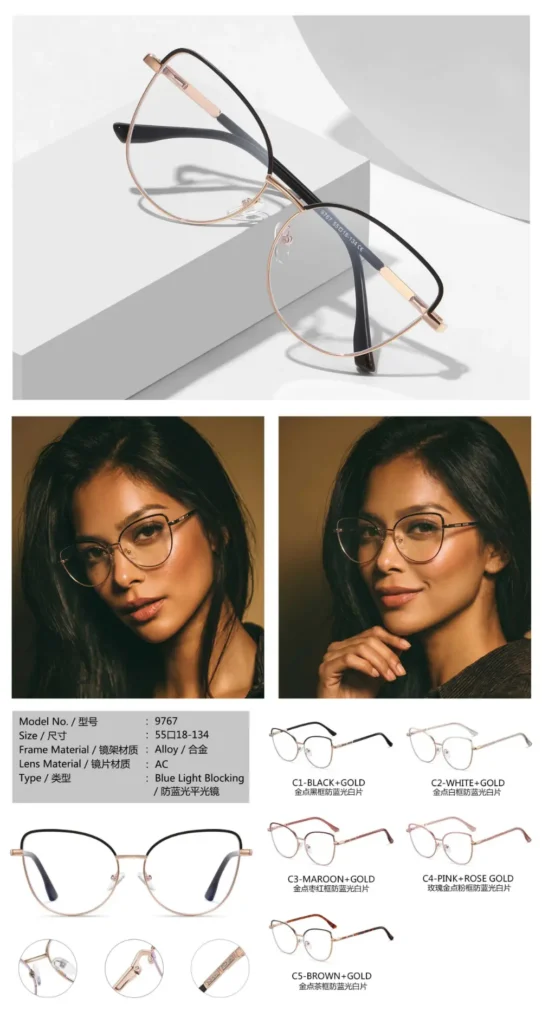
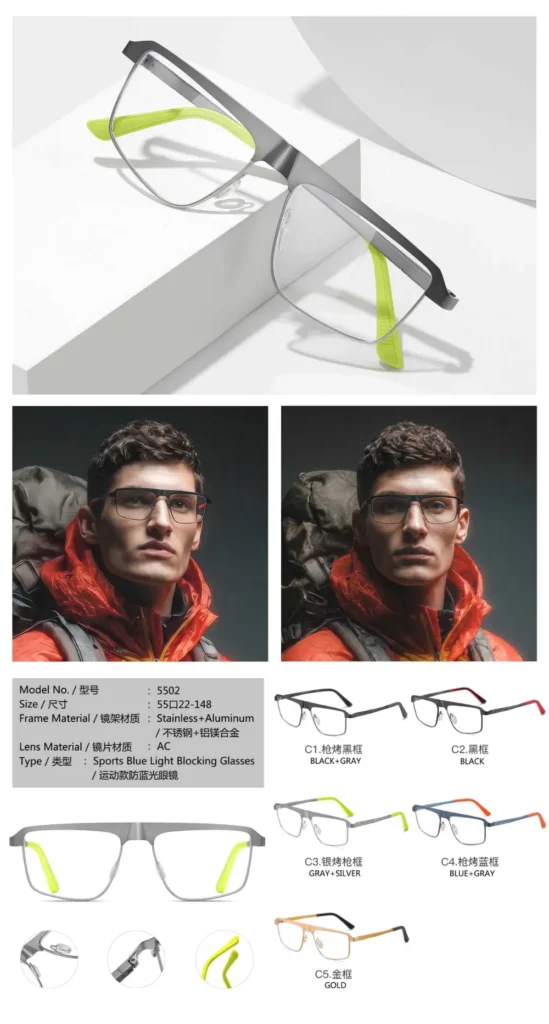
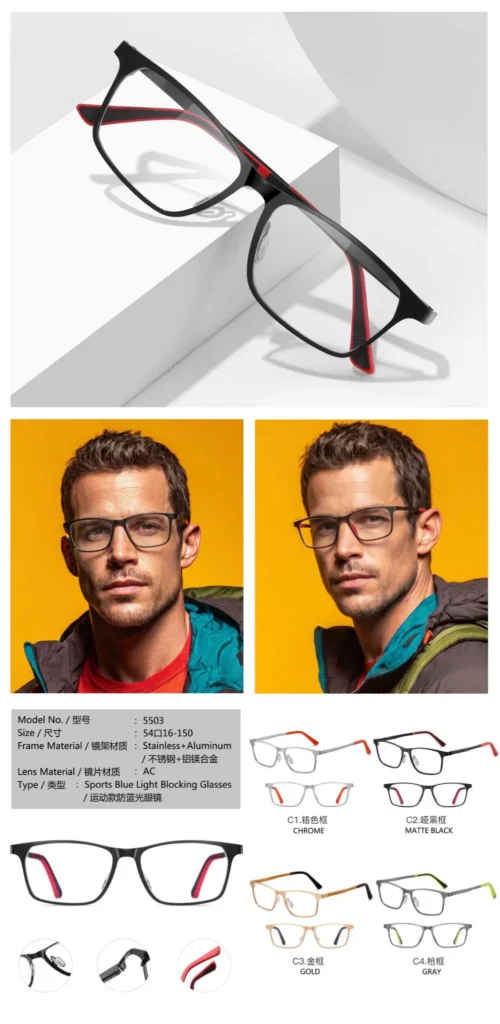
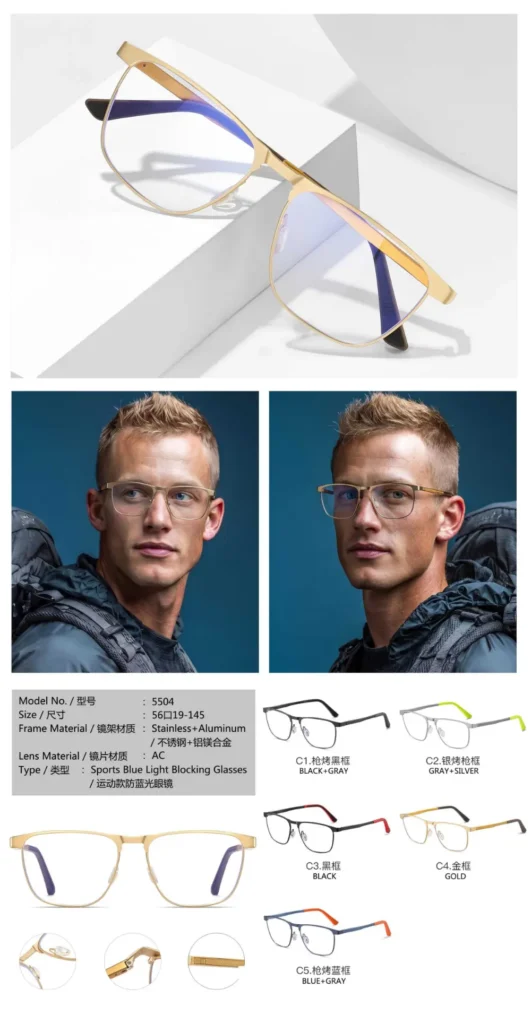
The Four Segments That Are Growing
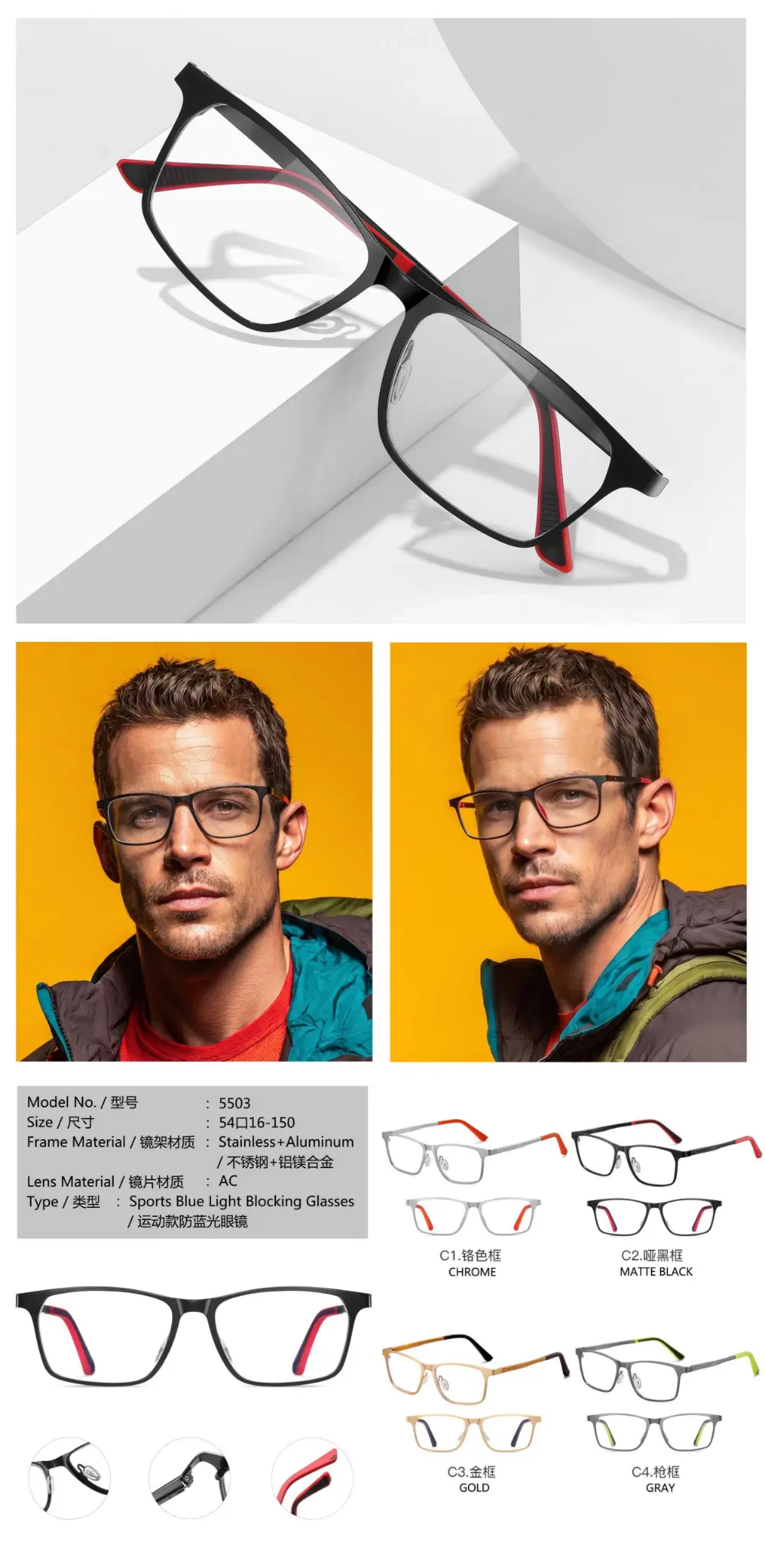
Gaming glasses. This is the fastest-growing segment. Gaming glasses are worn for extended periods during gameplay — two, four, sometimes six hours at a stretch. The use case is intense, the buyer is typically knowledgeable, and the willingness to pay for quality is higher than in the standard office glasses segment. Gaming-specific blue light glasses typically feature larger frames (oversized, wraparound styles), amber or orange lens tints (which block more blue light and are preferred by serious gamers), and features like anti-fatigue geometry and blue light coating on both sides of the lens.
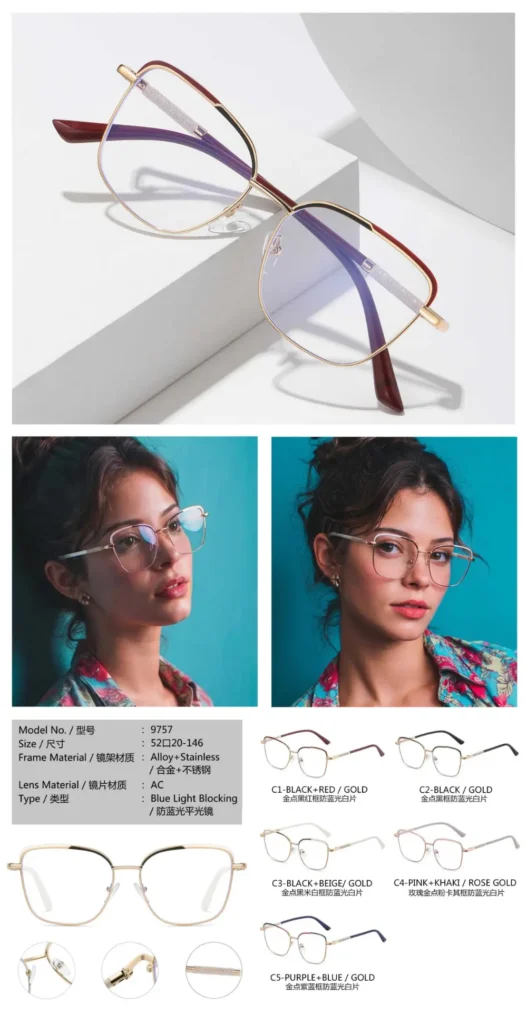
Office/computer glasses. The mainstream office segment remains the largest by volume. The typical buyer wears their blue light glasses for computer work, often eight hours a day. The frame style is more conservative than gaming glasses — rectangular, semi-rimless, or classic full-rim shapes. The lens coating specification is typically 380-450nm blocking with anti-reflective treatment on both surfaces. Quality differentiation here is primarily in the coating durability — a $10 coating and a $25 coating look identical on day one but perform very differently after six months of daily cleaning.
Children’s blue light glasses. This segment is growing as parents become more aware of screen time concerns for children. The buyer here is the parent, not the child — which means the marketing needs to address parental concerns about eye health, and the product needs to be durable enough to survive how children actually treat glasses. TR90 is the dominant frame material for children’s blue light glasses because of its impact resistance and flexibility. The lens specification is typically similar to office glasses, with additional emphasis on impact resistance (polycarbonate or CR-39 with anti-impact coating).
Sleep-focused blue light glasses. A smaller but growing segment serves consumers who wear blue light glasses specifically in the evening to reduce melatonin suppression before sleep. These are typically fashion-frame styles with an amber or dark tint, worn for one to three hours before bedtime. The buyer in this segment is more design-conscious and less price-sensitive — they’re buying glasses as a sleep hygiene tool, and they’re willing to pay for something that looks good.
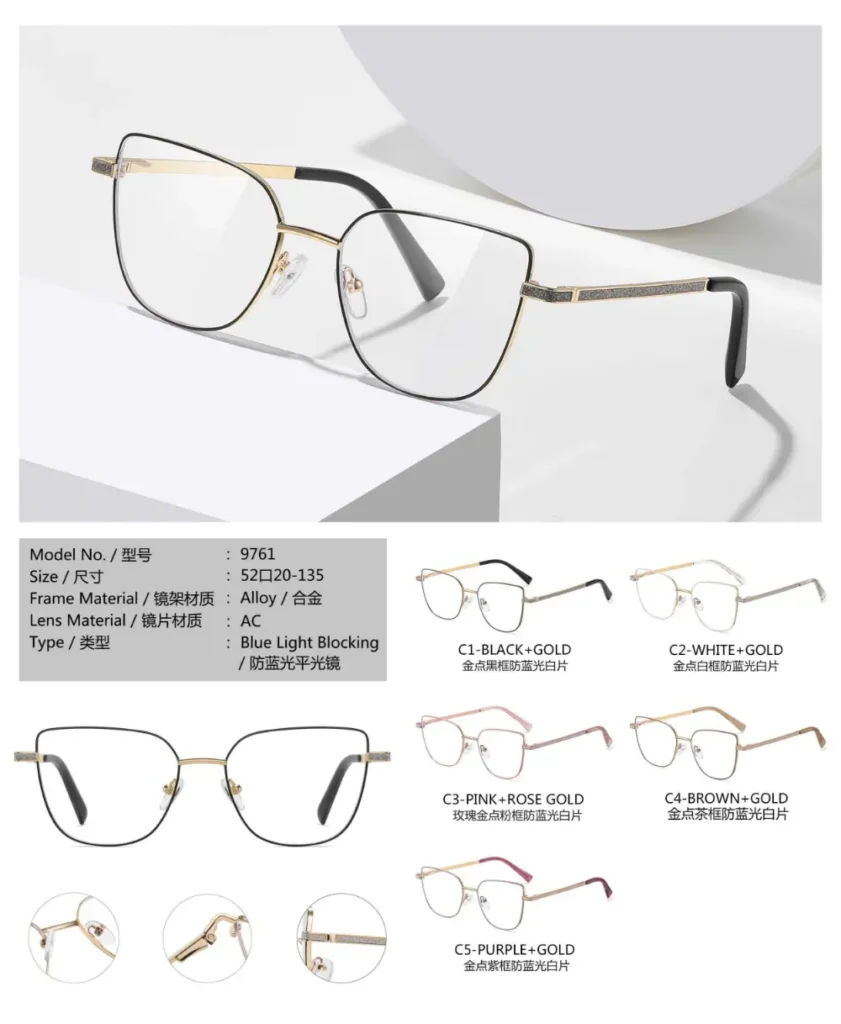
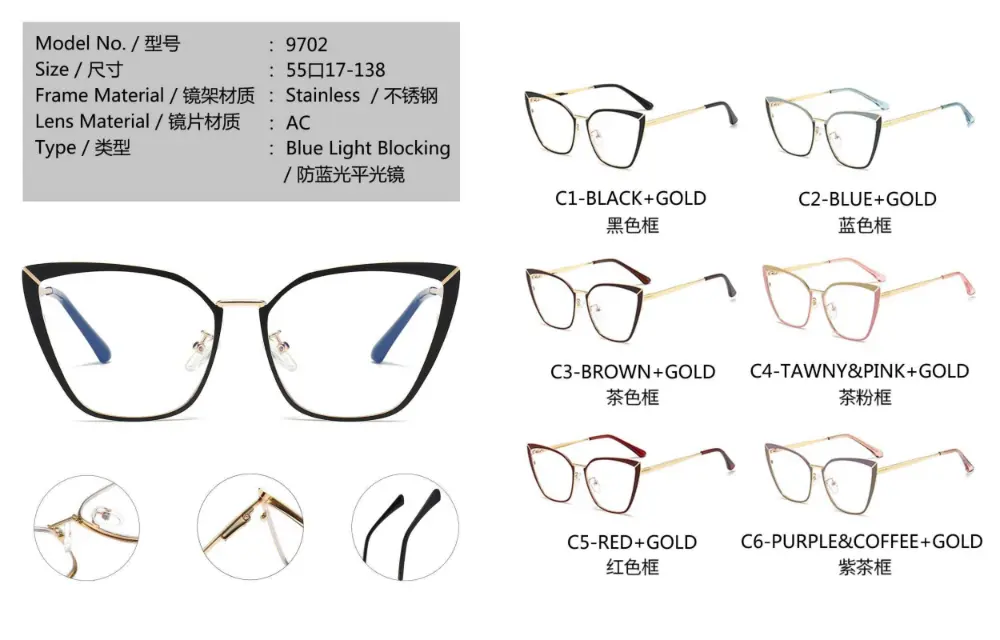
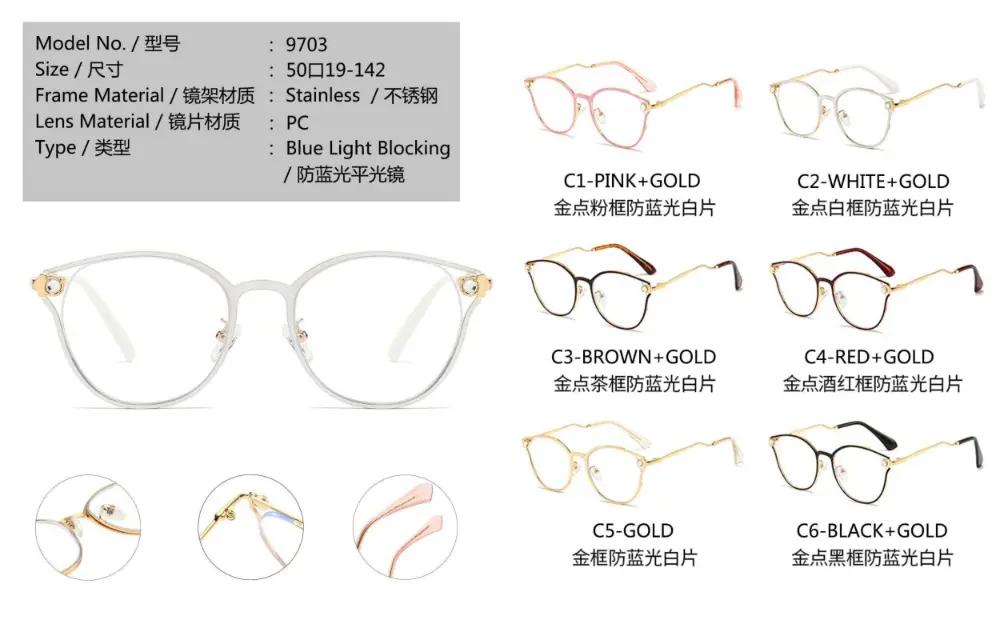
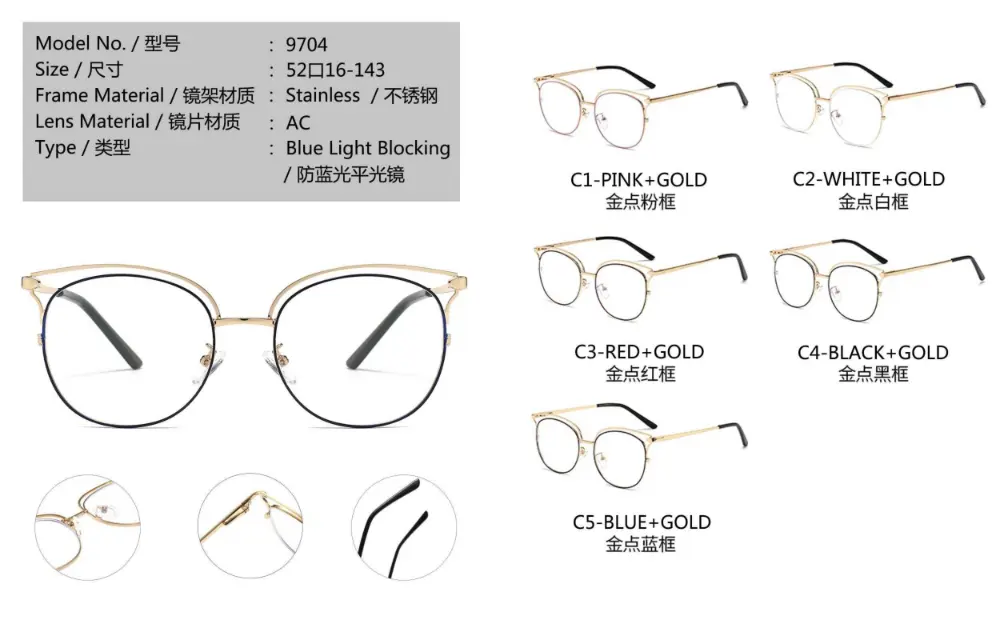
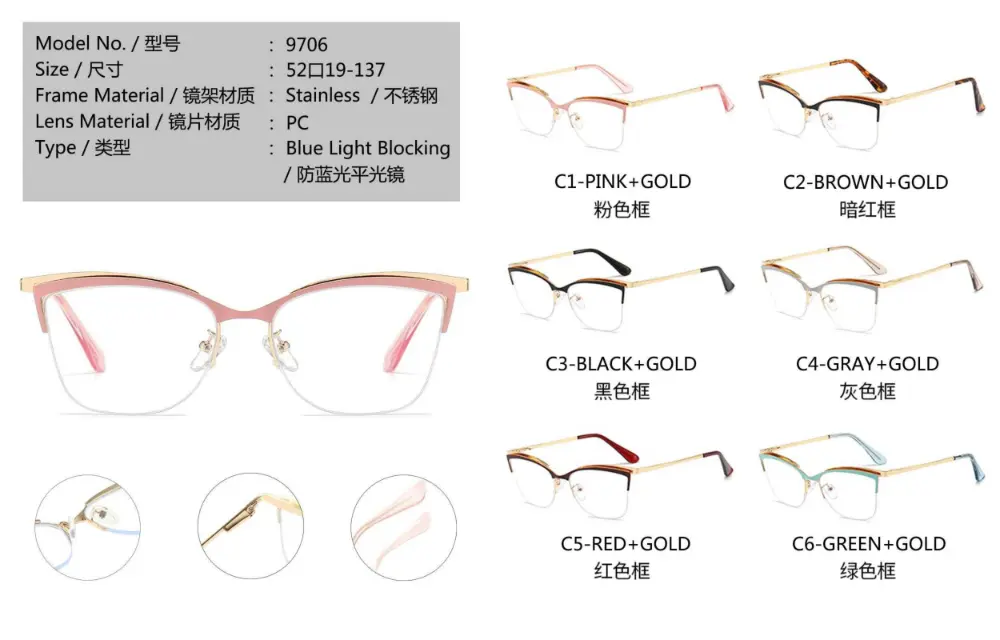
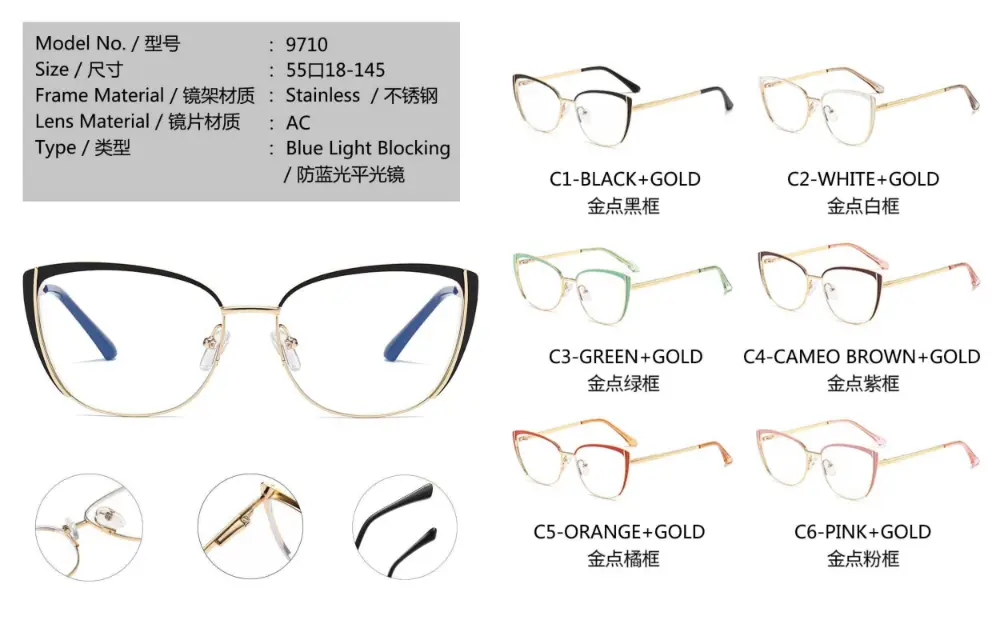
The Technical Specifications That Matter
For wholesale buyers, the specification conversation is where quality separates from commodity:
Blue light blocking range. The meaningful range for digital eye strain is 380-450nm. Claims of “blocks 100% of blue light” are not achievable without making the lenses effectively opaque — they’re marketing nonsense. The practical target for office and gaming use is 40-60% transmittance reduction in the 380-450nm range. Ask your supplier for the spectral transmittance test report, not just the marketing claim.
Coating durability. AR (anti-reflective) coatings applied to both surfaces of the lens are standard for blue light glasses. The quality difference between entry-level and premium AR coatings is significant — premium coatings have better scratch resistance, better smudge resistance, and longer useful life. For products that are worn daily and cleaned frequently, coating durability directly affects customer satisfaction.
Lens material. Polycarbonate is the default for budget blue light glasses because it’s inexpensive and inherently impact-resistant. CR-39 with AR coating is better optically and more durable in terms of scratch resistance, but costs more. High-index lenses (1.61, 1.67) are relevant for stronger prescriptions where the customer wants thinner, lighter lenses.
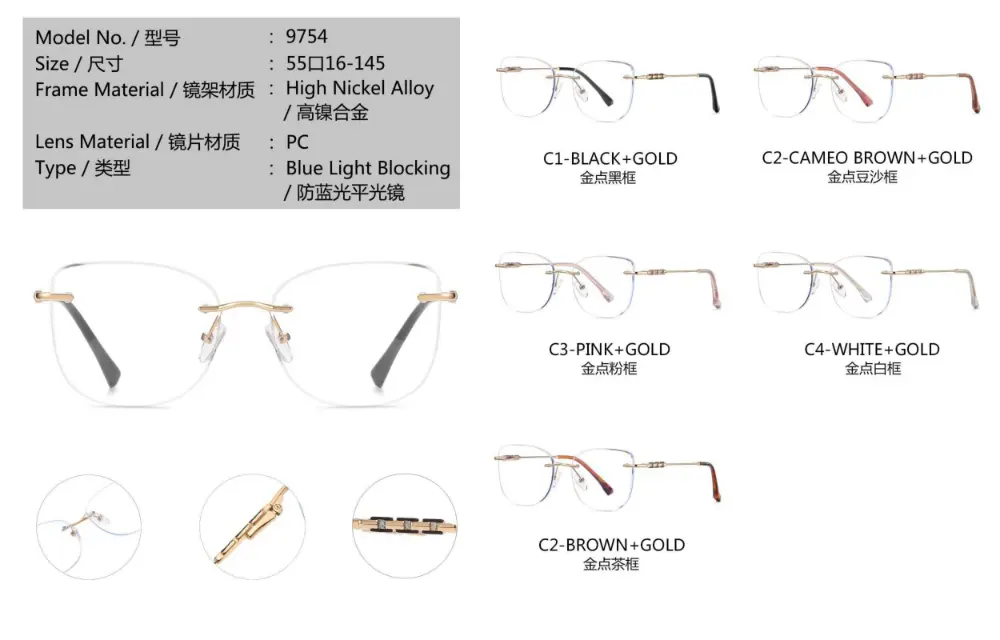
How to Source Competitively
The blue light glasses market is competitive enough that sourcing decisions need to be based on more than price. Here’s the framework we recommend:
Define your quality tier clearly. Are you positioning as the budget option (willing to sacrifice some coating quality for price), the mid-market option (good coating, reliable quality), or the premium option (top-tier coating, documented specifications, branded positioning)? Each tier has a different supplier profile and different price range.
Get documented specifications before you order. Any supplier worth working with can provide a spectral transmittance report for their blue light coating. If a supplier can’t provide this documentation, their quality assurance process isn’t rigorous enough for a product category where documentation is increasingly demanded by retailers and end customers.
Evaluate coating durability on samples. Apply the standard cleaning regimen (lens cloth, mild soap, water) to your sample lenses 20-30 times and check for coating degradation. This simulates six months of normal use. If the coating degrades noticeably in this test, it will fail in the market.
Consider the frame + lens package pricing. Some suppliers offer competitive frame pricing but mark up lenses significantly. Get the full frame + lens package price, not just the frame price.
Our Blue Light Glasses Production
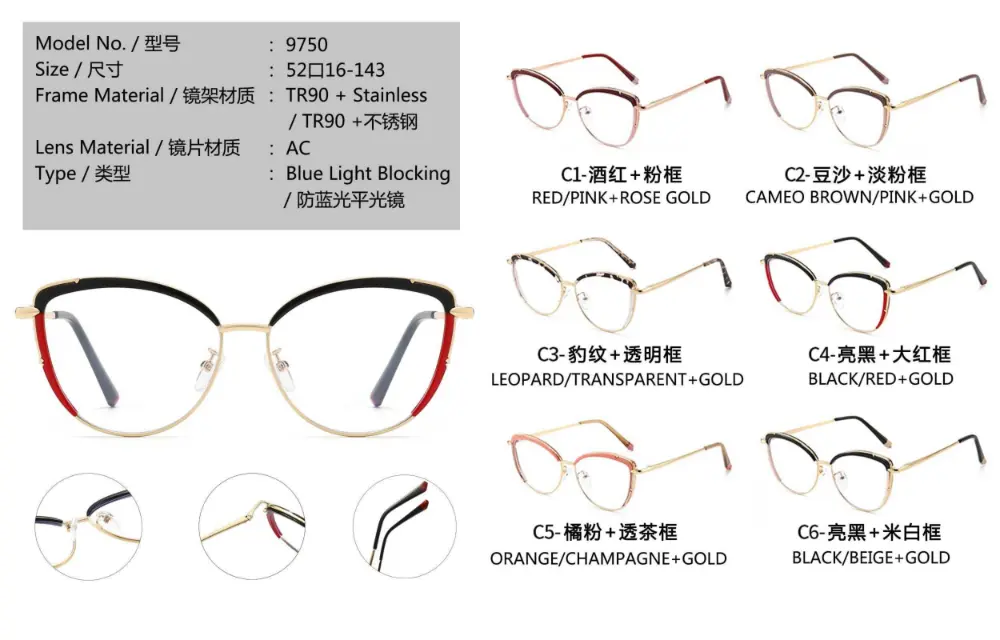
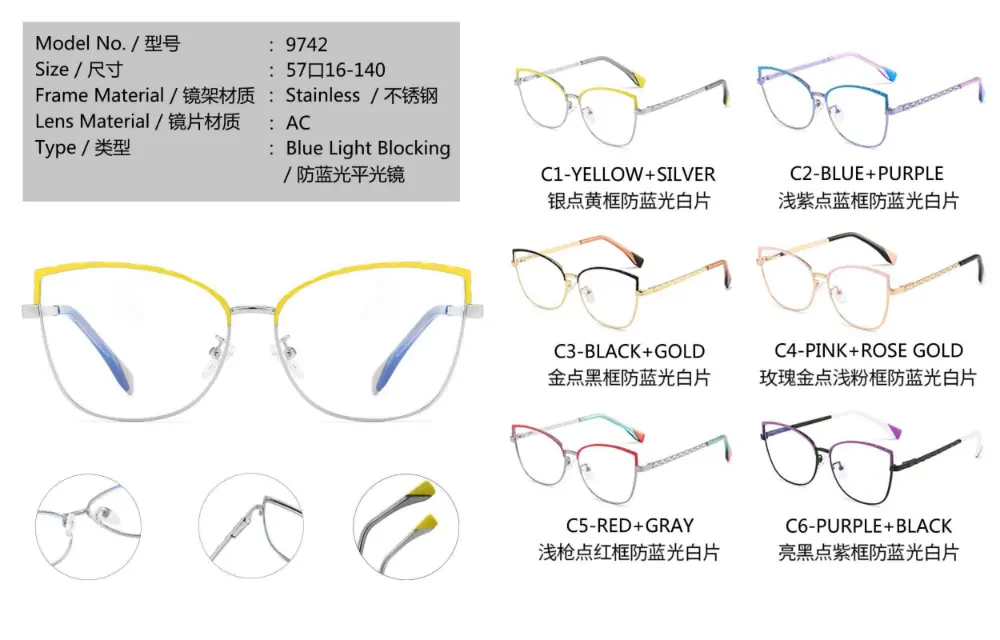
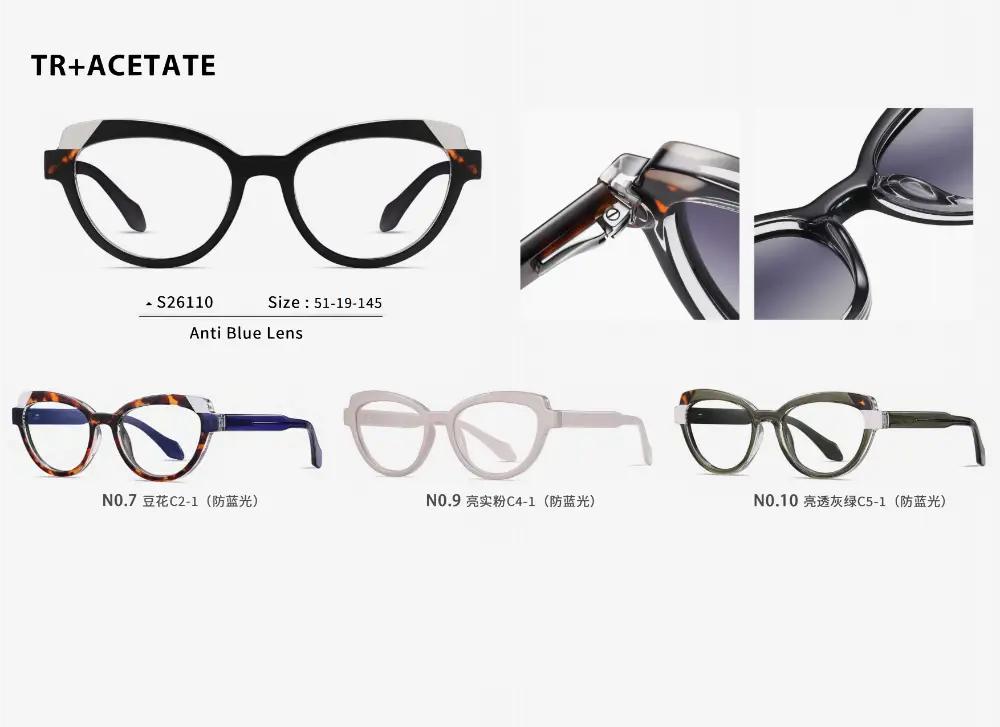
We produce blue light blocking glasses across all four market segments: gaming, office, children’s, and sleep-focused. Frame materials include TR90 (dominant for gaming and children’s), acetate (office and sleep-focused), and metal (premium office). Lens specifications include 380-450nm blocking with documented spectral transmittance reports, dual-surface AR coating, and options for polycarbonate, CR-39, and high-index materials.
For buyers serving the EU market, our blue light glasses can be accompanied by documentation supporting compliance with relevant optical product standards.
- WhatsApp: +86 152 5809 0639 (Mimi)
- Email: mimi@wenzhouframe.com
Wenzhouframe — Established 2015. Wenzhou, China. Blue light blocking glasses across TR90, acetate, and metal frames. Documented spectral transmittance specs. Gaming, office, children’s, and sleep segments. OEM/ODM with NDA. Flexible MOQ.
FAQ
What is the minimum order quantity for blue light glasses?
MOQ varies by frame material and lens specification. Standard TR90 styles typically start at 300 pieces per color. Custom specifications or mixed frame + lens packages have different economics — contact us with your requirements for specific pricing.
Can you provide spectral transmittance test reports?
Yes. We can provide spectral transmittance documentation for our blue light coating specifications, including testing against relevant wavelength ranges (380-450nm). This documentation is available for standard products and can be provided for custom specifications upon request.
Do you offer private label / custom branding for blue light glasses?
Yes. We offer full OEM/ODM capability for blue light glasses, including custom frame design, logo application (temple lettering, bridge logos, packaging), and custom lens specifications. NDA available before any design discussion.

6.17_11.webp)