
The European eyewear market is expected to exceed €54 billion by 2028. It is also the most brand-loyal eyewear market on the planet. Specsavers dominates the UK. Fielmann controls Germany. France has Krys and Optic 2000. And above them all, the Italian luxury conglomerates — EssilorLuxottica, Safilo — set the tone for what “premium eyewear” means globally.
But beneath the surface of established brands and entrenched retail networks, something is shifting. Independent brands like MYKITA, Ace & Tate, and LINDBERG are proving that you do not need a conglomerate behind you to command premium pricing. Sustainability is no longer a niche selling point — it is becoming a baseline expectation. And the lines between “local” and “international” are blurring as manufacturing continues to shift eastward.
For B2B buyers sourcing for European markets, the key question is not “which brand should I carry?” — it is “what does the European consumer actually expect from their eyewear, and how do I source frames that meet those expectations without paying luxury markups?”
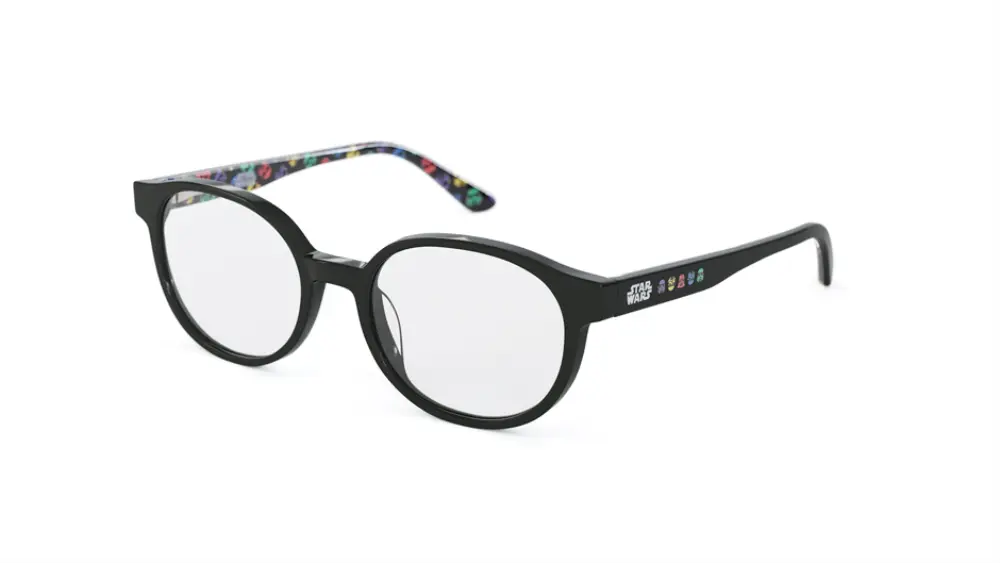
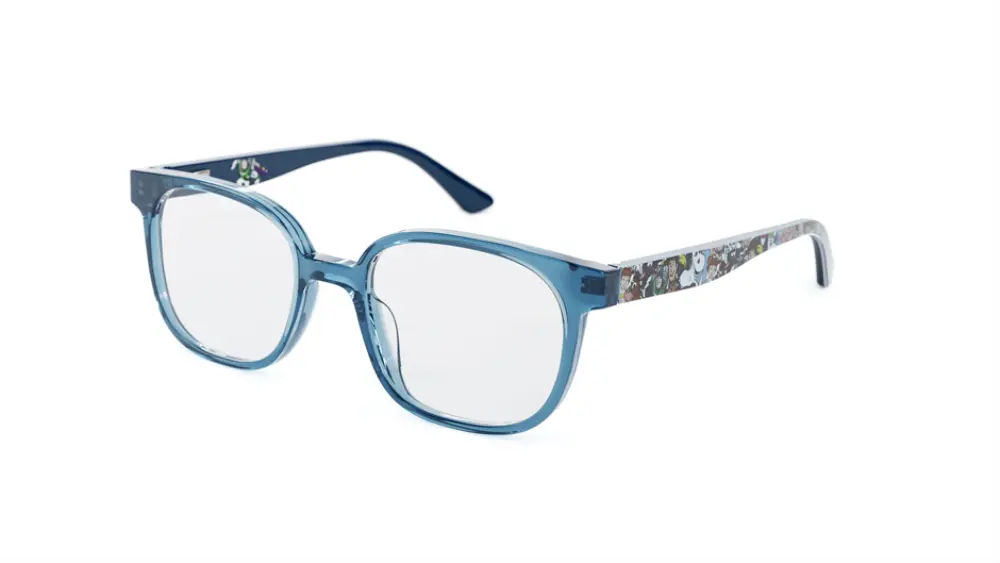
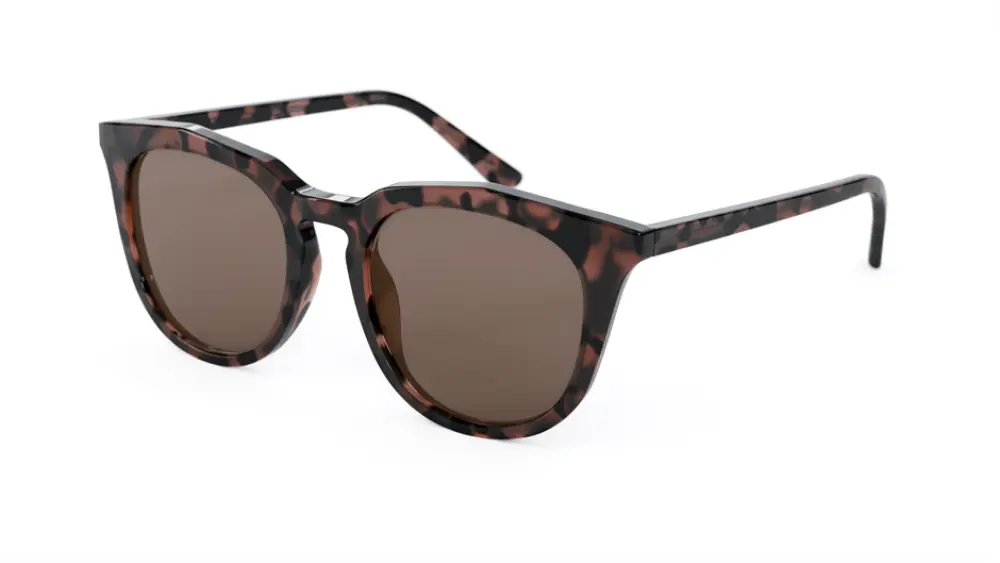
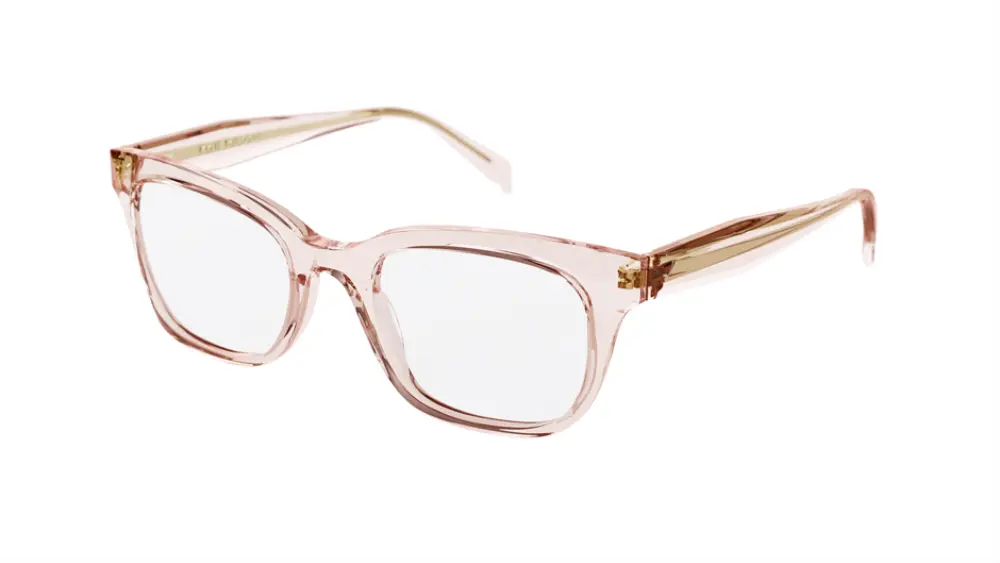
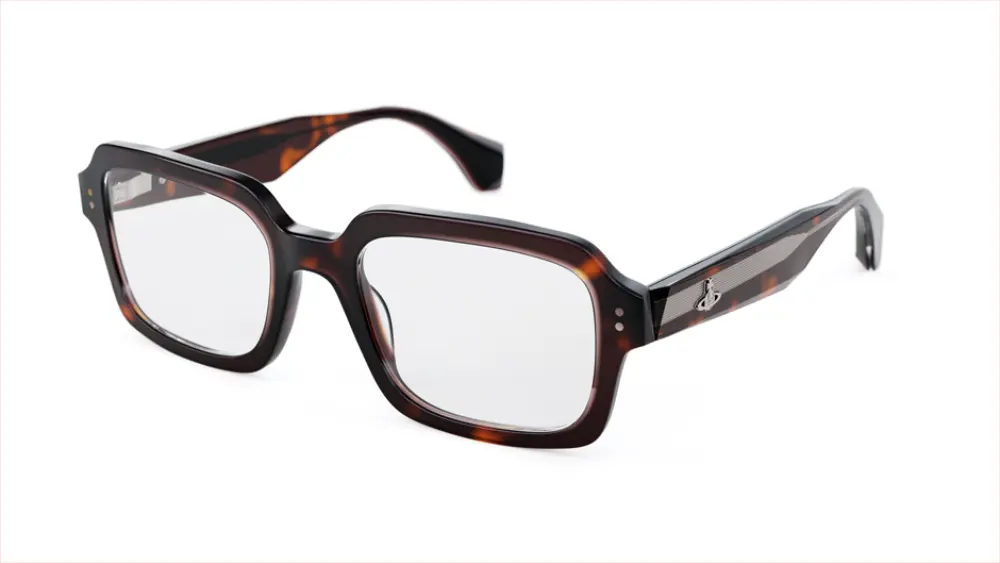
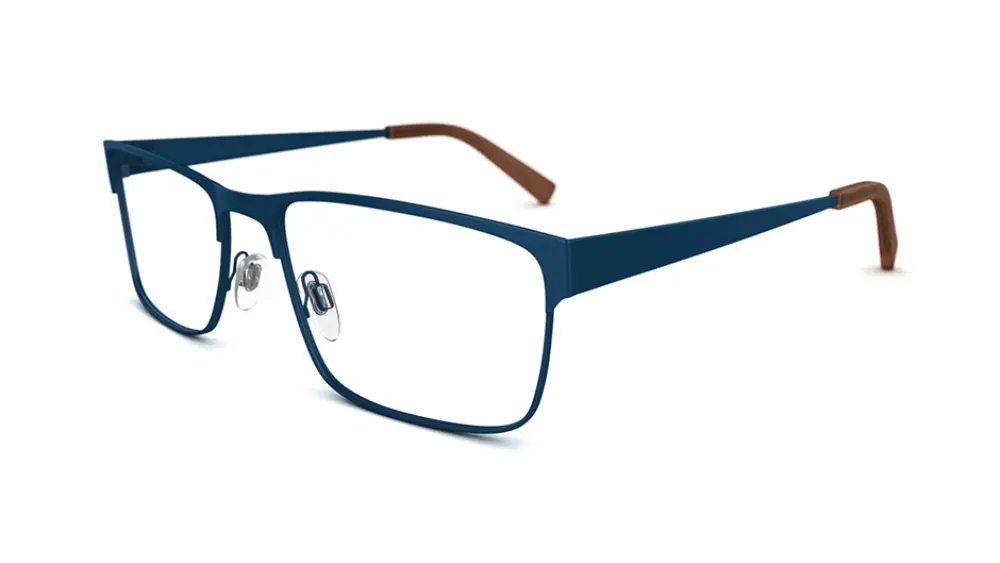
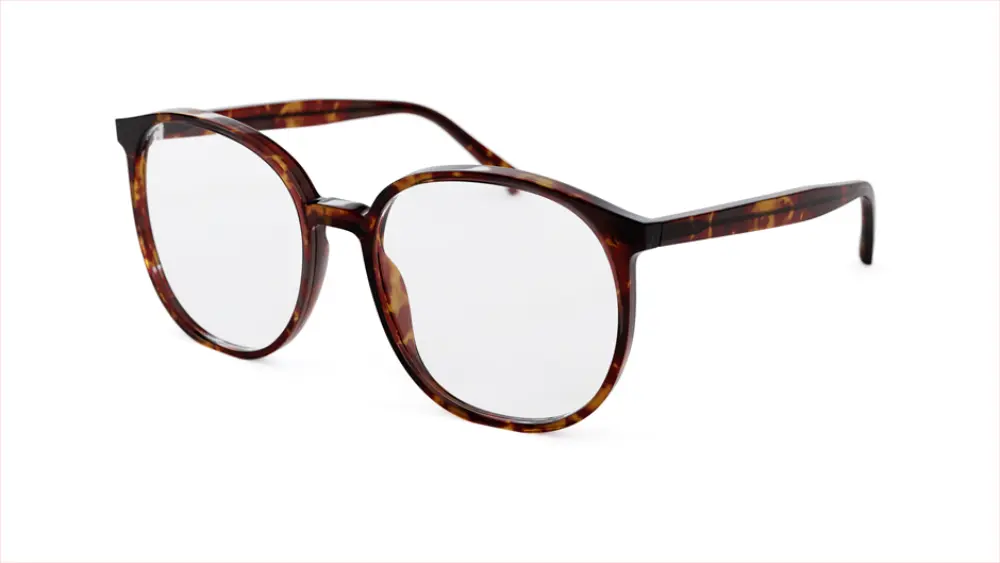
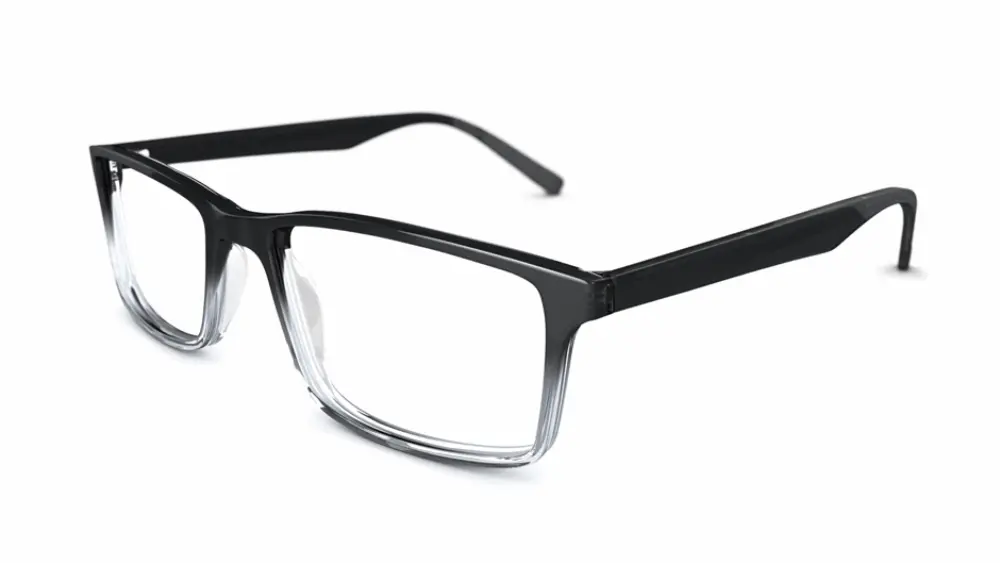
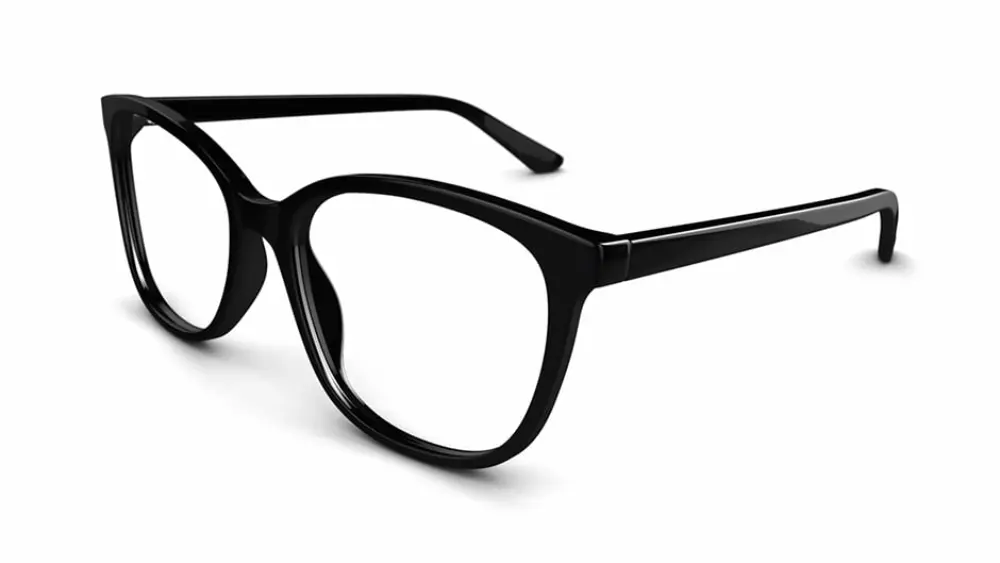
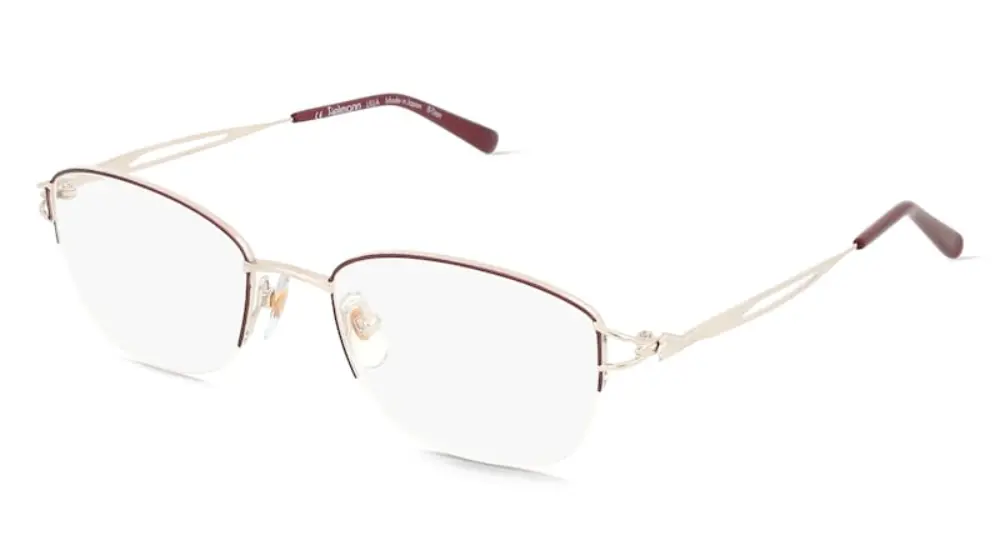
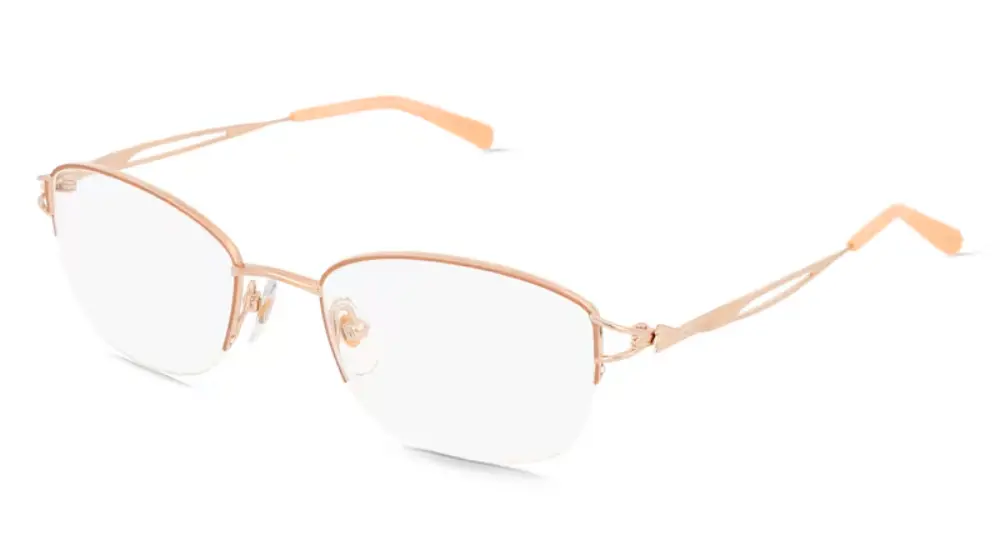
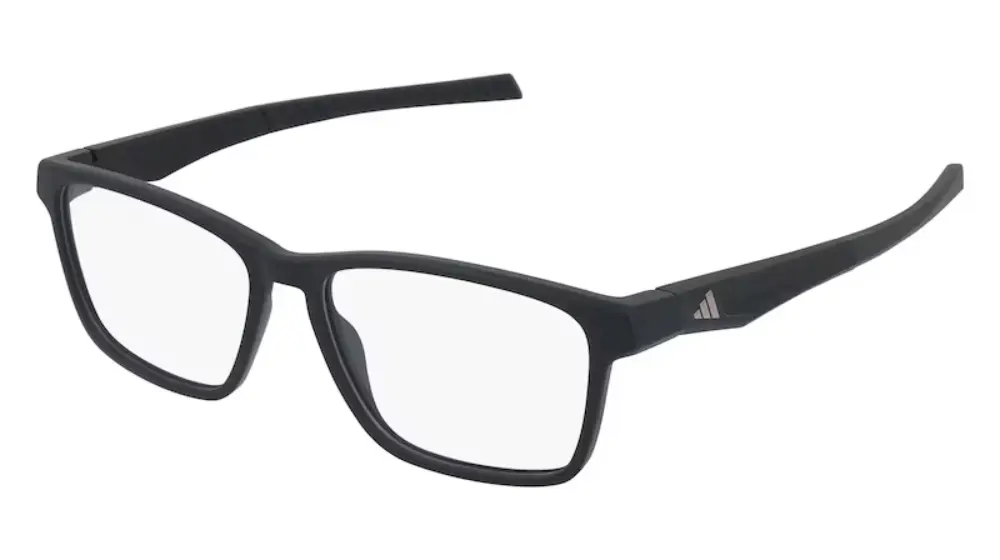
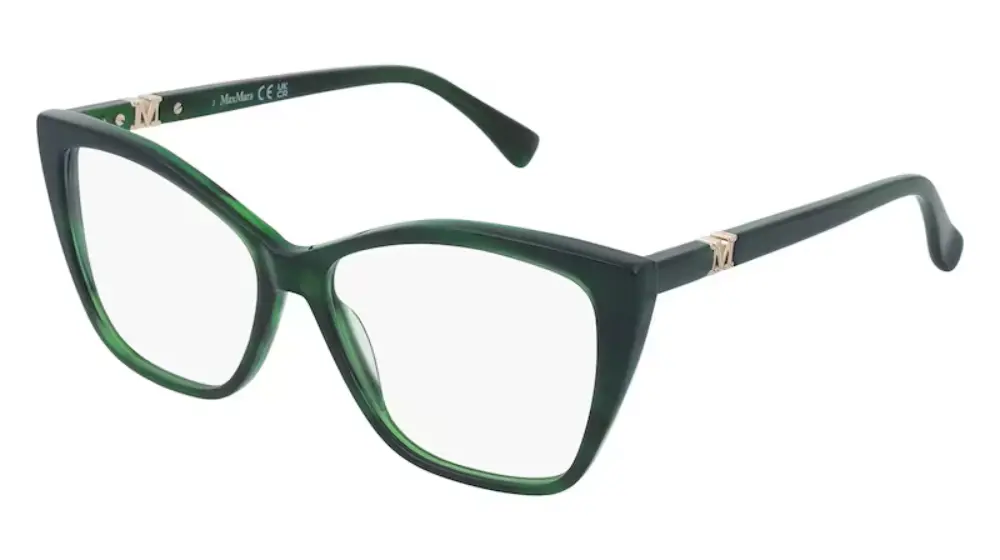
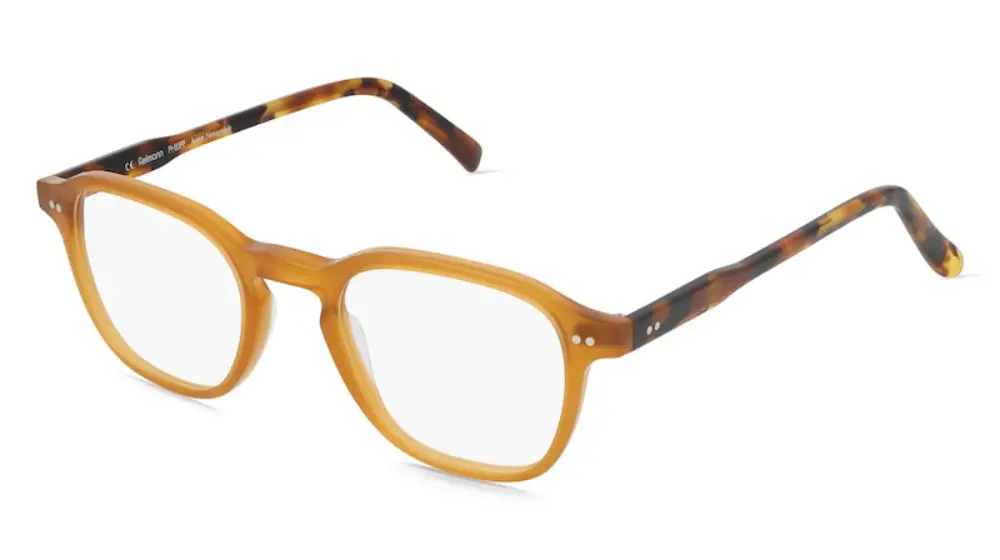
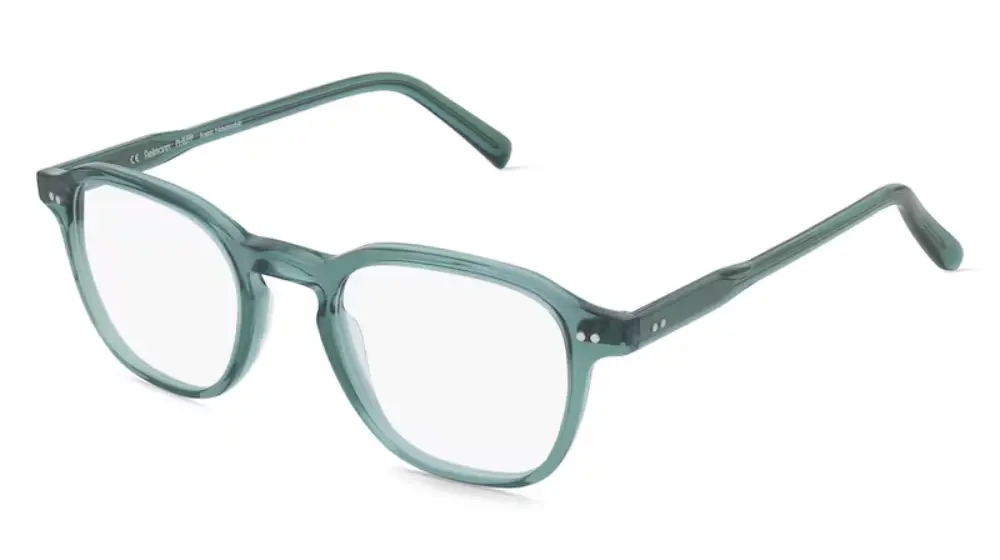
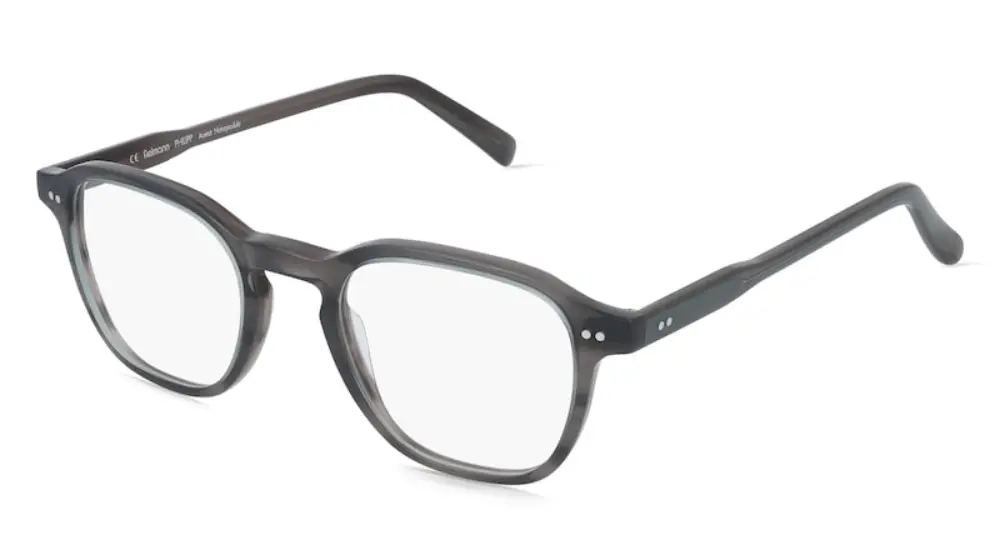
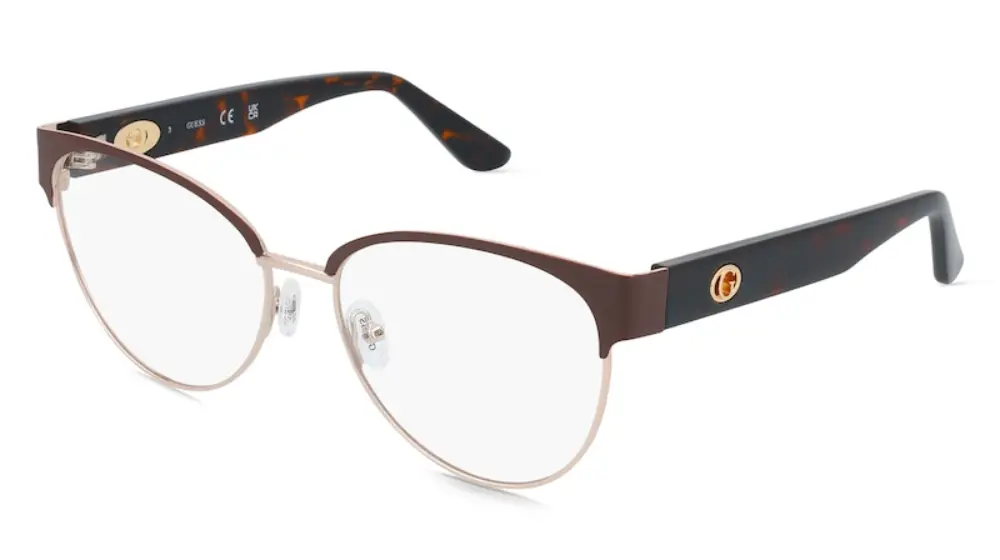
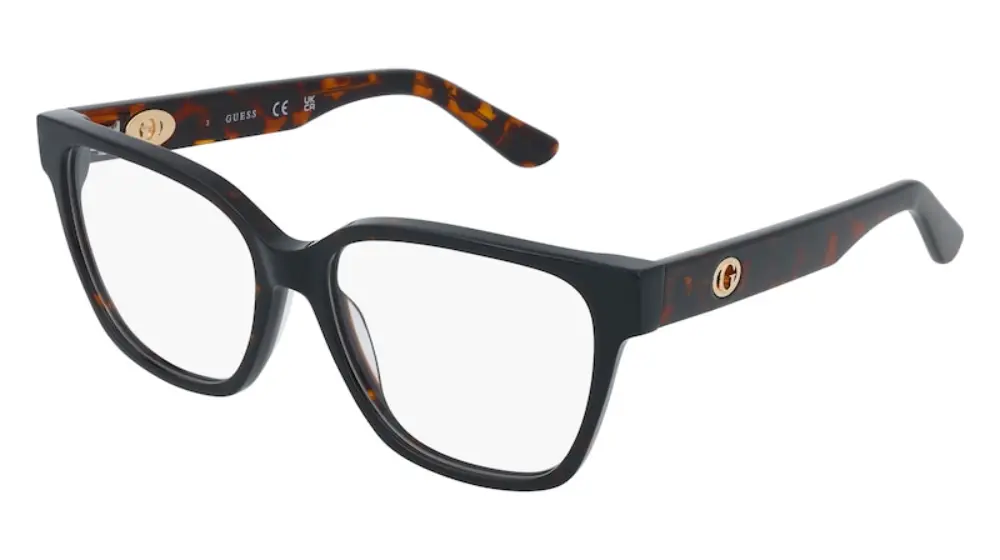
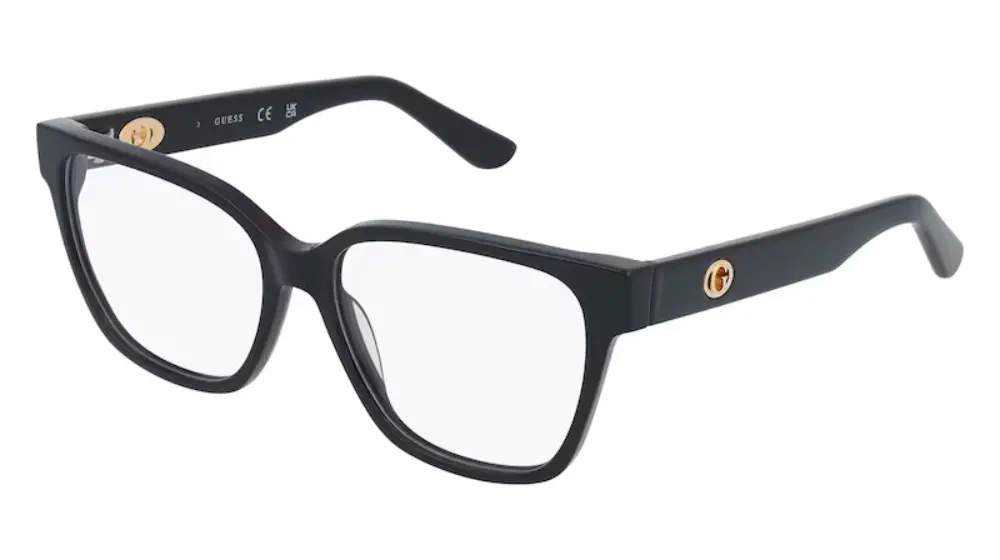
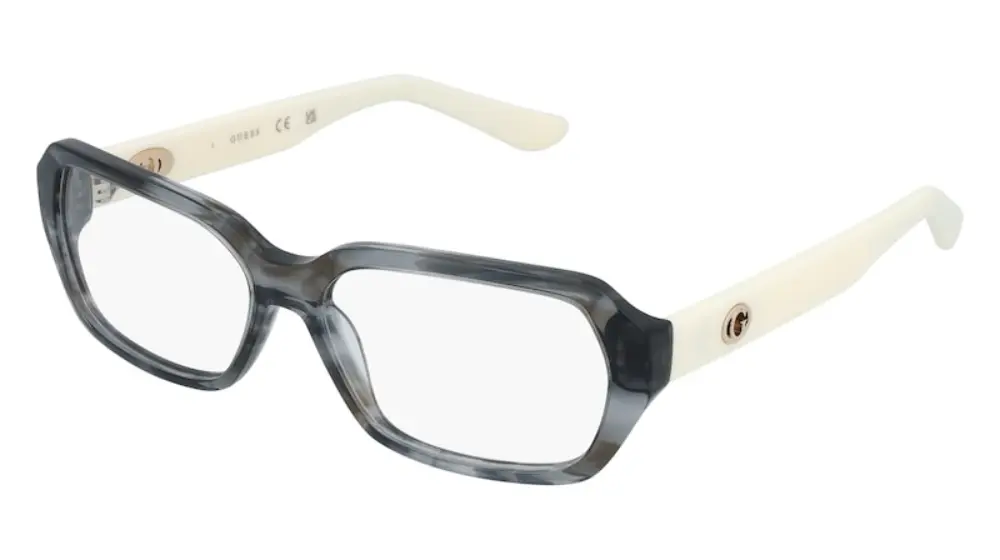
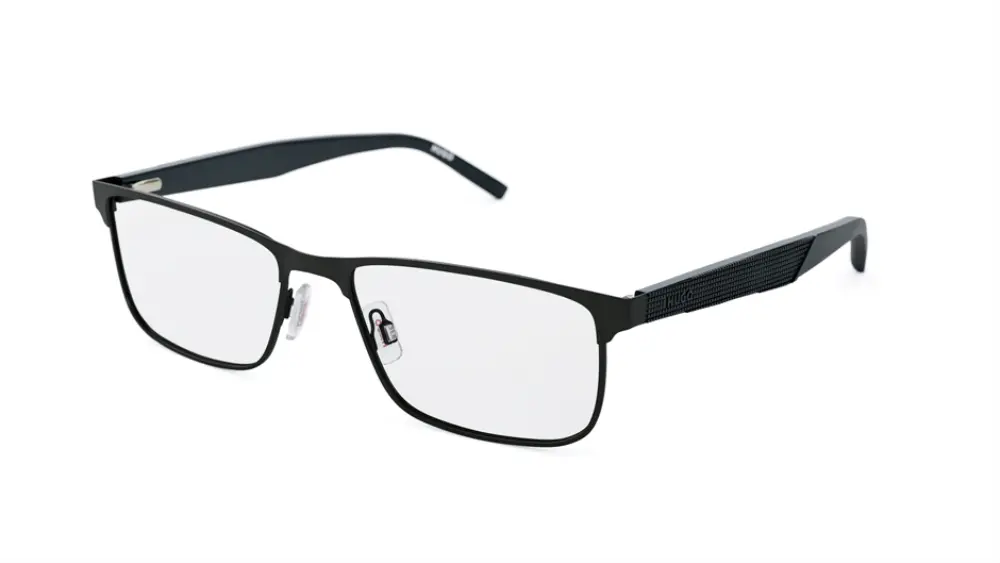
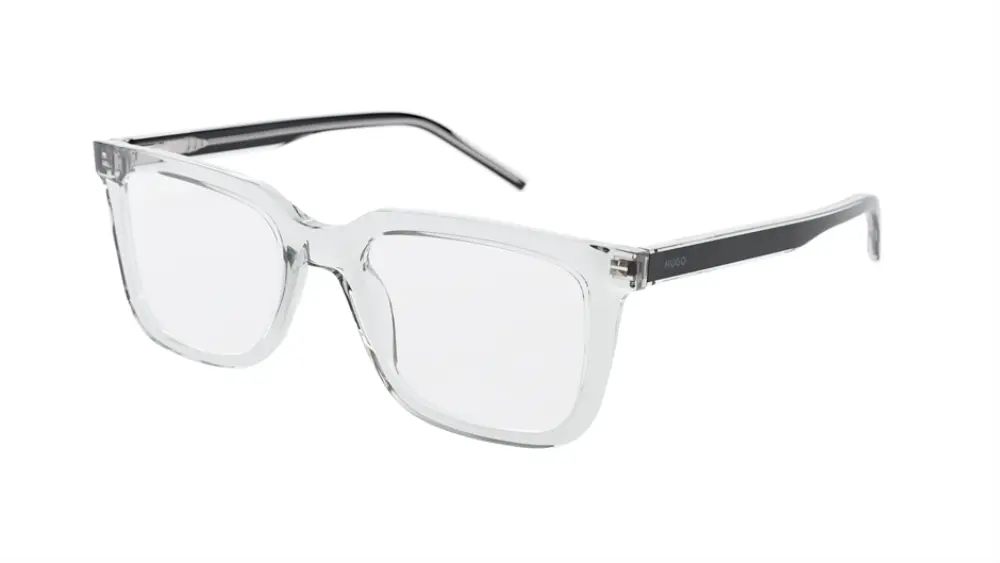
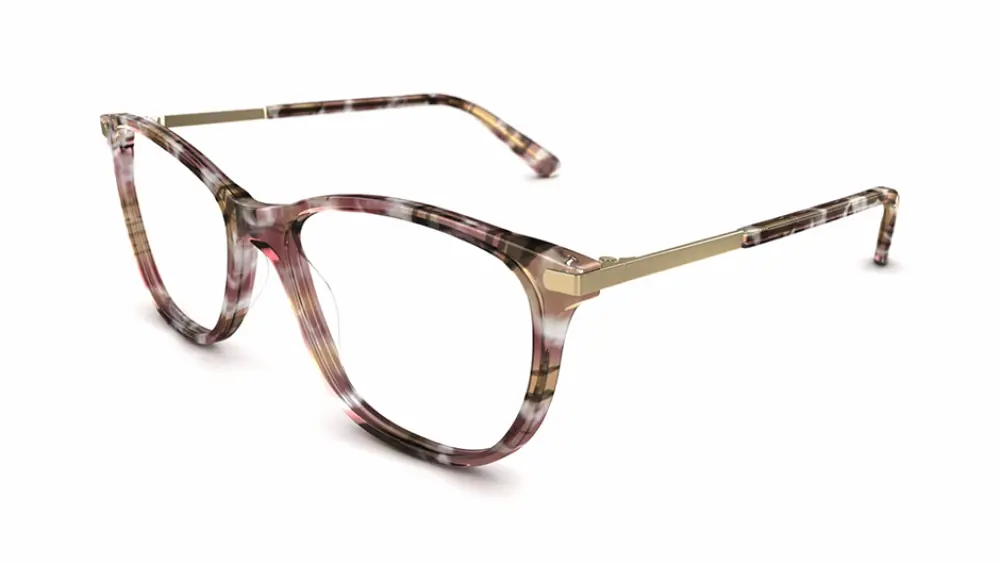
The Established Retail Giants
Specsavers (UK, Ireland, Nordics, Netherlands)
With over 2,500 stores, Specsavers is the UK’s dominant optical retailer. Their model is volume-driven: affordable frames, comprehensive eye exams, and a “two pairs for the price of one” proposition that captures the pragmatic British consumer. Materials are primarily TR90 and basic acetate. Styling is conservative — classic shapes, muted tones, “safe” choices. Specsavers’ power lies in distribution, not design innovation.
Fielmann (Germany, Austria, Switzerland)
Fielmann operates 900+ stores and holds approximately 50% of the German market. Their positioning is “glasses for everyone” — massive selection, competitive pricing, and a guarantee-driven business model. Fielmann was an early adopter of sustainability, offering recycled-material frames before it was fashionable. Their private-label frames are manufactured primarily in China and Italy.
Krys Group / Optic 2000 / Alain Afflelou (France)
France’s optical retail landscape is fiercely competitive and fiercely French. Krys, Optic 2000, and Alain Afflelou together control most of the market. Each has a strong private-label offering alongside international designer brands. French consumers tend toward more expressive, fashion-forward frames compared to their northern European neighbors — bolder shapes, more color, more personality.
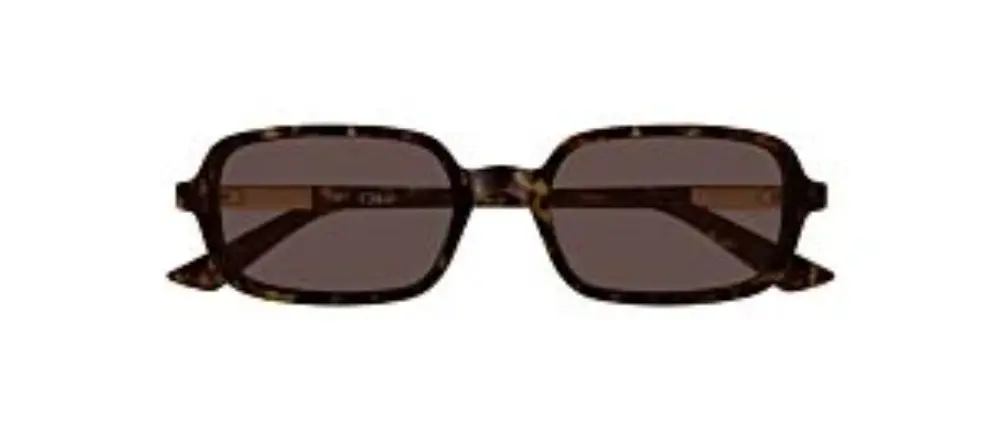














The Independent Premium Challengers
MYKITA (Germany)
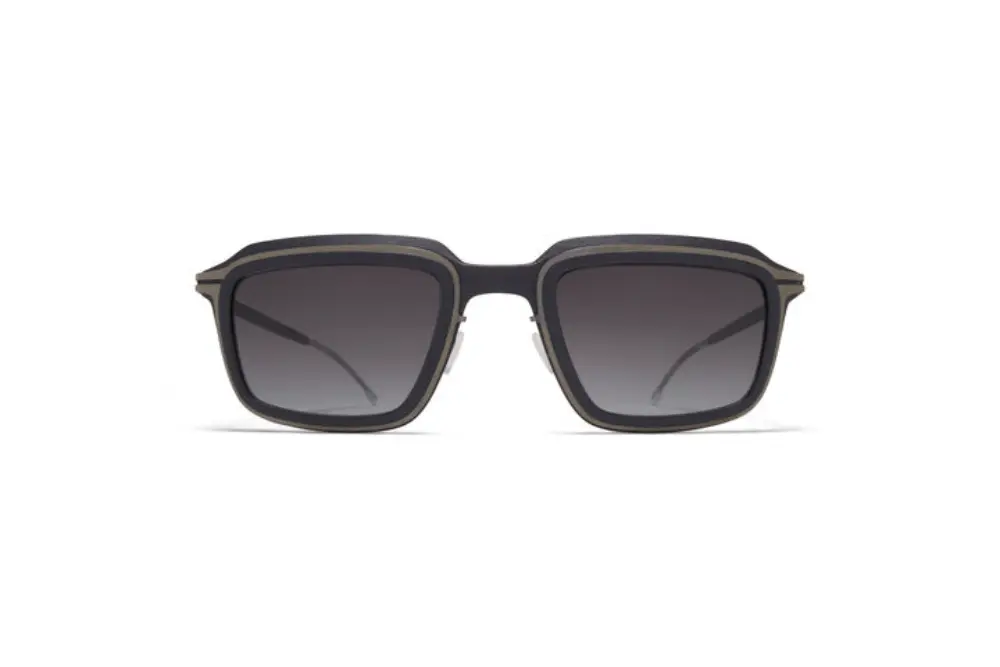
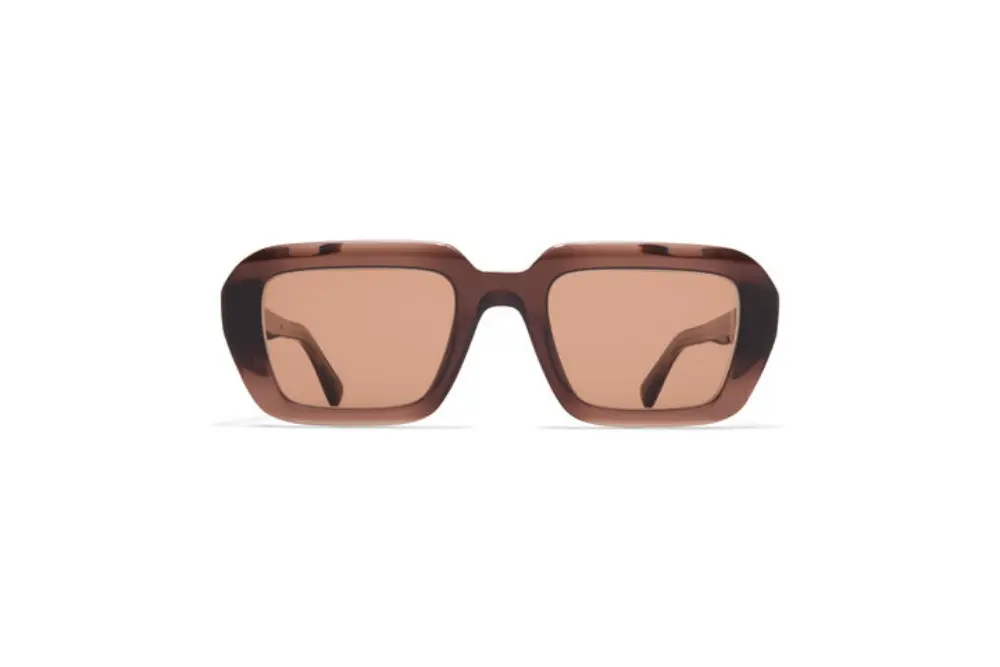
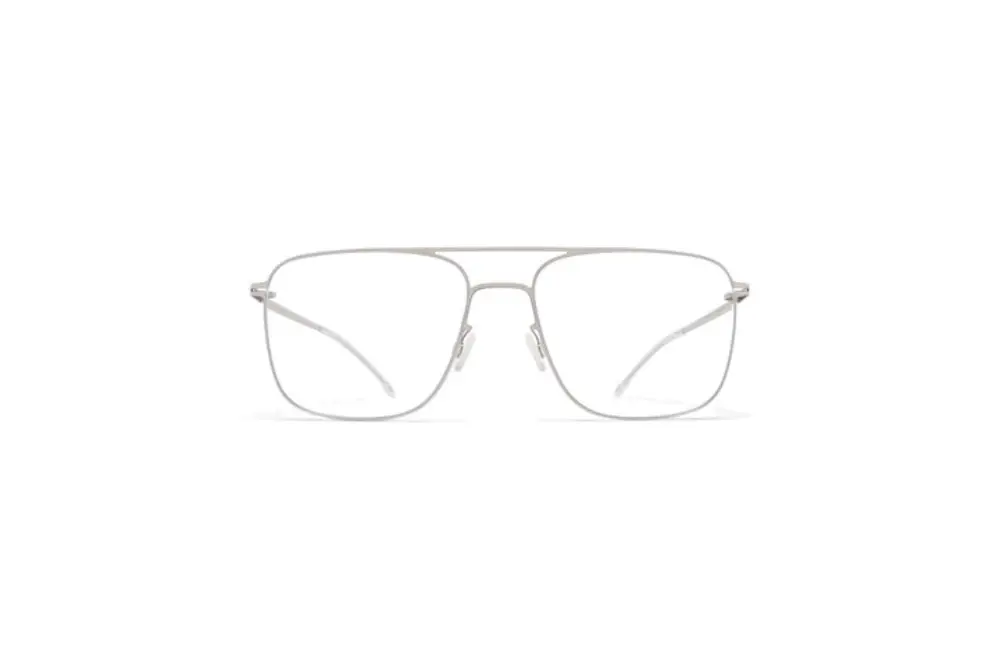
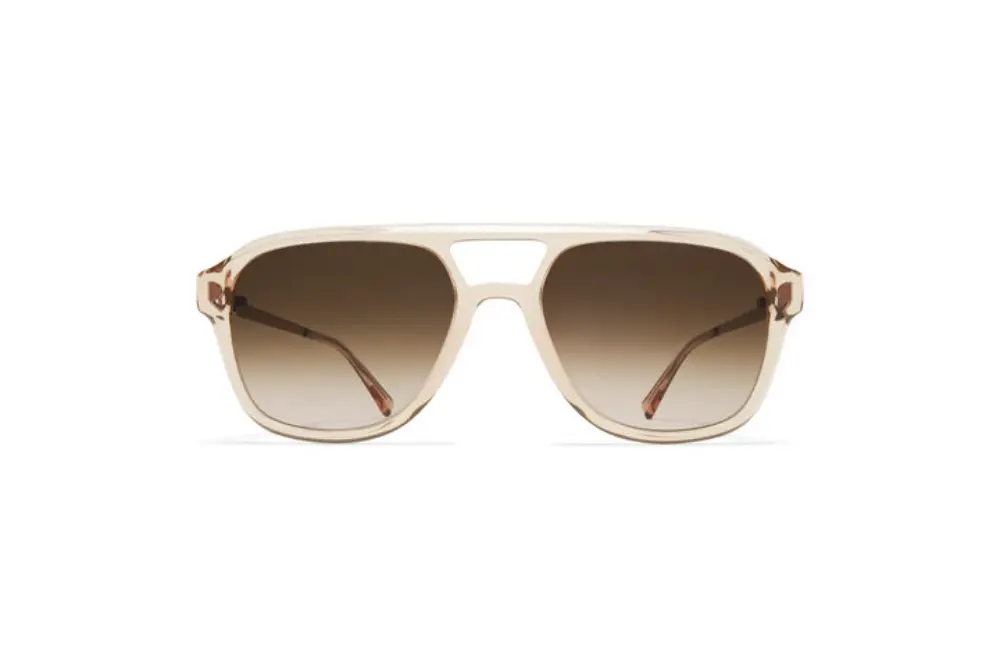
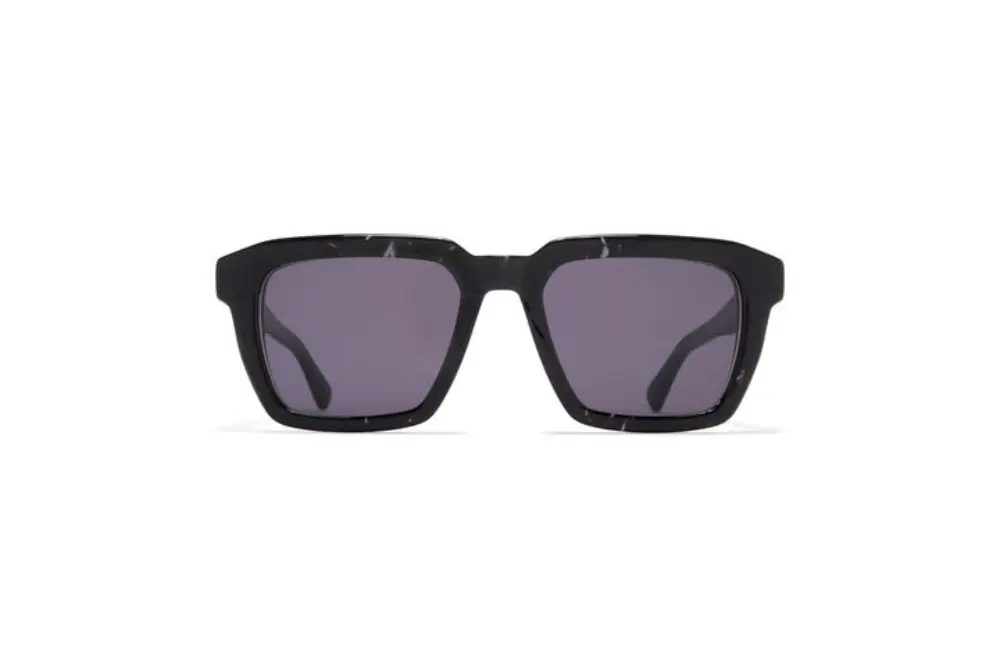
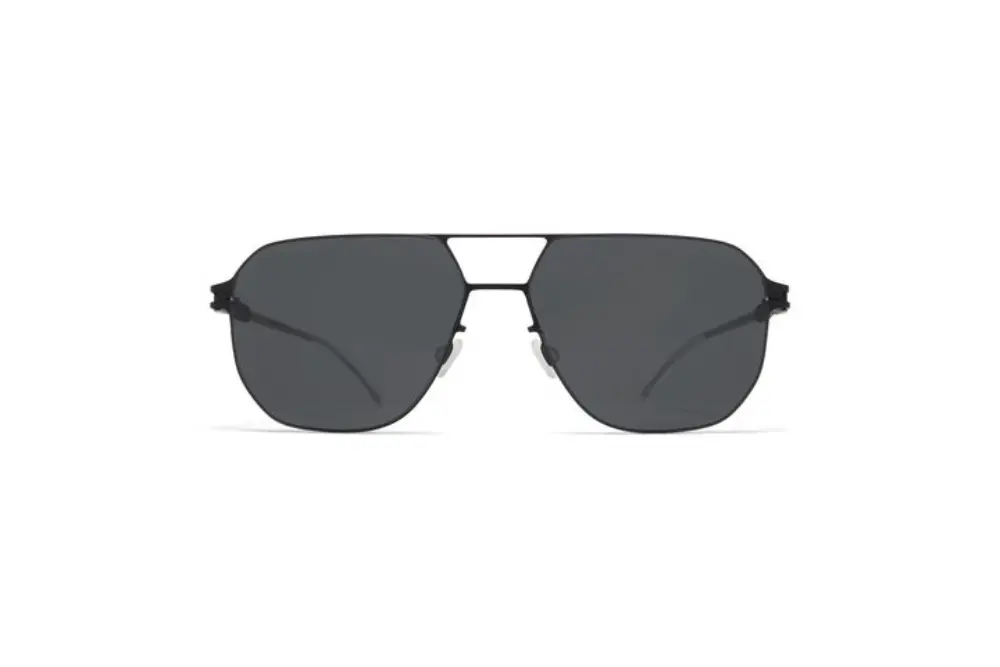
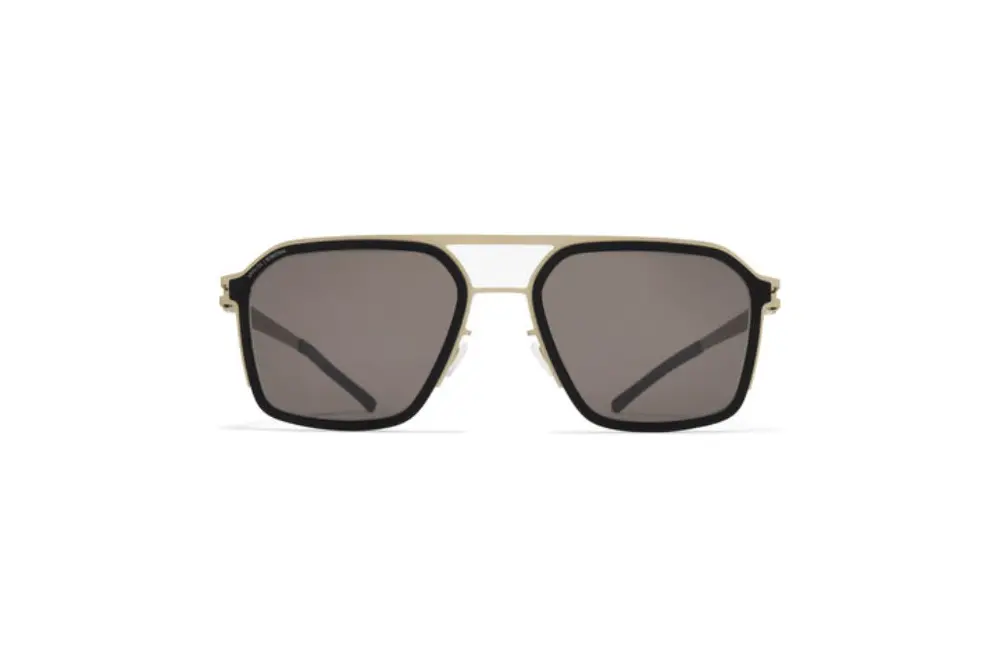
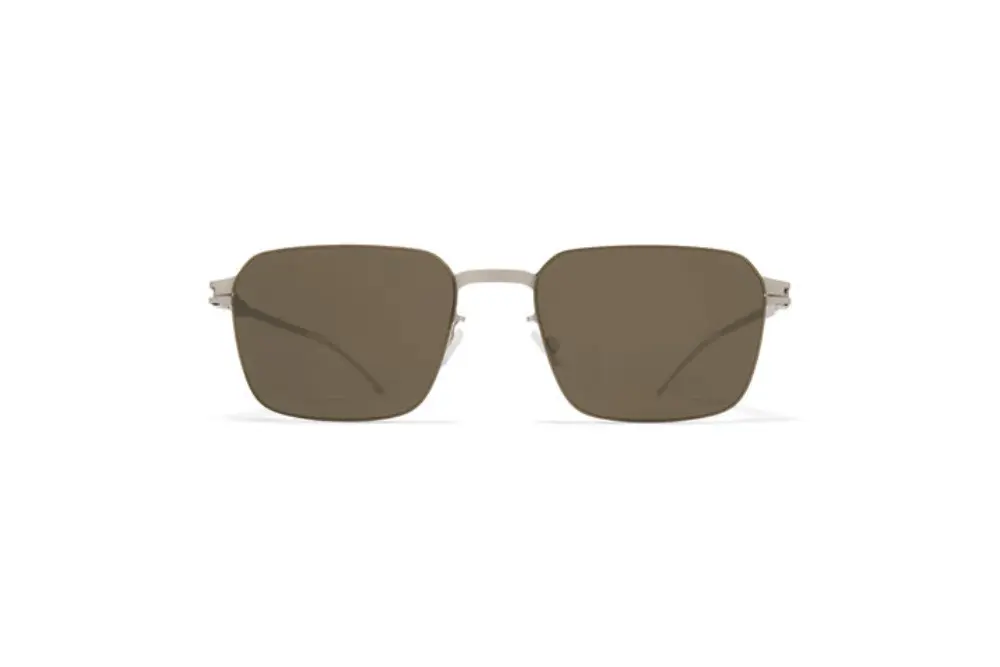
Handmade in Berlin from surgical-grade stainless steel, acetate, and their proprietary MYLON material (a polyamide-based 3D-printed substance). MYKITA represents the pinnacle of European independent eyewear — minimalist, technically sophisticated, and priced accordingly (€300–€600). Their screwless hinge design is patented and widely admired.
LINDBERG (Denmark)
The Danish master of ultra-light titanium frames. LINDBERG‘s “air titanium” concept — rimless frames weighing under 2 grams — defined an entire category. Their customization system offers billions of combinations (frame shape, color, temple length). If “quiet luxury” had a patron saint, it would be LINDBERG. Materials: titanium, acetate, gold, and platinum for the Precious collection.
Ace & Tate (Netherlands)
Often called “the European Warby Parker,” Ace & Tate offers designer-quality frames at accessible prices (€125–€165). Acetate-heavy collections with bold colors and contemporary shapes. Strong retail presence across major European cities. They disrupted the European DTC space and forced legacy retailers to reconsider pricing.
ic! berlin (Germany)
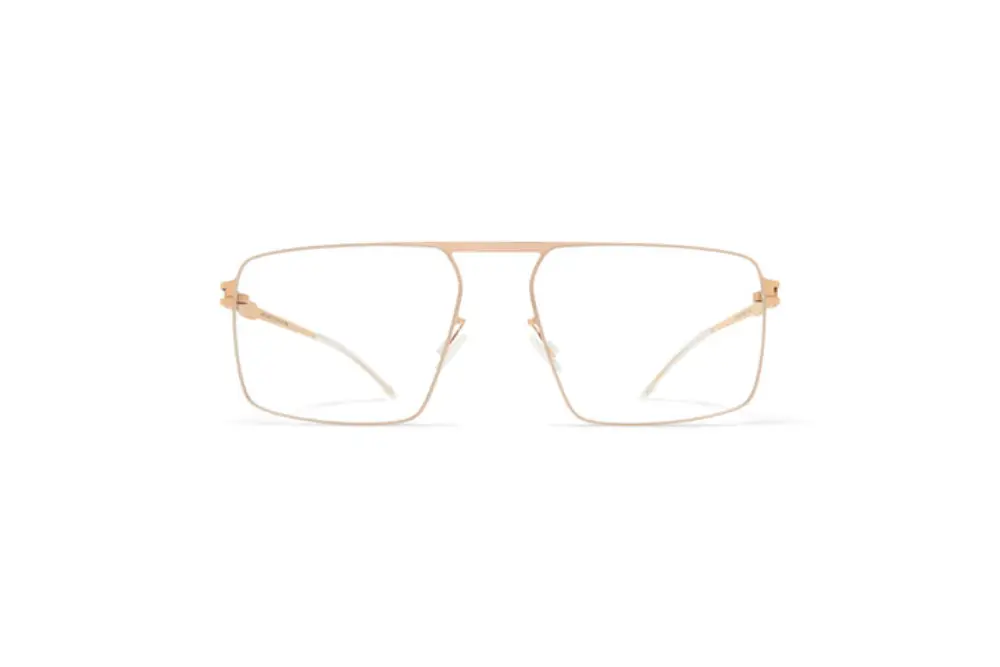
Berlin-made, surgical steel frames with their signature screwless hinge system. Raw, industrial aesthetic — the frame is bent from a single sheet of metal. No welding, no screws, no glue. A genuine engineering innovation that has influenced thin-metal frame design across the industry.
The Luxury Stratosphere
Europe is home to the world’s most prestigious eyewear brands — and the manufacturing infrastructure behind them. Luxottica (now EssilorLuxottica, headquartered in Paris and Milan) produces frames for Dior, Chanel, Prada, Versace, and dozens more from its Italian facilities. Safilo Group does the same for Carrera, Hugo Boss, and Jimmy Choo.
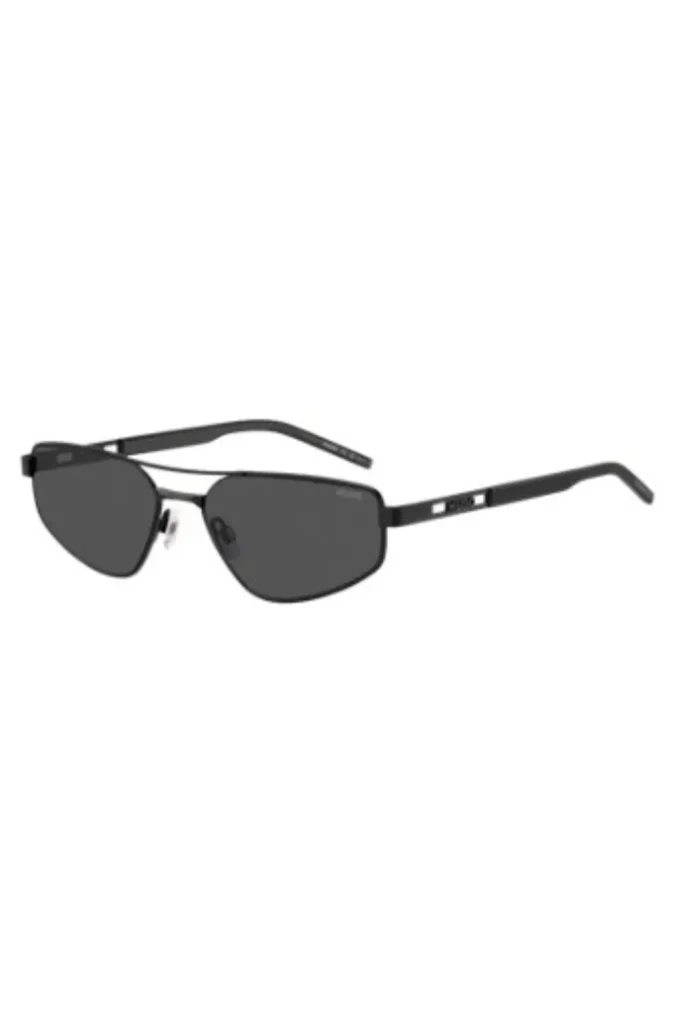
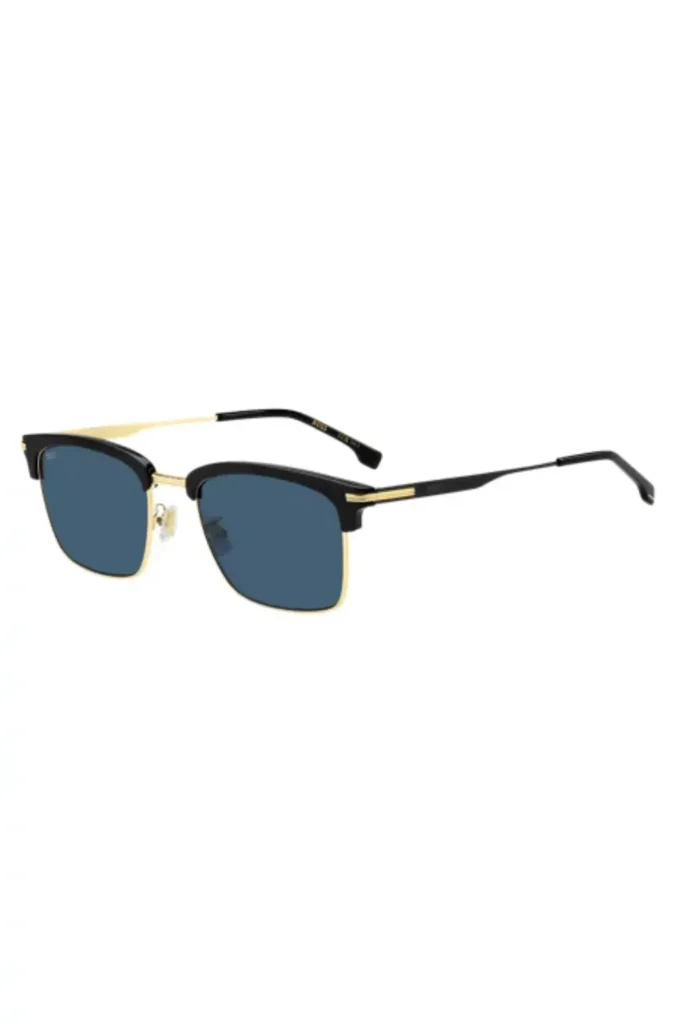
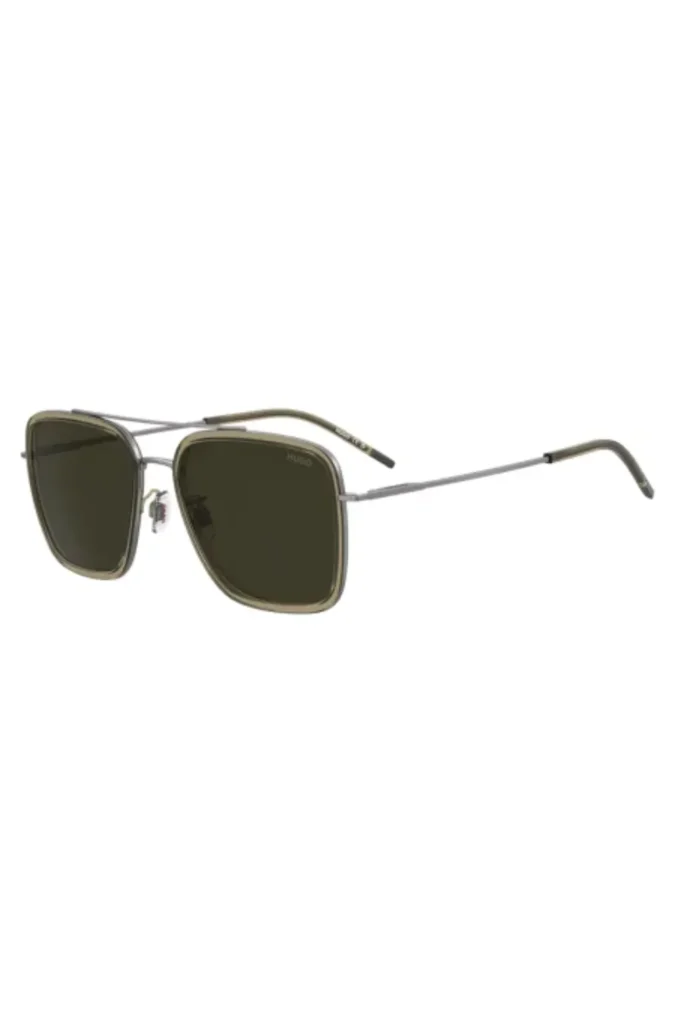
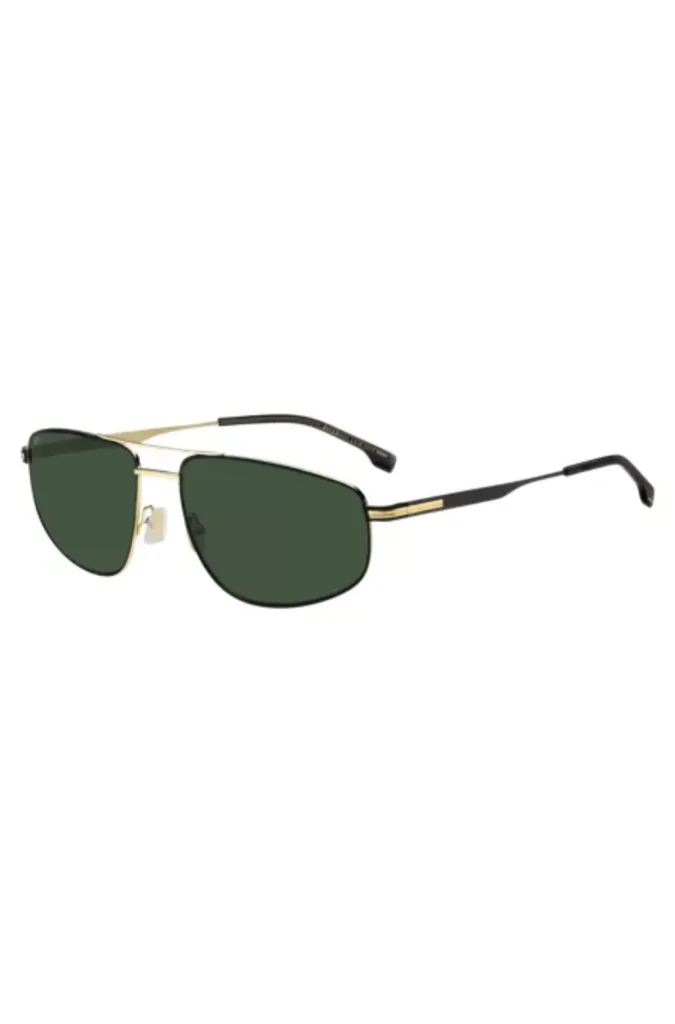
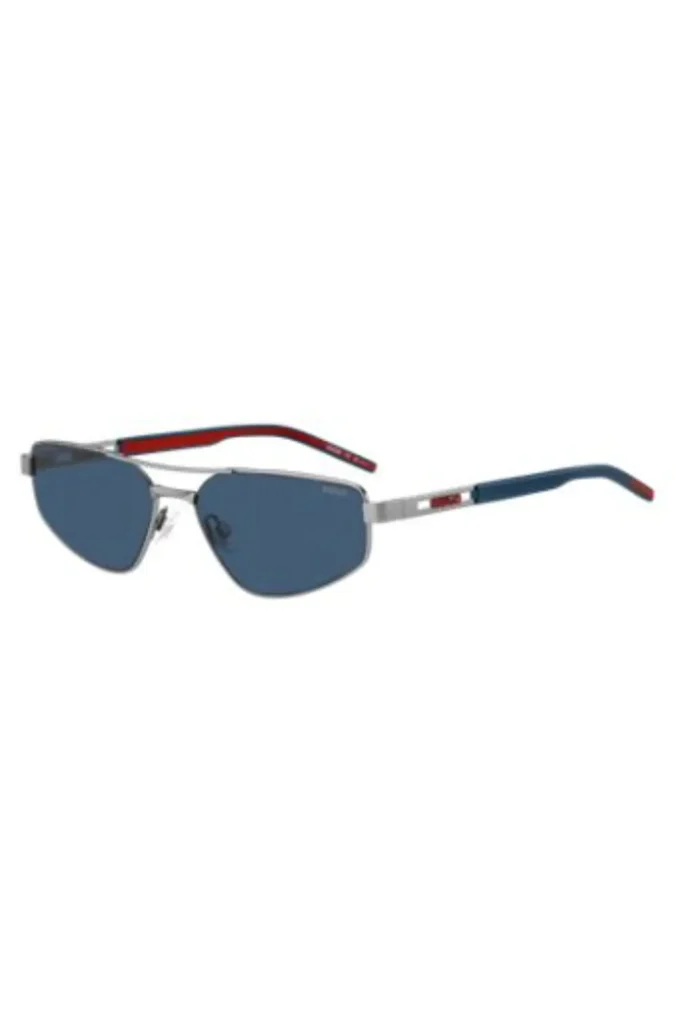
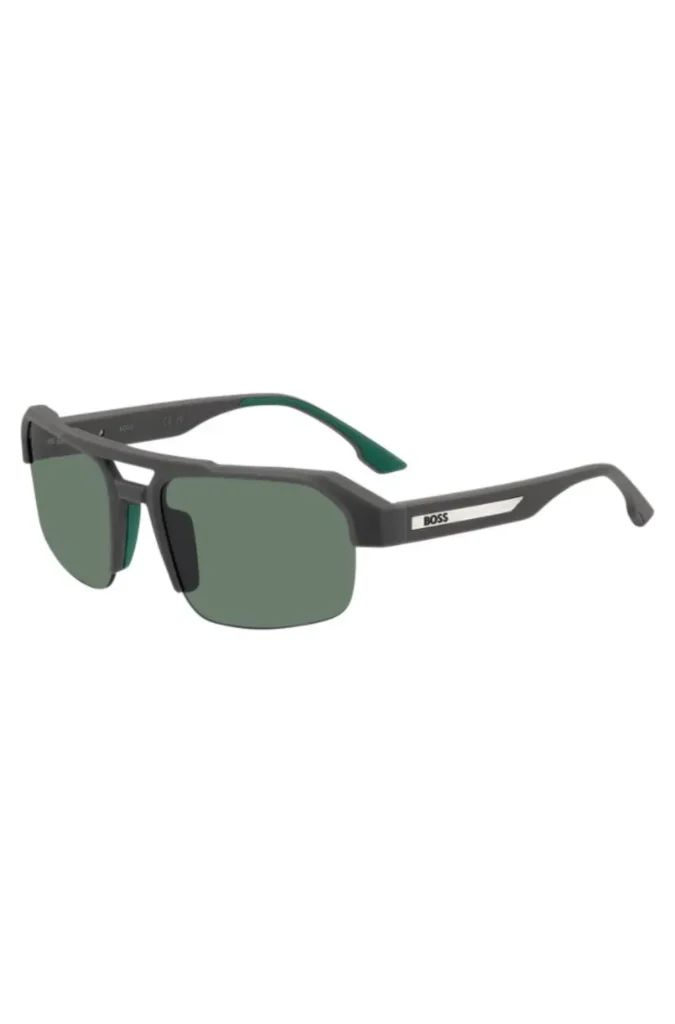
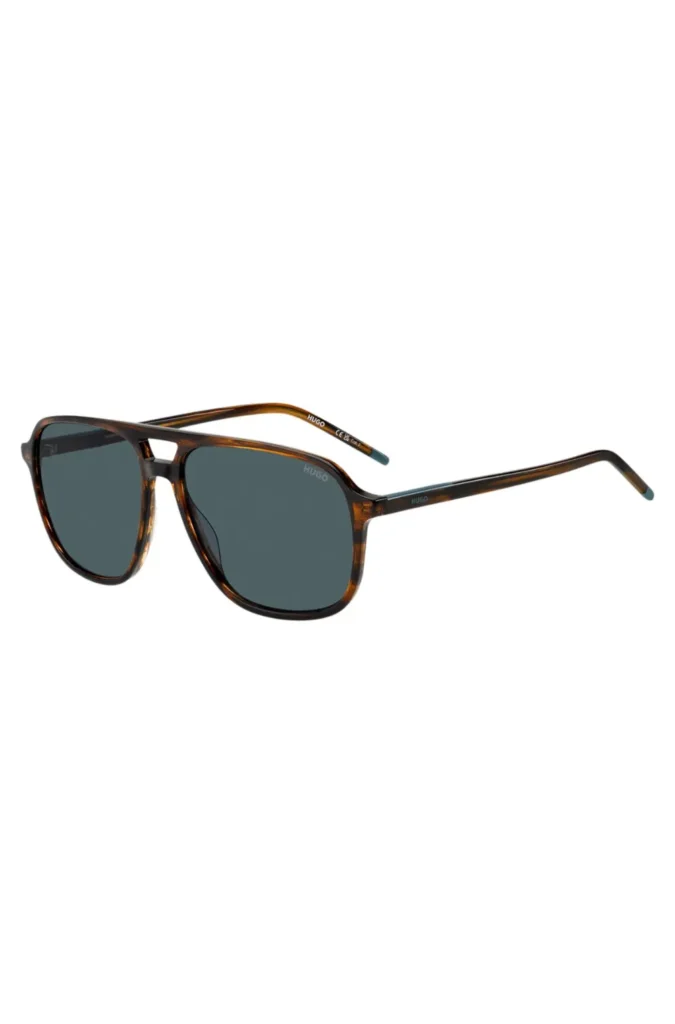
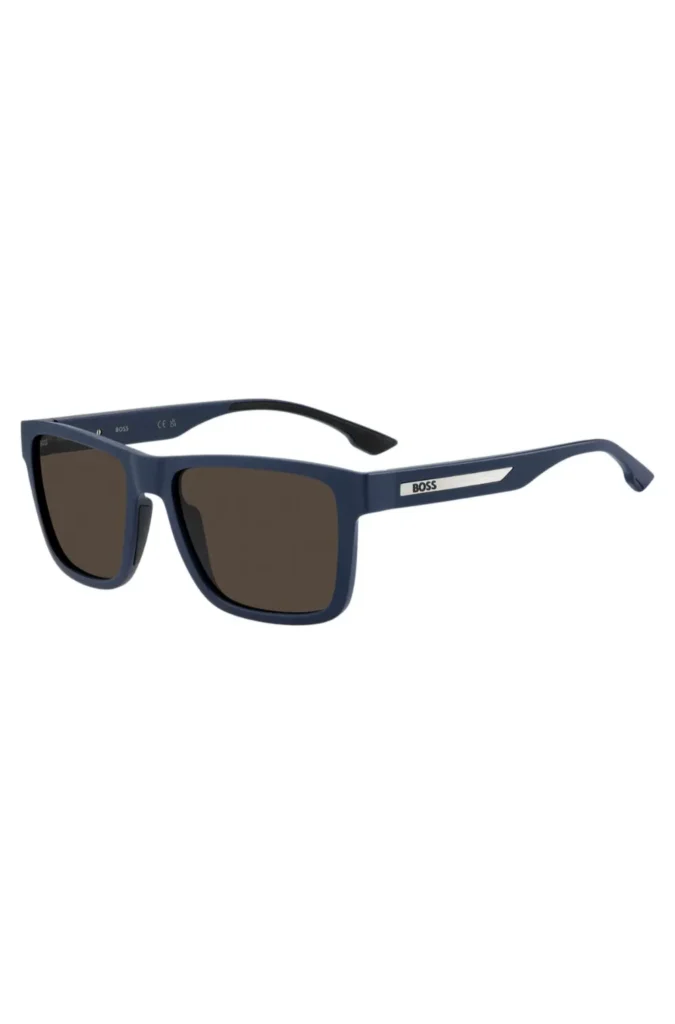
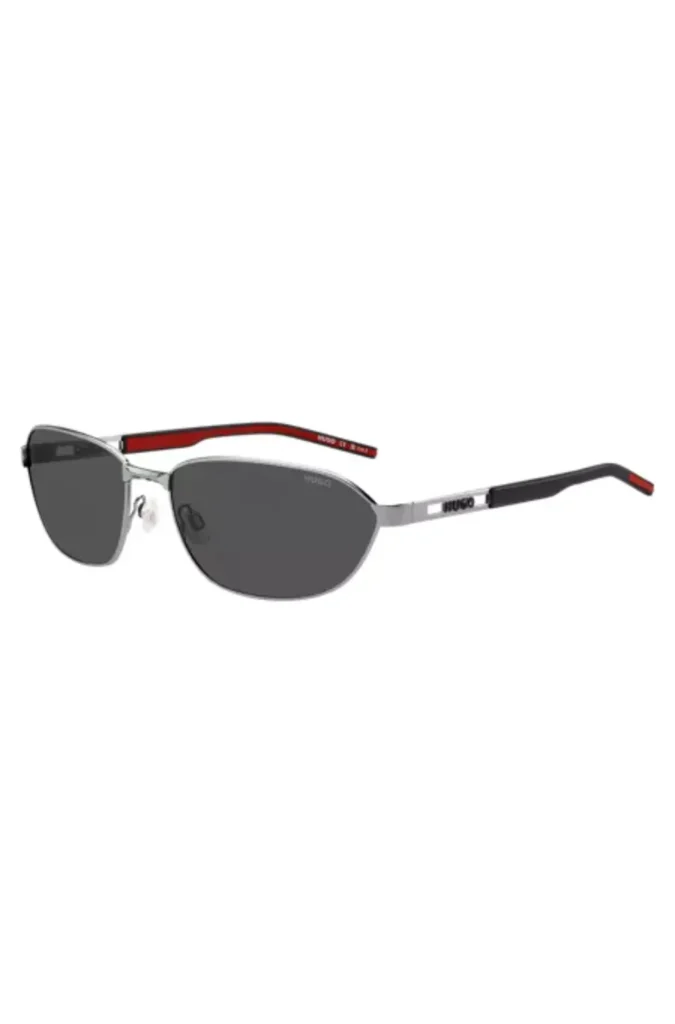
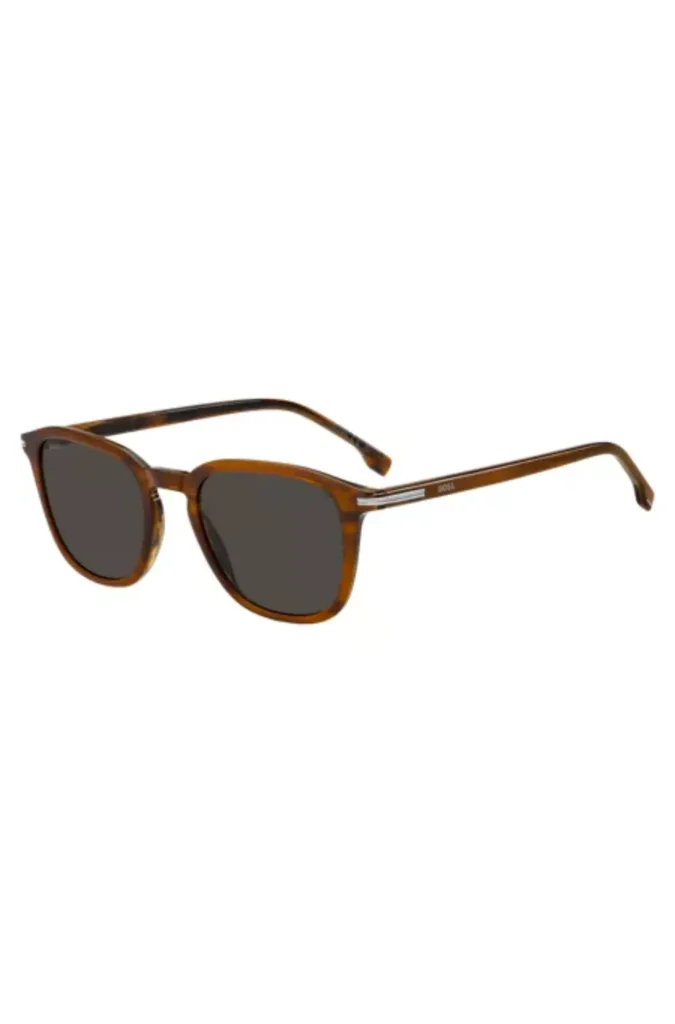
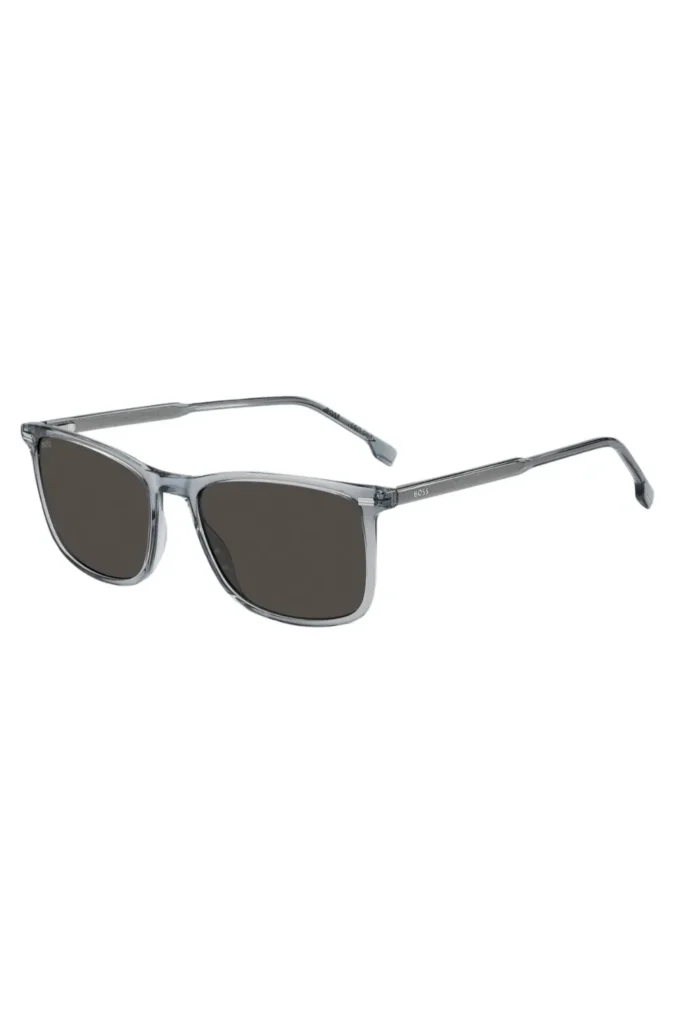
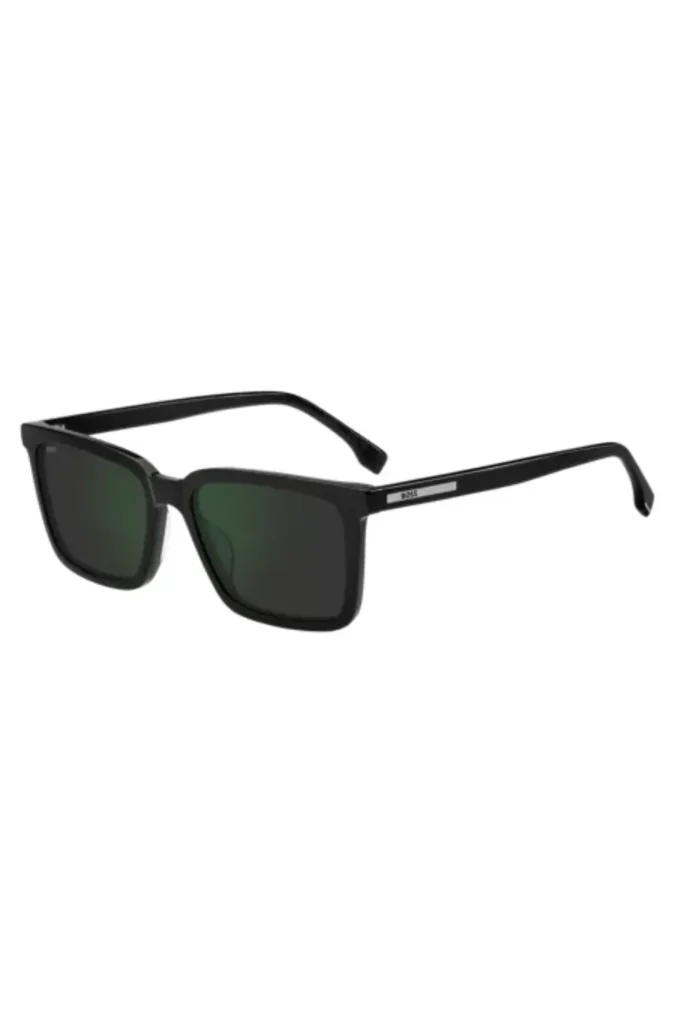
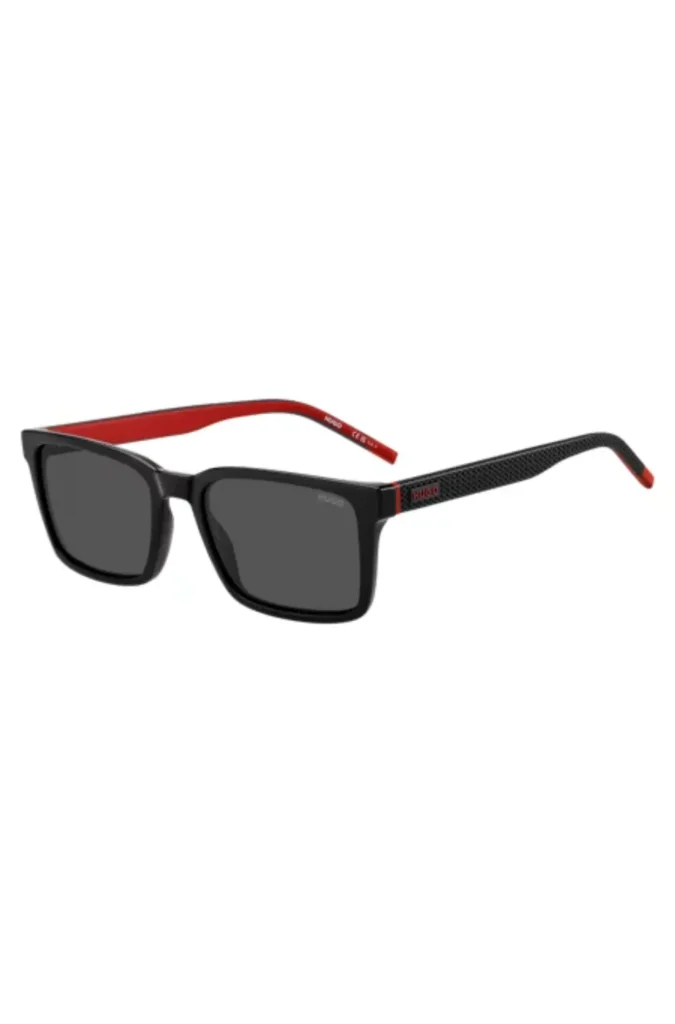
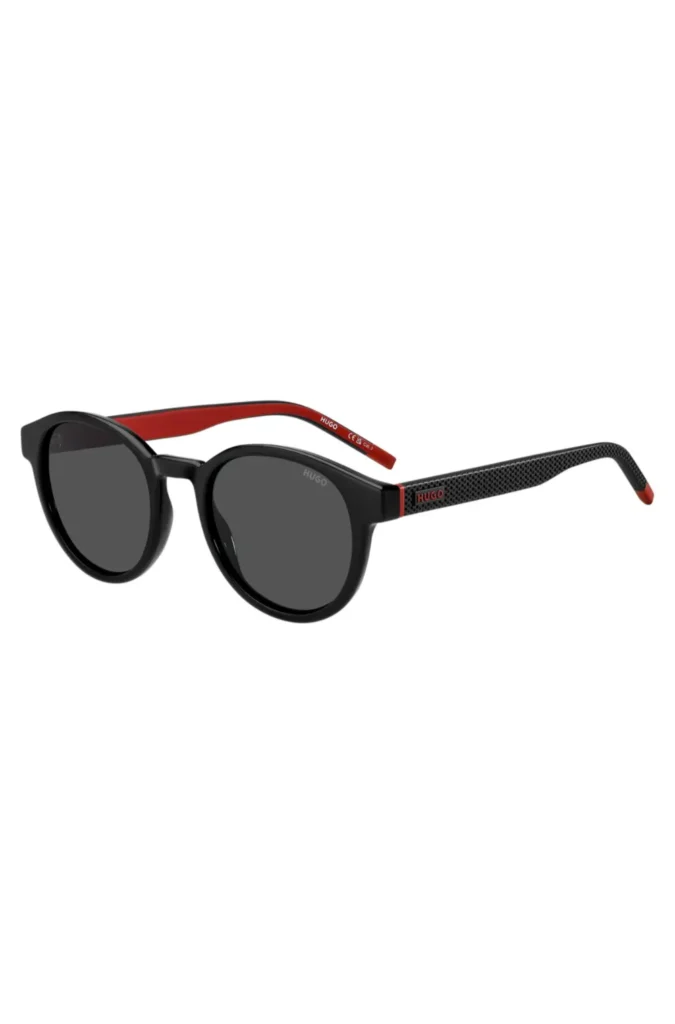
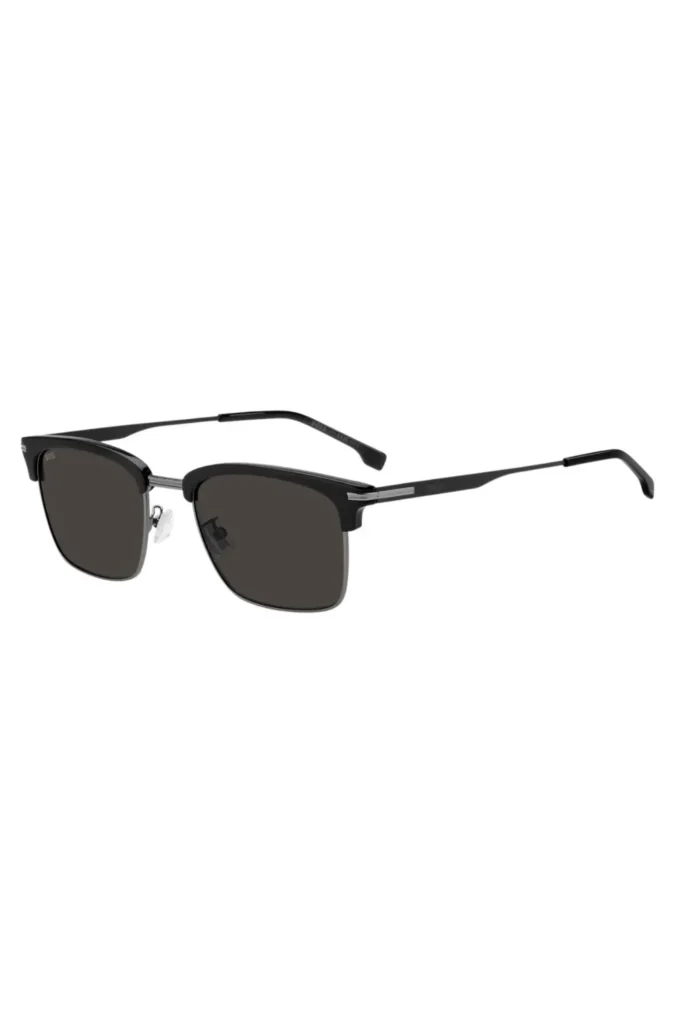
The critical context: while the design, final finishing, and quality control happen in Italy, an increasing share of the actual manufacturing — molding, assembly, polishing — takes place in China. This is not a secret; it is a supply chain reality. The “Made in Italy” designation often reflects the last substantial transformation step, not the entirety of production.
For B2B buyers, this means that the craftsmanship and material quality found in European luxury frames can be replicated at significantly lower cost by working directly with the same Chinese factories that supply the European brands. The gap is not in production capability — it is in brand equity and distribution networks.
Material & Style Preferences by Region
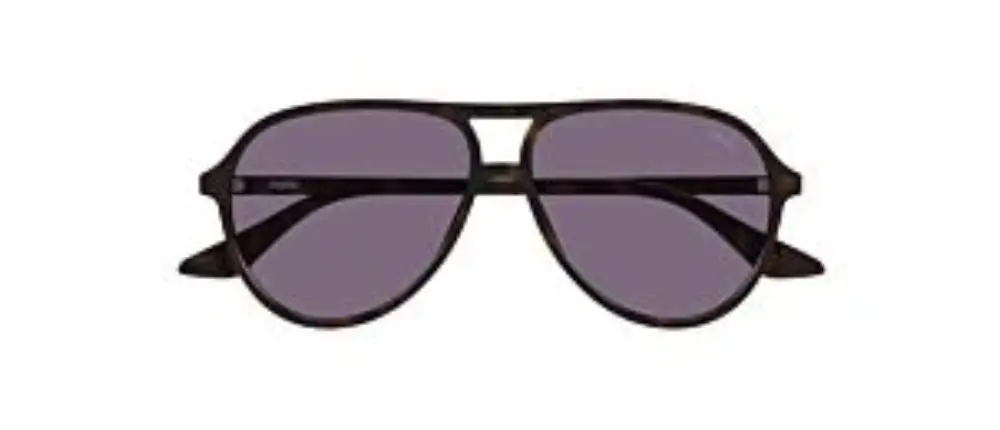
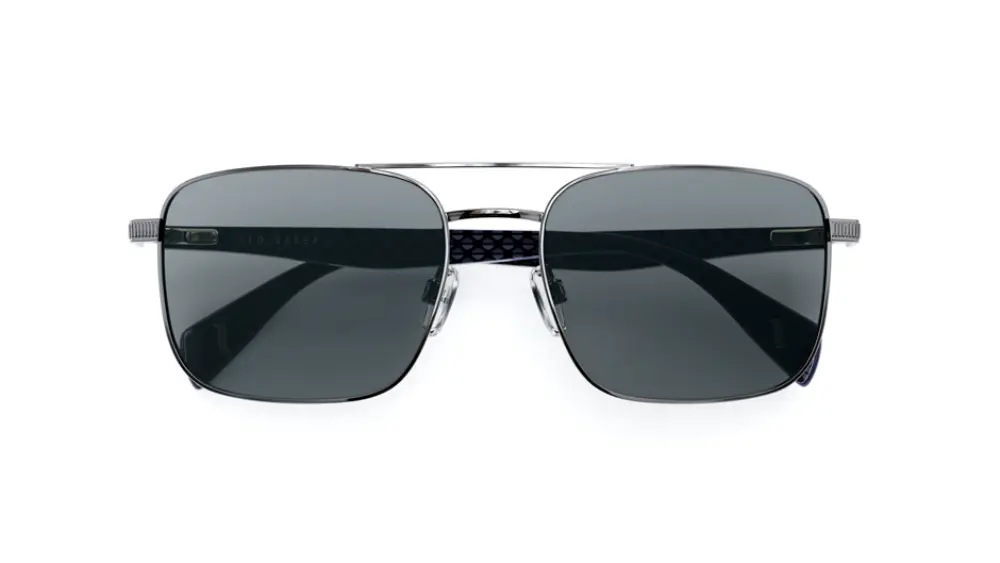
- UK & Ireland: Pragmatic, value-oriented. TR90 and basic acetate dominate volume. Growing interest in sustainable materials. Style leans classic — rectangular, round, aviator.
- Germany, Austria, Switzerland: Quality-obsessed. Titanium and stainless steel have outsized share. Minimalist, functional design. MYKITA and LINDBERG define the aesthetic ceiling.
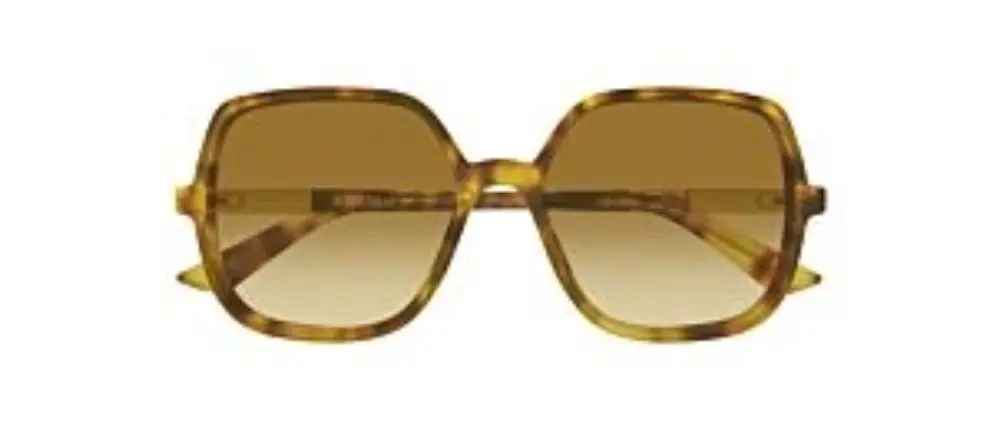
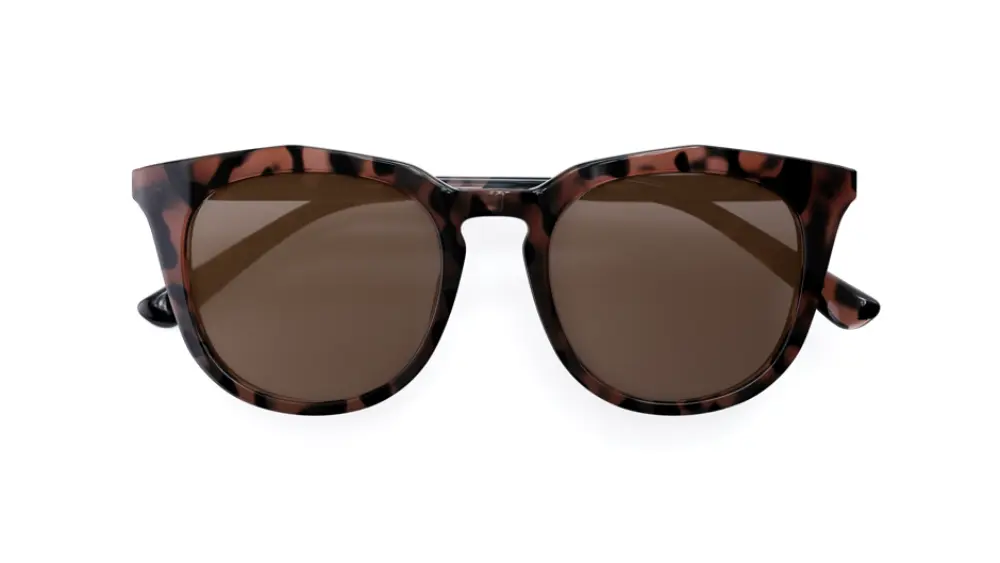
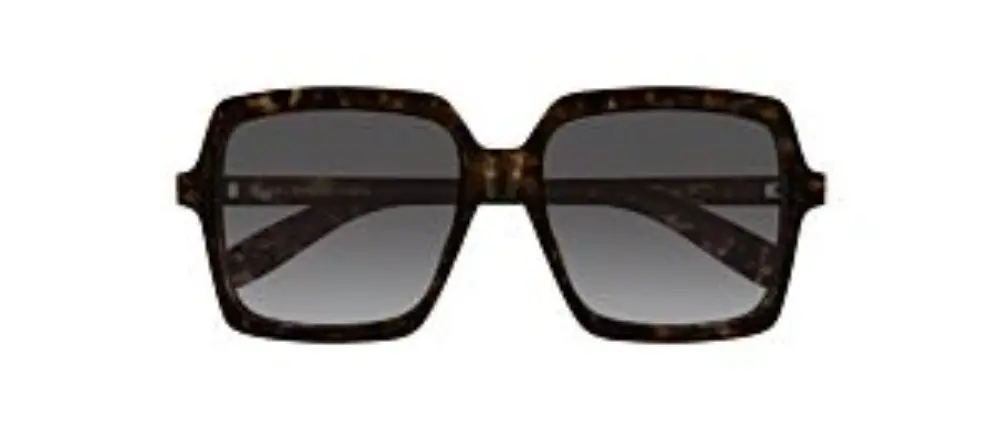
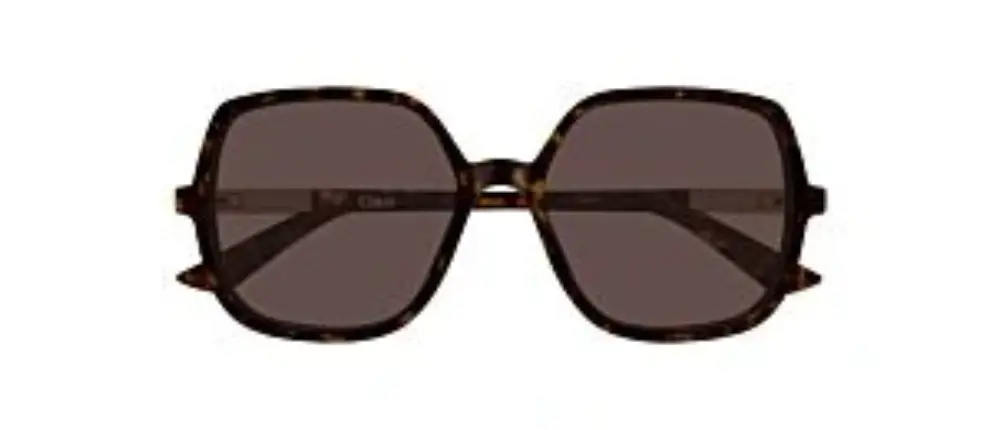
- France: Fashion-forward. Bold acetate shapes, cat-eye, oversized frames. Tortoiseshell in every variation. French consumers see eyewear as a fashion statement, not just a medical device.
- Scandinavia: Ultra-minimal. Thin titanium, transparent acetate, geometric shapes. Muted tones. Sustainability is a purchasing driver, not an afterthought.
- Southern Europe (Italy, Spain, Portugal): Expressive and colorful. Large acetate frames, bold brand logos, vintage-inspired shapes. The “la dolce vita” approach to eyewear — it should look as good as it functions.
Seasonal Patterns in Europe
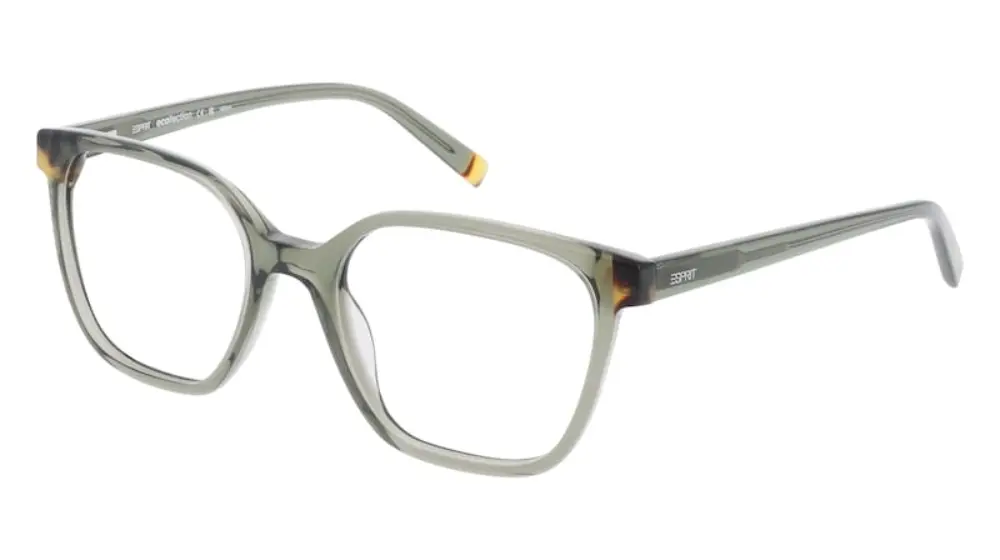
- Spring: Crystal acetate, pastel frames, thin metal wireframes. European consumers refresh their look after winter — lighter frames, lighter colors.
- Summer: Sunglasses peak (June–August). Mediterranean markets drive bold, oversized sun styles. Northern Europe favors classic aviators and wayfarers. Polarized lenses are expected, not optional.
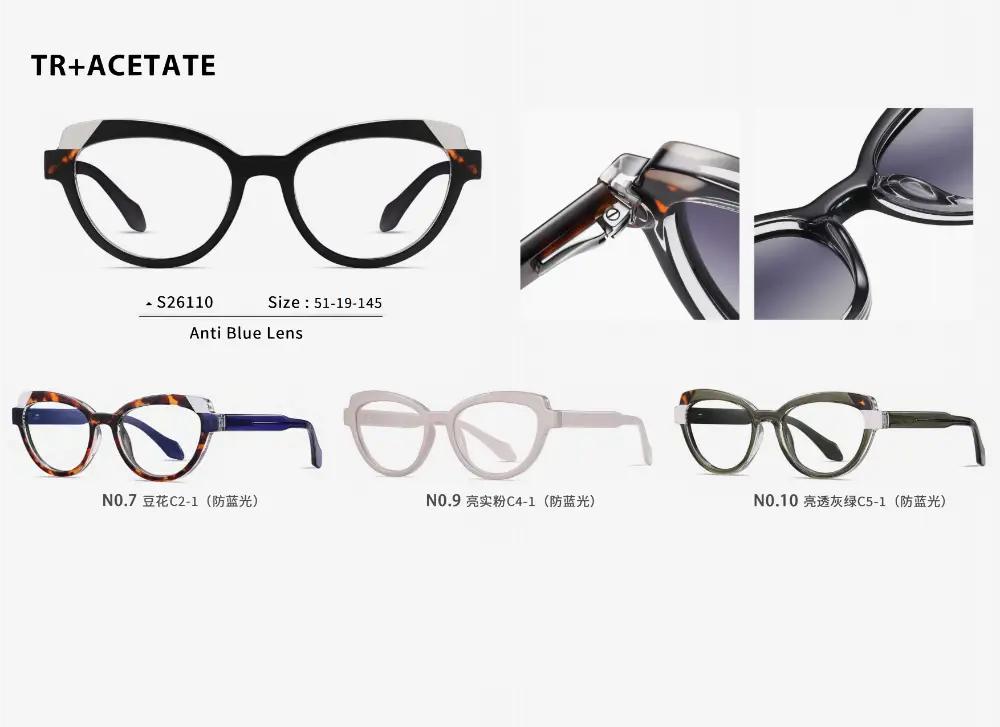
- Fall: Tortoiseshell acetate returns. Cat-eye shapes gain traction. French and Italian markets lead fashion direction. Blue-light-blocking frames surge as daylight hours decrease.
- Winter: Dark acetate, matte titanium, and warm metal tones (gold, copper). Functionality matters — anti-fog coatings, photochromic lenses. Holiday gift-giving drives luxury frame sales.
2026 Trend Direction for Europe
- Sustainability as baseline: Bio-acetate, recycled metals, and carbon-neutral supply chains are moving from “nice to have” to “expected.” Brands without a sustainability story will face growing resistance from European retailers and consumers.
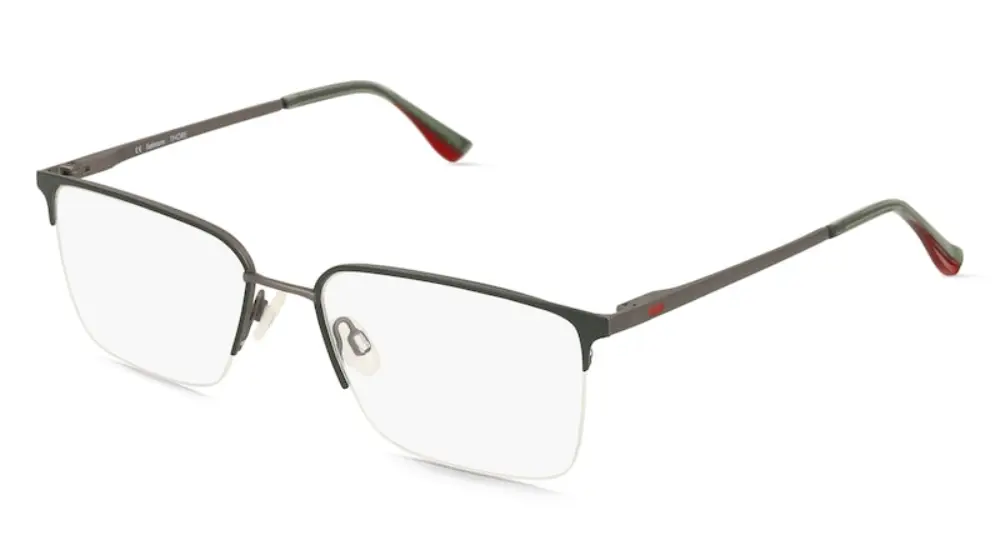
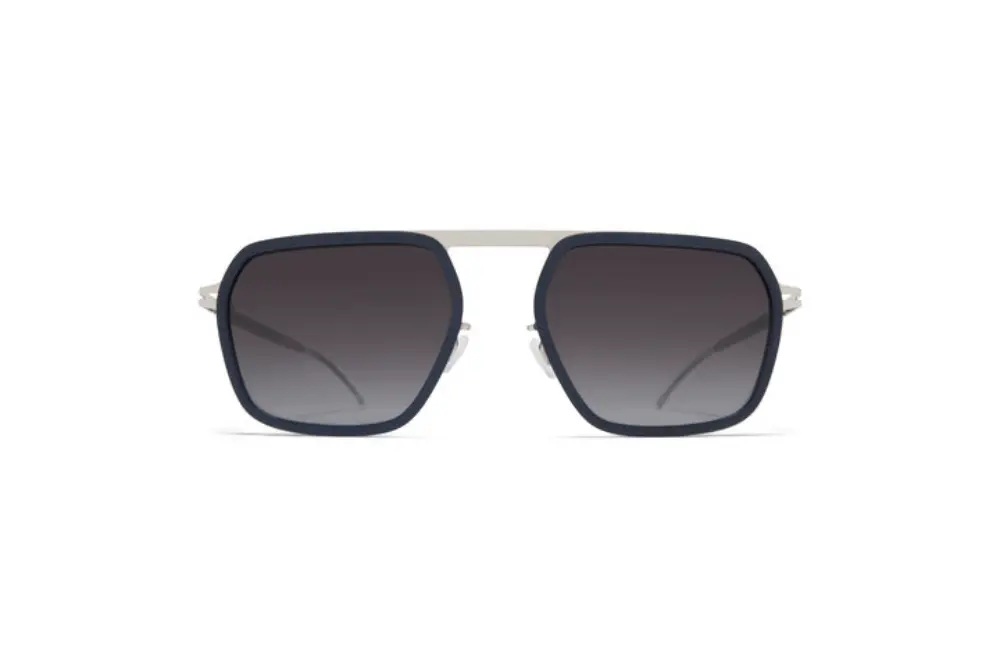
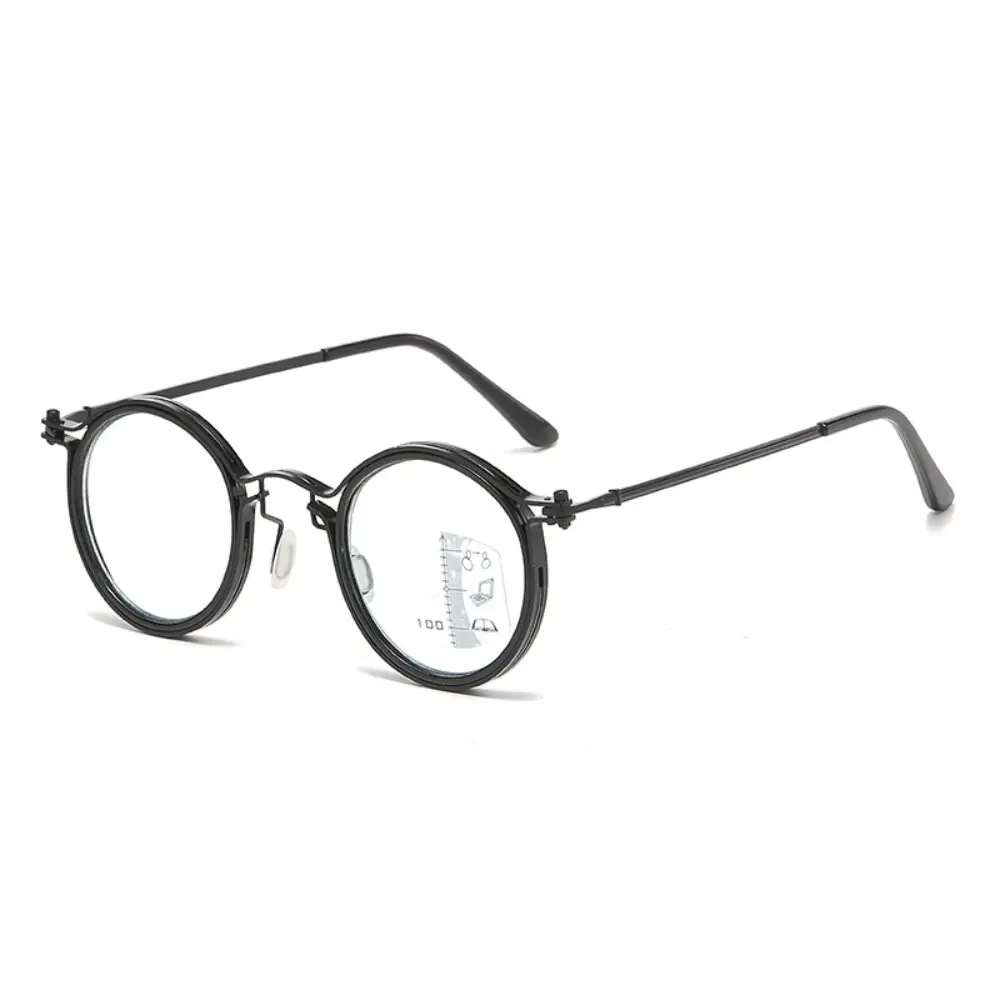
- Geometric minimalism: Hexagonal and octagonal frames in thin metal — a clear trend driven by Scandinavian and German aesthetics. Not bold, not boring — precisely engineered.
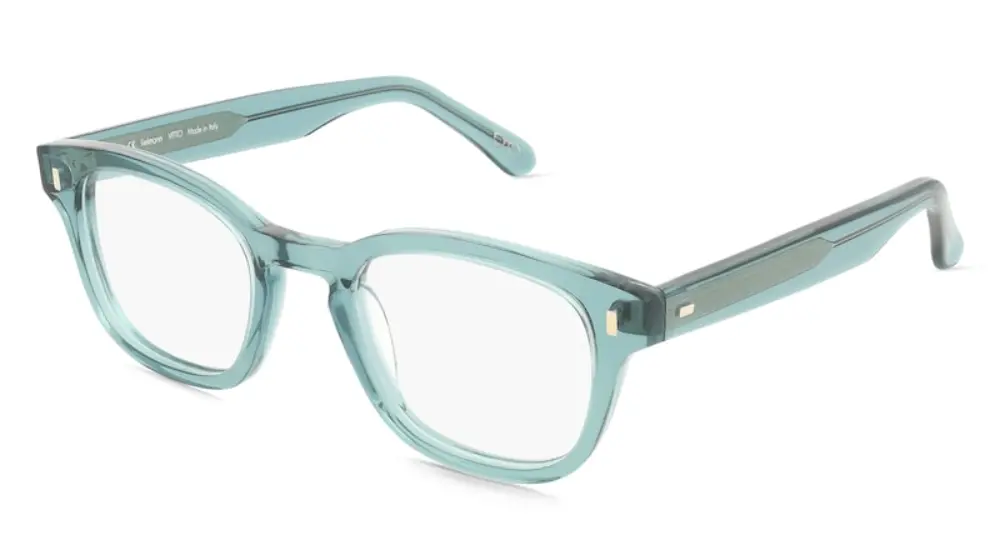
- Sculptural acetate: Chunky, asymmetrical, architectural frames inspired by the Paris and Milan runways. For the fashion-forward consumer who wants their glasses noticed.
- Tech-adjacent design: Frames designed to accommodate smart glasses components — slightly thicker temples, integrated audio channels. Not mainstream yet, but the design language is already shifting.
Sourcing for the European Market: Practical Recommendations
European buyers have some of the highest quality expectations in the world — and some of the strictest regulatory requirements. Here is what matters most when sourcing:
- RoHS and REACH compliance: Non-negotiable for any metal components. Lead-free nickel silver for hinges, stainless steel for screws. Document your compliance — European customs and retailers will ask.
- Lead-free and nickel-release tested: The EU Nickel Directive limits nickel release from items in prolonged skin contact. Your frames must pass the EN 1811 test. This is not optional.
- Bio-acetate and sustainable options: If you are selling into Germany or Scandinavia, having ISCC-certified bio-acetate frames in your catalog is becoming a competitive necessity, not a nice-to-have.
- Titanium capability: The European premium segment is disproportionately titanium-focused. If you cannot source or manufacture pure titanium and beta-titanium frames, you are leaving the most profitable segment to competitors.
Our factory in Wenzhou produces frames that meet all of these requirements. We use lead-free nickel silver hinges, offer ISCC-certified bio-acetate, manufacture pure and beta-titanium frames, and provide full compliance documentation for EU import. We can prepare a selection of frames tailored to your specific European market — whether that means Scandinavian minimalism or Parisian boldness.
Related Guides for B2B Eyewear Buyers
- TR90 vs Acetate vs Metal: Material Comparison Guide
- Pure Titanium vs Beta Titanium for the European Market
- Global Eyewear Production: Where European Brands Really Manufacture
- How to Source Eyewear from China for European Buyers
- Blue Light Blocking Glasses: European Market Wholesale Guide
- Custom Eyewear Packaging: Meeting European Retail Standards
If you are evaluating suppliers for the European market, contact our team. We will share samples, compliance documents, and a curated selection based on your target countries and price points — no pressure, just the information you need to make a confident decision.

6.17_11.webp)