Every era gets recycled eventually. In 2026, the eyewear industry is running four decades of retro simultaneously: 60s mod, 70s oversized, 80s power, and 90s minimal. The difference this time is that each era is not being copied — it is being filtered through contemporary materials, proportions, and manufacturing precision. The result looks retro-inspired, not retro-costume.
For B2B buyers, retro-inspired frames are a merchandising strategy as much as a design category. Vintage references give consumers an emotional anchor — “these look like the frames my dad wore” — that purely contemporary designs lack. The key is knowing which era sells in your market and how to execute the reference without making it look like a Halloween accessory.
Four Decades, Four Design Languages
1960s: Mod and Space Age
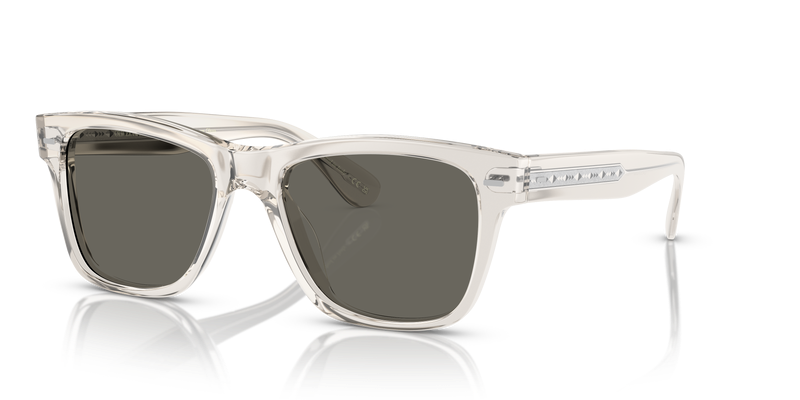
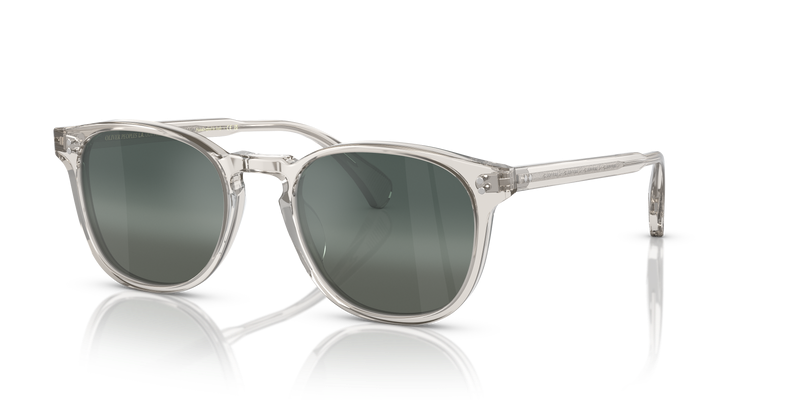
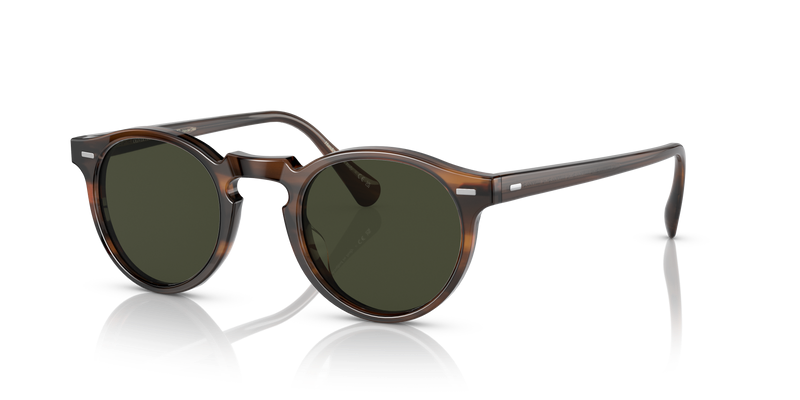
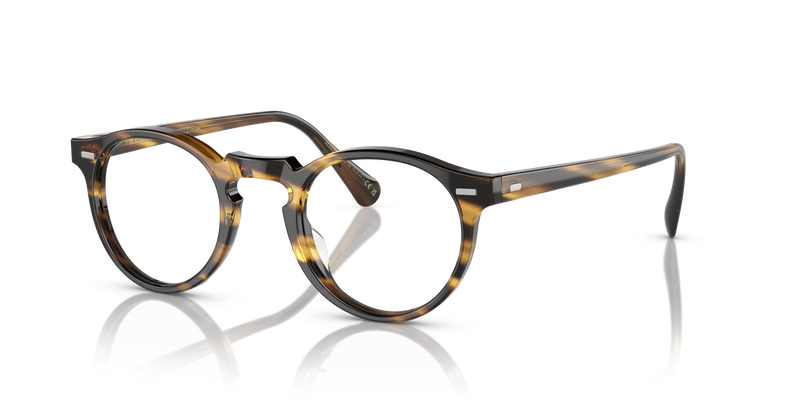
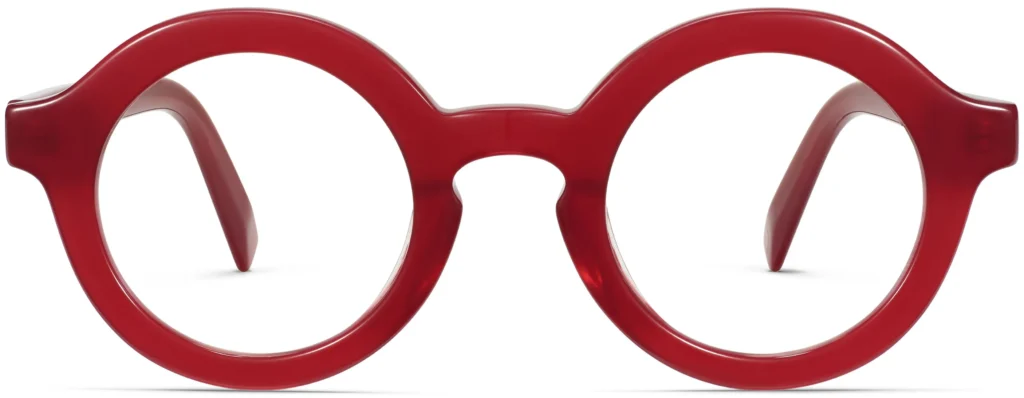
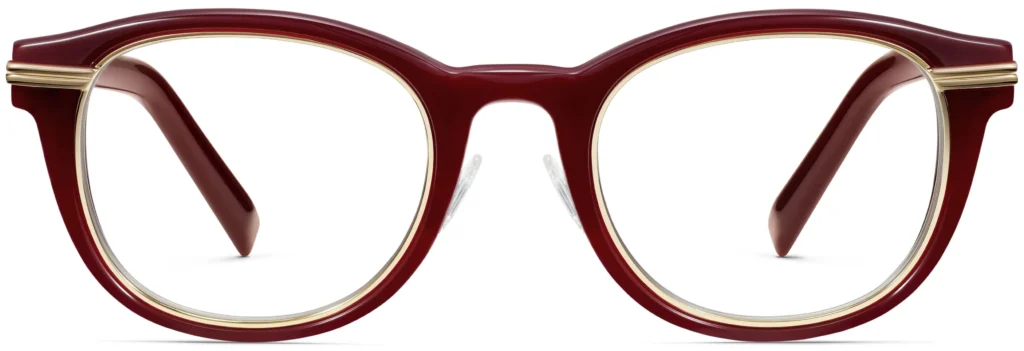
Round wire frames, white acetate, graphic shapes. The Oliver Peoples “Gregory Peck” frame is the commercial apex of 60s retro — round, bold, intellectual. In 2026, the 60s reference shows up in:
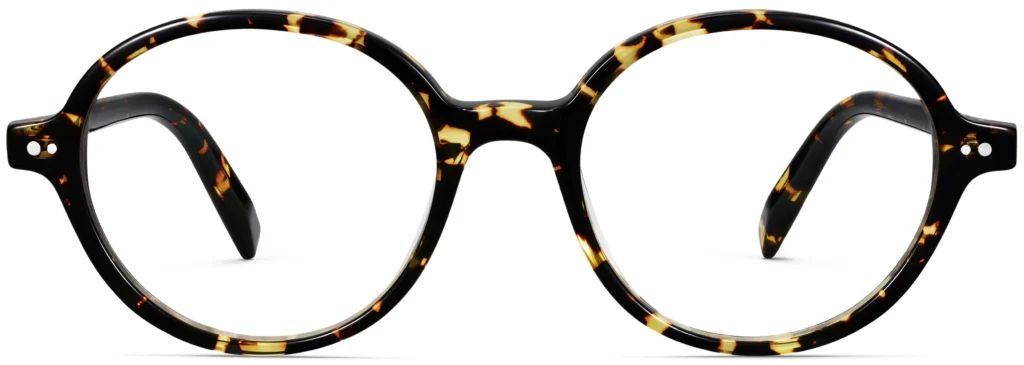
- Round thick acetate in black or tortoiseshell (think Malcolm X, think Steve Jobs’ later years)
- White or cream acetate — the mod aesthetic, strong in female-targeted collections
- Thin metal round — the John Lennon reference, updated with titanium and spring hinges
Manufacturing note: white and cream acetate is the most unforgiving transparent variant. Every impurity, every yellowing, every uneven polish is visible. Require Mazzucchelli-grade or equivalent for white acetate.
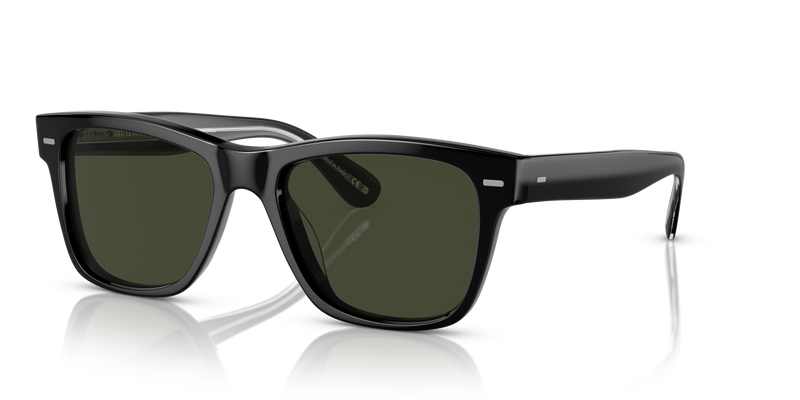
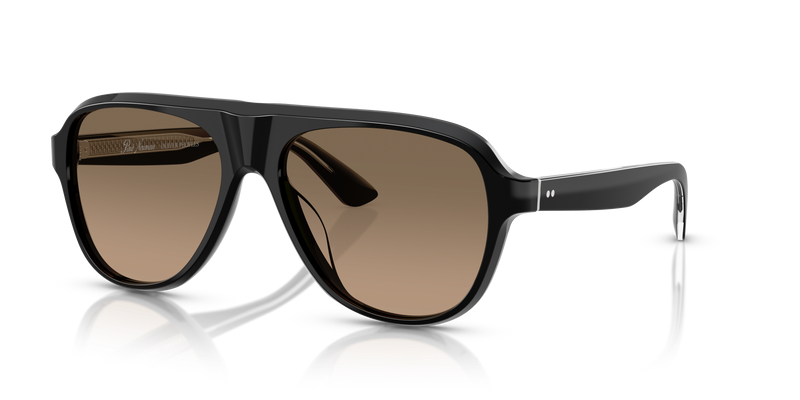
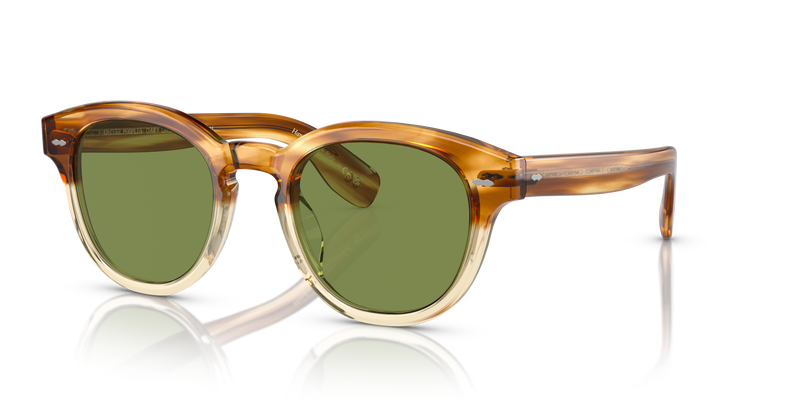
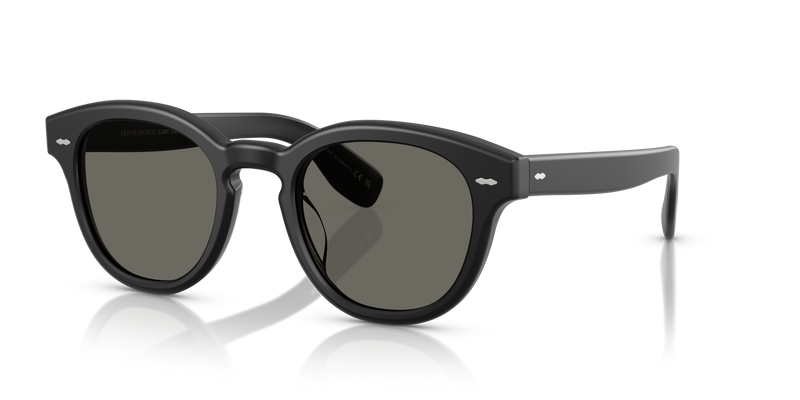
1970s: Oversized and Warm
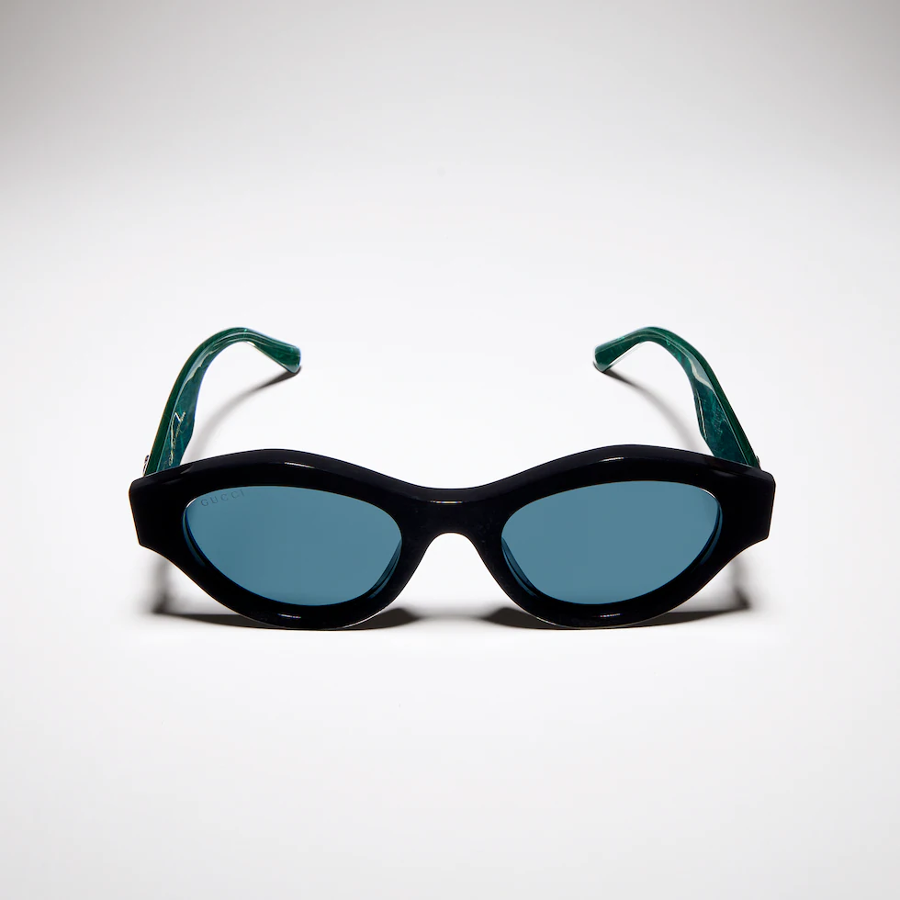
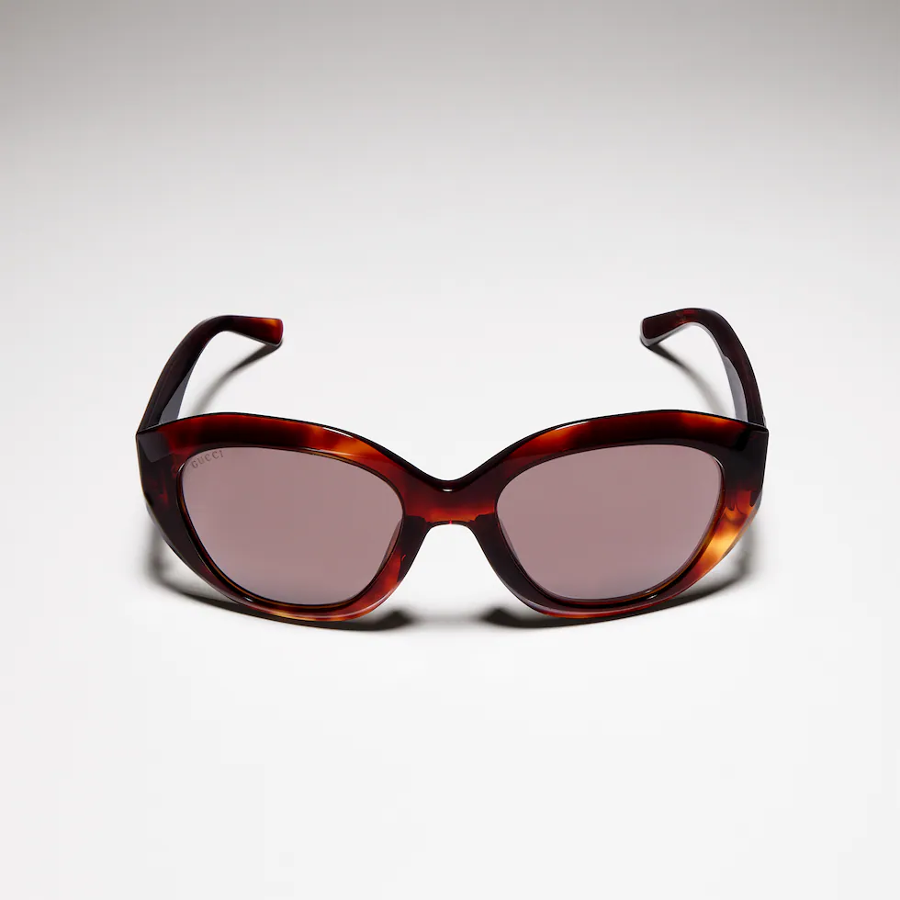
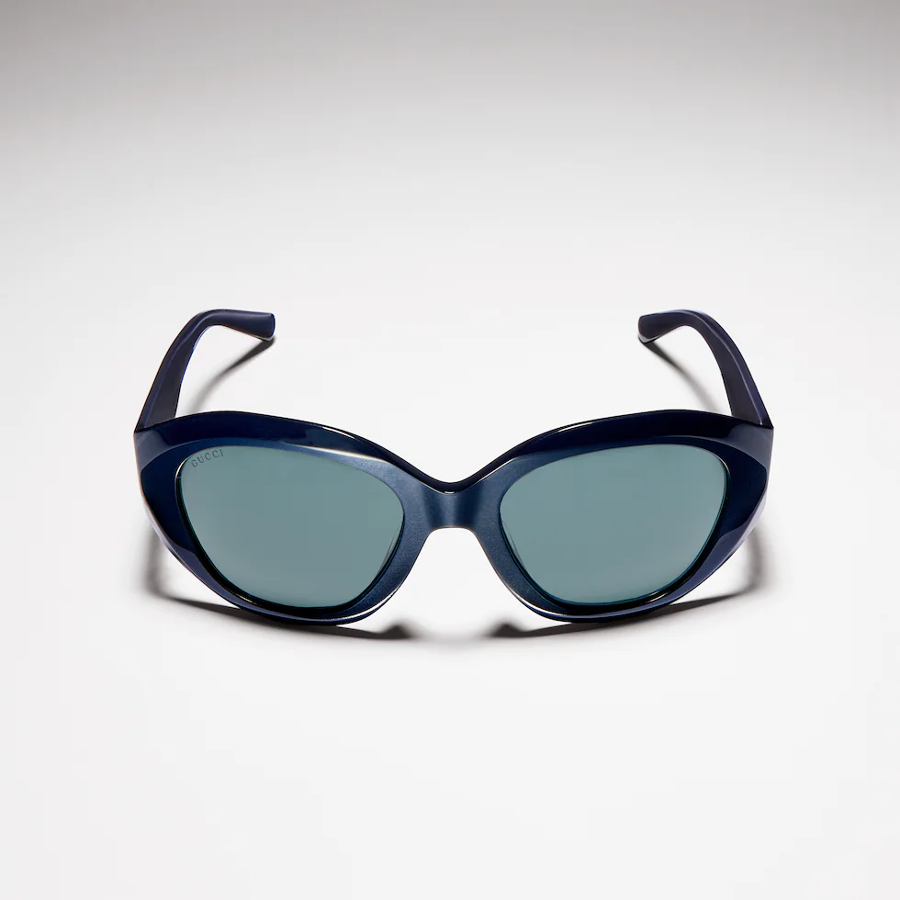
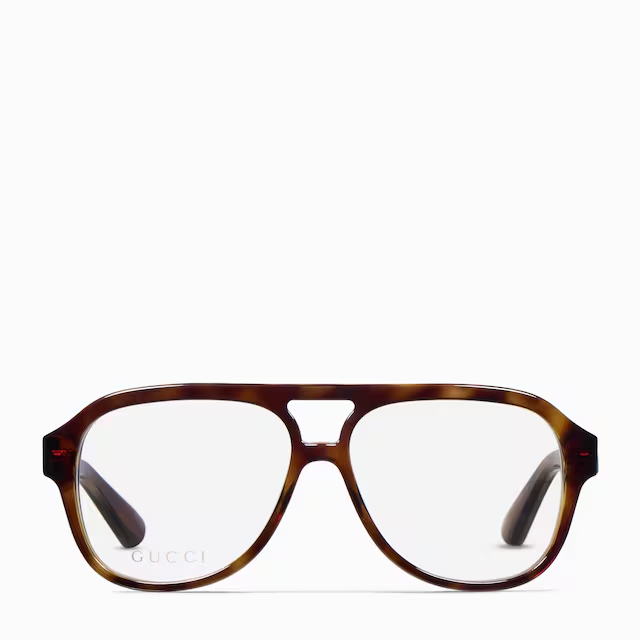
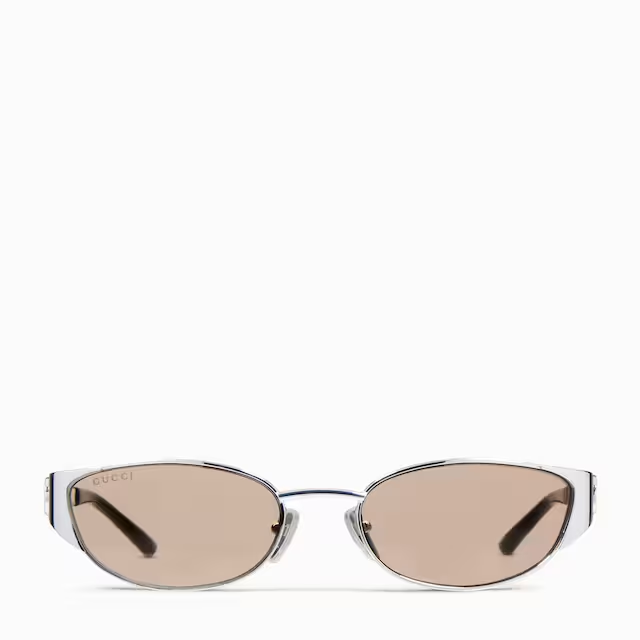
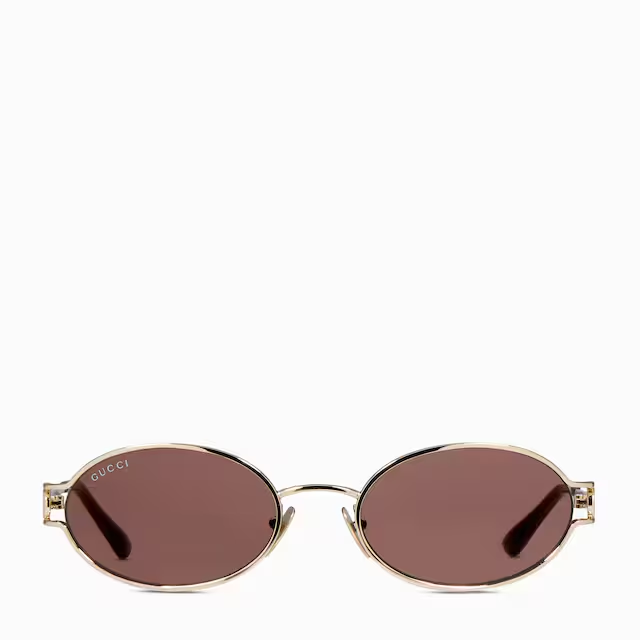
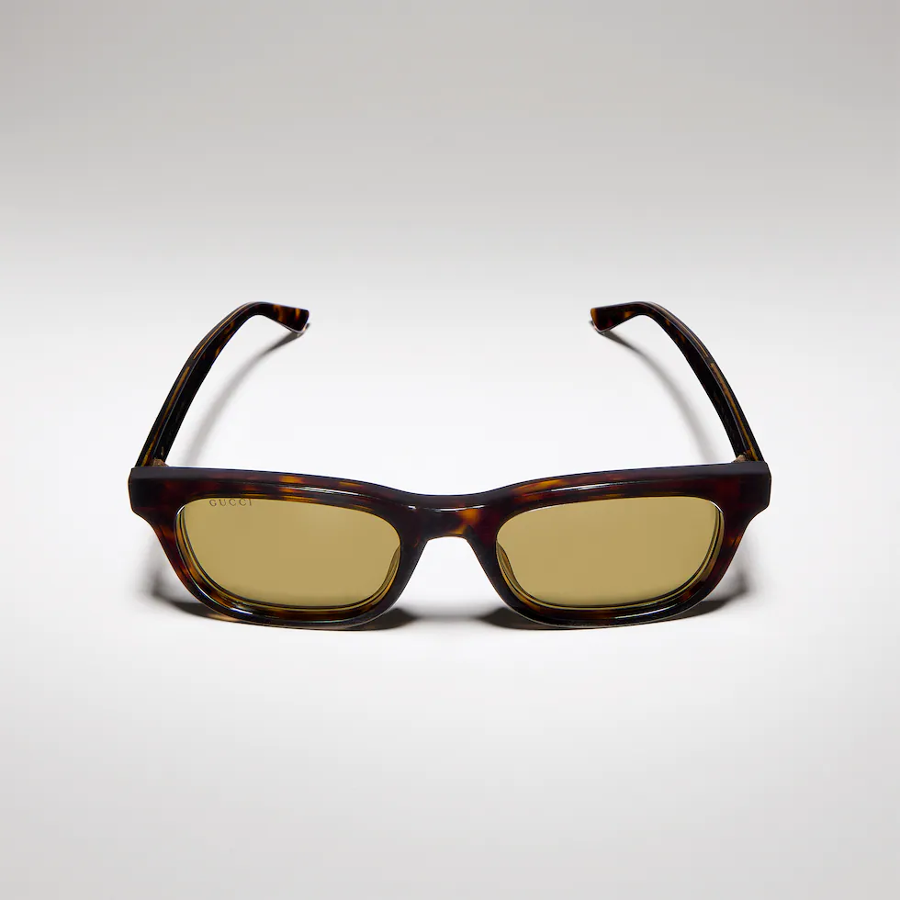
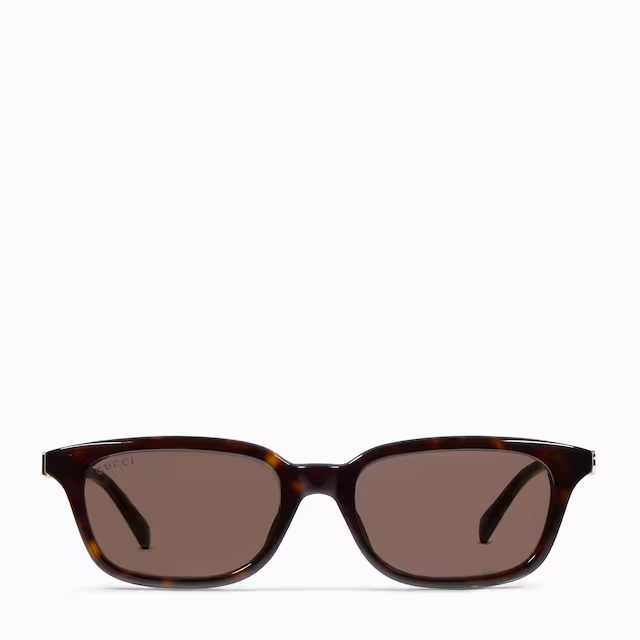
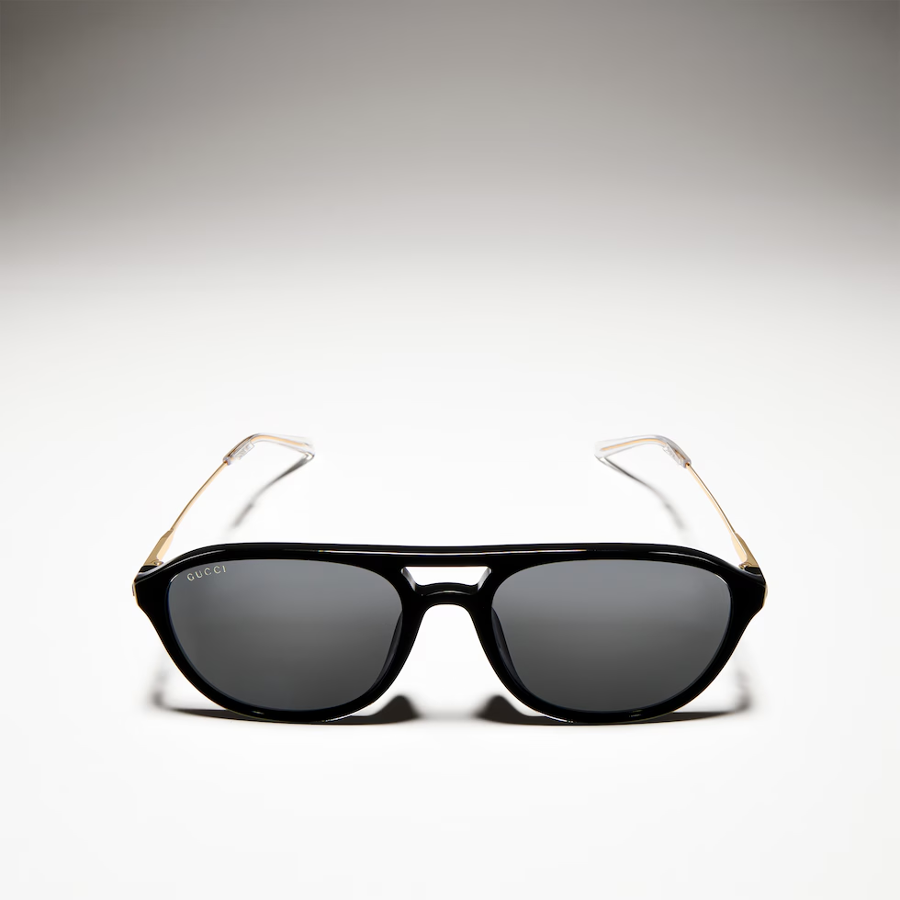
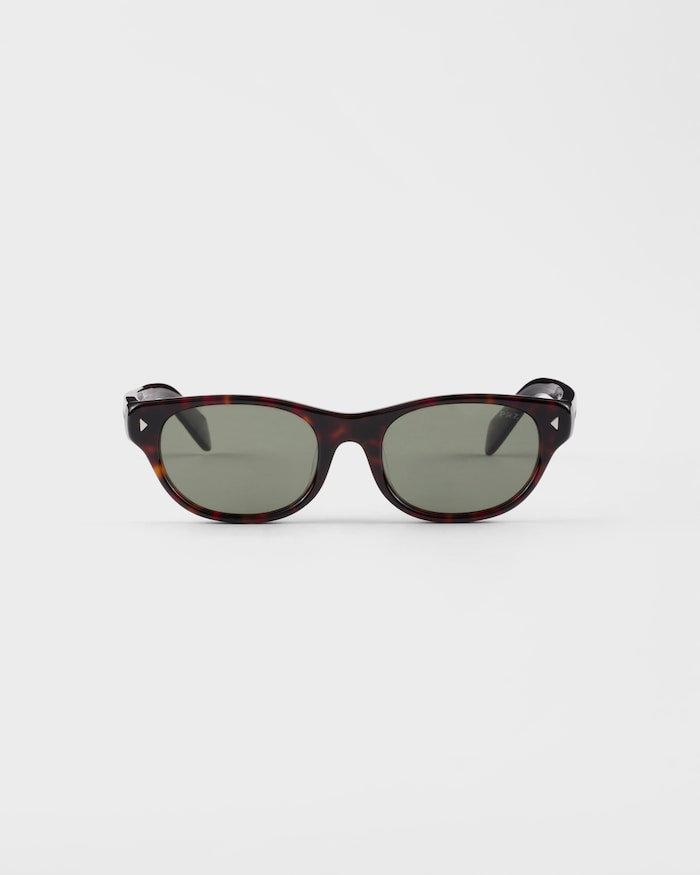
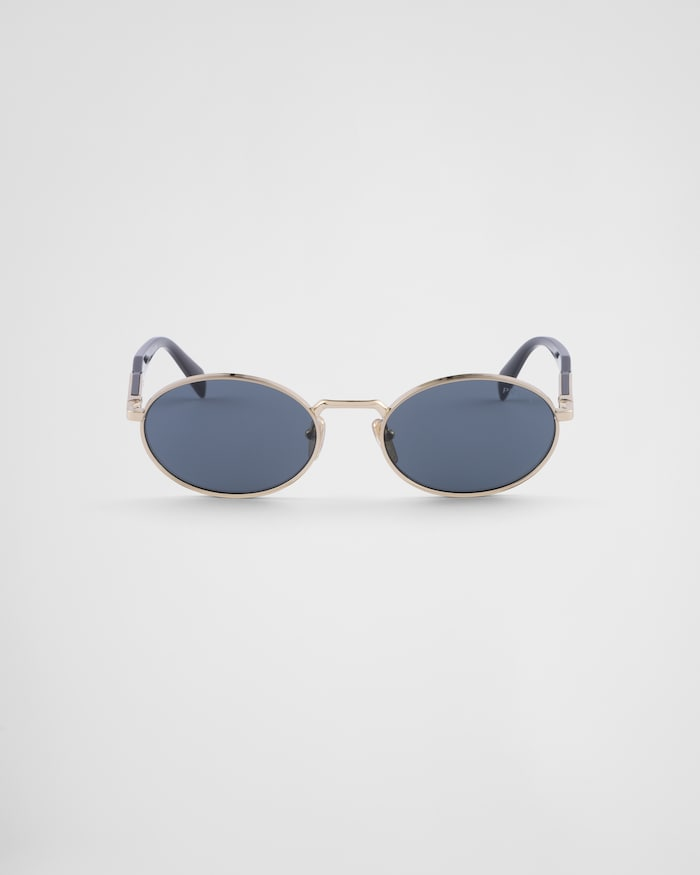
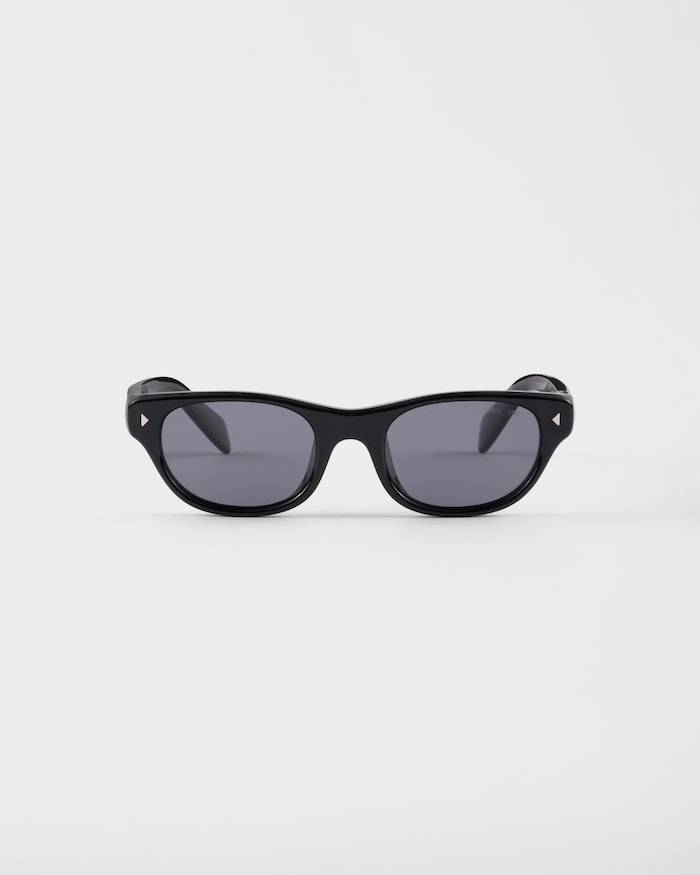
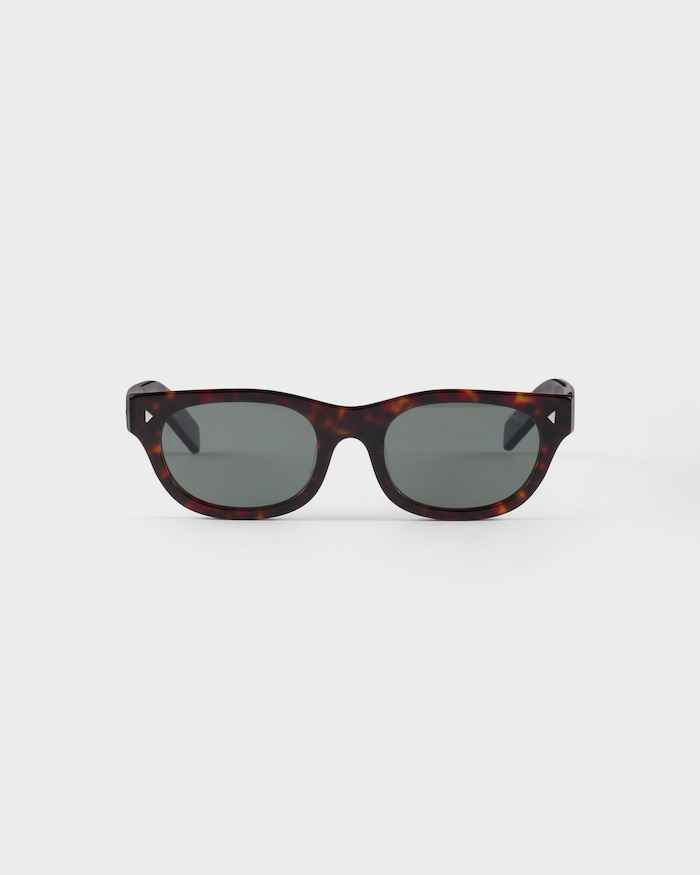
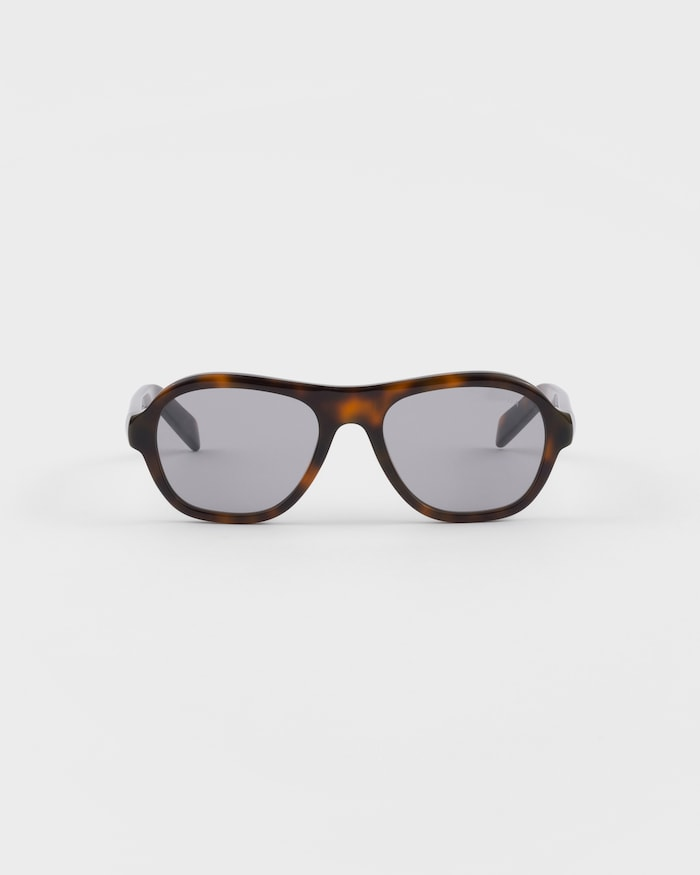
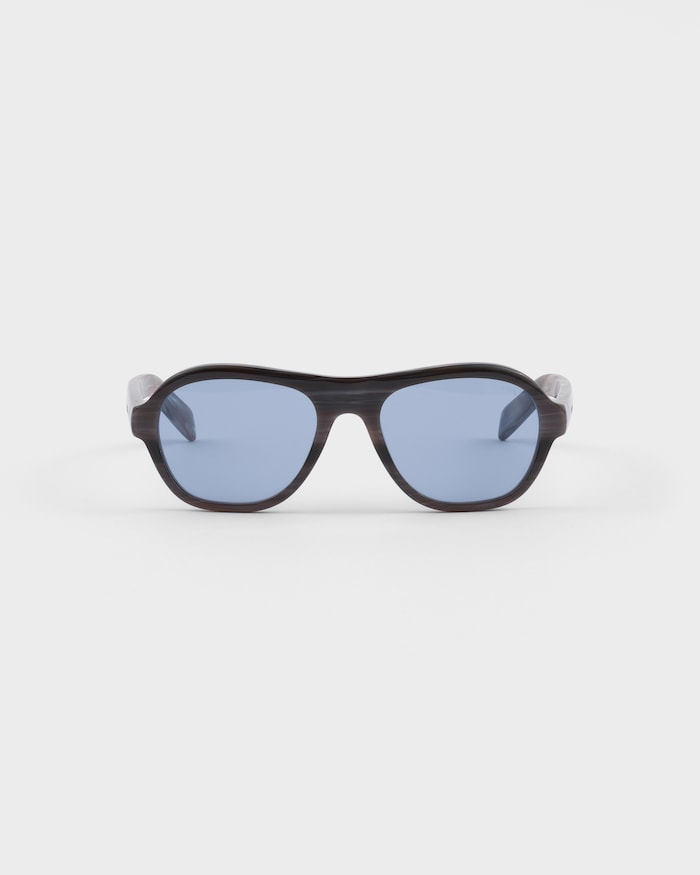
The decade of big frames in warm tones. Gucci and Prada bring 70s references to their runway frames each season. Key shapes and colors:
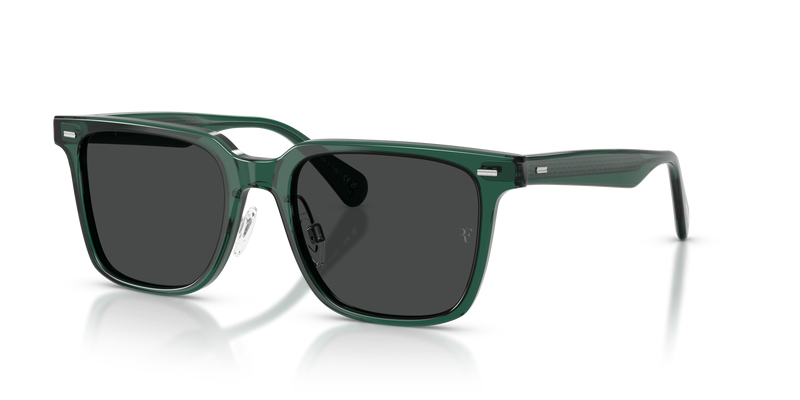
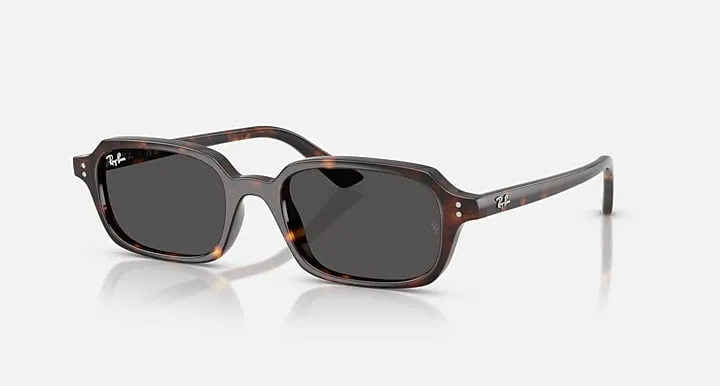
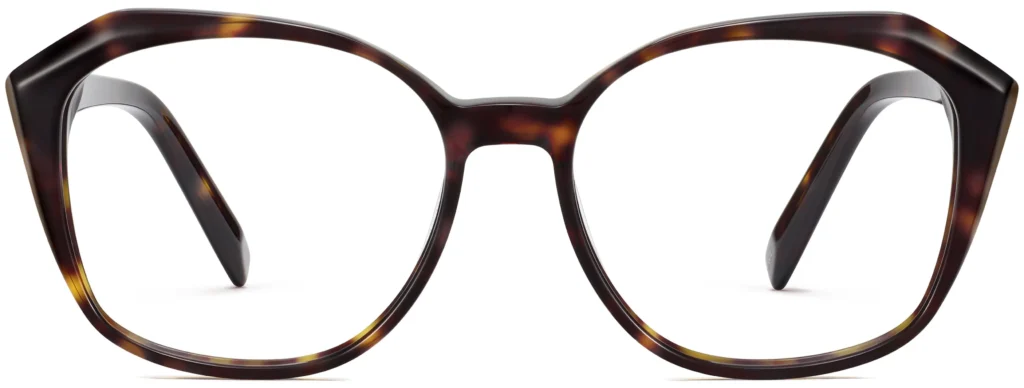
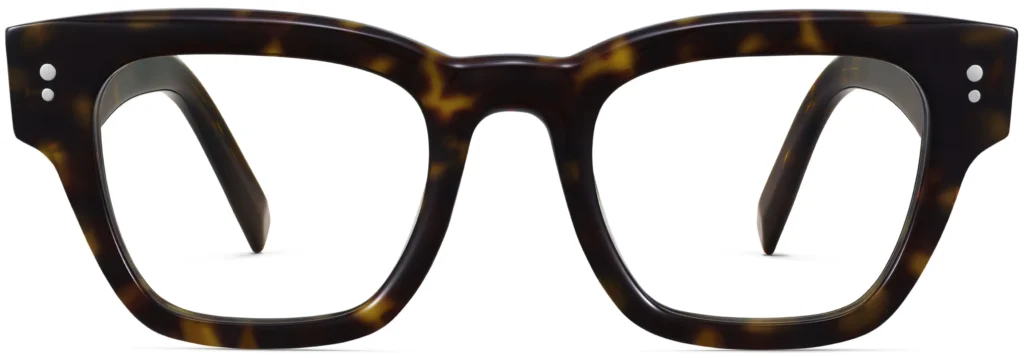
- Oversized square in tortoiseshell or amber — the “Annie Hall” frame
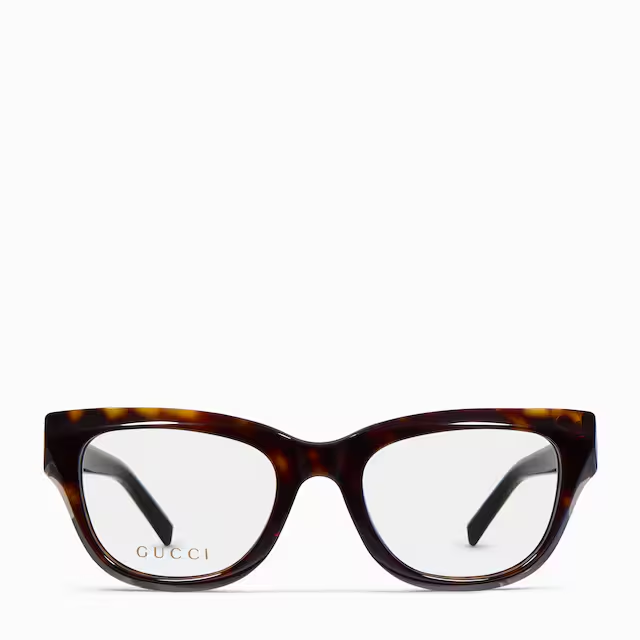
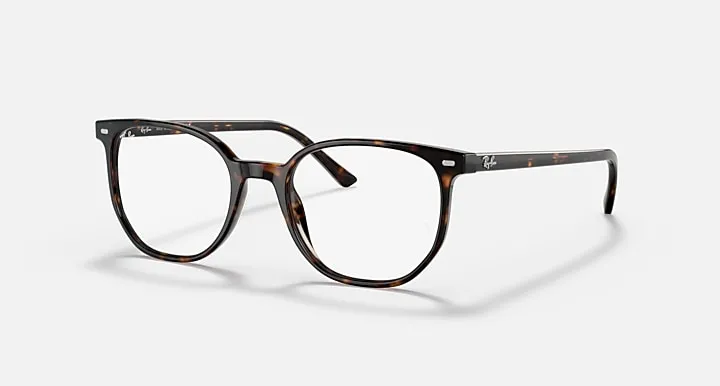
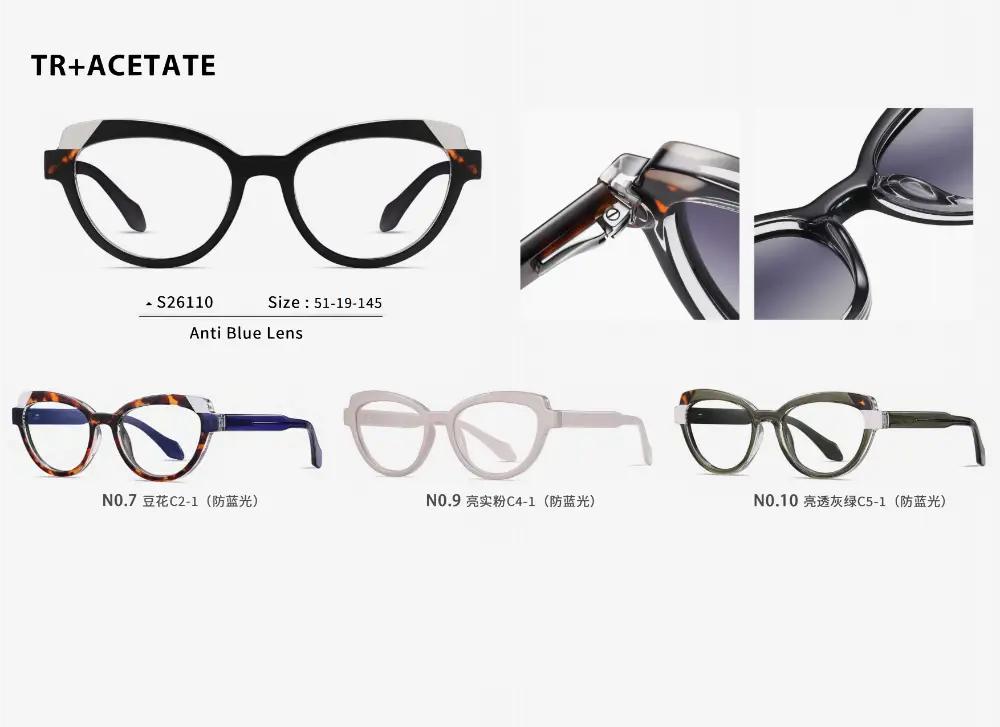
- Large cat-eye in warm tortoiseshell, Havana, or cognac — the most commercially successful 70s retro shape
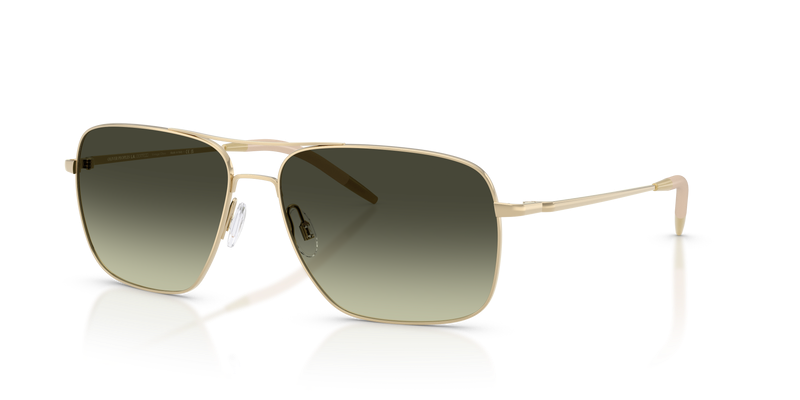
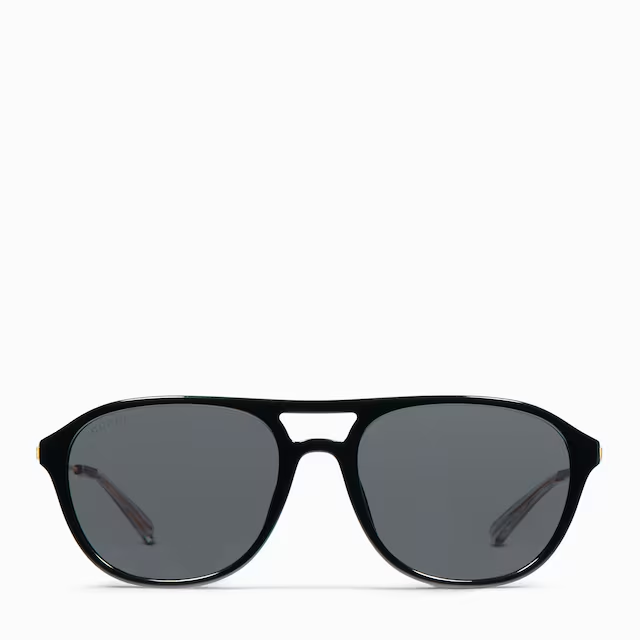
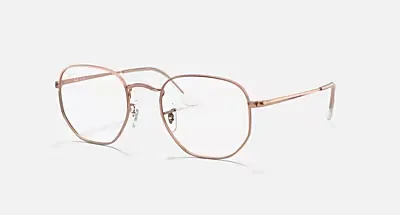
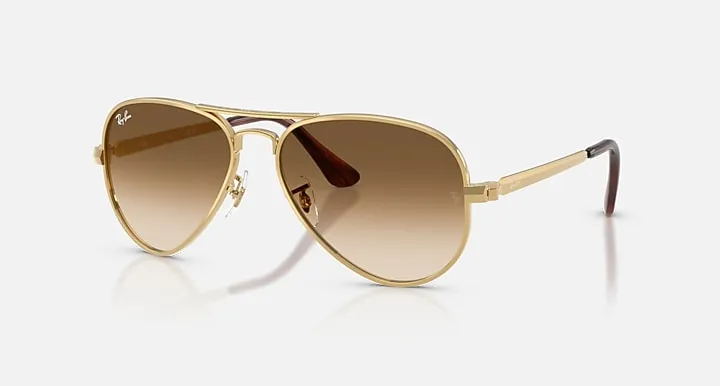
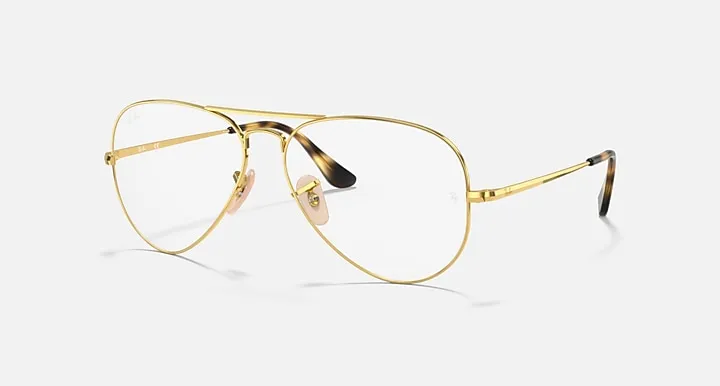
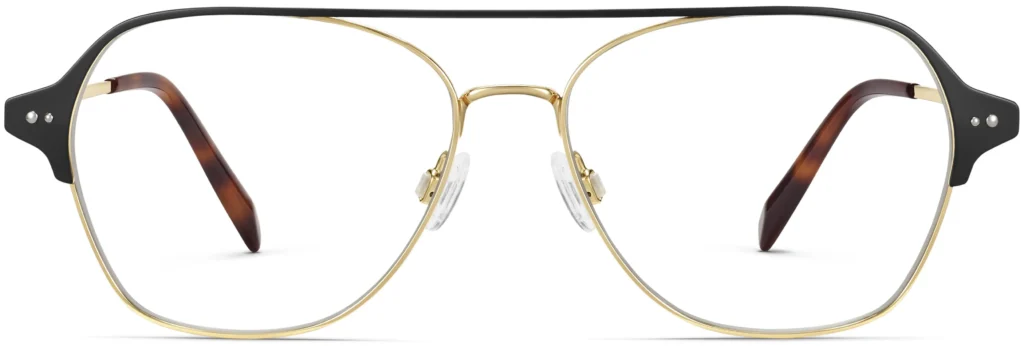
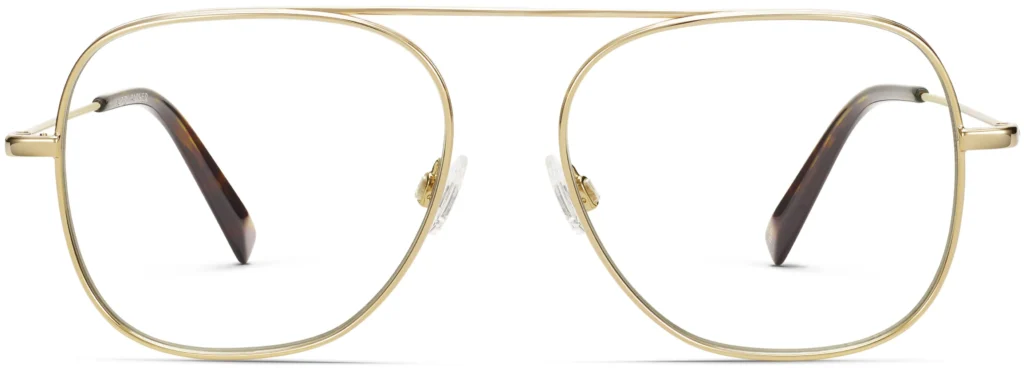
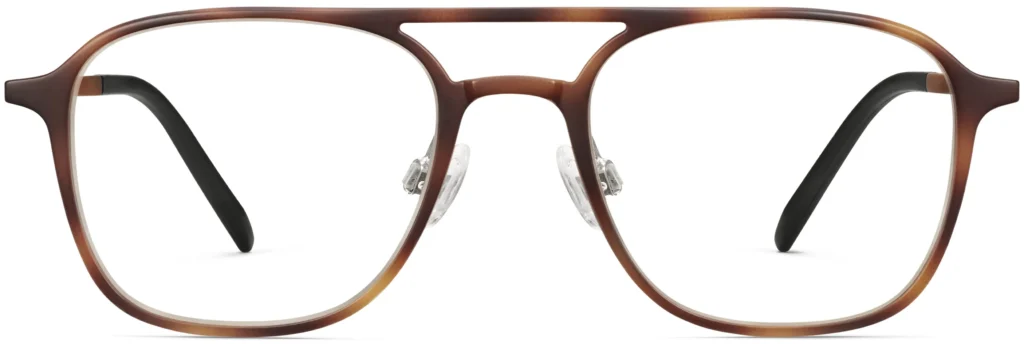
- Wire aviator with gold or rose gold finish — the original 70s metal frame, updated with modern titanium
Manufacturing note: 70s-style oversized acetate needs thin-wall engineering (1.8-2.0mm) to keep weight manageable. Standard-thickness oversized acetate is too heavy for modern consumers who expect comfort with their retro.

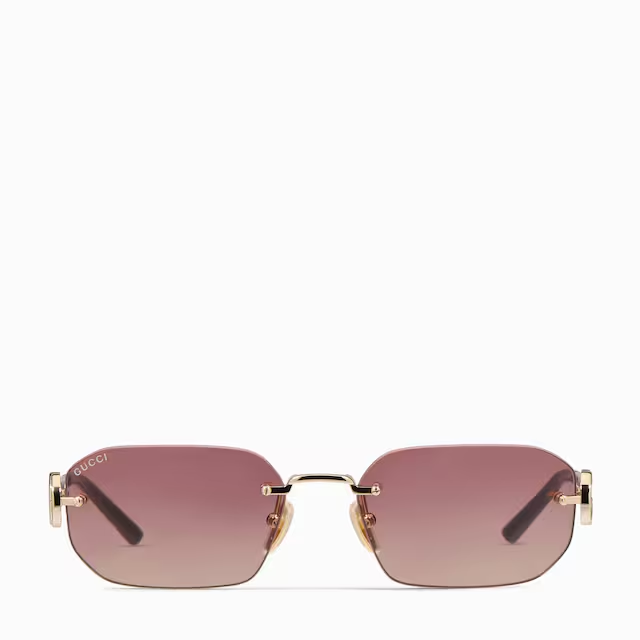
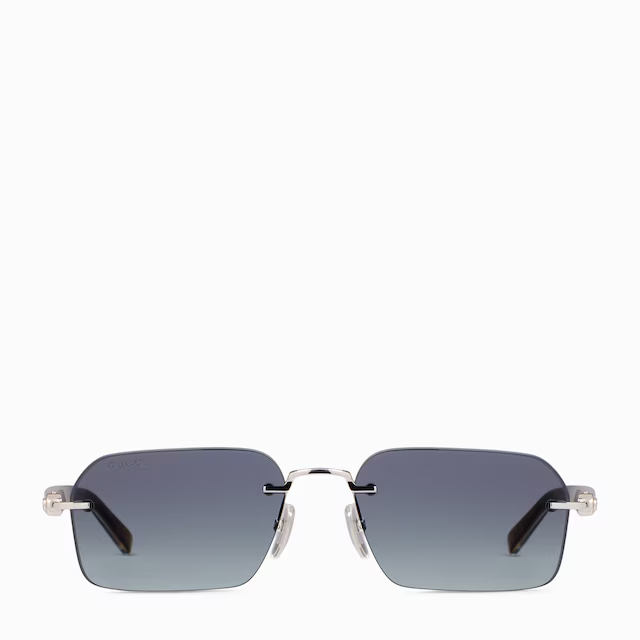
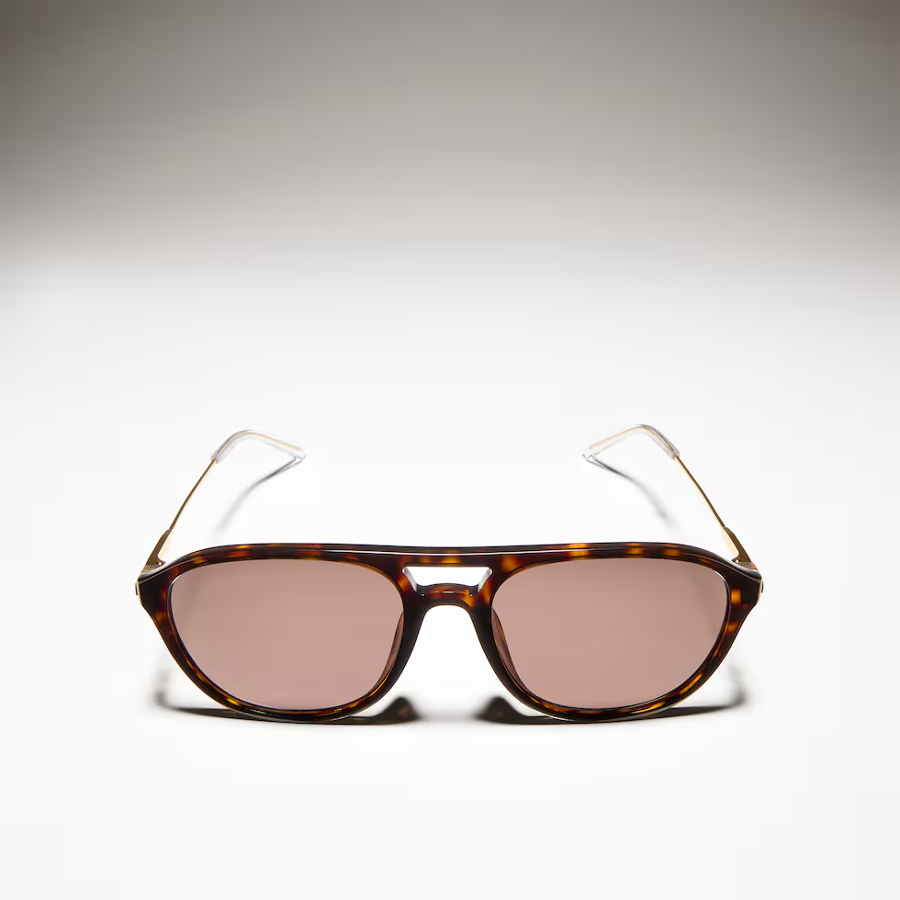
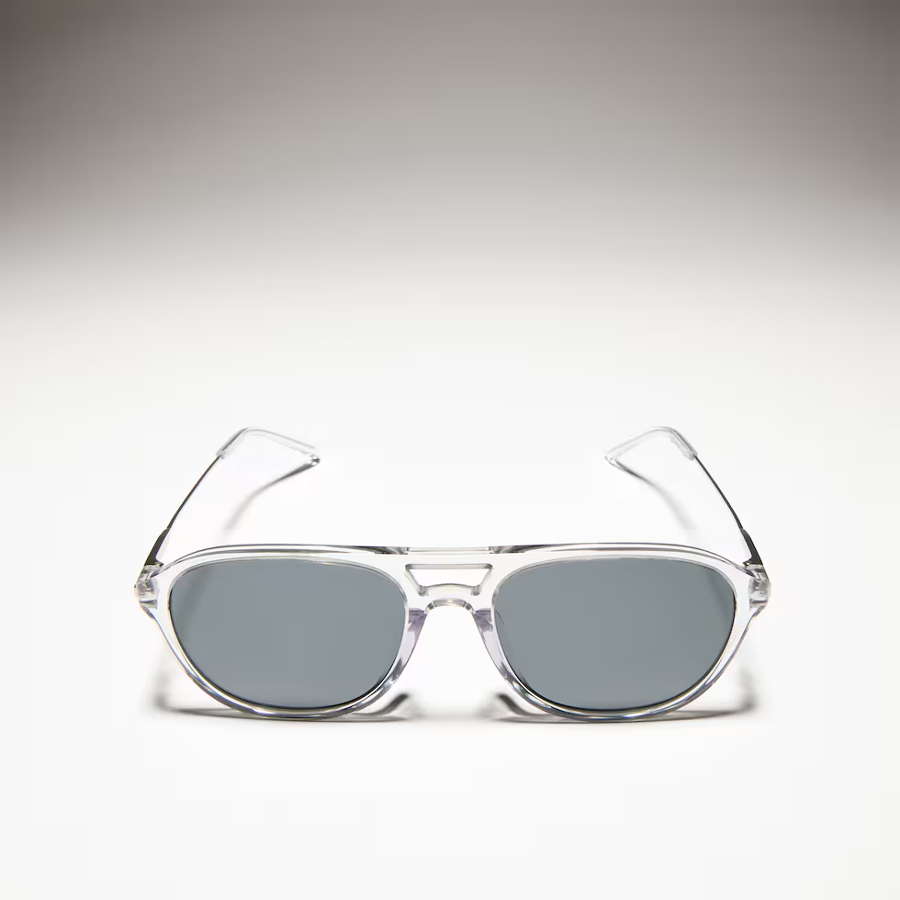
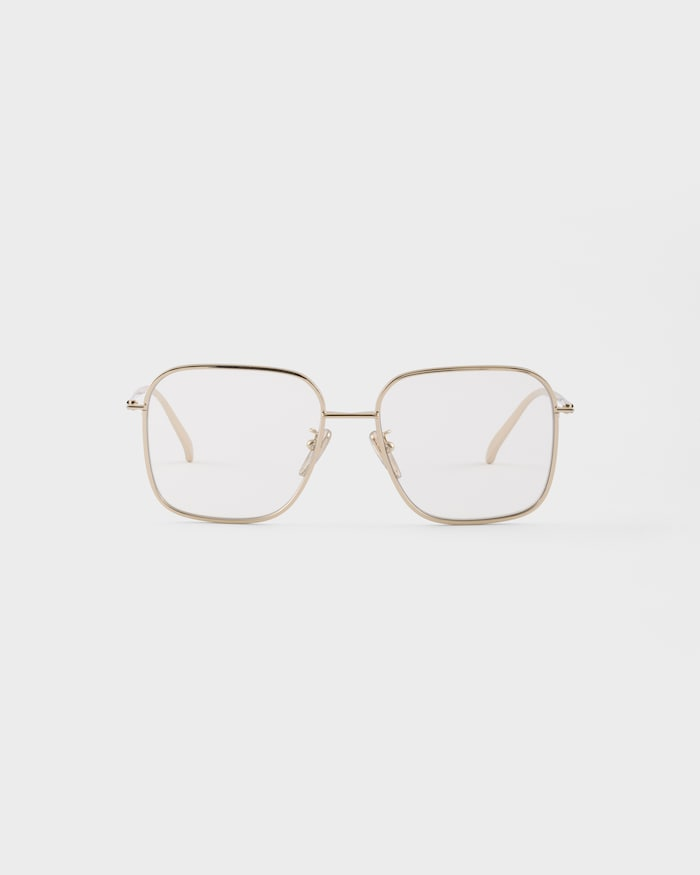
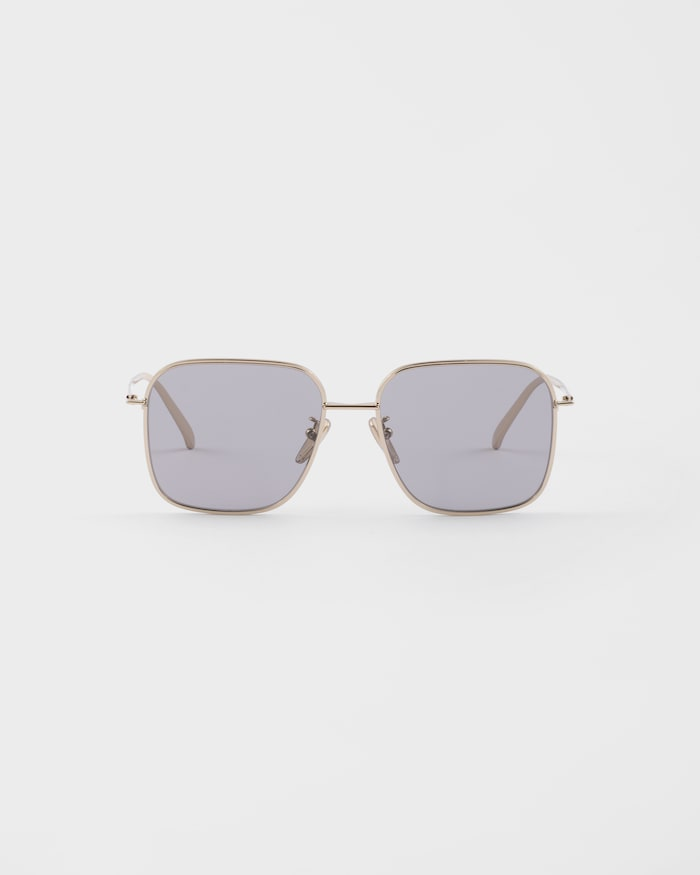
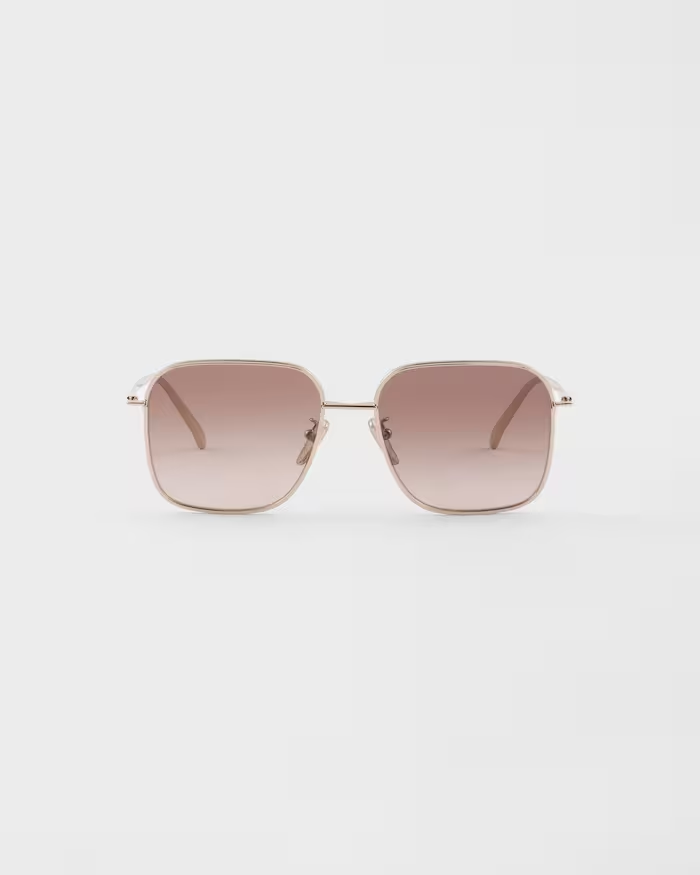
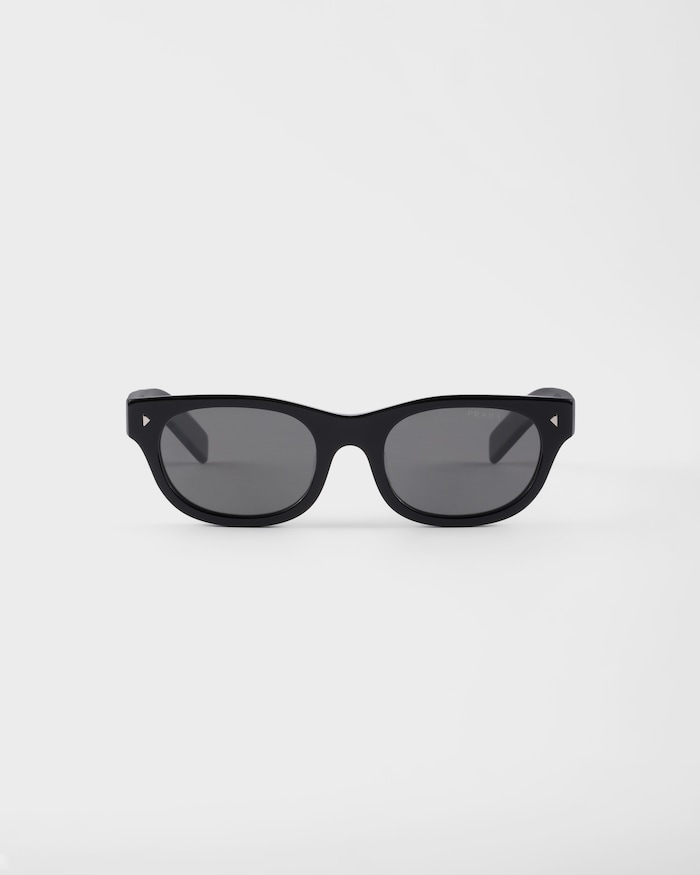
1980s: Power and Excess
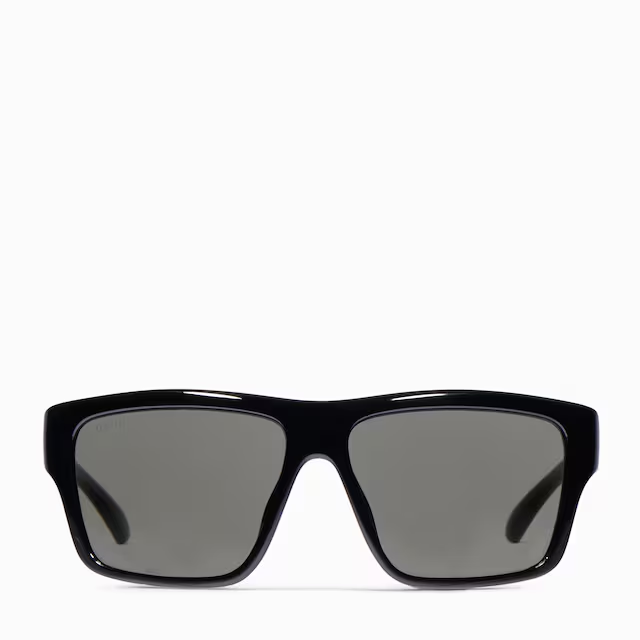
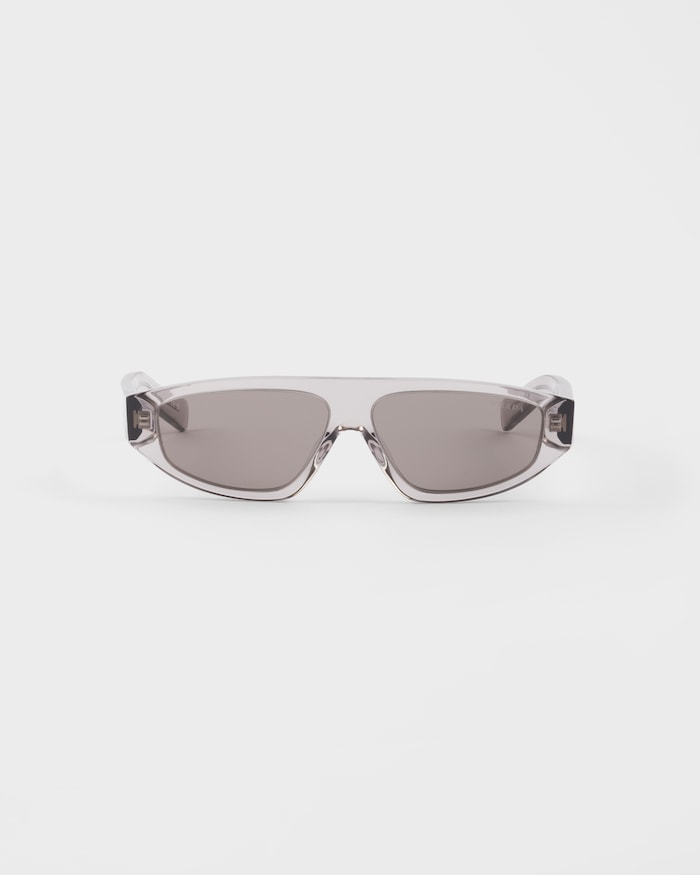
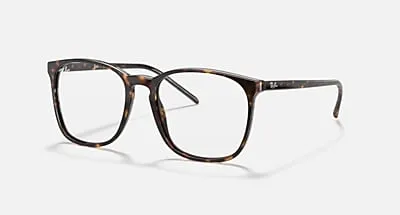
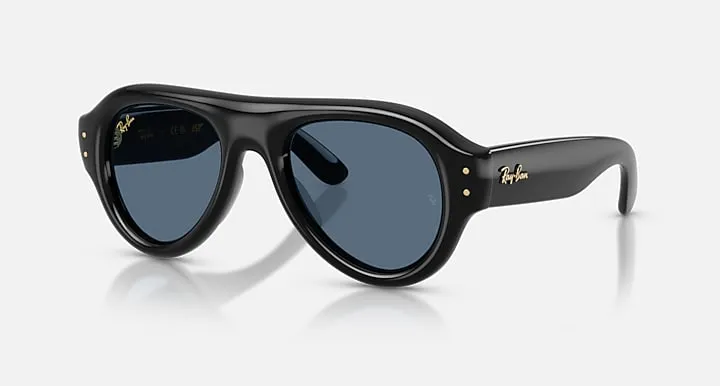
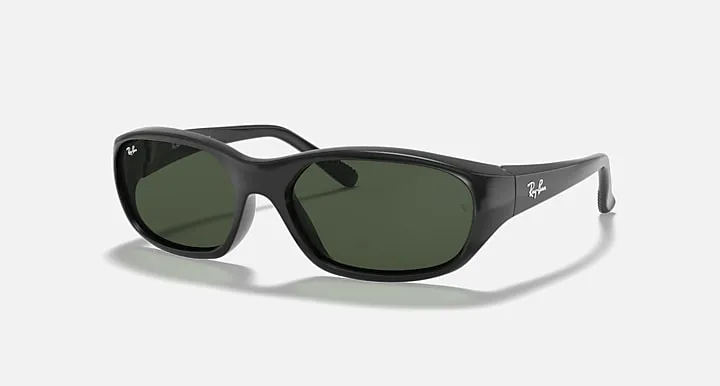
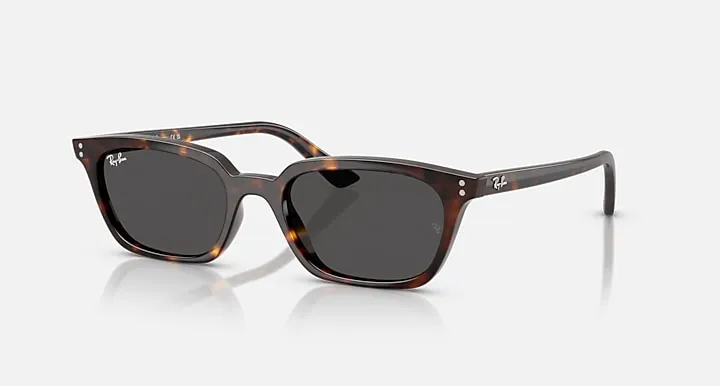
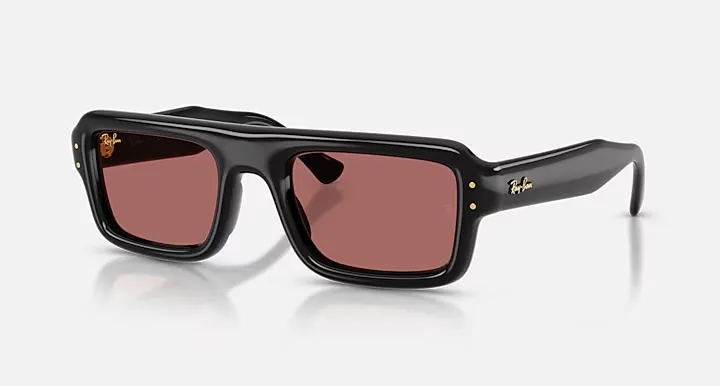
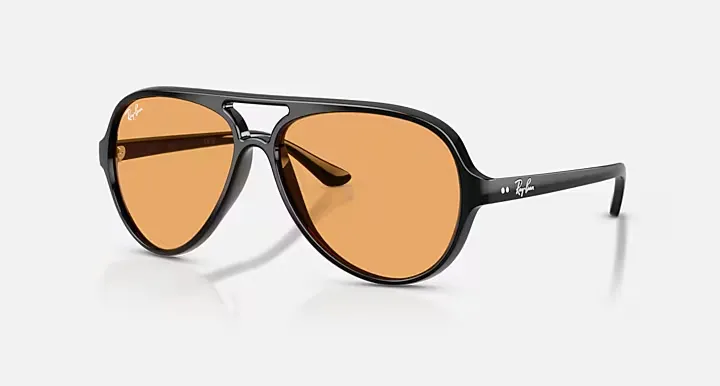
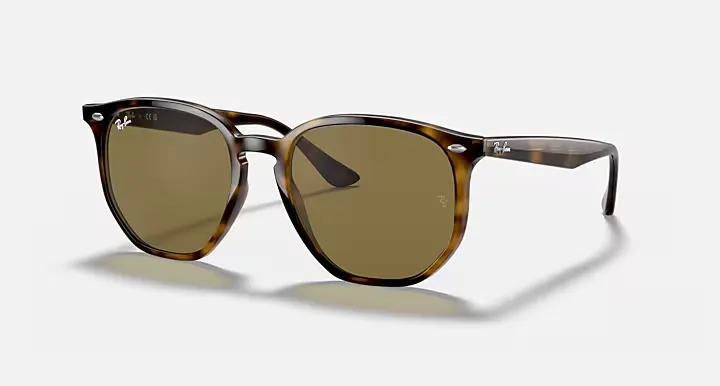
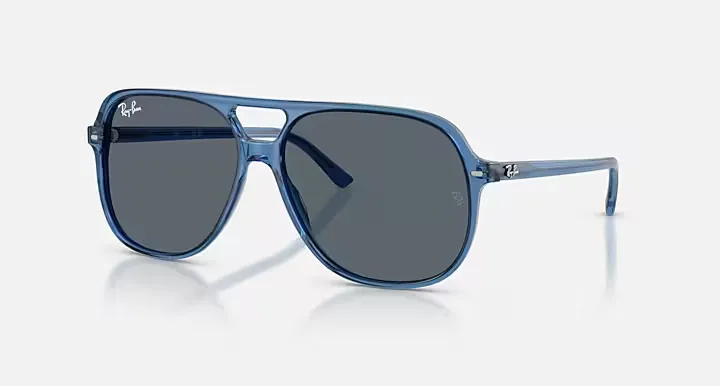
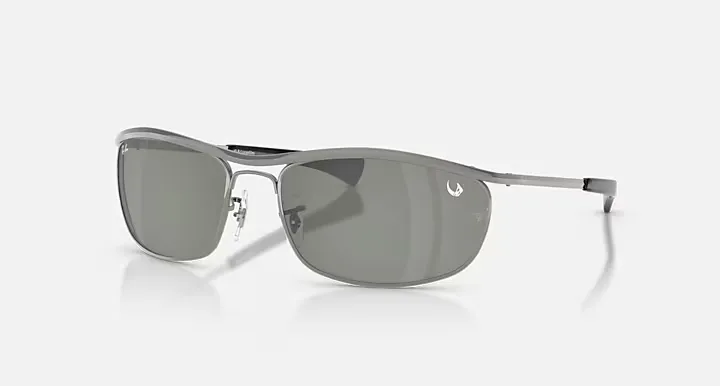
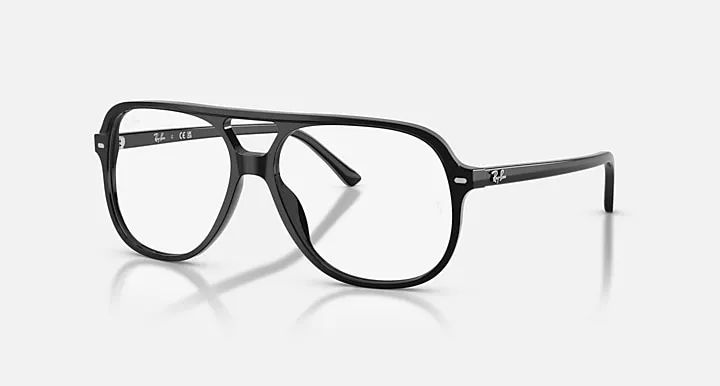
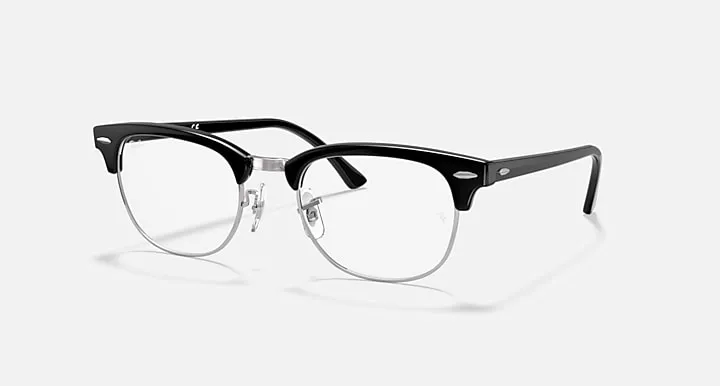
Thick, bold, geometric. The decade of the Wayfarer, the oversized square, and the statement frame. Ray-Ban ($180–$350) still sells the authentic 80s reference. The 2026 version:
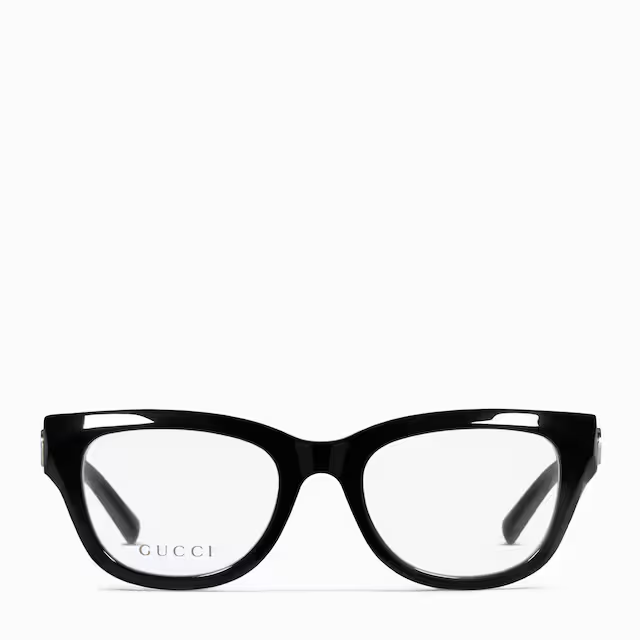
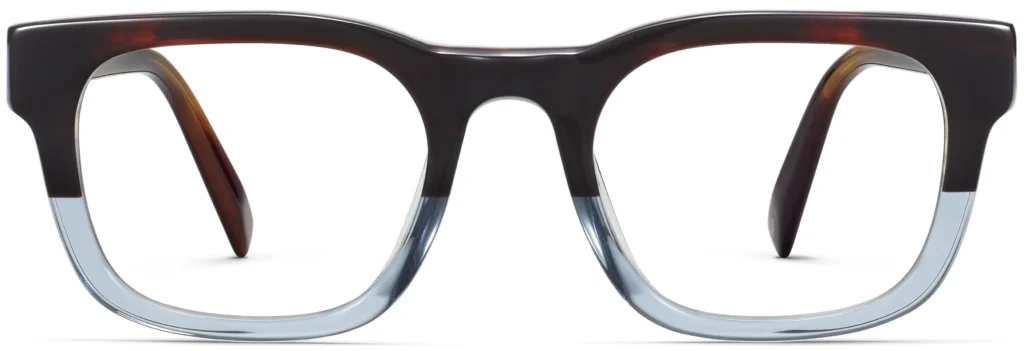
- Thick black or colored acetate with sharp rectangular or square lines
- Browline/Clubmaster style — the 80s power frame, updated with slimmer proportions
- Bright color acetate — red, cobalt, emerald — for the 80s maximalist reference
Manufacturing note: bright color acetate (red, cobalt, emerald) is the second most unforgiving color after white. Color inconsistency shows immediately. Require batch-matched acetate sheets for any bright color order.
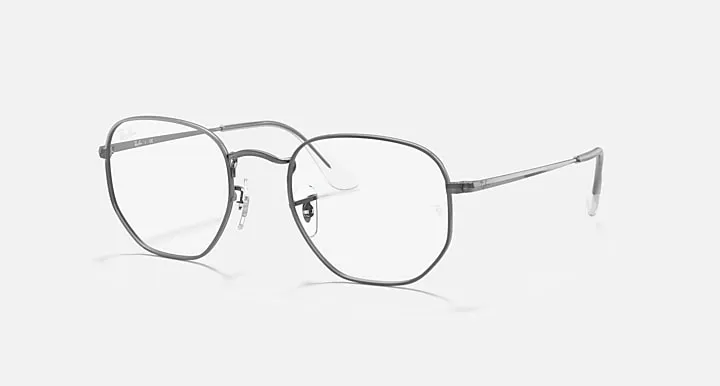
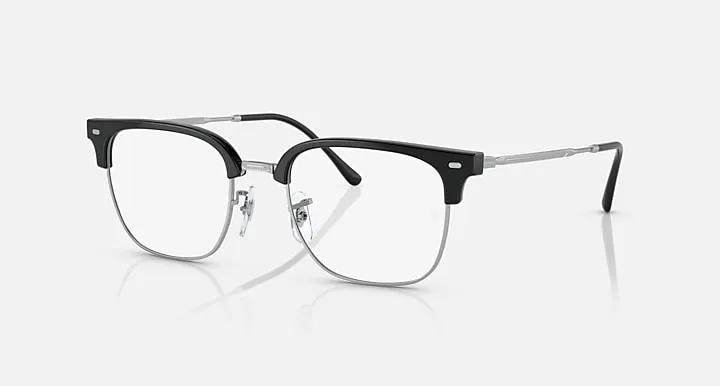
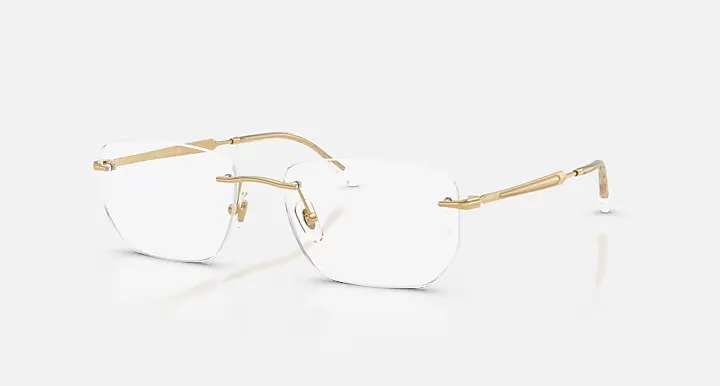
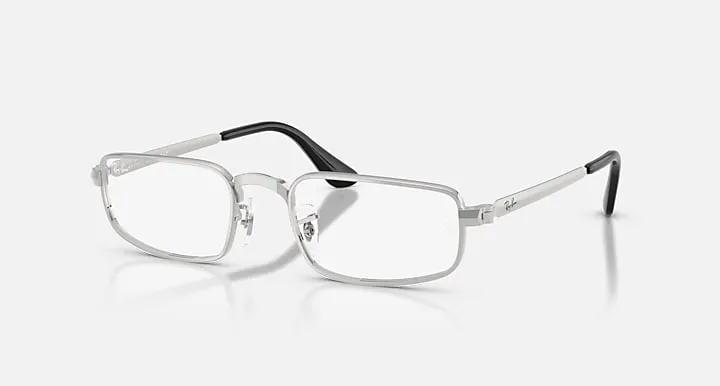
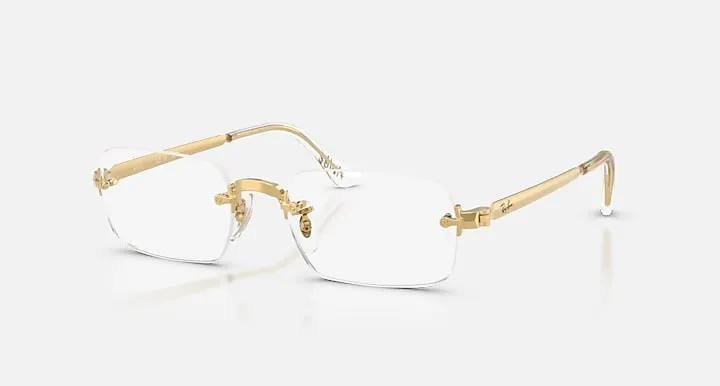
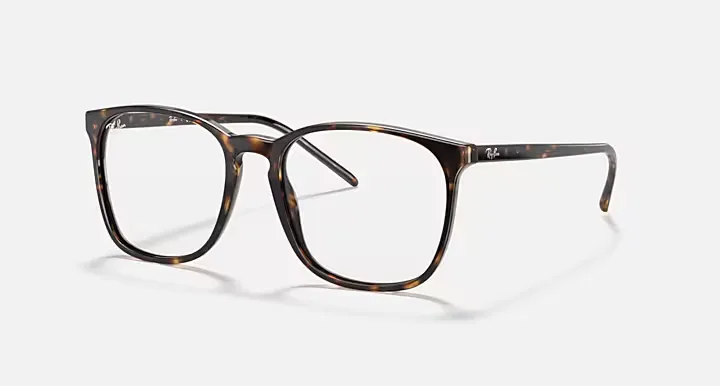
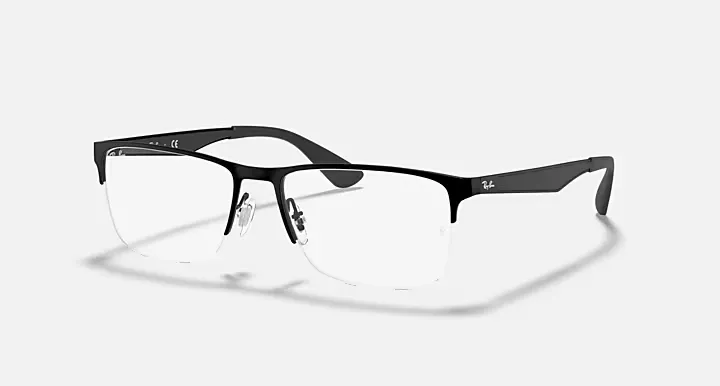
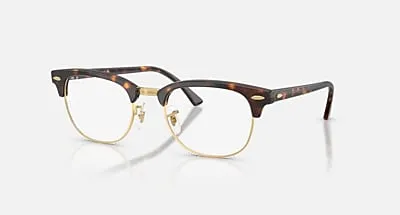
1990s: Minimal and Slim
The anti-80s. Slim wire frames, small lenses, rectangular shapes. The 90s is the newest retro reference and currently the fastest-growing. Key shapes:
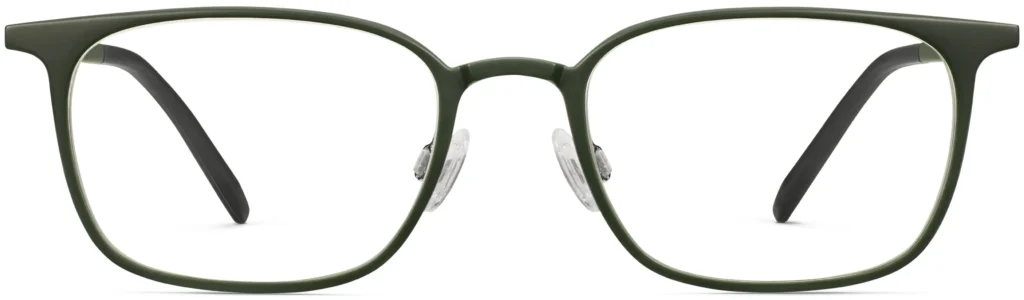
- Thin rectangular metal — the “Matrix” frame minus the dark lenses. Titanium or stainless steel. The 2026 update: slightly wider proportions than the original 90s (44-48mm vs the original 38-42mm) because modern consumers find truly small frames uncomfortable.
- Wire rimless or semi-rimless — the 90s tech-executive frame. Updated with beta-titanium for flexibility and lighter weight.
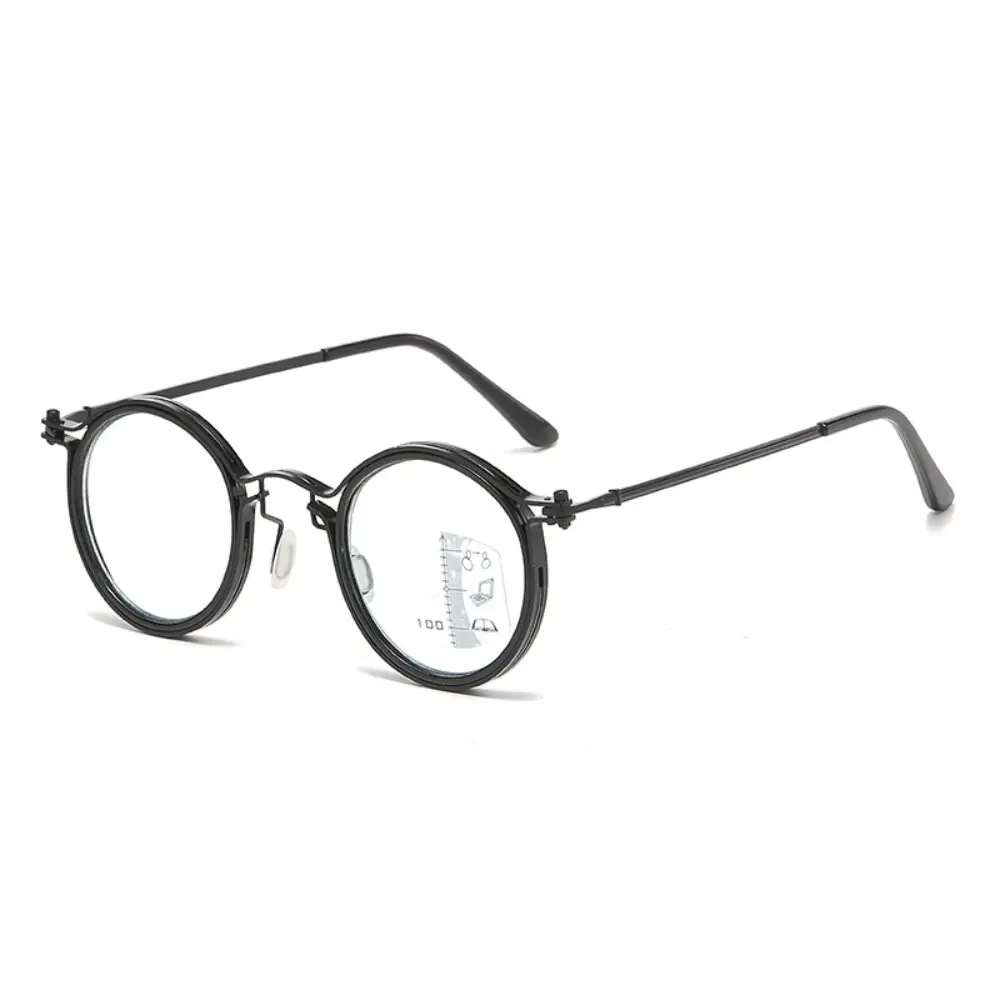
- Small round metal — the 90s alternative reference. Think Oasis-era Liam Gallagher. Stronger in the UK and European markets.
Manufacturing note: 90s-style slim metal frames require high-quality hinges at very small dimensions. The hinge on a 3mm-wide temple is harder to manufacture well than a hinge on a 5mm-wide temple. Require your factory to demonstrate hinge quality on slim-profile samples before ordering.
Brand Benchmarks in Retro Eyewear
The Heritage Brands
Ray-Ban ($180–$350) owns retro eyewear authenticity because they made the originals. Their Wayfarer, Clubmaster, and Aviator are not retro-inspired — they are retro. The lesson: if your brand has heritage, lean into it. If it does not, reference the era without copying the specific frame.
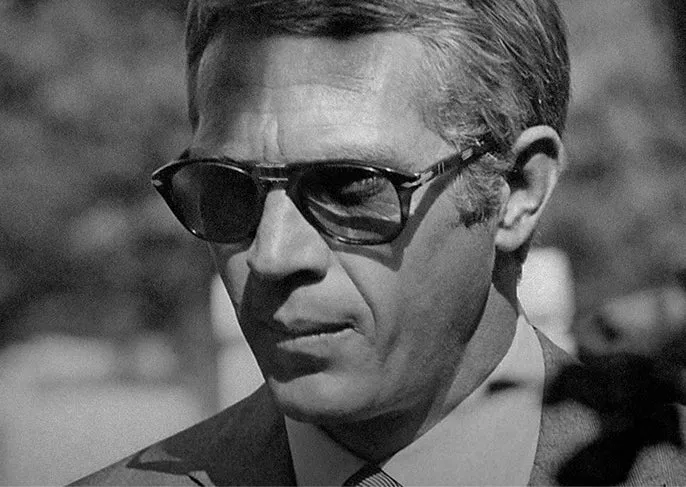
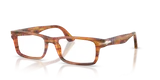
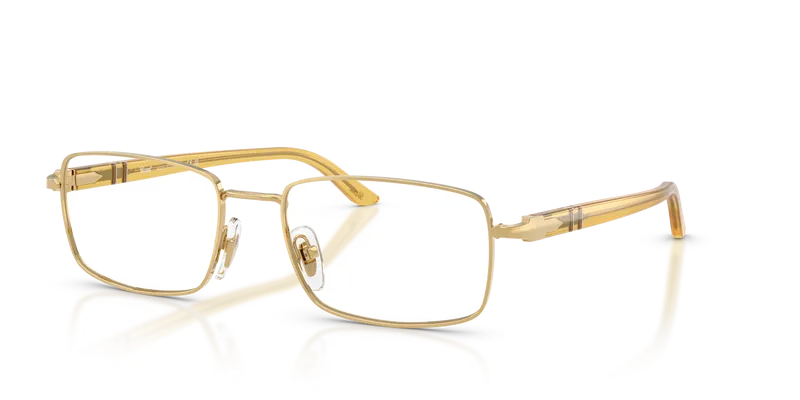
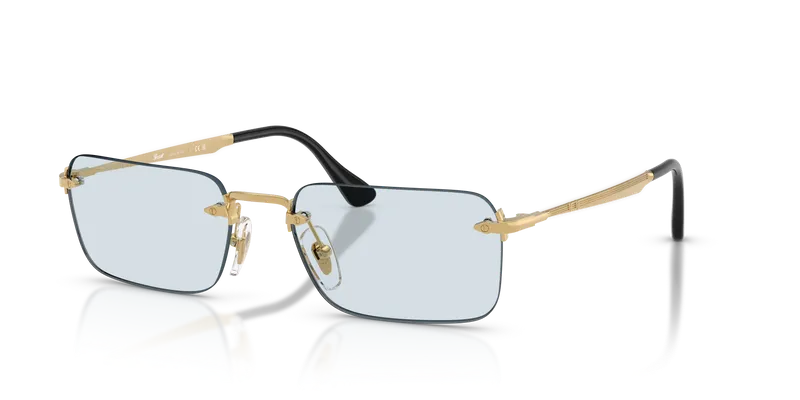
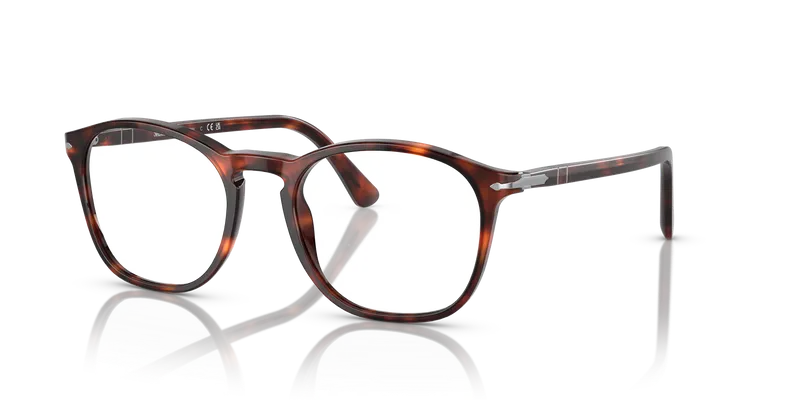
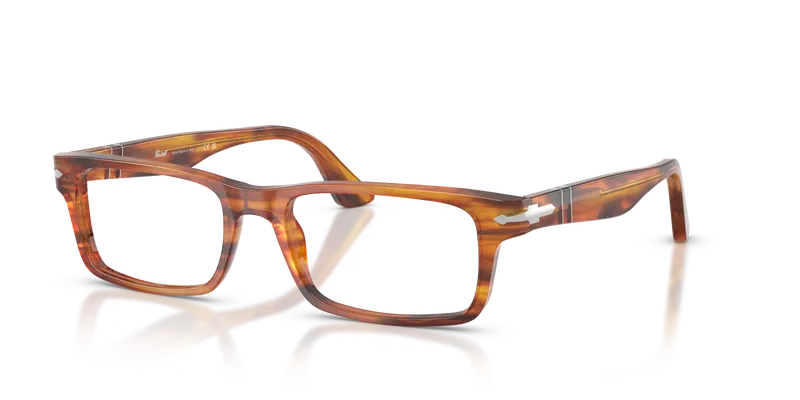
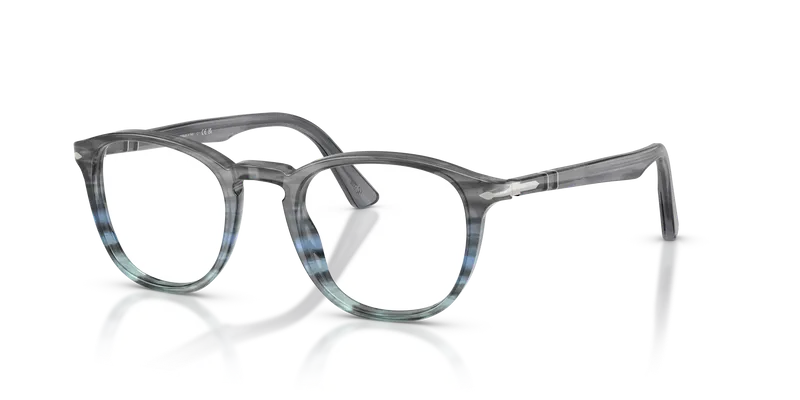
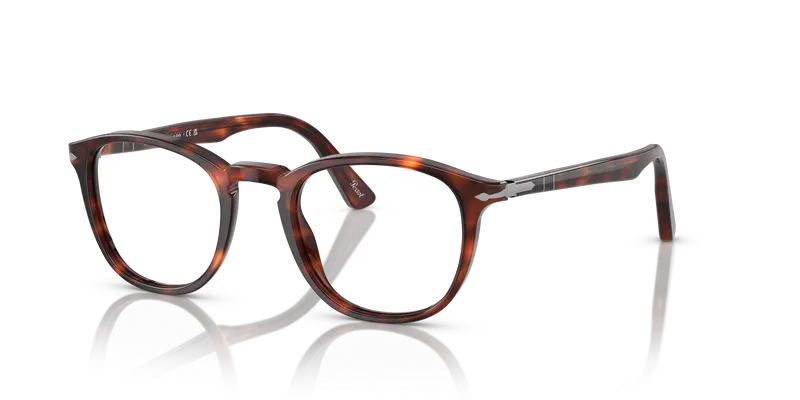
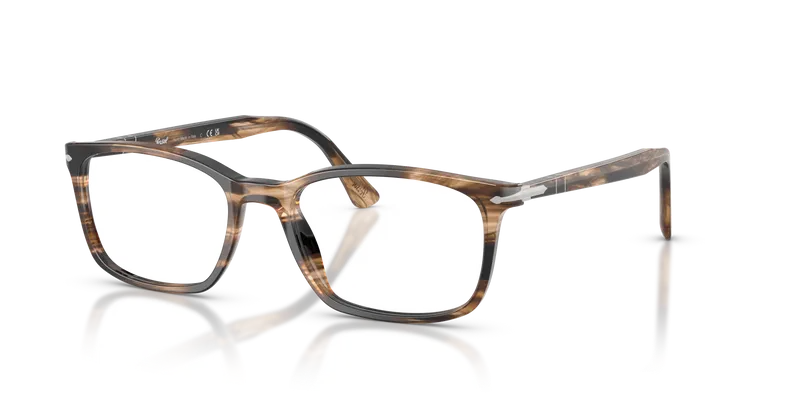
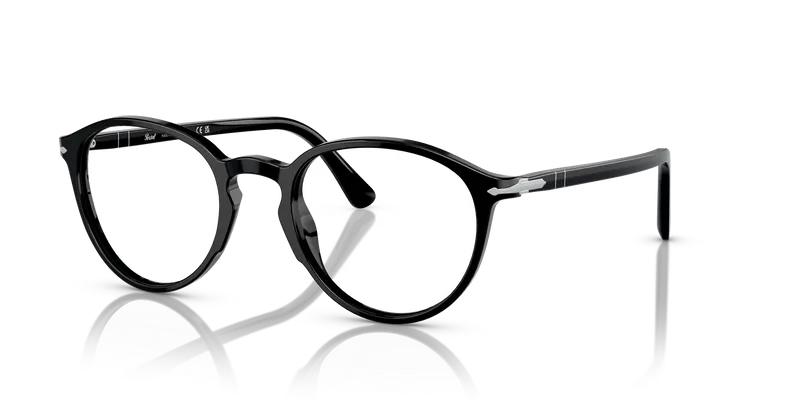
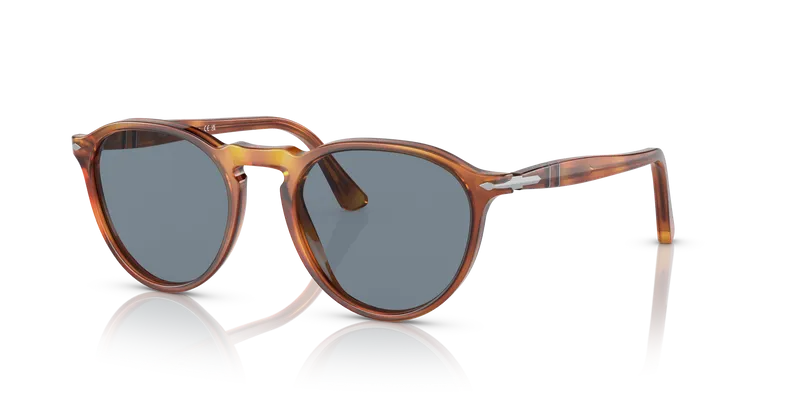
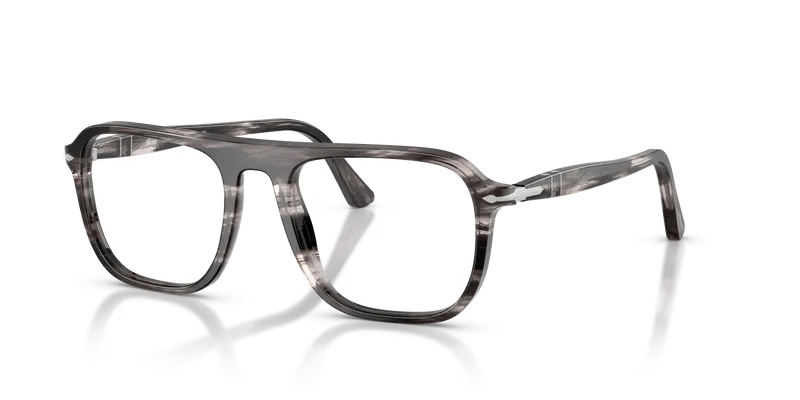
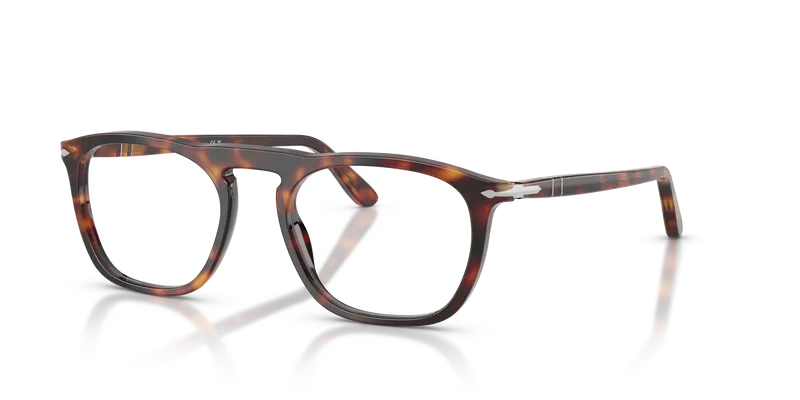
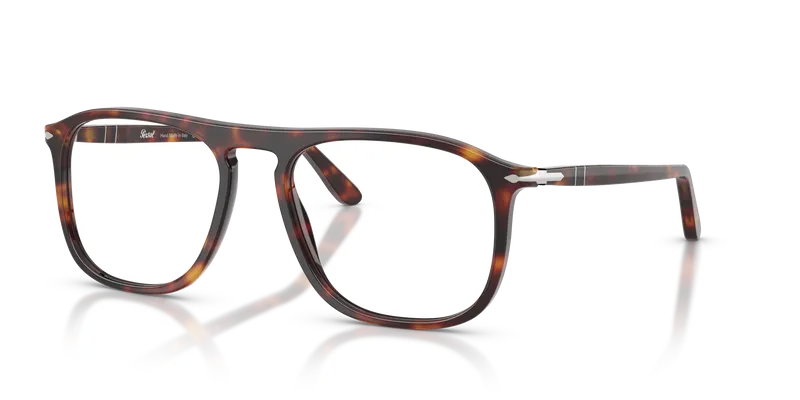
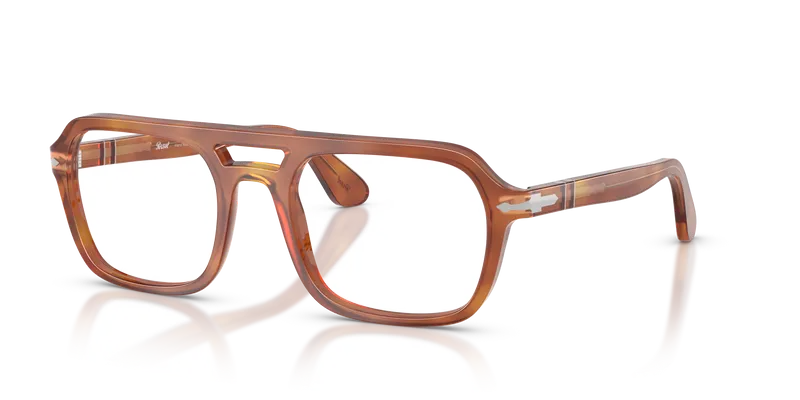
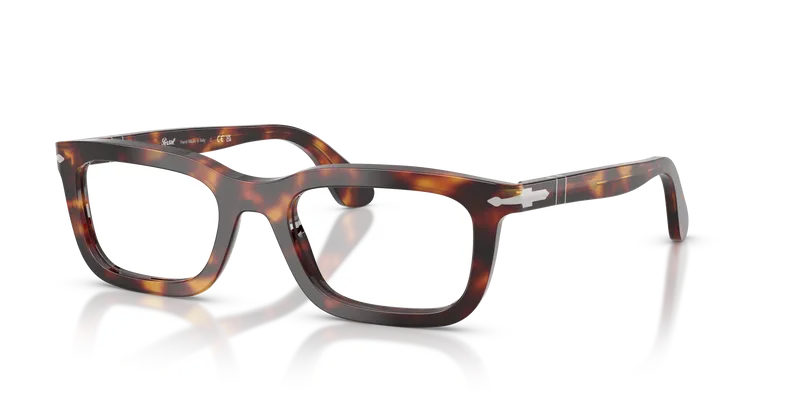
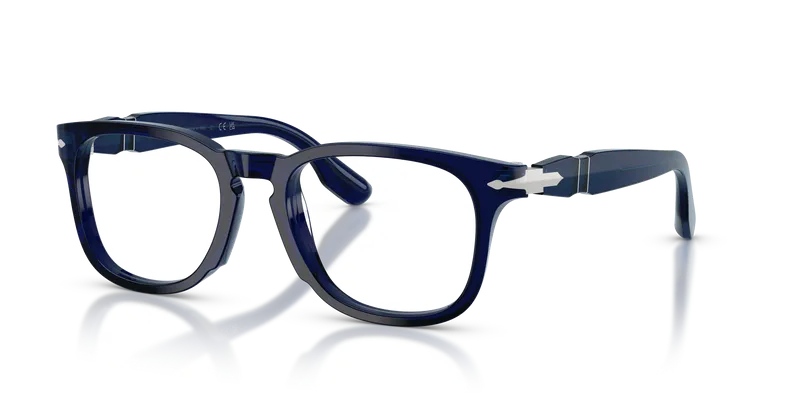
Persol ($200–$350) does retro better than almost anyone. Their 1960s-inspired round frames in Mazzucchelli acetate with their signature arrow hinge are the template for premium retro. The lesson: retro at premium prices needs material quality that matches the era’s craft tradition — not budget materials in vintage shapes.




The Modern Interpreters
Oliver Peoples ($350–$550) does not copy vintage — they reference it. Their “Gregory Peck” frame is a 60s reference that never existed in the 60s. It is a modern frame with a 60s silhouette. This is the correct approach: retro-inspired, not retro-reproduced.
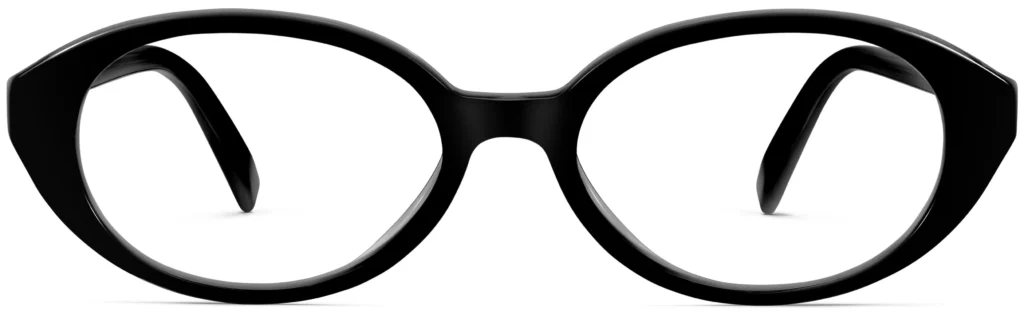
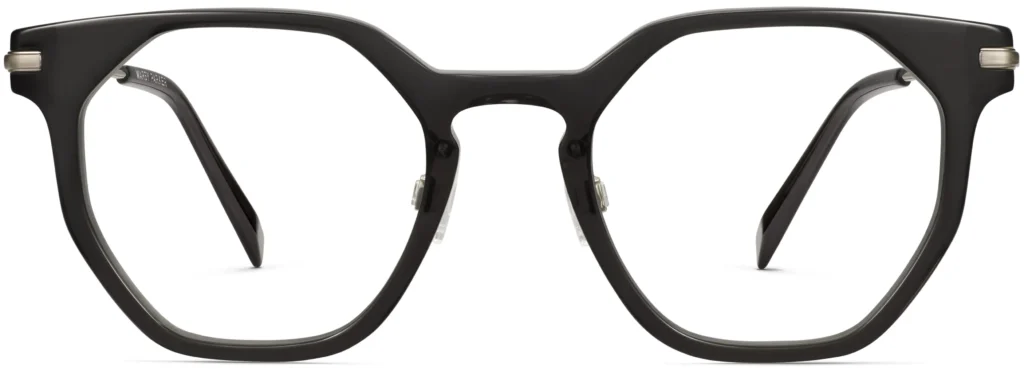
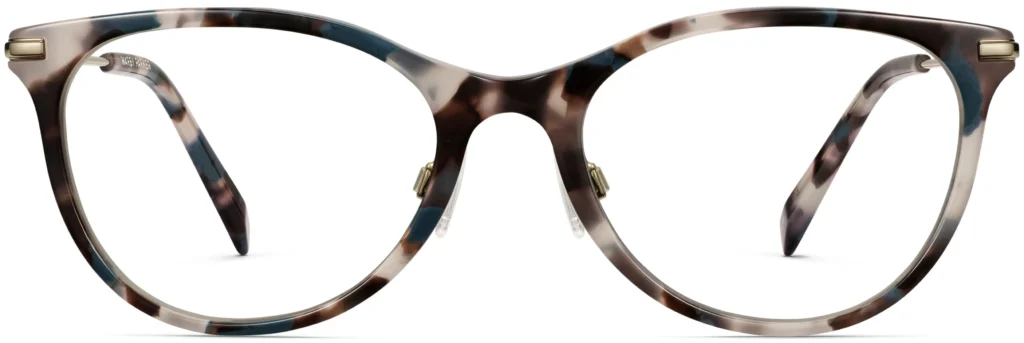
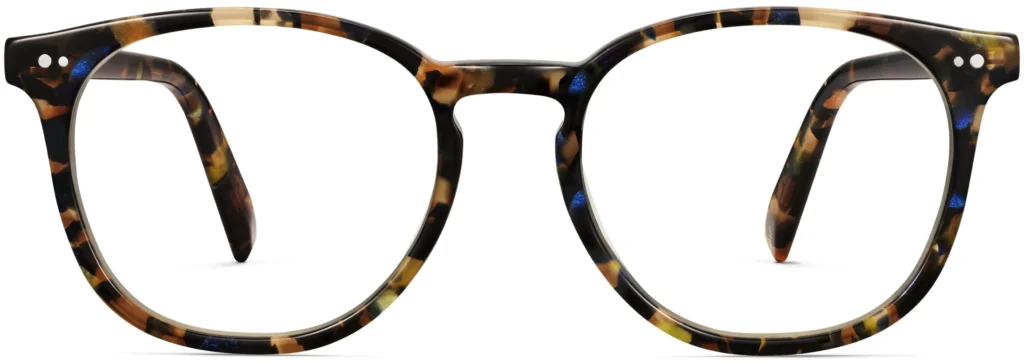
Warby Parker ($95–$175) makes retro accessible. Their frame names reference literary and cultural figures, and their shapes nod to specific eras without being literal. The lesson: at mid-range prices, retro references should be subtle — one or two era-signature details, not a full period costume.
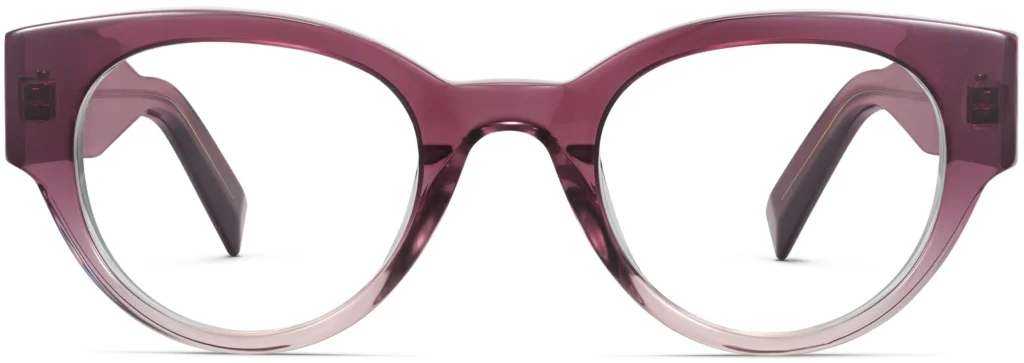
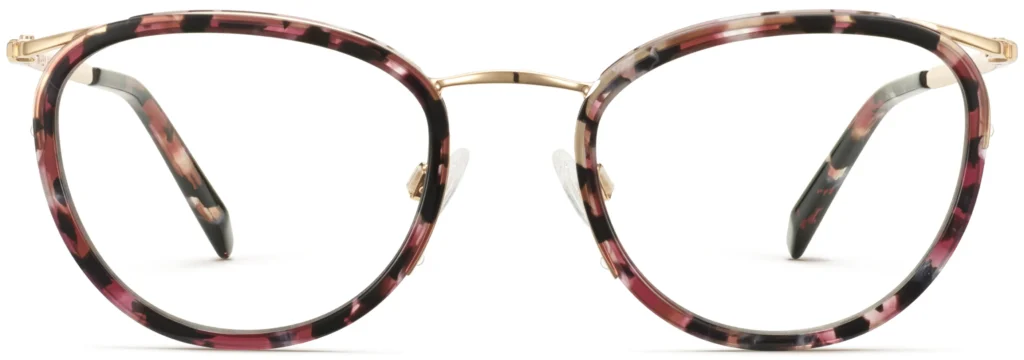
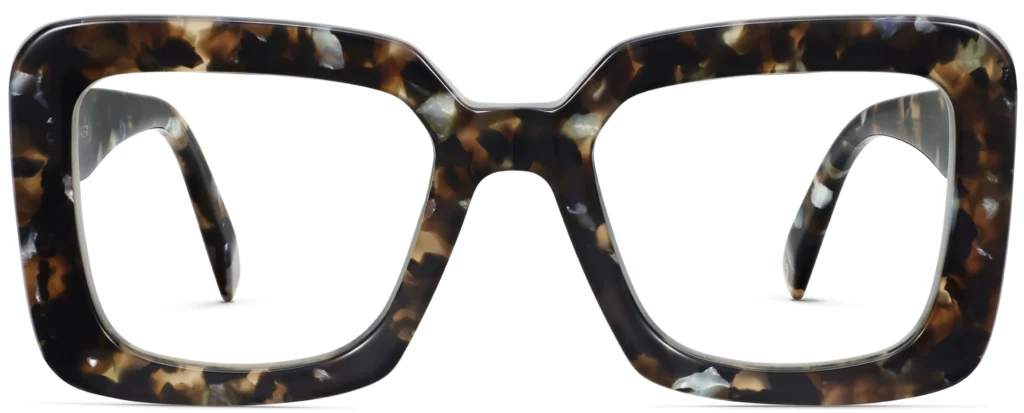
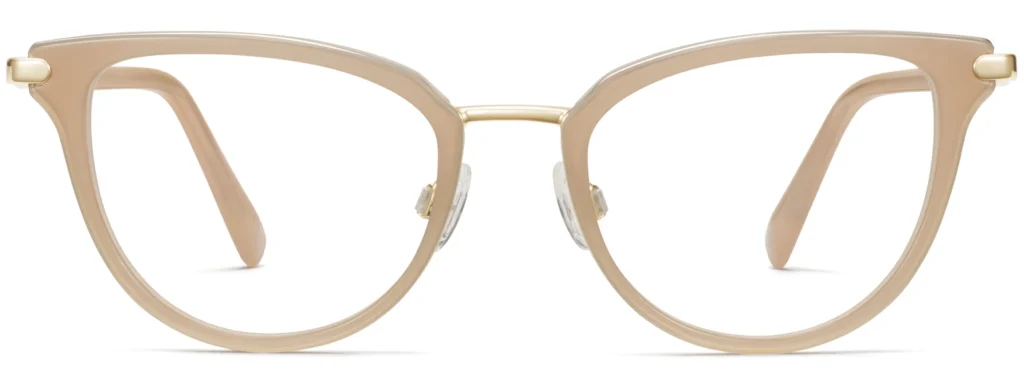
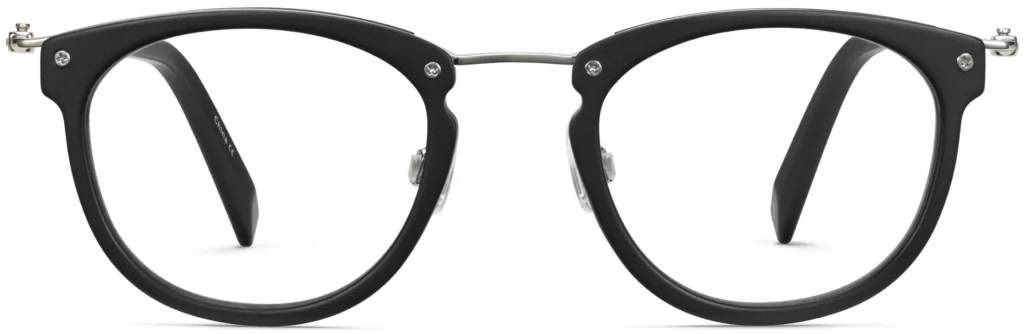
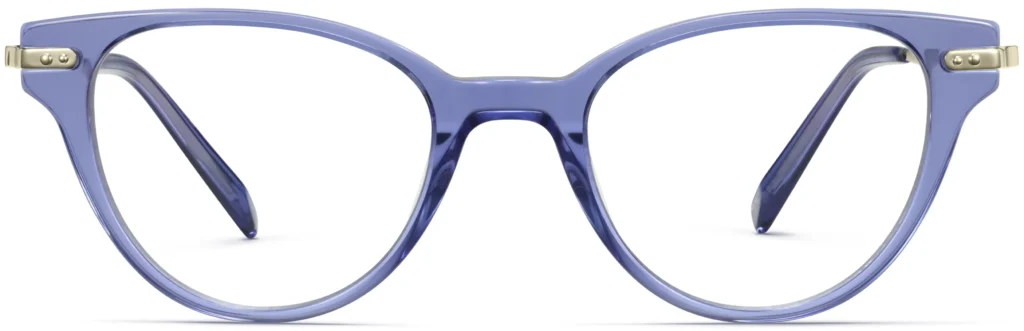
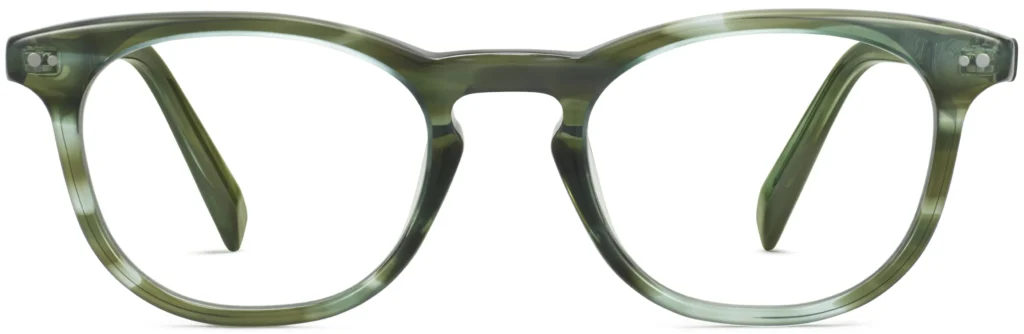
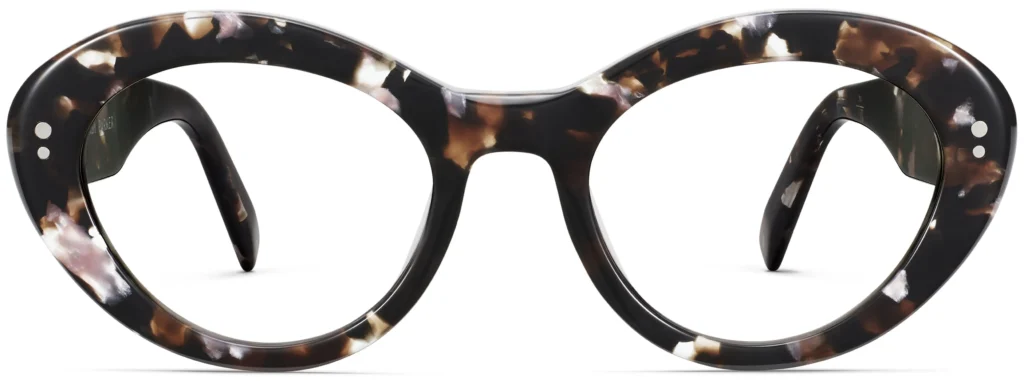
Manufacturing Retro: What Makes the Difference
Proportional Updates
Vintage frames from the 60s-80s were designed for different face sizes and optical expectations. A straight reproduction of a 1960s frame at 44mm lens width looks comically small on modern consumers. Update proportions while keeping the silhouette:
- 60s round: increase from 42-44mm to 46-50mm
- 70s oversized: maintain 52-56mm (already the right scale)
- 80s square: reduce from 54-56mm to 50-54mm (modern consumers find true 80s oversized too much)
- 90s slim: increase from 38-42mm to 44-48mm (modern comfort minimum)
Material Upgrades
Retro frames look best when they combine vintage design with modern materials:
- Titanium replaces base metal in 90s wire frames
- Bio-acetate replaces standard acetate in 70s oversized frames
- Spring hinges replace rigid hinges in 80s thick frames
- AR coating is standard on all lenses (not available in the original eras)
Color Authenticity vs. Modernization
Pure vintage color reproductions (specific tortoiseshell patterns, exact 80s neon shades) have a niche market. The broader market prefers vintage shapes in modern colors — a 70s oversized cat-eye in sage green rather than the original brown tortoiseshell. Offer both: authentic colorways for the vintage purist, modern colorways for the fashion-forward.
Wenzhouframe Retro Collection Capabilities
- Full decade range: 60s round, 70s oversized, 80s power, 90s slim — all manufacturable across our material range.
- Proportional updates: Our design team can adjust vintage proportions for modern fit while preserving the era’s signature silhouette.
- Authentic and modern colorways: Vintage-accurate tortoiseshell and Havana patterns, plus contemporary color updates in gradient, transparent, and pastel.
- Material upgrades: Titanium and beta-titanium for 90s wire frames. Bio-acetate for 70s oversized. Spring hinges standard. AR-coated lens options.
- Mixed-material retro: 80s browline in acetate brow + titanium lower rim. 70s oversized in TR90 front + metal temples. Modern construction, vintage silhouette.
Planning a retro-inspired collection? Tell us which eras resonate with your market — we will develop a range with authentic references, updated proportions, and your choice of quality tier.

6.17_11.webp)