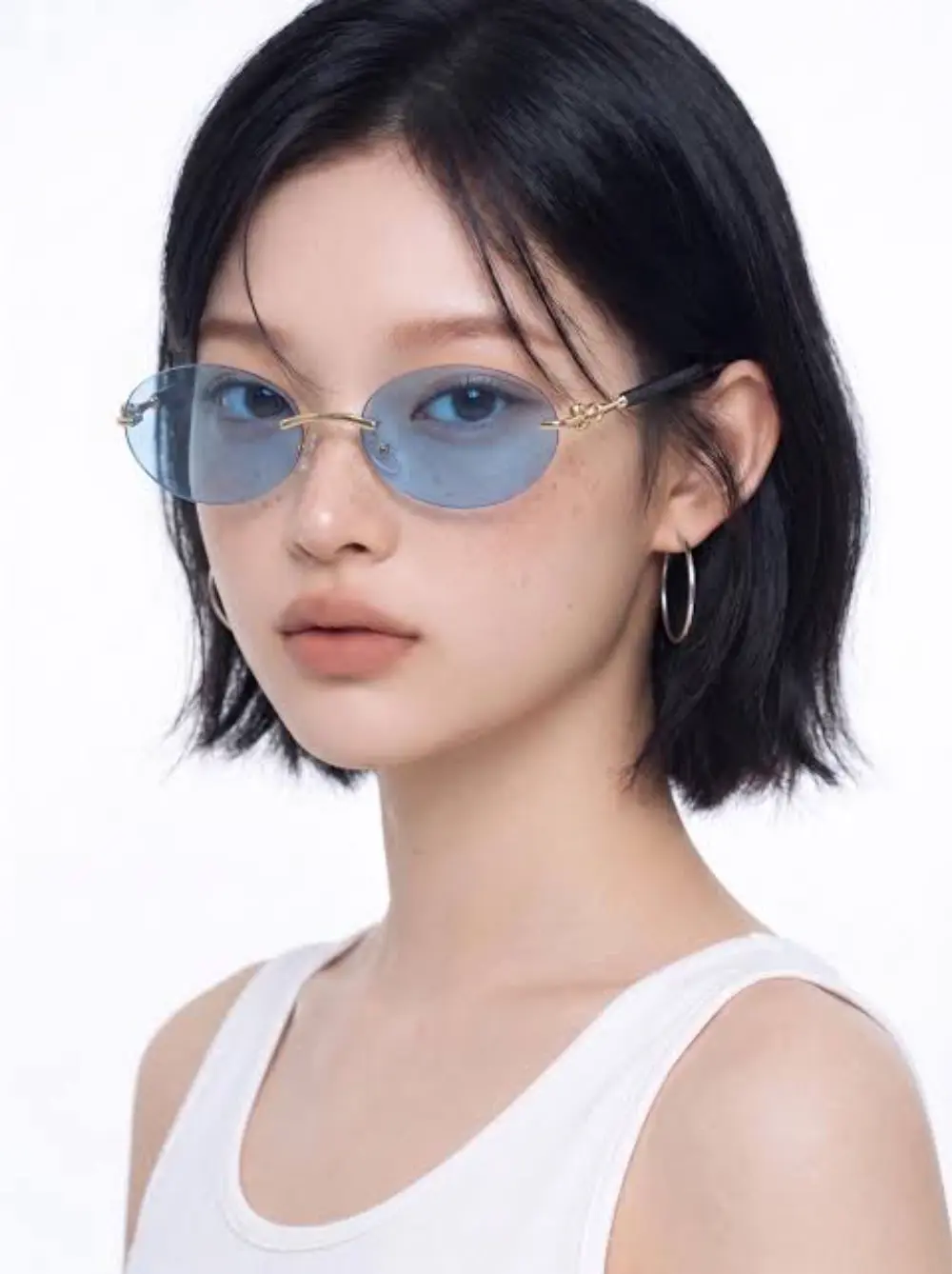
Korean fashion moved from niche influence to mainstream default in under five years. In eyewear, the K-fashion effect is measurable: the average best-selling frame width in Western markets shifted from 50mm to 54-56mm between 2022 and 2026. That shift is Gentle Monster’s doing, and it reshaped the entire industry’s product development.
But building a “Korean-inspired collection” is not just about making bigger frames. It requires understanding the three design principles that define K-fashion eyewear, the four brand tiers in Korea, and the engineering adjustments needed to make oversized frames comfortable enough for all-day wear. This guide covers all three, plus the manufacturing specifications that make a K-fashion collection commercially viable.
The Three Design Principles of K-Fashion Eyewear
1. Oversized as Default
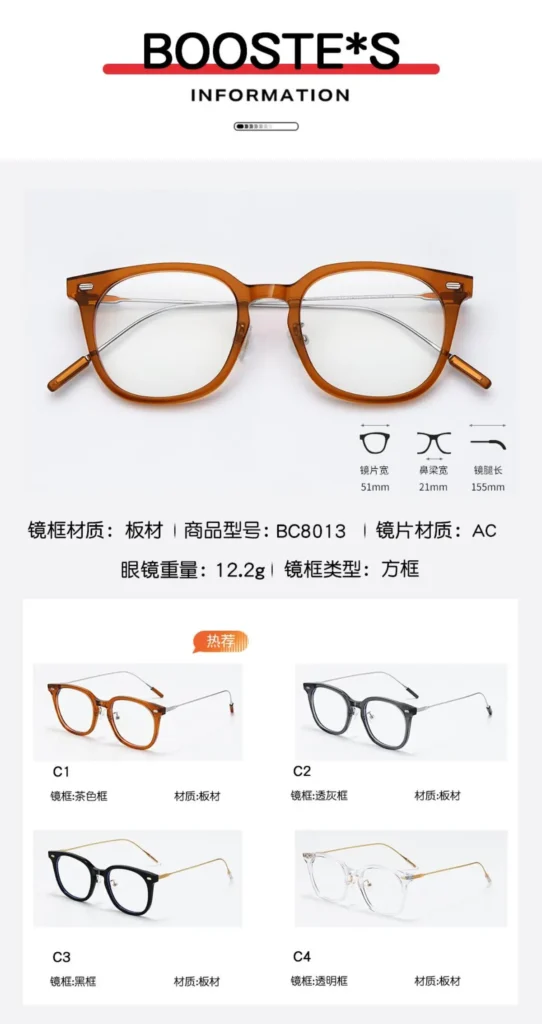
In Korean eyewear, 54mm lens width is “medium.” The Western equivalent of 48-50mm barely exists in the K-fashion market. This is not about face size — it is about silhouette. K-fashion treats the frame as a facial accessory that extends the face’s architecture, not a functional device that sits within it.
The implication for B2B buyers: if you are building a K-fashion collection, your frame tooling needs to accommodate 52-58mm lens widths. Frames designed for 48-50mm and simply scaled up will have wrong proportions — the bridge gets too wide, the temple length is wrong, and the frame sits poorly.
2. Sculptural, Not Functional
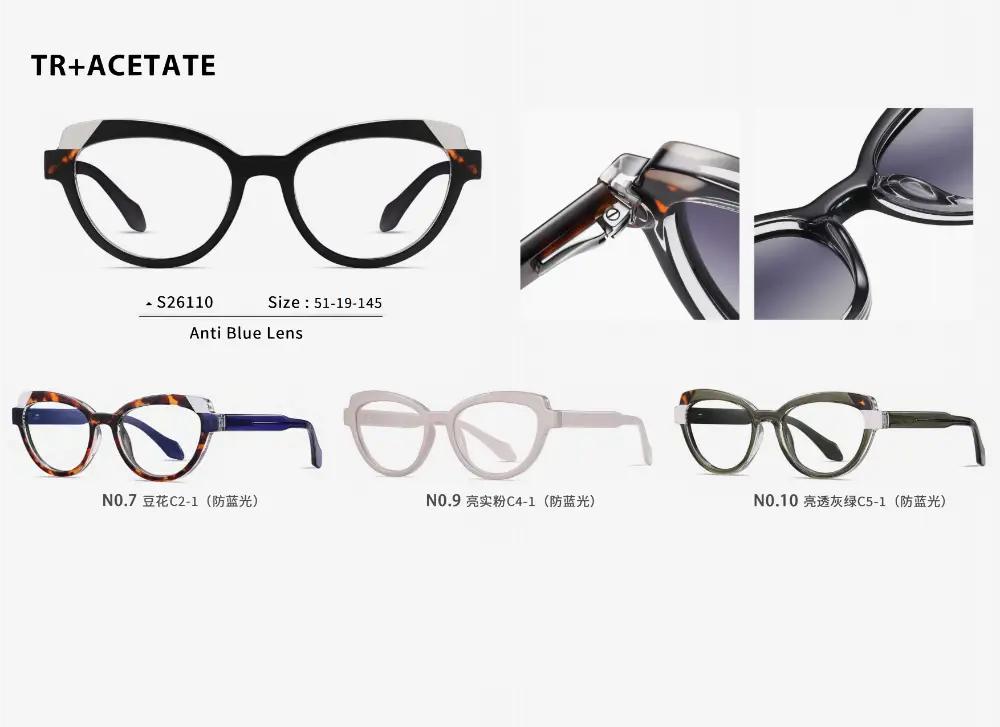
K-fashion eyewear treats the frame as wearable sculpture. Shape and silhouette take priority over weight, comfort, or even lens fitting practicality. The result: K-fashion frames often have dramatic curves, unexpected angles, and sculptural details that would be rejected in a “functional-first” design process.
This has a manufacturing consequence: sculptural frames require 4-5 axis CNC (not 3-axis) and skilled hand-finishing. The curves that define K-fashion shapes cannot be achieved with budget tooling. If your factory only has 3-axis CNC, they will simplify the curves, and the result will look like a K-fashion knockoff rather than a K-fashion frame.
3. Low-Bridge Engineering
Korean facial structure typically features lower nose bridges and higher cheekbones. K-fashion frames are engineered for this: wider bridge placement, adjustable nose pads on acetate frames (unusual in Western acetate design), and temple curves that clear high cheekbones.
This engineering is now in global demand. In the US, Asian consumers have been underserved for years. In Europe, Middle Eastern buyers prefer lower-bridge fits. “Asian fit” is no longer a niche — it is a growth market.
Korean Eyewear Brand Tiers: Know Your Competition
Tier 1: Global Standard-Setter
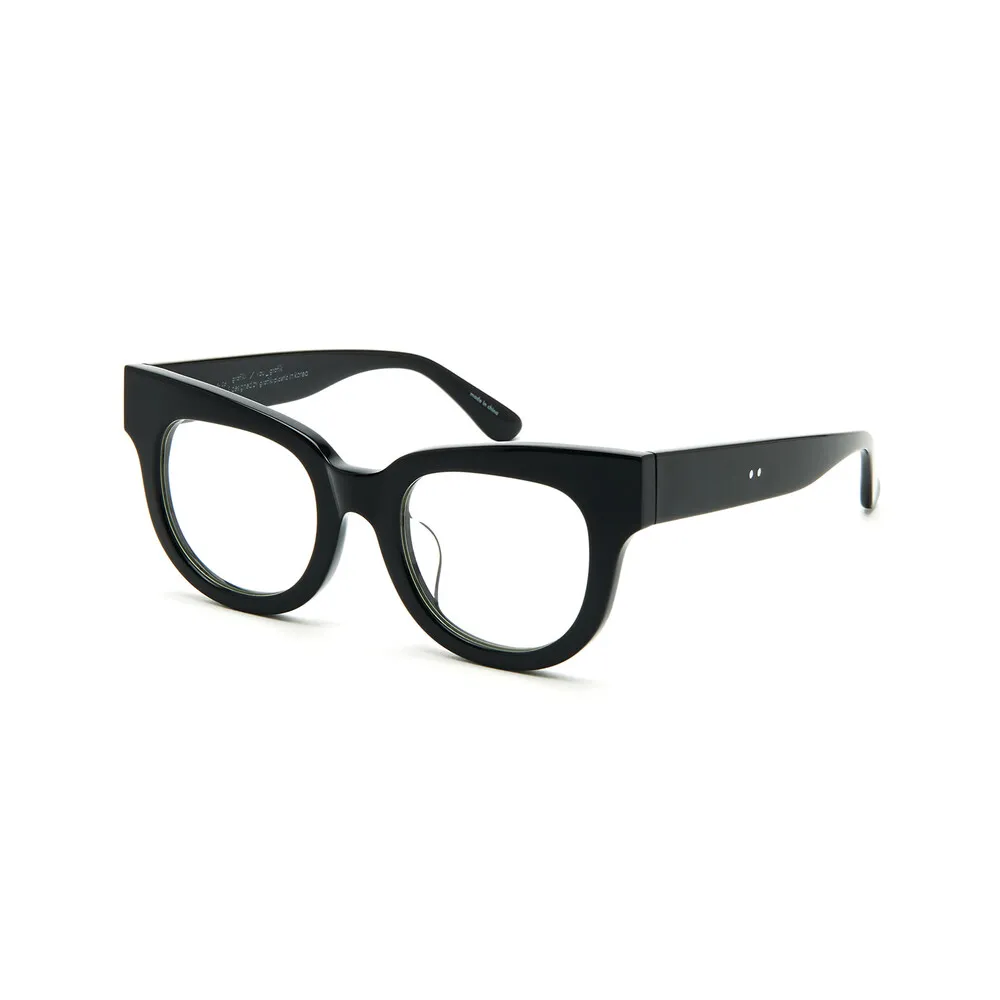
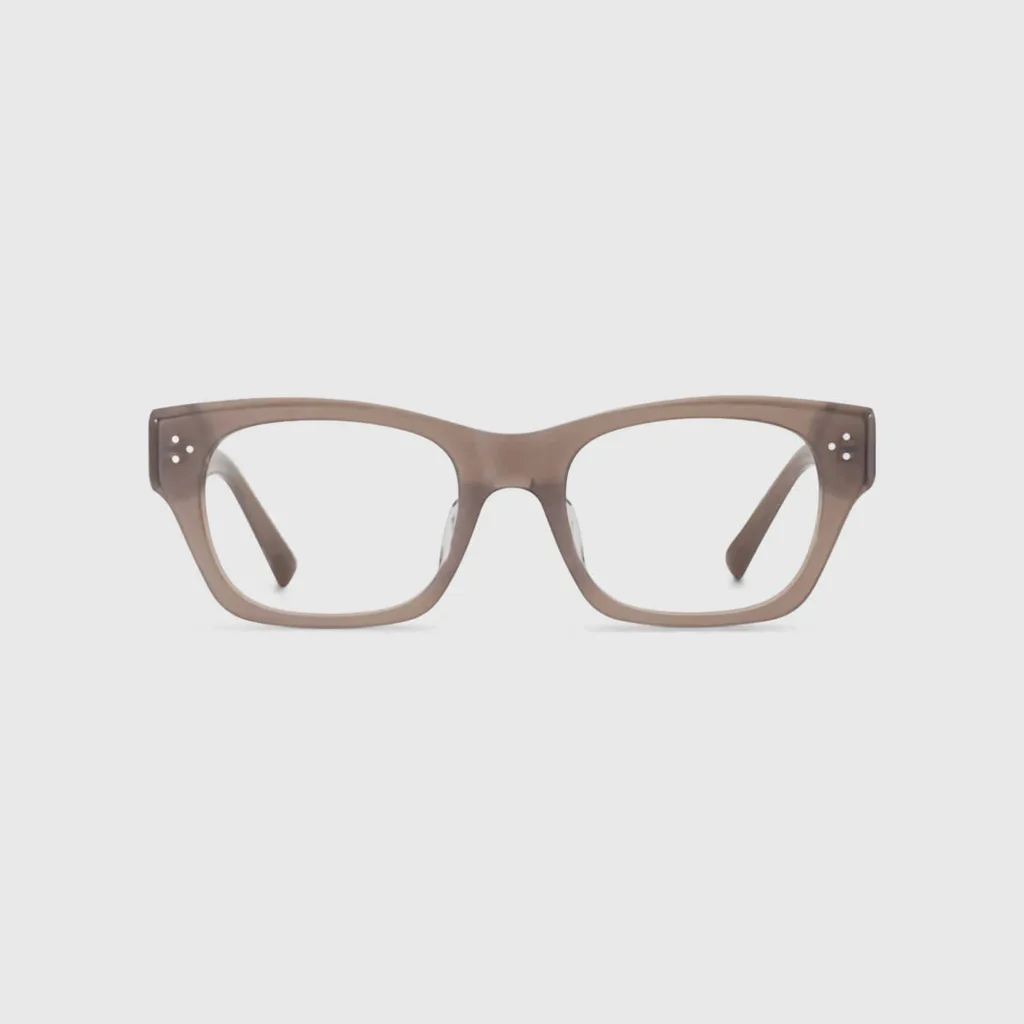
Gentle Monster ($200–$350) is the benchmark. Their oversized acetate frames in translucent and pastel tones created the global K-fashion eyewear category. Key specs: Mazzucchelli-grade acetate, custom oversized proportions, sculptural temple design. They prove that K-fashion can command premium pricing when the design and quality match the ambition.
Tier 2: Design-Driven
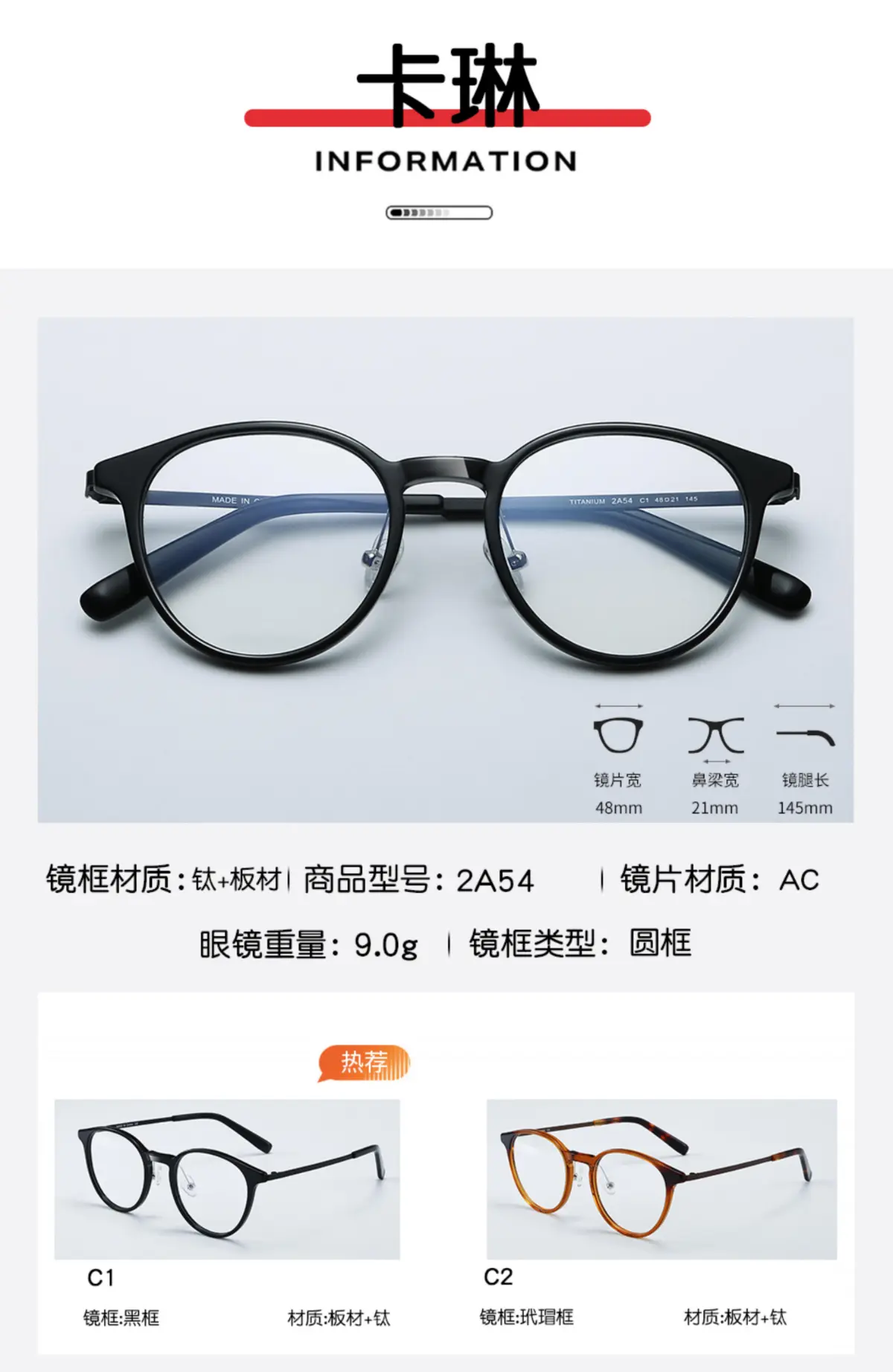
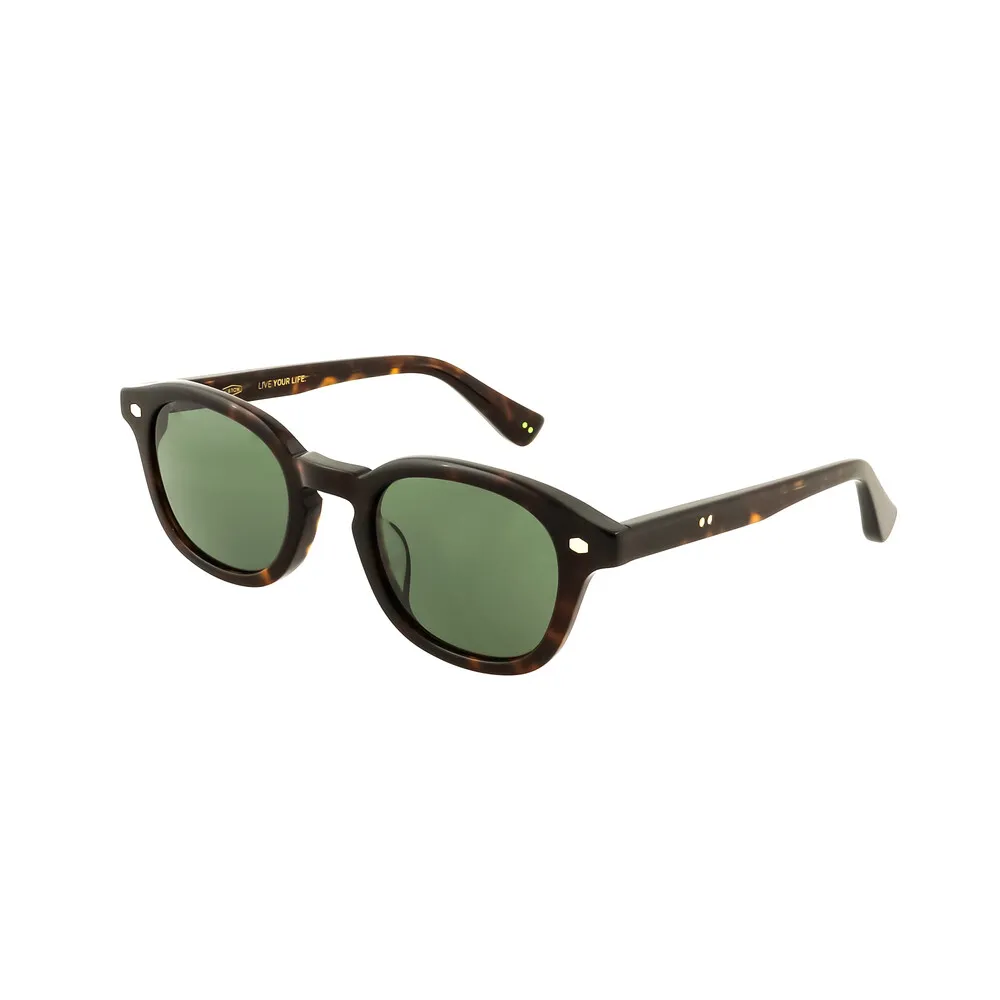
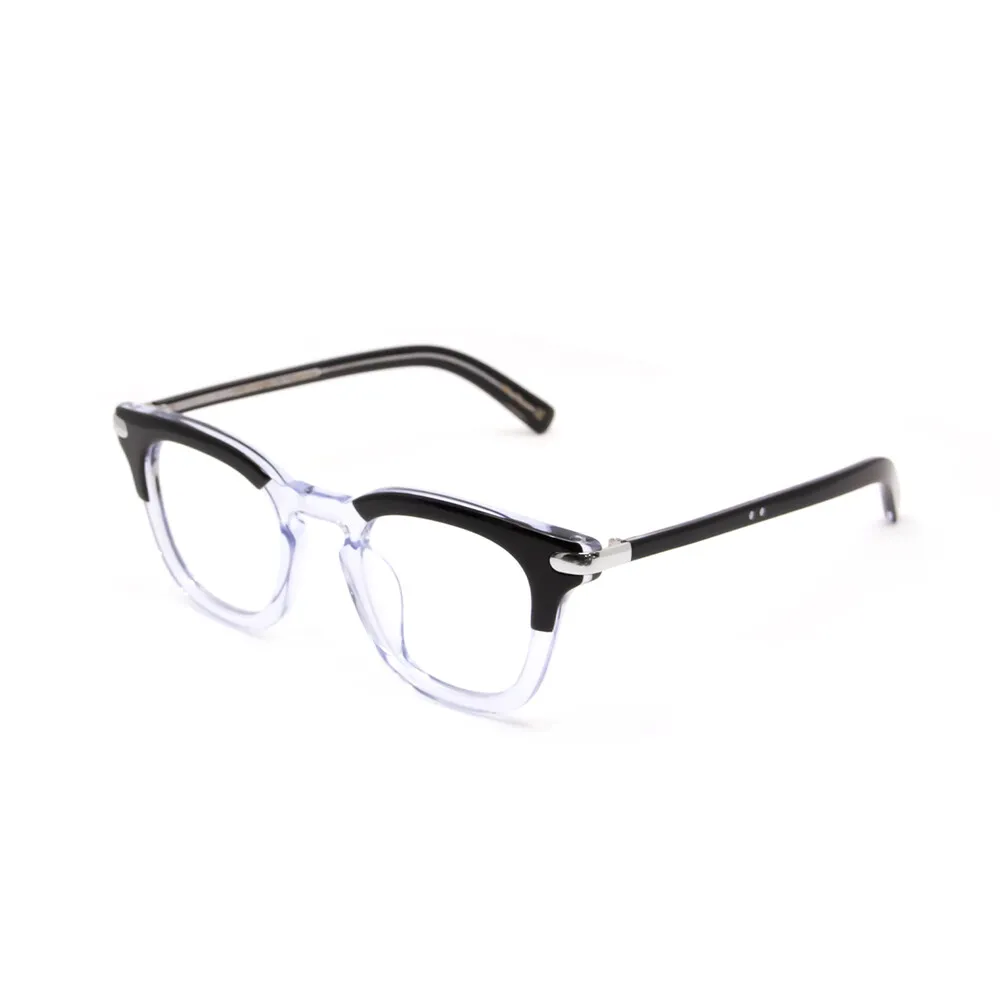
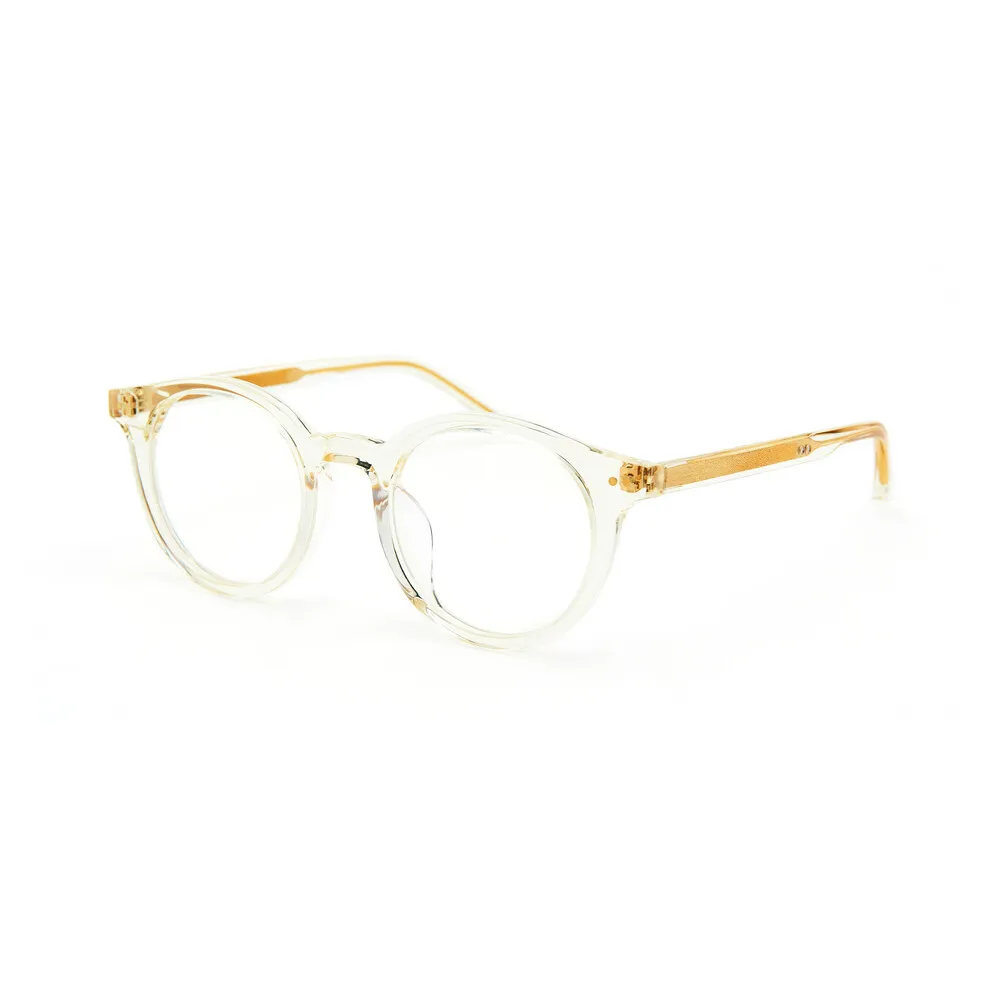
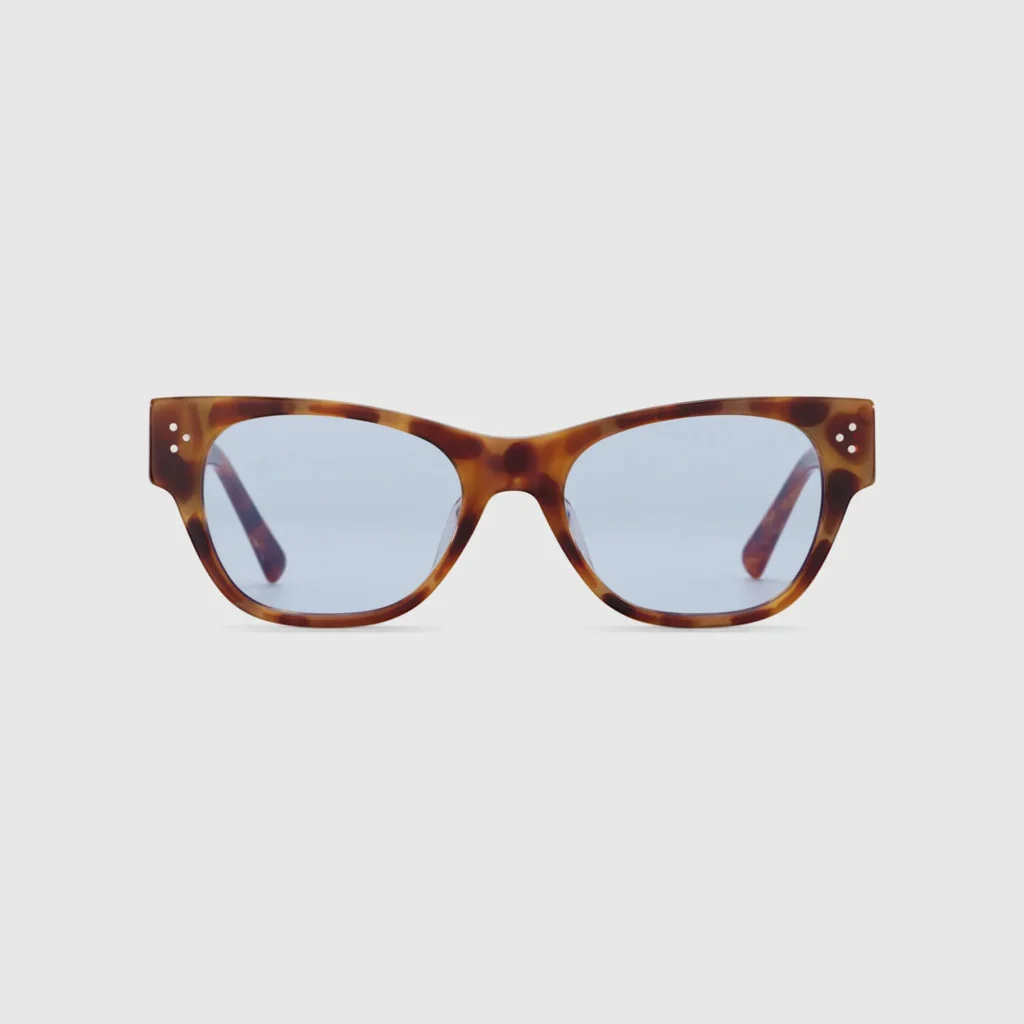
CARIN ($80–$160) and PROJEKT PRODUKT ($130–$230) offer K-fashion design at accessible prices. CARIN’s “rosegold + pastel acetate” combination created a product category that every manufacturer now copies. These brands show the volume opportunity in K-fashion at the $80-200 retail range.
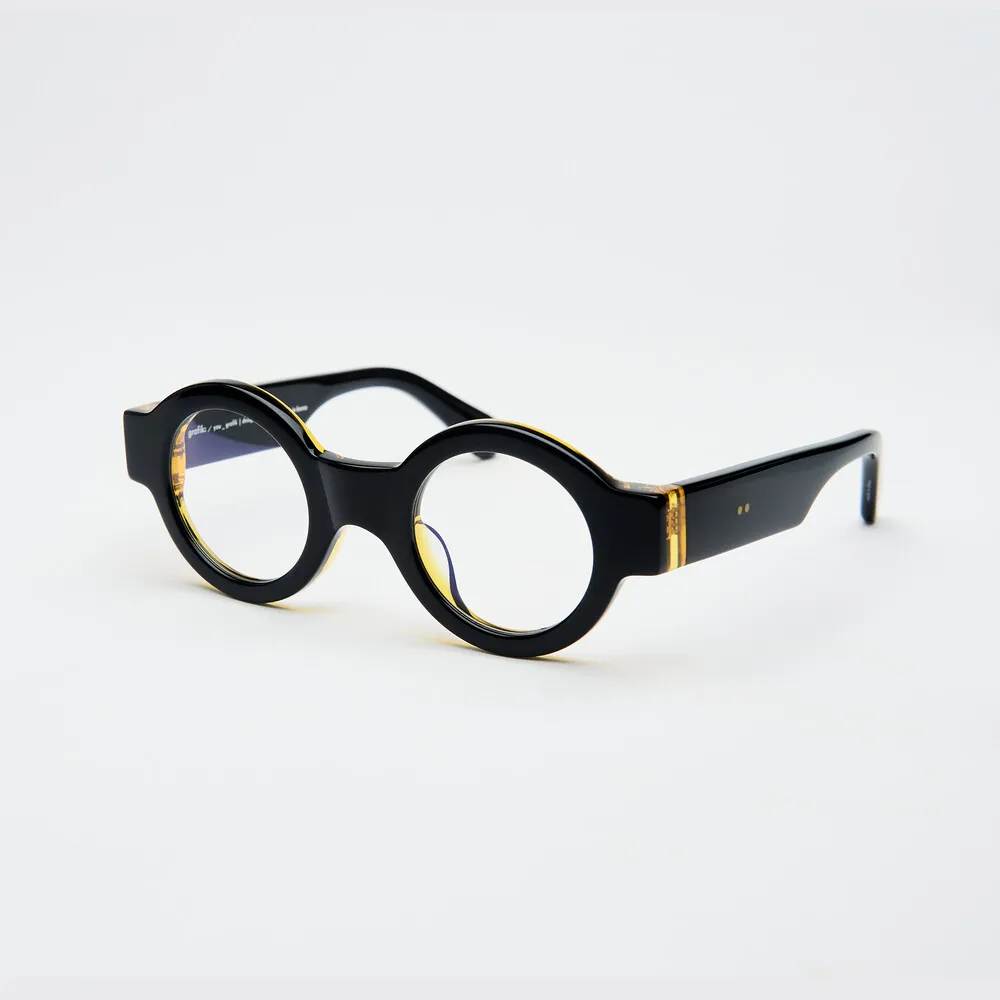
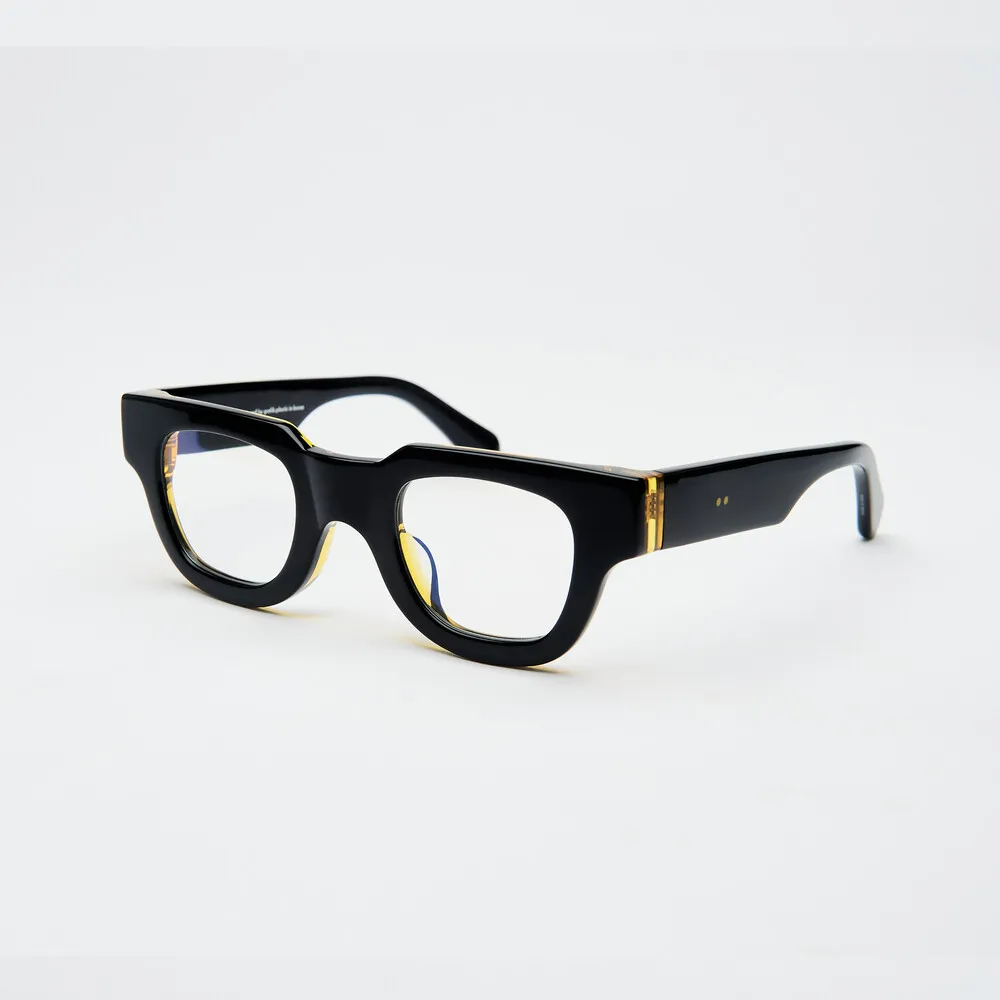
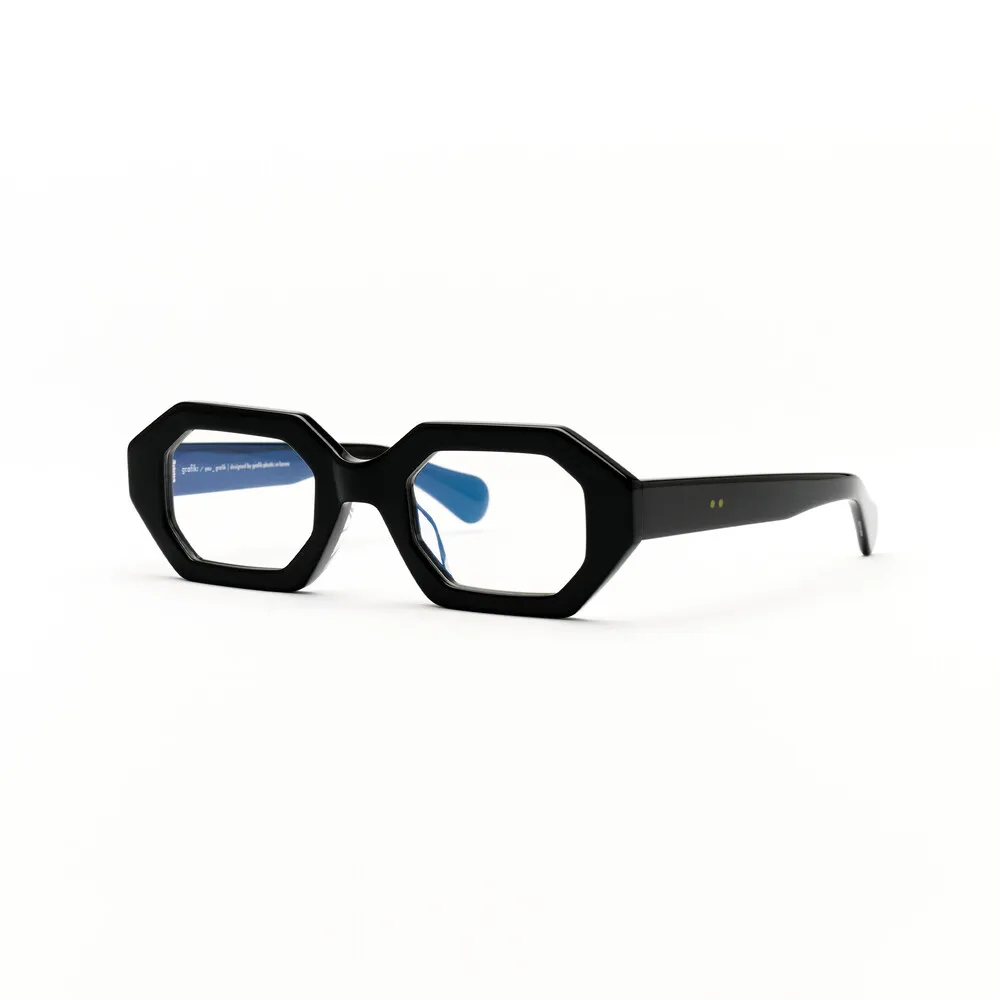
Tier 3: Affordable K-Fashion
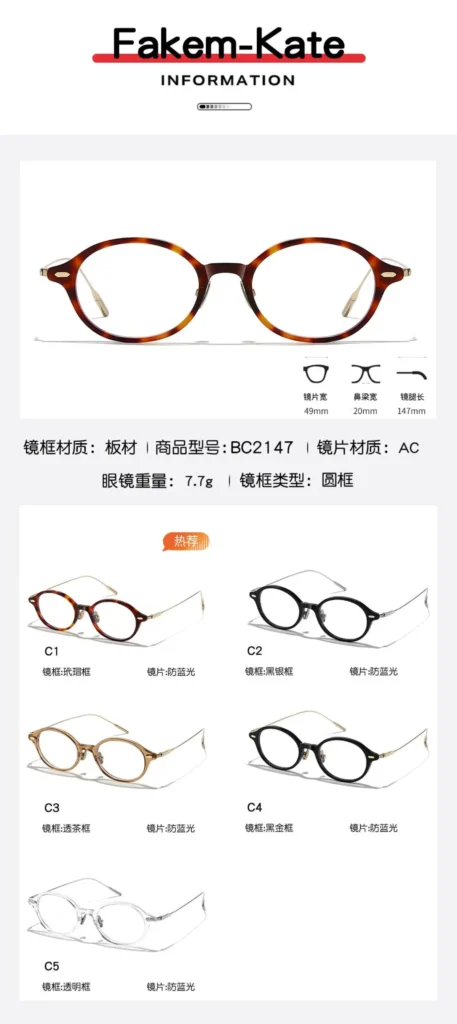
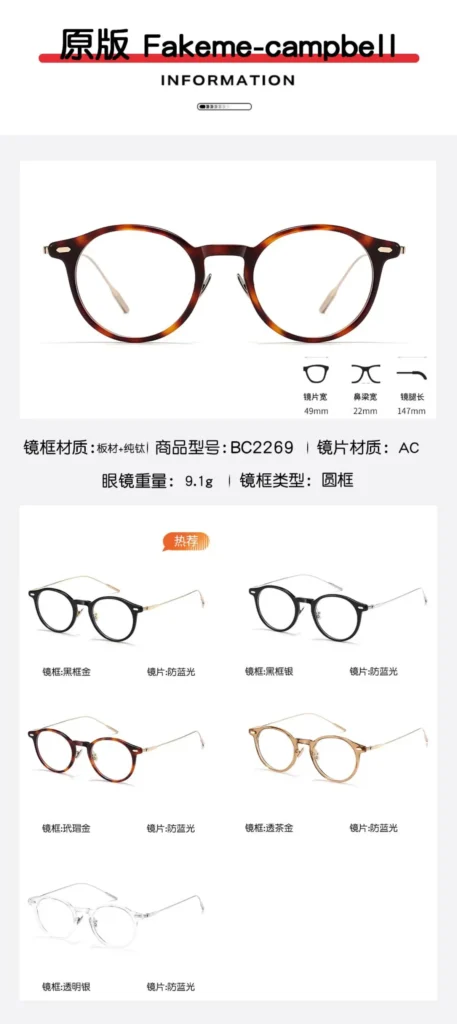
FAKEME ($60–$130) and BLUE ELEPHANT ($30–$80) make K-fashion accessible. TR90 construction, injection-molded shapes, and fast color rotations. These brands move the most units and set the visual expectations for the mass market.
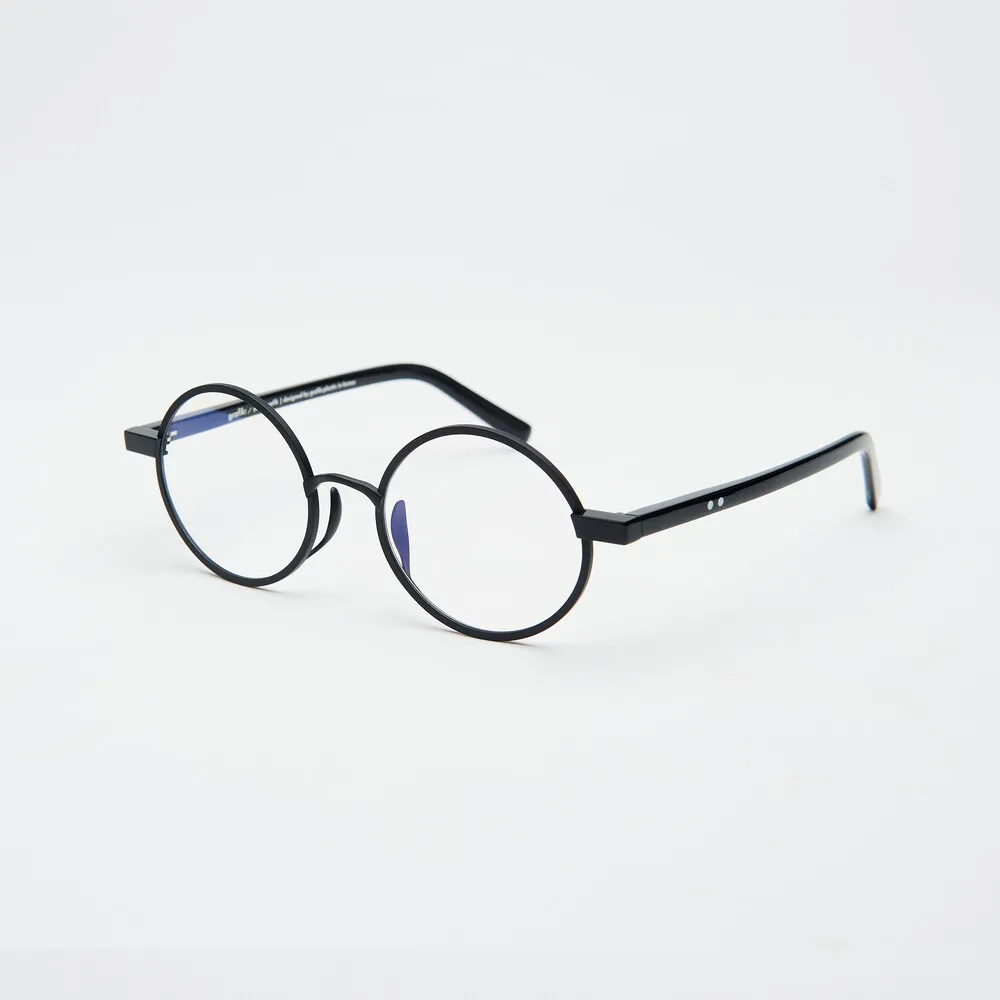
Tier 4: Premium Niche
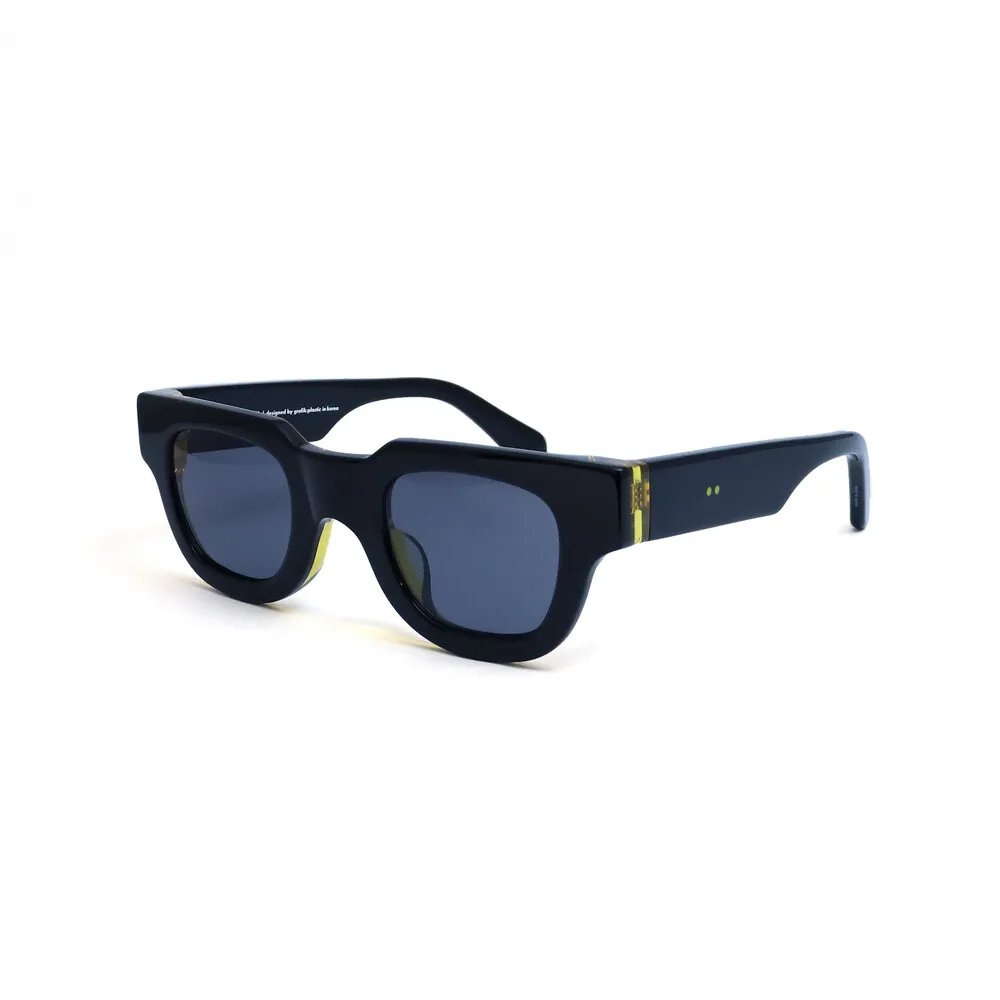
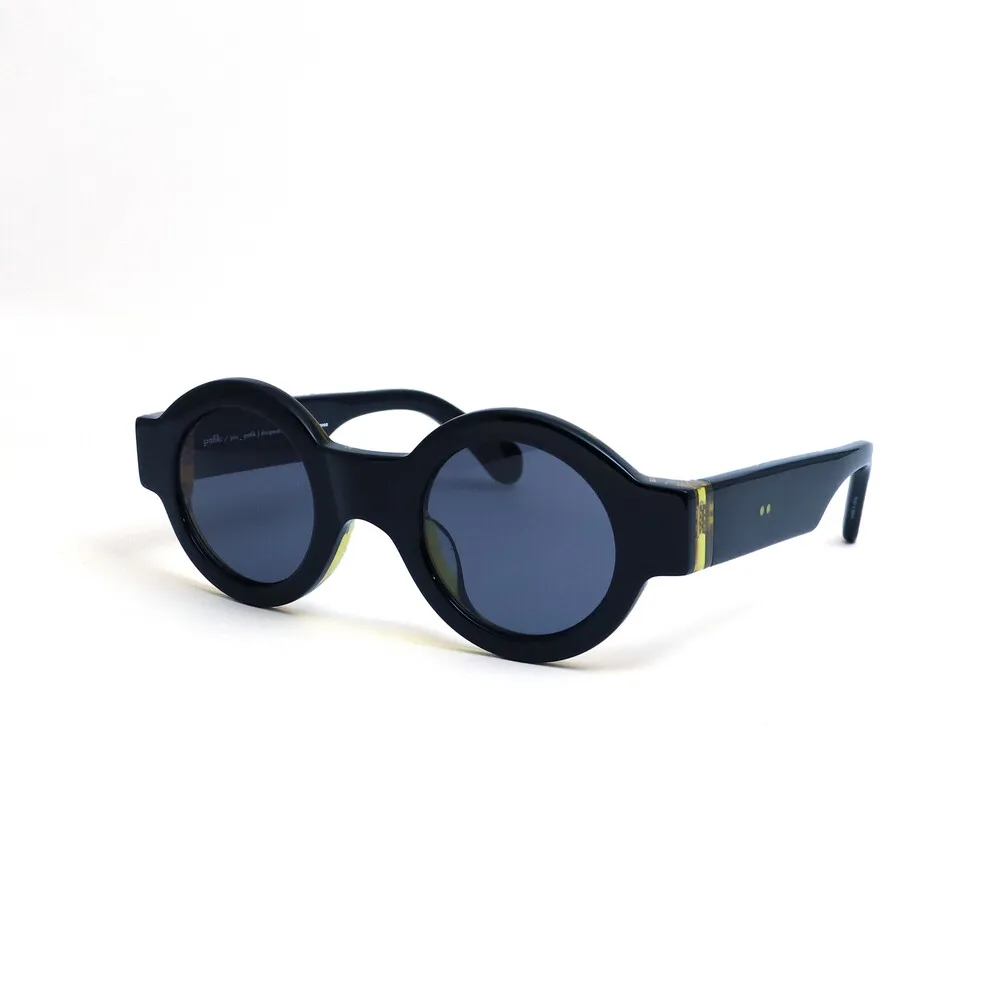
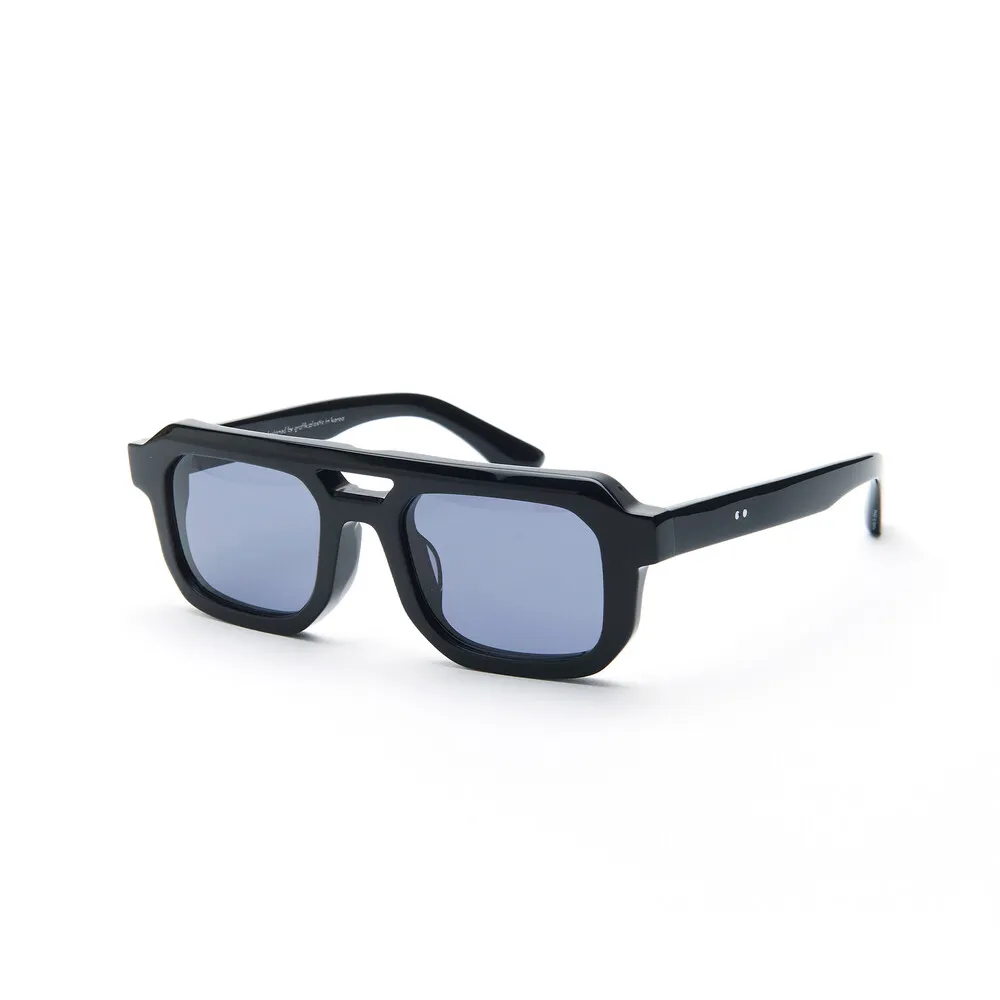
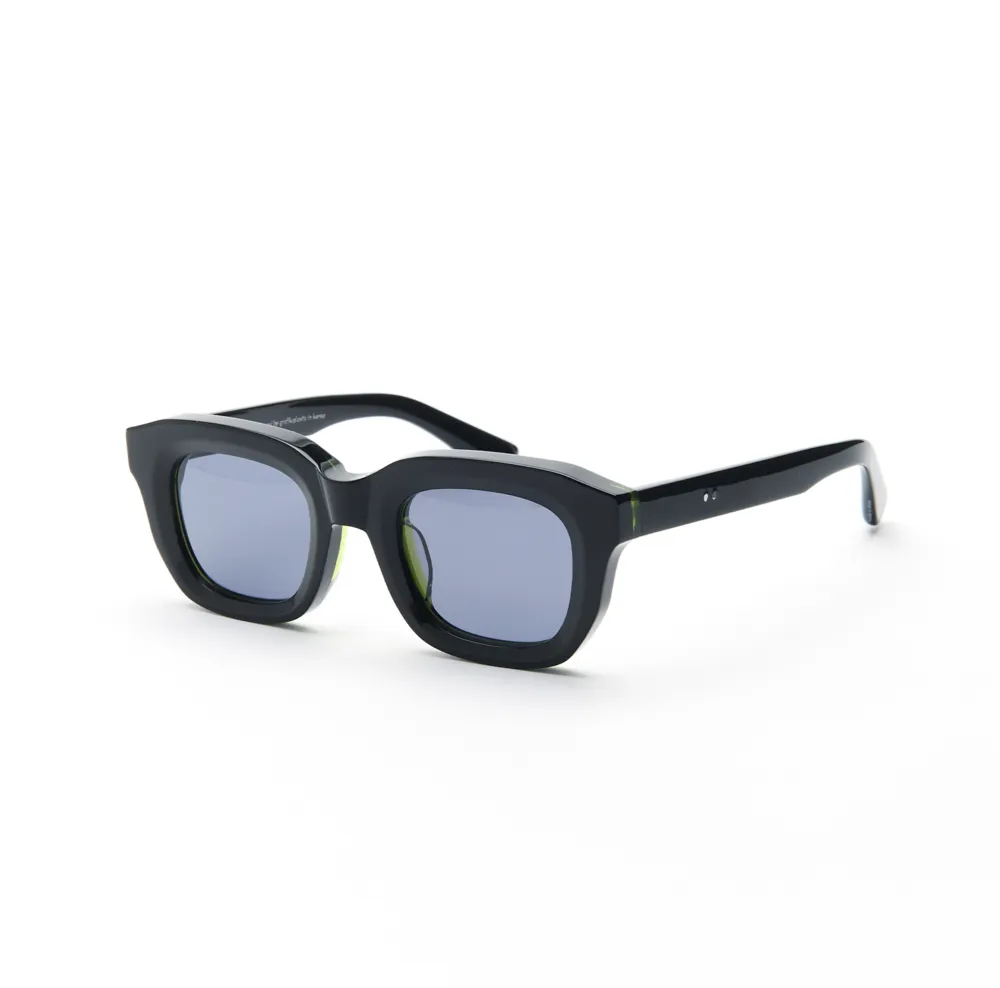
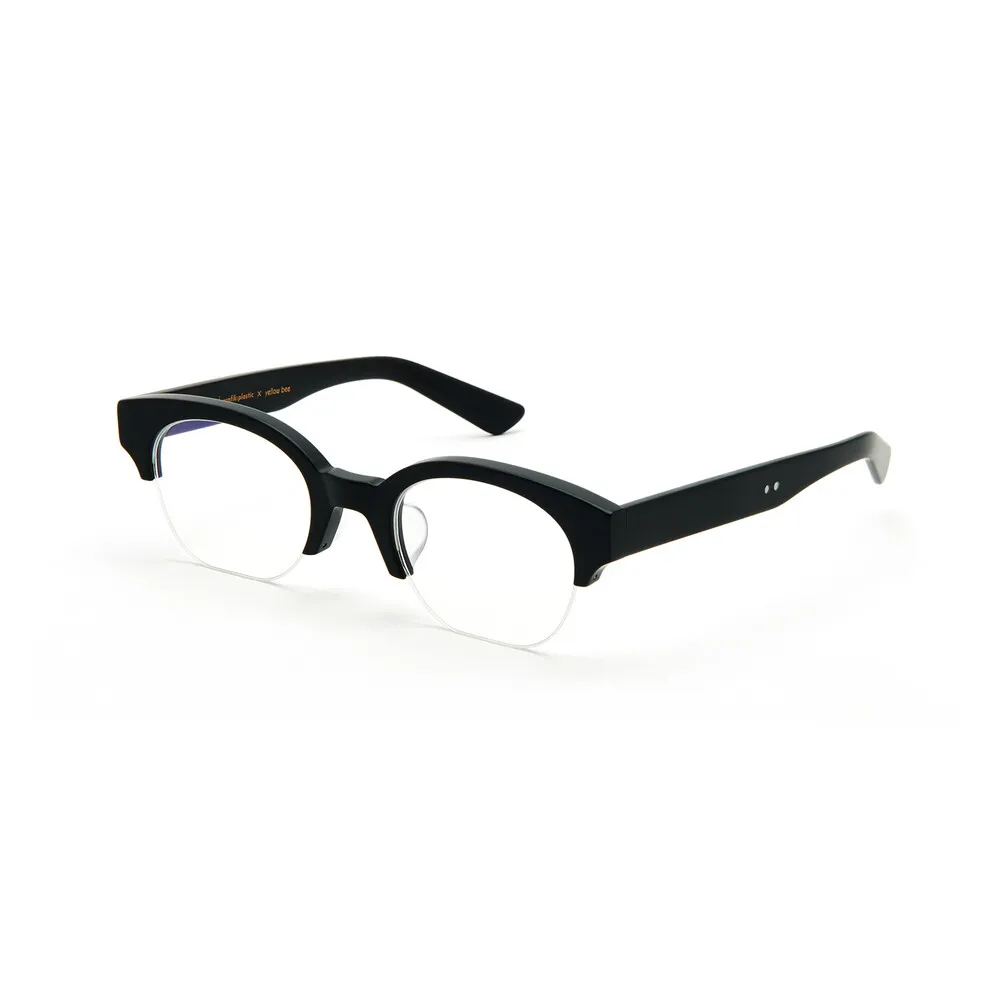
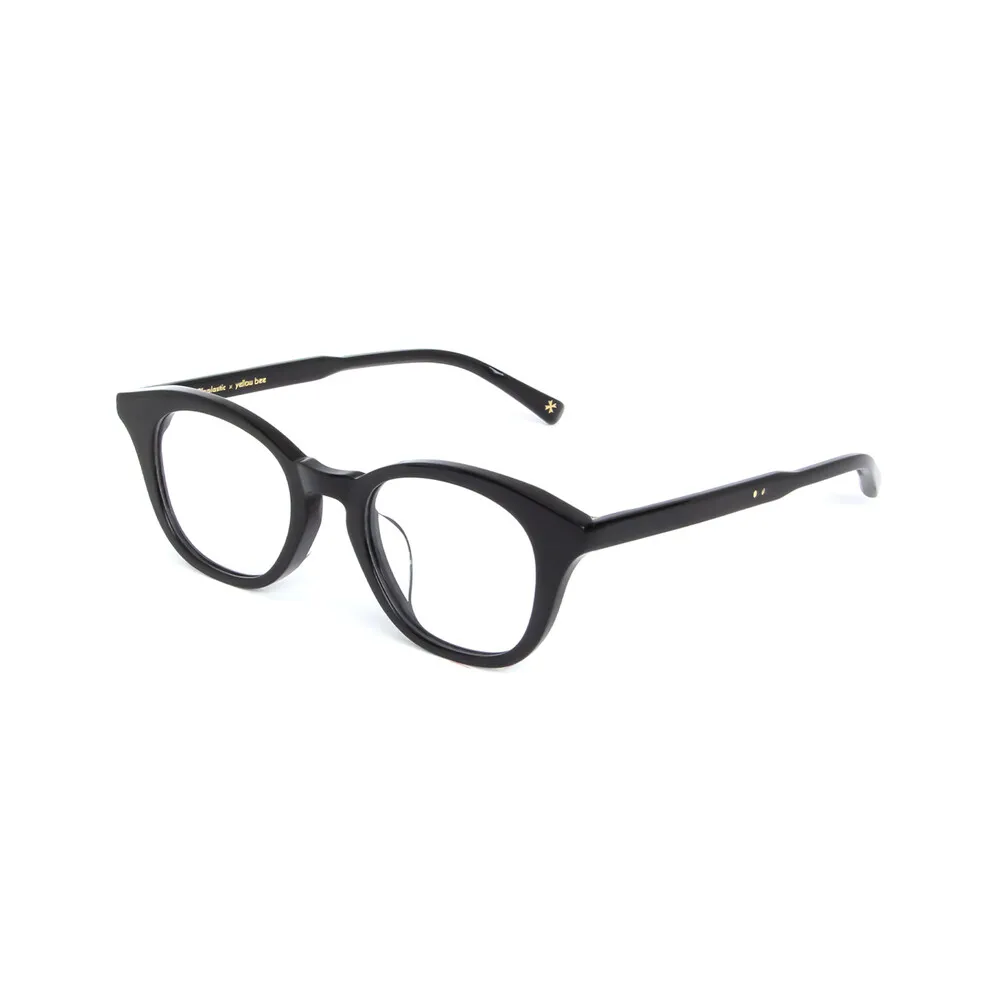
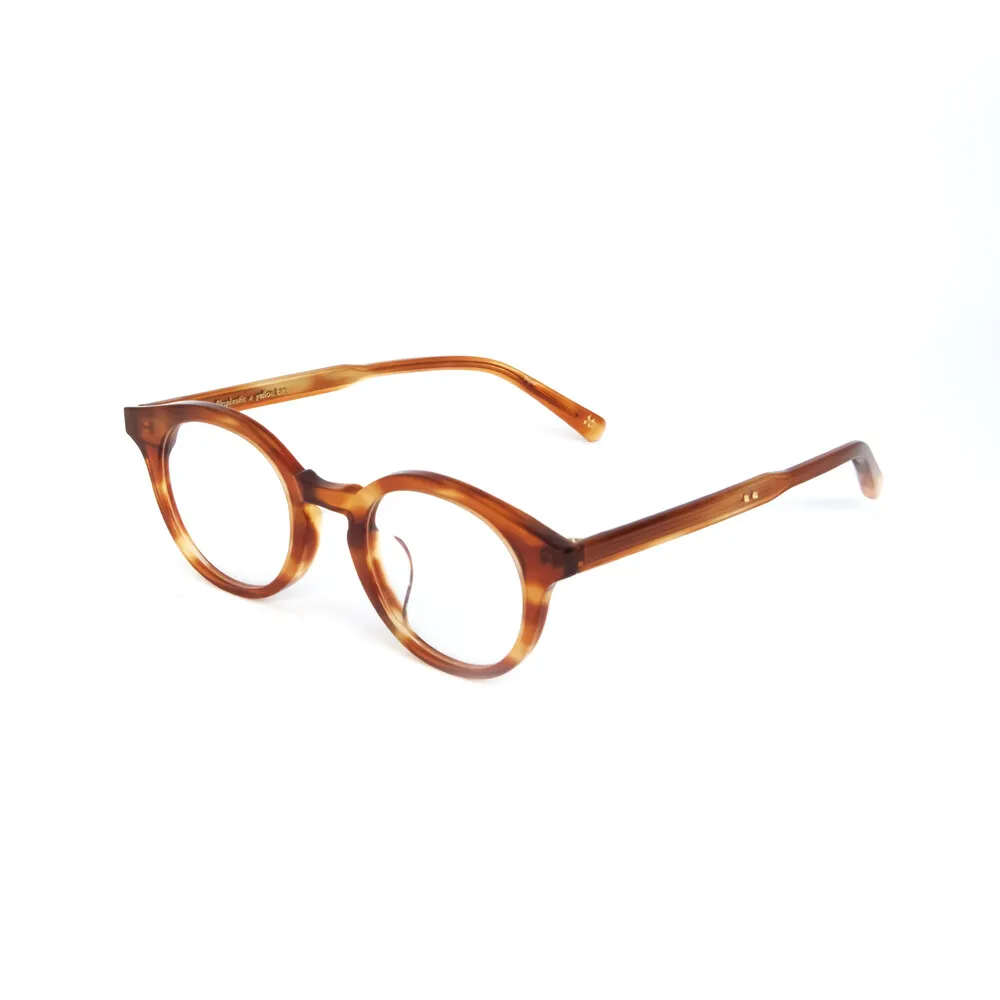
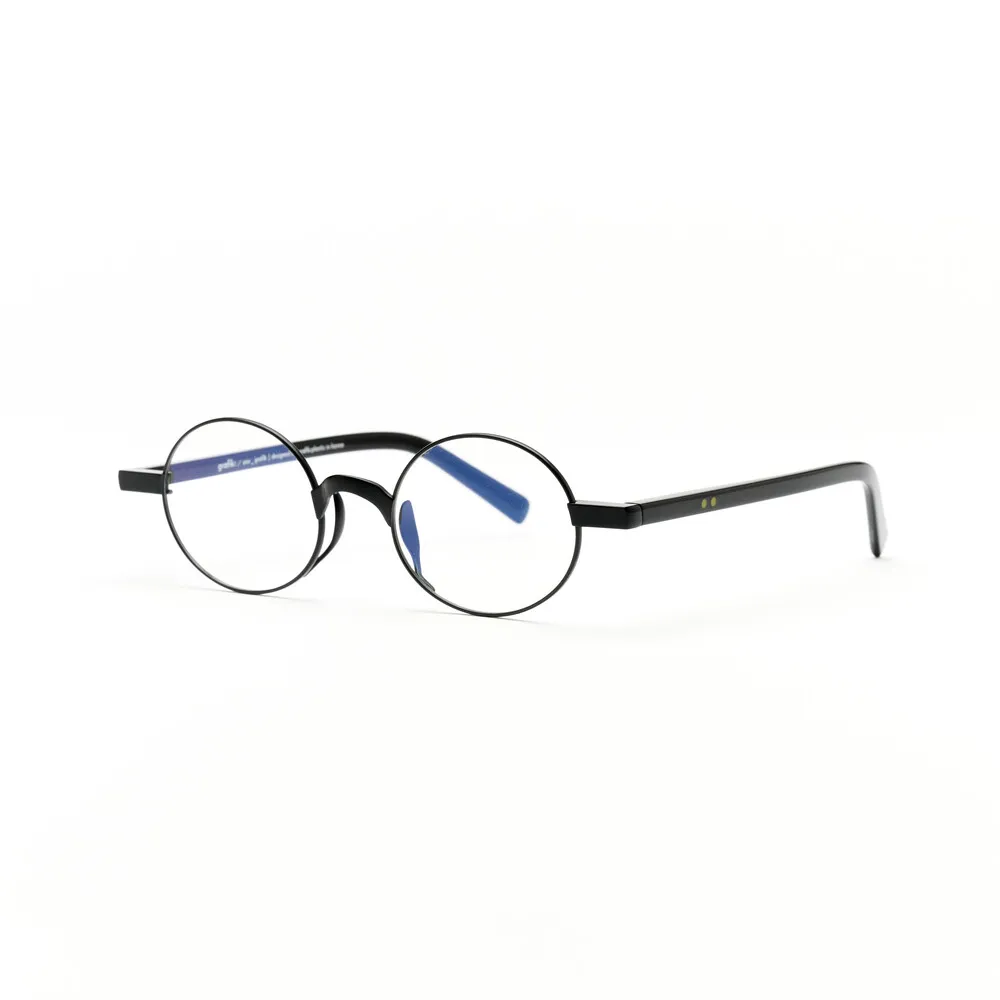
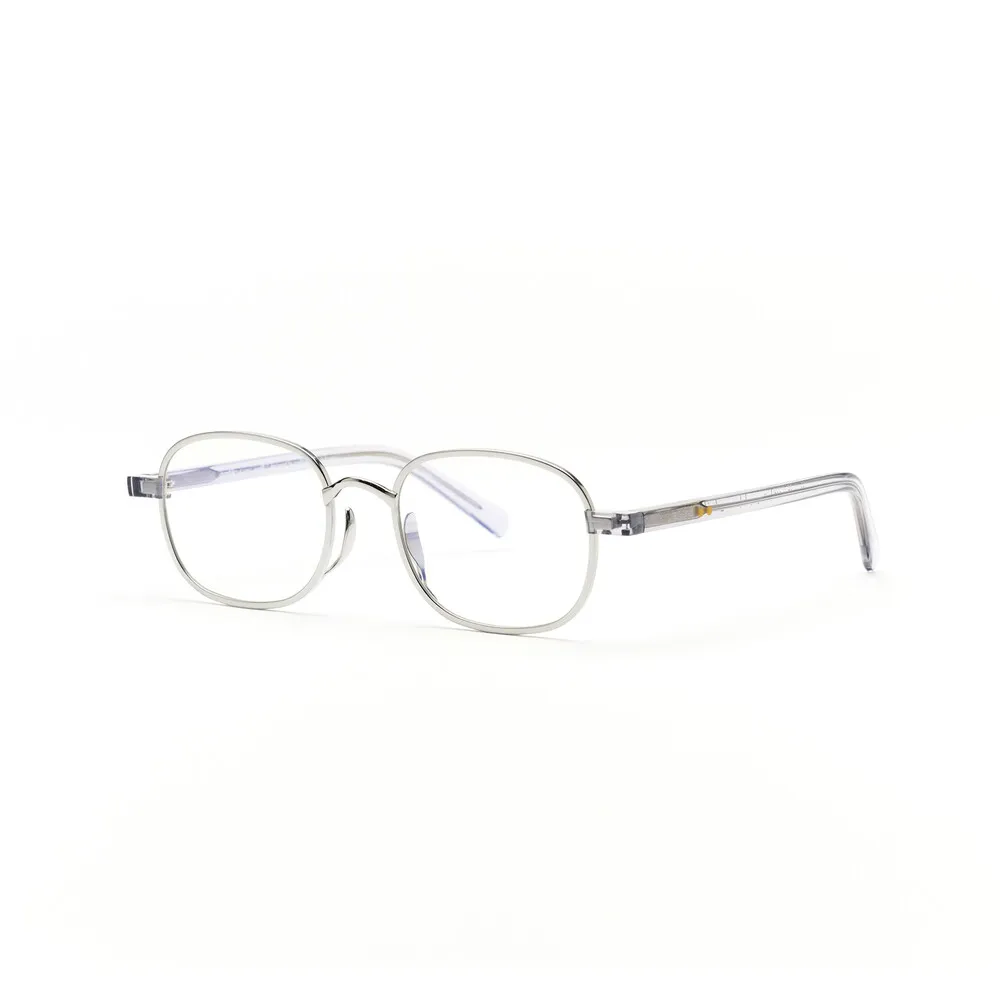
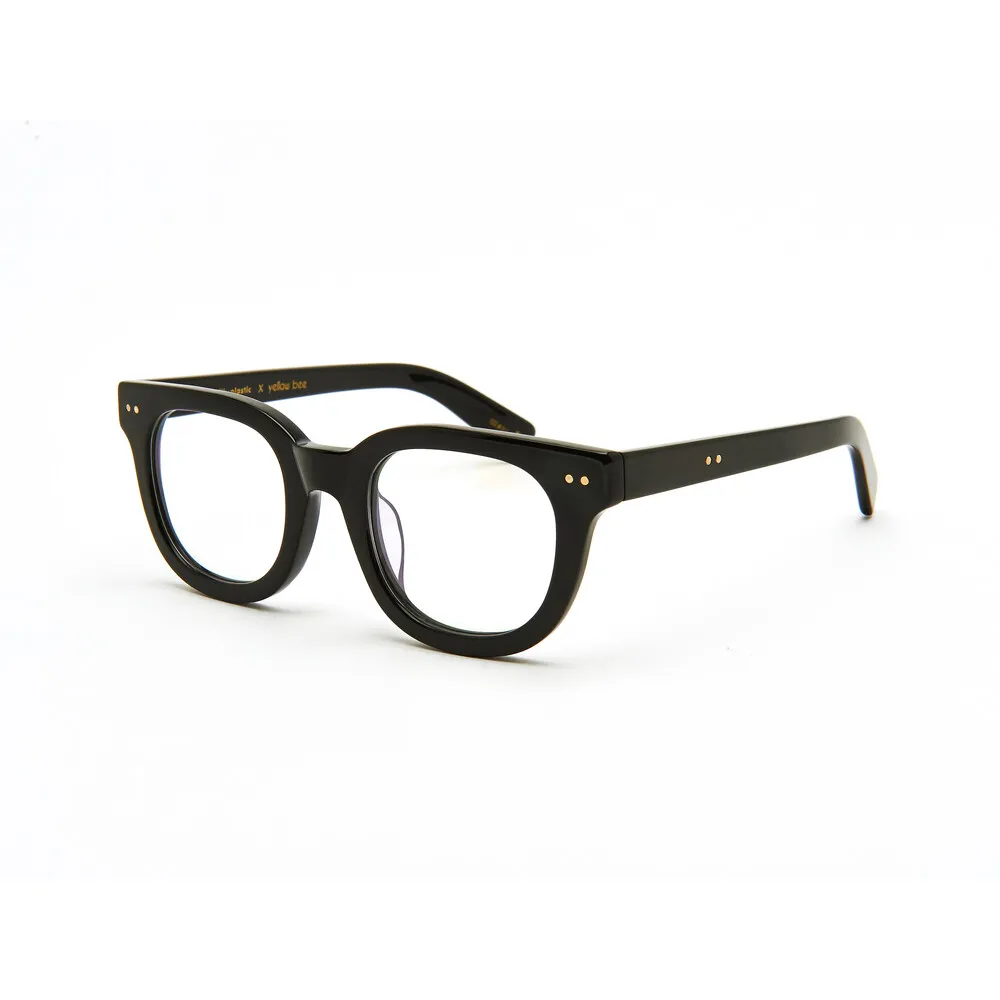
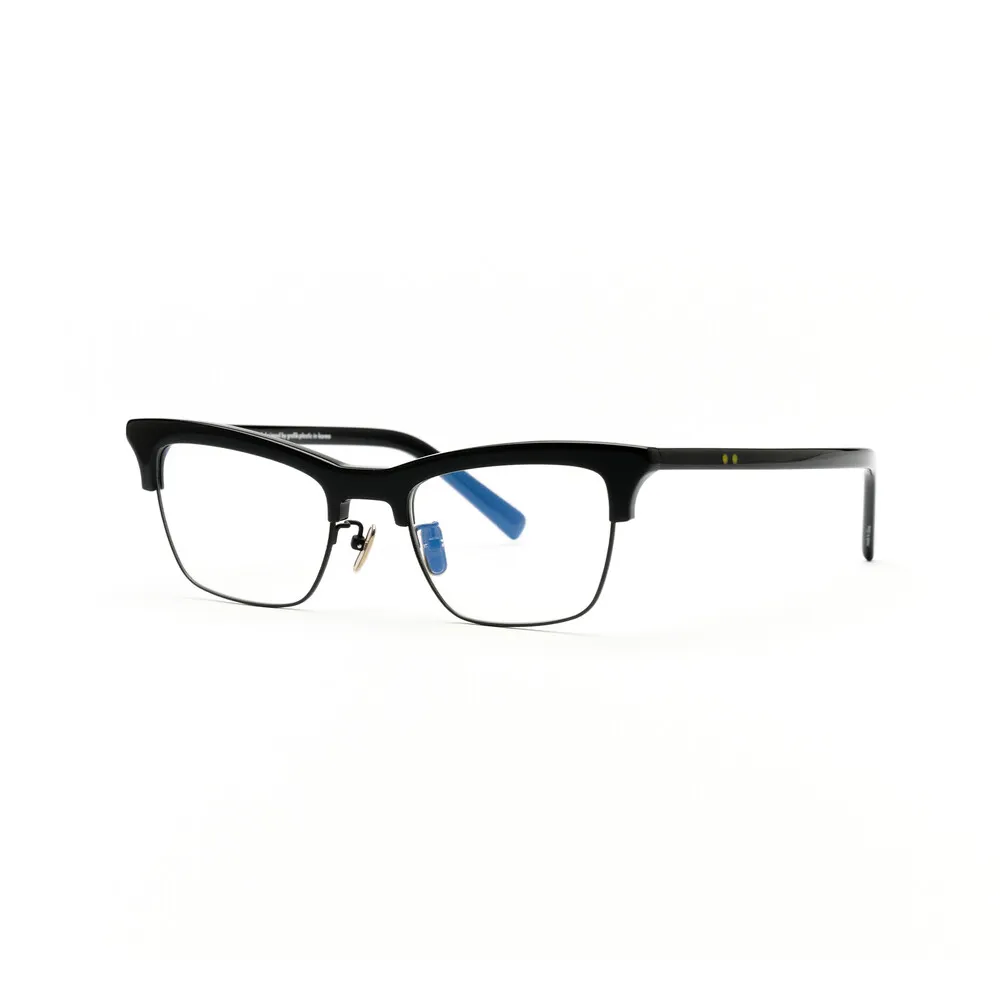
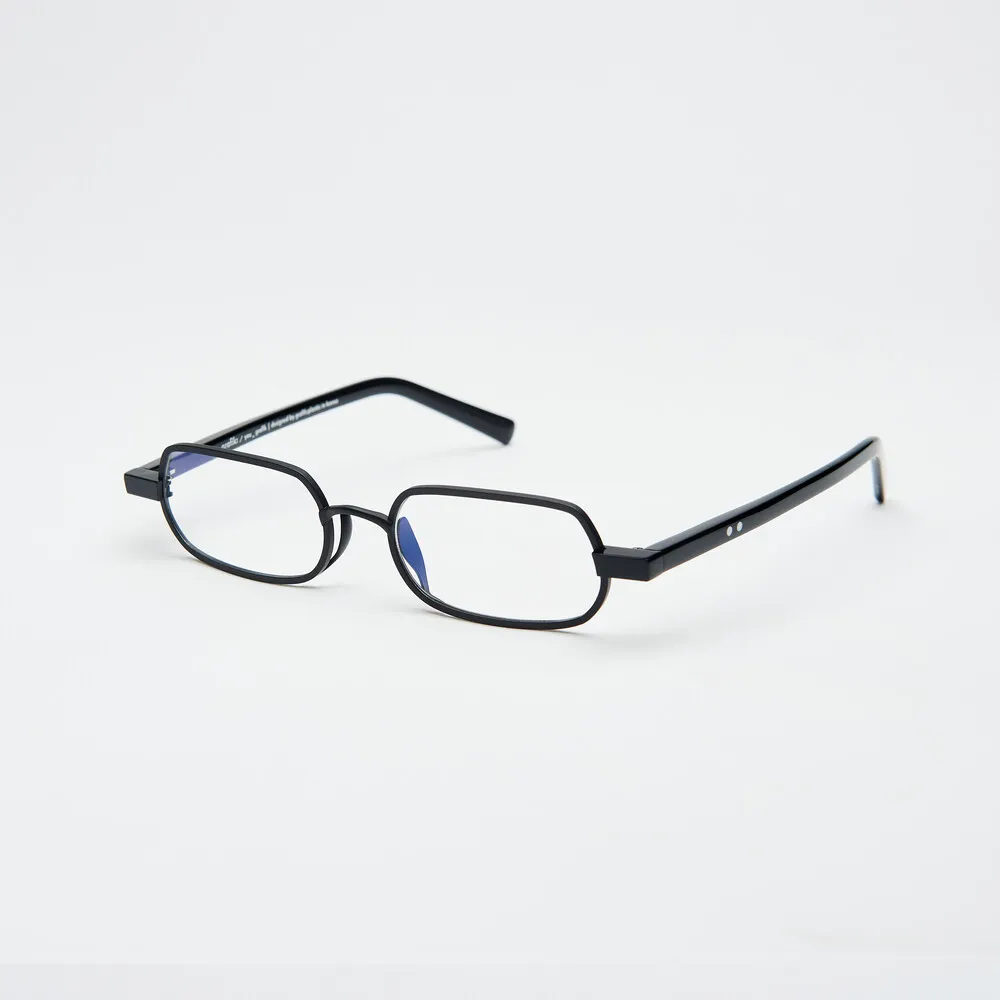
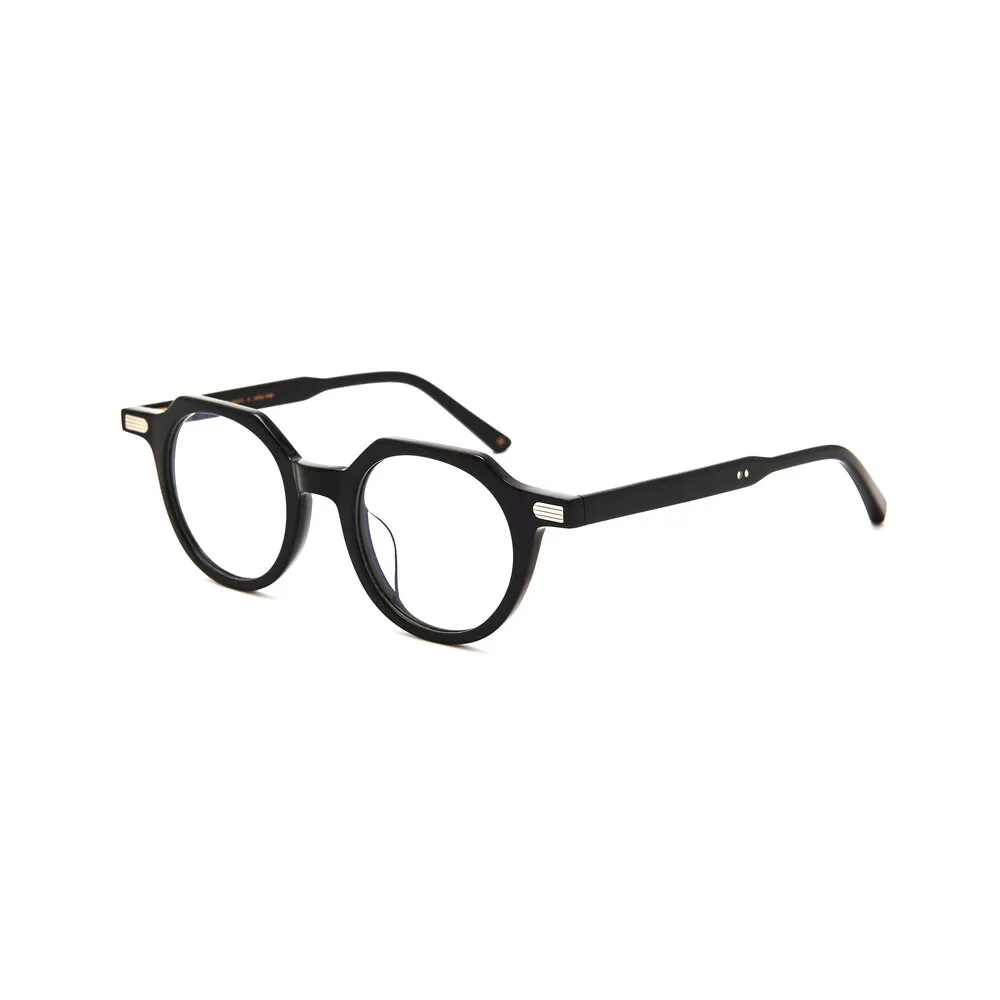
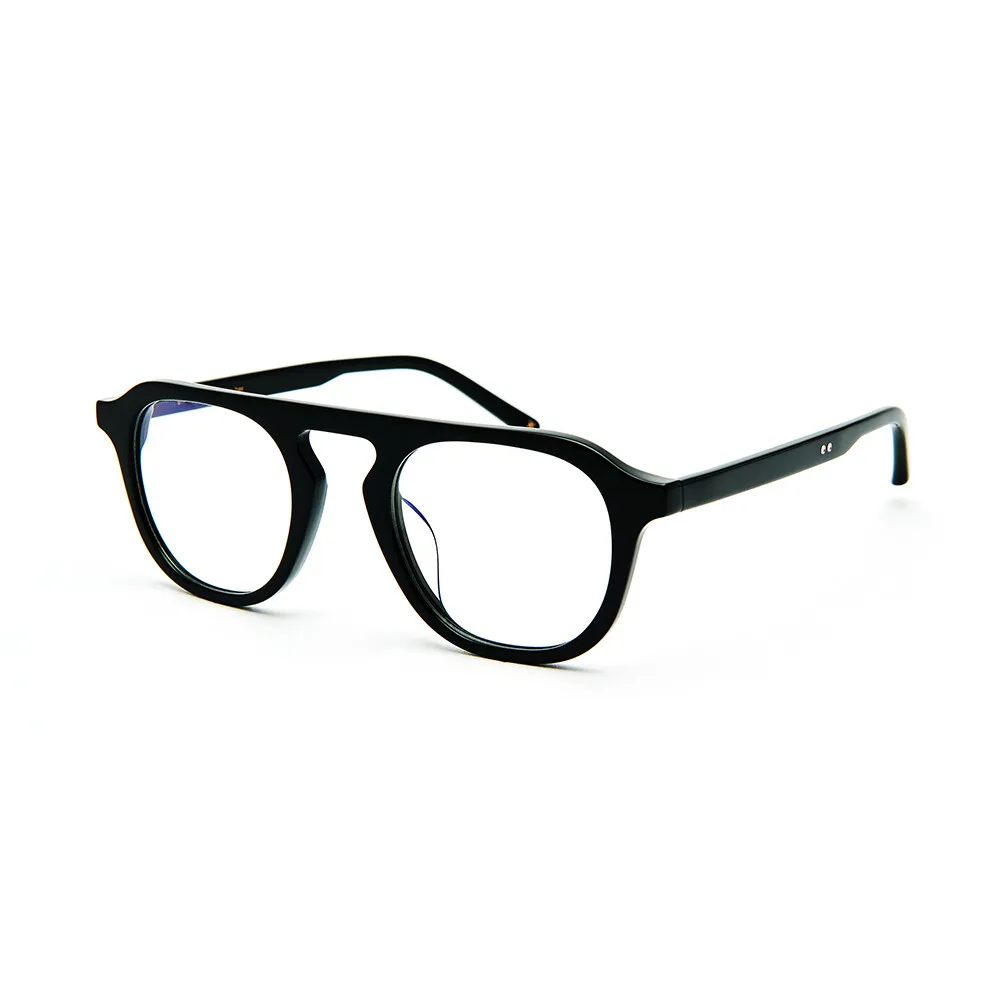
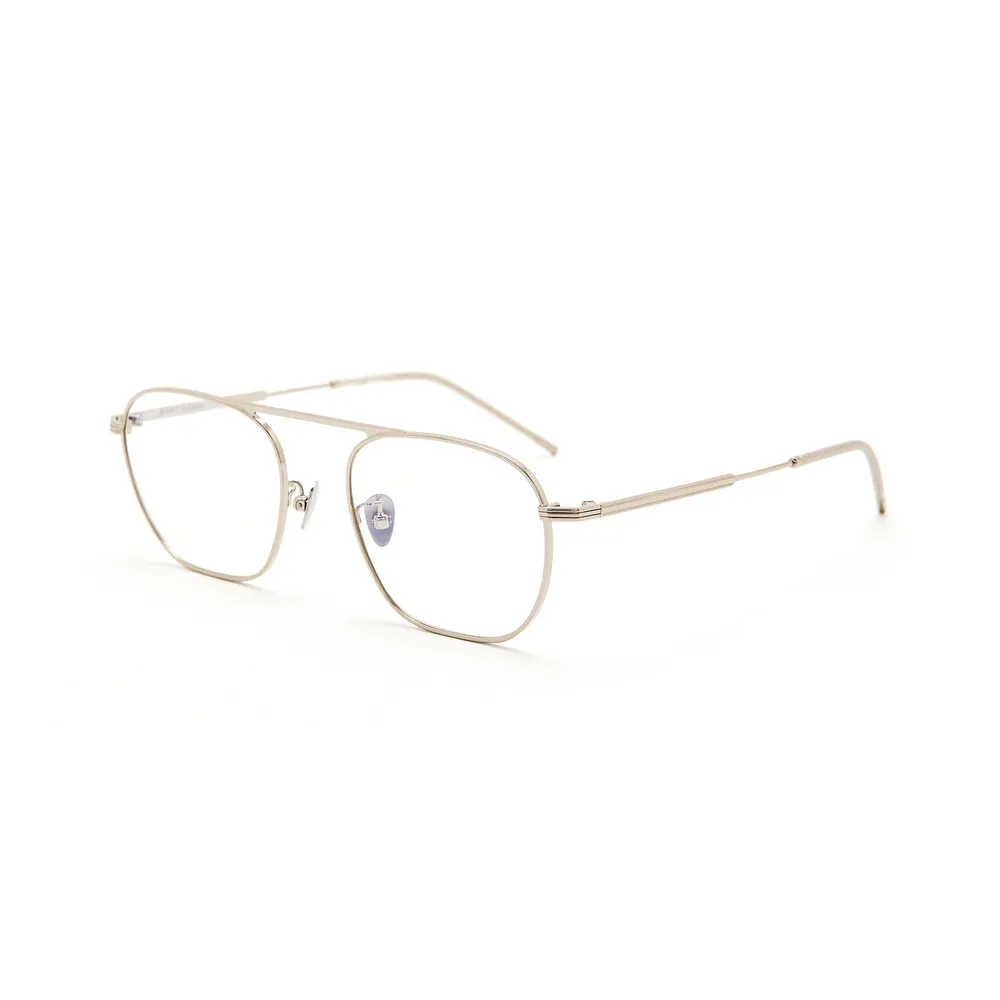
GRAFIK PLASTIC ($130–$260) and ACCRUE ($100–$180) serve design connoisseurs. Limited production, unusual materials, and strong brand narratives. These brands prove that K-fashion has a luxury ceiling beyond Gentle Monster.
Building a K-Fashion Collection: SKU Structure
A commercially viable K-fashion collection needs 12-18 SKUs structured as follows:
- Anchor styles (4-6 SKUs): Oversized square or rectangular in black, clear, and 2-3 pastel tones. These are your reorders. Black and crystal are year-round; pastels rotate seasonally.
- Statement styles (3-4 SKUs): Sculptural shapes, unexpected color combinations, mixed-material construction. These drive social media attention and store traffic. They sell slower but make the collection visible.
- Asian-fit essentials (3-4 SKUs): Adjustable nose pad versions of your anchor styles. Required for Korean, Japanese, Southeast Asian, and diaspora markets. Often the highest-margin SKUs because they solve a fit problem that competitors ignore.
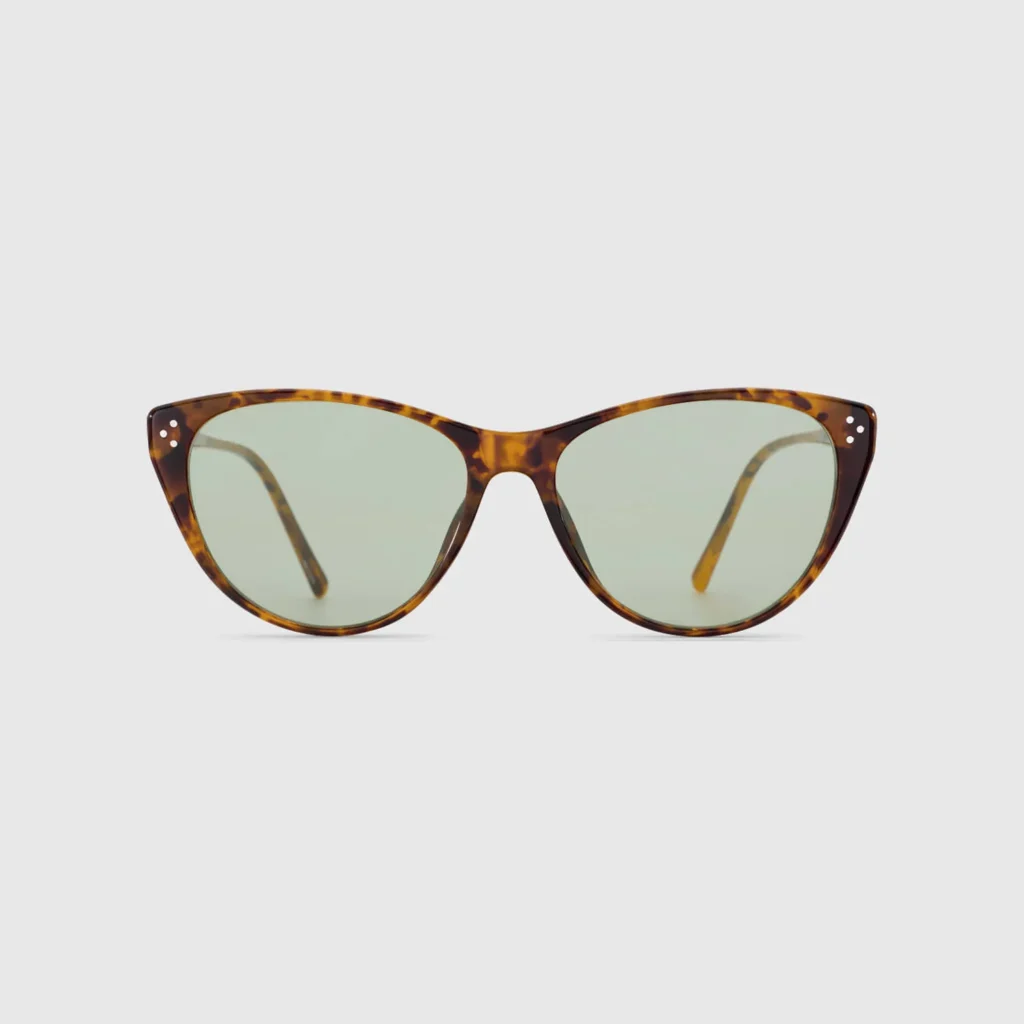
- Sunglasses (2-4 SKUs): K-fashion oversized sunglasses with colored lenses (gradient brown, gradient gray, and one fashion tint like rose or blue). UV400 compliance is non-negotiable.
Manufacturing Specifications for K-Fashion Frames
Oversized Frame Engineering
Frames at 54mm+ lens width need structural reinforcement that standard frames do not. The three critical engineering points:
- Bridge reinforcement: A metal core in the bridge prevents the frame from spreading under the weight of oversized lenses. Without it, the frame widens over 3-6 months of wear.
- Temple core: Full-length metal temple core (not just the tip). Oversized fronts create leverage that bends thin temple cores.
- Weight distribution: The target is under 25g for acetate and under 20g for TR90 at 54mm. Anything heavier causes nose-bridge discomfort within 2-3 hours of wear.
Low-Bridge Solutions
Three approaches, in order of cost:
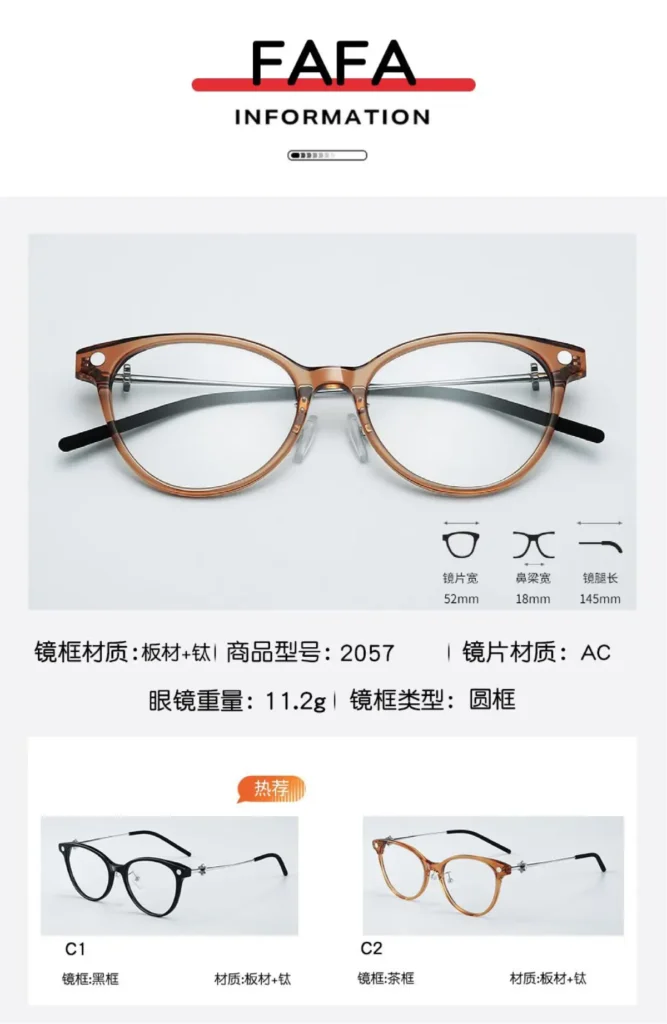
- Adjustable nose pads on metal pad arms (most comfortable, highest cost): Pad arms screwed into the acetate bridge with adjustable nose pads. The “proper” Asian-fit solution.
- Integrated silicone nose pads (balanced): Silicone pads bonded to the acetate bridge, raising the frame 2-3mm. Lower cost, less adjustable.
- Modified bridge curve (budget): Deeper bridge curve in the acetate that sits lower on the nose. Cheapest solution but least adjustable.
Color and Material Mix
The strongest K-fashion collections mix materials within single frames. Common constructions:
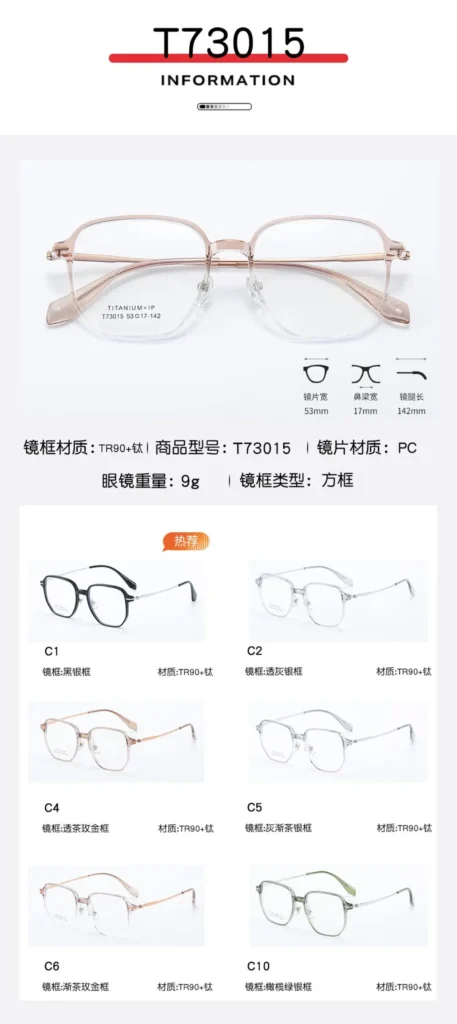
- Acetate front + metal temple with acetate temple tip
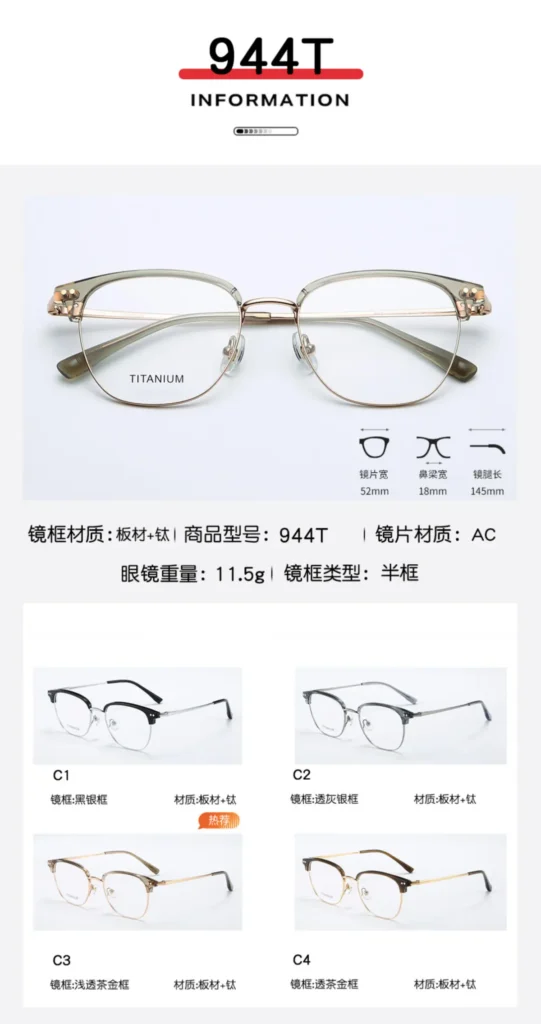
- TR90 front (lightweight) + titanium temple
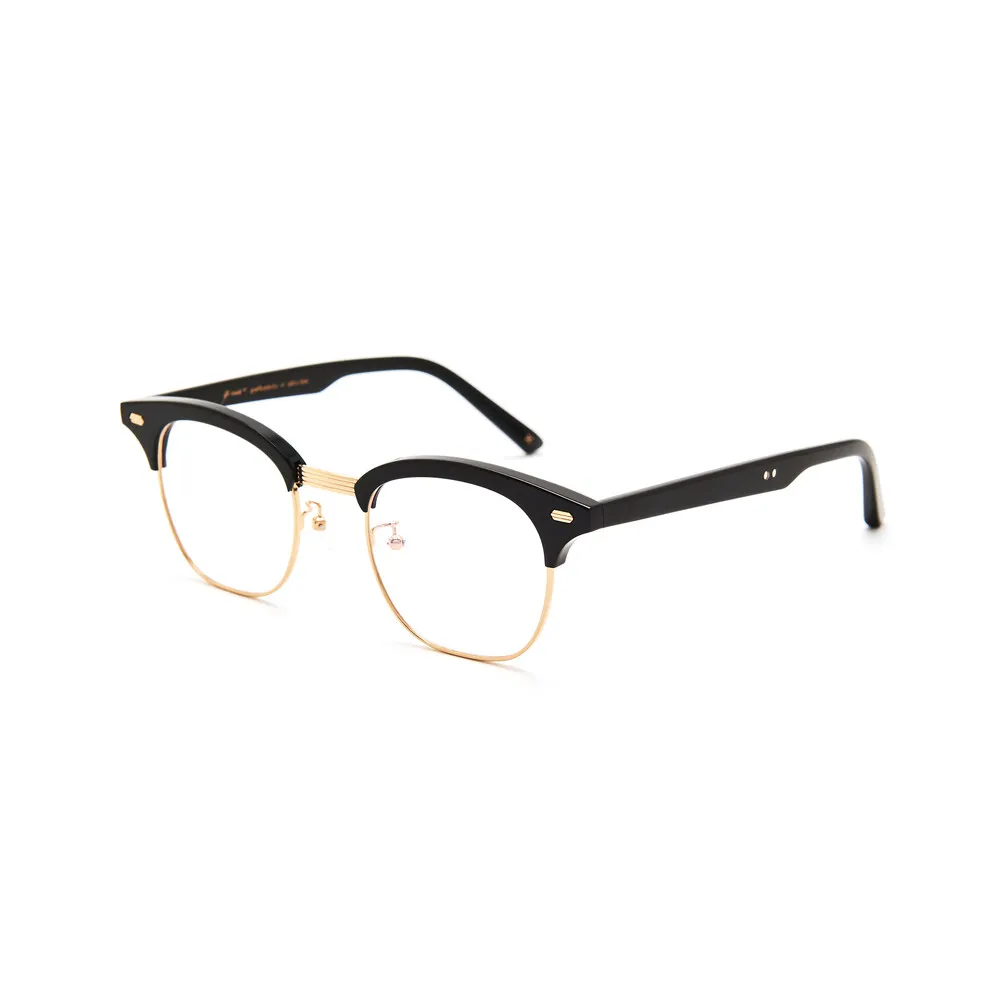
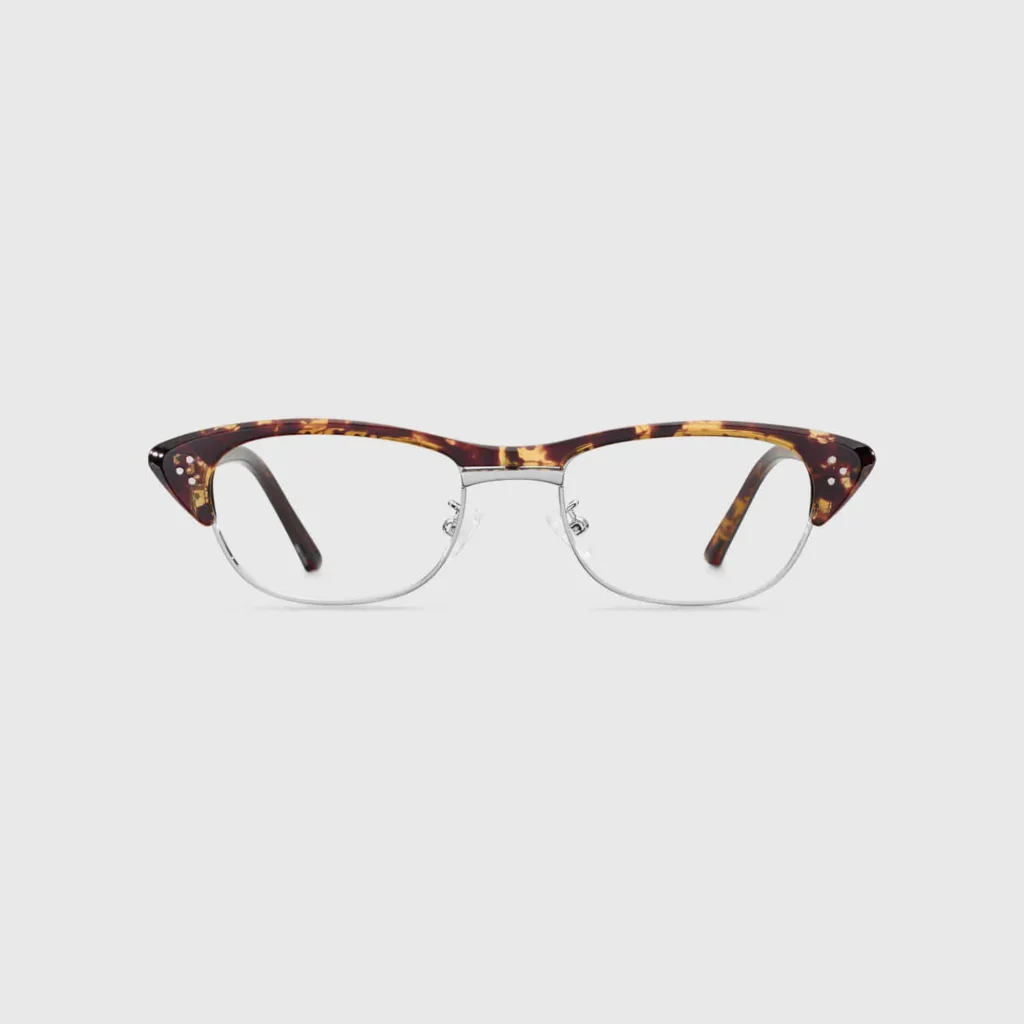
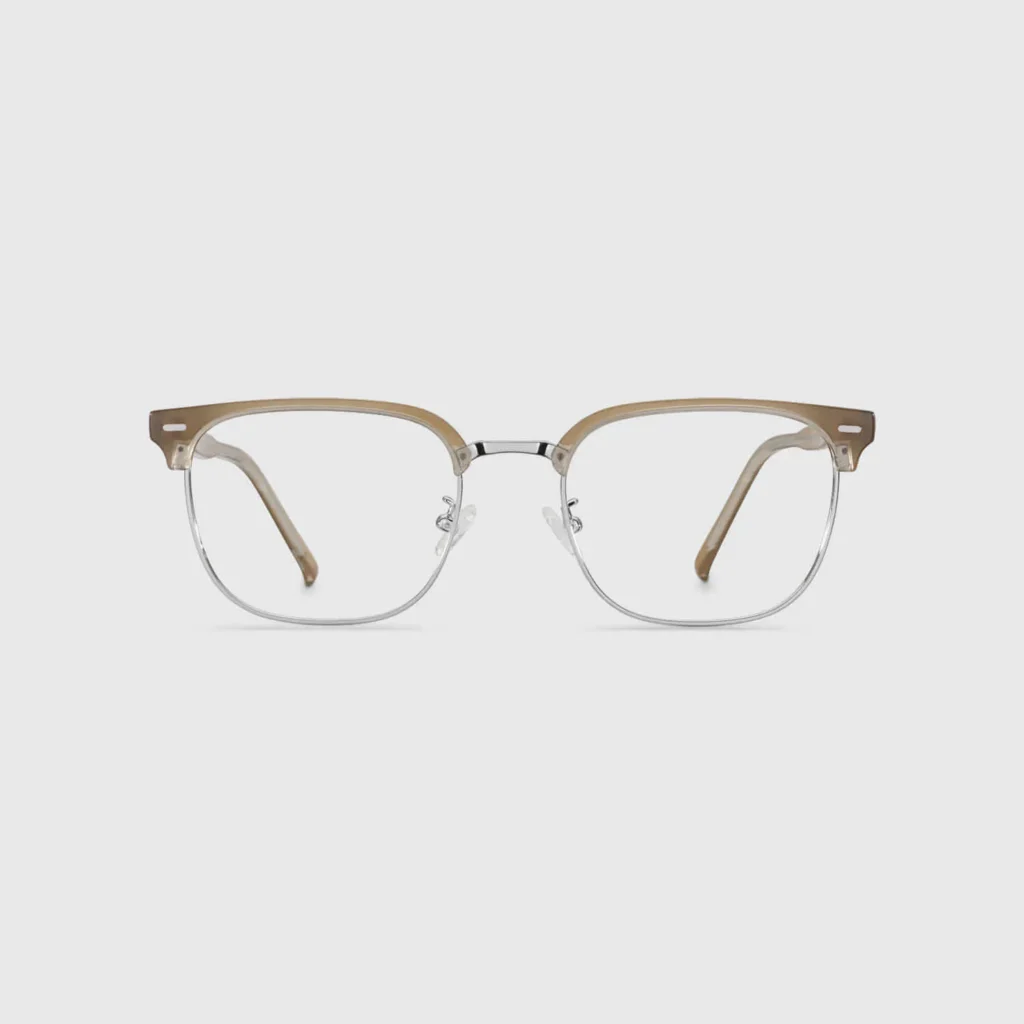
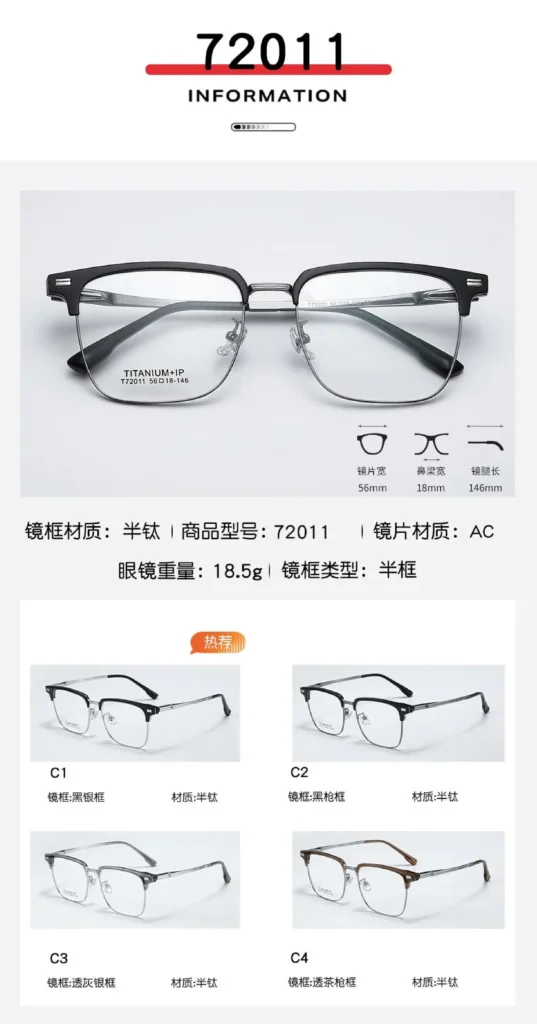
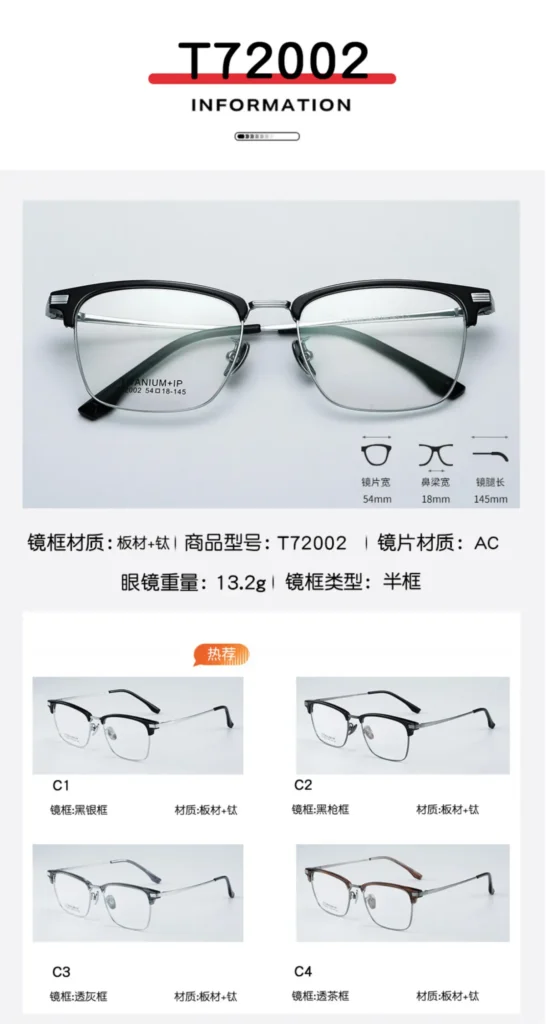
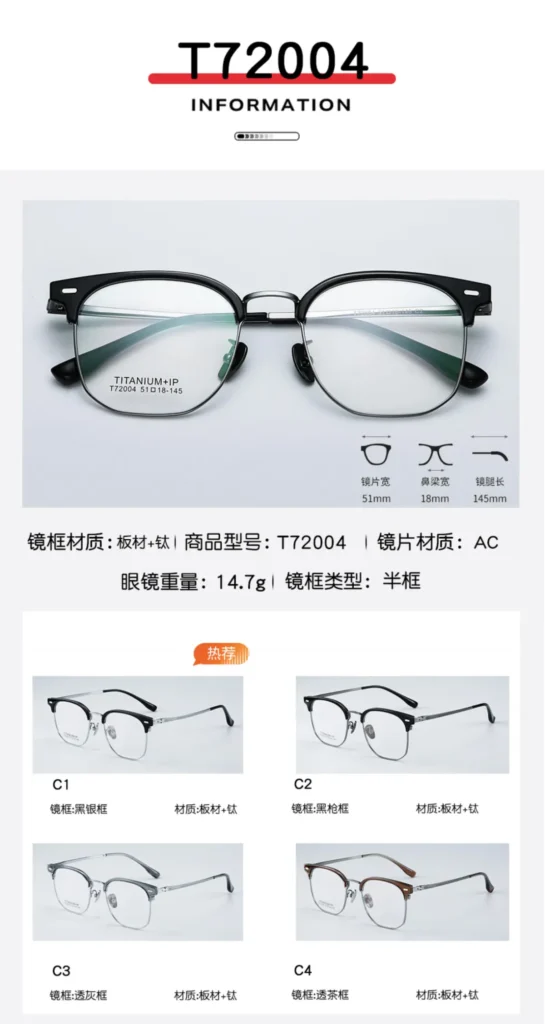
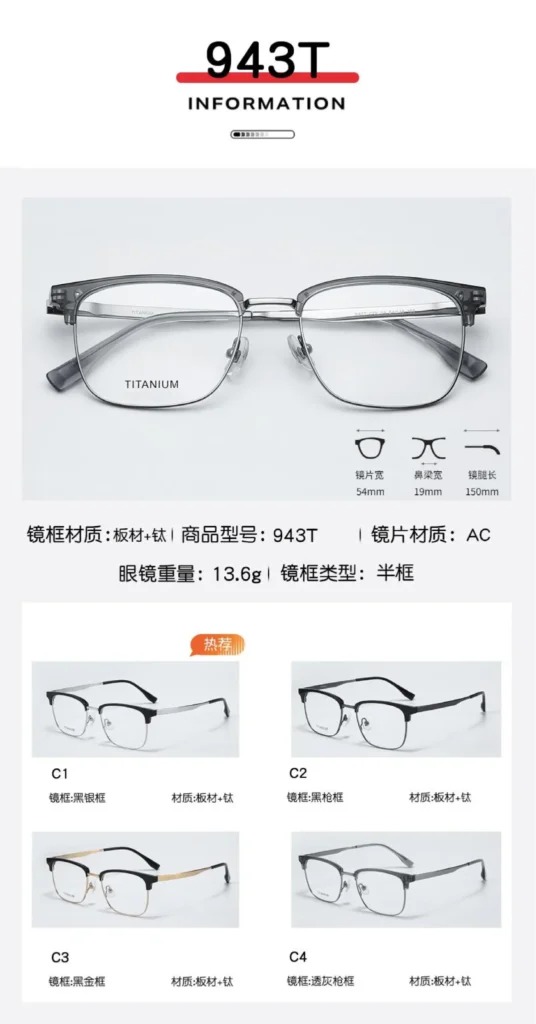
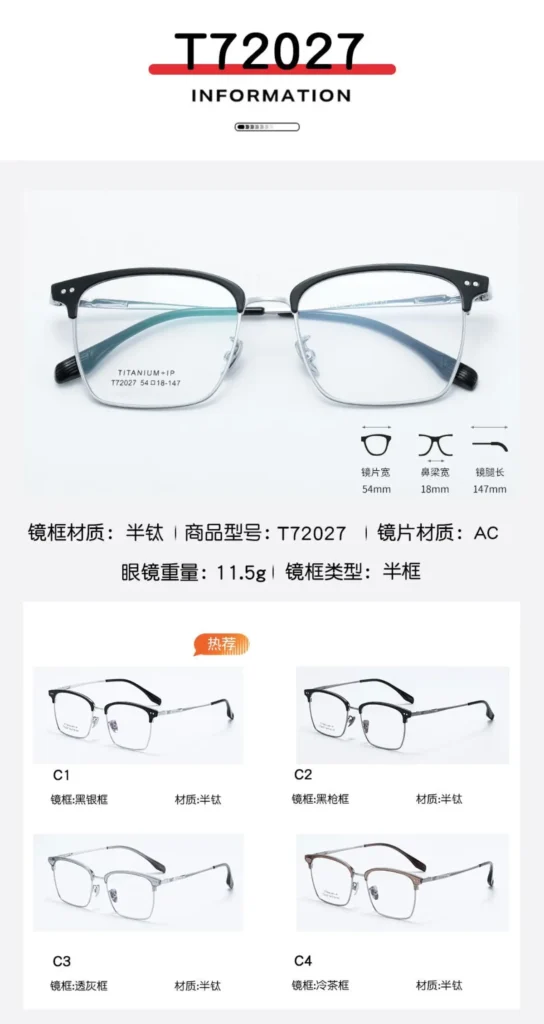
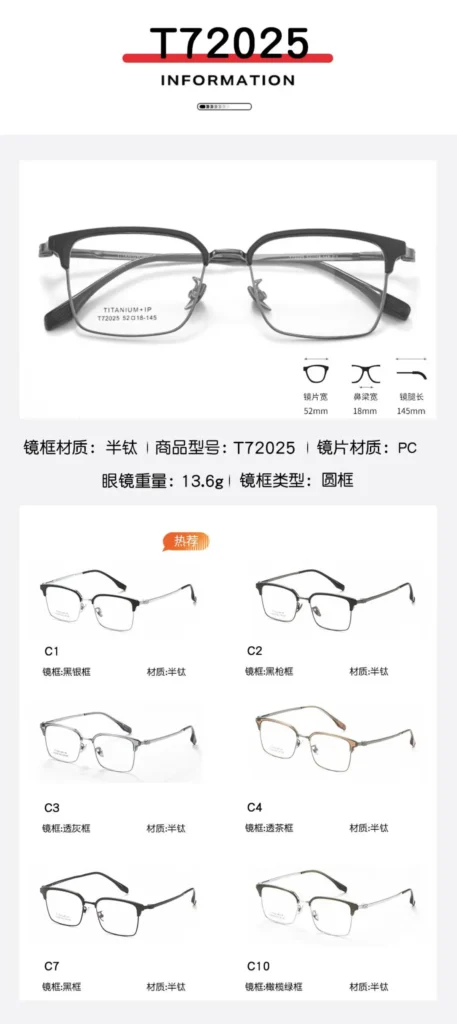
- Acetate brow bar + metal lower rim (browline style)
If your factory cannot do mixed-material frames, your K-fashion collection will be limited to single-material constructions — which limits your market positioning.
Wenzhouframe K-Fashion Capabilities
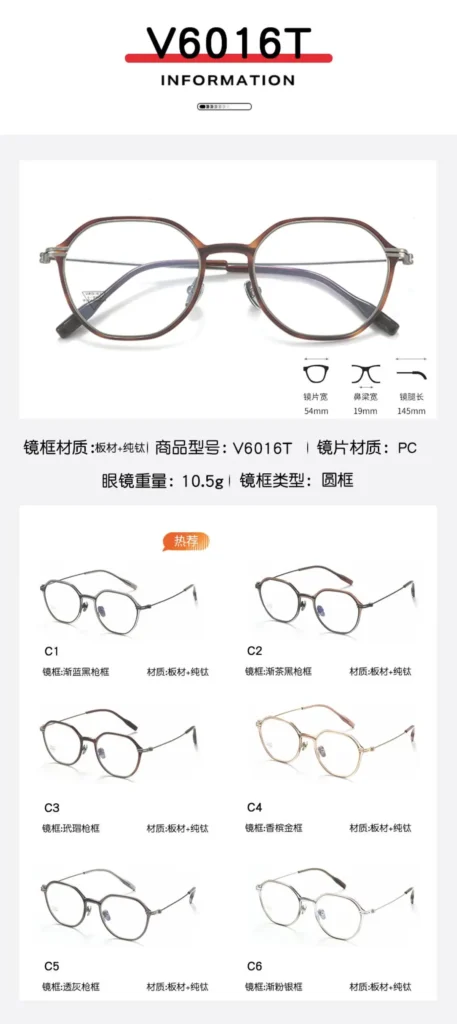
- Full material range: Acetate, TR90, titanium, stainless steel, and mixed-material constructions. Every K-fashion frame type is manufacturable.
- Low-bridge engineering: Adjustable metal nose pad arms on acetate frames standard. Silicone pad integration available. Bridge curve modification for budget options.
- Oversized frame tooling: S136 molds for TR90 oversized (54mm+). 4-5 axis CNC for sculptural acetate shapes.
- Pastel and transparent color development: Custom color matching for K-fashion palettes. Batch consistency controls for reorders.
- Sample turnaround: 3D-printed samples in 7-14 days. Full production samples in 3-4 weeks.
Building a K-fashion collection from concept to shelf? Share your target market and brand positioning — we will develop a SKU plan with the right material, fit, and color specifications.\

6.17_11.webp)