
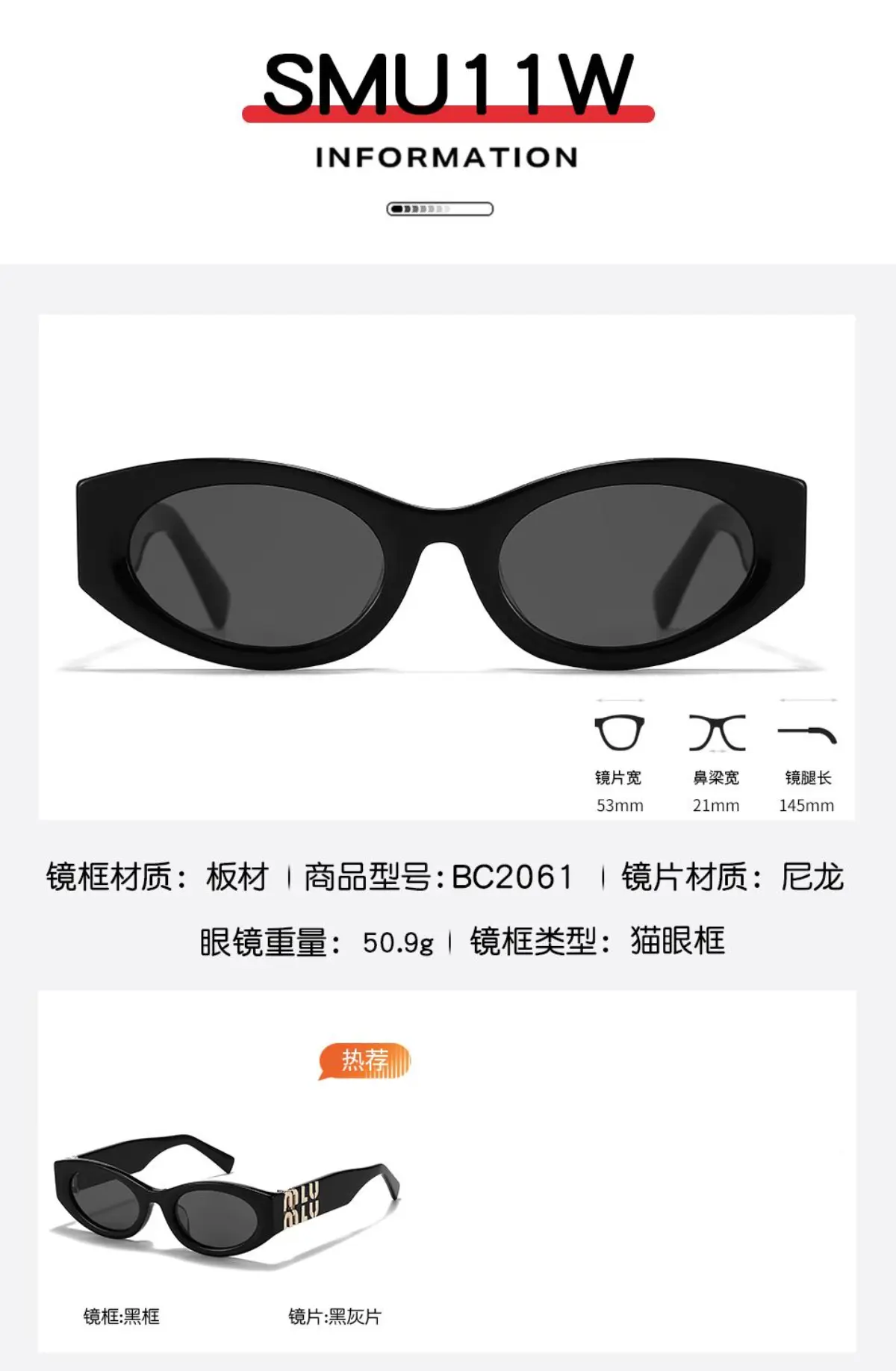
Black acetate frames outsell every other color combined in most markets. They are the navy blazer of eyewear: everyone needs one, nobody questions the choice, and the quality difference between a good one and a bad one is obvious up close but invisible from a distance. That last part is the problem for B2B buyers.
Two black acetate frames can sit side by side on a display, look identical, and have a 300% price difference. The difference is not in the color — it is in the material depth, the edge polish, the hinge quality, and the finishing time that went into making black look expensive rather than cheap.
Why Black Acetate Endures Every Trend Cycle
Black is the single frame color that transcends every trend cycle, every market, and every demographic. The reasons are structural, not fashionable:
- Authority signal: In professional settings globally, black frames signal seriousness. A 2025 recruitment industry survey found candidates wearing black frames were perceived as 23% more competent in first-impression scenarios.
- Universal compatibility: Black works with every skin tone, every hair color, every outfit. No other frame color can make this claim. This makes black the safest inventory bet for any retailer.
- Cultural weight: From the classic Wayfarer to the architect’s rectangular frame, black acetate carries cultural associations that transcend fashion seasons.
The Three Archetypes of Bold Black Frames
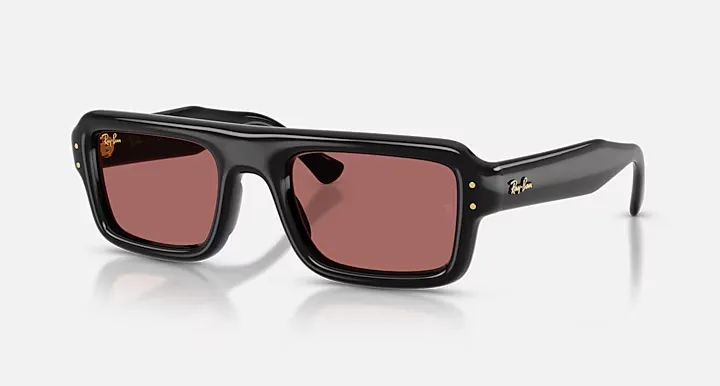
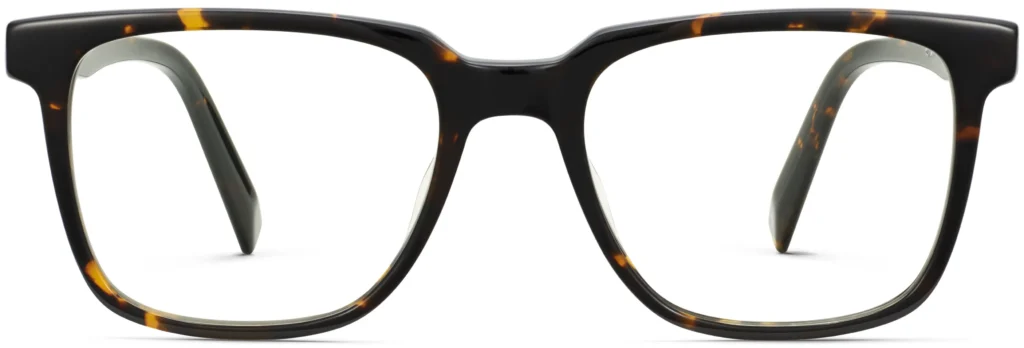
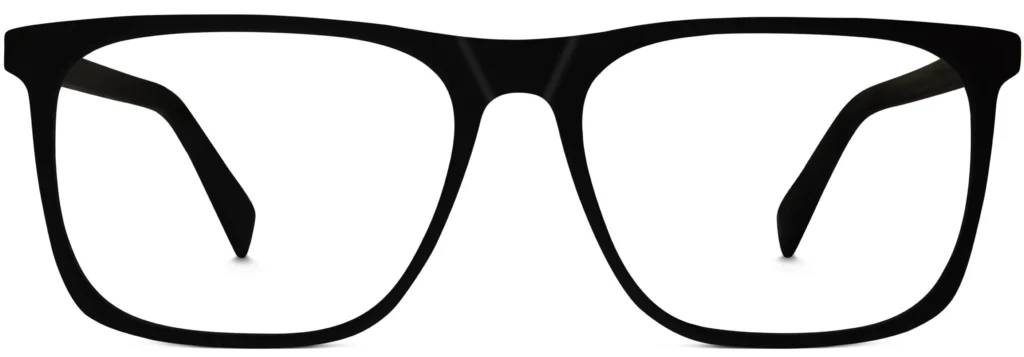
1. The Architectural Rectangle
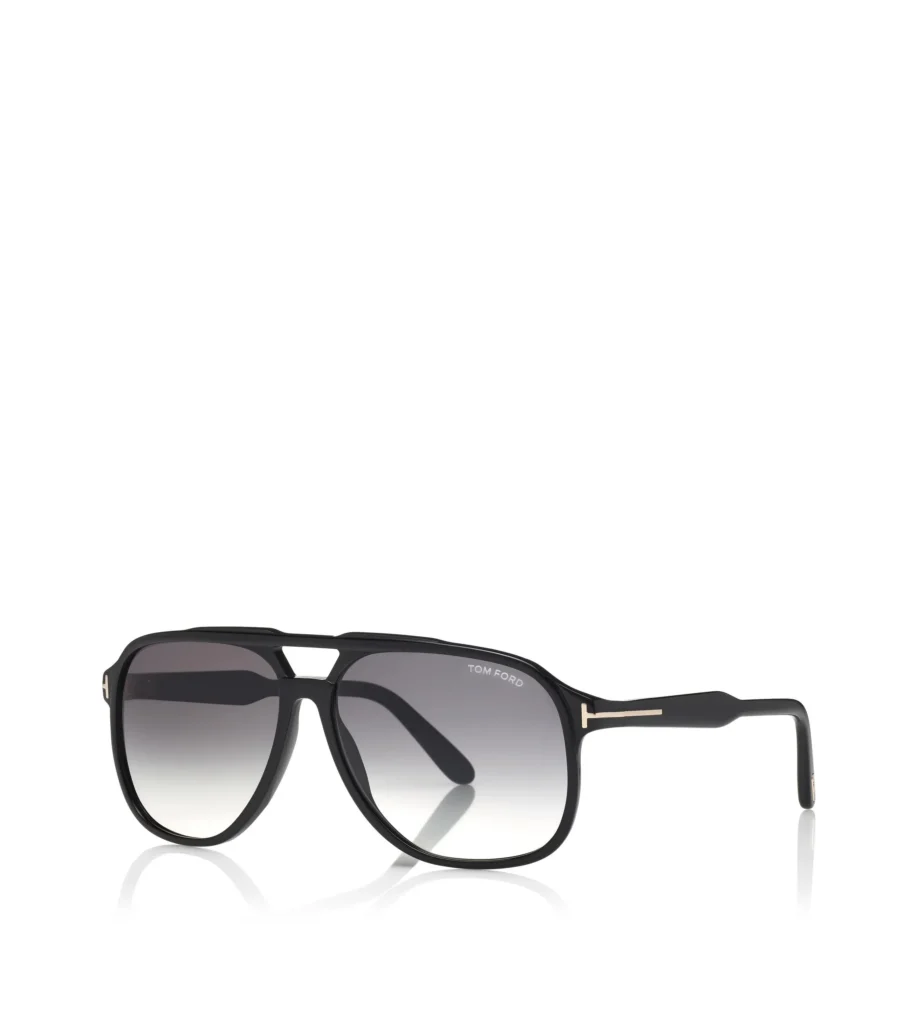
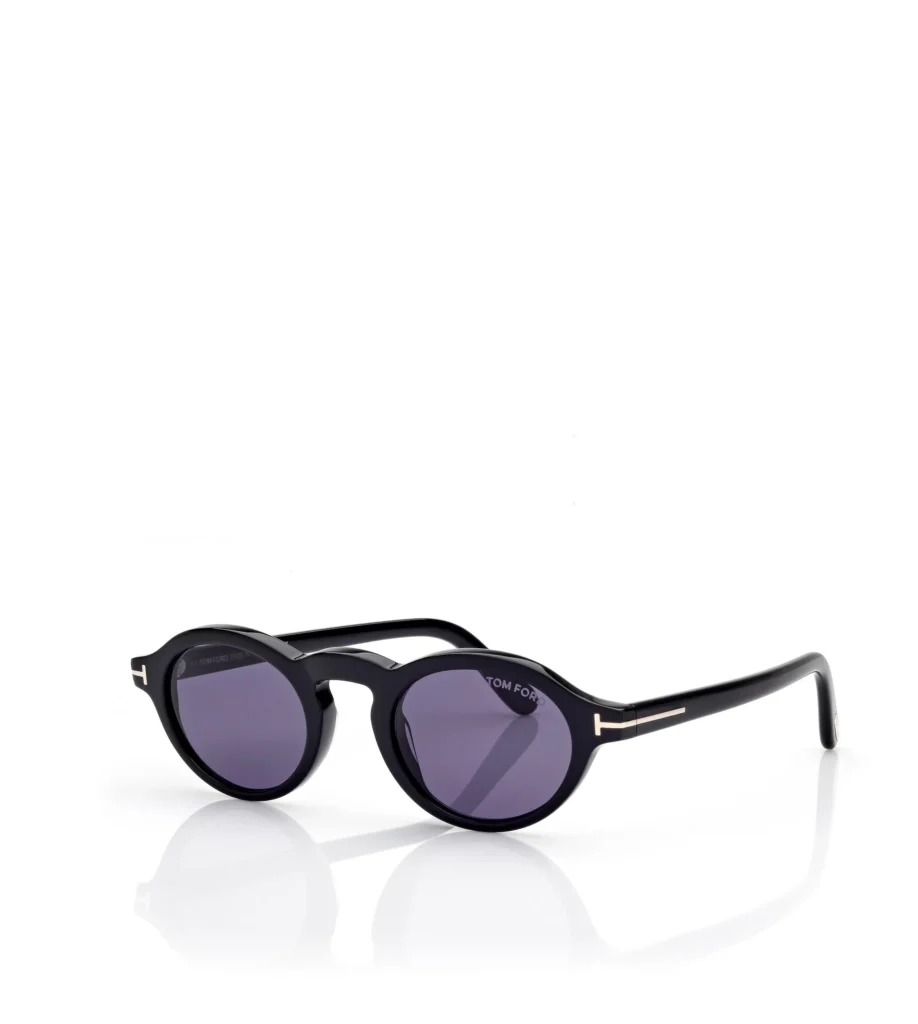
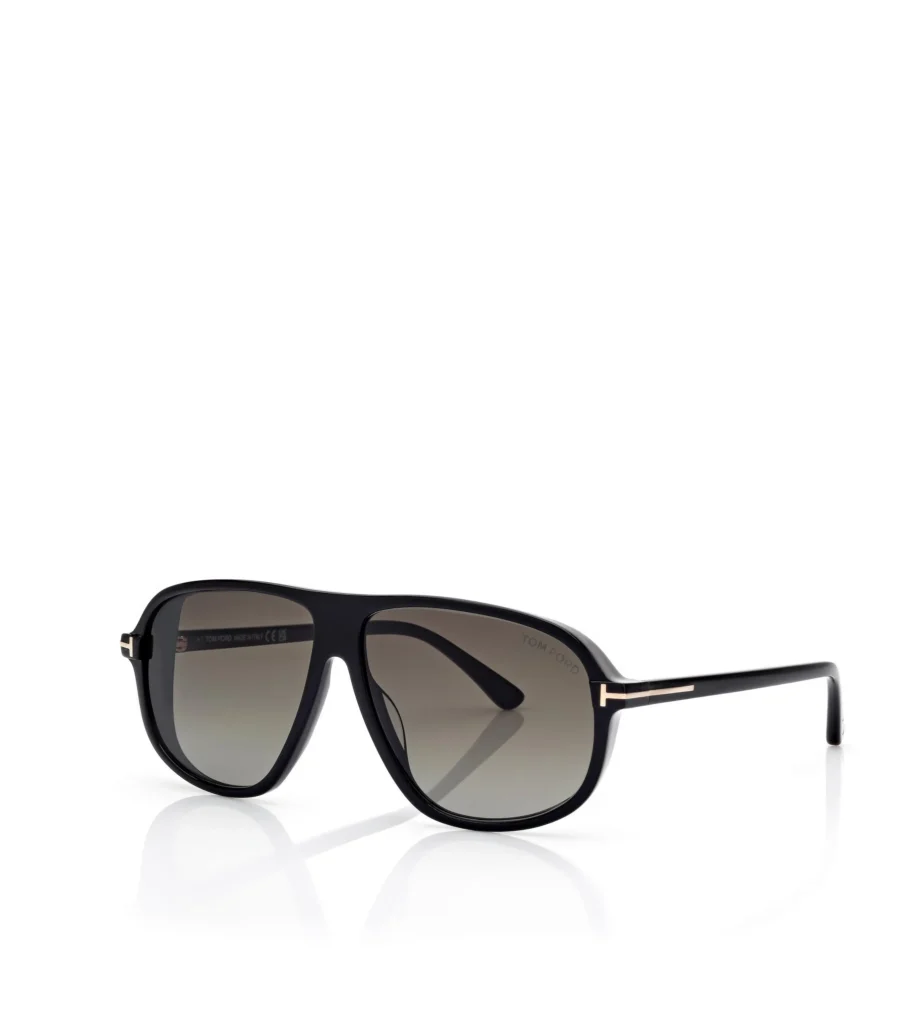
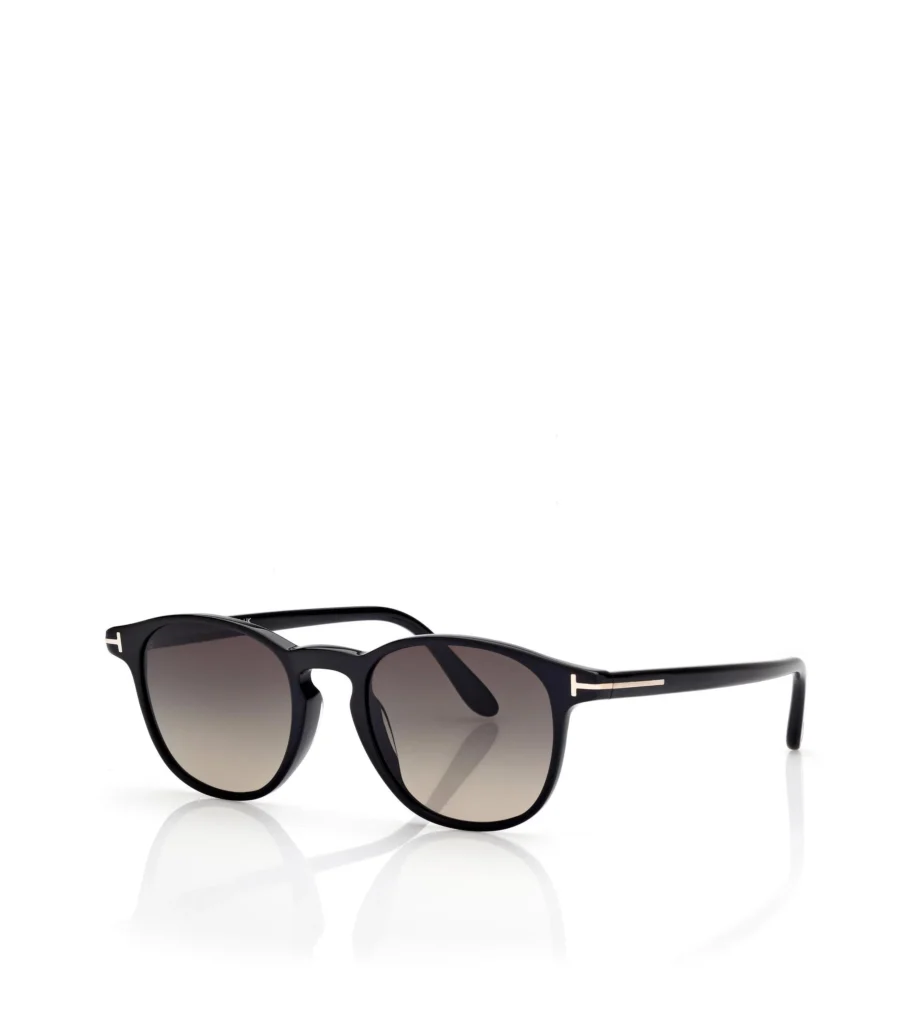
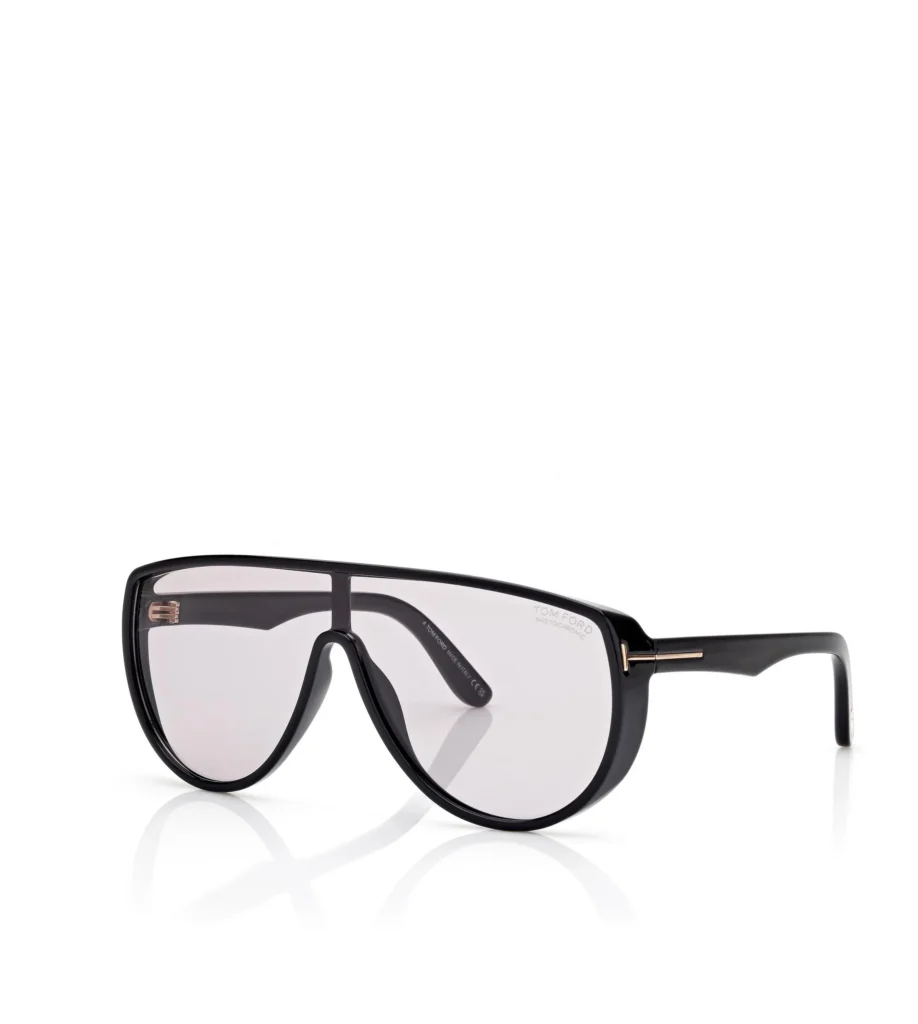
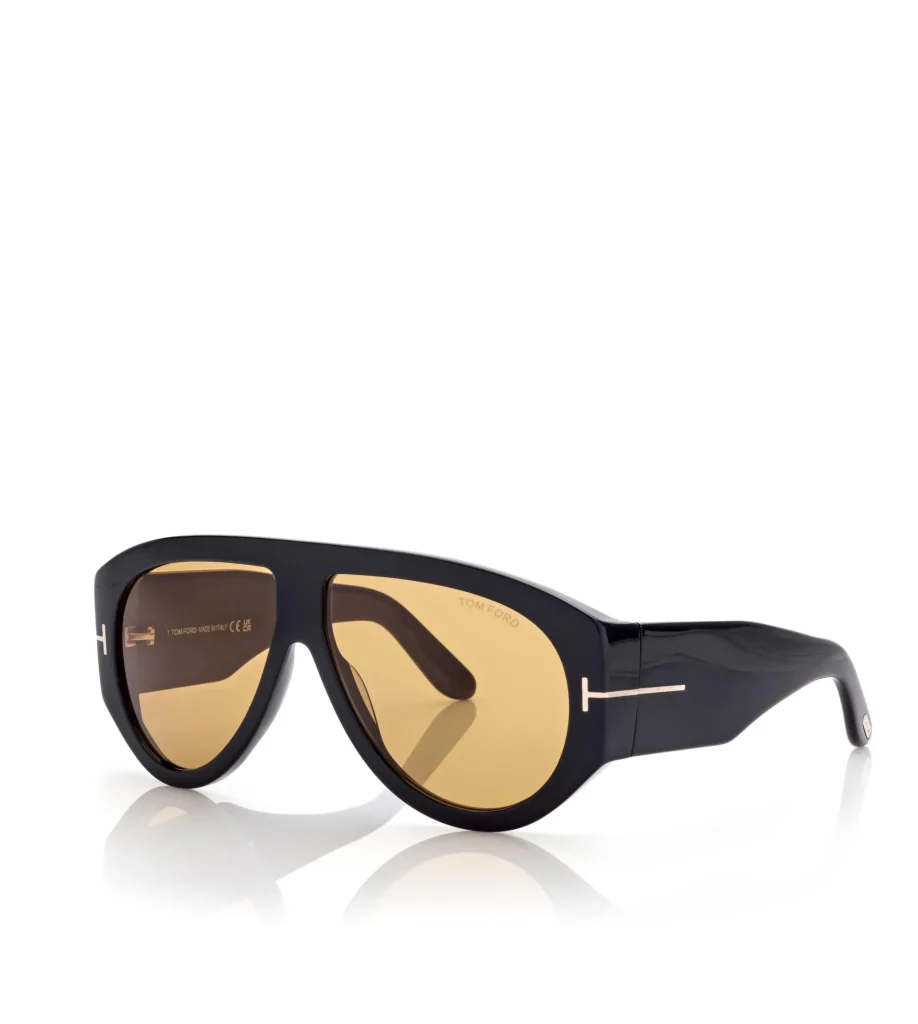
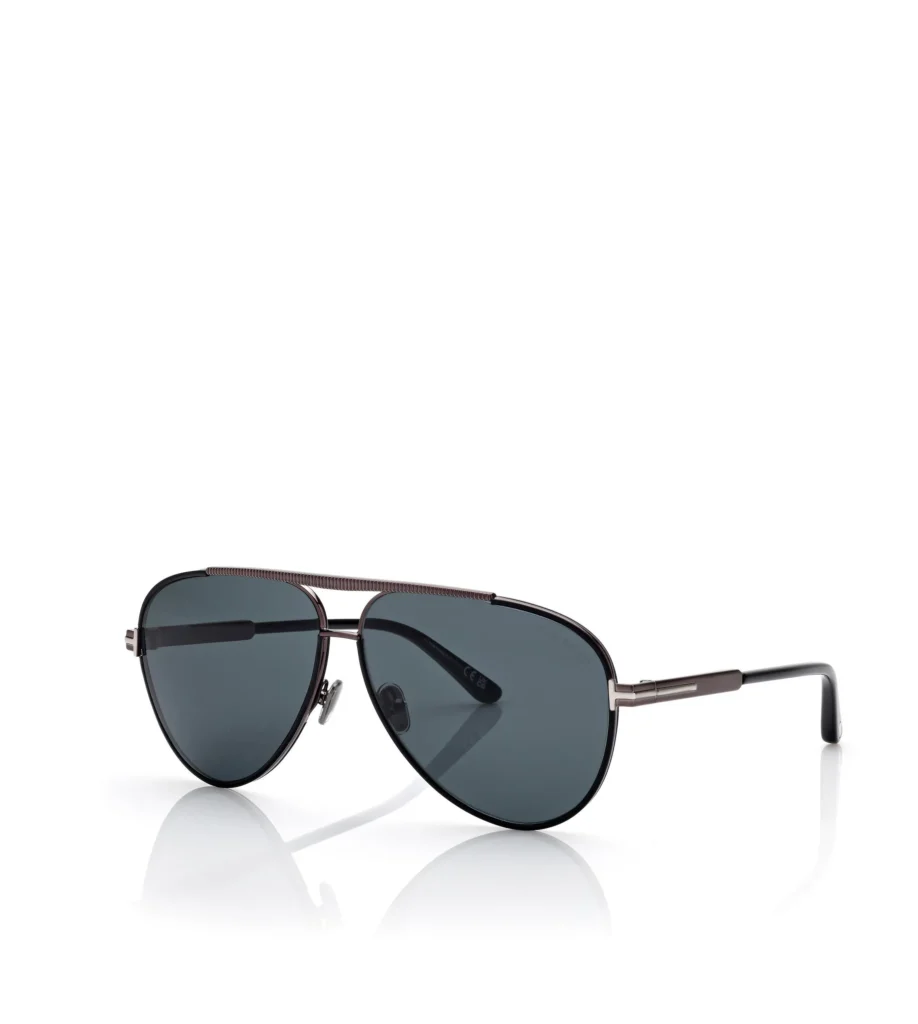
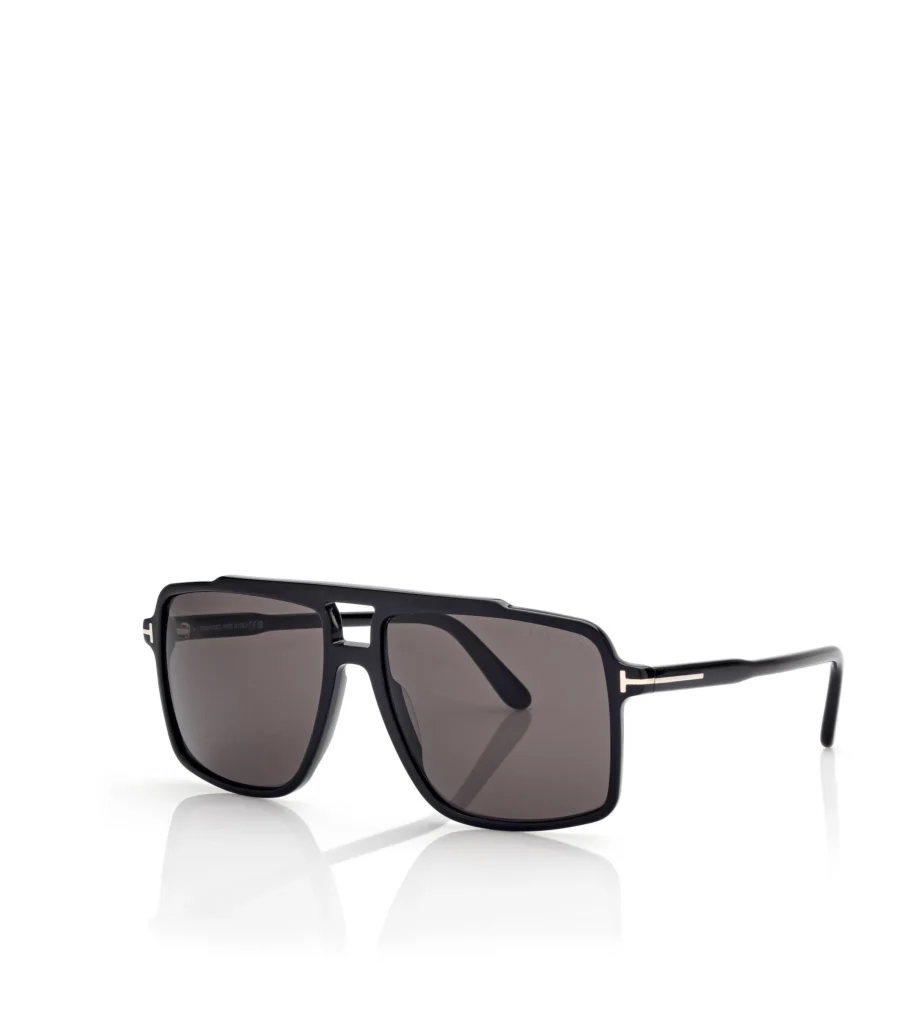
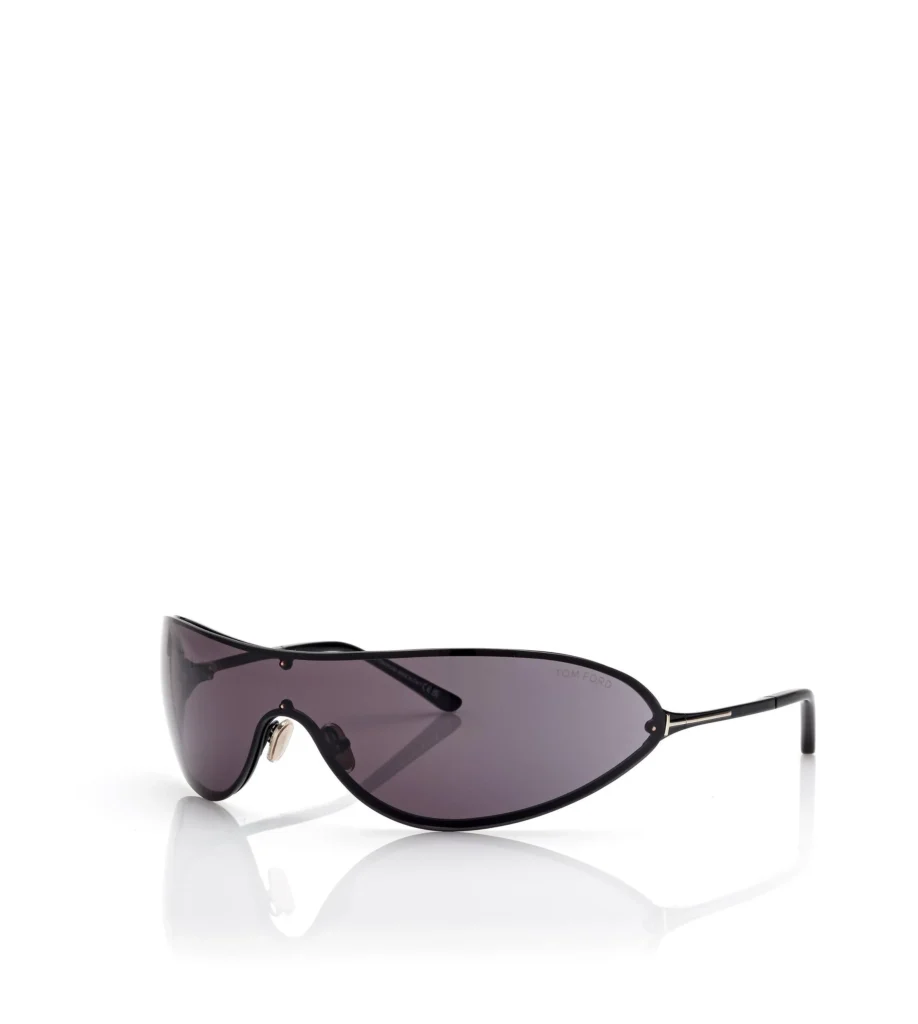
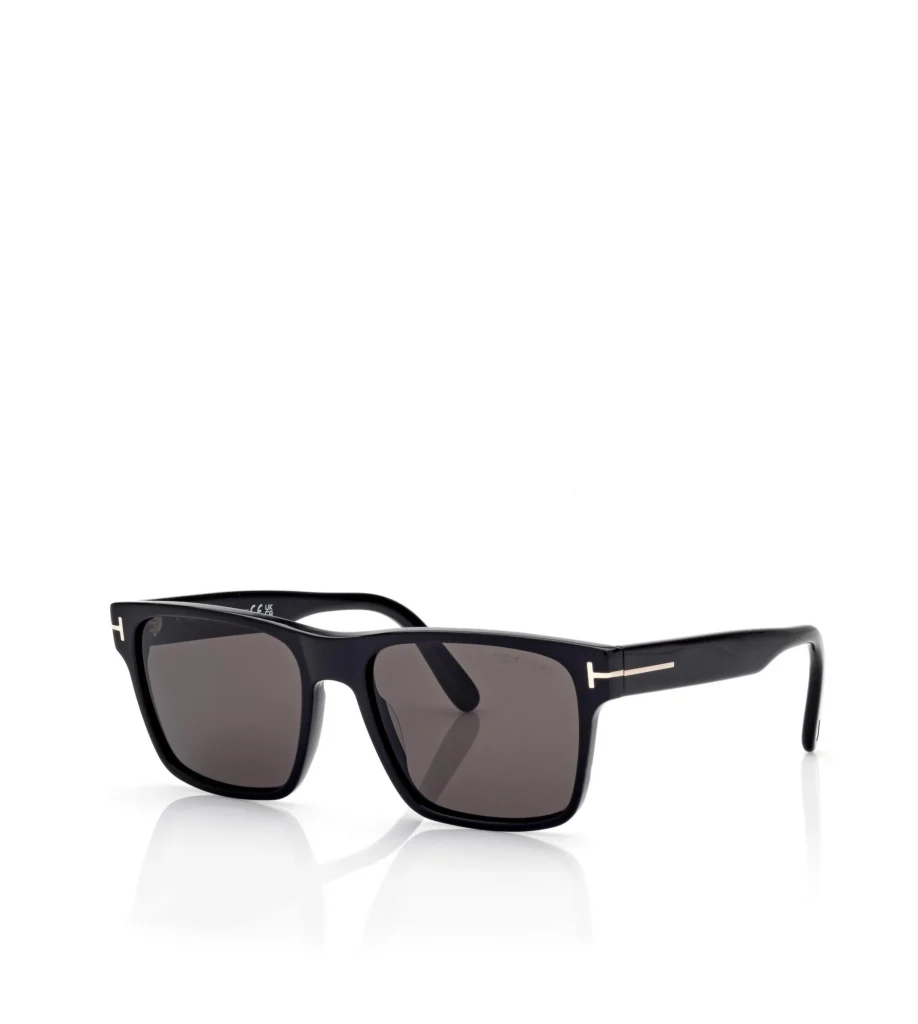
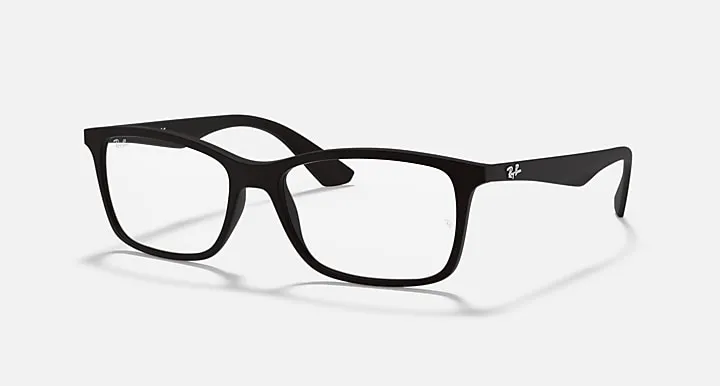
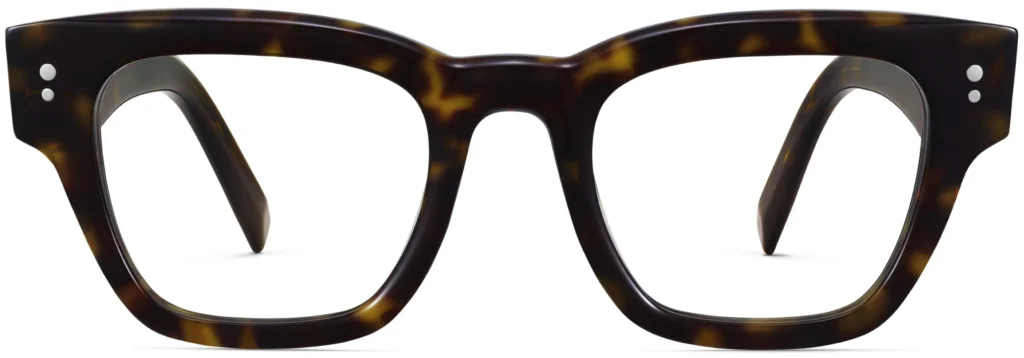
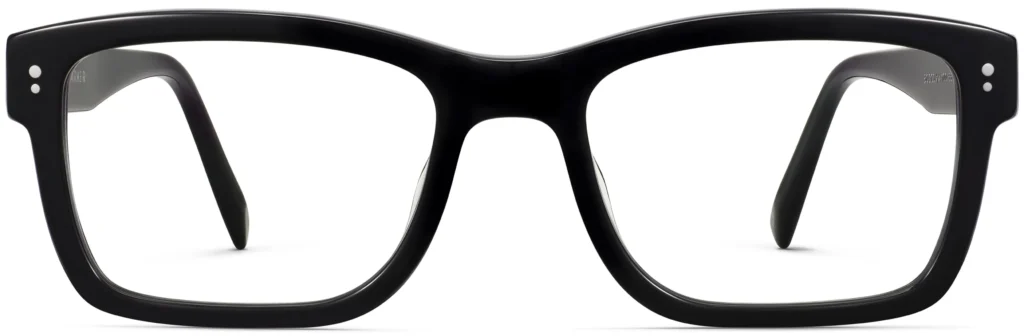
Sharp, structured, 5-6mm thick. The “creative director” frame. Tom Ford ($350–$600) owns this space with their T-bar hardware detail. The 2026 version is slightly more proportioned — less oversized, more precise. Width sits at or just below the cheekbone.
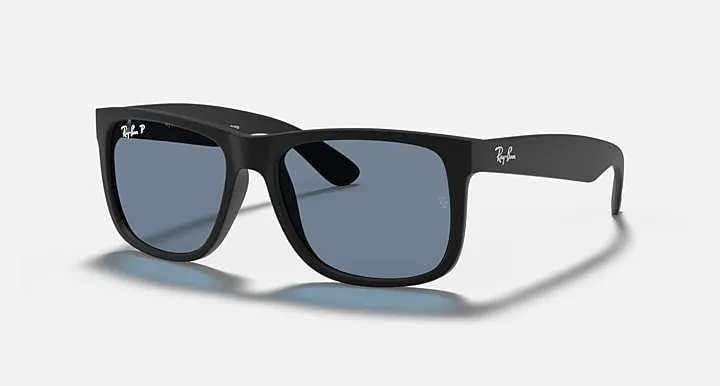
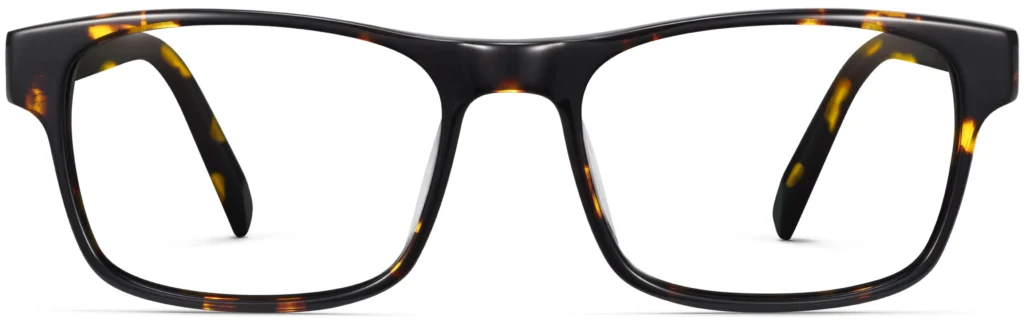
2. The Iconic Wayfarer Square
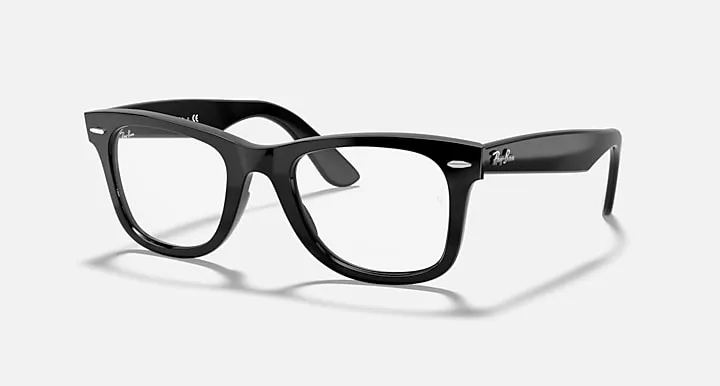
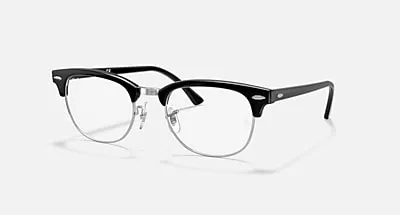
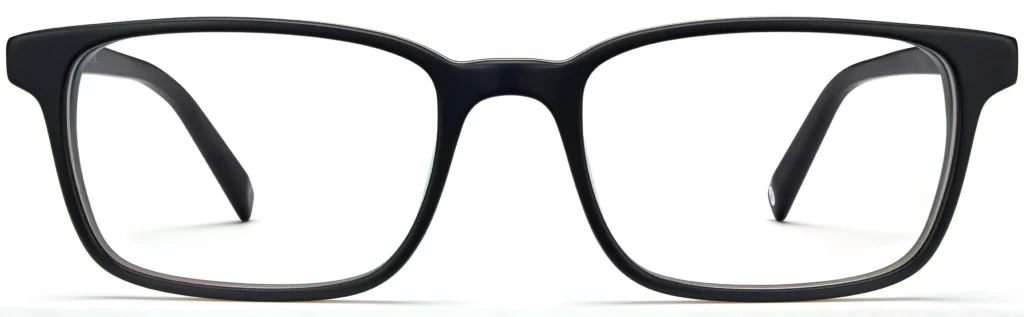
The shape that Ray-Ban ($180–$350) defined in 1952 and has been copied by every manufacturer since. In 2026, the trend is toward slightly slimmer profiles — the “modern Wayfarer” — rather than the chunky originals. The key quality indicator: even wall thickness throughout the frame. Budget versions have visibly thicker tops and thinner bottoms because the acetate was not properly milled.
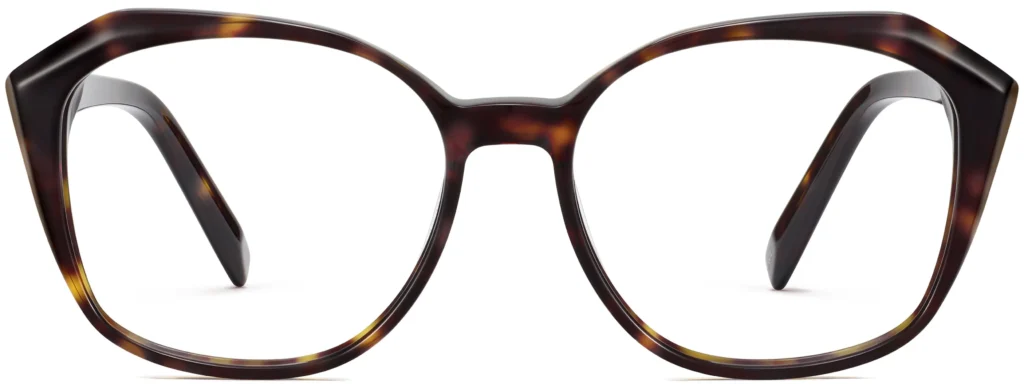
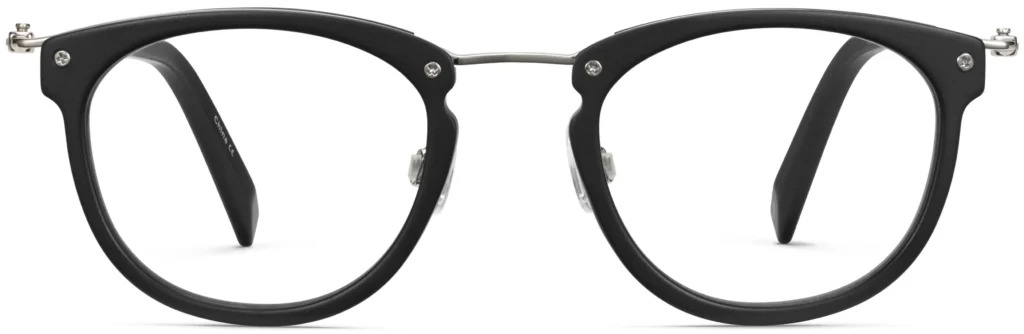
3. The Oversized Round / “Nerd” Frame
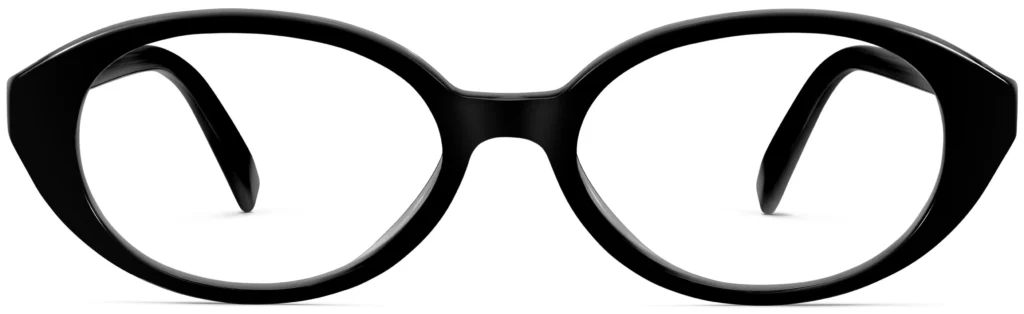
Thick black round frames, 48-52mm lens width. Oliver Peoples and Persol make the premium versions. The 2026 version pairs the round shape with matte black finish rather than gloss — a subtle shift that reads as more design-forward.
Brand Benchmarks at Every Price Tier
Luxury Statement ($350+)
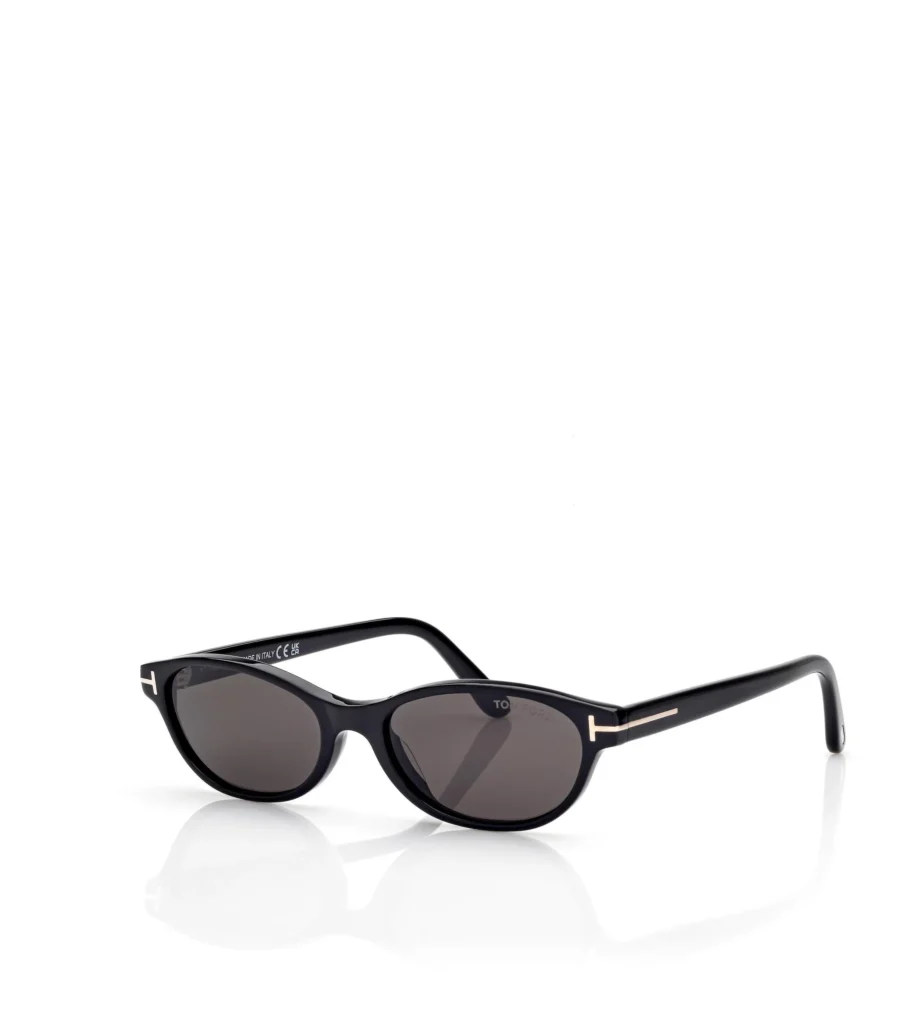
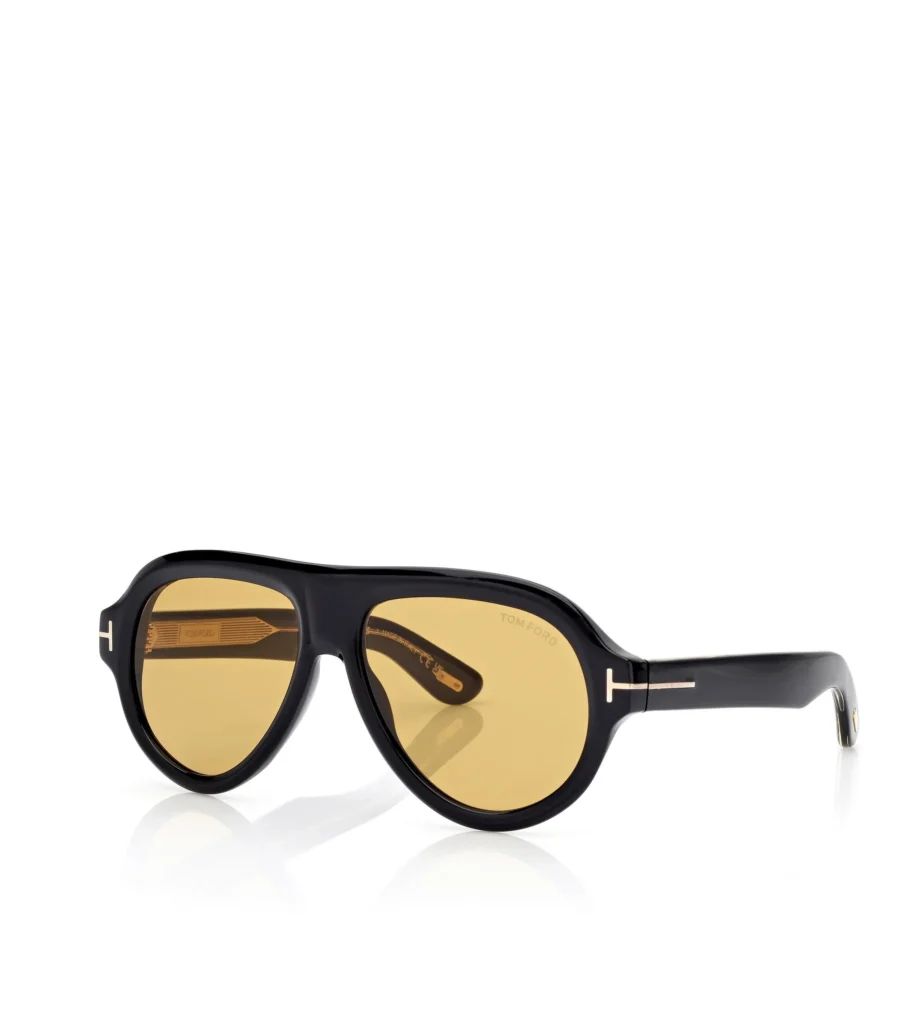
Tom Ford ($350–$600) and Dita ($500–$1,800) prove that black acetate can command luxury pricing when the construction quality and brand narrative justify it. Dita uses Grade 5 titanium through the entire frame structure even in their acetate models — the hinge, temple core, and bridge reinforcement are all titanium. This is invisible to the consumer but creates a frame that never loosens or warps.
Accessible Premium ($150–$350)
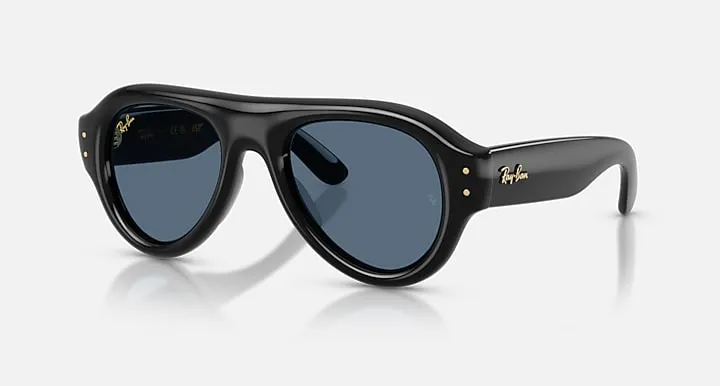
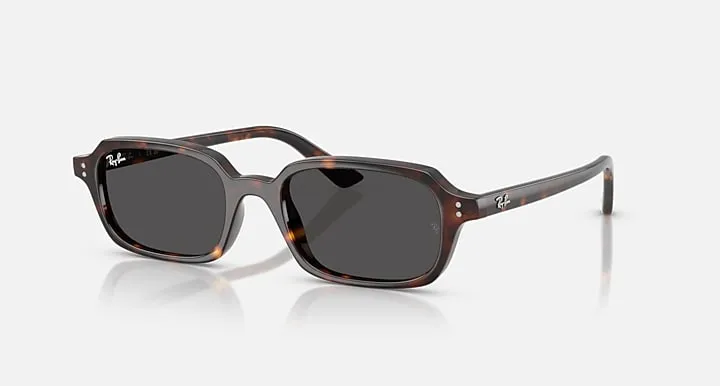
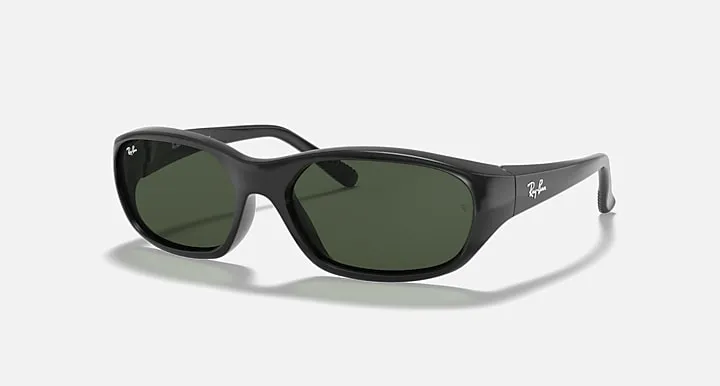
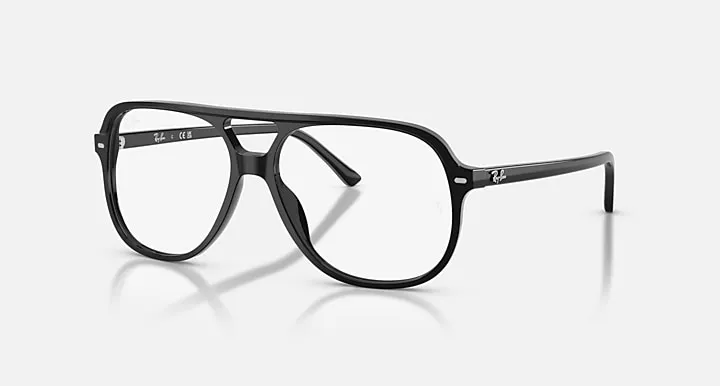
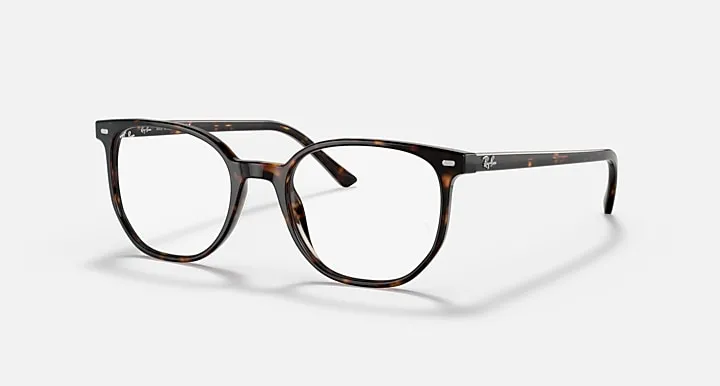
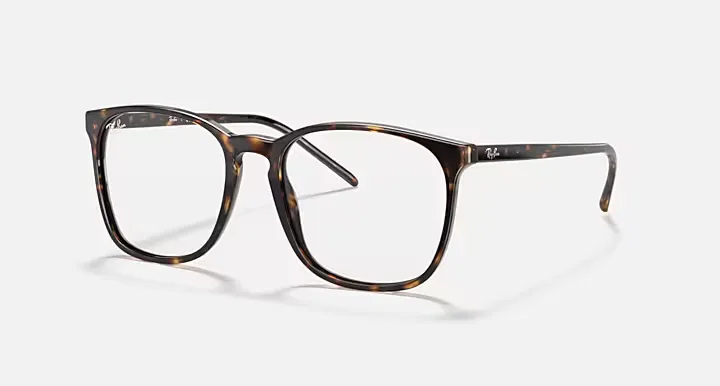
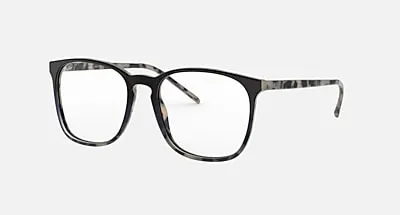
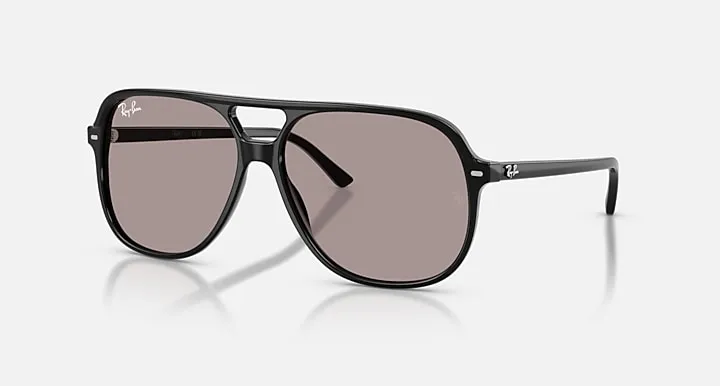
Ray-Ban and Persol ($180–$350) dominate this tier. Their black acetate uses standard Mazzucchelli sheets — not proprietary colorways like their tortoiseshell — which means the quality is consistent but not differentiated. The premium comes from brand heritage, not material exclusivity.
Volume DTC ($50–$175)
Warby Parker ($95–$175) and Zenni ($7–$50) move enormous volume in black acetate. At these prices, the acetate is standard Chinese grade. Warby Parker’s black frames hold up reasonably well for 12-18 months. Zenni’s ultra-budget options show wear faster. The takeaway: black acetate at volume price tiers is a commodity, and differentiation must come from shape and fit rather than material quality.
What Makes a Premium Black Acetate Frame
The counter-intuitive truth: black is the hardest color to manufacture well in acetate. Here is why:
Material Depth
Low-grade black acetate is flat — it absorbs all light. Premium black acetate has a translucent quality visible only at the edges and cross-sections. Light enters the material and interacts with the pigment, creating a subtle depth that cheap black lacks. This is the difference between “black plastic” and “black acetate” — and consumers notice it even if they cannot articulate why.
Edge Polish
The lens groove edge and the frame cross-section are where quality shows. A properly polished black acetate edge has a liquid-mirror gloss. A budget edge looks matte and rough. This requires the full barrel polish sequence (3 stages, 72-96 hours for premium) plus double hand-polish. Factories that skip to 16-24 hours save cost but the edge tells the story.
Hinge and Hardware Visibility
Black frames make their hardware visible. A bright nickel hinge against deep black acetate creates visual dissonance. Premium black frames use dark-finished or matte hardware. Dita uses black-plated titanium hinges that disappear into the frame. If your factory only offers standard nickel hardware, your black frames will always look slightly “off” at close range.
Matte vs. Gloss Finish
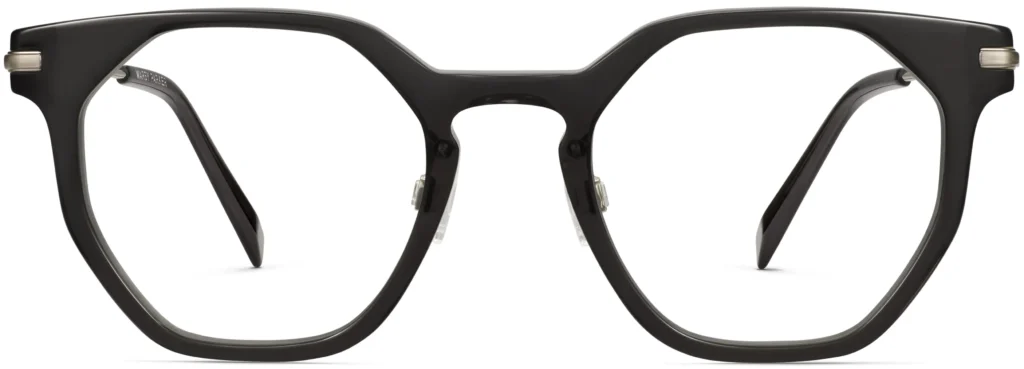
2026 is the year matte black overtook gloss black in new collection launches. Matte black reads as modern and intentional; gloss black can look either classic or cheap depending on the material quality. The matte finish requires an additional production step — either a tumble with fine abrasive media or a post-polish satin coating. Specify which you want.
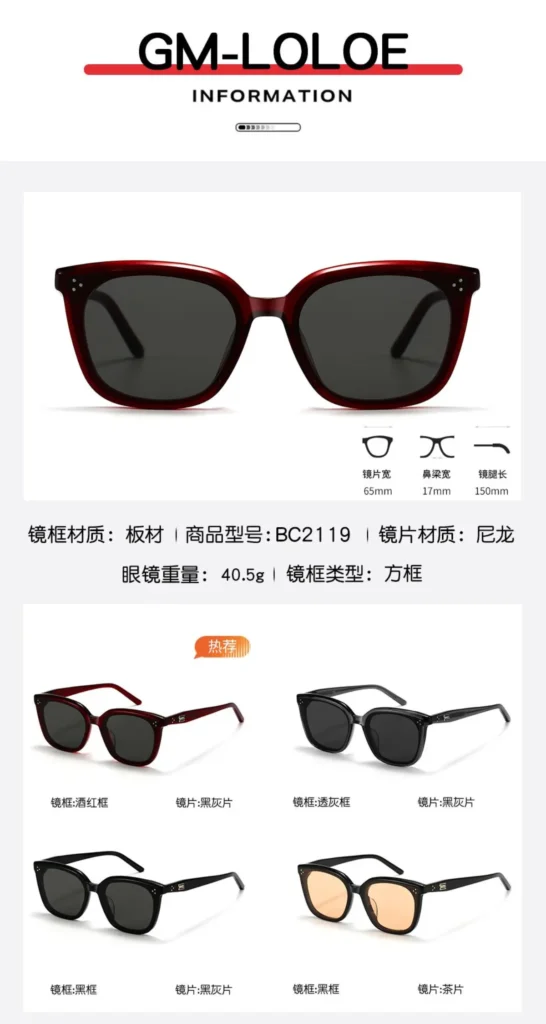
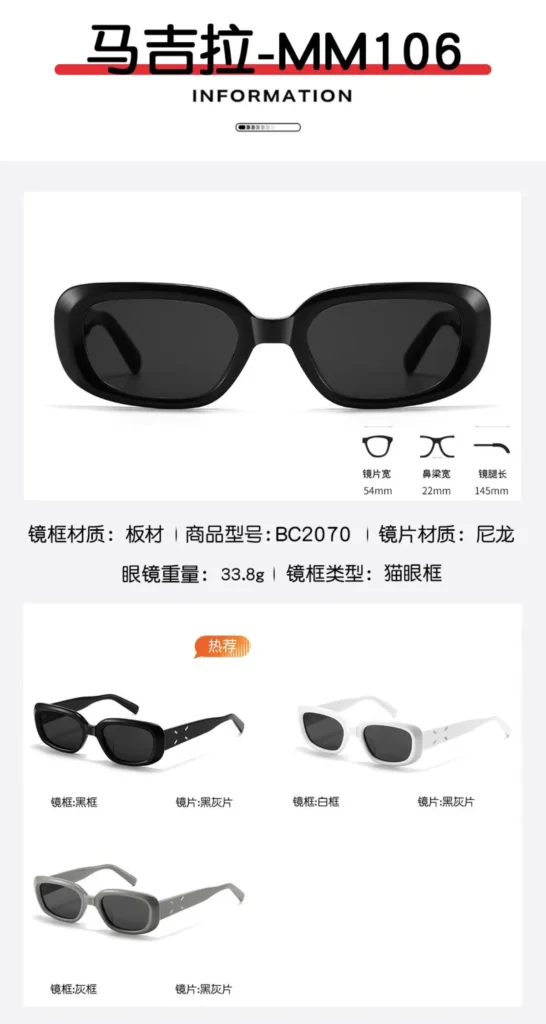
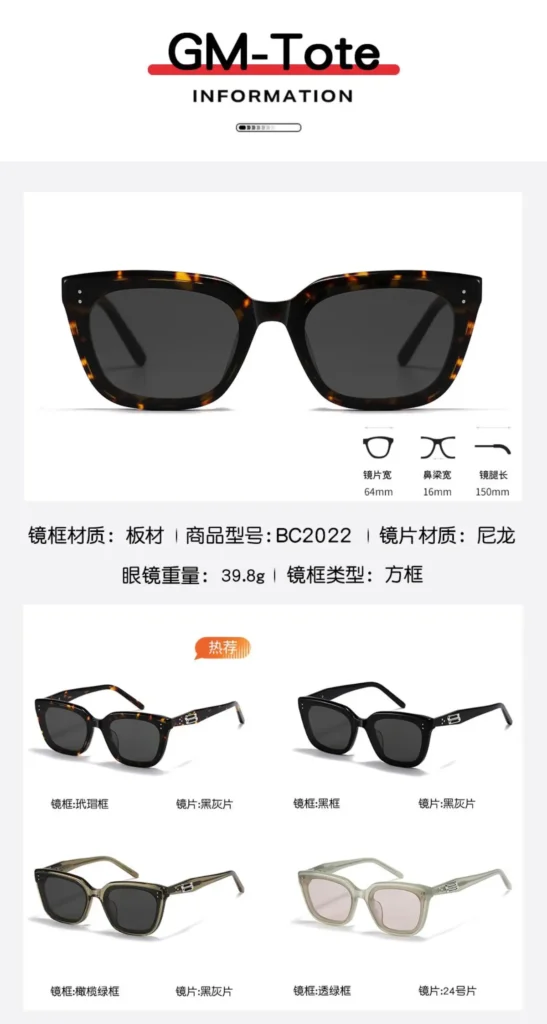
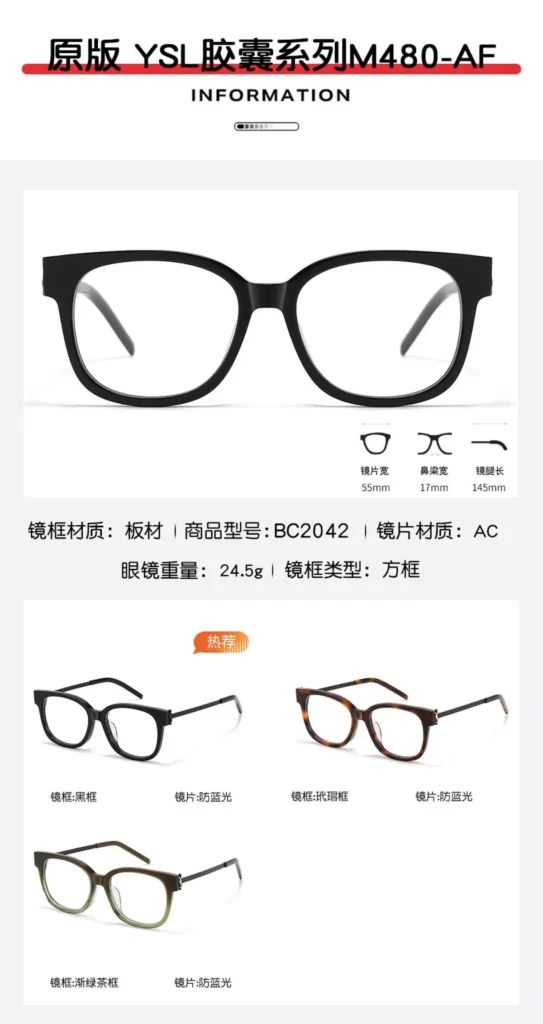
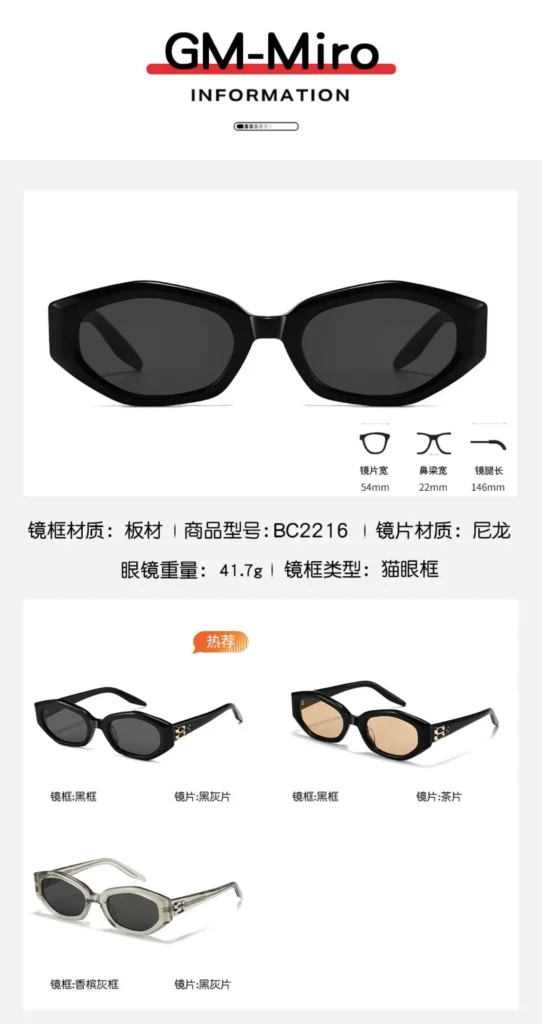
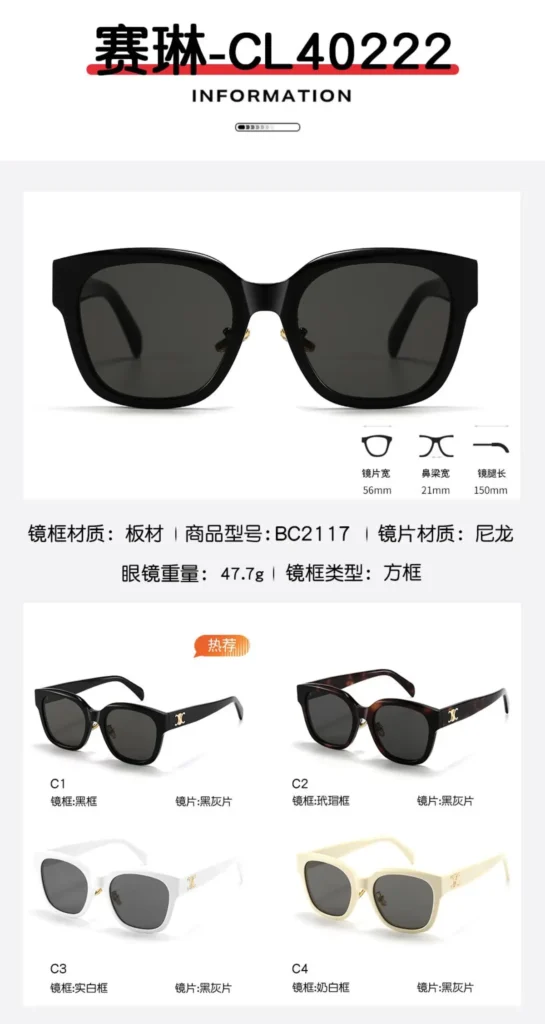


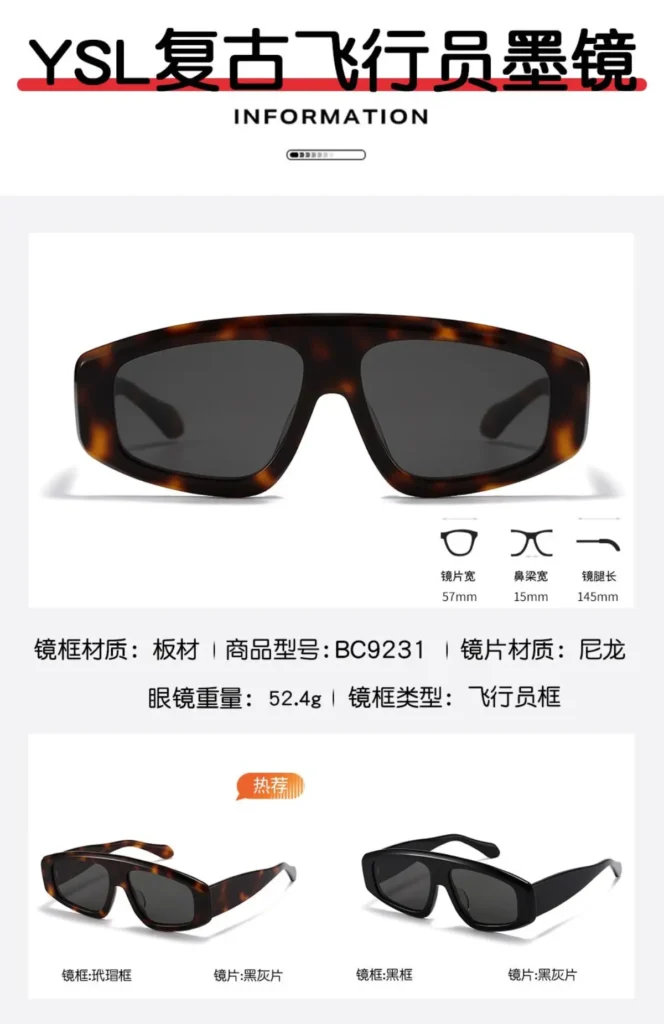

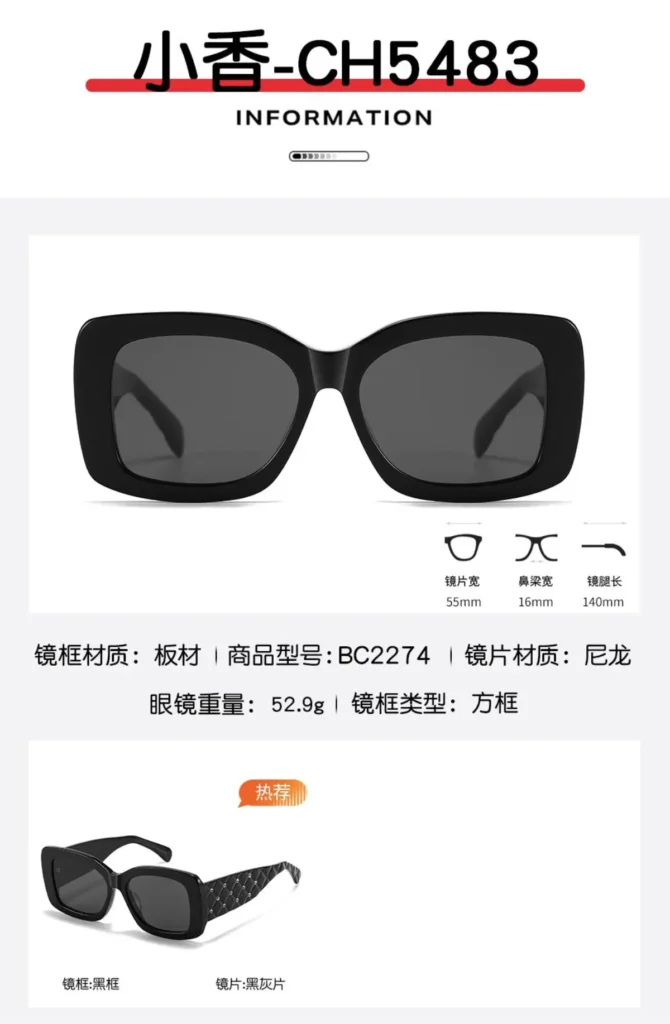
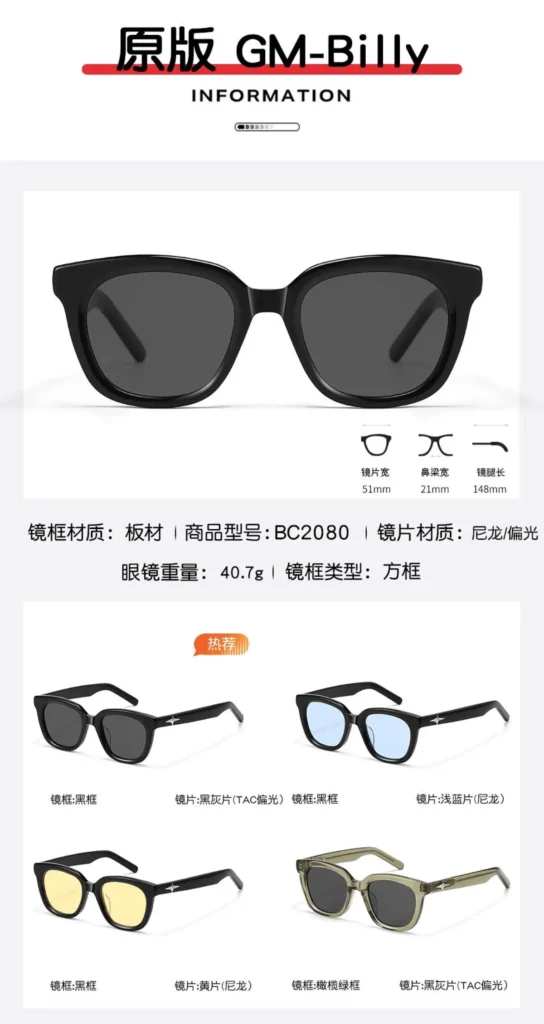
Wenzhouframe Black Acetate Production
- Acetate sourcing: Mazzucchelli 1849 for premium black with genuine material depth. JH800-grade for mid-range. Both through-colored, not surface-dyed.
- Finish options: High-gloss “liquid” polish (full 3-stage barrel + double hand-polish) or modern matte finish (tumbled + satin-coated).
- Hardware: Dark-finished barrel hinges standard. OBE (Germany) and KANGHUA (China) hinge options available. Black-plated titanium hinges for premium collections.
- Wall thickness consistency: 4-5 axis CNC at ±0.1mm tolerance ensures even thickness. No visible thin spots at the bridge or bottom rim.
- Acetate curing: 14-28 day post-cutting rest period allows solvent outgassing. Prevents the cracking that plagues budget black frames after 6-12 months of wear.
We build black frames that look expensive because the manufacturing underneath the surface is thorough. Send us your black frame reference — we will quote the same standard and explain what might have been skipped in your current supply.

6.17_11.webp)