
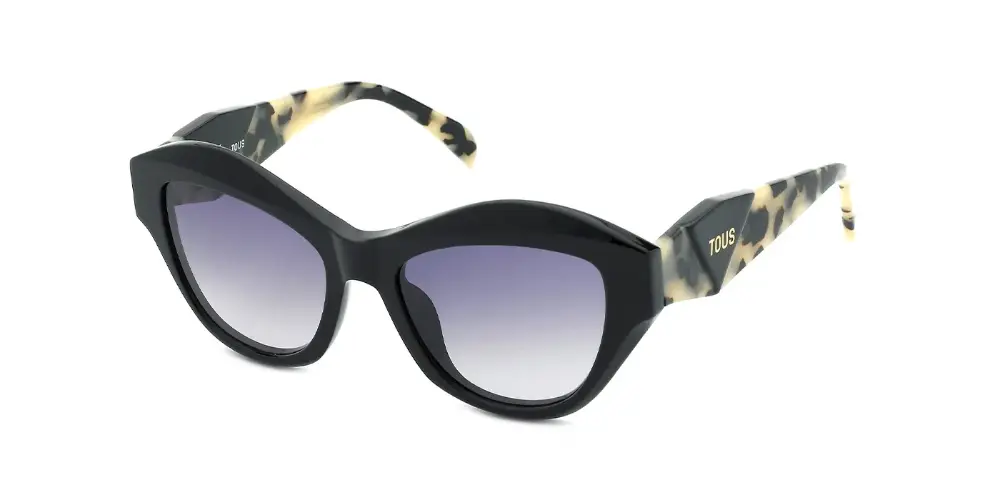
Latin America’s eyewear market is at an inflection point. A rapidly expanding middle class across Brazil, Mexico, Colombia, and Chile is driving demand for branded, fashion-forward eyewear — but at price points that international luxury brands cannot reach. The result is a massive opportunity for B2B buyers who can deliver premium aesthetic at accessible pricing.
This is a market where the gap between aspiration and affordability is your biggest commercial opportunity — if you understand the regional nuances.
Market Overview by Country
Brazil — The Largest Market
Brazil is Latin America’s largest eyewear market and the most fashion-conscious. The Brazilian consumer sees eyewear as a critical style statement — not just vision correction. Key characteristics:
- Chilli Beans: Brazil’s most popular local eyewear brand. 700+ stores across the country. Bold, colorful, trend-driven acetate frames. Price: R$150–R$400 (roughly $30–$80). The “fast fashion of eyewear” — new styles every week, accessible pricing, fashion-first.
- Lenticular: Premium Brazilian brand focusing on high-quality acetate and titanium. More sophisticated, less colorful than Chilli Beans. Serves the upper-middle segment.
- Óticas Carol: One of Brazil’s largest optical retail chains, with 1,000+ stores. Multi-brand model carrying both Brazilian and international brands.
- International brands: Ray-Ban, Oakley, and Tom Ford have strong aspirational pull but limited reach beyond the A-class consumer.
Mexico — The Growing Market
Mexico’s eyewear market is expanding as access to vision care improves and the middle class grows. Key characteristics:
- Ópticas Lux: Major retail chain with strong presence in urban centers. Carries international brands alongside private-label options.
- Devlyn: One of Mexico’s oldest and largest optical retailers, with 400+ locations. Value-oriented positioning with a broad brand selection.
- Sunglass Hut and LensCrafters: Present in major malls but accessible only to upper-middle and high-income consumers.
- Informal market: A significant portion of Mexico’s eyewear market operates through informal channels — street vendors and small shops selling unbranded or counterfeit frames. This creates both a challenge (price competition) and an opportunity (upgrading consumers to legitimate, better-quality frames at similar prices).
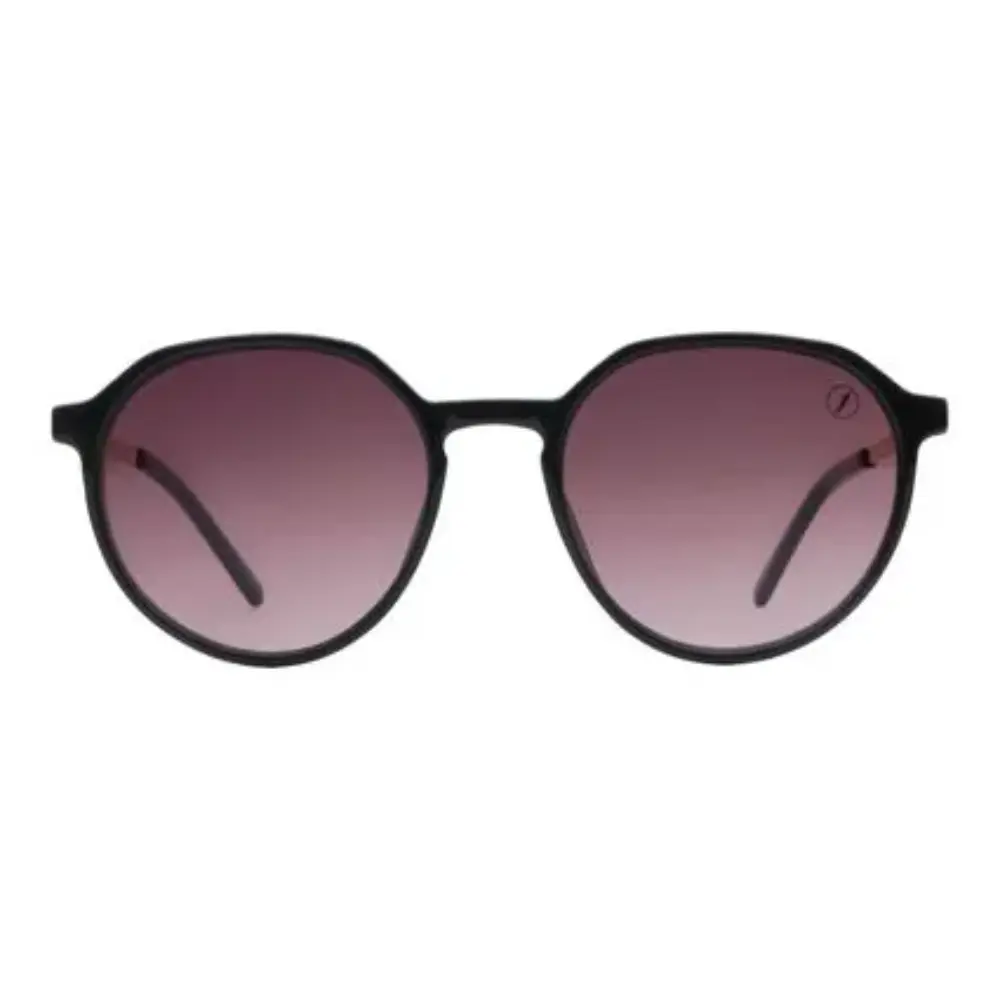
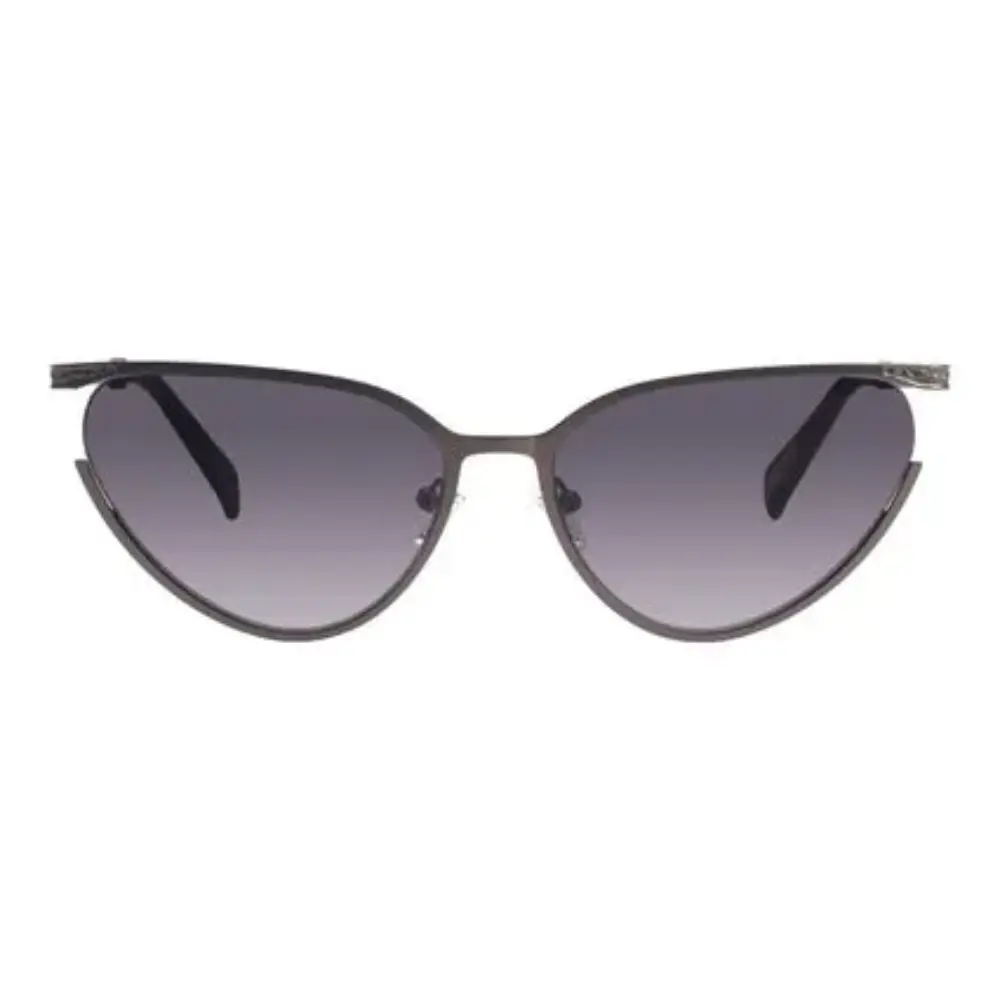
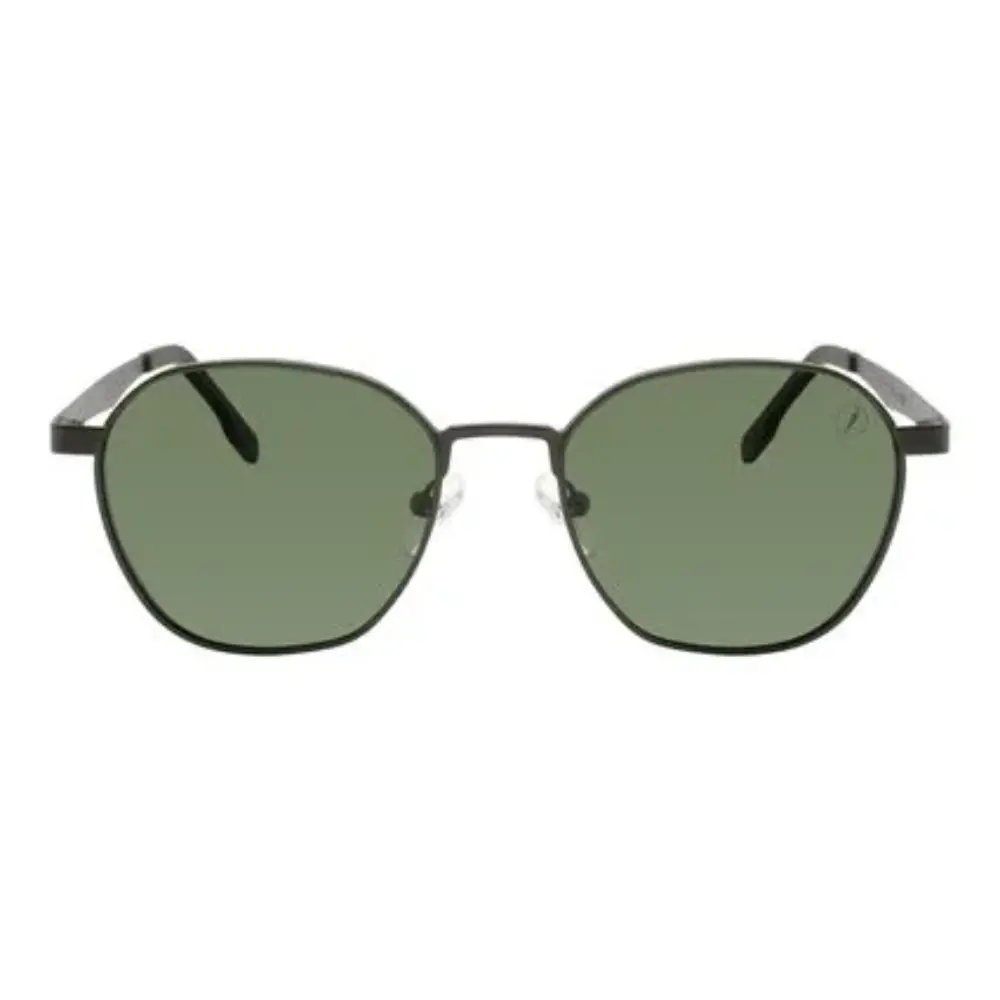
Colombia and Chile — The Rising Markets
Both markets are seeing rapid growth in organized optical retail. Colombia’s market is driven by health insurance coverage expansion (mandatory vision care in some plans), while Chile’s is driven by rising consumer sophistication. Both markets are underserved by premium brands, creating an opening for well-positioned private-label collections.
What the Latin American Consumer Wants
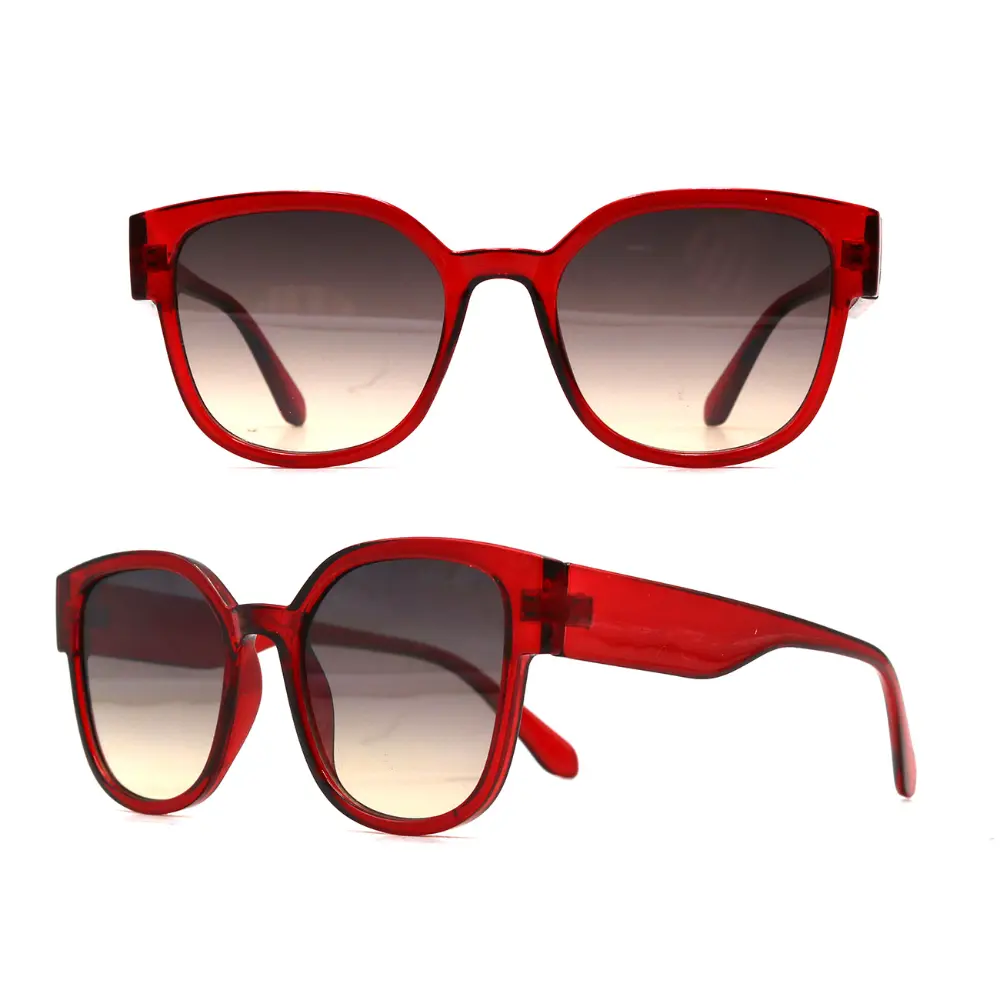
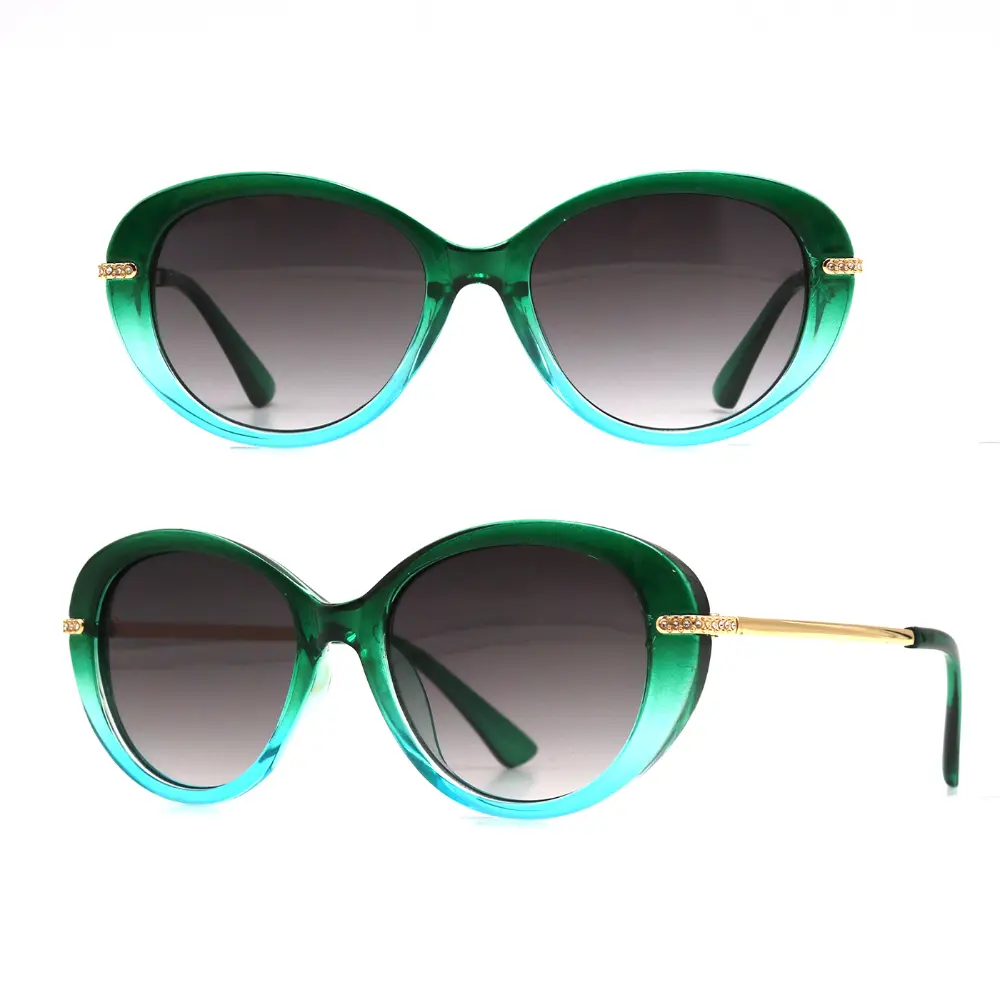
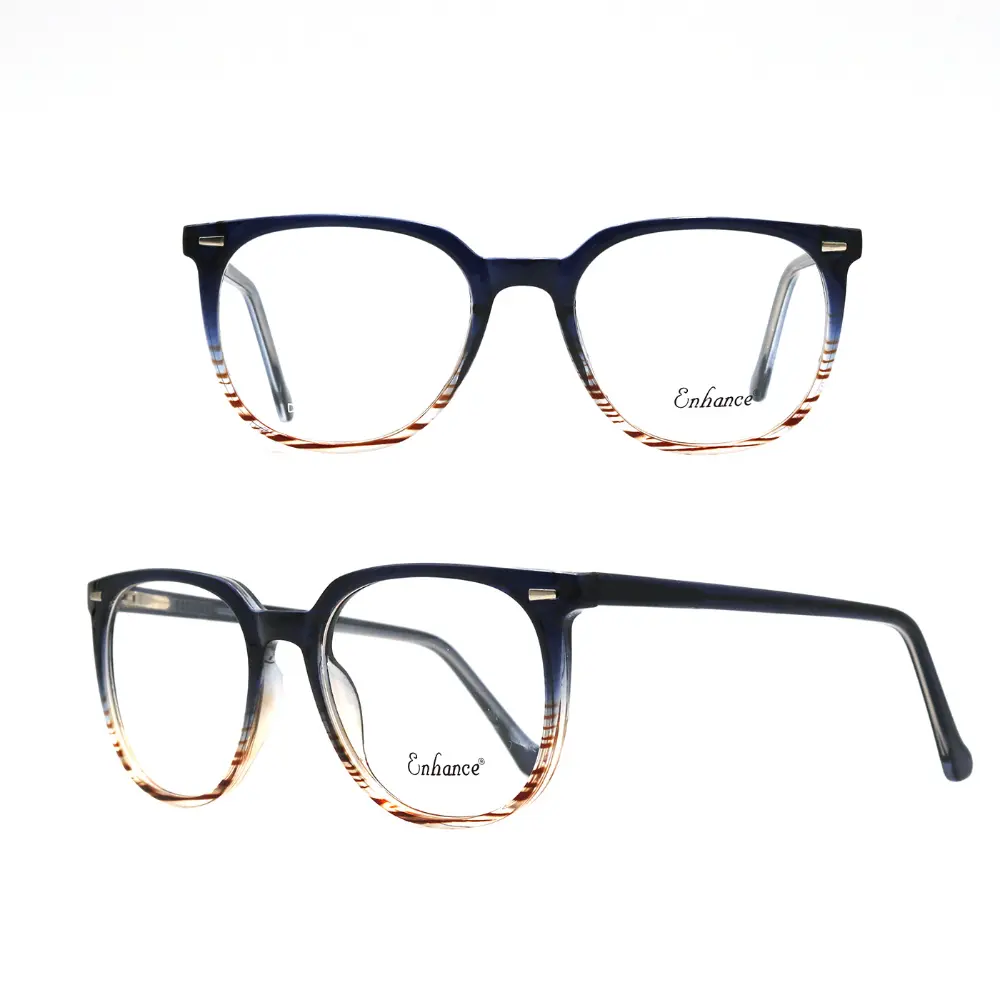
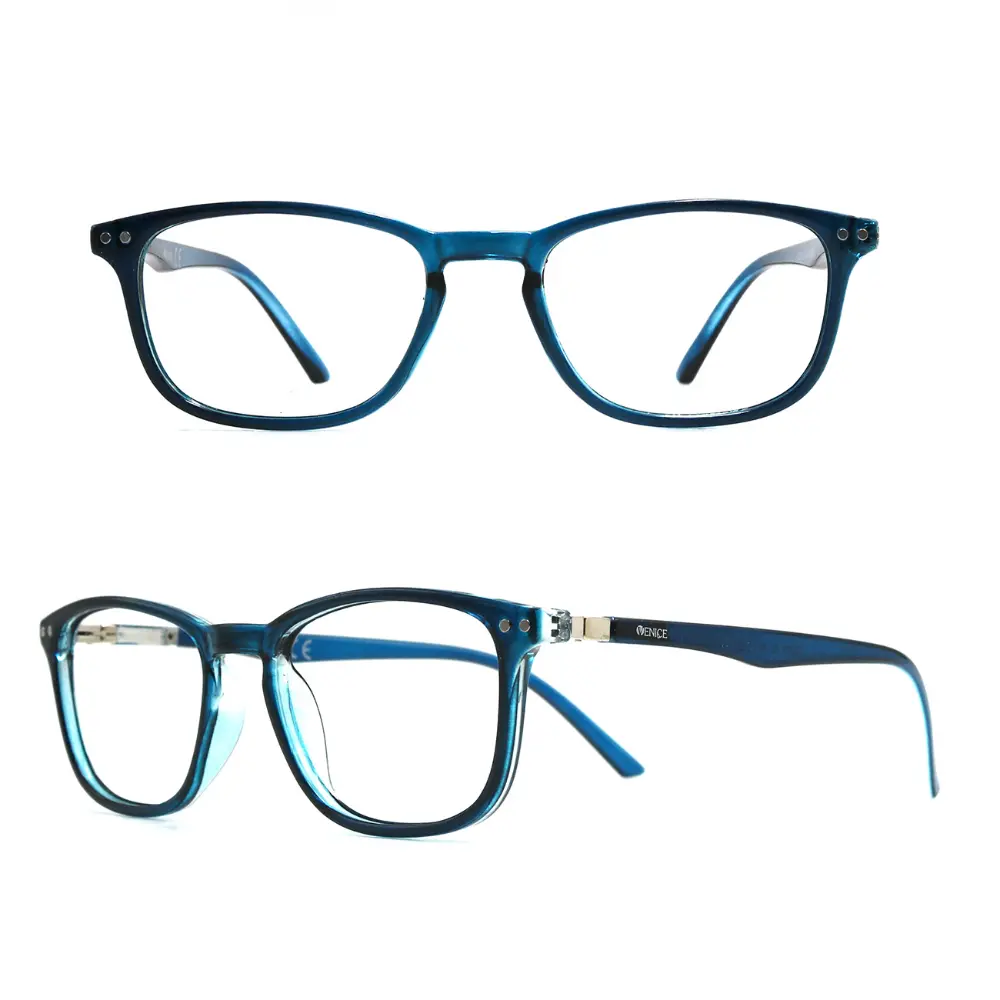
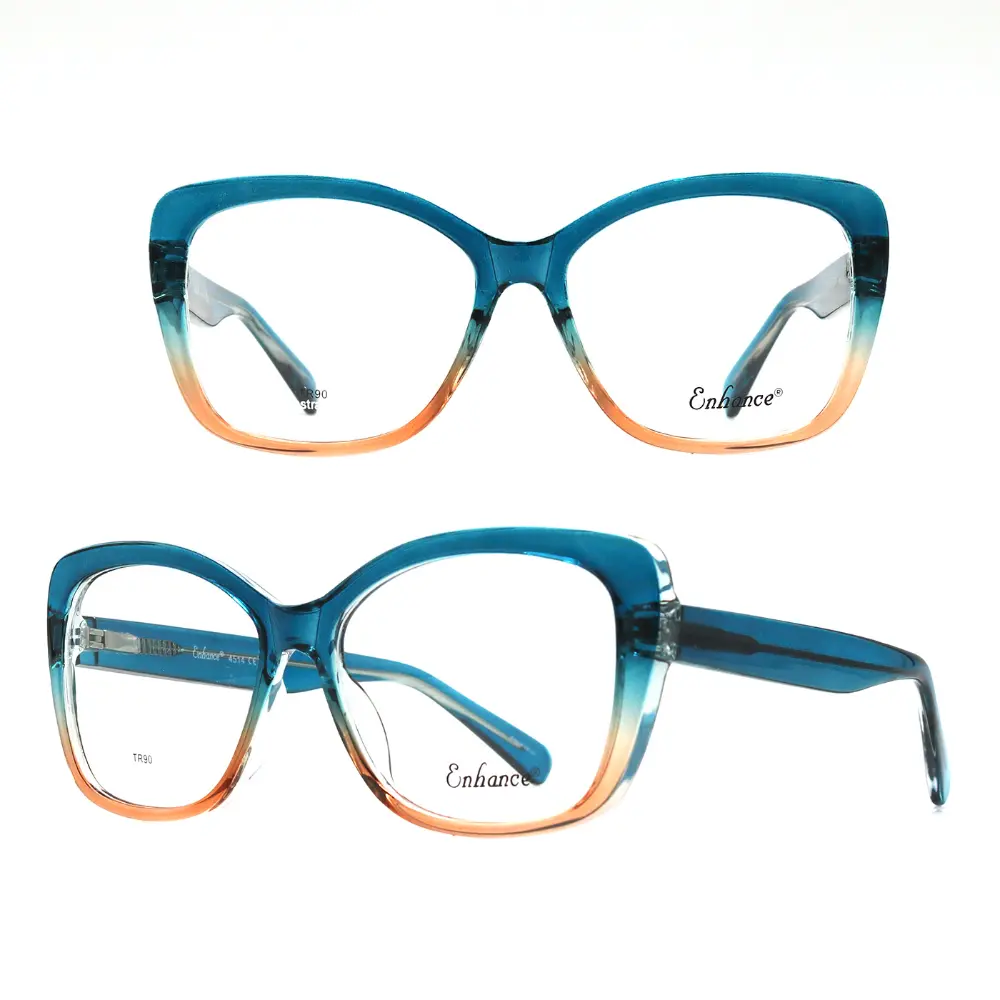
- Color and personality: Unlike the muted palettes of Northern Europe, Latin American consumers embrace color — bold acetate frames in red, blue, green, and multicolor patterns. The eyewear should reflect personality and energy.
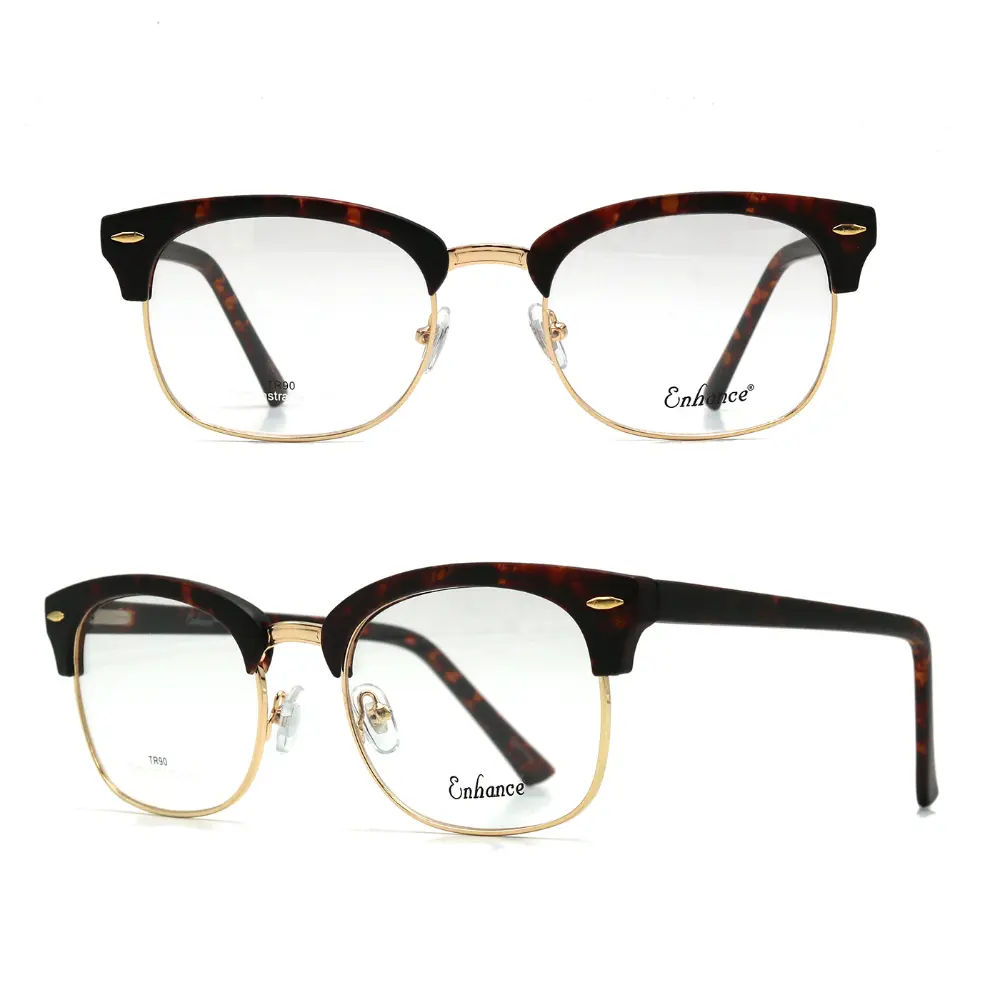
- Brand aspiration without brand pricing: The Ray-Ban Aviator look at a fraction of the Ray-Ban price. The “preppy” aesthetic — tortoiseshell, classic shapes — carries aspirational weight. But the consumer’s budget often forces a compromise between what they want and what they can afford.
- UV protection as a selling point: Latin America’s high UV index (particularly in Mexico, Brazil, and the Andean region) makes UV400 protection a functional necessity and an easy selling point — if the lenses are genuinely UV400 rated.
- Durability for rough use: In many Latin American markets, eyewear is not treated gently. Flexible frames, spring hinges, and impact-resistant materials add real value. TR90’s flexibility and durability make it particularly well-suited.
Material & Style Preferences
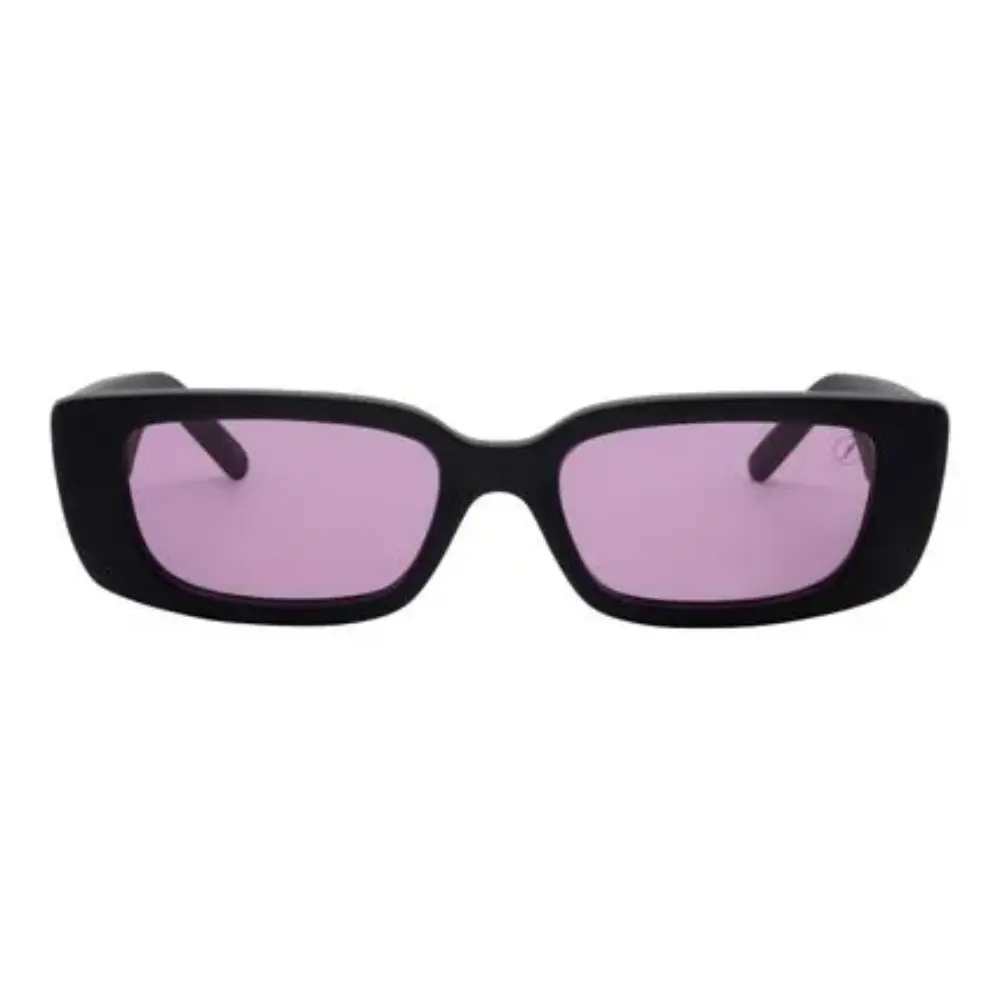
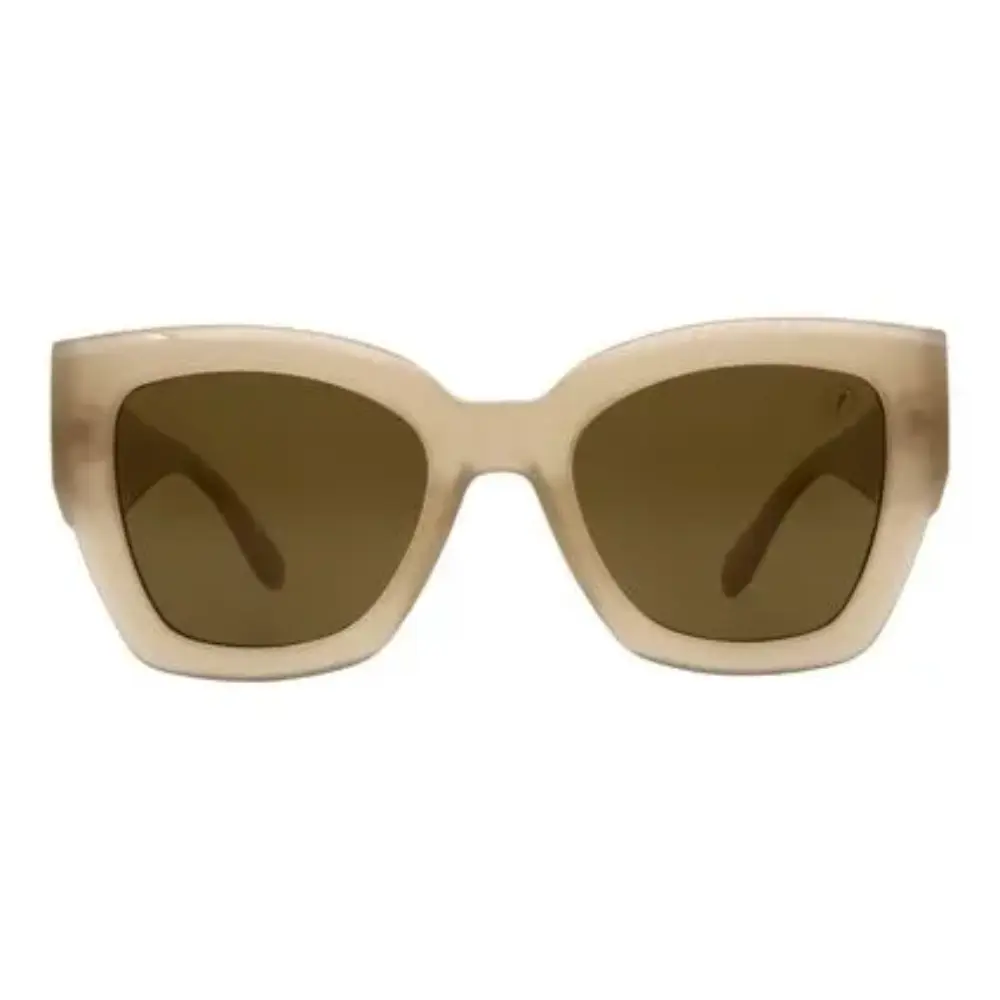
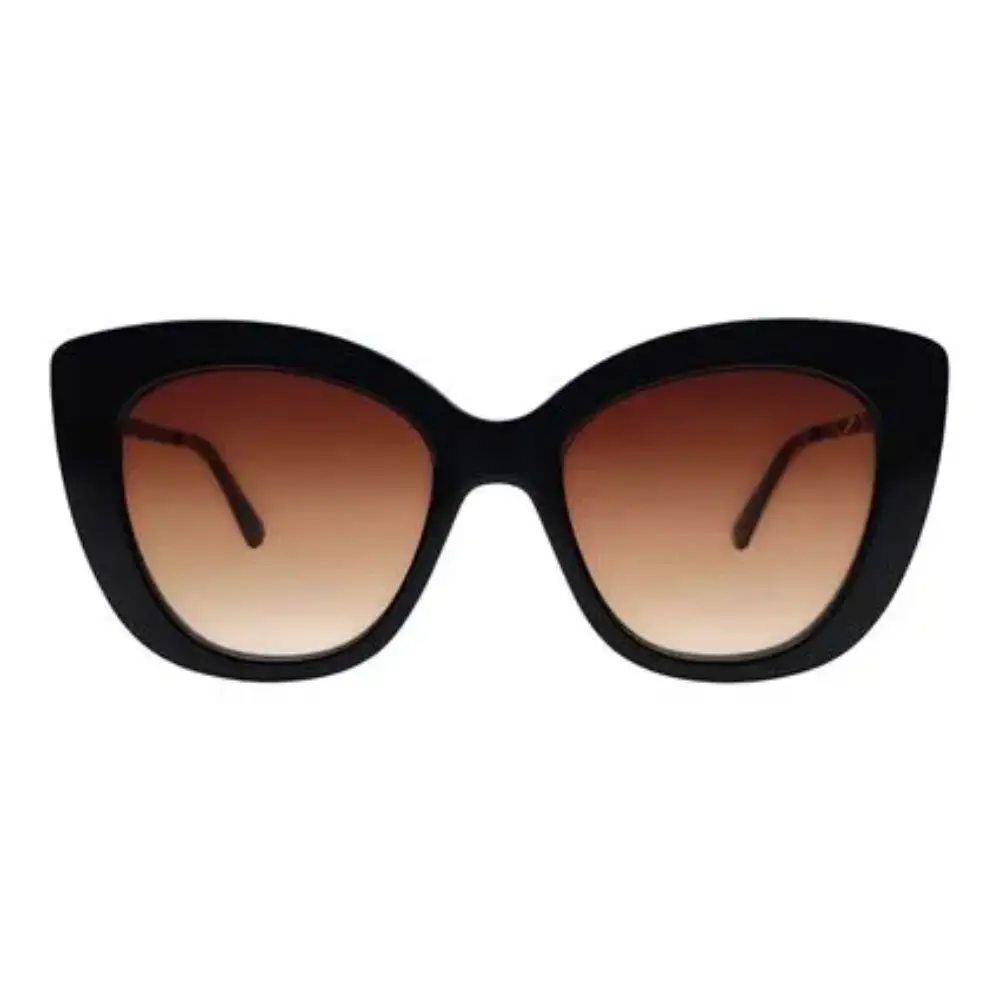
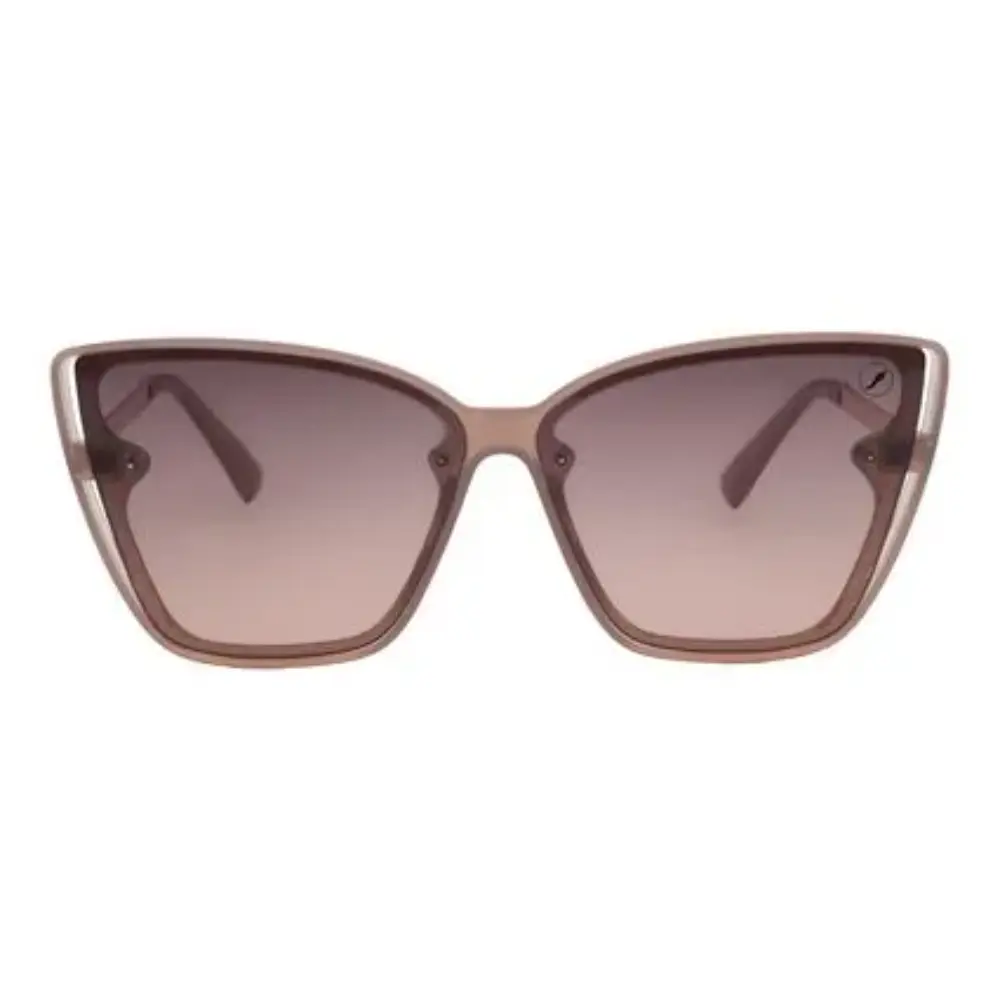
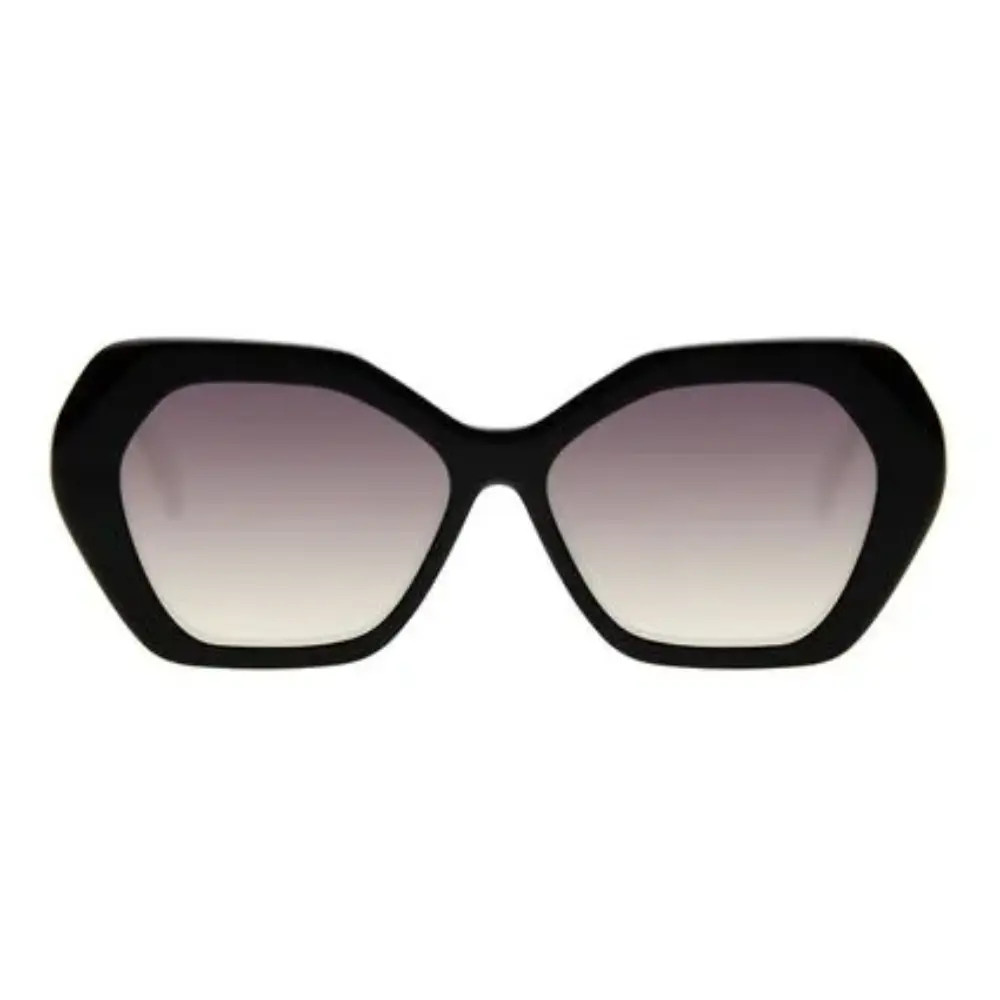
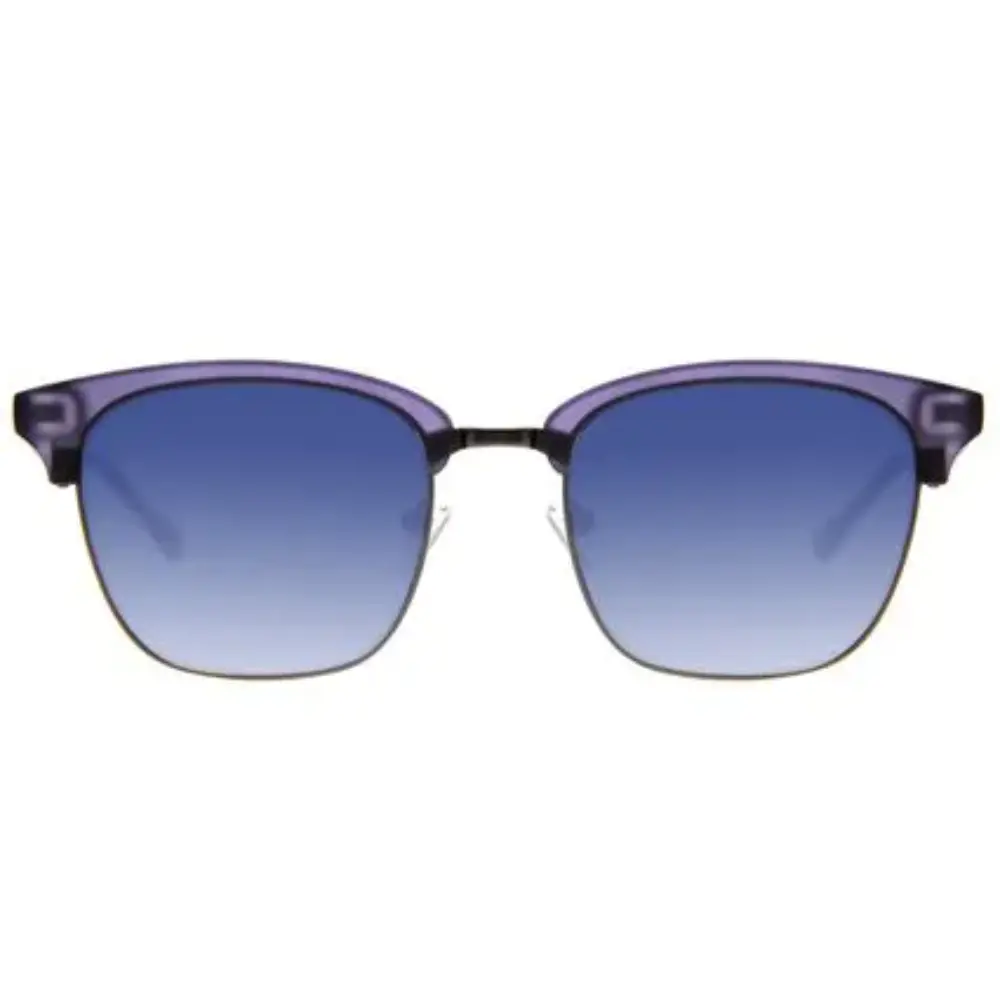
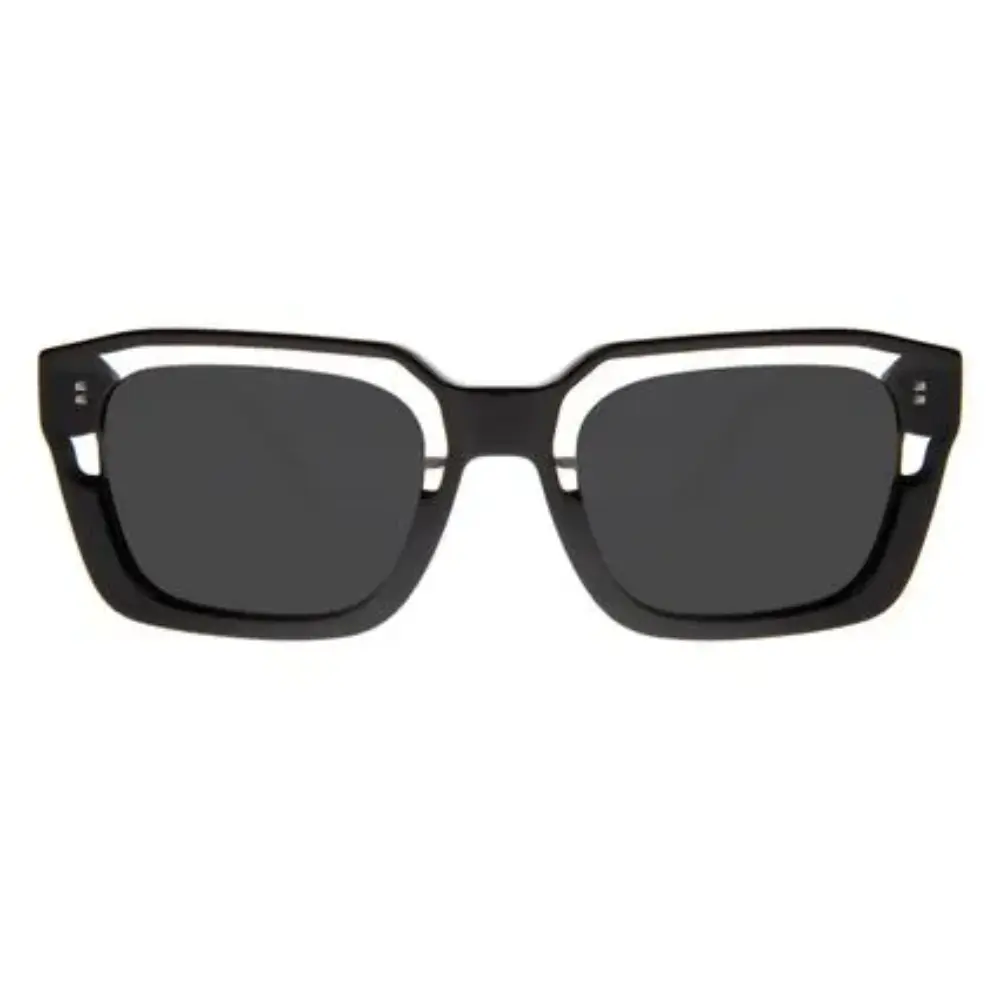
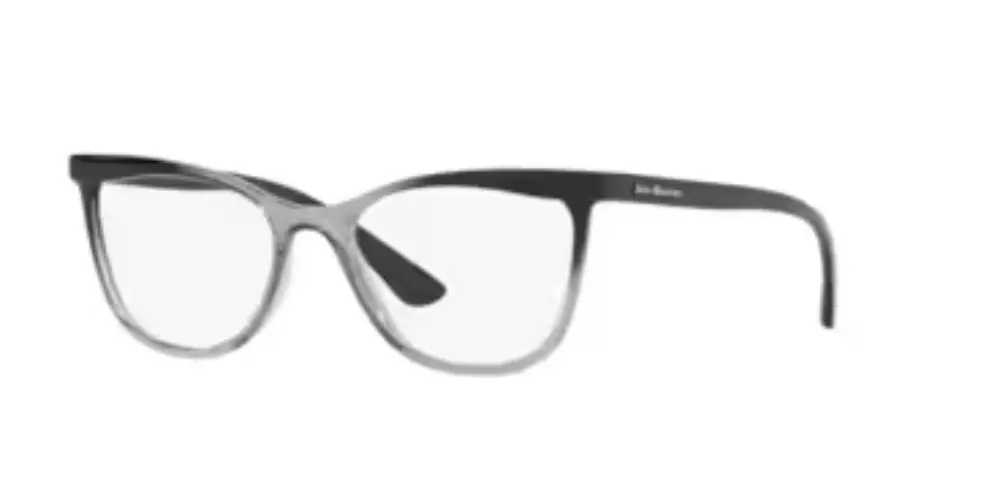
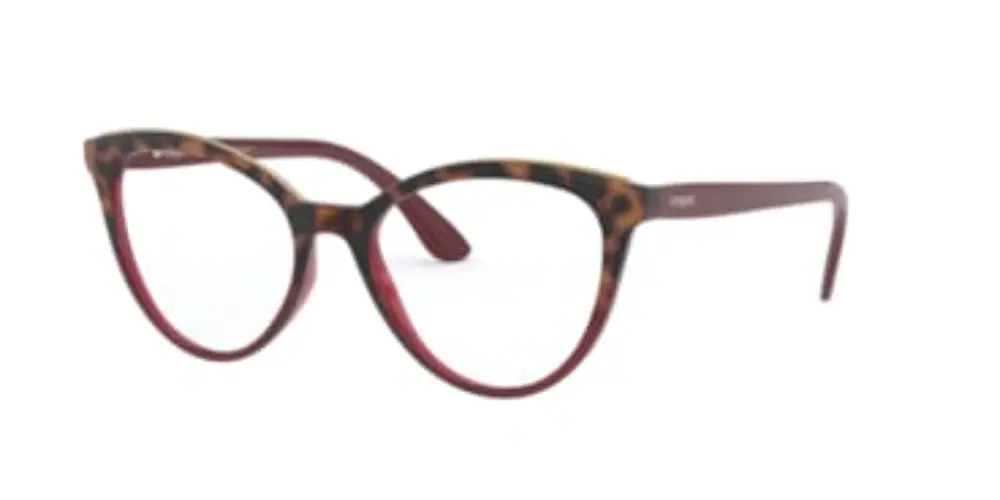
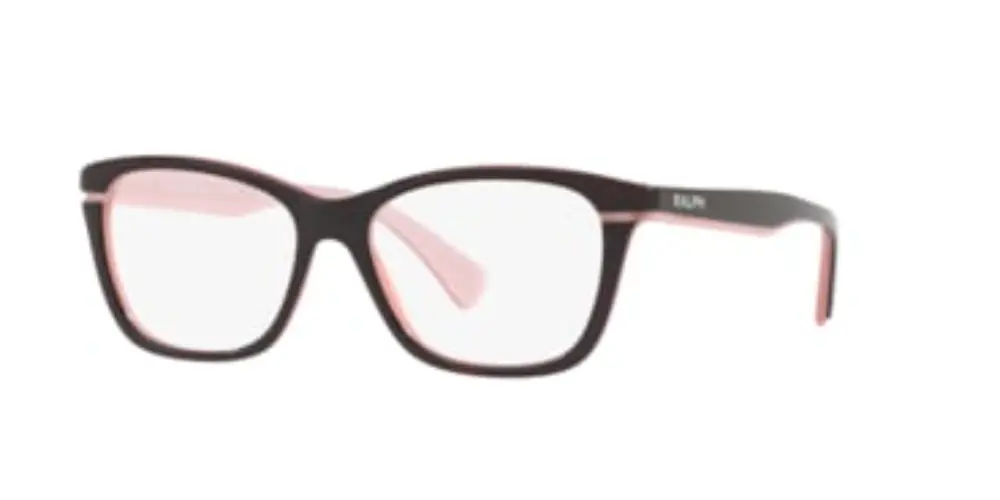
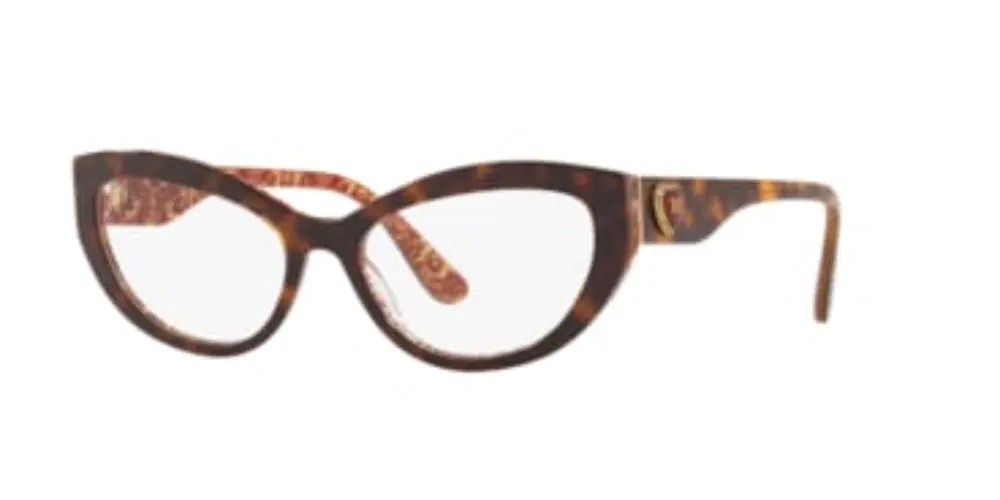
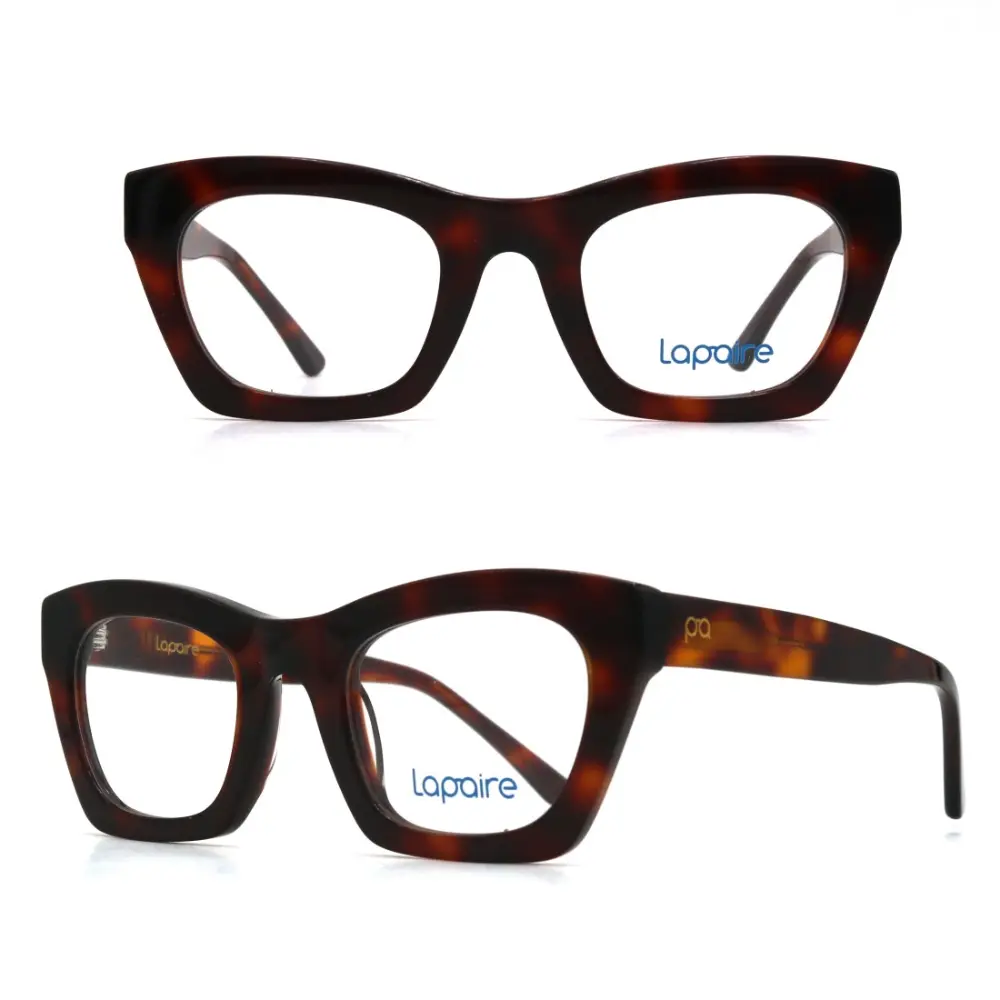
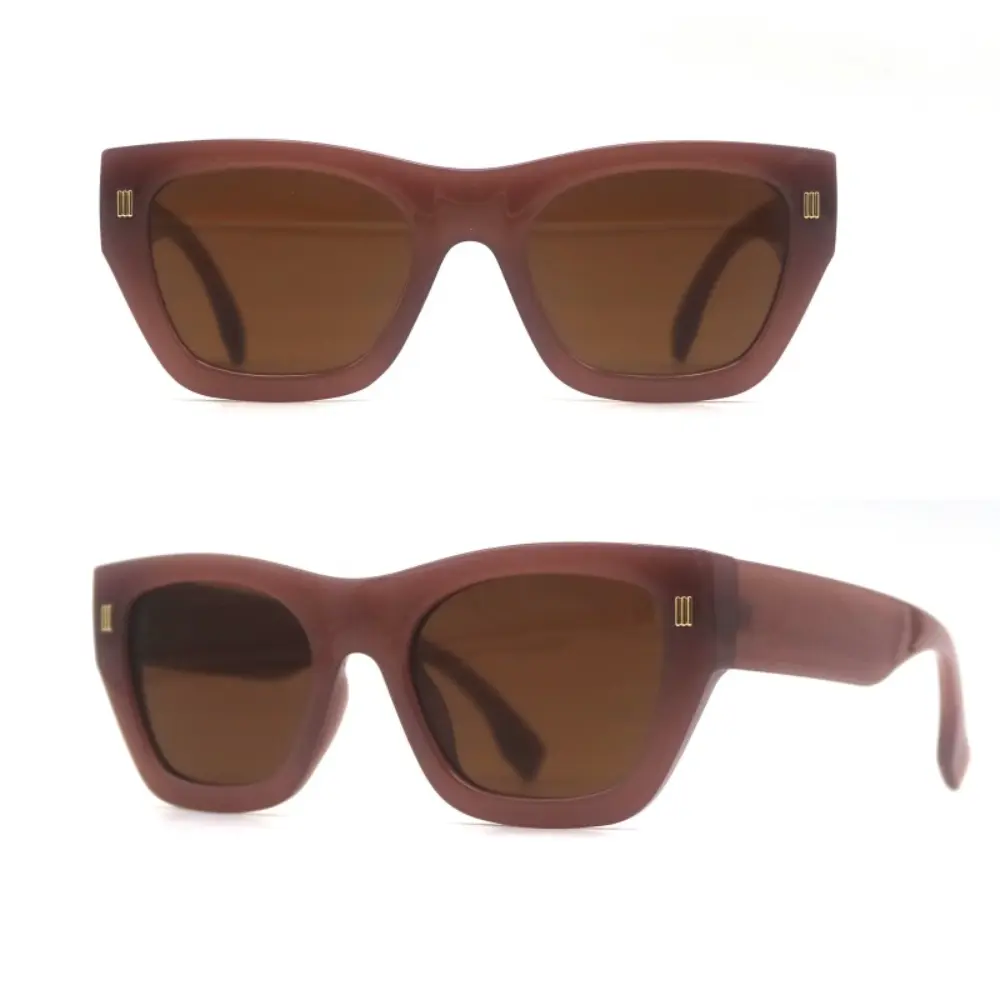
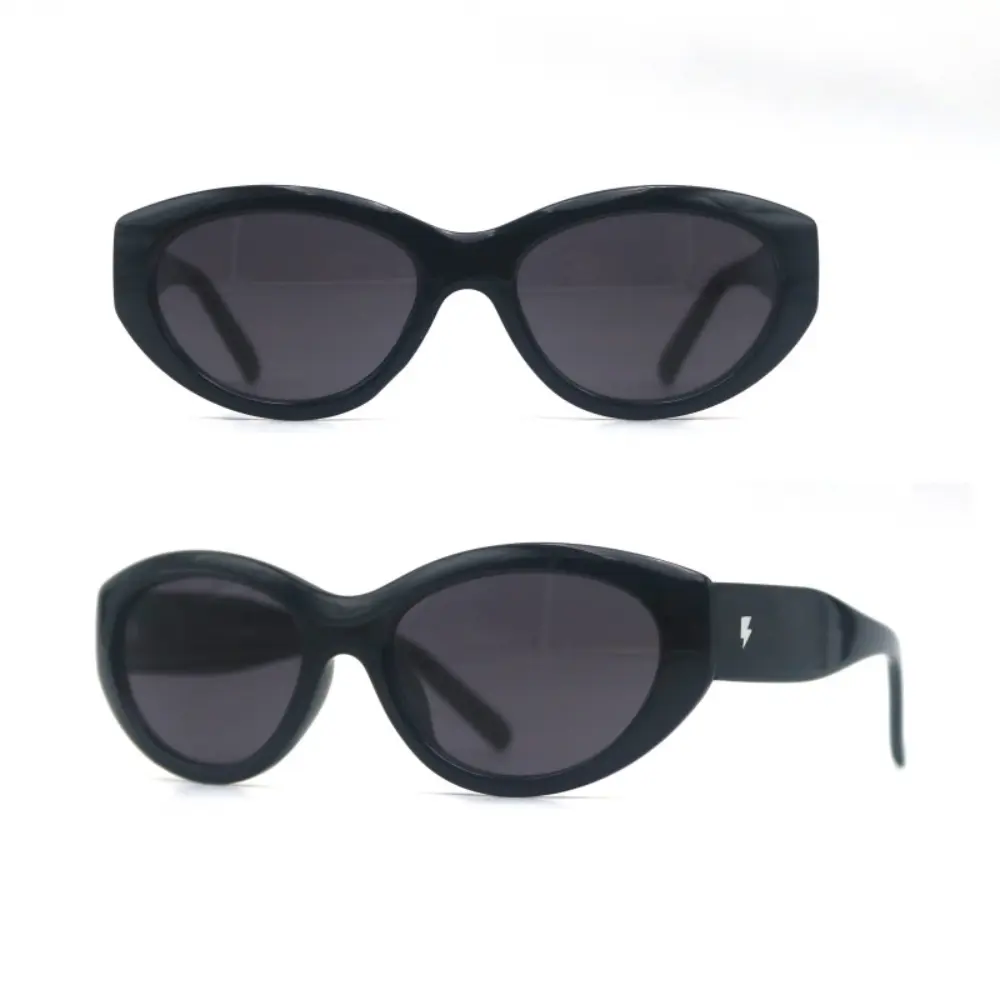
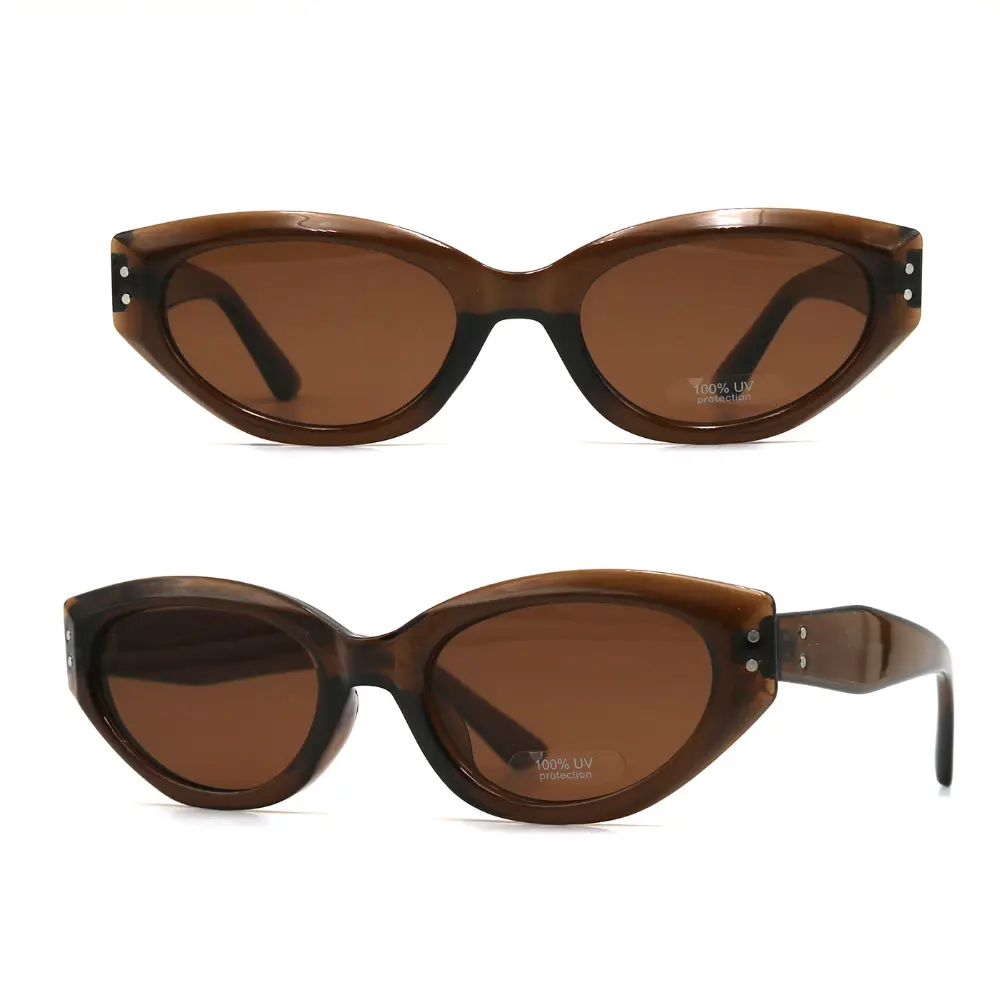
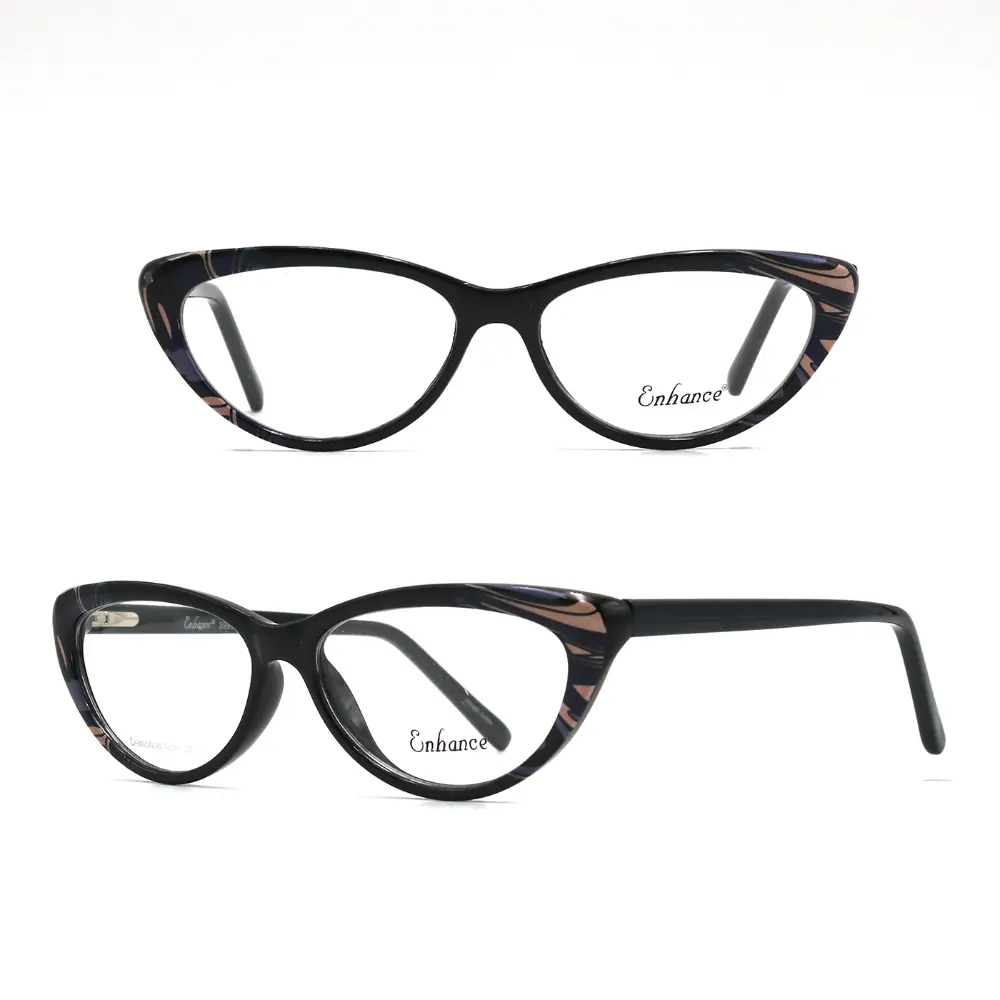
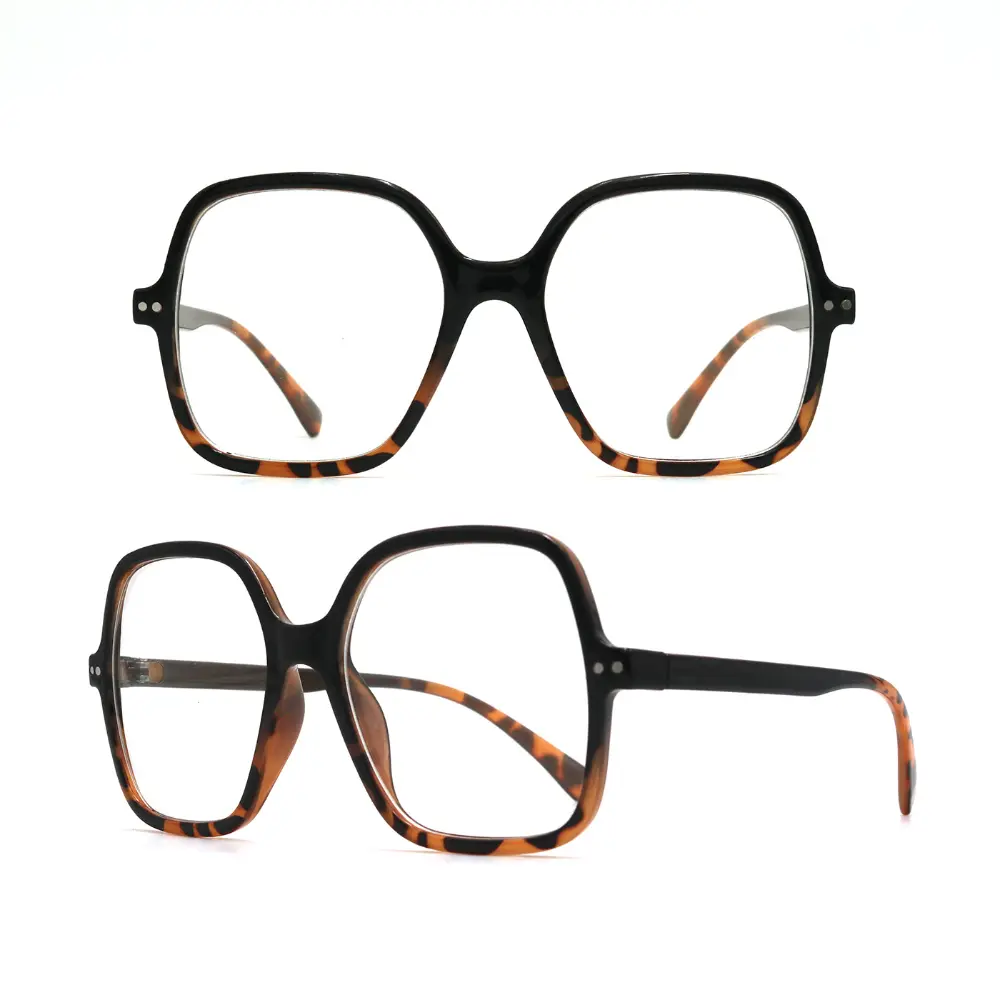
- Acetate: The premium material of choice. Bold, colorful, and expressive — exactly what the Latin American consumer gravitates toward. Chunky rectangular, cat-eye, and oversized round shapes in vivid colors and patterns.
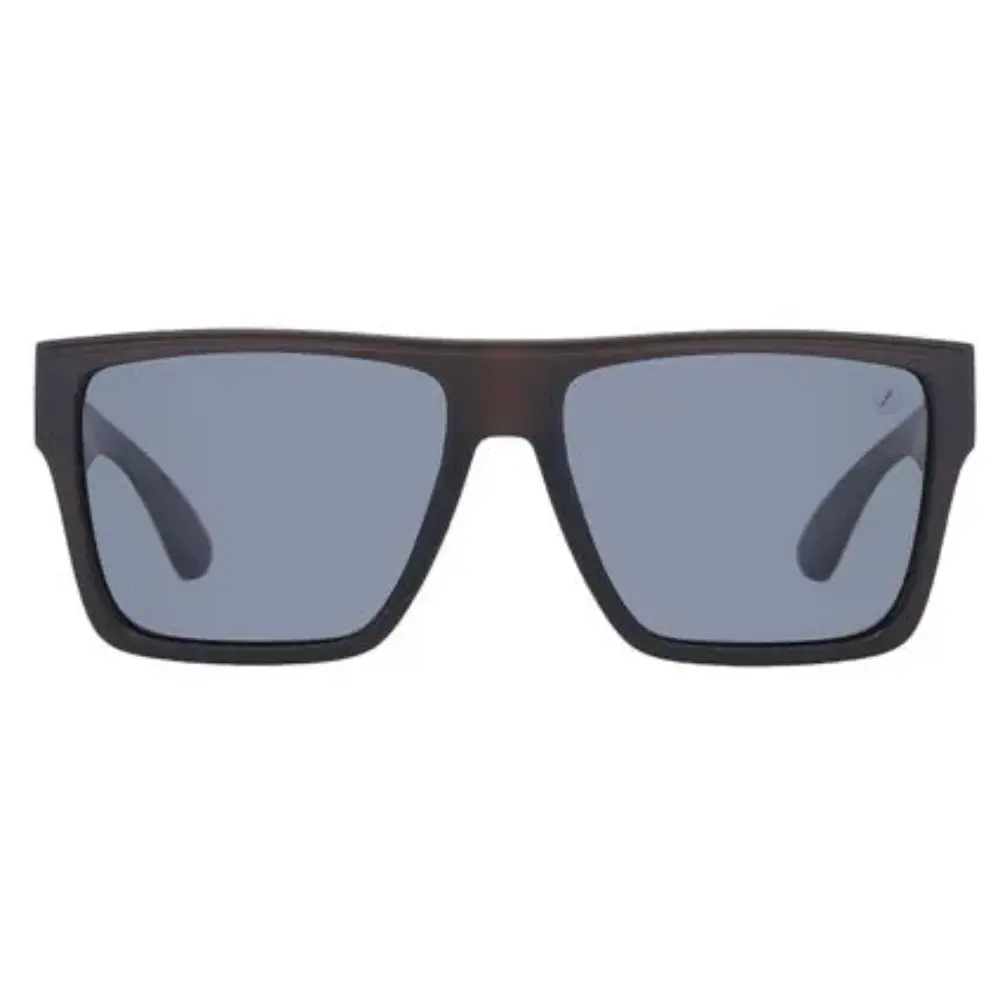
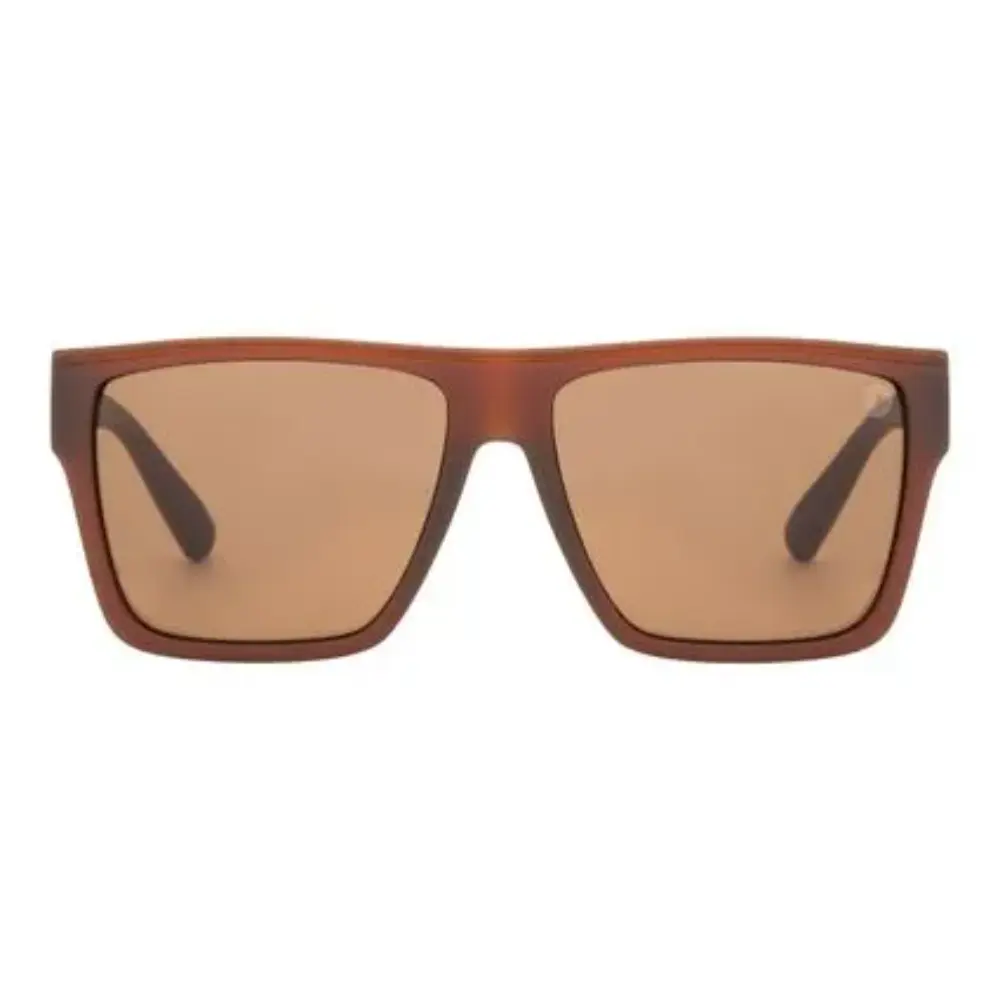
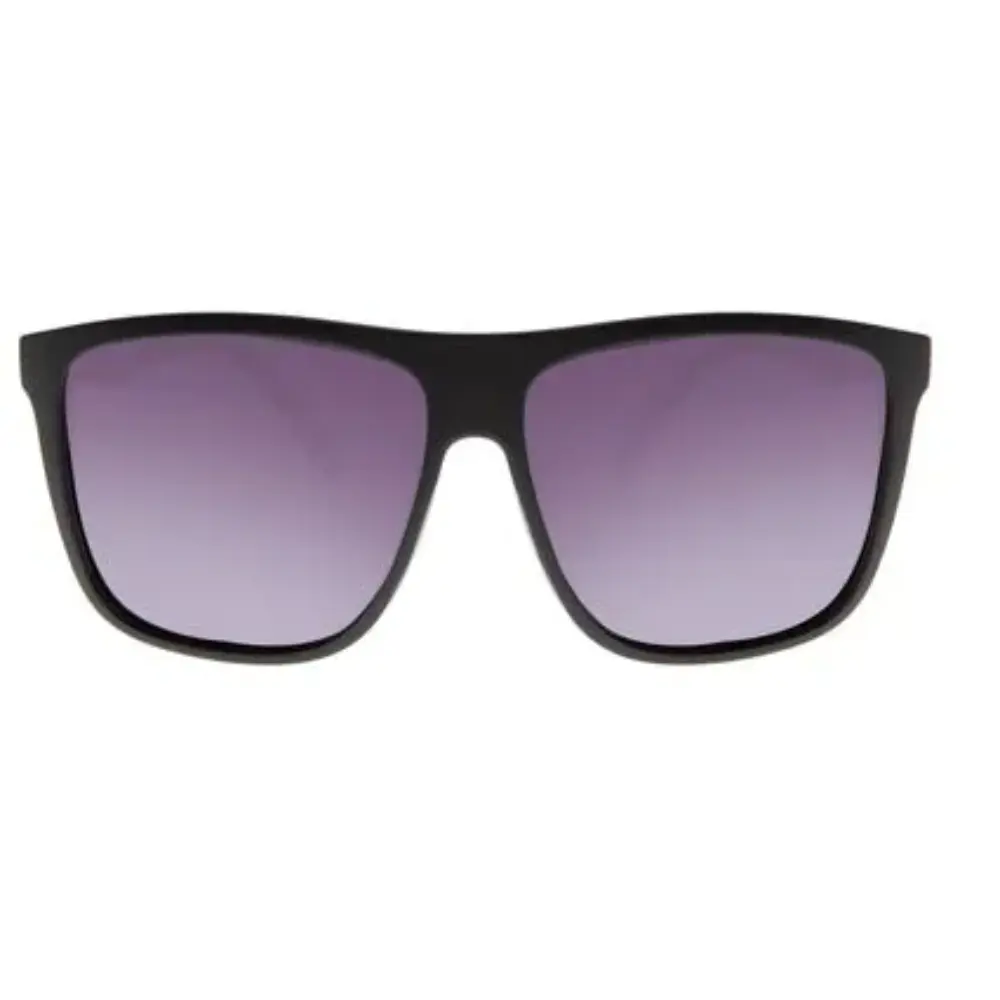
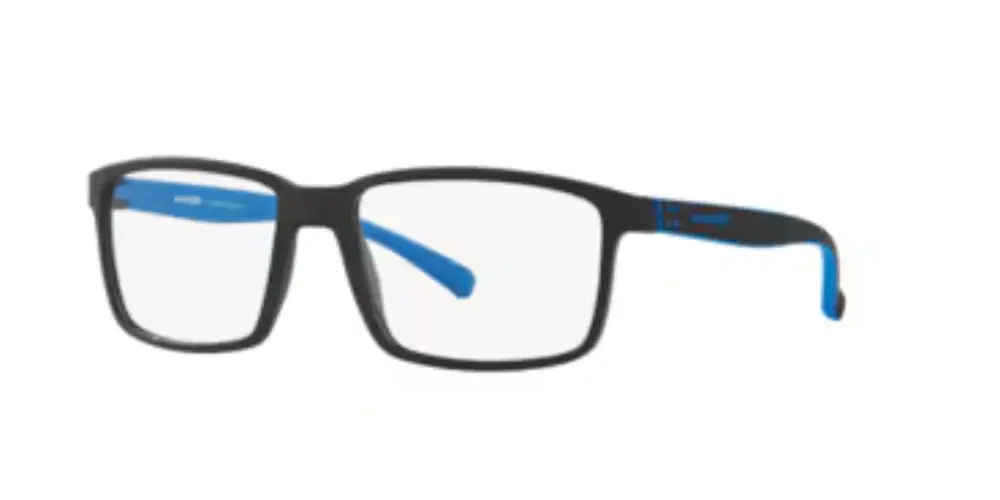
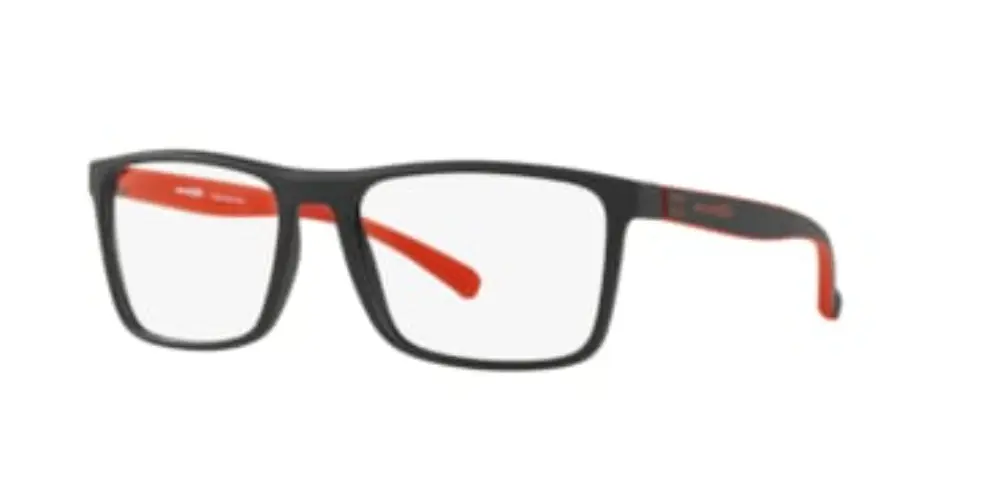
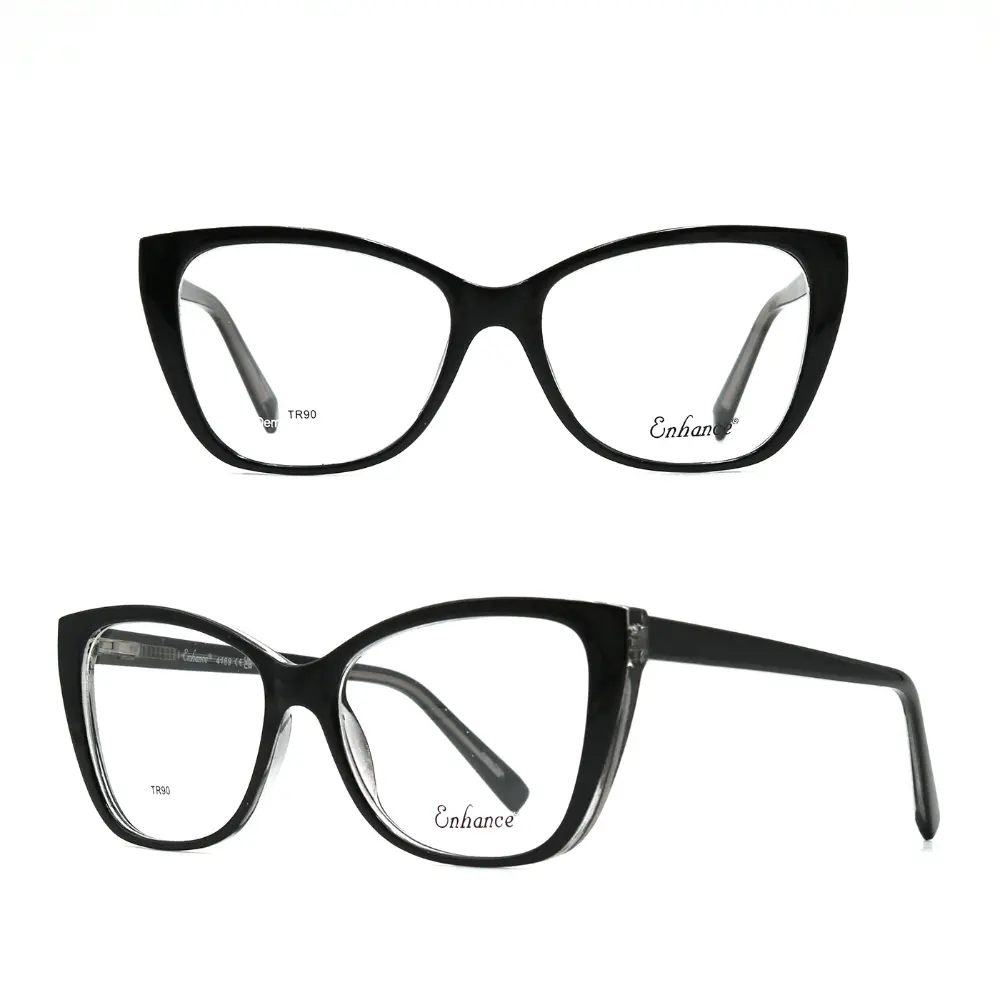
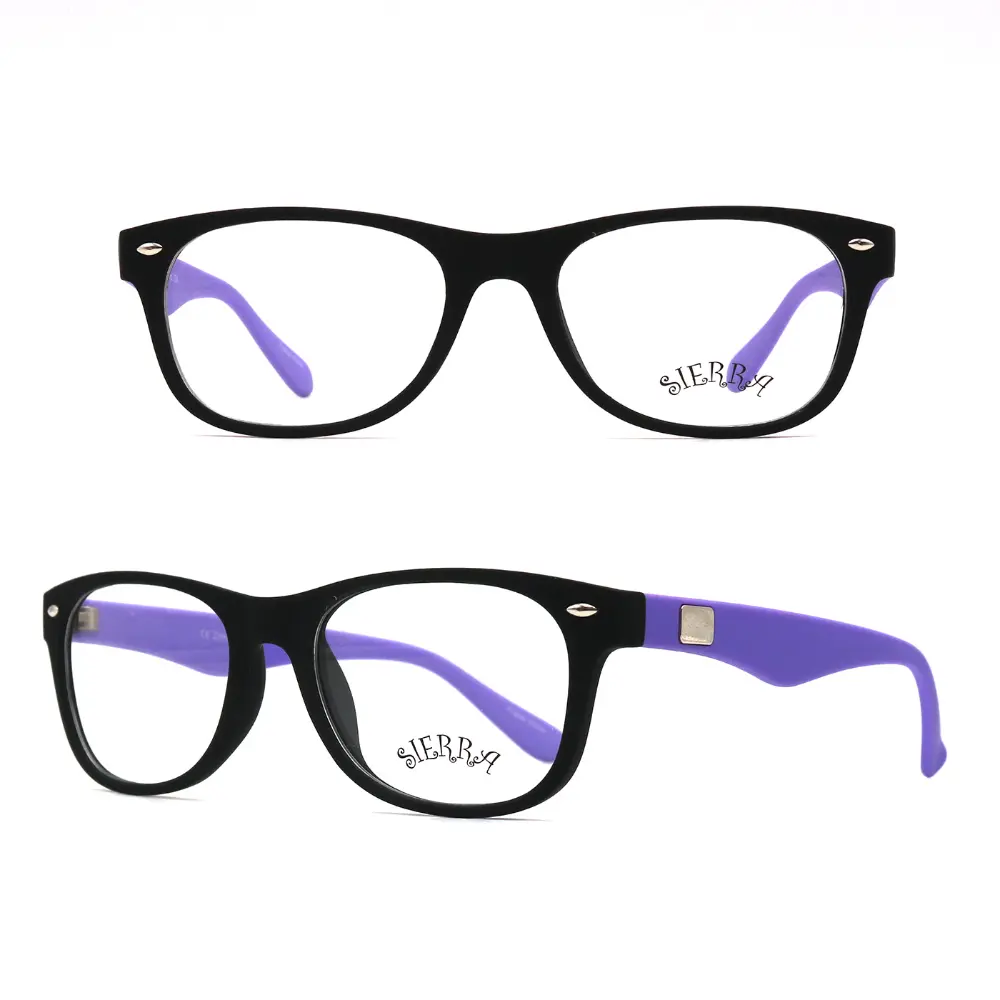
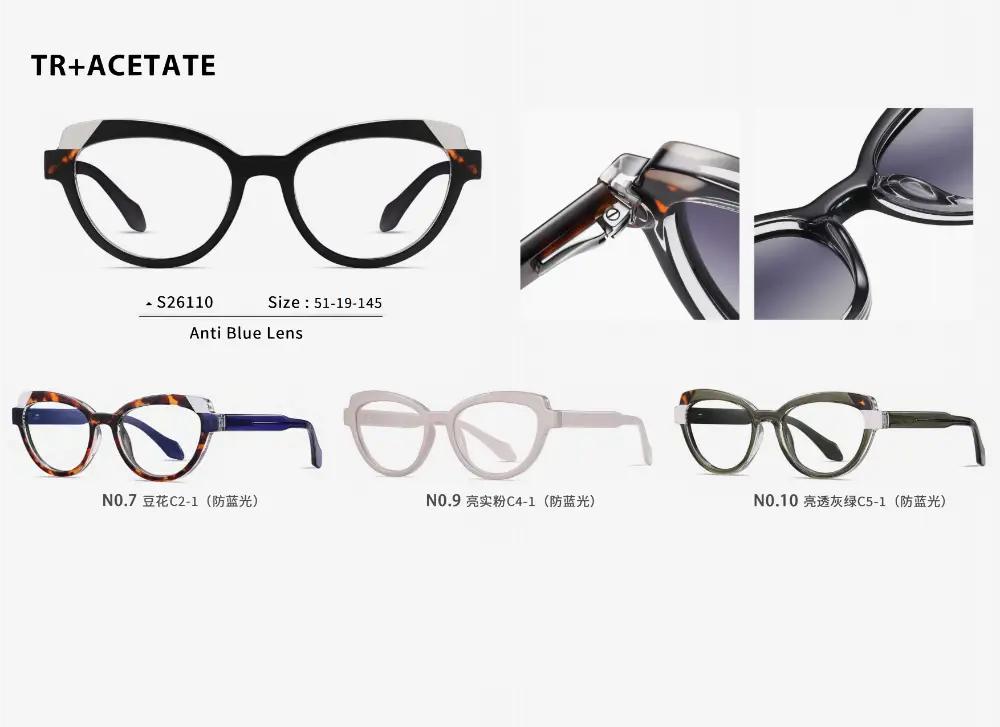
- TR90: The volume workhorse. Flexibility, durability, and low cost make it ideal for the value segment. TR90 with spring hinges and UV400 lenses is the “best value for money” proposition in the market.
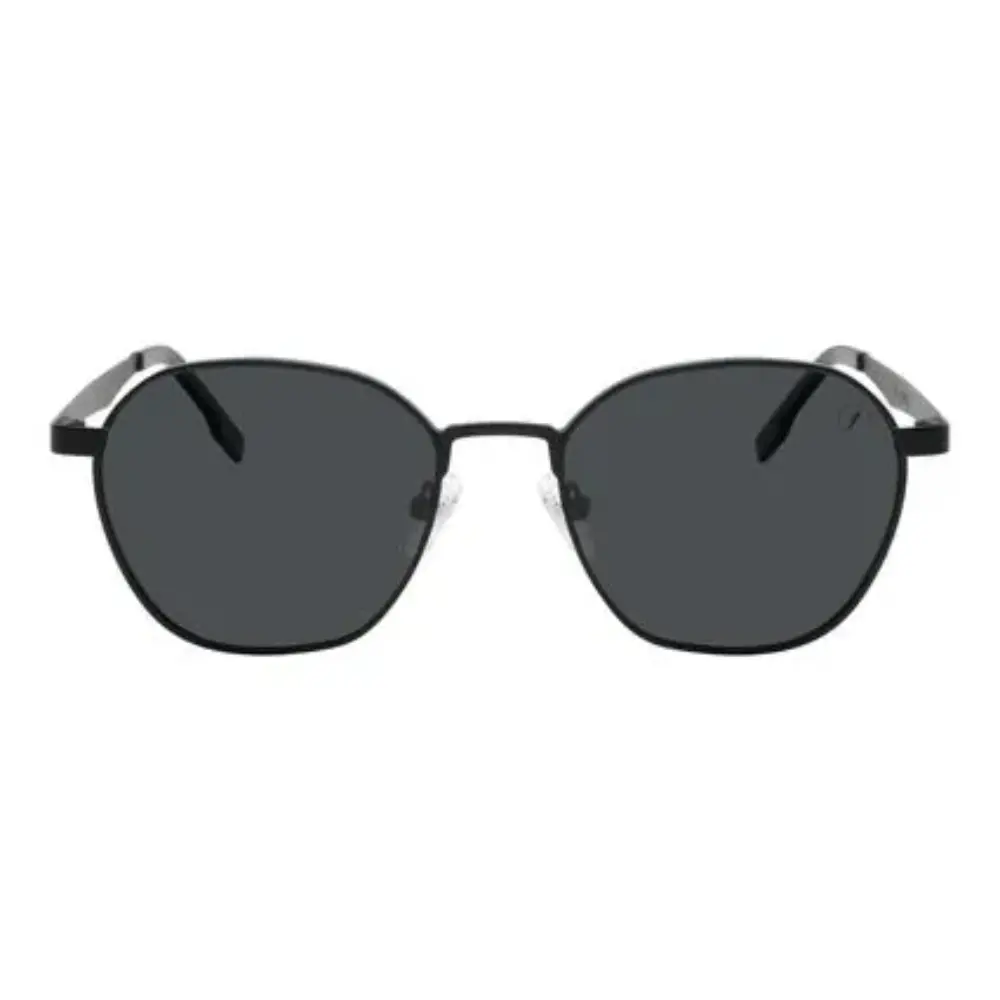
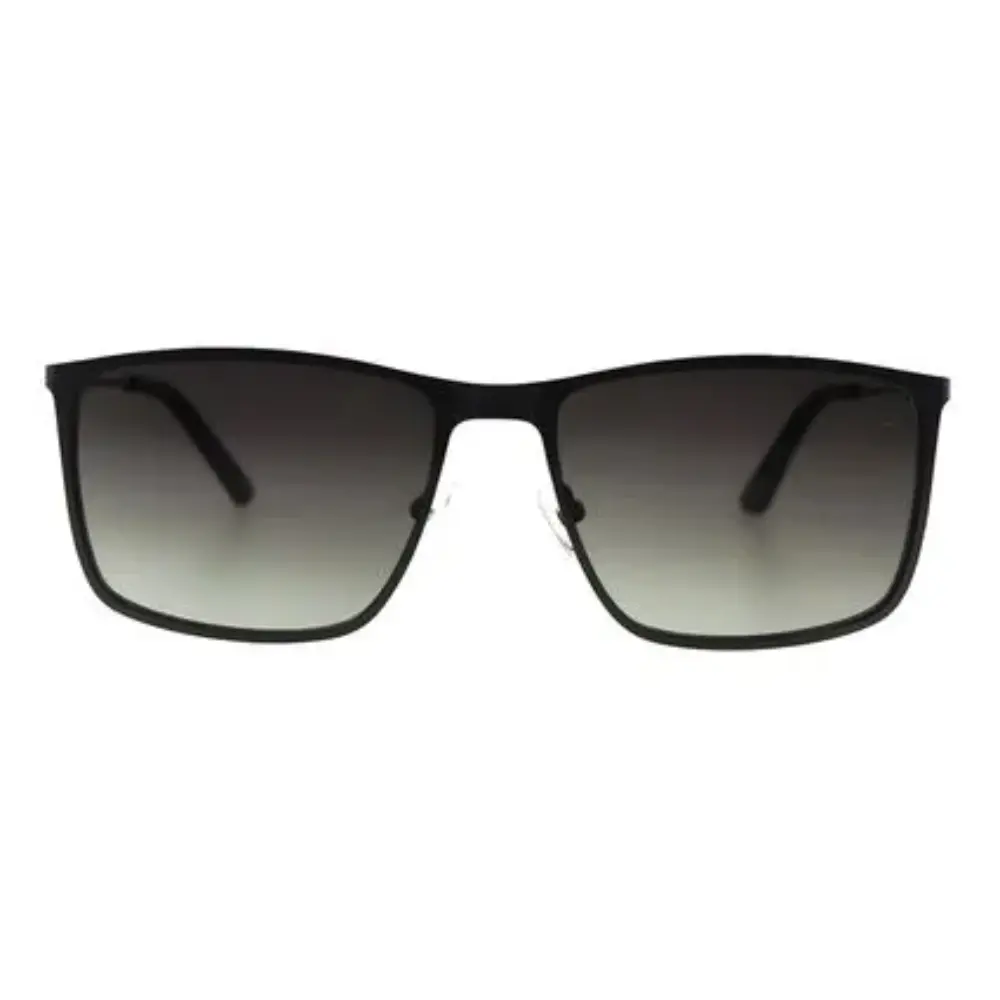
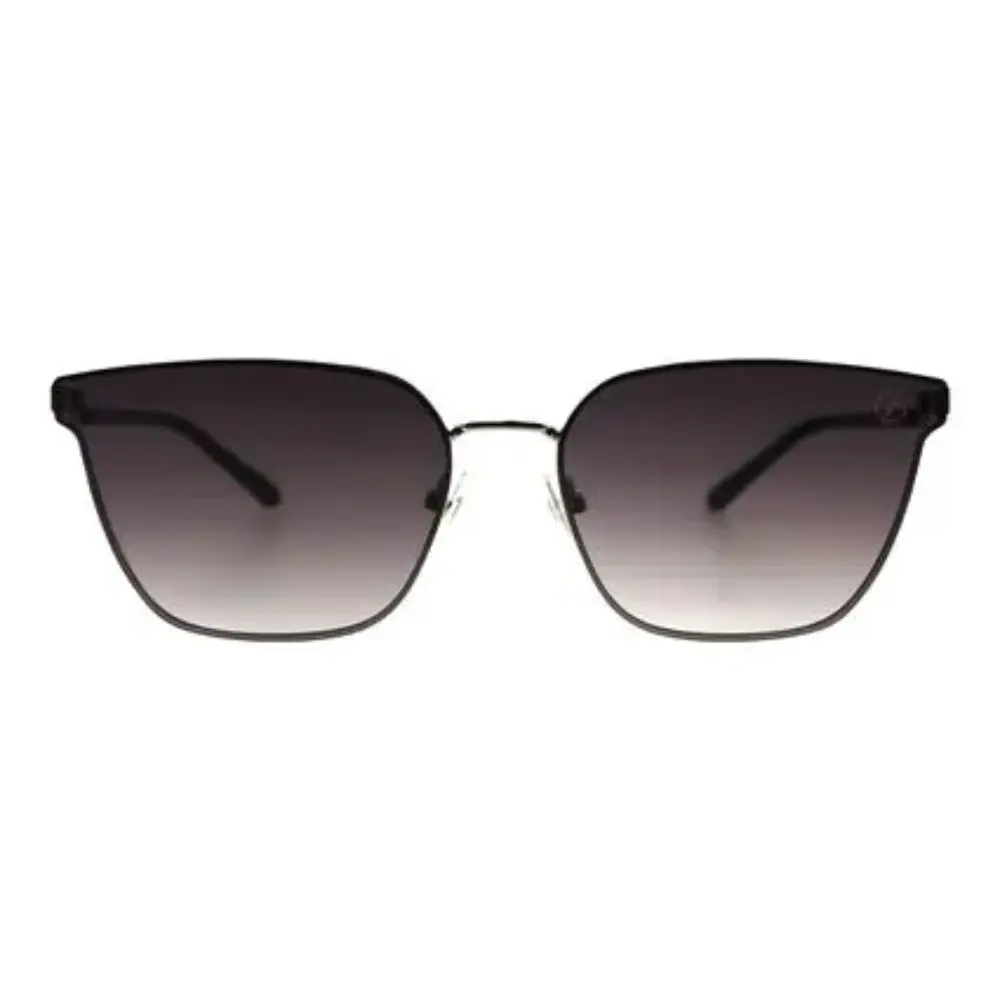
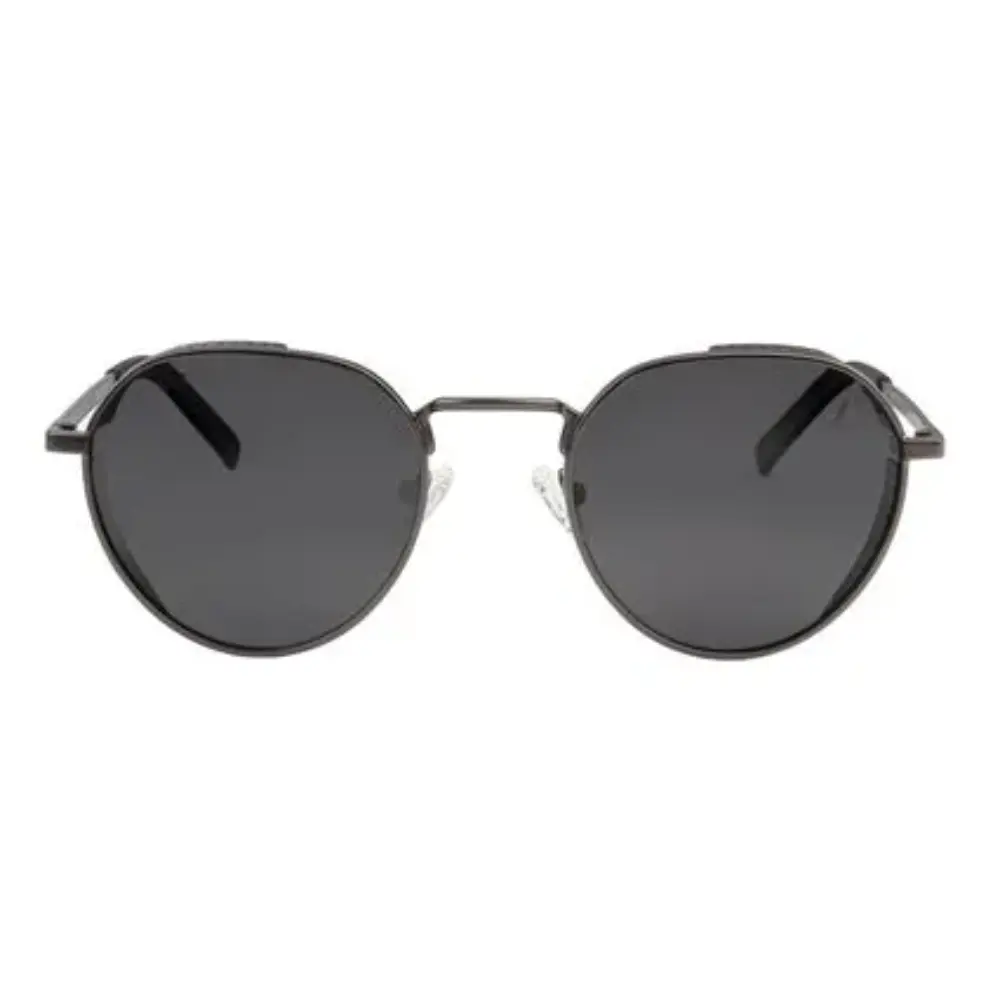
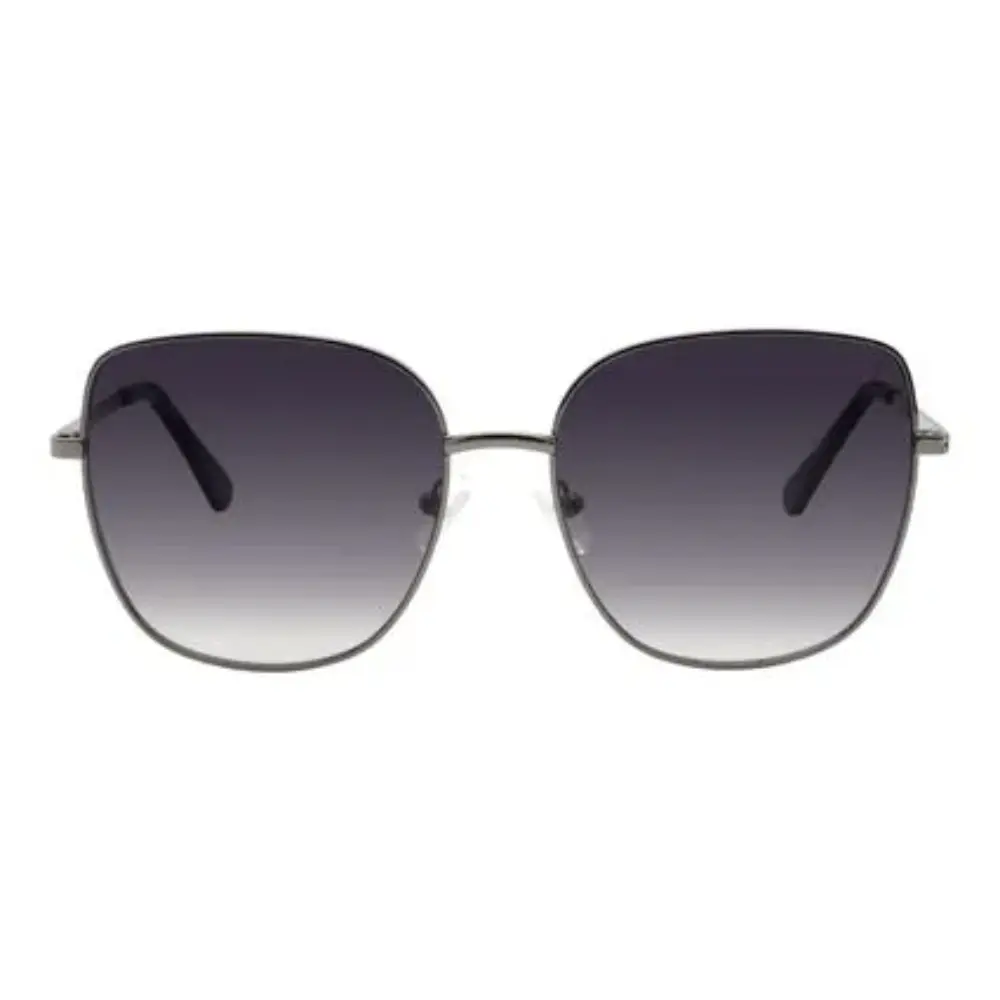
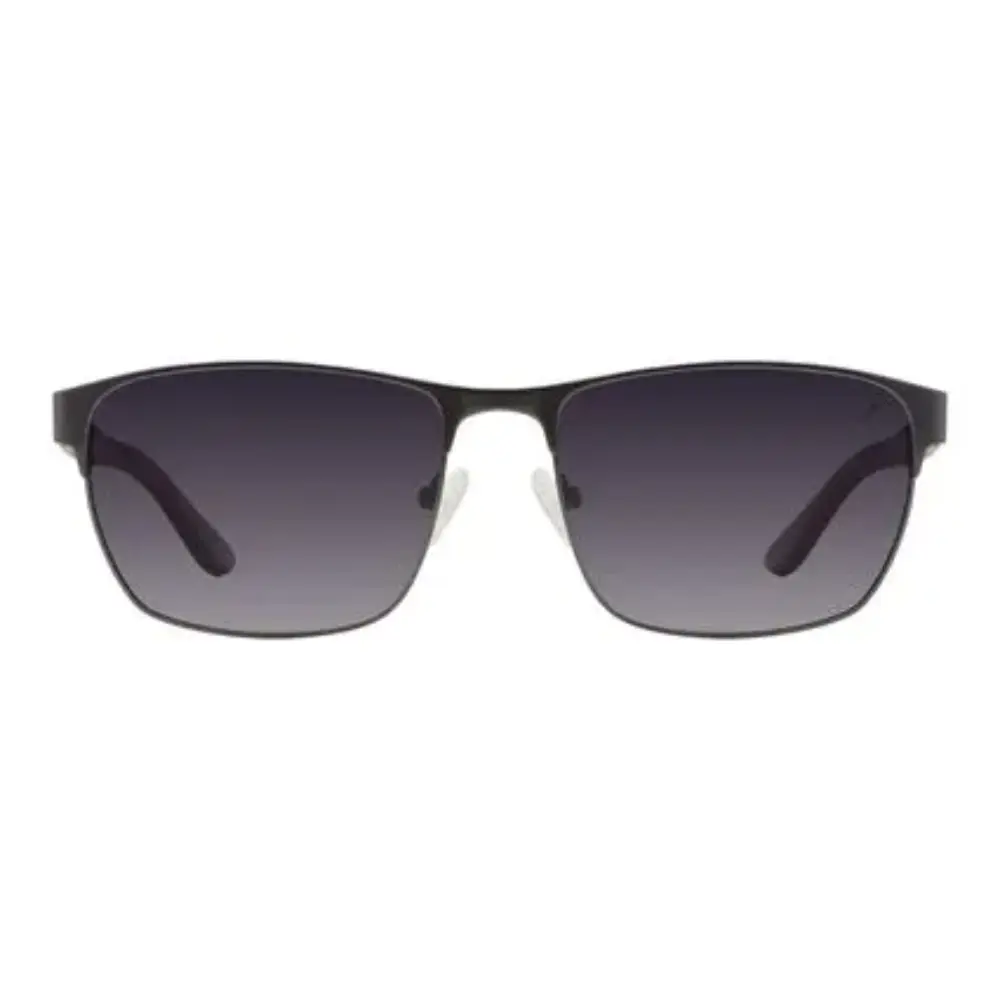
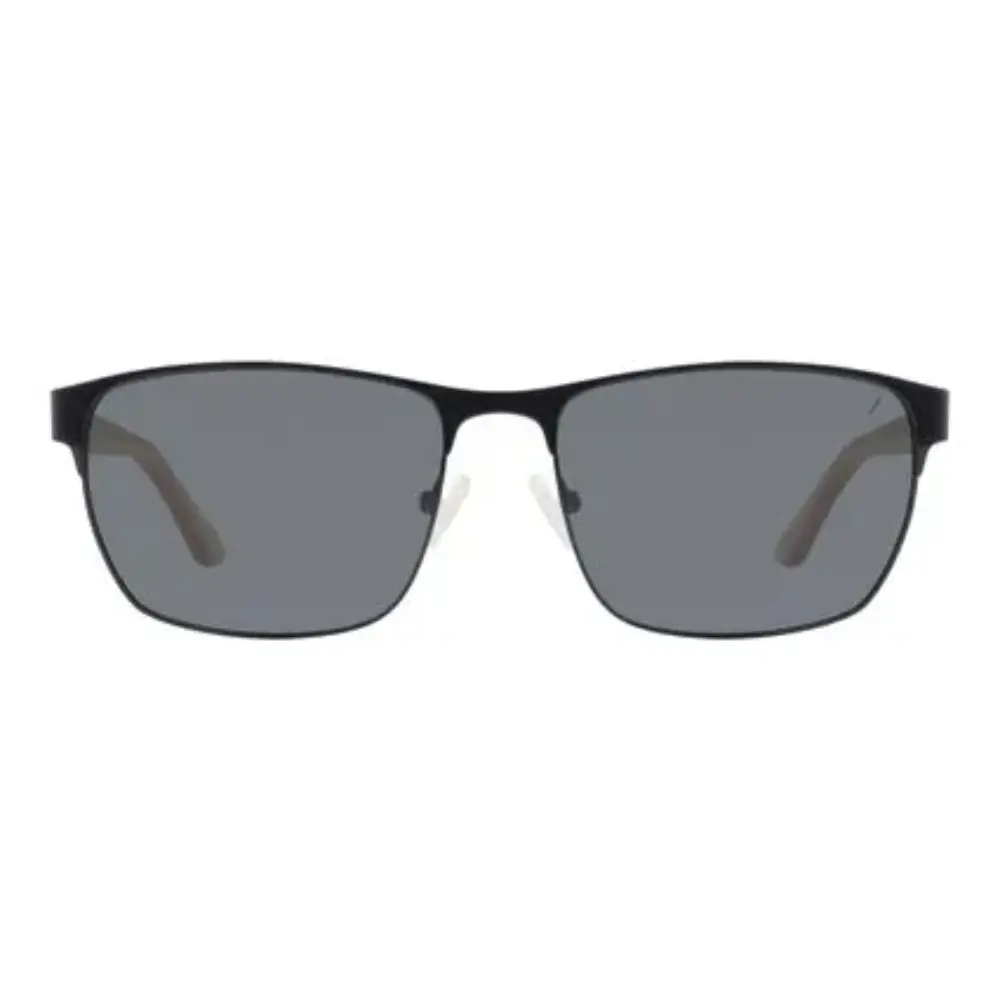
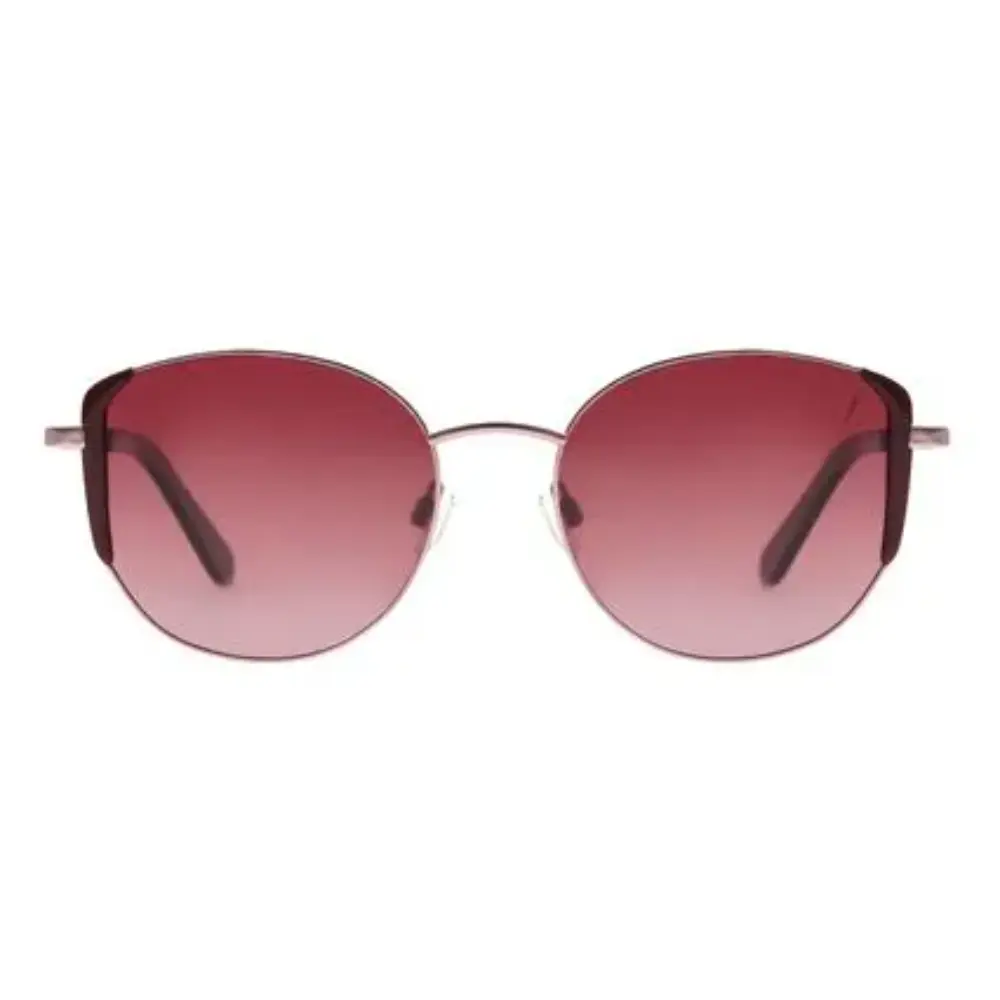
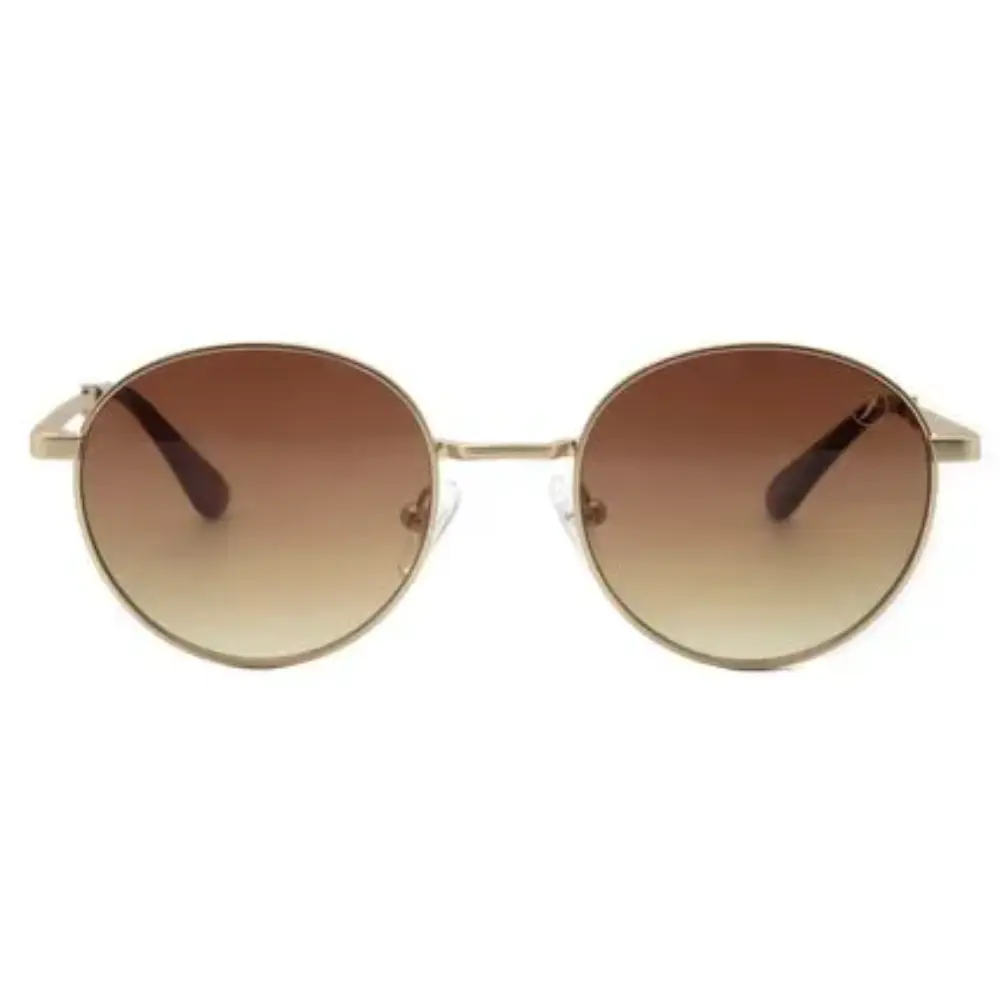
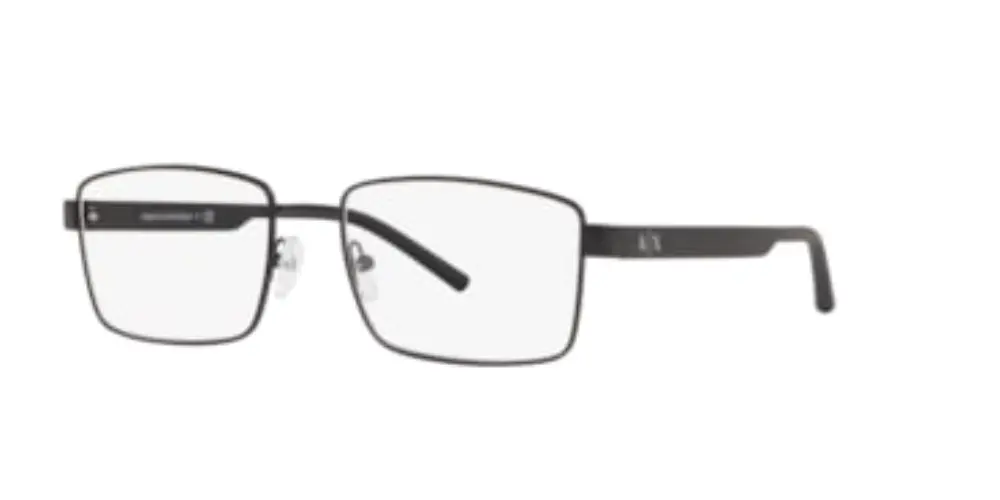
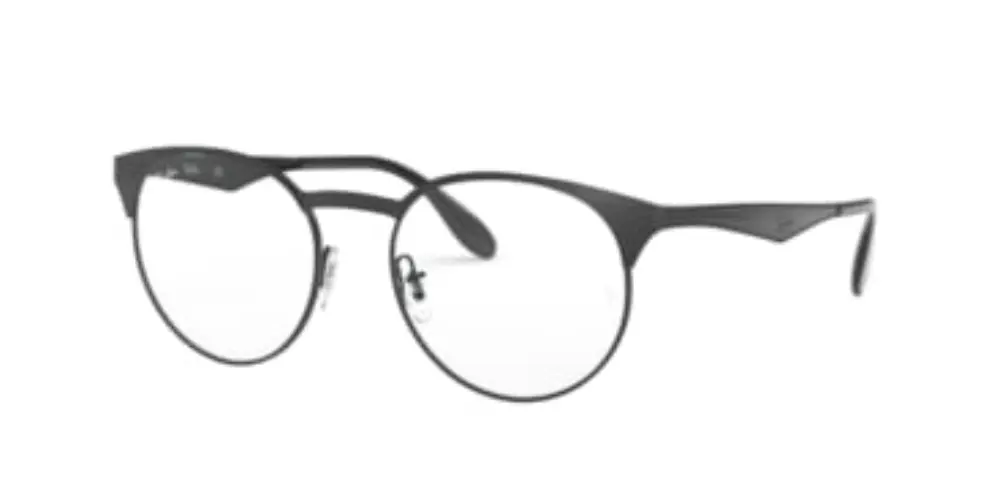
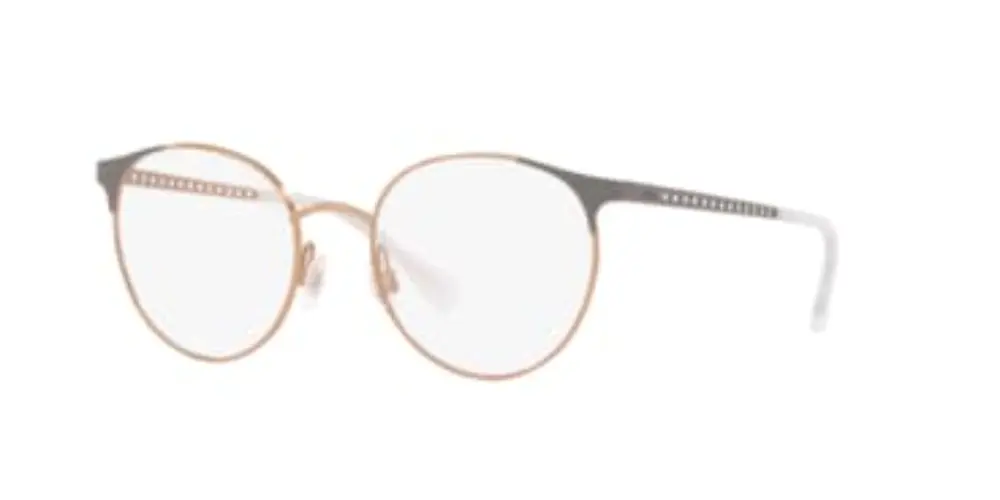
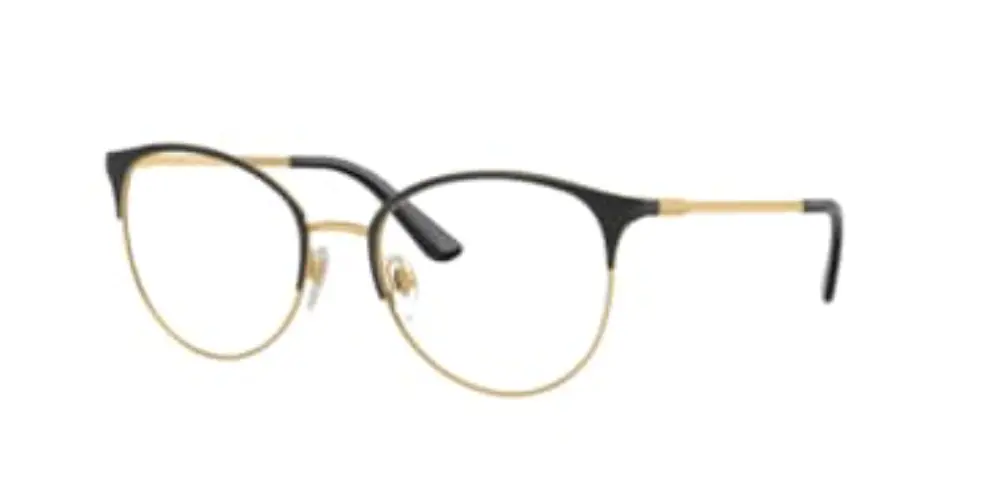
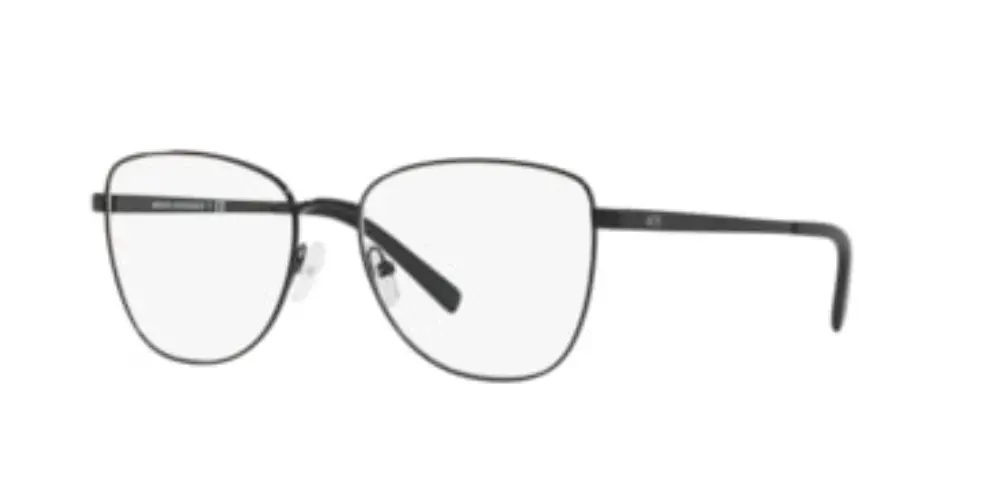
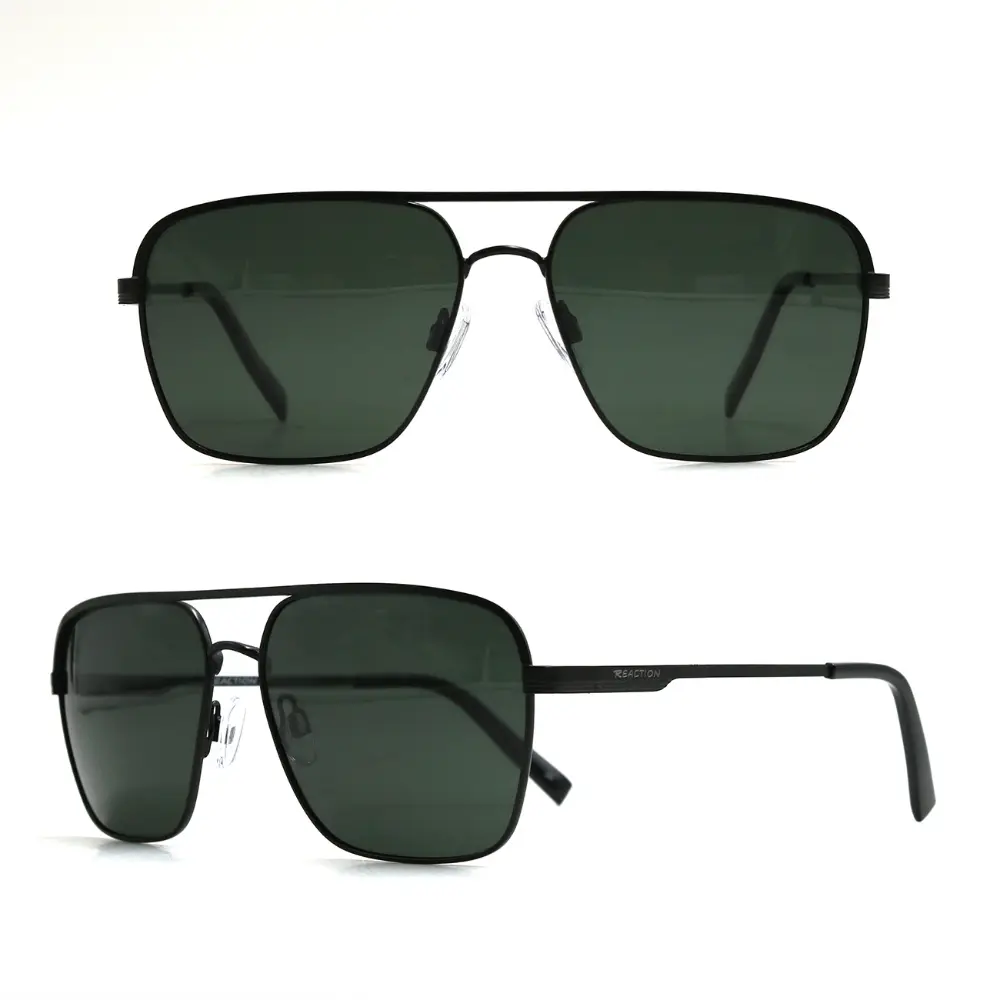
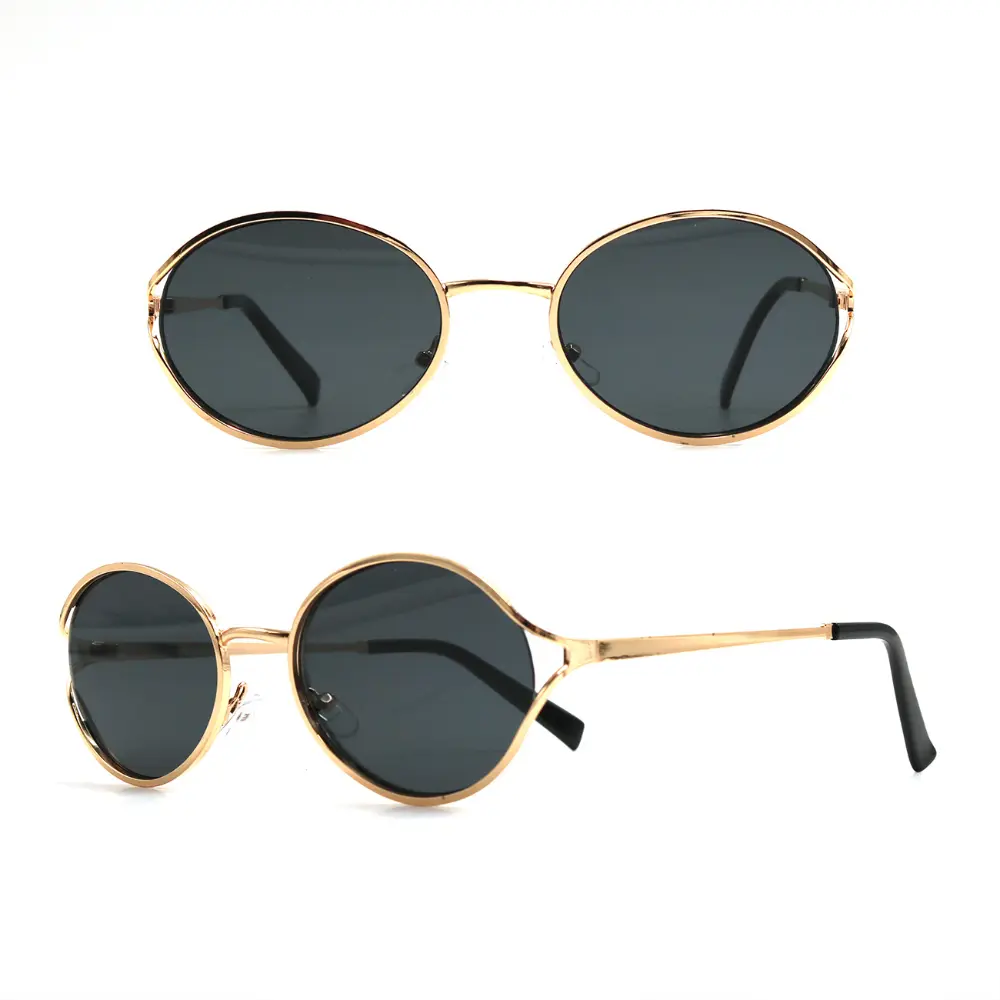
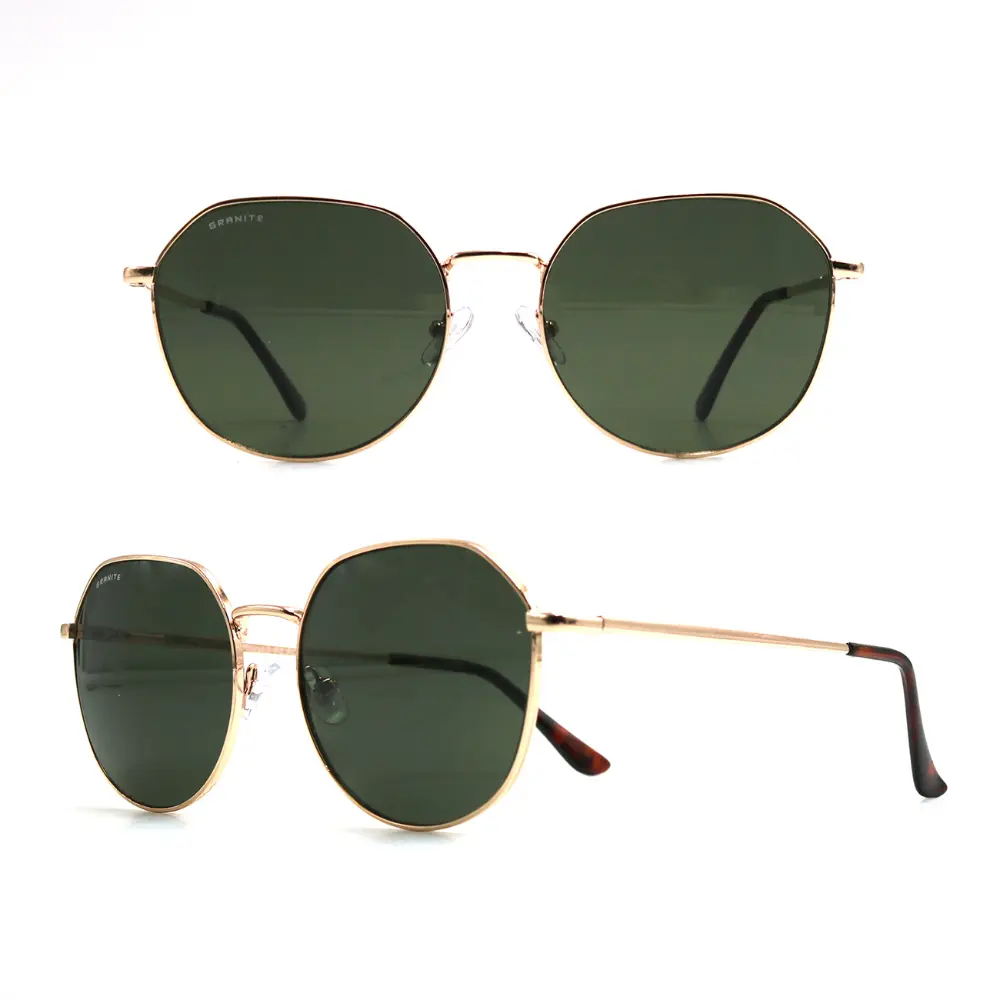
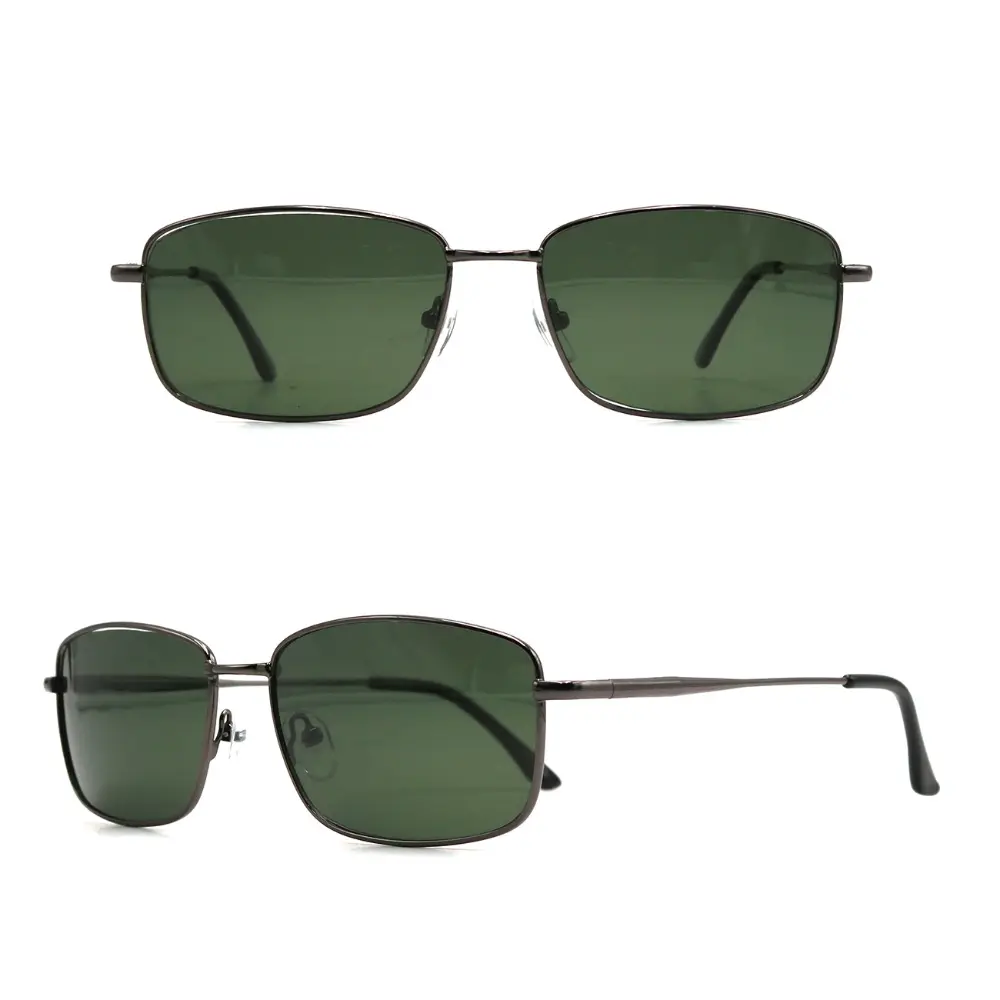
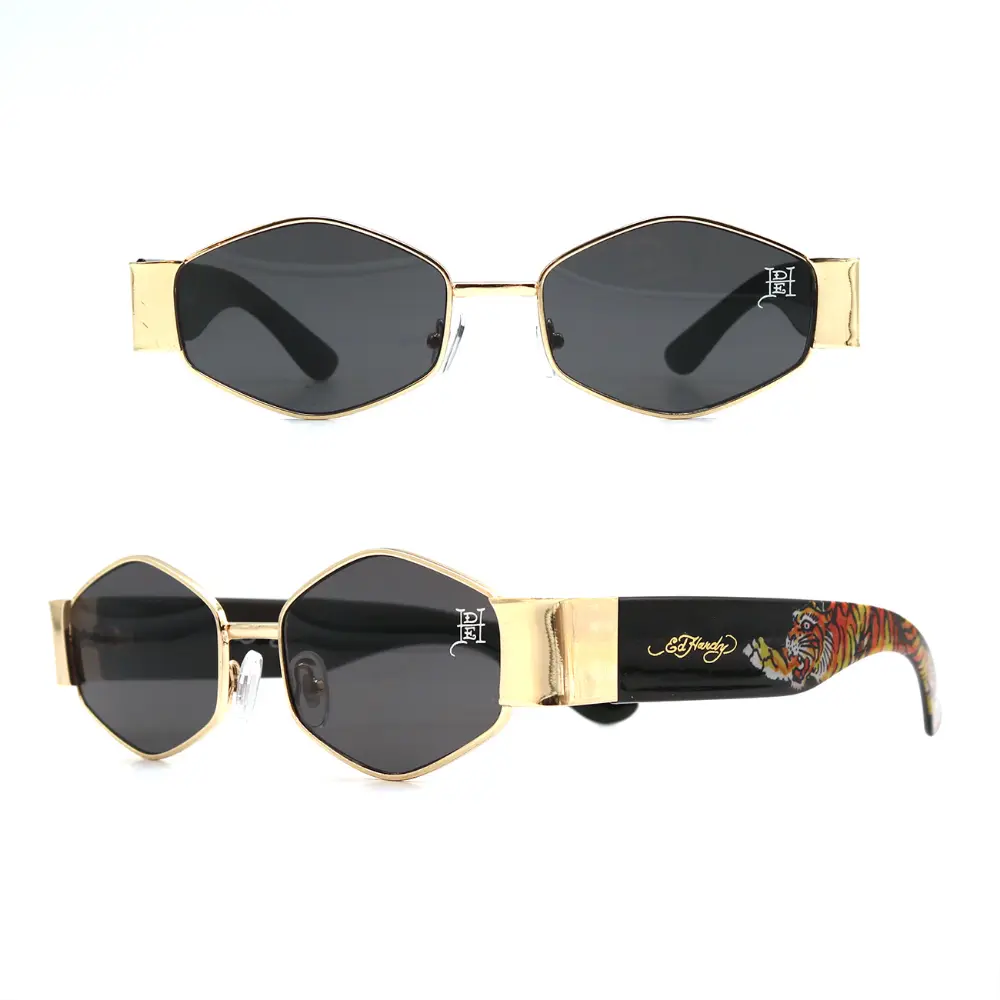
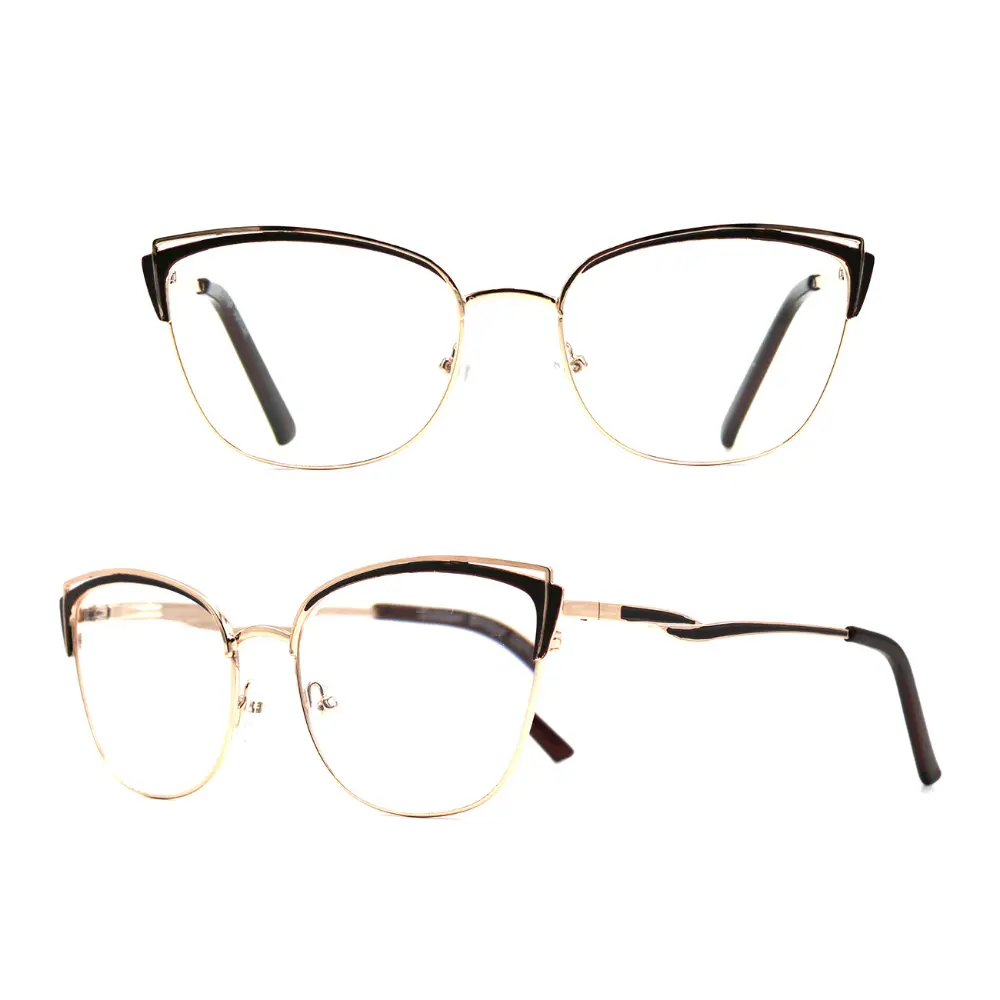
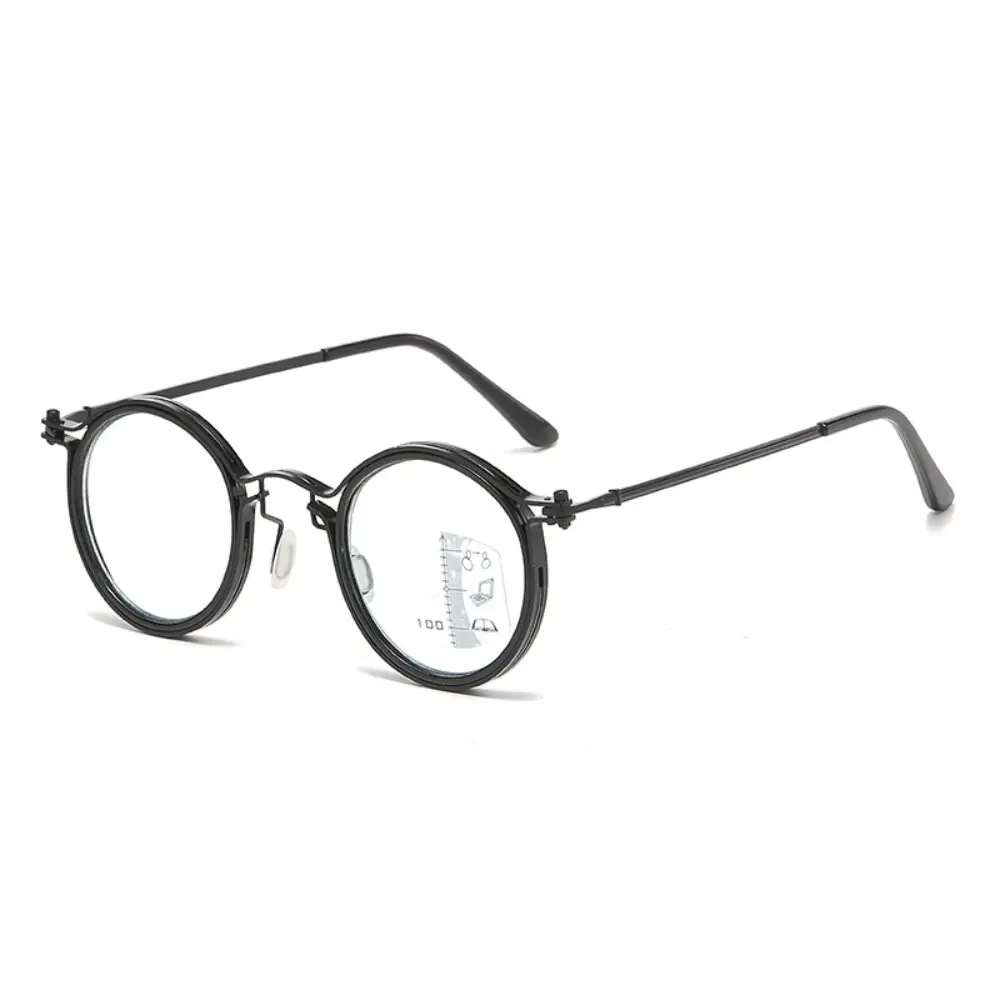
- Metal: Growing in the aspirational segment. Aviators and thin-metal rectangular frames carry the “international style” cachet that middle-class consumers seek. Gold-tone finishes are disproportionately popular (similar to the Middle East, though at lower price points).
- Titanium: Niche but growing. The upper-middle segment in Brazil and Mexico is beginning to demand lightweight, hypoallergenic frames — and is willing to pay a premium for them.
Seasonal Patterns
- Summer (Dec–Feb in Southern Cone, year-round in tropics): Sunglasses peak. Bold, colorful sun frames with UV400 and polarized lenses. Oversized shapes dominate. Brazil’s beach culture drives strong demand for fashion sunglasses from October through Carnival (February/March).
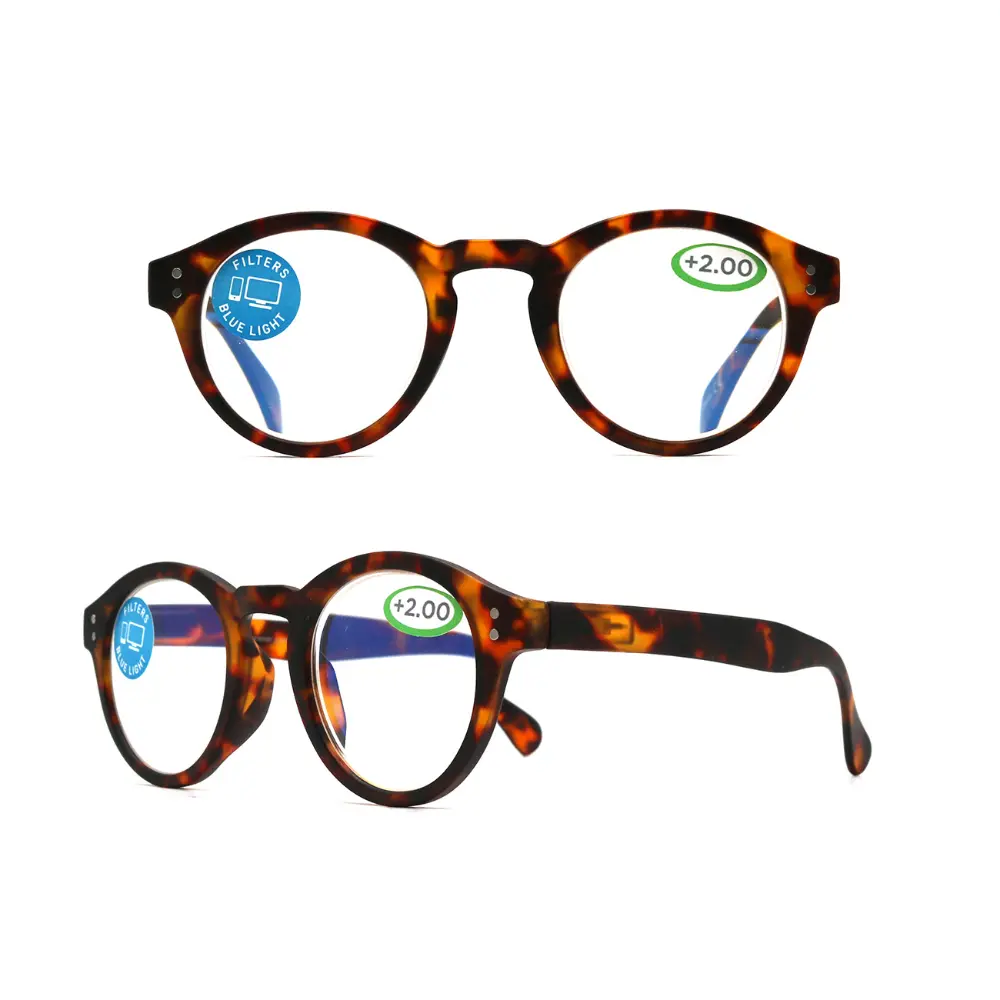
- Fall/Winter: Optical frame season. Tortoiseshell and dark acetate, classic metal frames. Back-to-school drives kids’ frame demand (March and August, depending on country). Blue-light-blocking frames gaining traction among office workers.
- Holiday gifting: December holiday season drives premium frame purchases — both optical and sun. Father’s Day and Mother’s Day (dates vary by country) also create gift-driven demand spikes.
2026 Trend Direction for Latin America
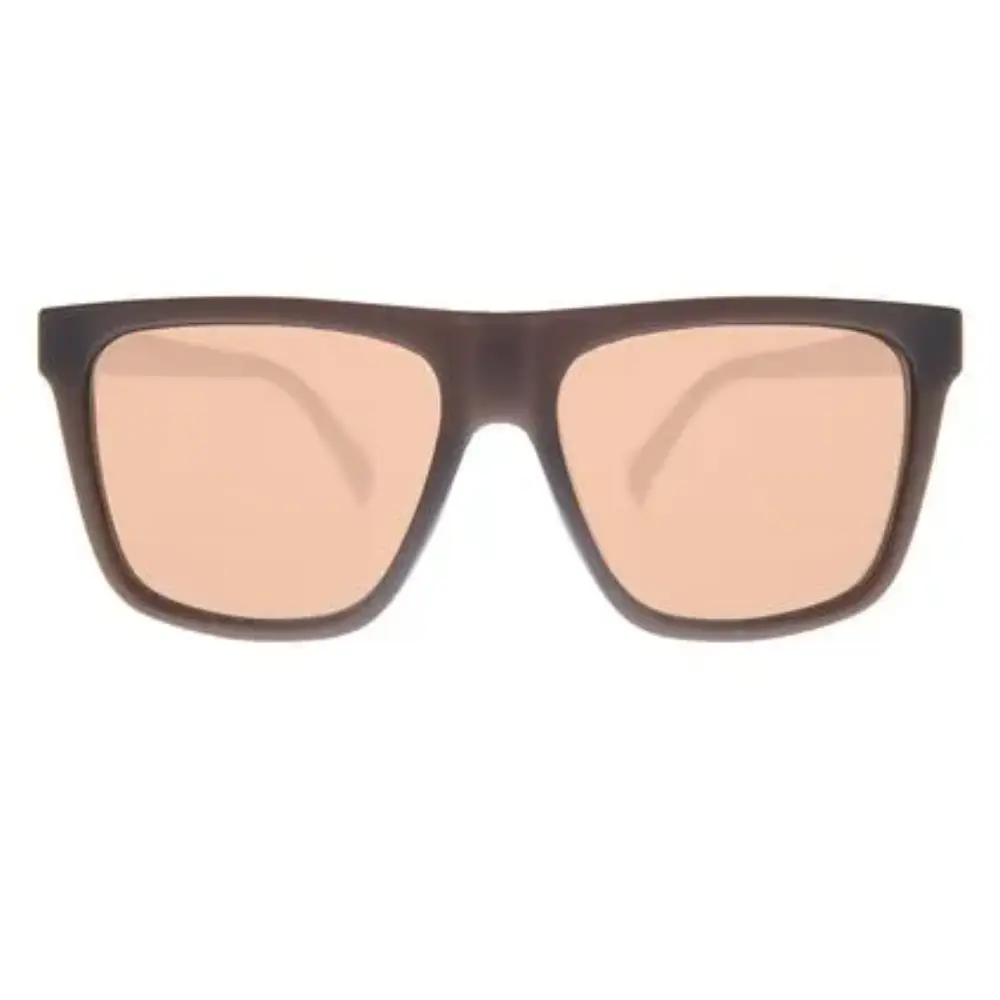
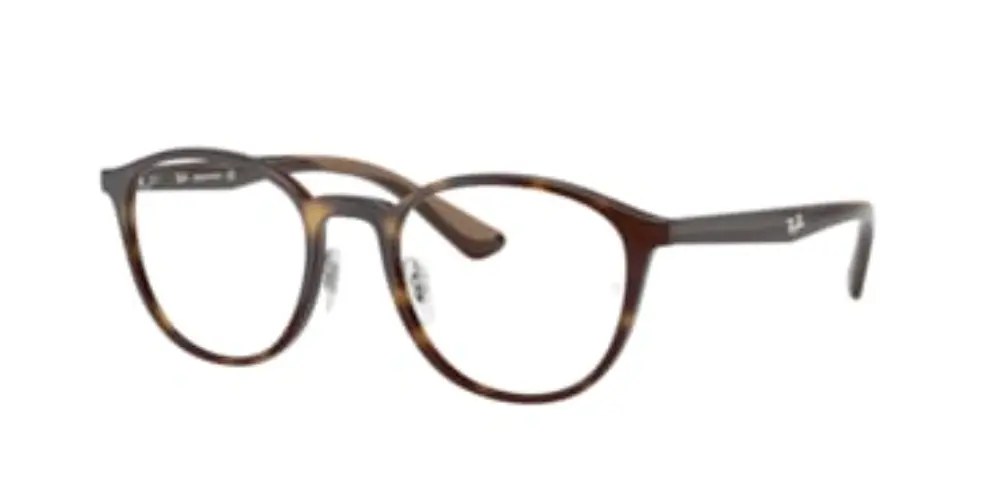
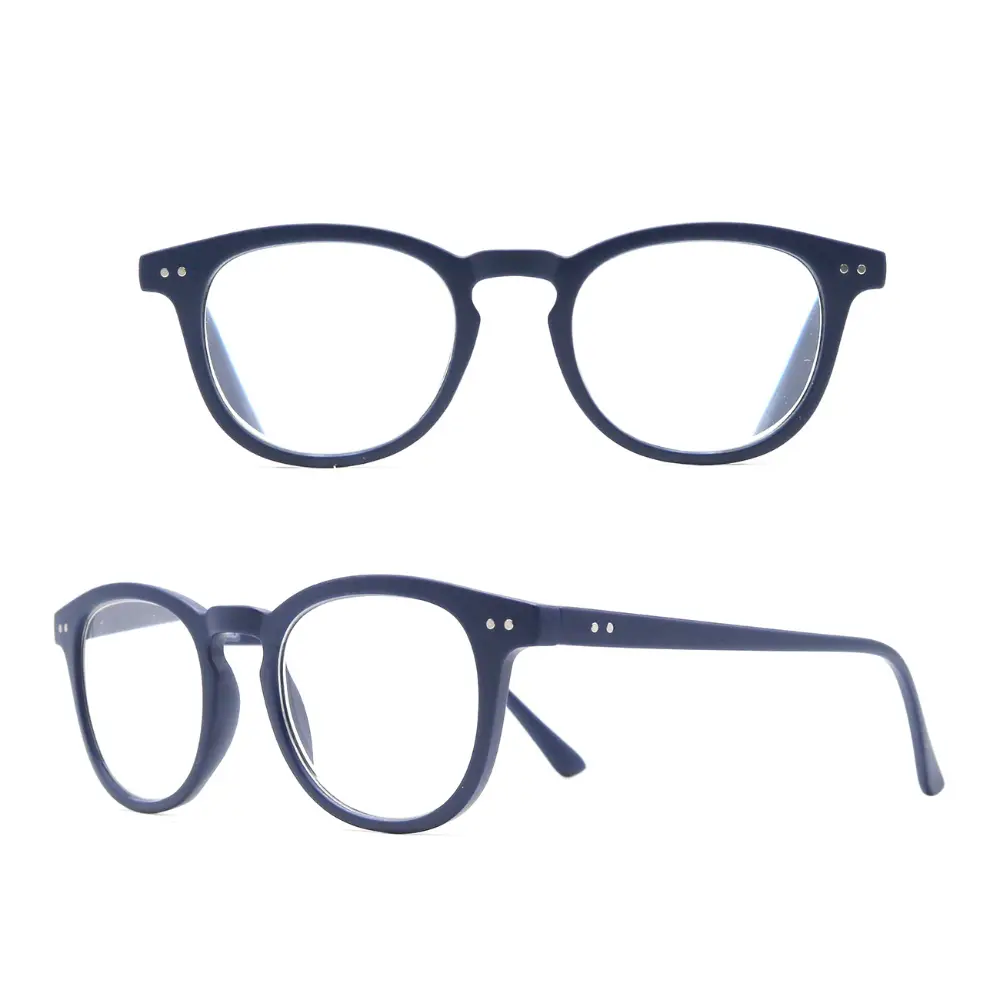
- “Accessible premium” aesthetic: Frames that look like they cost $200 but sell for $40–$60. This is the sweet spot. Matte finishes, clean lines, quality-feeling acetate. The consumer wants to feel they are getting “more than they paid for.”
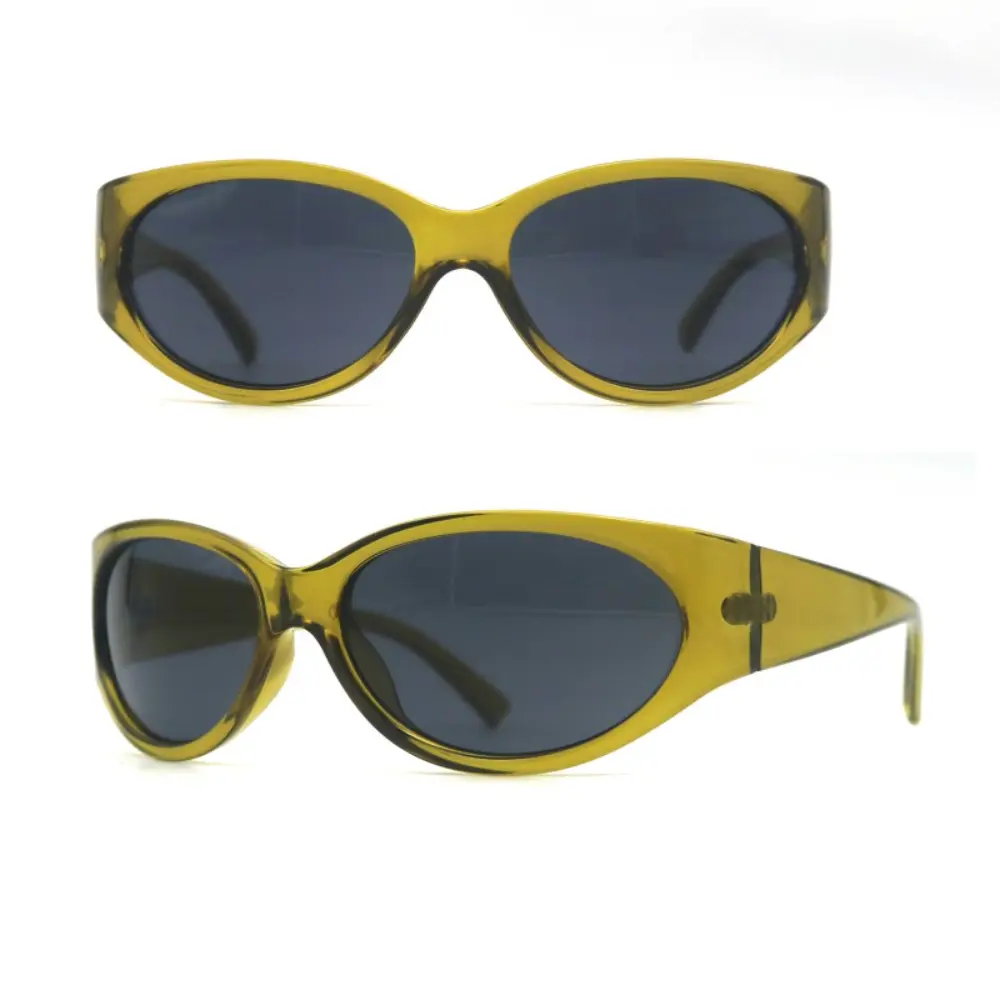
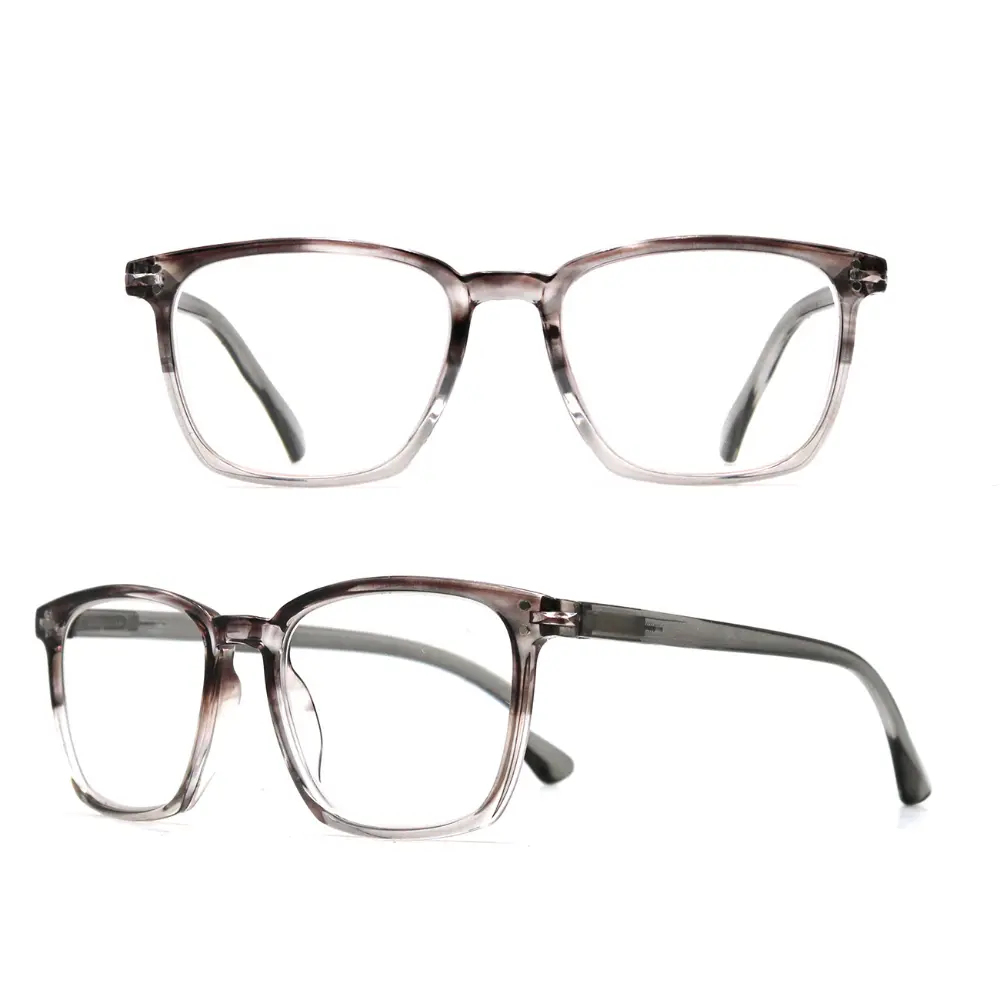
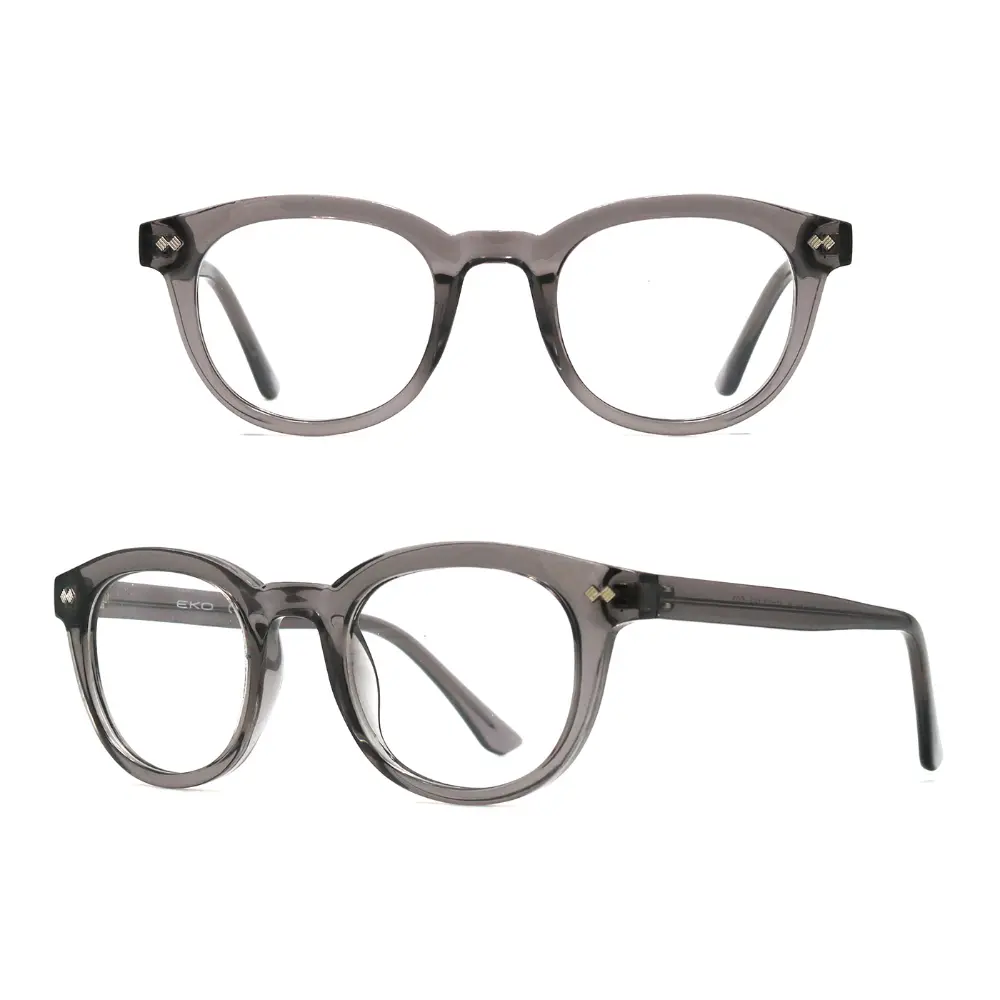
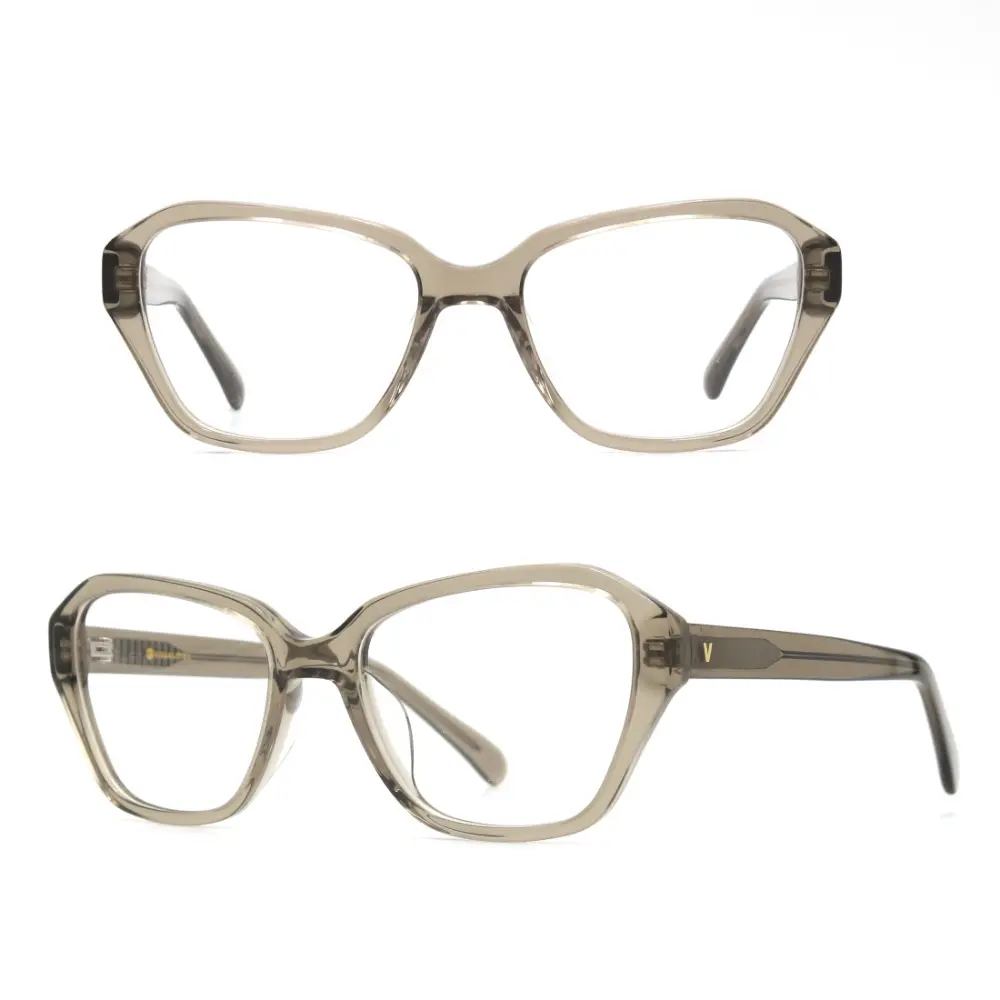
- K-fashion influence arrives: Gentle Monster‘s aesthetic is beginning to influence Latin American fashion, particularly among Gen Z and young millennials in São Paulo, Mexico City, and Bogotá. Oversized, angular frames in translucent colors.
- Sustainability awakening: Not yet at European levels, but growing. Brazilian brands like Chilli Beans have introduced recycled-material lines. Consumers under 30 are increasingly asking about sustainability — and brands that can tell that story have a differentiation advantage.
- Eyewear as fashion accessory: The shift from “glasses as medical device” to “glasses as style statement” is accelerating across all income levels. Multiple-pair ownership is growing — one for work, one for weekend, one for going out.
Sourcing for Latin America: What to Prioritize
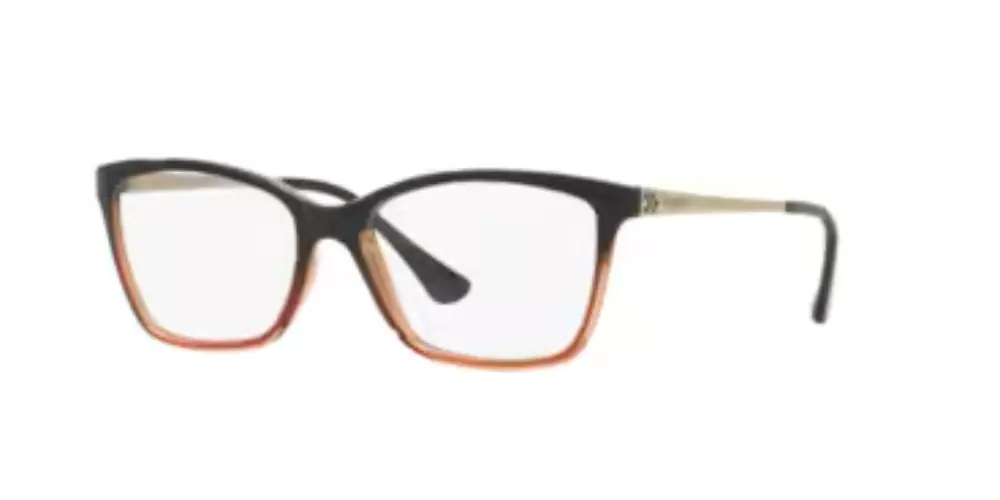
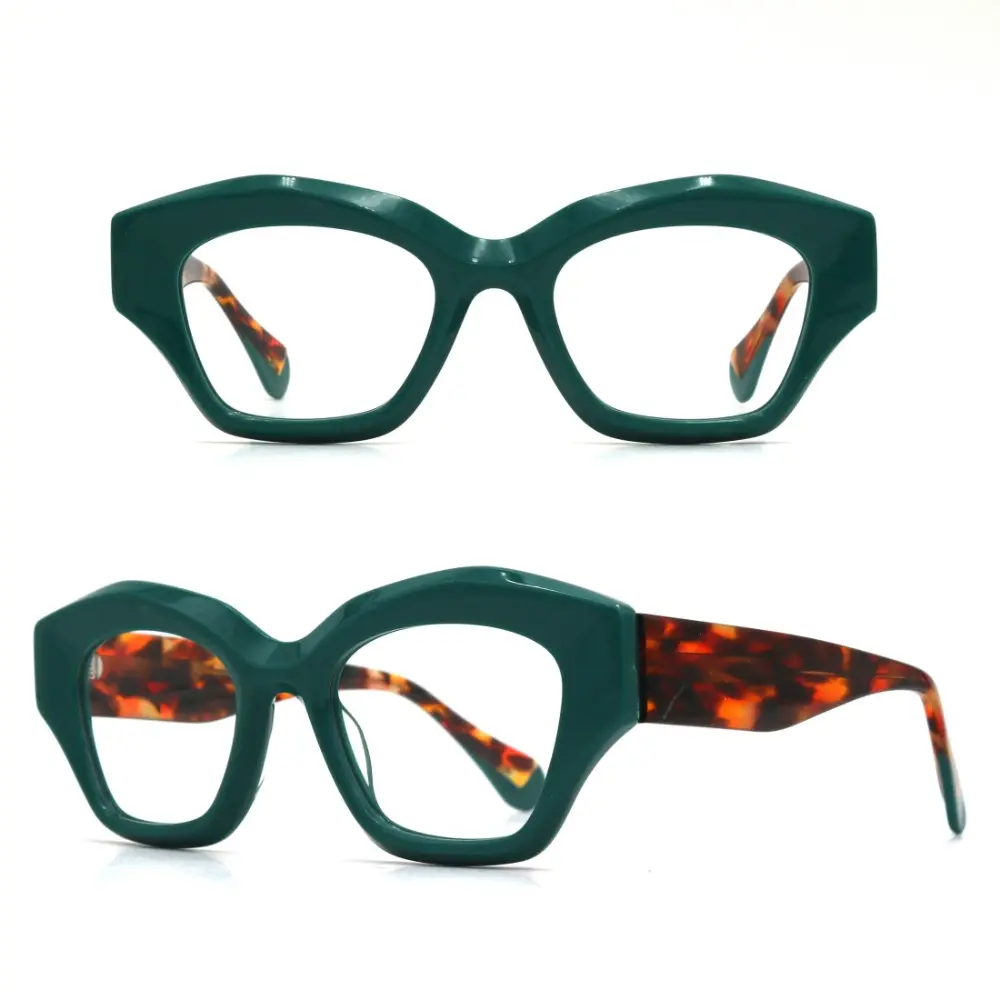
- Colorful acetate frames: Bold colors, patterns, and chunky shapes. Red, blue, green, and multicolor acetate in rectangular and cat-eye shapes. This is your volume driver.
- TR90 with UV400 lenses: The value proposition. Flexible, durable, UV-protective, and cheap. Perfect for the mass market and the “first pair” buyer.
- Gold-tone metal aviators: Aspirational styling at accessible pricing. The “Ray-Ban look” without the Ray-Ban price. Gold and rose-gold finishes.
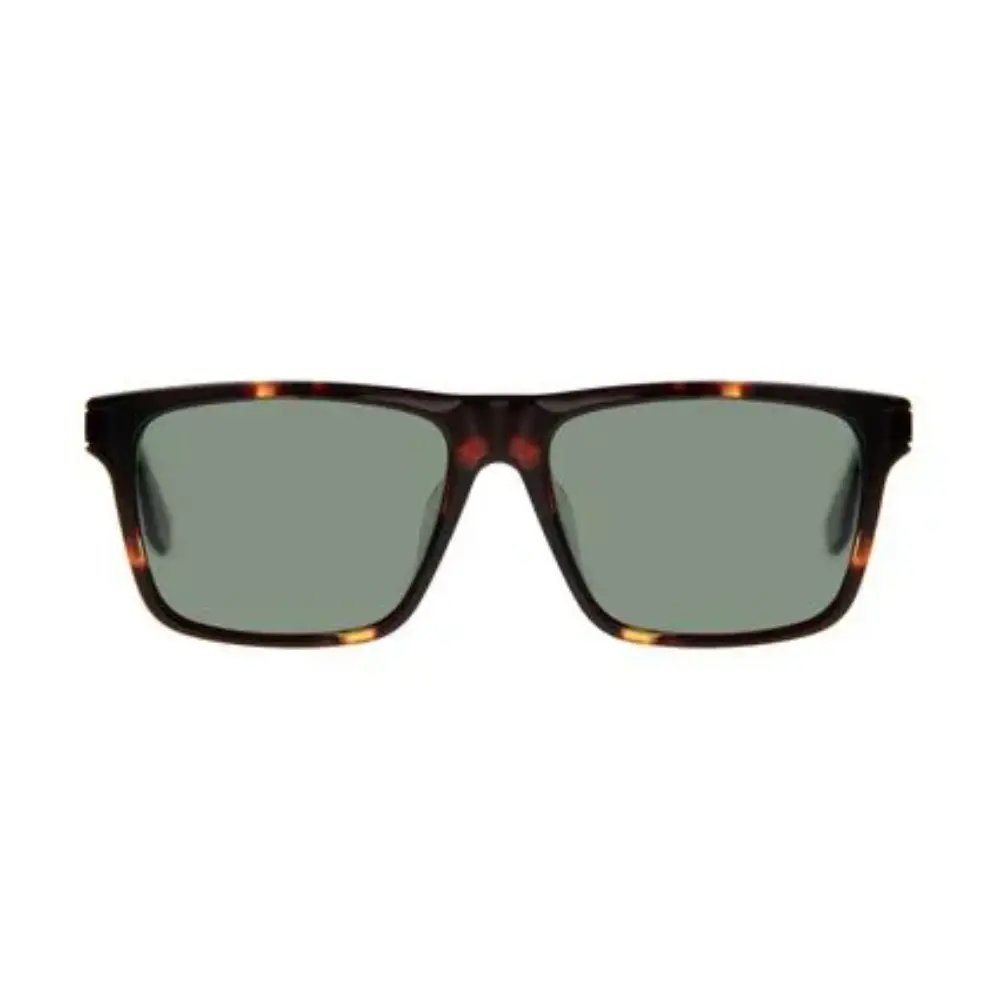
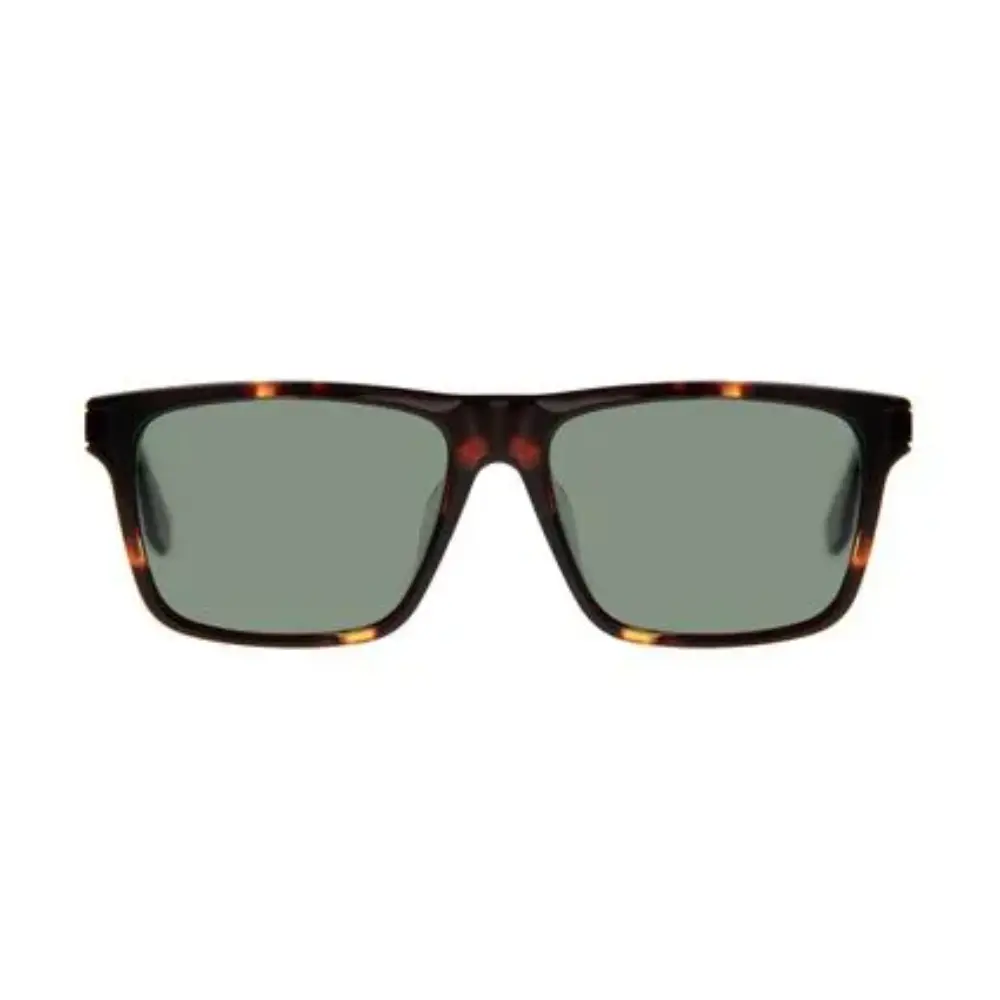
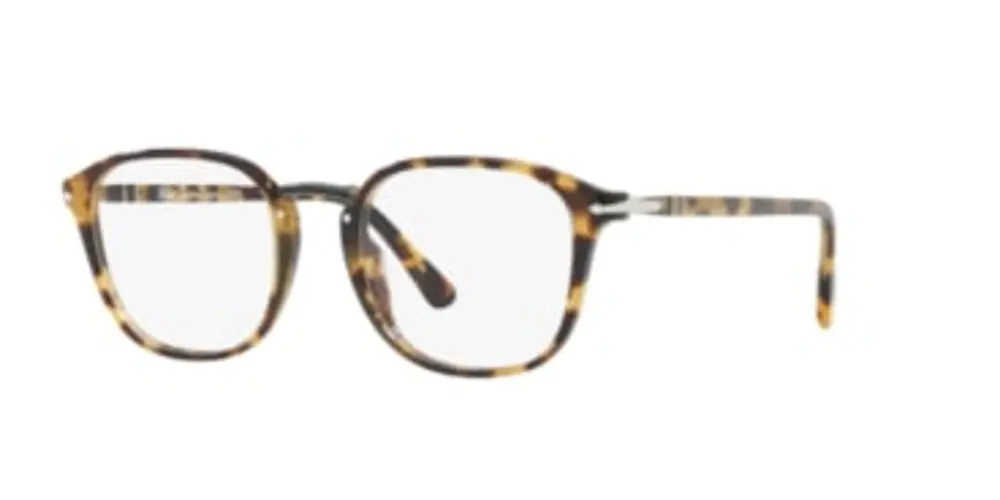
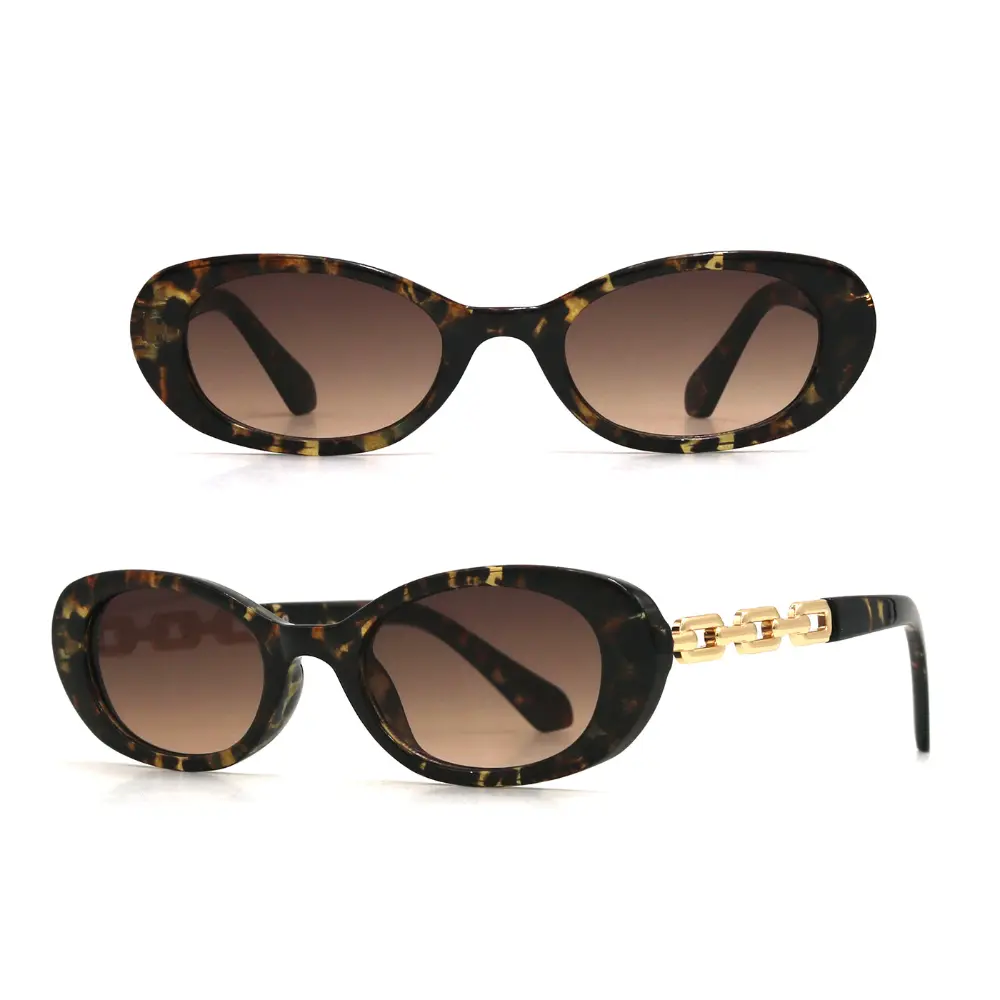
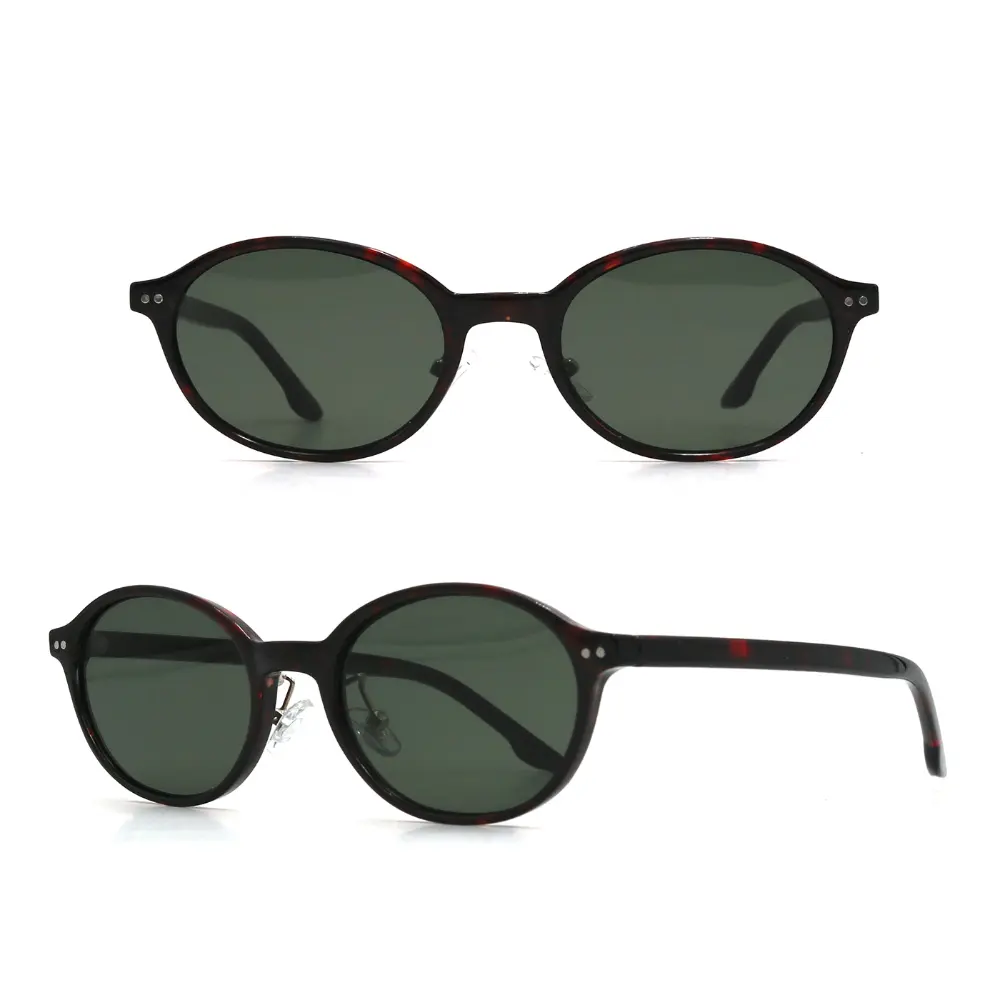
- Tortoiseshell acetate classics: The universal seller. From Mexico to Argentina, tortoiseshell frames in classic shapes (rectangular, round, cat-eye) are the reliable core of any Latin American collection.
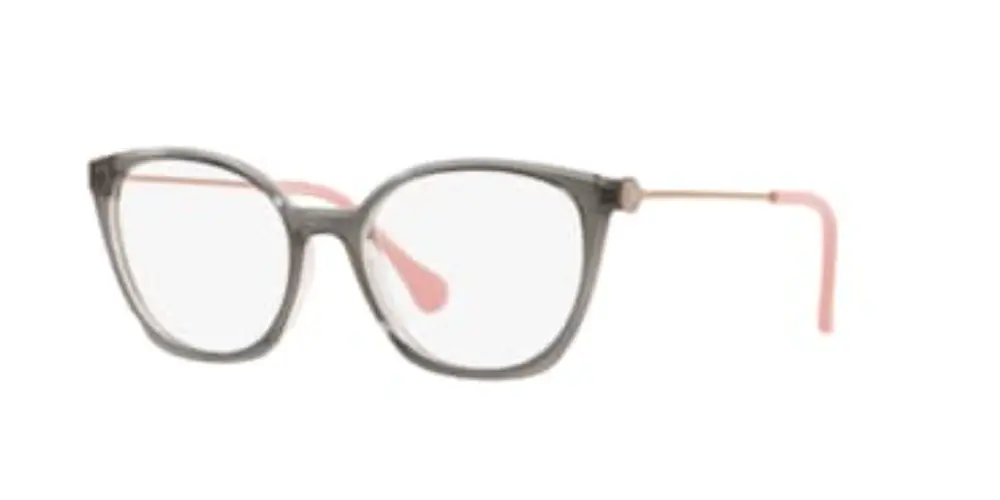
- Kids’ frames in TR90: Growing demand driven by increased vision screening in schools. Flexible, colorful, and affordable. Spring hinges essential.
At Wenzhouframe, we manufacture vibrant acetate frames in the bold colors and patterns that the Latin American market demands, TR90 value frames with UV400 lenses, and gold-tone metal aviators at price points that make the aspirational accessible. Our factory produces all of these materials with the quality and finishing that Latin American consumers are increasingly expecting — because “affordable” should not mean “cheap-looking.”
Related Guides for B2B Eyewear Buyers
- TR90 vs Acetate vs Metal: Choosing Materials for Latin America
- How to Source Eyewear from China: Complete B2B Guide
- OEM vs ODM: Which Model Works for the Latin American Market?
- Blue Light Blocking Glasses: Wholesale Sourcing Guide
- Custom Eyewear Packaging: From Factory to Retail Shelf
- Eyeglass Hinges: Why Durability Matters in Volume Markets
If you are building a collection for Brazil, Mexico, Colombia, Chile, or the broader Latin American market, let us know. We can prepare a curated selection based on your target countries, price segments, and style preferences — and we will include samples so you can evaluate the quality yourself before committing.

6.17_11.webp)