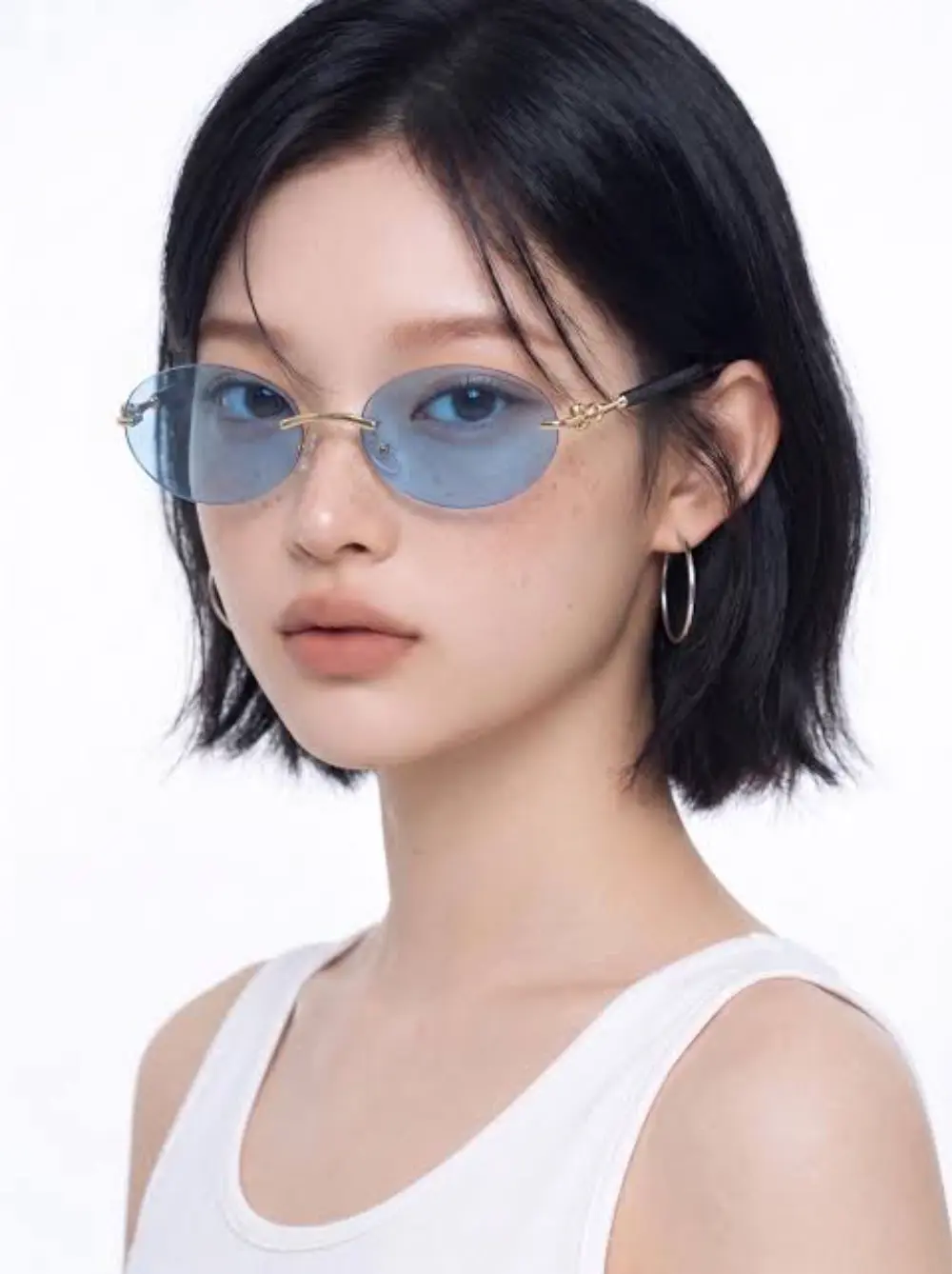
The Middle East eyewear market is valued at $4.8 billion in 2026 and projected to reach $10.17 billion by 2035 — an 8.70% CAGR that makes it one of the fastest-growing eyewear markets on the planet. Africa’s eyewear market is earlier-stage but accelerating, driven by urbanization, rising middle-class populations, and increased health awareness.
For B2B buyers, the Middle East in particular represents a unique market: luxury is the default expectation, not the aspiration. Gold accents, bold shapes, and brand prestige are not optional — they are baseline. Understanding this market’s distinct aesthetic codes and retail structure is essential for any buyer planning to serve it.
The Middle East Retail Structure
MAGRABi — The Regional Powerhouse
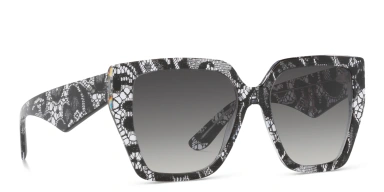
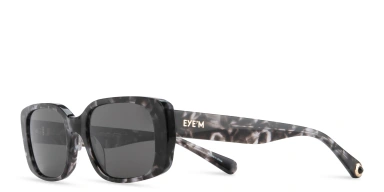
MAGRABi is the most recognizable eyewear retail brand in the Middle East. Operating across Saudi Arabia, the UAE, and other Gulf states, MAGRABi carries both international luxury brands and its own private-label collections. Their positioning bridges the gap between European luxury houses and the regional consumer who expects premium quality with accessibility.
Eyewa — The Omnichannel Challenger
Founded in the UAE, Eyewa has rapidly become the region’s leading omnichannel multi-brand eyewear platform. Their model combines online sales with physical retail, targeting a younger, digitally-native Gulf consumer. Brands carried range from Ray-Ban and Oakley to independent designers.
International Luxury Dominance
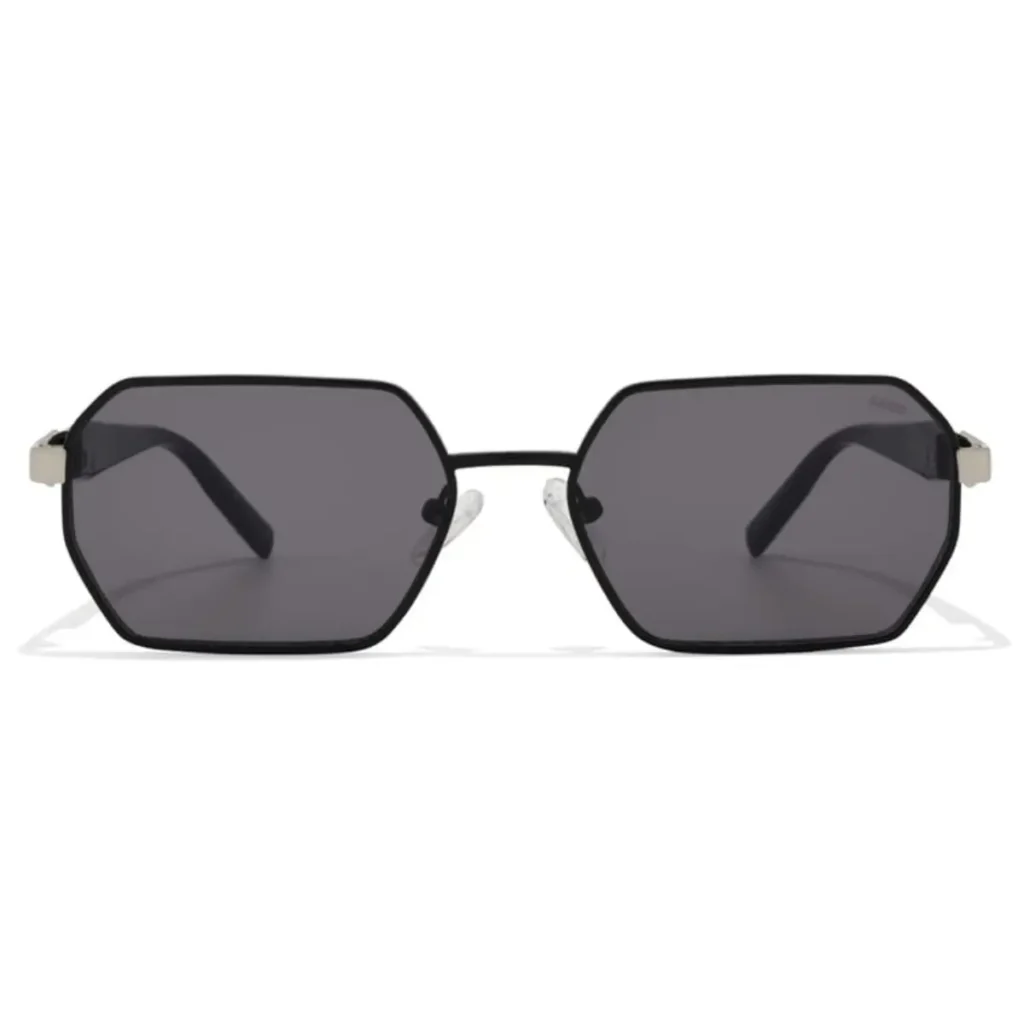
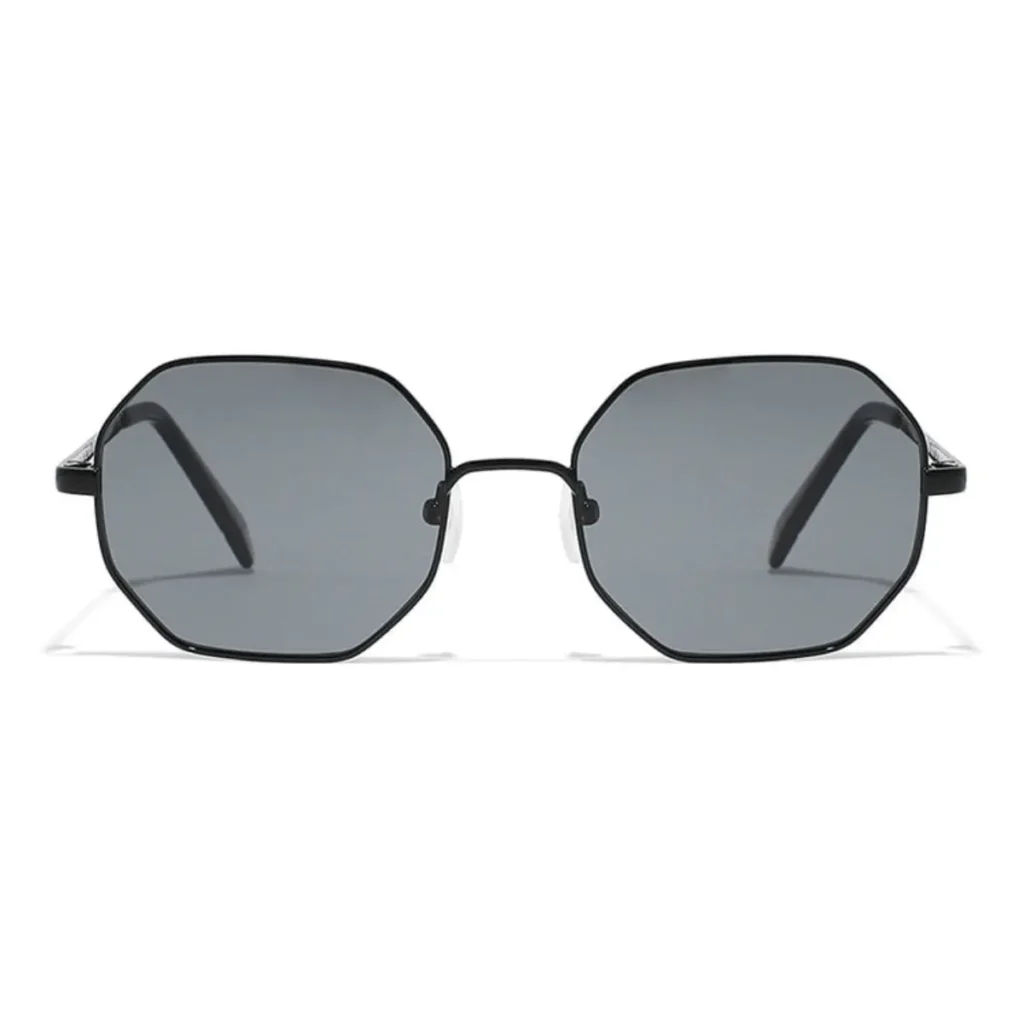
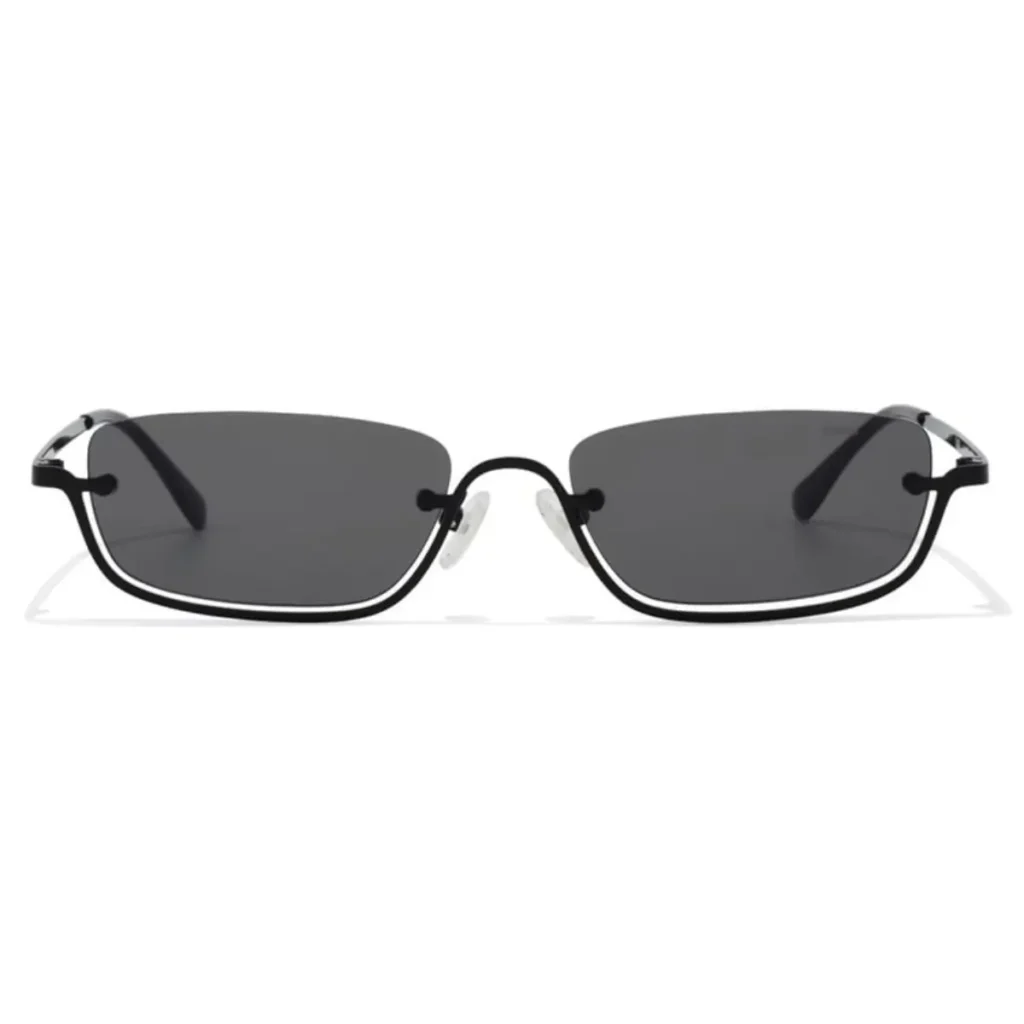
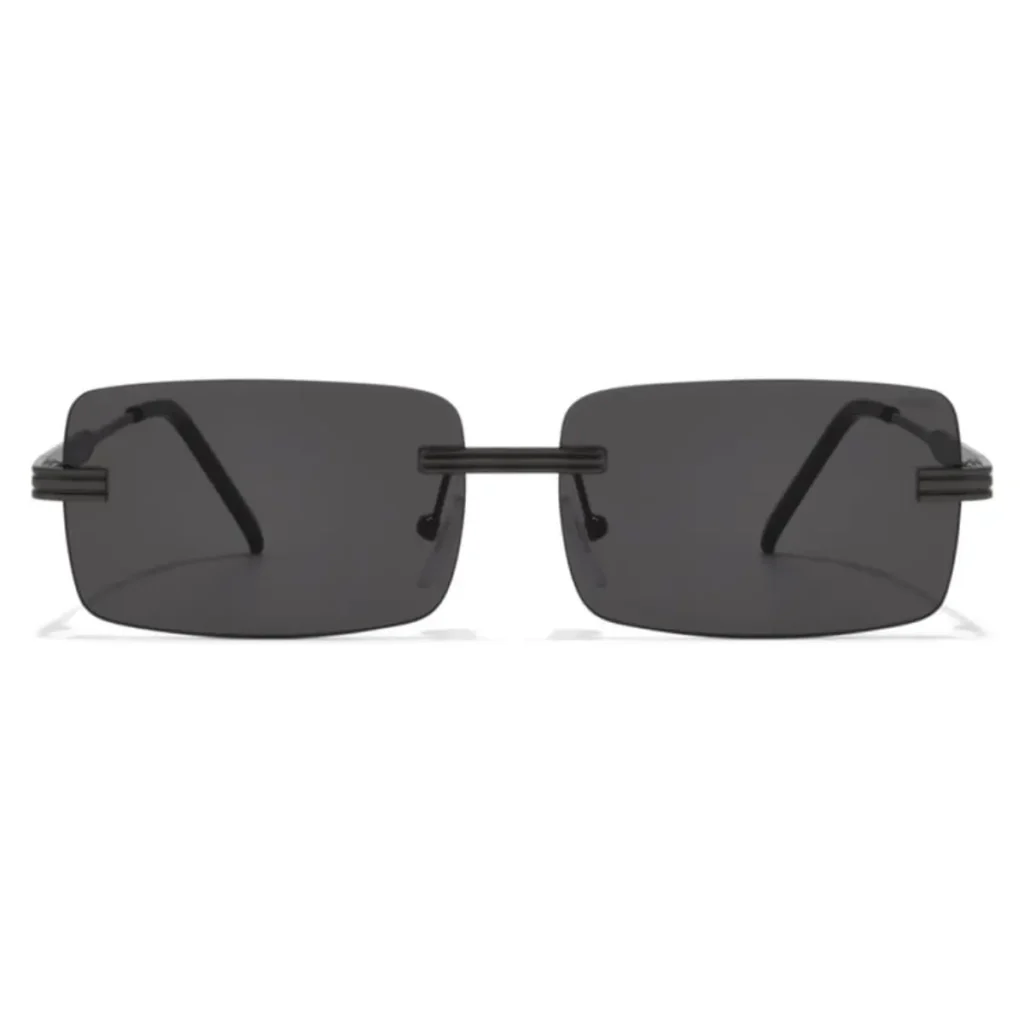
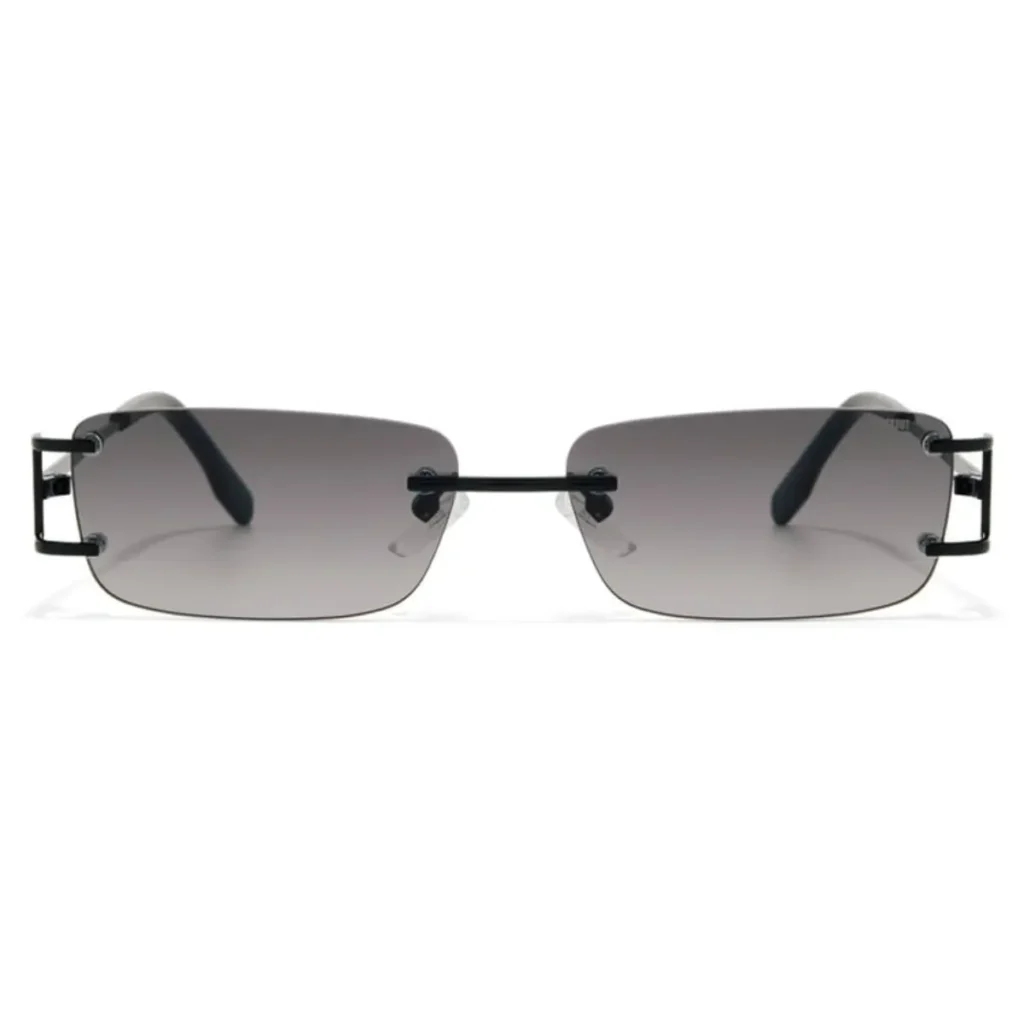
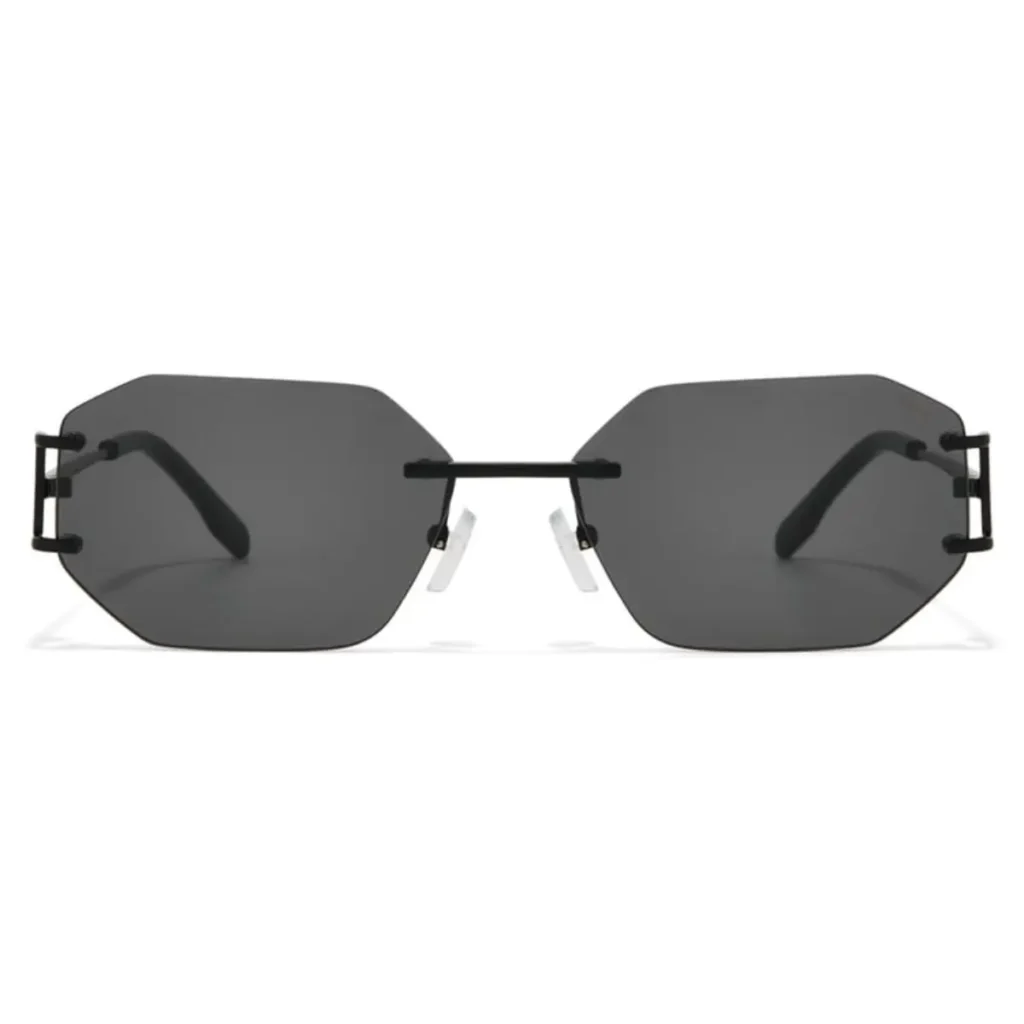
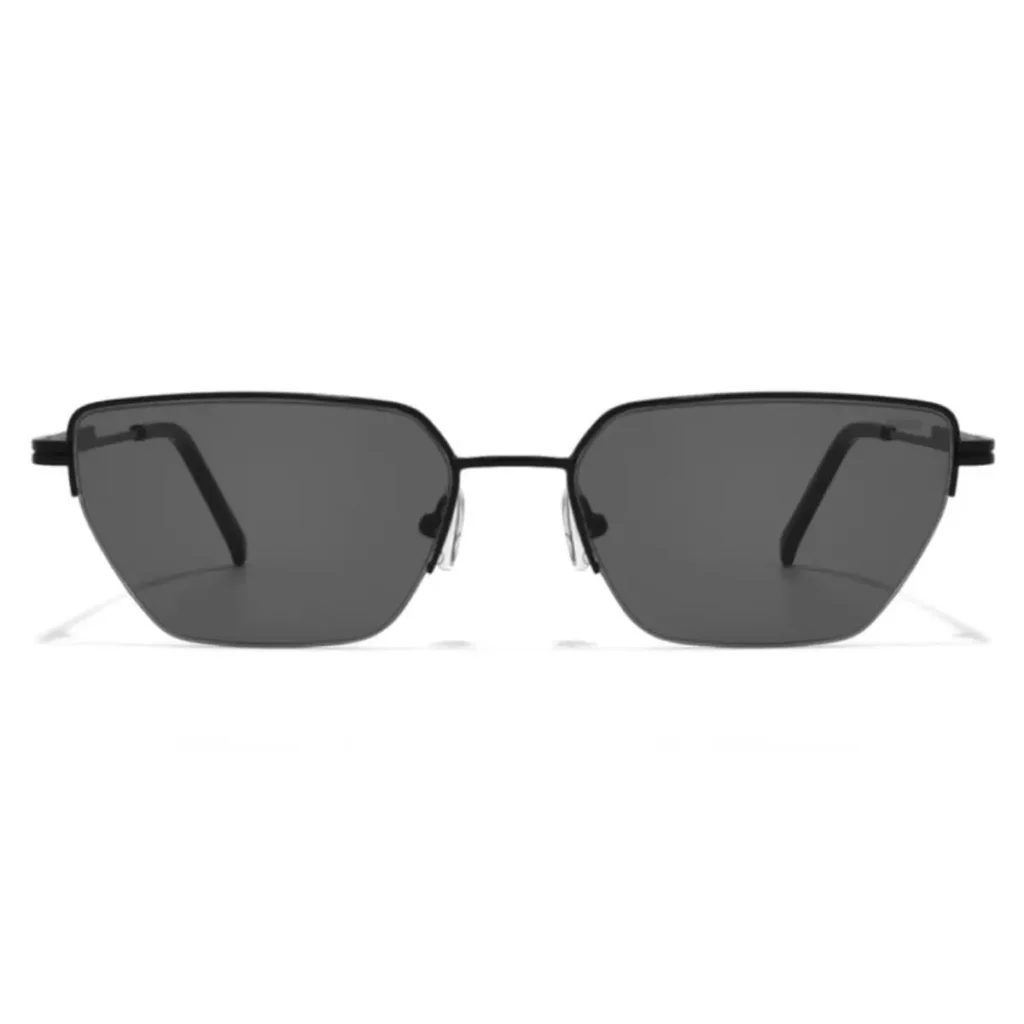
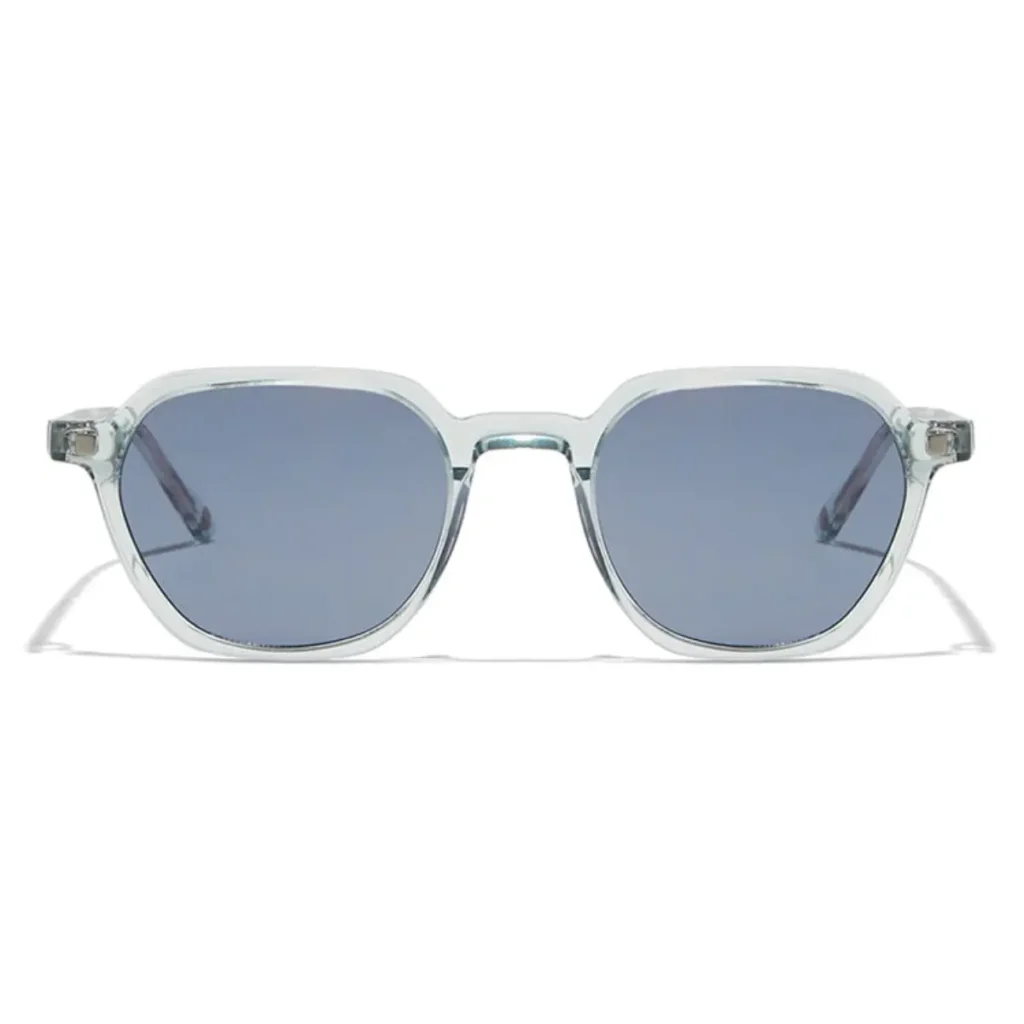
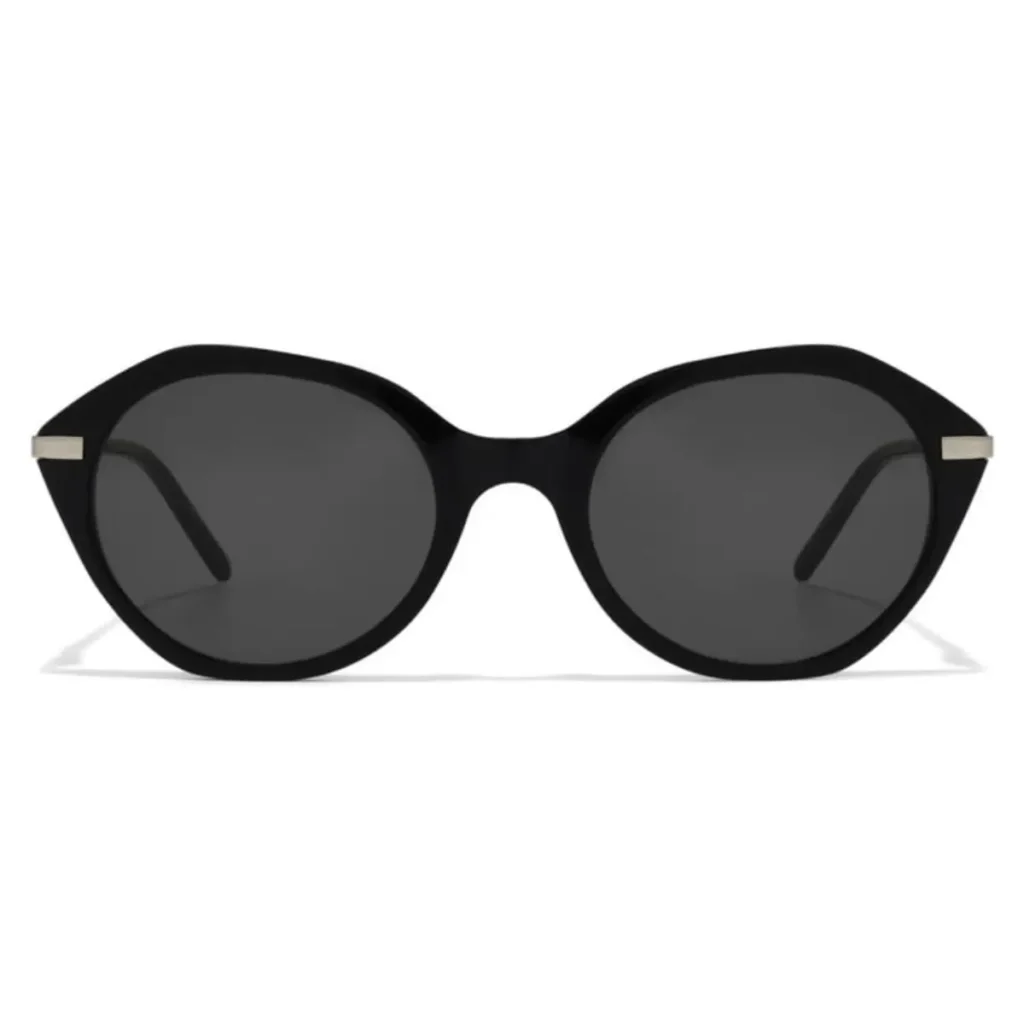
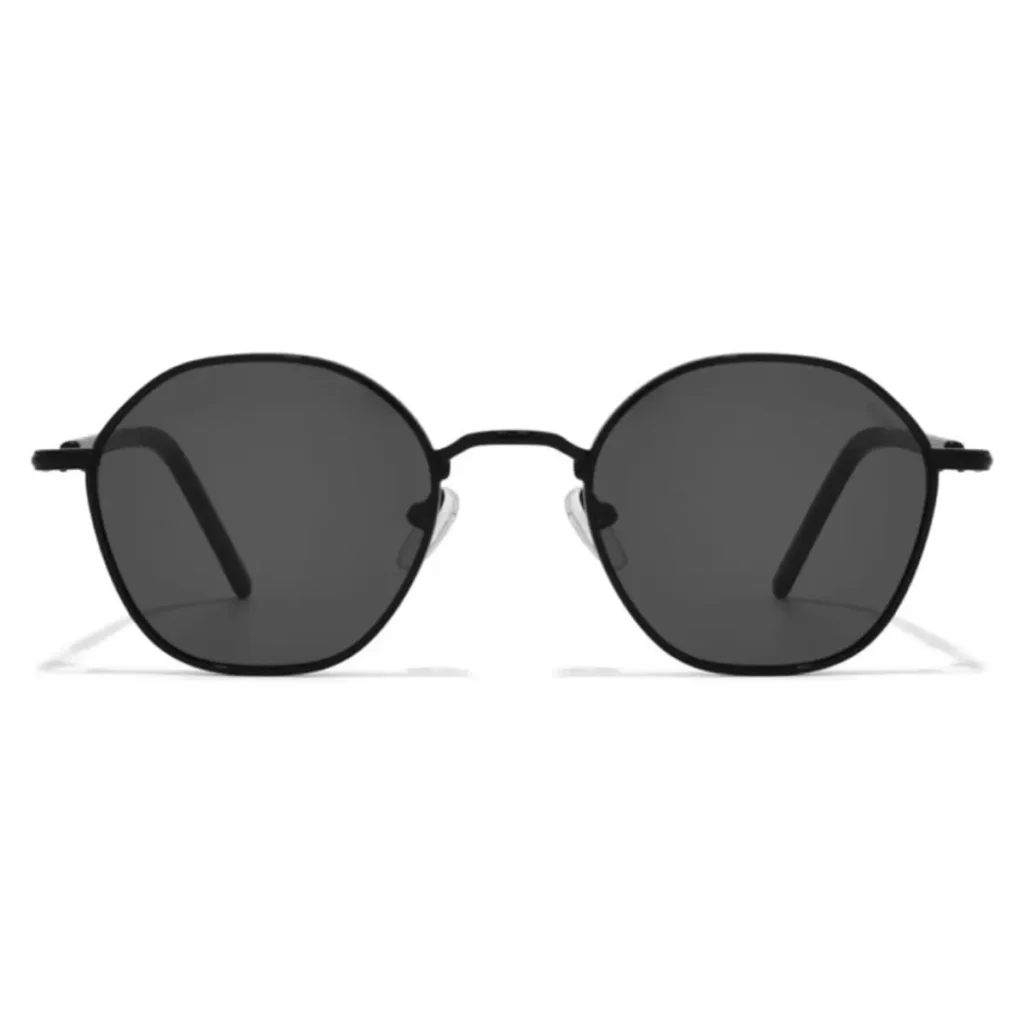
The Middle East is one of the strongest markets for luxury eyewear globally. Cartier, Dior, Tom Ford, Gucci, and Chanel flagship stores line the malls of Dubai, Riyadh, and Doha. These brands do not just sell eyewear — they sell status, identity, and cultural belonging. In a market where personal presentation carries deep social significance, eyewear is a visible signal of taste and success.
What the Middle East Consumer Wants
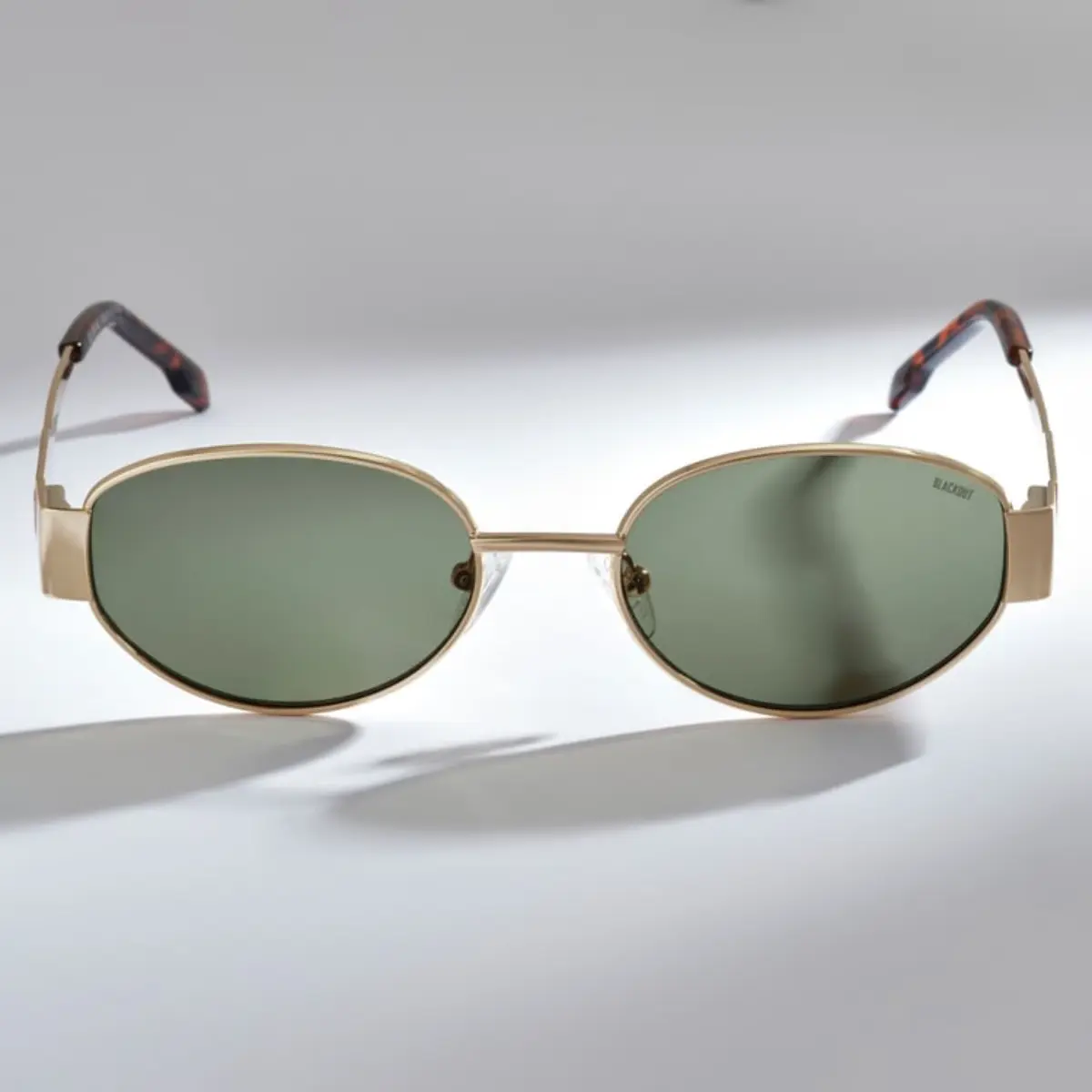
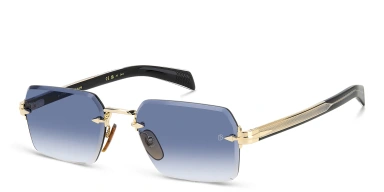
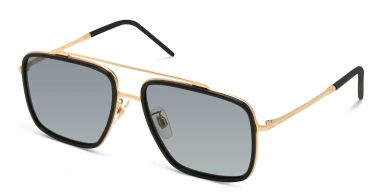
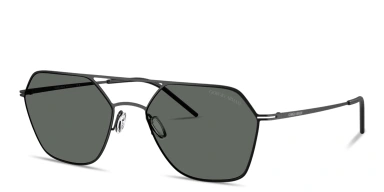
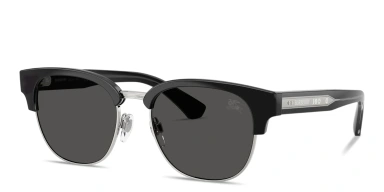
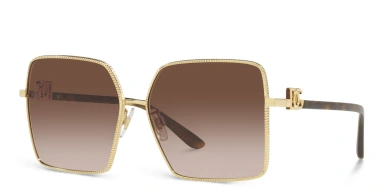
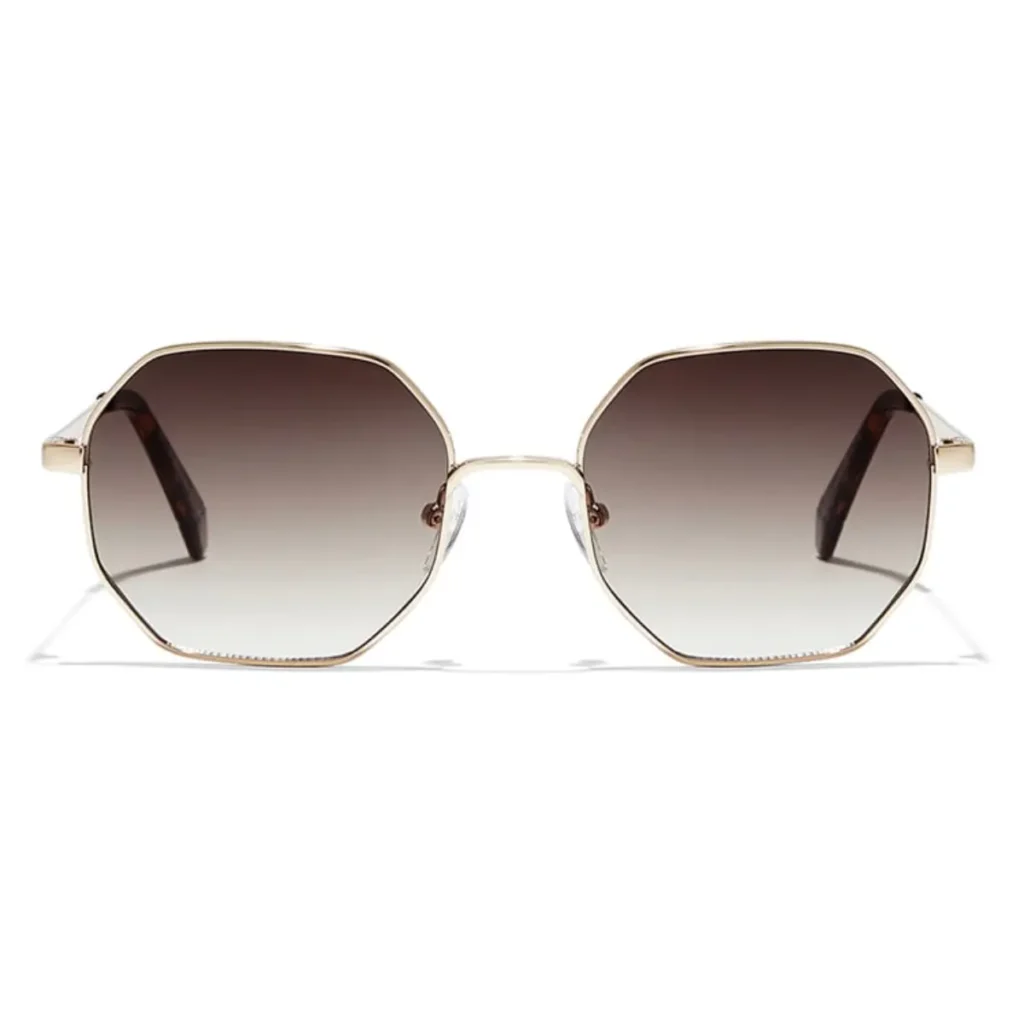
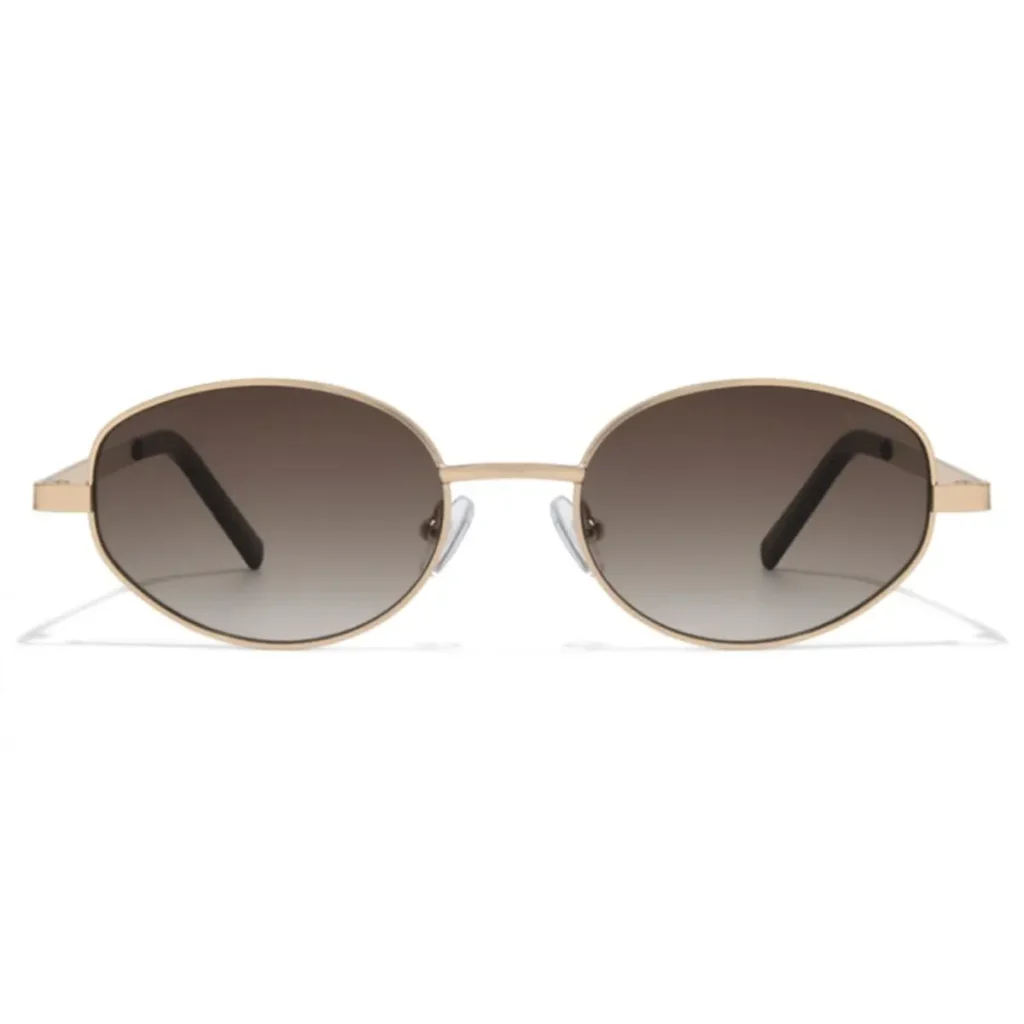
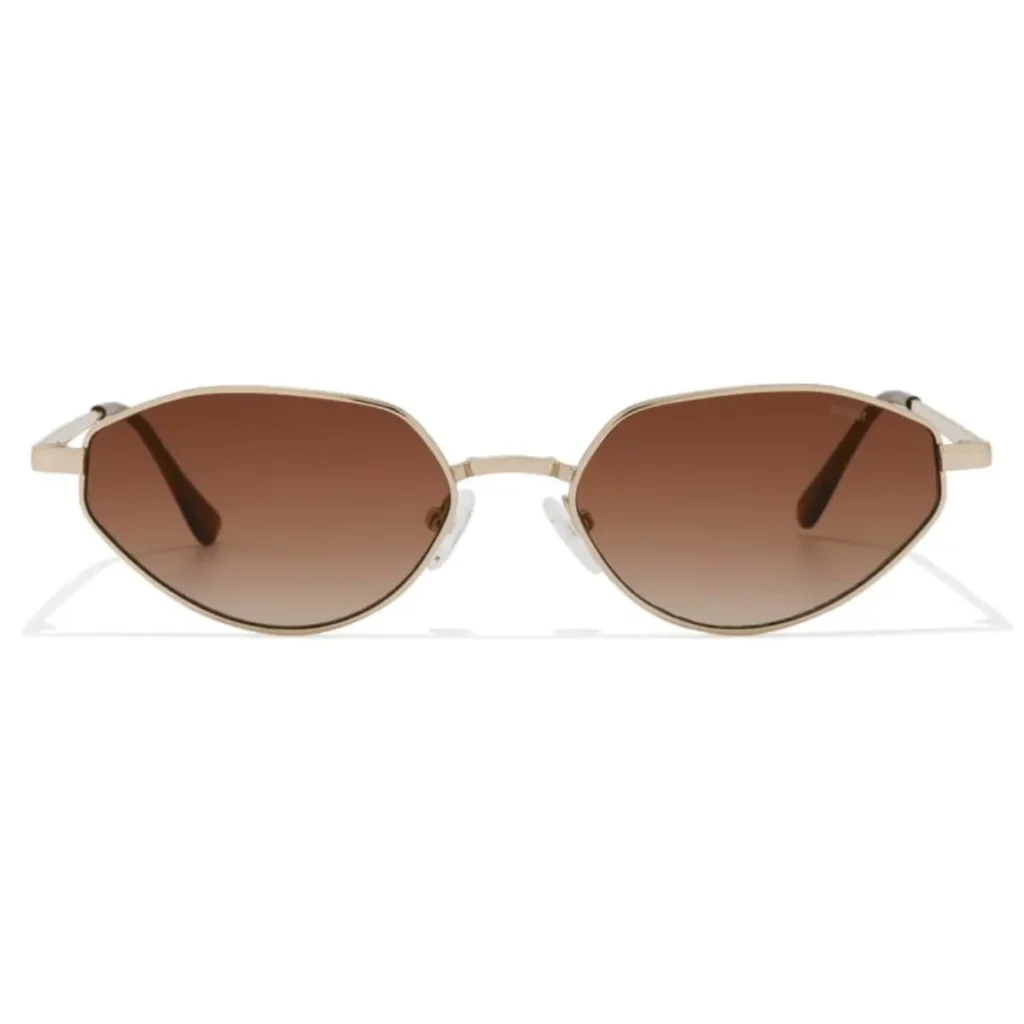
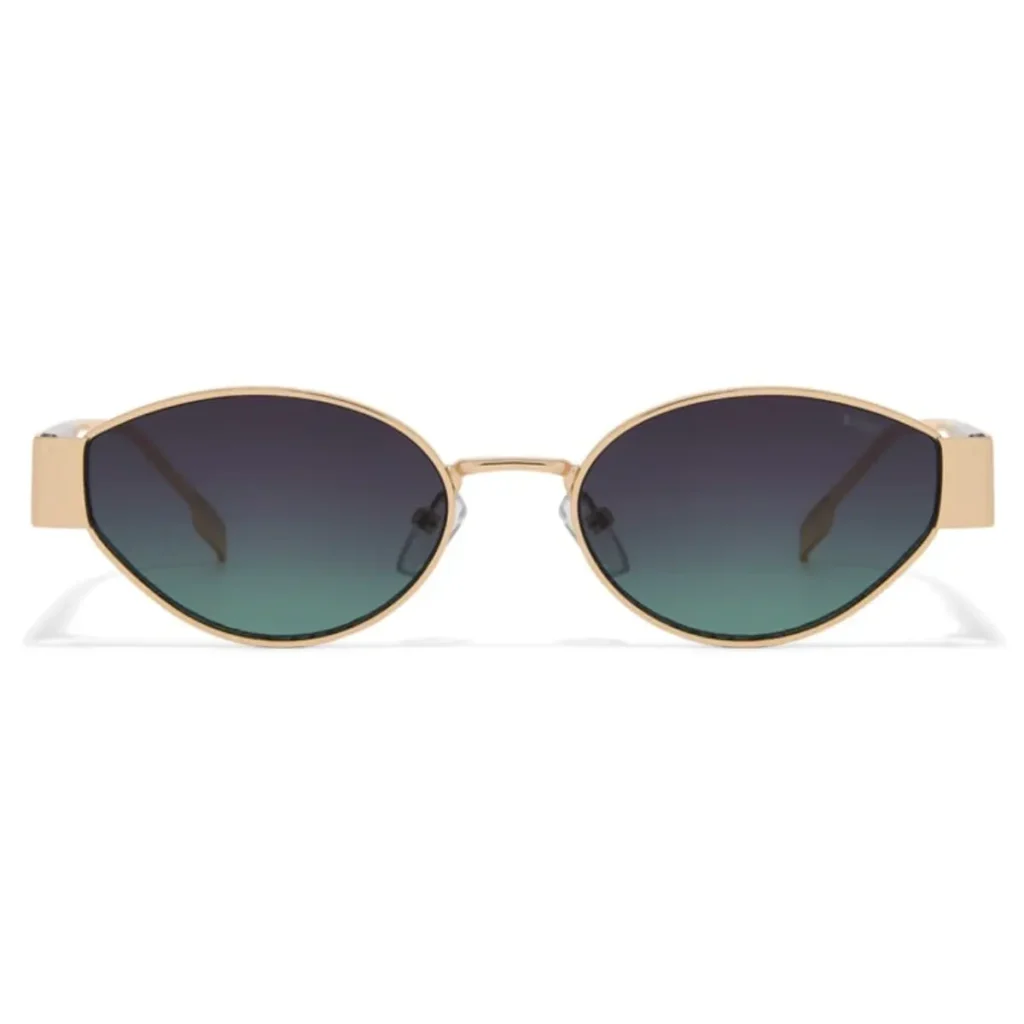
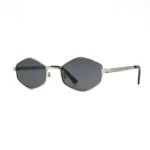
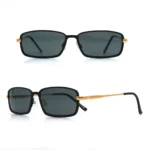
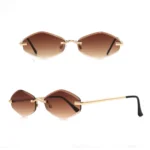
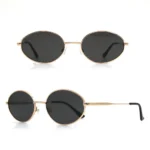
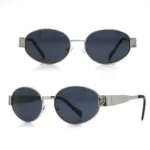
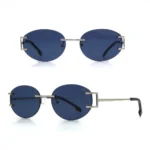
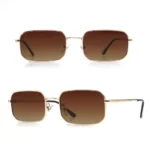
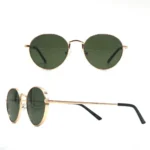
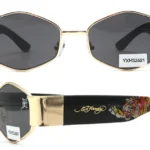
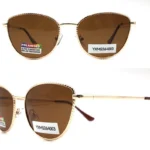
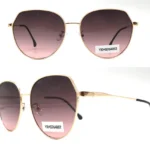
- Gold and metallic accents: Gold-tone frames, gold temple tips, and metal detailing are disproportionately popular compared to Western markets. The cultural association of gold with prestige and quality is deeply rooted.
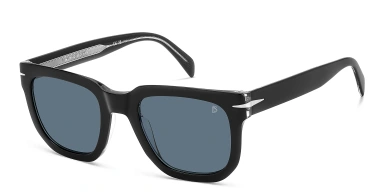
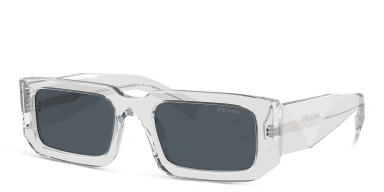
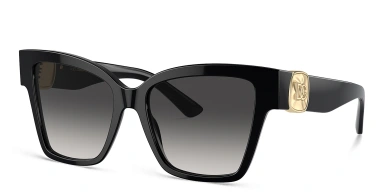
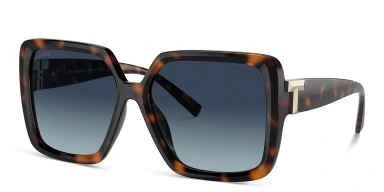
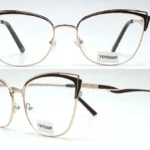
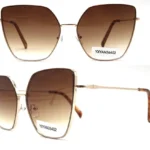
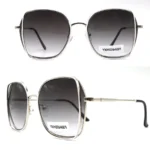
- Bold, oversized shapes: The larger the frame, the stronger the statement. Oversized square and cat-eye shapes in thick acetate dominate the premium segment. Subtlety is not the primary value — presence is.
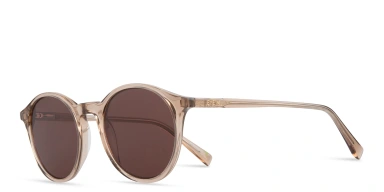
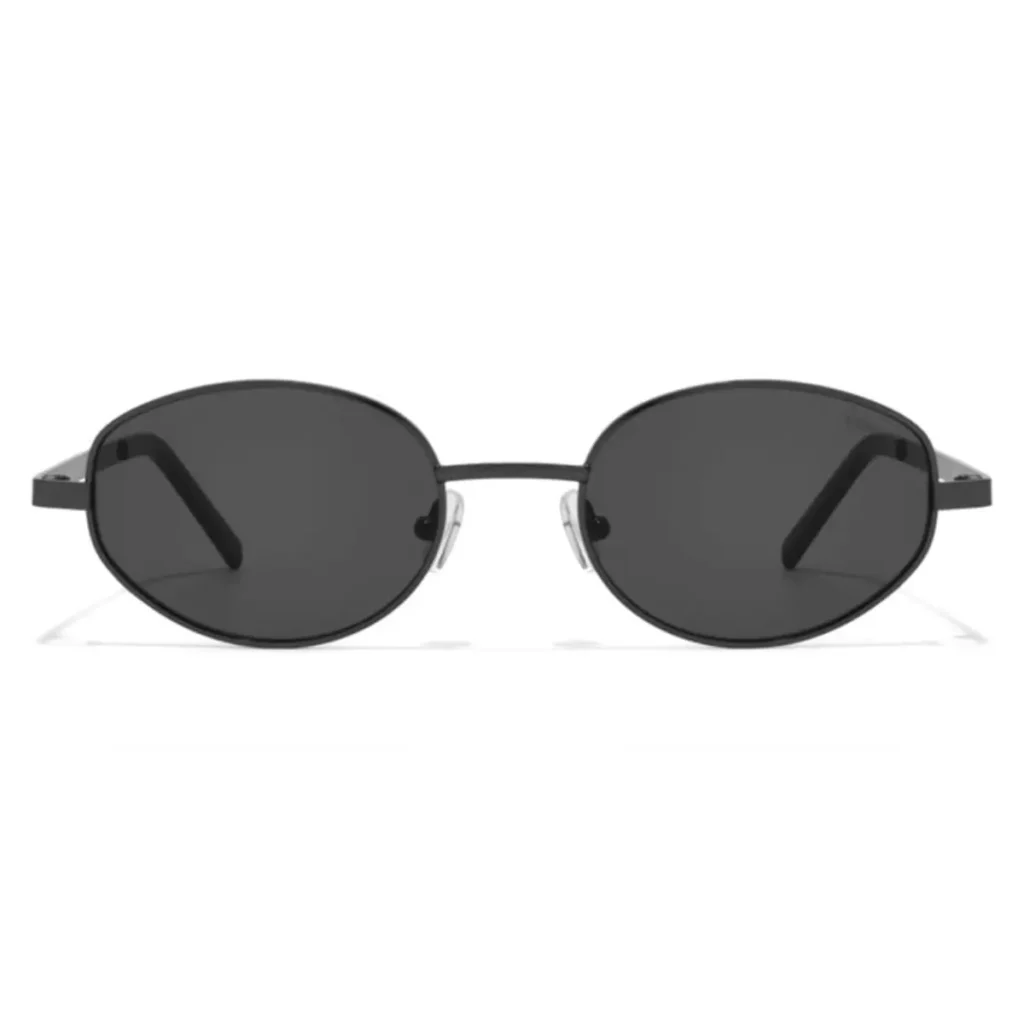
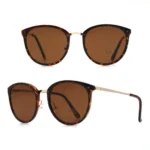
- Tortoiseshell and dark tones: Classic black and rich tortoiseshell are the most popular colors, often with gold or rose-gold metal accents.
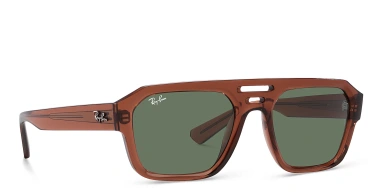
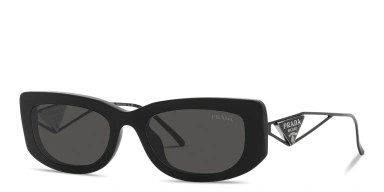
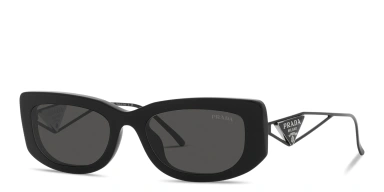
- Brand visibility: Visible logos and brand identifiers matter more in the Middle East than in most other markets. This is not superficiality — it is cultural communication through luxury signaling.
- Sunglasses as everyday wear: The intense UV environment (average 8+ UV index for 6+ months/year) makes quality sunglasses a daily necessity, not a seasonal accessory.
Africa: The Emerging Opportunity
Africa’s eyewear market is nascent but growing. Key dynamics:
- Nigeria: Africa’s largest population (220M+). Massive uncorrected vision problem. The market runs on affordability — TR90 and basic metal frames at ultra-low price points. But a growing urban middle class in Lagos and Abuja is creating demand for premium and branded eyewear.
- South Africa: The most mature African market. Strong optical retail chains. Demand spans from value TR90 to premium titanium. Sunglasses are essential (high UV exposure).
- Kenya and East Africa: Rapidly urbanizing. Chinese goods dominate the value segment through local distributors. The opportunity is in the growing middle segment — quality frames at accessible pricing.
Seasonal Considerations
- Gulf States: Sunglasses are year-round essentials. Peak sales during cooler months (Oct–Mar) when outdoor activity increases. Summer (Jun–Sep) sees reduced foot traffic but steady online demand. Ramadan drives gift purchases — premium frames as gifts.
- Africa: Seasonal variation depends on region. Southern Africa follows a pattern similar to Australia (peak sun season Oct–Mar). East and West Africa are tropical — year-round sun protection demand with wet season variations.
2026 Trend Direction
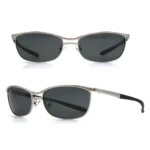
- Luxury sport crossover: The Middle East consumer increasingly demands frames that bridge luxury and active lifestyle — think Prada Linea Rossa, Cartier Sport. Gold-accented sport frames and premium wraparound sunglasses with designer detailing.
- Custom and exclusive: Limited-edition runs, personalized engraving, custom colorways. The Middle East consumer values exclusivity as much as brand name.
- Tech-luxury fusion: Smart glasses with premium styling (not the tech-nerd aesthetic). Ray-Ban Meta is generating interest, but the Middle East consumer wants the technology wrapped in luxury materials.
- Value-brand growth in Africa: As African middle classes expand, the demand for branded-looking frames at accessible pricing is surging. Not counterfeit — legitimate private-label frames with premium aesthetic at mass-market pricing.
Sourcing for the Middle East & Africa
The Middle East demands premium materials and impeccable finishing. Corners that might pass in other markets will not pass here. Specifically:
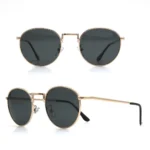
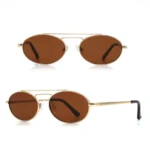
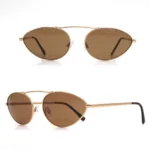
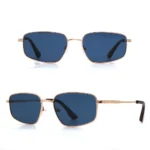
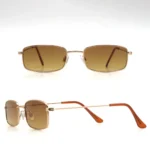
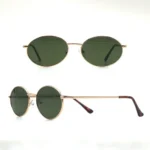
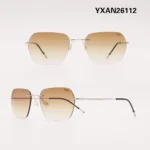
- Gold-tone and rose-gold finishes: Electroplating quality must be exceptional — thick, even, and tarnish-resistant. The Middle East consumer will notice flaking or uneven gold plating immediately. Demand nickel-release compliance documentation.
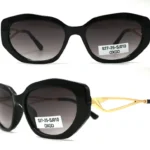
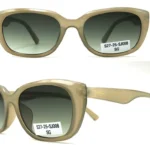
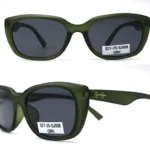
- Thick acetate in bold shapes: Oversized square and cat-eye in dark tortoiseshell and black with gold accents. This is your core Middle East collection. Acetate quality must be genuine — recycled or reprocessed acetate will show cloudiness that Middle East buyers will reject.
- UV400 and polarized lenses as standard: Not optional upgrades — baseline requirements. The intense UV environment makes anything less than full UV400 protection a liability.
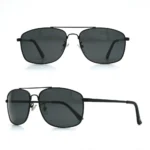
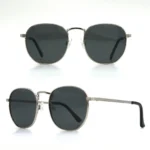
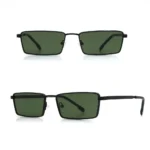
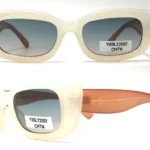
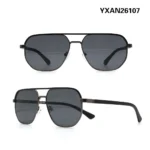
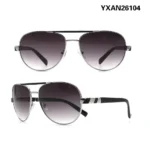
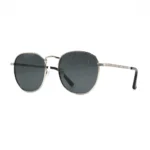
- Africa value play: TR90 frames with basic UV400 lenses at aggressive pricing. Focus on durability (rough handling is common) and simple, universally appealing shapes — rectangular, round, aviator.
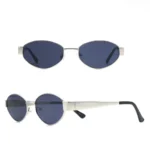
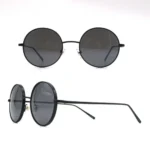
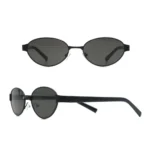
Our factory produces frames with premium gold-tone electroplating, genuine acetate in oversized shapes, and UV400/polarized lenses suitable for the Middle East’s demanding standards. We also manufacture TR90 value frames for the African market at competitive pricing with full compliance documentation.
Related Guides for B2B Eyewear Buyers
- How to Source Eyewear from China: B2B Buyer’s Guide
- OEM vs ODM Eyewear: Building a Private-Label Collection
- Pure Titanium vs Beta Titanium: Premium Frame Sourcing
- Custom Eyewear Packaging: Luxury Presentation for the Middle East
- Global Eyewear Production: Understanding the Supply Chain
- Eyeglass Hinges: Quality Components That Define Frame Longevity
If you are sourcing for the Middle East or Africa, contact our team. Share your target markets and price ranges, and we will prepare a tailored selection with the right materials, finishes, and lens options — because in these markets, the right quality in the right style is not a luxury, it is the minimum.

6.17_11.webp)