China manufactures more than 70% of the world’s eyewear. That’s not a claim — it’s a supply chain reality reflected in the production volumes coming out of Wenzhou, Shenzhen, and a handful of other specialized manufacturing clusters.
But “source from China” isn’t a strategy. This guide covers the actual process — from identifying the right supplier type to managing your first production run — with the kind of detail that helps you avoid the mistakes that cost buyers real money.
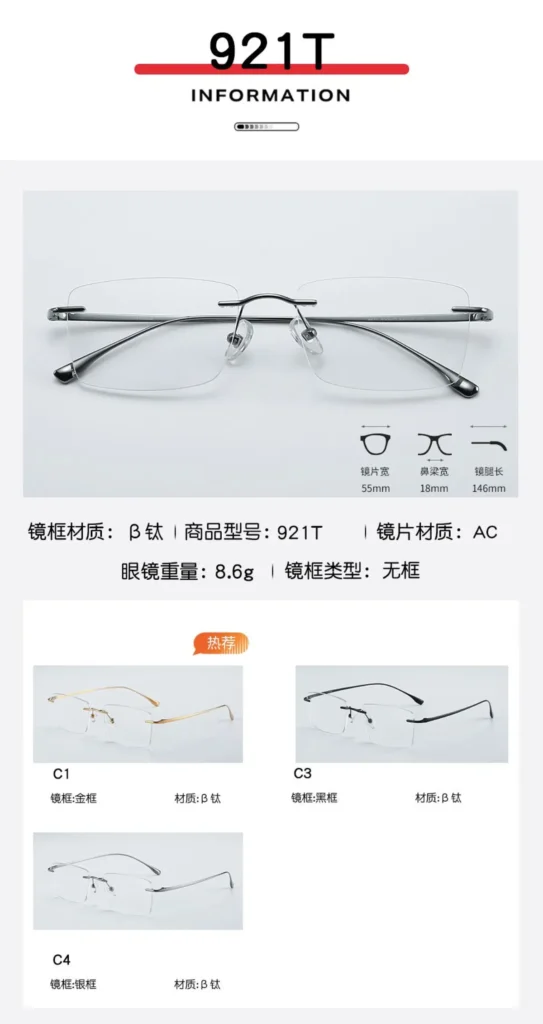
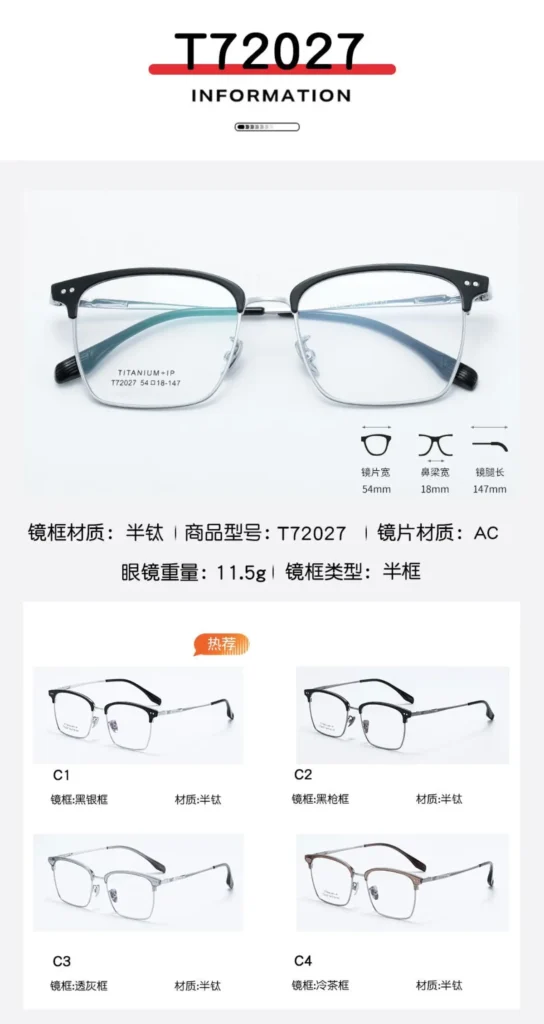
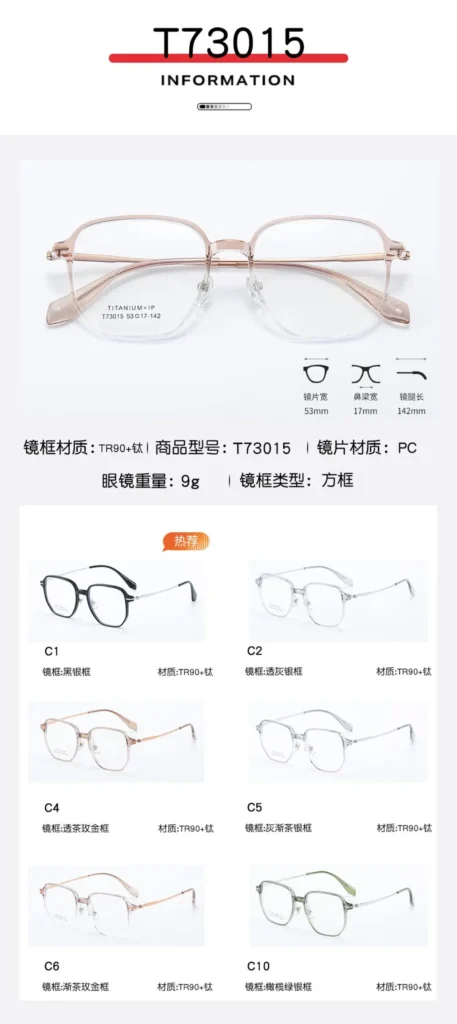
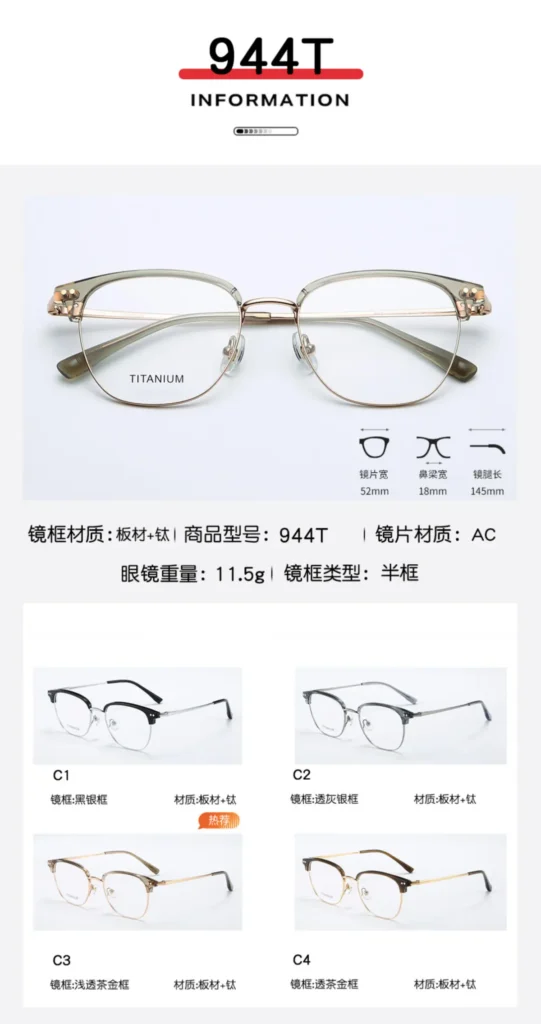
Step 1: Know What Type of Supplier You’re Looking For
The Chinese eyewear supply chain has three types of players, and confusing them is a common early mistake:
Factories (Manufacturers)
Direct production capability. They have molds, equipment, and workers. They can produce to your specs, customize, and handle OEM/ODM. Most don’t have extensive finished-goods inventory — they make to order. This is who you want for serious volume, custom products, or long-term supply relationships.
Trading Companies
Middlemen who source from multiple factories. They’re useful for buyers who need small quantities across many SKUs, or who want a single point of contact for complex multi-material orders. Their pricing is higher than factory-direct, and their quality control is only as good as their factory relationships.
Warehouse/Stock Dealers
These sell existing stock — often overstock from factories, canceled orders, or end-of-line product. Prices are low. But you can’t reorder the same styles, quality is inconsistent, and there’s no customization. For building a brand, this is a dead end.
Rule of thumb: if your goal is a repeatable product, work directly with a factory. If you need to figure out what sells before committing to production, a mix of stock and factory sampling can work — but have a clear plan for transitioning to factory-direct once you have proof of concept.
Step 2: Identify the Right Manufacturing Region
Not all Chinese eyewear manufacturing is equivalent. Regional specialization is real:
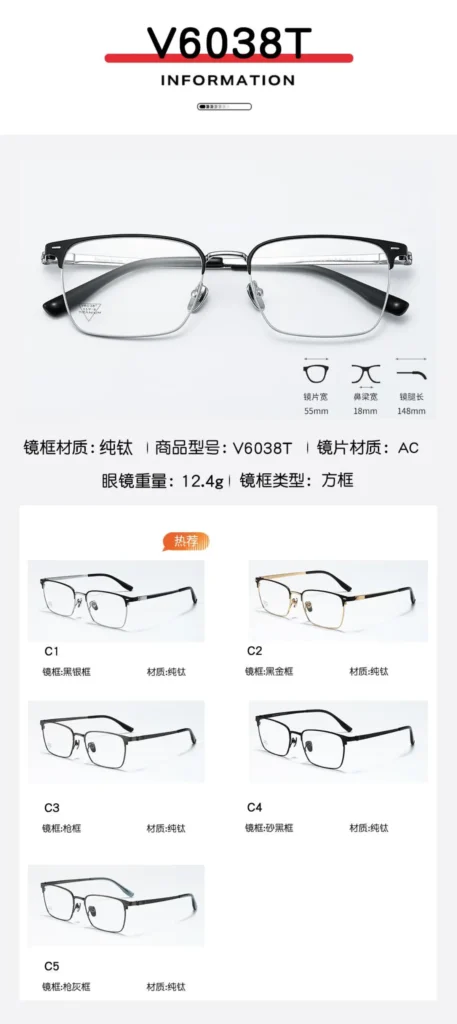
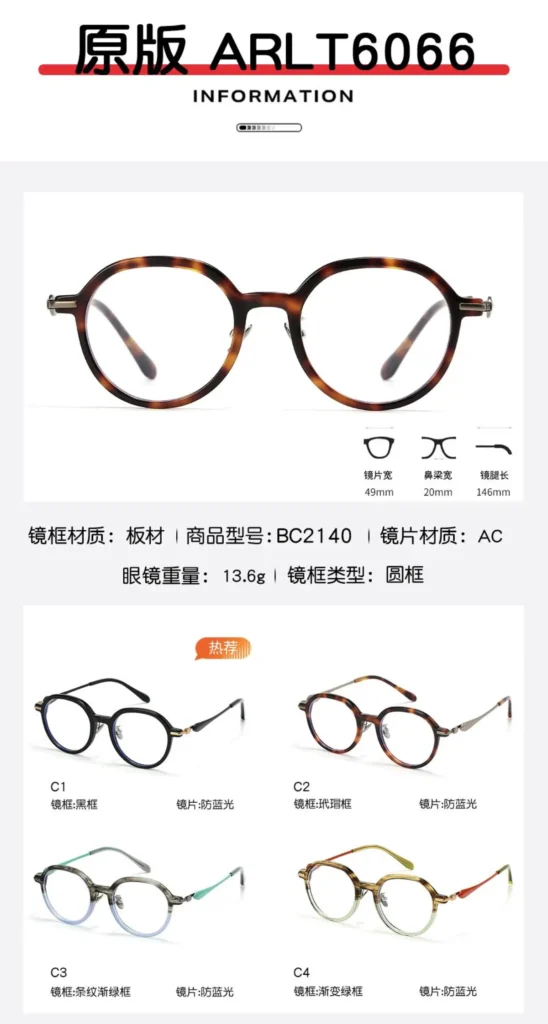
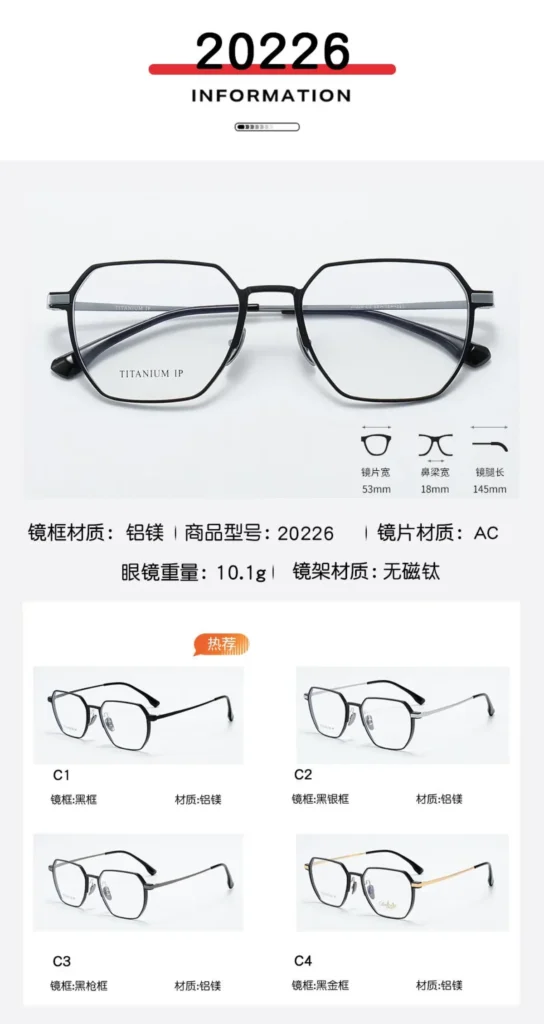
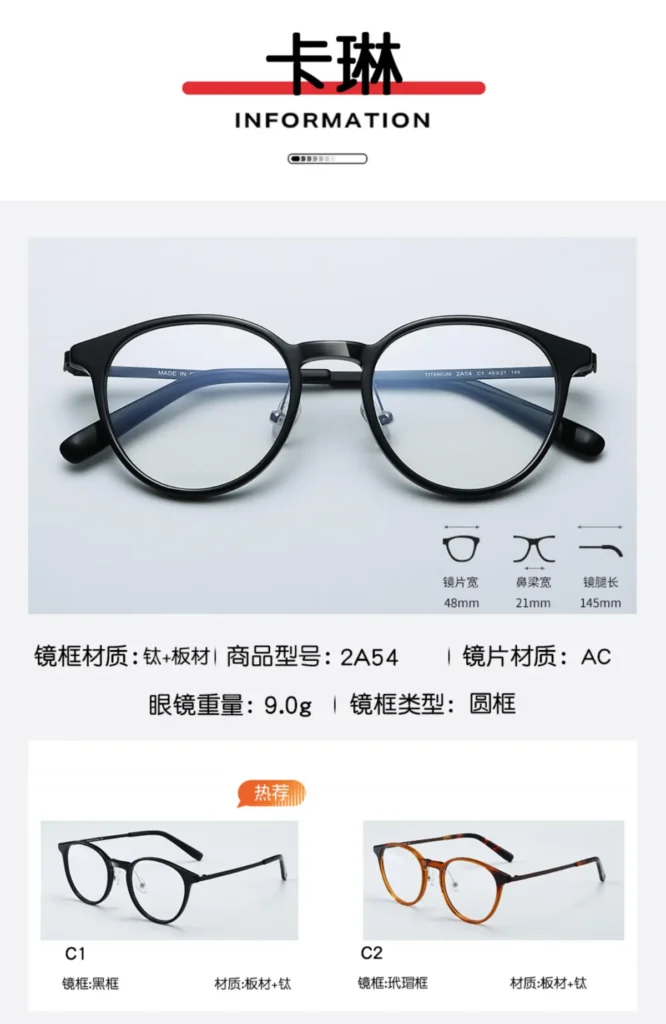
- Wenzhou (Zhejiang) — the dominant region for mid-to-high-end optical frames and fashion sunglasses. Strong on acetate, TR90, metal. Export-oriented, fast turnaround, competitive pricing. Most international brands (including many “European” brands) source here.
- Shenzhen (Guangdong) — highest quality ceiling in China. Complex plating, premium metal work, high-end OEM for international labels. Higher cost base.
- Fujian/Xiamen — specialized in sports eyewear, polarized sunglasses, cycling and outdoor frames. Taiwan-influenced manufacturing culture.
- Danyang (Jiangsu) — lens production, not frames. Most global lens supply runs through here.
- Taizhou/Yiwu — low-cost mass production. Suitable for promotional items, not brand-building.
For most B2B buyers building a genuine product line, Wenzhou offers the best balance of quality, price, capability, and logistics infrastructure.
Step 3: Evaluate Potential Suppliers
Don’t rely on Alibaba listings or website claims. Use this checklist when evaluating a factory:
Production Capability
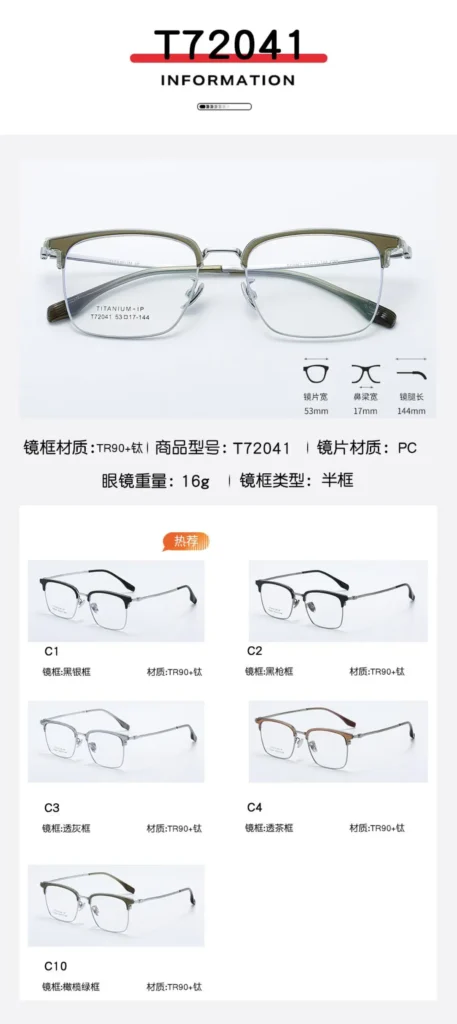
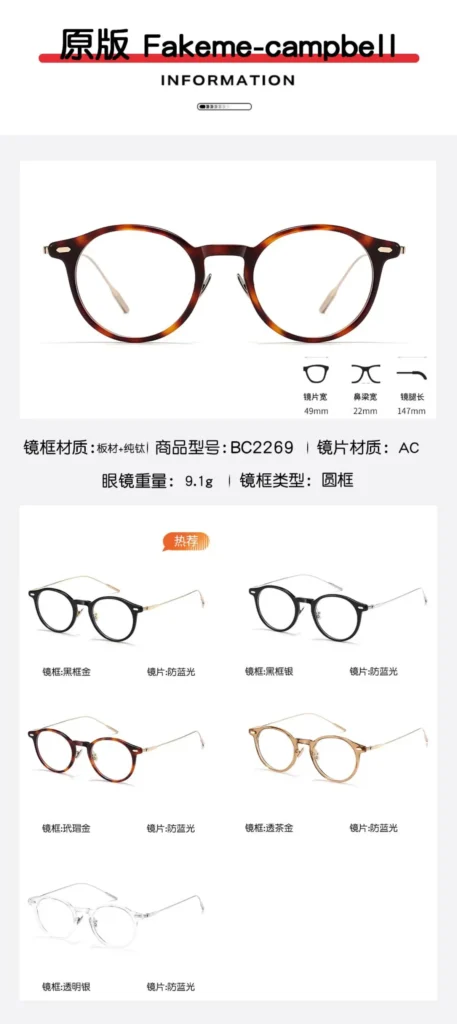
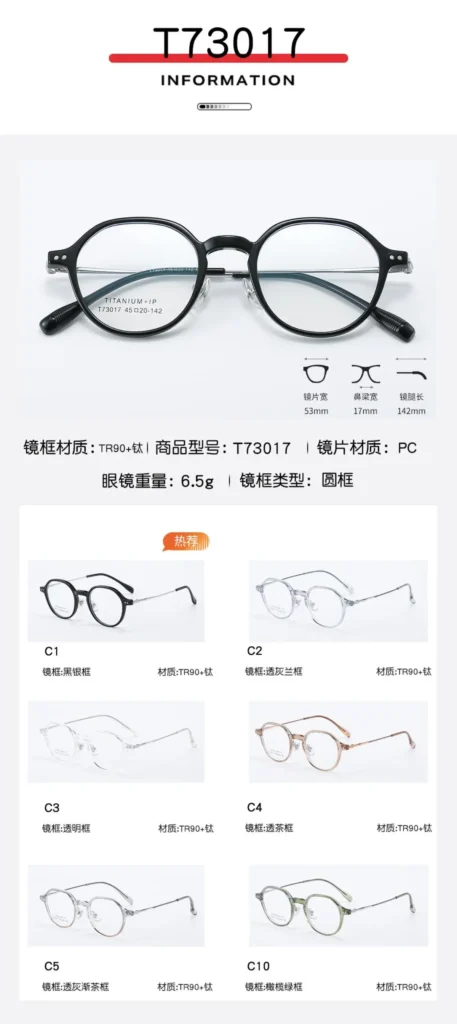
- Which materials can they process in-house? (acetate cutting, TR90 injection, metal stamping, titanium CNC?)
- Do they have their own plating line, or do they outsource?
- What’s their typical lead time for a reorder on an existing style?
- Can they provide 3D samples or prototypes before production?
Quality Systems
- Do they have in-house QC or rely on third-party inspection?
- Can they produce test reports for nickel release (EN 1811), impact resistance (ANSI Z80.3), or UV protection?
- What’s their defect rate on recent orders? (Ask for specifics, not vague claims.)
Communication and Reliability
- Response time to inquiries (a factory that takes 3 days to reply to a quote request will take 2 weeks to handle a production issue)
- Do they have an English-speaking export team?
- Can they provide references from existing customers?
IP and Confidentiality
- Will they sign an NDA before you share design files?
- Are your molds and tooling registered in your name?
- Do they have a policy on exclusivity for proprietary designs?
Step 4: Request and Evaluate Samples
Never commit to a production order based on photos or factory showroom samples. The sample you approve is the production benchmark — everything after that should match it.
Two types of samples to request:
Catalog Samples (from existing molds)
If you’re ordering an existing frame style, request a physical sample in your target color and hardware spec. Evaluate fit, finish, hinge action, and overall quality against your price expectation. Most factories will provide these at cost or free for serious buyers (you typically cover shipping).
Development Samples (for custom designs)
Custom designs require tooling. The development process runs:
- 3D render approval → factory creates a 3D file based on your design brief
- 3D printed prototype → physical check of proportions and fit (7–14 days)
- Pre-production sample → first sample from actual production tooling
- Production approval → you sign off before bulk run starts
Development samples carry a tooling cost (typically $200–$800 per mold depending on complexity). In most factories, this cost is credited against your first production order if you proceed.
Step 5: Understand Your MOQ Reality
MOQ in eyewear isn’t arbitrary. It reflects the economics of setup, material procurement, and machine runs:
- Existing styles, color change only: 200–300 pcs per color is typical
- Custom OEM (new design, existing material): 300–500 pcs per style
- Full ODM (new mold, custom design): 1,000–3,000 pcs to amortize tooling cost
If a factory quotes you 50 pcs MOQ on a custom design, ask questions. Either they’re padding price to compensate for small run inefficiency, or they’re cutting corners on setup quality.
Step 6: Clarify Payment Terms and Logistics
Payment
Standard terms for new buyer relationships: 30–50% deposit before production, balance before shipment. Some factories offer 30/70 or letter of credit terms for established buyers with volume history.
Avoid full prepayment on a first order with any factory you haven’t audited in person or via a trusted third party.
Shipping
Eyewear ships well by air (light, high value-to-weight ratio) or sea for large volumes. Most factories quote FOB (Free on Board) — meaning they deliver to the port, and you handle freight from there. Make sure you’re comparing apples to apples when evaluating quotes from different suppliers.
For North American or European buyers, transit times: air freight 3–5 days, sea freight 25–35 days from Wenzhou/Shanghai.
Step 7: Build the Relationship
The best supplier relationships in China are long-term. Factories prioritize buyers who give them predictable volume, pay on time, and communicate clearly. In return, you get better pricing over time, priority production slots during peak seasons, and a supplier who will flag problems proactively rather than just shipping and hoping you don’t notice.
If you can visit the factory in person (or during a trade show like Canton Fair or the Wenzhou Eyewear Exhibition), do it. Factory visits change the dynamic from transactional to collaborative — and you’ll learn things about your product that no sample inspection can reveal.
We’re a Wenzhou Factory
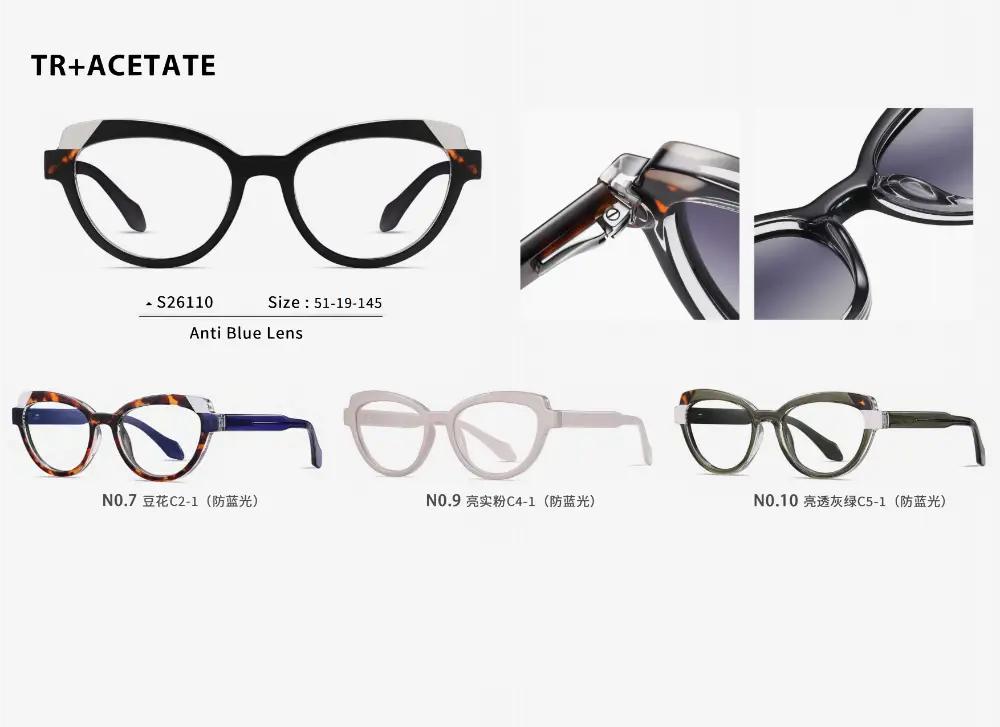
Wenzhouframe is based in the No. 555 Mayu Avenue, Mayu Town, Ruian, Wenzhou, Zhejiang. We produce acetate, TR90, and metal frames for export customers across North America, Europe, and Southeast Asia.
If you’re evaluating sourcing options, we’re happy to walk through our production process, sample capabilities, and pricing structure. No pressure, no pitch — just the information you need to make a good decision.
→ mimi@wenzhouframe.com | WhatsApp: +86 152 5809 0639

6.17_11.webp)